
Best Time to Visit Everest Base Camp
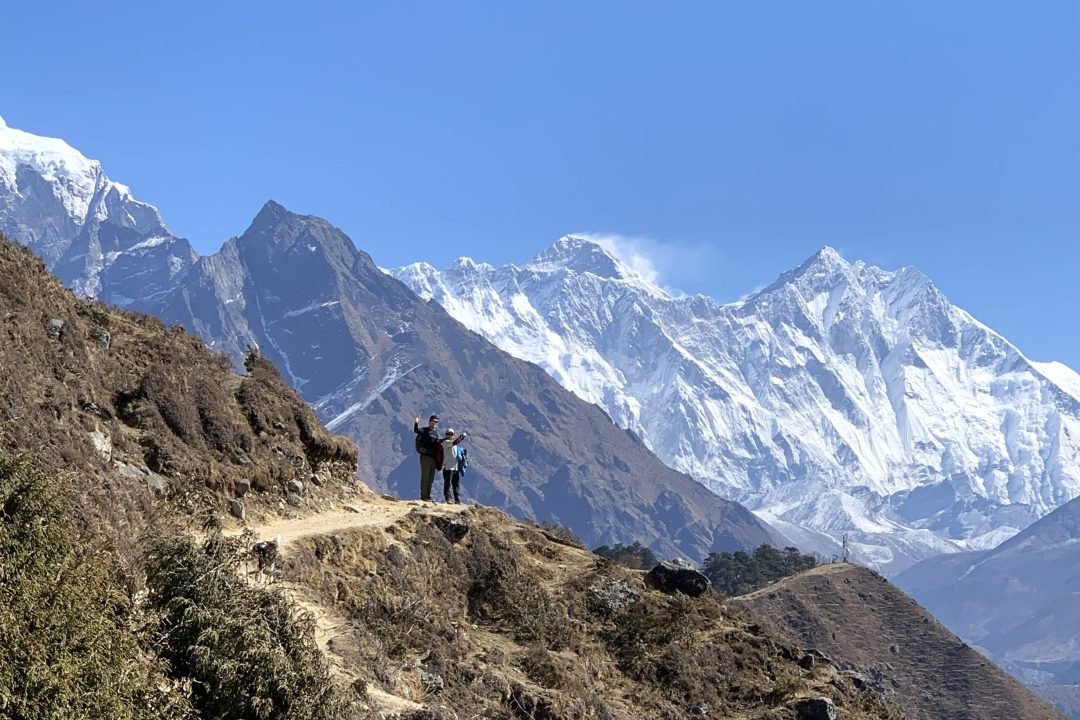
There is a moment on this trail when the clouds part and you finally see it. The tallest mountain on Earth, standing quietly above everything else.
That moment is why thousands of trekkers save for years and fly into one of the world’s most thrilling airports. But it only happens if the weather cooperates.
So what is the best time to visit Everest Base Camp? In short, October and November offer the clearest skies and the most stable weather of the year. April and May come close behind, with warmer days and blooming rhododendrons, though skies can turn hazy late in the season.
These four months are widely considered the best season for Everest Base Camp trek, and most trekking agencies recommend them first. Winter and monsoon remain possible too, just with extra challenges attached.
The real answer still depends on what you care about most. Clear skies, blooming trails, or a quiet path inside Sagarmatha National Park with almost nobody on it. This guide breaks down every season so you can pick the one that fits your goals, your fitness level, and your sense of adventure.
Table of Contents
Understanding Everest Base Camp Climate
Nepal’s weather changes fast with altitude. Kathmandu sits at just over 1,300 meters and often feels warm and dusty.
Everest Base Camp sits at elevation of 5,364 meters (17,598 feet) above sea level. Up there, the air is thin, the sun is sharp, and the nights are cold no matter what month it is.
This is why Everest Base Camp weather by month matters so much. Rain, snow, wind, and cloud cover all decide whether you get postcard views or a week of grey skies.
Why Timing Affects Your Flight To Lukla
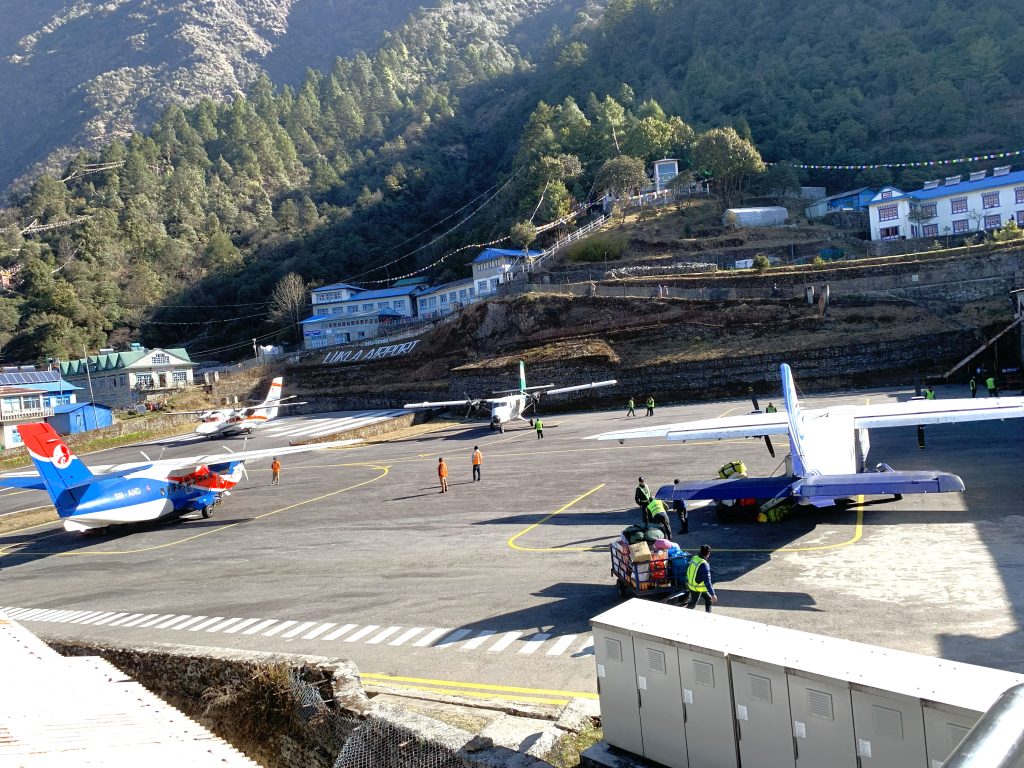
Timing also decides something many trekkers do not think about until it happens to them. The flight to Lukla.
This small mountain airport depends entirely on clear morning skies. One foggy day can cancel dozens of flights and strand trekkers in Kathmandu for days.
Knowing the Everest Base Camp climate month by month helps you avoid this frustration.
Autumn (September to November): The Overall Best Time
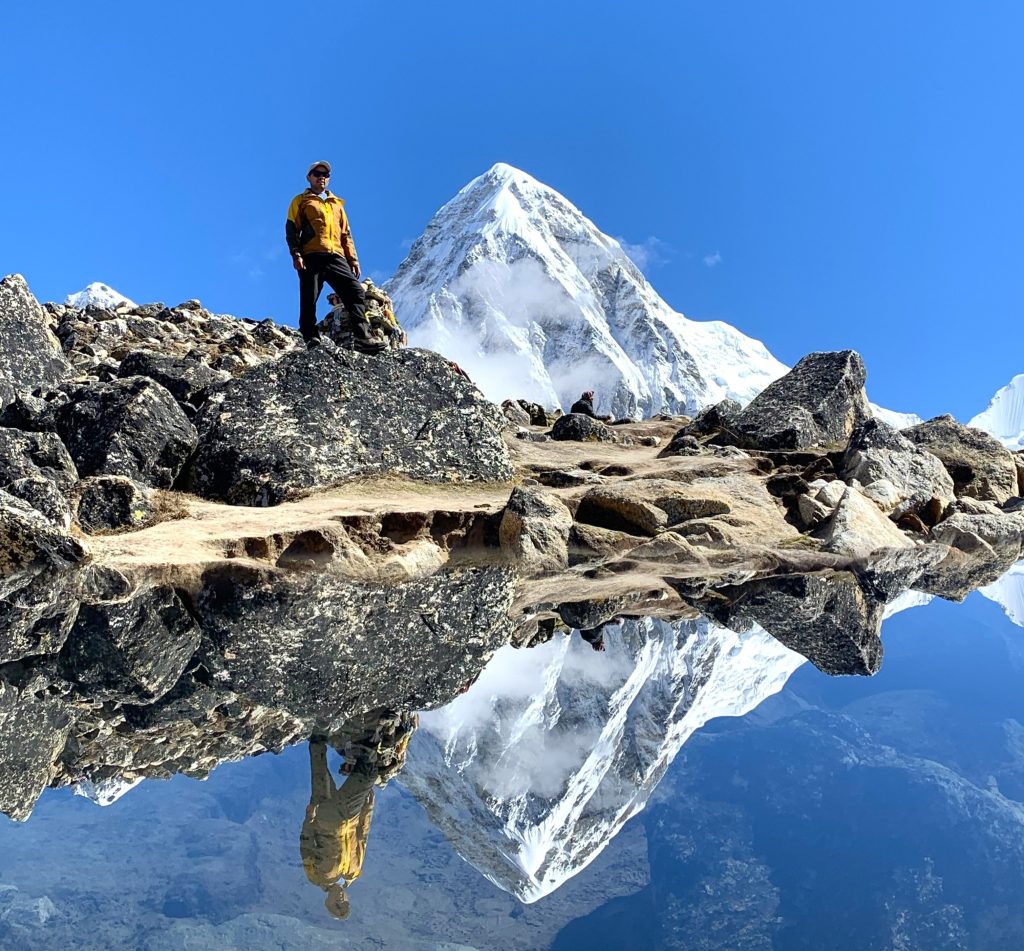
Autumn is the season most guides point to first when people ask about the best time to trek to Everest Base Camp.
Why Autumn Works So Well
The monsoon rains clear out by mid September. This washes the dust from the air and leaves behind stable, settled weather.
Skies turn a deep, cloudless blue. Mountains look sharp, close, and almost unreal. On most October mornings, Namche Bazaar and Hotel Everest View offer stunningly clear mountain views, before afternoon clouds start rolling in.
This is the season with the highest chance of clear, unobstructed views of Everest, Lhotse, and Ama Dablam.
Everest Base Camp temperature in autumn is also comfortable by Himalayan standards. Days feel pleasant at lower elevations, and nights get cold as you climb, but nothing like the deep chill of winter.
Trails are dry and firm after being freshly rinsed by the departing monsoon, which makes walking safer.
Autumn Festivals Add Culture To The Trail
Autumn lines up with two of Nepal’s biggest festivals, Dashain and Tihar. Trekking through Sherpa villages during this window often means catching local celebrations and warm hospitality.
The Catch With Autumn Trekking
Trails and teahouses get busy. Booking flights and rooms in advance becomes necessary, especially in October.
Spring (March to May): Best For Flora And Fauna
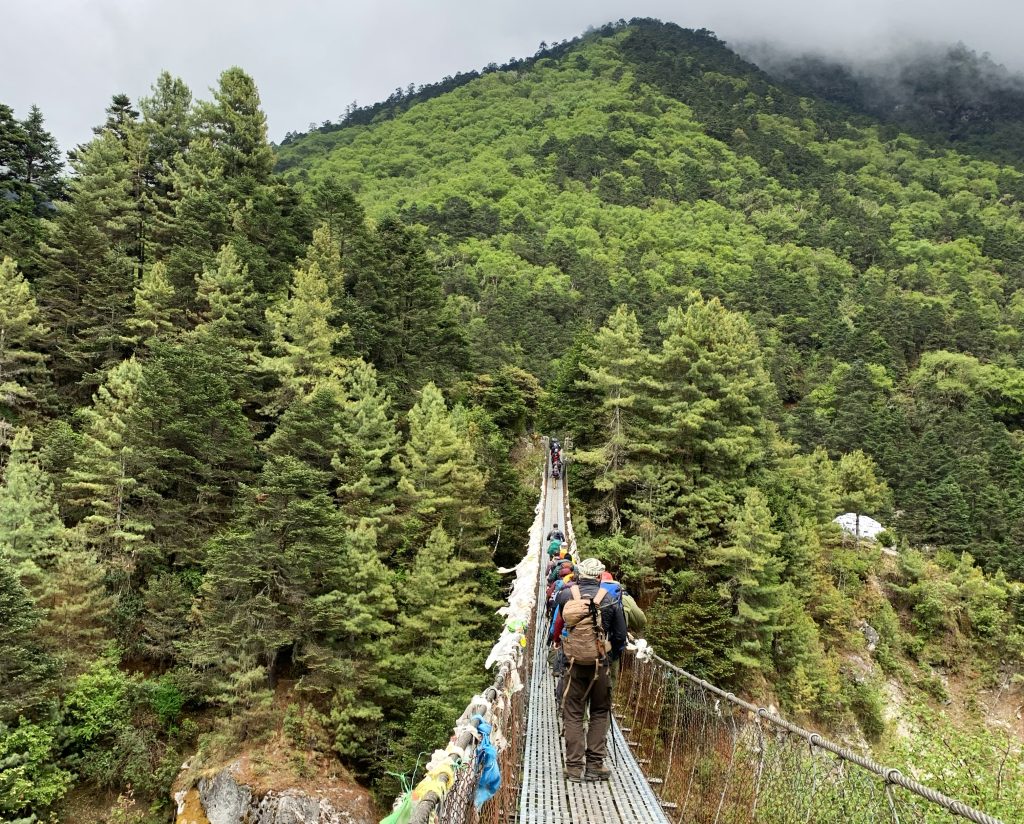
Everest Base Camp Trek in spring offers a different kind of beauty. One that comes alive rather than sitting still.
Why Spring Works So Well
Lower and middle sections of the trail explode with color. Rhododendron forests bloom in deep red, soft pink, and white.
Wildlife becomes more active too. Trekkers often spot pheasants, musk deer, and occasionally the elusive Himalayan tahr.
Days grow longer and warmer through March, April, and May. This gives extra daylight for walking and enjoying the views.
Spring is also the summit season. Base Camp itself turns into a lively tent city filled with climbers preparing for Everest Expeditions.
The Catch With Spring Trekking
By late May, haze builds ahead of the monsoon. Afternoon clouds are common and can roll in by midday, softening views that were sharp that same morning.
Trekkers chasing clear photos should aim for early or mid spring rather than the very end of the season.

Winter (December to February)
Winter Everest Base Camp Trek is not for everyone. But for the right traveler, it can feel magical.
Winter Pros
Skies are often crystal clear, since cold air holds less moisture. Crowds virtually disappear. Trails feel calm, quiet, and almost private.
Winter Cons
Nights turn extremely cold, sometimes dropping well below freezing near Base Camp. Heavy snow can block high passes like Cho La and Renjo La.
Daylight hours shrink. Some teahouses close entirely for the season, so route planning matters more here than in any other month.
Summer / Monsoon (June to August)
Monsoon in the Everest region is the least popular window, but it still has a small, loyal group of fans.
Monsoon Pros
Valleys turn lush and green. Waterfalls swell with runoff. When clouds briefly part, the misty mountain views can be genuinely beautiful.
Monsoon Cons
Daily rainfall makes trails muddy and slippery. Leeches become a real nuisance at lower elevations.
Cloud cover also leads to frequent Lukla flight delays, which can throw off a carefully planned itinerary.
Everest Base Camp Weather By Month
Here is a simple comparison table to help you find the best month for Everest Base Camp Trek based on your priorities.
| Month | Weather and Temperature | Crowd Levels | Scenery and Visibility | Good for Beginners |
| January | Very cold, occasional snow | Low | Clear but stark | Challenging |
| February | Cold, some snow | Low | Clear, crisp air | Challenging |
| March | Mild, warming up | Moderate | Good, some haze | Yes |
| April | Warm days, cool nights | High | Excellent, rhododendrons bloom | Yes |
| May | Warm, humid late month | High | Good early, hazy late | Yes |
| June | Warm, wet | Low | Poor, cloudy | Not ideal |
| July | Hot, heavy rain | Very low | Poor, misty | Not ideal |
| August | Hot, heavy rain | Very low | Poor, misty | Not ideal |
| September | Cooling, drying out | Moderate | Improving fast | Yes |
| October | Cool, dry, stable | Very high | Excellent, clearest skies | Yes |
| November | Cold, dry, stable | High | Excellent | Yes |
| December | Very cold, dry | Low | Clear, calm | Challenging |
Mountain weather can shift quickly no matter the season, so treat this table as a guide, not a guarantee.
Factors Beyond The Weather
Weather matters, but it is not the only thing that should shape your decision.
Your Fitness And Experience Level
Winter and monsoon trekking demand more resilience. Cold weather requires proper gear and layering knowledge. Monsoon trekking means walking through mud and humidity for hours at a time.
If this is your first Everest Base Camp trek, spring or autumn will feel far more forgiving.
Your Crowd Tolerance
Do you enjoy sharing the trail with hundreds of trekkers and swapping stories at busy teahouses? Or would you rather walk in near silence?
Peak trekking season in Nepal in autumn and spring brings social energy. Winter and monsoon bring solitude.
Lukla Flight Reliability
Autumn and spring offer the highest success rates for flights between Kathmandu or Ramechhap and Lukla. If avoiding delays matters to you, these two seasons remain the safest bet.
Frequently Asked Questions
What is the best time to visit Everest Base Camp?
October and November in autumn, along with April and May in spring, offer the clearest skies and most reliable weather for trekking.
What is the best season for Everest Base Camp trek overall?
Autumn is generally considered the best season, thanks to stable weather, dry trails, and the highest chance of clear mountain views.
Can you trek Everest Base Camp in winter?
Yes. Winter trekking is possible from December to February, but expect extreme cold, shorter days, and some closed teahouses at higher altitude.
Is Everest Base Camp Trek in spring good for beginners?
Yes. Warm days, long daylight hours, and blooming rhododendrons make spring one of the easiest seasons for first time trekkers. By late April, the trail near Tengboche turns into a colorful, photogenic stretch of red and pink blooms. Wildlife wakes up too, with sightings of pheasants, musk deer, and the occasional Himalayan tahr along the way.
What is Everest Base Camp weather like in the monsoon months?
June through August bring heavy rain, muddy trails, leeches, and frequent Lukla flight delays, making this the least recommended trekking season.
Which month has the clearest mountain views?
After leading Everest Base Camp treks for many years, we’ve found October consistently provides the highest chance of clear mountain views and fewer weather-related flight disruptions.
Do I need different gear depending on the season?
Yes. Winter and early spring require heavier insulation, while autumn and late spring allow lighter layers during the day.
Final Thoughts
For most trekkers, the golden windows remain October through November and April through May. These months balance clear views, comfortable temperatures, and reliable flights.
Winter rewards trekkers who want solitude and can handle serious cold. Monsoon rewards those who love green landscapes and do not mind mud on their boots.
Whichever month you choose, stay flexible. Himalayan weather has a mind of its own, and the trekkers who enjoy this journey most are usually the ones who let go of a rigid schedule.
Ready to plan your trek? Check out our Everest Base Camp trekking packages, download our free packing list, or leave a question in the comments below.
-
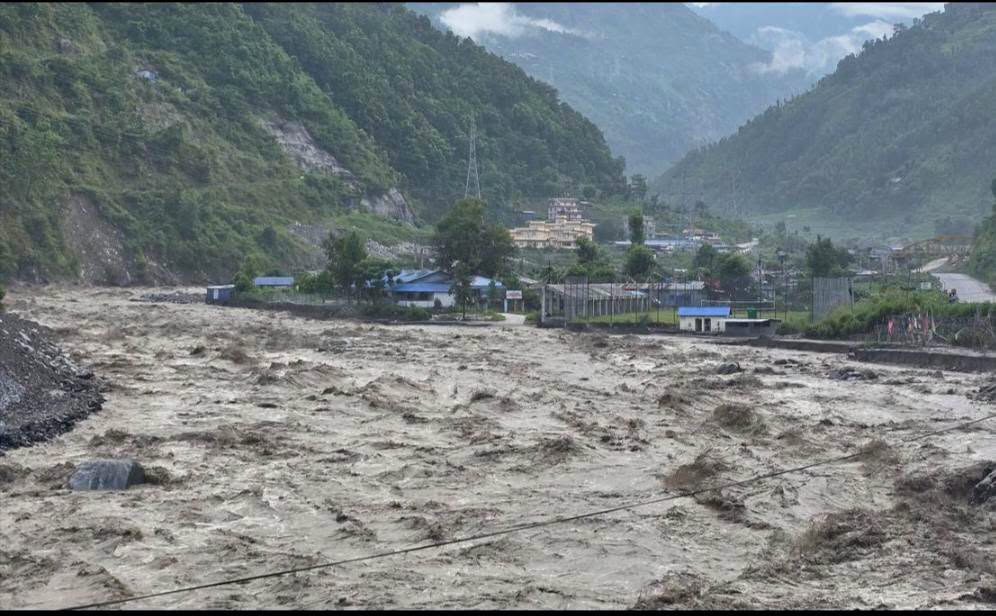
Catastrophic Flash Floods Strike Rasuwa around 9:00 AM on Wednesday, August 26
RASUWA: Early this morning, around 9:00 AM, flash floods originating from the Tibetan side affected parts of Rasuwa District, including Timmure, Rasuwagadhi, and Syabrubesi. The floods have caused significant damage, displaced residents, and disrupted traffic along important supply routes in the area. The death toll from the devastating Bhote Koshi flood reached 1,390 as of…
-
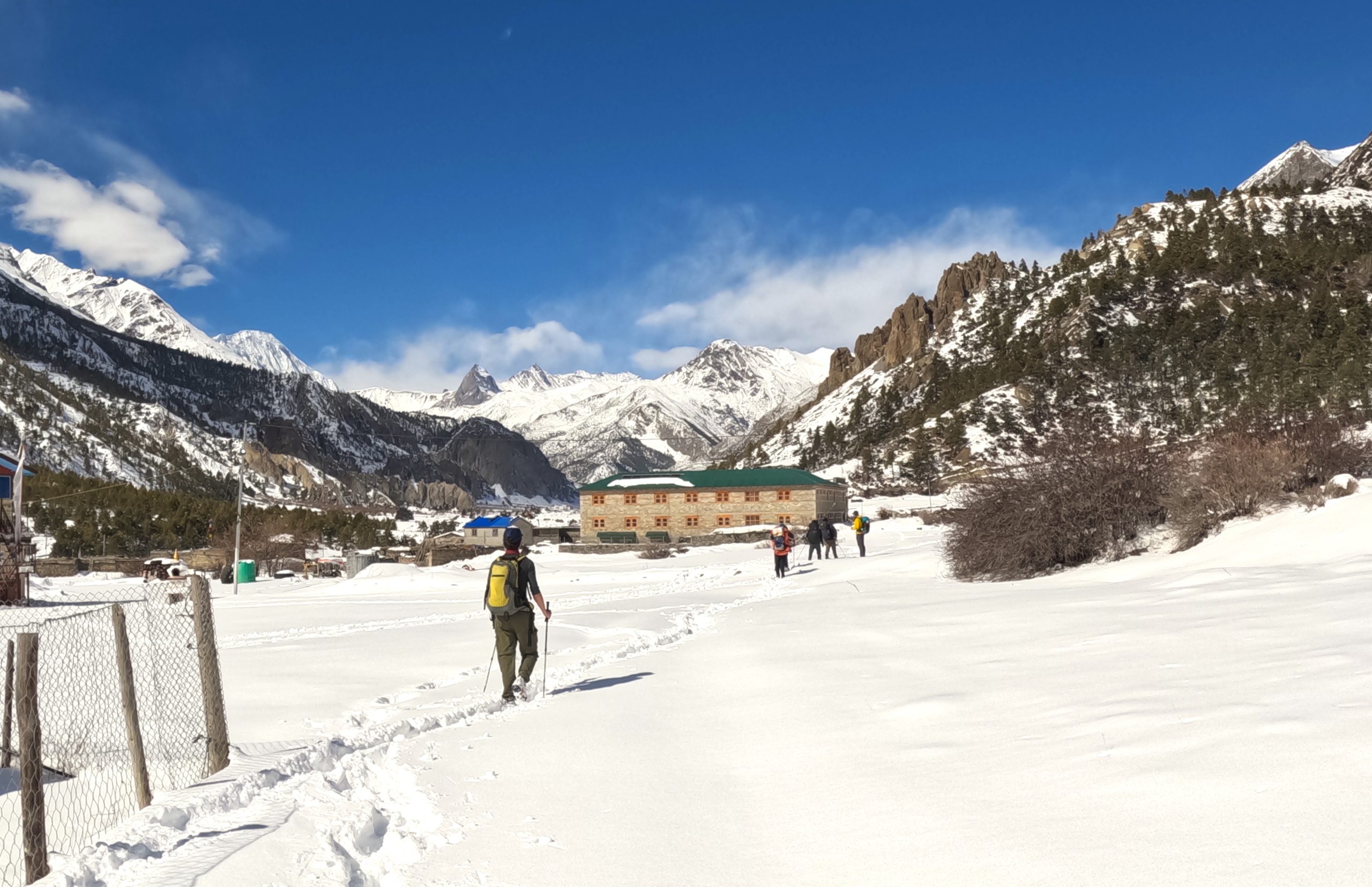
Is the Annapurna Circuit Trek Beginners Friendly?
Introduction The Annapurna Circuit is a world-famous trail located in the Annapurna region within the Annapurna Conservation Area of Gandaki Province. It circles the Annapurna range and offers breathtaking views of the Annapurna, Dhaulagiri, and Manaslu mountain ranges. The highest point that you will reach on this trek is Thorong La Pass at 5,416 meters…
-
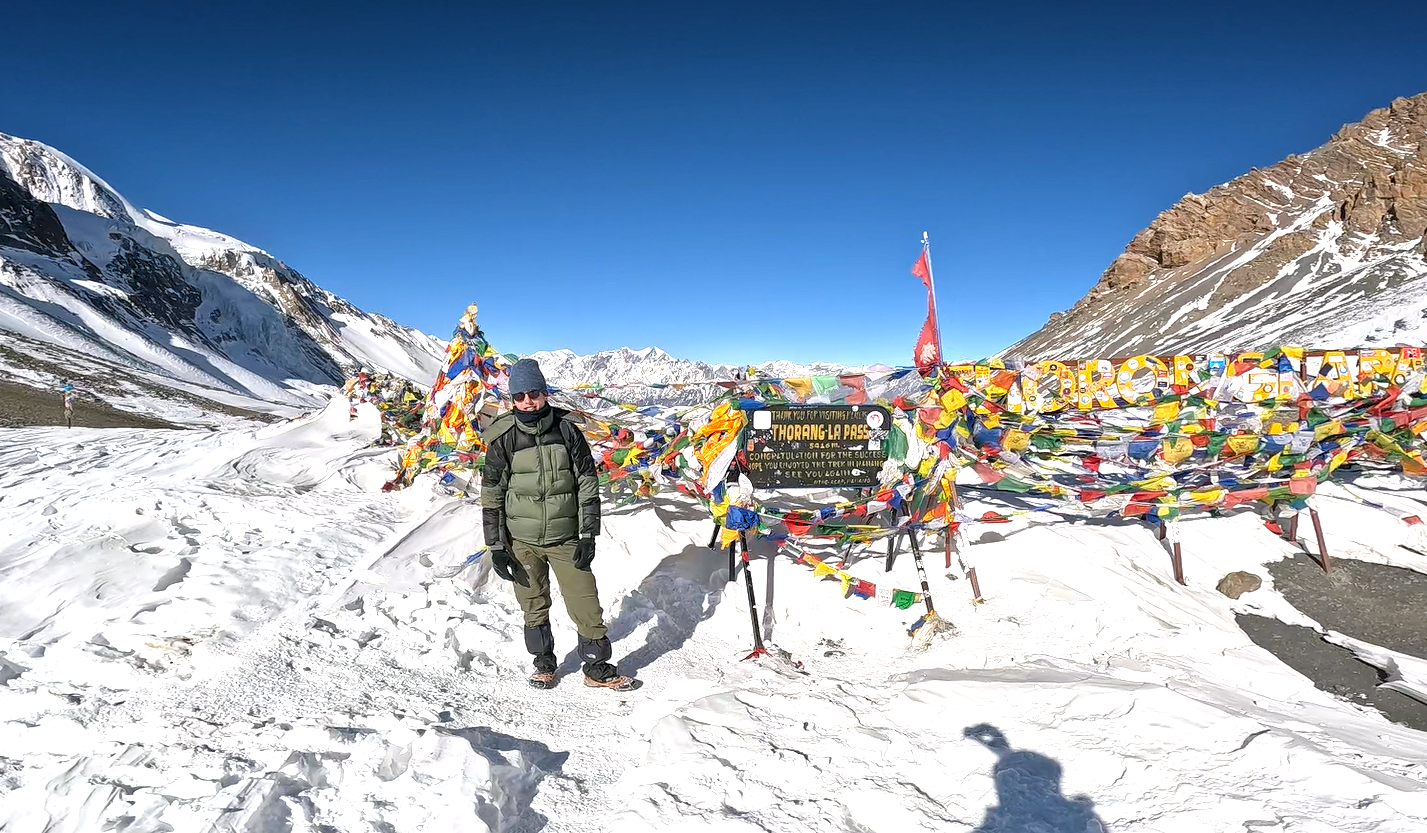
Thorong La Pass: Altitude, Location, Difficulty & Crossing Tips
I. Introduction There’s a moment on the Annapurna Circuit when trekkers feel a surge of excitement and exhaustion at the same time. The breathing becomes heavy here, and the wind starts to blow strongly. You can hear your own heavy breath, and when you look around, you see prayer flags snapping against a brutally blue…