-
Is there a flight option to reach Langtang Valley Trek?
No, there is no direct flight option to reach the starting point of the trek, so trekkers should take road transportation, which is easily available from Kathmandu.
-
Is this Langtang Valley trek suitable for small children?
We don’t suggest this Langtang Valley trek for the small children. Instead of the Langtang trek, small children can join the Ghorepani Poon hill trek or a short and easy trek in Nepal.
-
I am a beginner trekker. Can I join the Langtang Valley trek - 7 days?
Yes, beginner trekkers can also join this short Langtang Valley trek for 7 Days, but beginner trekkers should have a moderate level of physical fitness.
-
Can we do this Langtang Valley trek - 7 days with friends and family?
Yes, this short Langtang Valley trek - 7 days can be a perfect option to do with friends and family. But remember that all the participants who join this trek must be able to walk for around 6-7 hours during the trek.
-
Can solo trekkers join the group?
Yes, High Route Adventure allows solo trekkers to join the group for the Langtang Valley trek for 7 days.
-
Am I a woman? Can I join this trek?
In Nepal, women are safe to travel. So, if you are a woman, you can join this trek without worrying about anything.
-
What kind of food can I expect during the Langtang Valley trek - 7 days?
We will arrange a three meal meal for you in the tea house during the Langtang trekking. For lunch your trekking guide will take you to the available tea house in the middle of the journey.
-
What kind of accommodation is available during the Langtang Valley trek - 7 days?
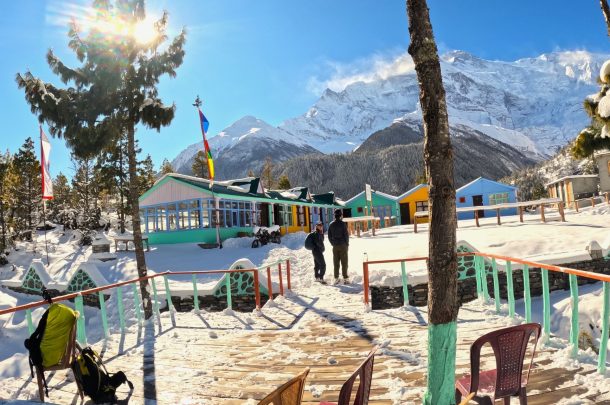
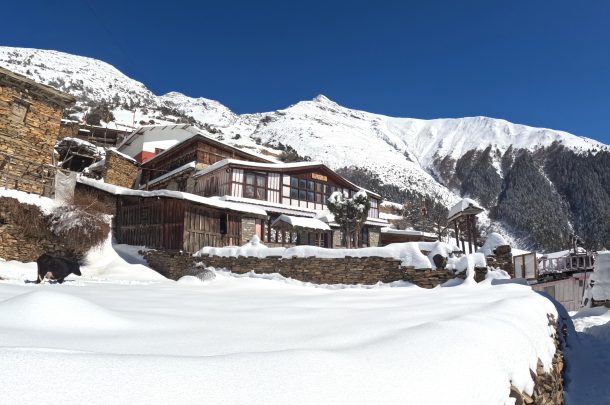
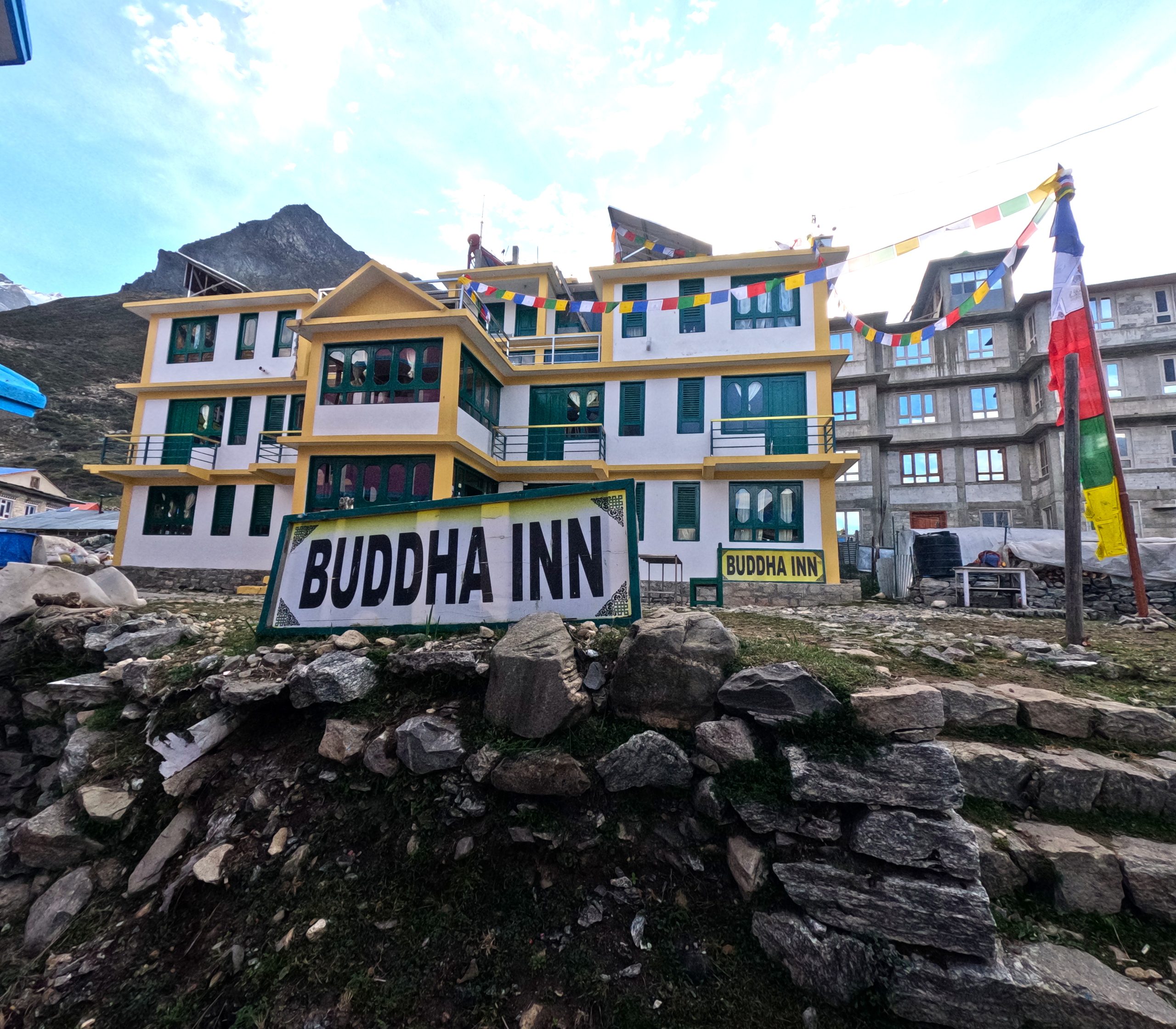
High Route Adventure will provide you with the best accommodation for this trip. You will stay in teahouses during the trek. These tea houses offer shared rooms with twin beds, amenities like warm blankets, pillows, bed sheets, and washroom facilities.
-
Can I get a single room?
Yes, for the Langtang Valley Trek of 7 days, we can provide you with a single room with an attached bathroom at an extra cost. For more info on single room contact to our tour operator.
-
What kind of toilet facilities are available during the Langtang Valley trek?
You get the toilet facilities where you stay during the trek. Toilets here are mostly squat types. There will be only running water inside the toilets and no amenities will be provided. Toilets are often shared among the trekkers.
-
Do you provide drinking water for the Langtang Valley trek - 7 days?
Tea House provides you with drinking water during the Langtang Valley trek, but you need to pay a small amount for that. You can also buy water bottles from local shops or refill water from the tea house.
-
What are the permits that we need for the Langtang Valley trek - 7 days?
You need two permits for this trek: a Langtang National Park Permit and a TIMS Card. When you book a route adventure, we will arrange all these permits for you. Also, you don’t need to pay any cost for this permit.
-
Can we customize the Langtang Valley trek - 7 days?
Yes, it is possible to customize the Langtang Valley Trek - 7 days to suit your preferences and requirements. For this you need to contact our tour operator so that our tour operator will guide you to make a customized itinerary.
-
Where can I throw waste during the Langtang Valley trek?
To protect the beauty of the Langtang region, everyone must dispose of waste only in designated areas. You can find dustbins in the local tea houses. Follow the "Leave No Trace" policy and try to minimize the impact on the environment by avoiding plastic products during the trek.
-
What are the major attractions of the Langtang Valley trek - 7 days?
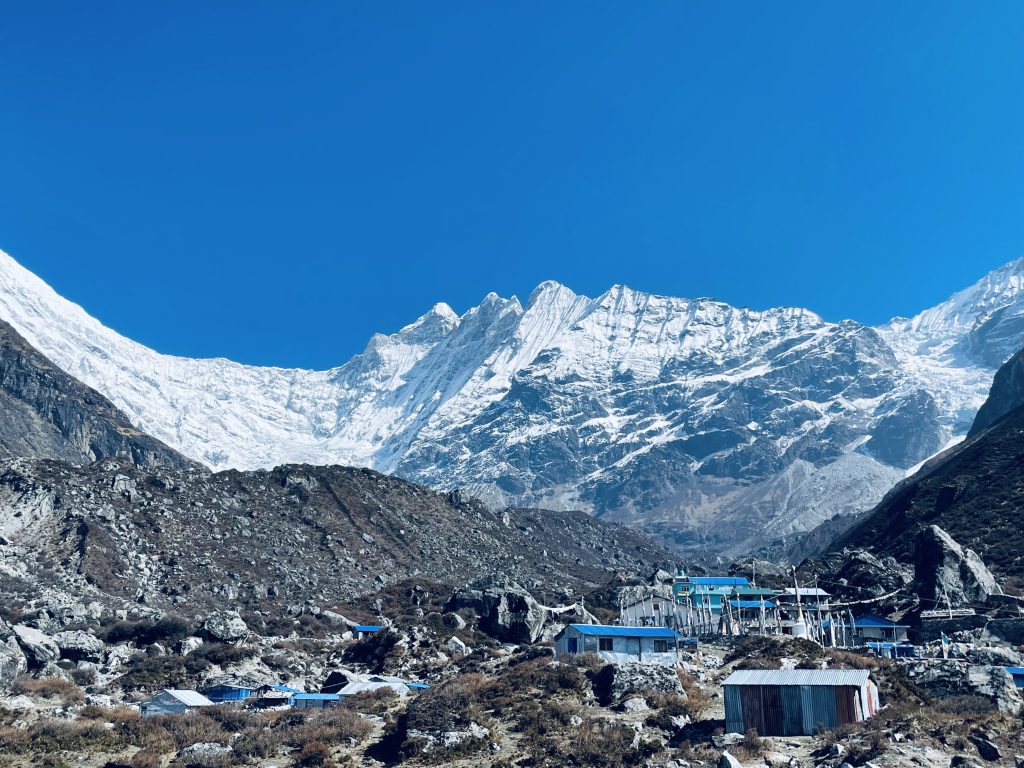
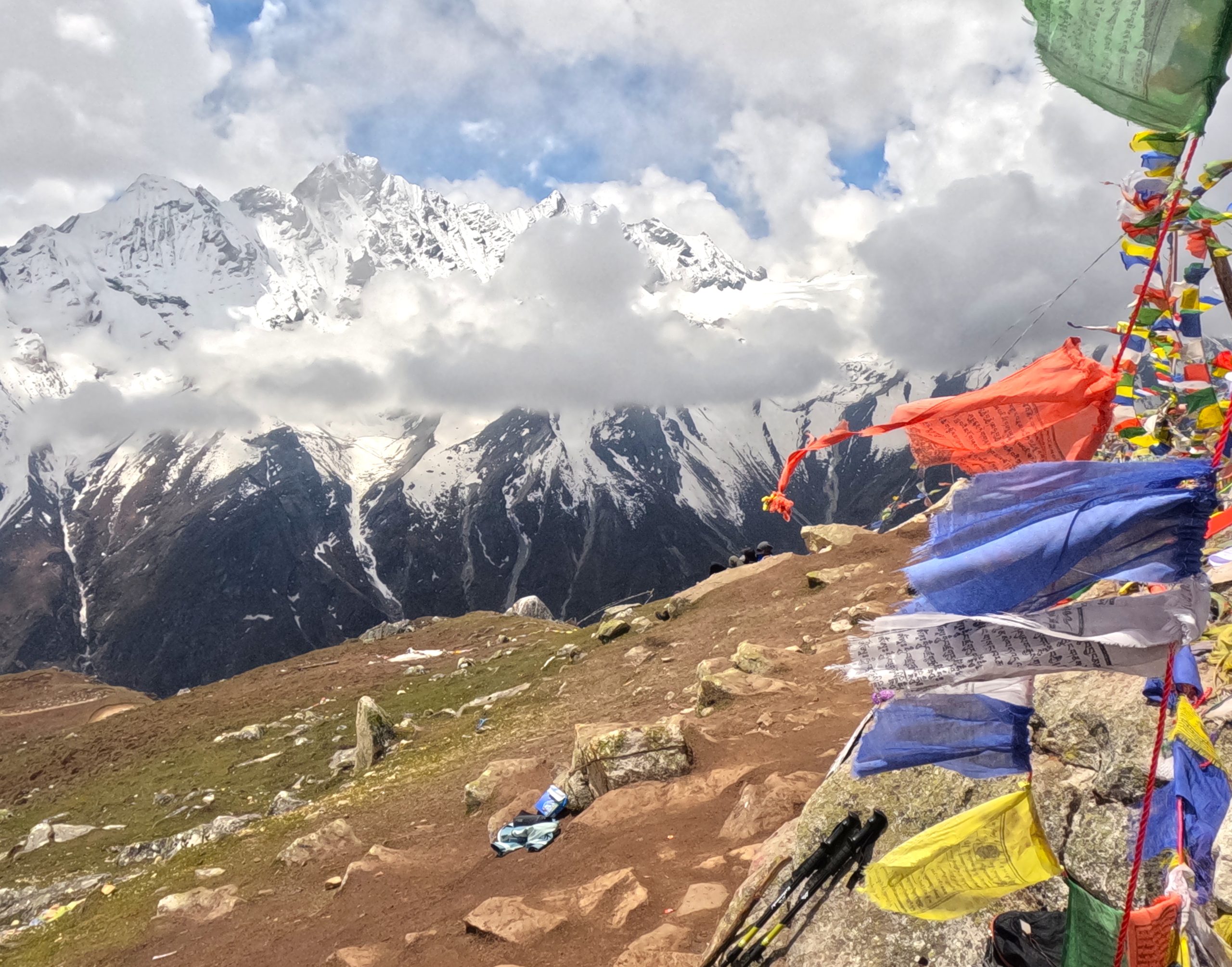
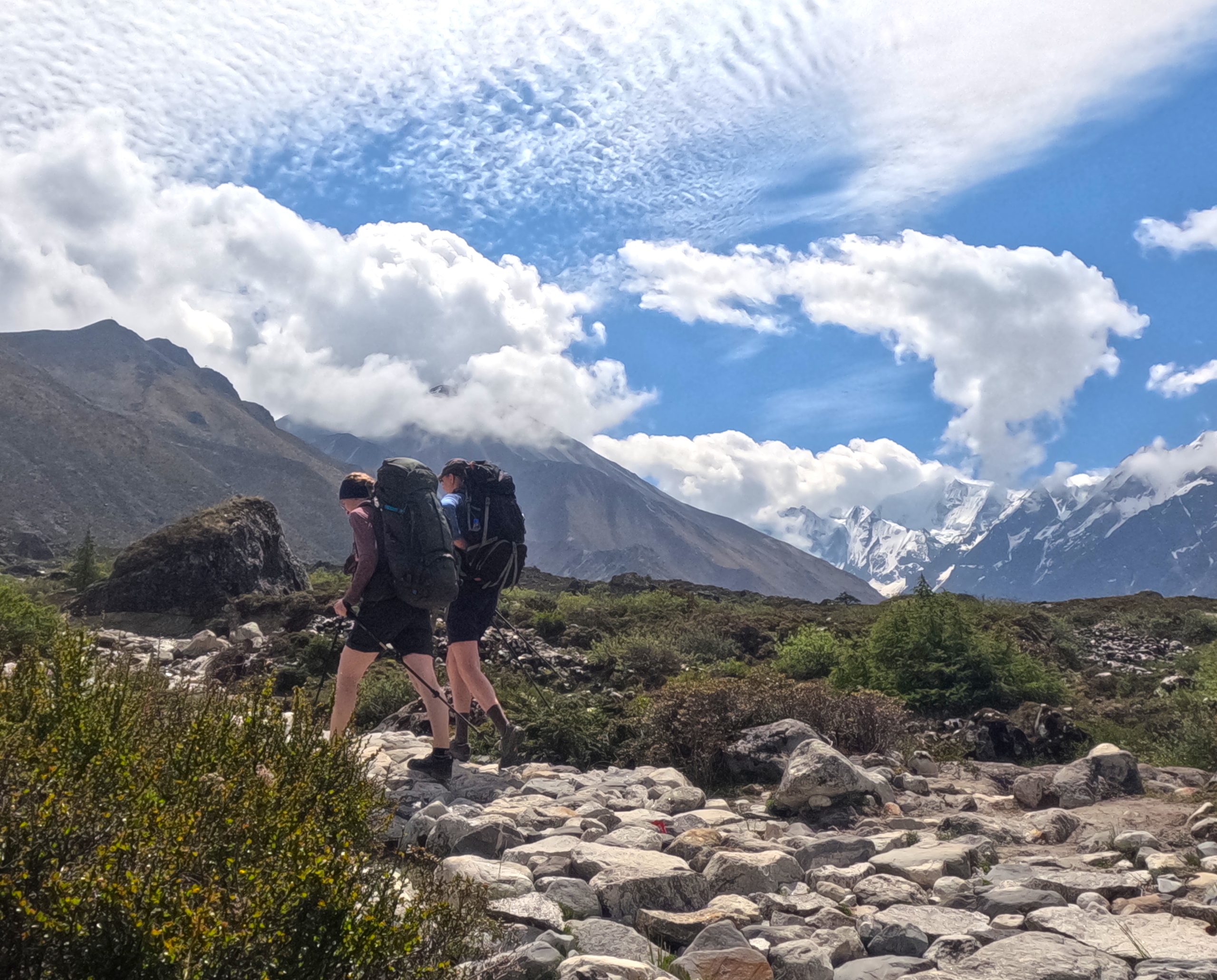
The major attractions of the Langtang Valley Trek - 7 days include a visit to Kyanjin Gompa, a beautiful village surrounded by towering snow-capped mountains, exploration of the Langtang Glacier and mountain range, enjoying stays in tea houses, and experiencing stunning landscapes, rich Tamang culture, and breathtaking Himalayan views.
-
Is travel insurance necessary for this short Langtang Valley trek - 7 days?
We High Route Adventurers will not ask for your proof of travel insurance. Still, there are several benefits of having travel insurance, such as coverage for medical emergencies or evacuation in case of altitude sickness or injuries, protection against trip cancellations or delays, and compensation for lost or damaged belongings.
-
Where can I charge my electric device during the trek?
You can charge your electronic device in the teahouse at an extra cost of around $1-2.
-
Can I see wildlife during this Langtang Valley trek?
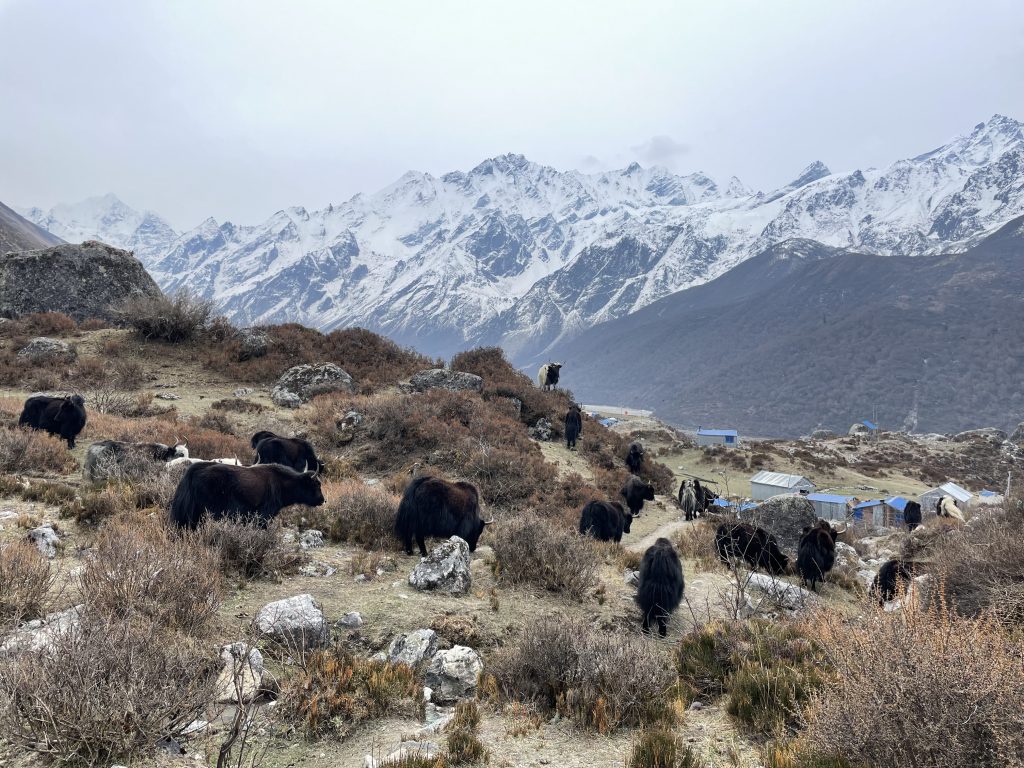
Yes, when you pass through the Langtang National Park you might spot red pandas, Himalayan Thar, langur monkeys, and various species of birds.
-
What are the chances of altitude sickness during the Langtang Valley trek?
The highest point that you will reach on this short Langtang Valley trek for 7 Days is Kajin Ri, which is situated at an altitude of 4773 m. While hiking at such altitude some trekkers might feel symptoms of altitude sickness.
-
How can I prevent altitude sickness?
To prevent altitude sickness during the trek, you need to follow an acclimatization plan, drink enough water, avoid alcohol and smoking during the trek and eat healthy food.
-
What are the symptoms of altitude sickness?
The early symptoms of altitude sickness(AMS) that trekkers can experience are headaches, nausea, dizziness, fatigue, shortness of breath, loss of appetite, and difficulty sleeping.
-
What are the things that I need to pack for this short Langtang Valley trek - 7 days?
You can carry comfortable trekking clothes, trekking shoes and essential items like toiletries, personal medicine, electronic devices and first aid for this short Langtang Valley trek - 7 days.
-
When is the best time for the Langtang Valley trek?
The best time to do the Langtang Valley trek is when the weather is favourable, and the temperature supports trekking. This kind of weather and temperature is found during spring (March to May) and autumn (September to November). Trekkers can enjoy great views of mountain peaks and breathtaking landscapes during this time.
-
Is it possible to do this trek in the winter season?
Trekking in the winter is possible, but harsh weather in winter results in heavy snowfall and freezing temperatures, especially at high altitudes. If you are an experienced trekker, then only plan to do this trek in winter. If you are a beginner and trekking for the first time then trek only during the Spring and autumn season.
-
What is the condition of Langtang Valley before and after the earthquake?
After the devastating earthquake in 2015, the Langtang Valley suffered extensive damage, with many villages, trails, and infrastructure being destroyed. But now, the region has been undergoing reconstruction and recovery efforts. With rebuilt lodges, trails, and facilities now trekkers can enjoy this beautiful trek.
-
How difficult is the Kyanjin Ri trek?
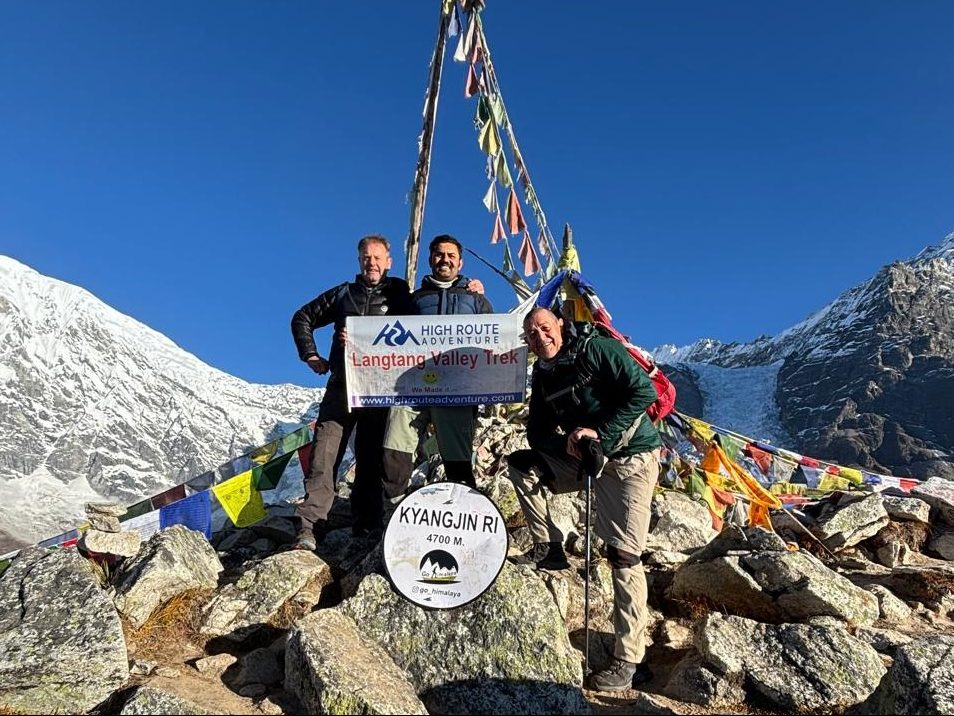
Langtang short trek is also called the Kayanjin trek. Hike to Kyanjin Ri, which is situated at the altitude of 4,773 m from Kyanjin Gompa, is considered the most difficult part of the trek due to the steep and uphill climb. Although it is difficult, it is completely manageable with proper acclimatization and walking steadily.
-
Are there good hotels in Syabrubesi?
Yes, there are enough hotels for trekkers to stay in before heading for the trekking in the Langtang Region. You can find the hotel from low to high according to your budget here.
-
Can we combine Tamang Heritage and Langtang Valley trek?
Yes it is possible to combine the tamange heritage and Langtang Valley trek if you wish. For the itinerary and cost you need to contact our tour operator.
-
What are the key features of the Langtang trail, and what can trekkers expect?
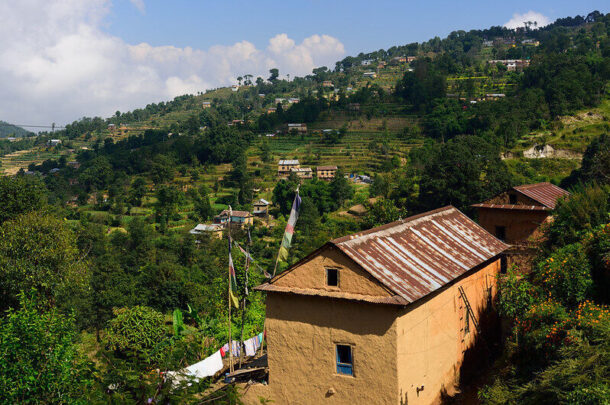
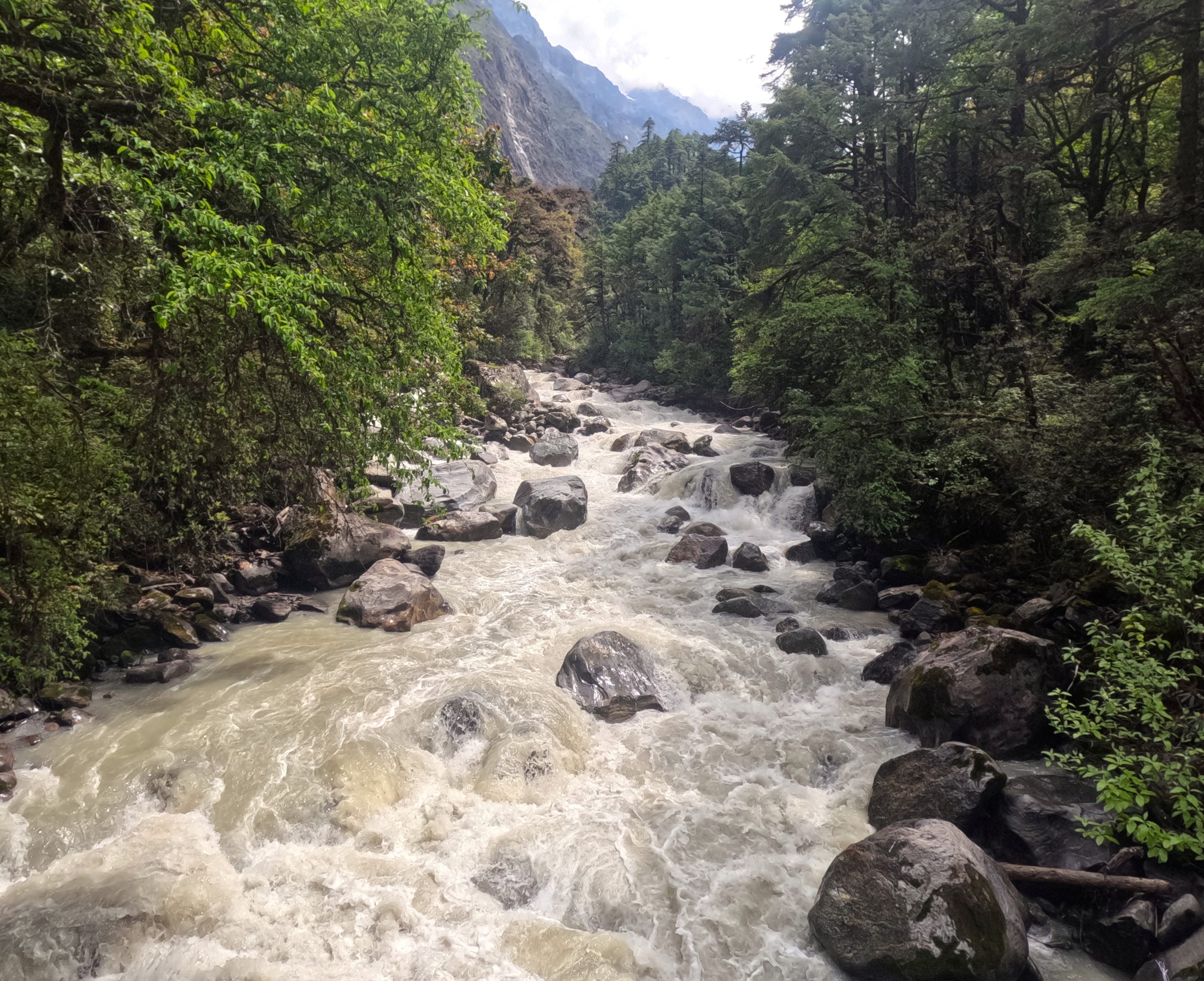
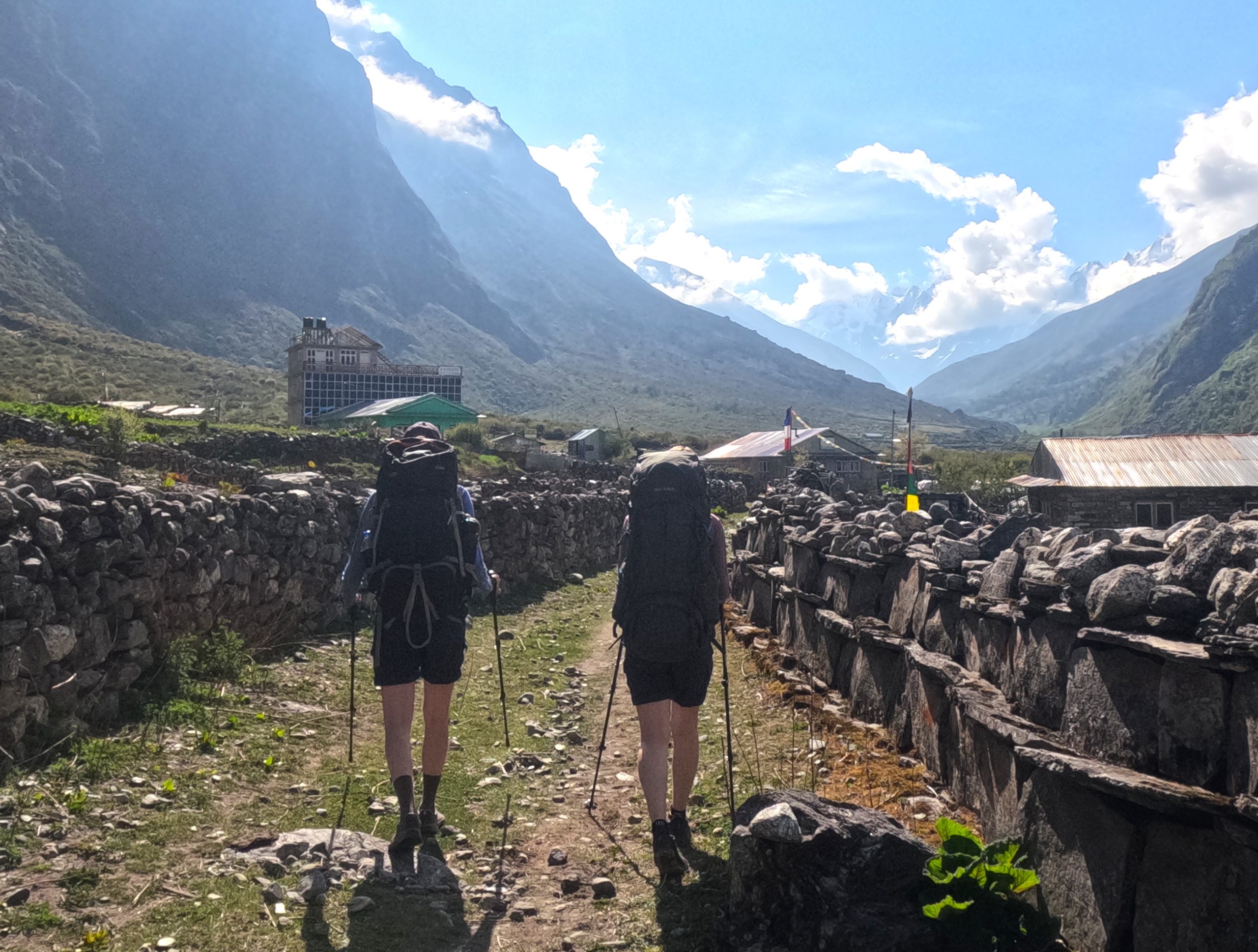
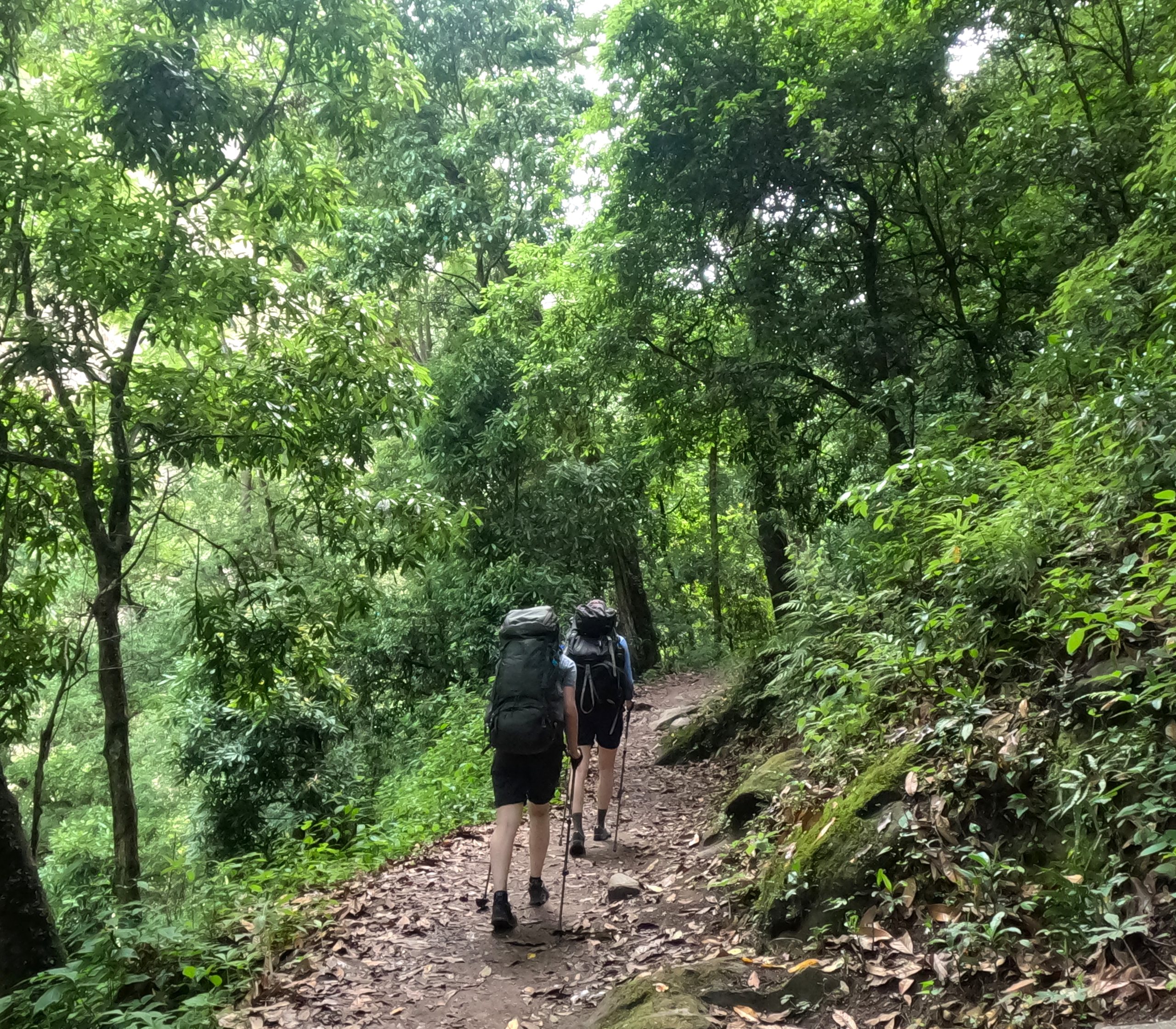
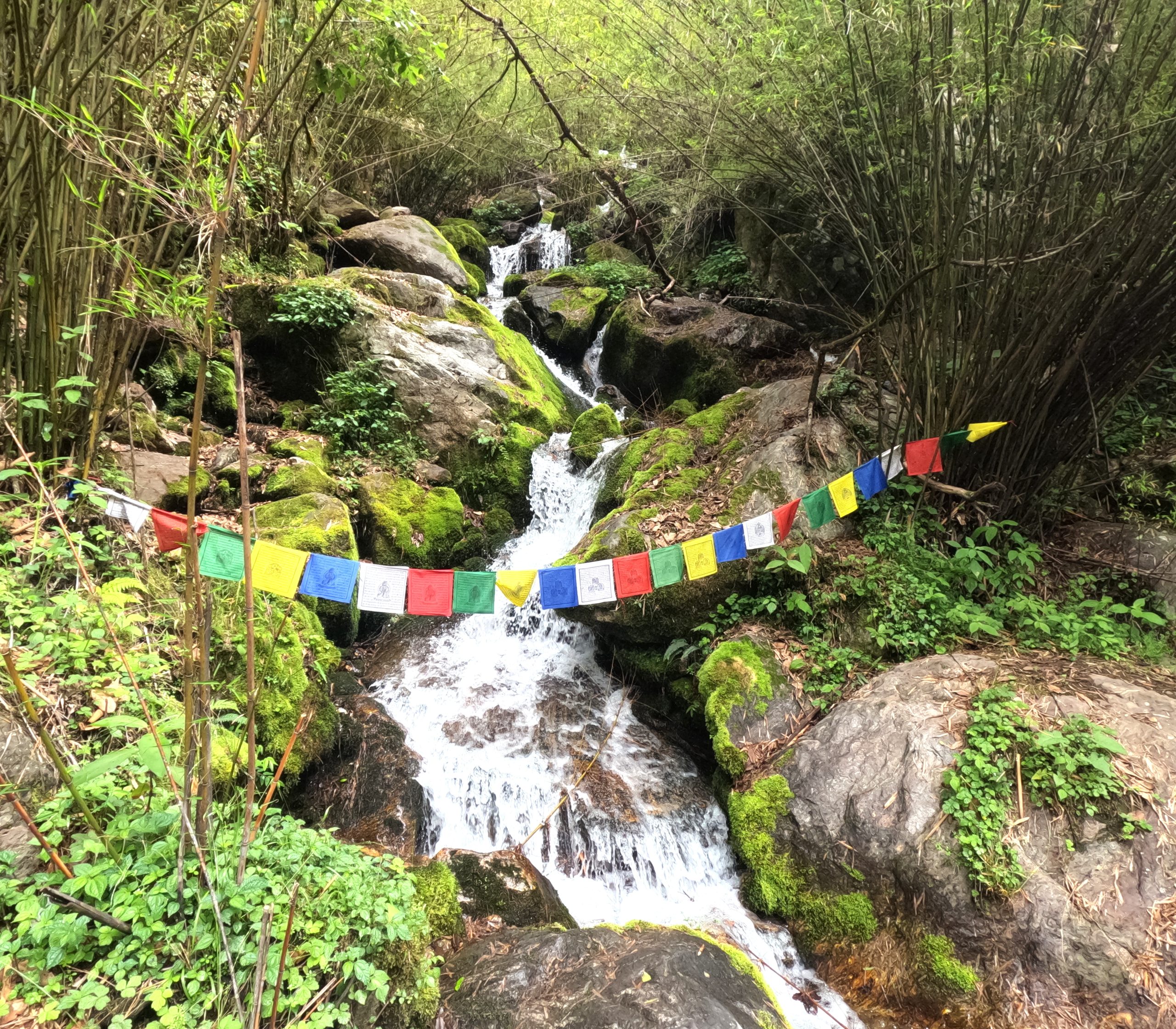
The Langtang trail offers stunning Himalayan views, diverse landscapes, and a chance to experience the rich culture of local Tamang and Tibetan communities. It’s a moderately challenging trek with varied terrain, perfect for nature lovers and adventure seekers.
-
Do I need to bring a trekking pole?
Highly recommended for balance on uneven, snowy, or steep sections; many agencies provide them if you do not have your own.
-
What are the main hazards?
Altitude sickness (AMS, HAPE, HACE). Sudden weather changes (snow, wind). Steep, icy sections on passes. Wildlife encounters (snow leopards rarely sighted). Falls on loose scree.
-
Are there medical facilities along the route?
Small clinics in the main villages (Langang‑Bazar, Tashi‑Gul) provide basic care. For serious conditions, evacuation is done via helicopter (weather permitting) to the advance hospital in Kathmandu.
-
Is alcohol allowed on the trek?
Yes, but most tea houses limit consumption to one or two drinks per night. Drinking at altitude is discouraged because it can worsen dehydration and altitude sickness.
-
Are there any cultural restrictions?
When entering monasteries or local homes, remove shoes, dress modestly (shoulders and knees covered), and seek permission before photographing people.
-
What currency is used?
Local currency - Nepalese Rupee. Most tea houses accept cash only; bring enough for tips and small purchases.
-
How much weight can I carry?
Guidelines suggest ≤ 20 % of body weight (≈ 12 kg for a 60 kg person). Use a supportive backpack with a waist belt.
-
Do I need a personal oxygen bottle?
No for a normal trek; only high‑altitude climbers (> 6,000 m) use supplemental oxygen. However, portable oxygen canisters are sold in villages for severe AMS; discuss with your guide.
-
Is the trek “crowded” during peak season?
Moderately busy on the lower sections (tea houses), but the higher passes remain sparsely populated (1–3 groups per day).
-
Can I trek with a pet?
No. Pets are not permitted inside the protected area or tea houses for health‑ and wildlife‑conservation reasons.
-
What language will I hear most often?
Local dialects (e.g., Sherpa, Tibetan, or Nepali) and English (used by guides and most tourism staff). Learning a few basic greetings is appreciated.
-
What should I do if I feel sick during the trek?
Rest at the nearest shelter. Hydrate and eat light carbs. Inform your guide; they will assess the need for descent or medical attention. Never ignore severe symptoms (e.g., severe headache, vomiting, confusion).