Notes
Pisang Peak Climbing Difficulty
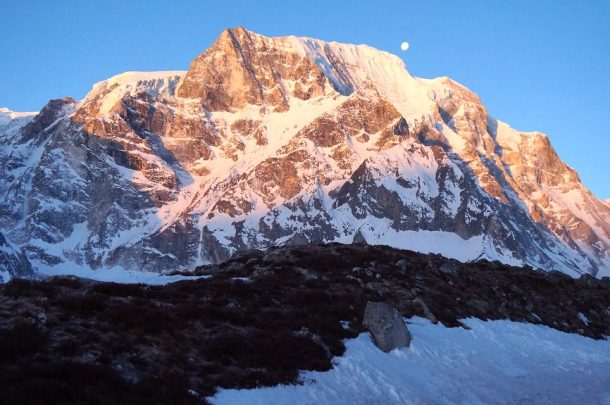
Pisang Peak is considered a moderately difficult climbing peak. Previous technical climbing experience is not always required for climbers to participate. However, due to its slightly technical nature, it demands good physical fitness, proper acclimatization, and basic mountaineering skills.
- Mountaineering Difficulty: Grade AD (Moderately Difficult), requiring the use of crampons, an ice axe, and rope-assisted climbing techniques.
- Vertical Gain: Approximately 700 meters during the summit climb.
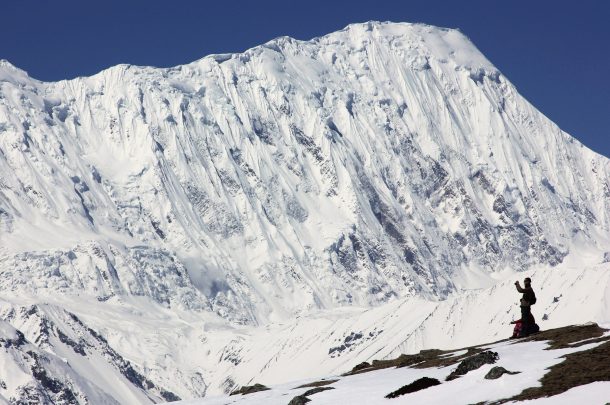
- Slope: The final snow slopes along the ridge reach an angle of approximately 45° to 50°, requiring careful movement and good climbing technique.
- Terrain: The lower section consists mainly of mixed rock and scree terrain, followed by a more defined and exposed snow and ice ridge leading toward the summit pyramid.
- Experience Required: Previous high-altitude trekking experience and basic mountaineering skills are highly recommended. Solid fitness with good health is required for participation.
Physical Preparation Tips for Pisang Peak Climbing
- Build stamina: Do cardio exercise such as Walking, Cycling, Swimming, Squat for several weeks to build endurance and stamina.
- Strengthen muscles: Focus on improving your leg and back strength to handle steep ascents and uneven terrain.
- Prepare for high altitude: Do high hill climbing or trekking to help your body gradually adapt to high altitude.
- Train with trekking boots carrying a backpack: Wear your trekking boots and carry a backpack during training to get familiar and comfortable.
When to Climb Pisang Peak Climbing
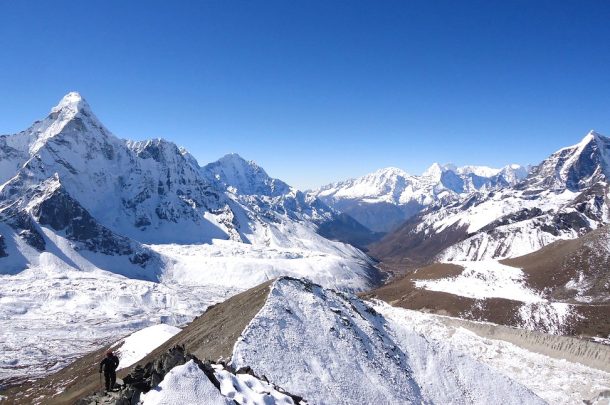
The best time for climbing Pisang Peak is during the autumn months, from September to November. During this month, the views are excellent and crystal clear. High-altitude visibility allows distant views of mountain peaks and picturesque landscapes. The trails in the lower regions remain dry and safe, and the summit push is more comfortable and accessible due to favorable temperatures for climbing. Dashain and Tihar festivals occur during this season, offering an opportunity to experience Nepalese culture, traditions, and local celebrations.
Spring, from March to May, is another excellent window for climbing Pisang Peak. Blooming rhododendrons in the forest trail add to the beauty of the journey. The weather and temperature are suitable for trekking and climbing. However, weather conditions can be slightly less stable than in autumn.
Required Permits for Pisang Peak Climbing
Travel insurance is mandatory to obtain the Pisang Peak climbing permit from Nepal Mountaineering Association (NMA). We will submit the proof of travel insurance to obtain the permit. For this, you need to send us your valid scanned passport and a PP-size photograph.
Then we will arrange this permit for you:
- Nepal Mountaineering Association (NMA) Climbing Permit
- Annapurna Conservation Area Permit (ACAP)
- TIMS Card (Trekkers' Information Management System)
How to Manage Altitude Sickness: Acclimatization Tips
When trekking above an altitude of 3,000 to reach the summit of Pisang Peak at 6,091 m, climbers may experience altitude sickness due to thin air. The early symptoms of altitude sickness(AMS) usually include a headache, dizziness, nausea, loss of appetite, etc. These early symptoms can be prevented or minimized by following proper acclimatization practices:
- Gradual ascent above 3,000 metres.
- Take enough rest whenever your body needs it
- Drink enough water to prevent dehydration
- Avoid alcohol, caffeine and high altitude.
- Take enough rest, sleep well and eat healthy food
- Follow the golden rule "climb high sleep low".
- If symptoms worsen, descend immediately to a lower altitude by informing your guide.
Accommodation During Climbing: What To Expect
- At teahouse: Our company will book the best available teahouse. These teahouses are mountain lodges located on trekking routes and run by locals. Inside the teahouse, you can find simple sharing rooms, a communal dining hall, and sharing bathroom. Facilities such as Wi-Fi, hot showers, and charging are provided but need to pay small fees.
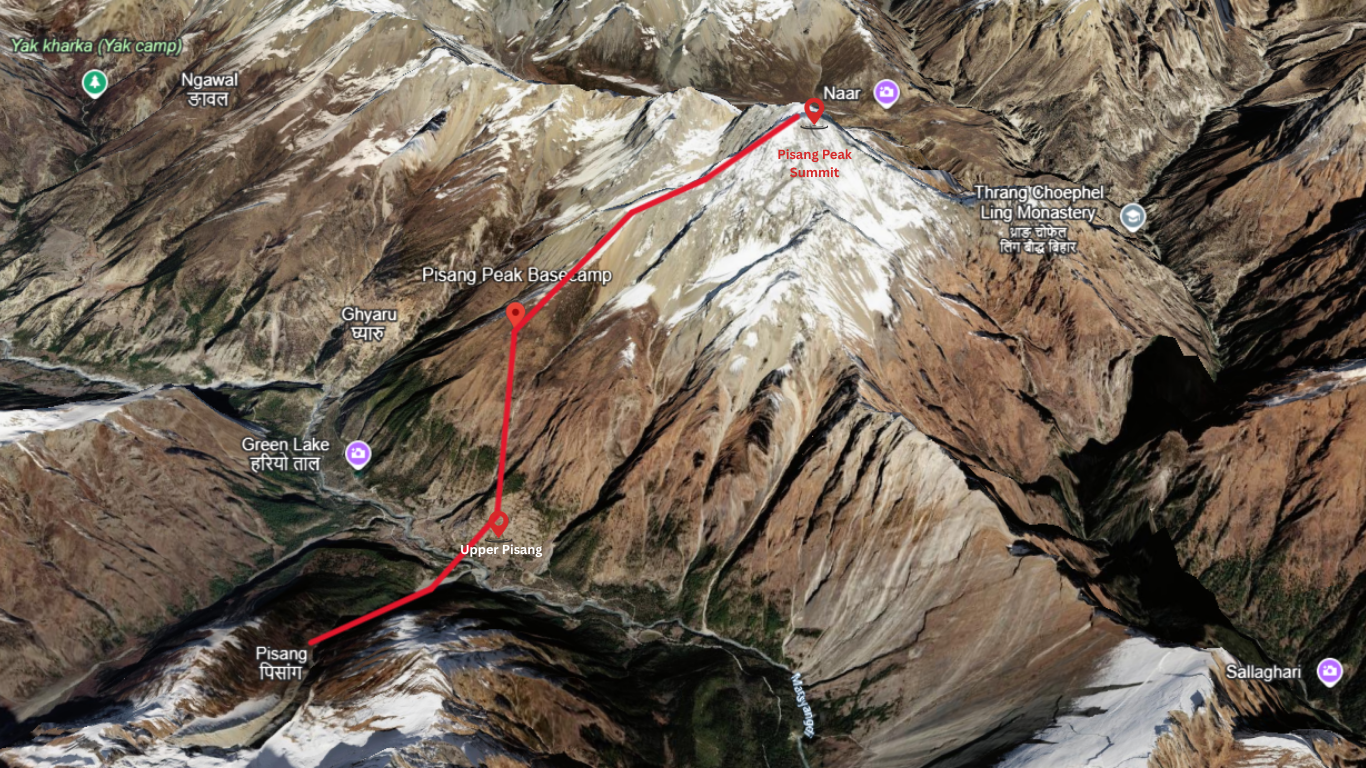
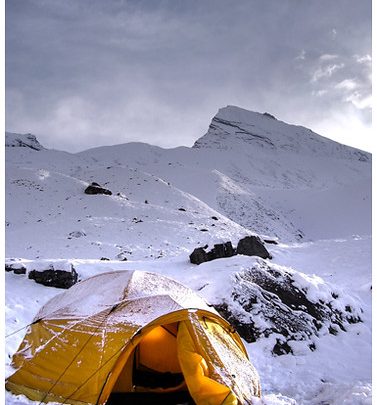
- At a tented camp: Above Pisang, our climbing team will establish tented camps at Base Camp and High Camp. Separate tents will be provided for sleeping, cooking, and toilet facilities.
Food and Drinks: What to Expect
During the trekking journey, climbers can choose the food items from the teahouse menu. Many normal Nepali dishes such as Dal Bhat, momo, chowmein, thukpa, etc are available. A few international options such as pasta, pizza, sandwiches, fried rice, and pancakes are also available in some teahouses.
For beverages, you can usually find tea, coffee, hot chocolate, soft drinks, fresh juices, and bottled or boiled water.
While staying in a tented camp, the menu will be very basic due to high altitude and remote location. We request you to bring snack items like energy bars, chocolate, dry fruits, and nuts to maintain energy during long and demanding days.
Travel Insurance Policy That you need to have
Insurance that covers emergency helicopter evacuation and high-altitude medical treatment is mandatory for Pisang Peak Climbing. You need to provide proof of your travel insurance to the Nepal Mountaineering Association (NMA). Choose the insurance policy that covers:
- High altitude climbing risk up to 6,500 meters
- Emergency Medical treatment
- Hospitalization and emergency medical expenses
- Search and rescue services
- Trip cancellation or interruption due to unforeseen emergencies
- Repatriation in case of a serious medical emergency
High Route Adventure Team for Pisang Peak Climbing
- Lead Climbing Guide: Professional NMA-certified mountaineering Sherpa guide who manages climbing activities, technical routes, rope fixing, and team safety.
- Assistant Guides: Provide extra care, support, and encouragement to climbers during the summit push.
- Sherpa Support / Camp Crew: Set up tents and manage camp logistics at Base Camp (4,380m) and High Camp (5,300m).
- Kitchen Staff: Experienced cooks and assistants who prepare nutritious meals while you stay at the tented camps.
- Porters: We provide one porter for every two climbers. Each porter carries equipment and gear weighing up to 20 kg to Base Camp.
Safety Guidelines and Cultural Etiquette
- Before arriving in Nepal, check weather conditions, road conditions and travel updates.
- Pack suitable clothing, gear and equipment.
- Check your gear conditions before leaving Kathmandu.
- Keep a physical or digital map of the trekking route for navigation and emergency reference.
- Share your travel plans with your family before entering areas with limited mobile network and Wi-Fi.
- Stay in a group and follow your guide's instructions all the time.
- Respect local culture and dress respectfully
- Avoid littering, minimize plastic waste, and dispose of waste properly
- Follow all rules and regulations set by the Annapurna Conservation Area.
Getting There
Once you arrive in Kathmandu, you will travel to Dharapani, the starting point of your trekking journey. From Kathmandu, we will drive to Dharapani via Besisahar. After reaching Dharapani, you will begin trekking along the Annapurna Circuit route toward Pisang Peak.
For the return journey, you will trek from Pisang Peak Base Camp to Chame. From Chame, we will arrange a shared or private jeep to Besisahar, depending on the road and group arrangements. From Besisahar, you will continue by private vehicle back to Kathmandu.