Notes
Kanchenjunga Circuit Trek Difficulty
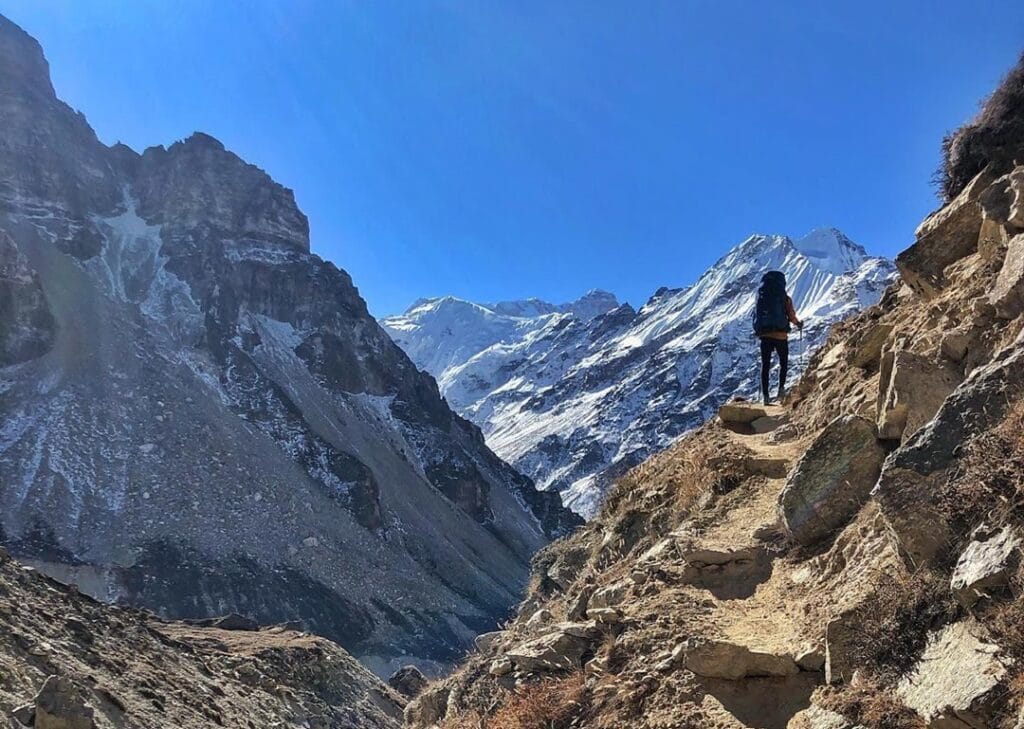
Kanchenjunga Circuit Trek is graded as one of the most challenging treks in the Himalayas, due to the remote region and lack of advance facilities in the trekking trails. The long duration and daily walking for around 6-7 hours can be physically and mentally exhausting.
This trek demands a moderate level of fitness from trekkers, so this trek is not for the first time trekkers or beginner trekkers. This trek is suitable only for experienced trekkers who want to enjoy complete wilderness.
This takes you through the wilderness, barren valleys, and high passes such as Lapsang La (5,160m). The chances of having altitude sickness are high due to the high-altitude trek. The modern facilities, such as a hotel, restaurant, ATM, Bank, hospital, and medical service, are lacking here.
Additionally, due to the unpredictable nature of the weather, trekkers should be prepared for occasional changes in itinerary or trekking strategy. You need to be prepared for heavy snowfall, extremely low temperatures, and sudden weather changes, especially at higher altitudes.
How To Prepare for the Kanchenjunga Circuit Trek:
To make the trek easier, comfortable and successful, we suggest you plan and prepare before you make a booking. Below are some essential factors that will help you prepare thoroughly for the Kanchenjunga Circuit Trek:
- Build Fitness level: Do exercises that build endurance, such as brisk walking, jogging, cycling, or swimming. To add strength, you can do exercises such as squats, planks, push-ups, etc.
- Practise high altitude hike: Gain some experience by spending some days at high altitude, like above 5,000m. With this, you will understand how your body works at high altitude. You will learn about acclimatisation and how to prevent altitude sickness.
- Pack everything that you need: From important documents to warm clothes, gear and other essentials you need to pack for this trek. You need to be self-sufficient for this trek. Make sure to invest in high-quality trekking boots and gear. If you want to rent, you can do it from the rental shop in Kathmandu as well.
- Choose the right itinerary: If you are confused about whether the itinerary suits you or not, make sure to contact the tour operator. They will help you by giving you advice as they are experts in this field.
- Mental preparation: Travelling in a remote region where people speak a different language from you is not a joke. Be serious about the trek and be mentally prepared. Hard days will be waiting for you, and you need to beat them with your body and mind.
- Follow safety guidelines: You need to follow all the rules and regulations inside the Kanchenjunga Conservation Area. Respect the local culture and traditions, and if you have any confusion, make sure to ask your trekking guide.
Best Time For Kanchenjunga Circuit Trek
The best time to do the Kanchenjunga Trek is during the peak trekking seasons-spring (March to May) and autumn (September to November). This season offers the best trekking conditions due to comfortable weather and moderate temperatures. Also, with clear skies, you can enjoy the view of magnificent mountains and beautiful landscapes without any obstacles. The excellent visibility also makes it a perfect time for photography, letting you capture the natural beauty of the Himalayas at its best.
Kanchenjunga treks in Winter((Dec-Feb) is possible but will be very tough due to cold and freezing temperatures at high altitude. Also, the trail conditions at high altitude become inaccessible due to snow. Additionally, the tea house and mountain lodge might be closed due to harsh weather conditions and the off-season, so we usually don’t recommend undertaking the Kanchenjunga trek in the winter season.
Another off-season for the Kanchenjunga Trek is during the monsoon season (June to August). This time of year brings heavy rainfall, making the trails slippery and muddy, especially in the lower altitude regions. The unpredictable weather, along with the risk of floods and landslides, makes trekking dangerous and less enjoyable. Additionally, cloudy skies often block mountain views, reducing the overall trekking experience.
Related: Best Time For Kanchenjunga Circuit Trek
Kanchenjunga Region Average Weather and Temperature
|
Season
|
Weather Conditions
|
Daytime Temperature
|
Nighttime Temperature
|
|
Spring (Mar-May)
|
Clear skies, blooming rhododendrons, and mild weather. Occasional snow at higher altitudes.
|
10°C to 15°C (50°F to 59°F)
|
-5°C to -10°C (23°F to 14°F)
|
|
Summer/Monsoon (Jun-Aug)
|
Warm and humid with frequent heavy rain, especially at lower altitudes. Trails may be muddy.
|
15°C to 20°C (59°F to 68°F)
|
5°C to 10°C (41°F to 50°F)
|
|
Autumn (Sep-Nov)
|
Stable weather, clear skies, and the best mountain views. Ideal trekking season.
|
10°C to 15°C (50°F to 59°F)
|
-5°C to -10°C (23°F to 14°F)
|
|
Winter (Dec-Feb)
|
Cold and dry with heavy snow at higher altitudes. Trekking routes may be challenging.
|
-5°C to 5°C (23°F to 41°F)
|
-15°C to -25°C (5°F to -13°F)
|
Note: For your safety, check the weather forecast before and during the trek.
Required Permits
When you book the Kanchenjunga circuit trek with High Route Adventure, we will arrange all the required permits for you. Also, you don’t have to worry about the permit cost as it will be included in the trek package. The required permits for this trek are:
- Restricted Area Permit (RAP)
- Kanchenjunga Conservation Area Permit (KCAP)
Related: How To Obtain Kanchenjunga Trek Permits?
Accommodation on Kanchenjunga Circuit Trek
On this trek, you will stay in very simple and basic accommodation. There are a limited number of teahouses on the Kanchenjunga trekking trails. These tea house provides you with rooms that are often shared among the travelers. Inside the room, you will find twin-sharing beds, a warm blanket, a pillow cover, a mattress and sharing toilets. There will be no AC or heating system, so to make yourself warm, we suggest you carry a sleeping bag.
Facilities you can find in the teahouse:
- WIFI: It works only in the lower Kanchenjunga region. At higher altitude the coverage is spotty or not available. To connect to Wi-Fi in the teahouse, you need to pay specific fees of around USD 1-3 per stay.
- Hot shower: You can get the facility of a hot shower only in the lower Kanchenjunga Region. At higher altitude, this service is not available due to a lack of electricity, as teahouses depend upon solar or natural sources of fuel.
- Charging: You can get a charging facility in the teahouse, but at higher altitude, due to limited availability of electricity, we suggest you carry a power bank with you.
- Communal dining: There will be no separate restaurants. Locals will prepare the meals for you in the teahouse where you are staying.
Food On Kanchenjunga Circuit Trek: What To Expect
During this trek, don't expect the wide variety of menus like in city restaurants. Here you will find a limited food menu in the teahouse, which is prepared using local ingredients. Here is the food that you can expect in the teahouse menu during the trek:
Breakfast items:
- Tibetan bread (fried or baked)
- Chapati
- Porridge (oat, corn, or millet)
- Pancakes (plain, apple, or banana – availability varies)
- Eggs (boiled, fried, omelet)
- Toast with butter, jam, or honey
- Muesli or cornflakes (limited availability)
- Tea or coffee
Lunch and dinner:
- Dal Bhat (rice, lentil soup, seasonal vegetables, pickle – staple meal)
- Vegetable curry
- Fried rice
- Noodles (veg or egg)
- Thukpa (Tibetan noodle soup)
- Momos (vegetable or occasional meat, depending on area)
- Pasta or macaroni (simple style)
- Potato dishes (boiled, fried, or curry)
- Soup (garlic, vegetable, or noodle soup)
Beverage:
- Black tea/milk tea
- Ginger tea
- Lemon tea
- Masala tea
- Instant coffee
- Hot lemon
- Herbal tea
- Hot water
Note: Keep in mind that as you ascend, the food items will become more basic.
Altitude Sickness and Acclimatization Tips
The Kanchenjunga Circuit Trek poses a significant risk of altitude sickness due to its ascent to altitudes exceeding 5,000 meters. Acute Mountain Sickness (AMS) can affect anyone, regardless of fitness level. Common symptoms include nausea, headaches, and fatigue. Staying safe involves walking slowly and consistently, staying hydrated, and allowing time to acclimatize.
Here are the acclimatization tips that you need to follow during the trip:
- Take enough rest during the rest day and avoid heavy exercise
- Follow " climb high sleep low" golden rule
- Do not to drink alcohol or take caffeine at high altitude
- Watch the symptoms of altitude sickness regularly at high altitude
- Consult with Doctor about taking Diamox as a precautionary medication
- If you experience the symptoms of AMS inform your trekking guide immediately.
- Make sure to regularly monitor your oxygen levels with an oximeter when you are above 3,000 meters.
Our Team for Kanchenjunga Circuit Trek
The right choice of a trekking company will either make or break your trip in the Himalayas. Our staff have years of experience in Kanchenjunga Circuit Trekking in Nepal. We provide well-trained guides with a good knowledge of the area and the terrain, as well as the weather and culture of the region. We are committed to ensuring your security, comfort, and pleasure during the journey. There will be one senior guide, and porters will be provided at a 1:2 ratio. Our porter carries a maximum of 20 kg weight so make sure your main luggage does not exceed more than 10 kg per person.
Our staff are respectful of the local culture and environment, adhering to ethical trekking principles. When you trek with us, you'll have access to a team of supportive and reliable individuals who will turn a challenging trek into an enriching experience. We are committed to providing high-quality service that meets your expectations, ensuring unforgettable experiences in the Kanchenjunga Region.
Kathmandu To Bhadrapur Flight Information and Ground Transportation
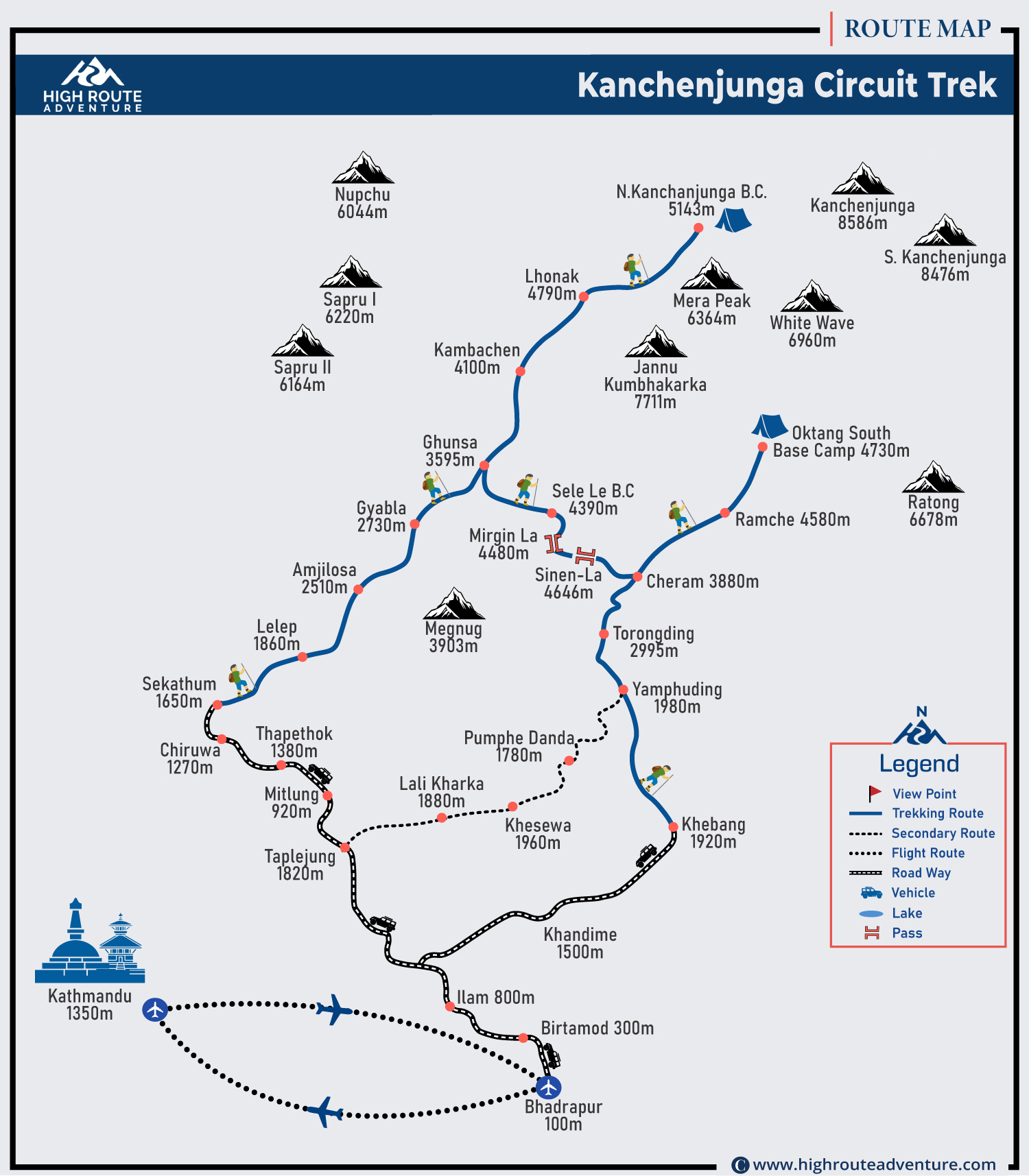
To reach the starting point of the trek, which is Sekathum, we will arrange the flight ticket for you. First, you will reach Bhadrapur by flight and then take a bus to reach Taplejung. Then from Taplejung, we will arrange a shared Jeep for you to reach Sekathum. The road condition from Bhadrapur to Sekathum is mixed of paved and off-road. It is also possible to use a private Jeep, but for this you need to add extra cost for this.