Nepal Visa and Required Documents
To enter Nepal for the Tamang Heritage Trail, you need to obtain a tourist visa. You can obtain the Nepal visa either in your home country or upon arrival at Tribhuvan International Airport (TIA). Obtaining a visa at Kathmandu airport is easy and takes only 5 minutes. You have to fill out the form and pay the fees.
- For 15 days, the Nepal tourist visa costs USD 30
- For 30 days, a Nepal tourist visa costs USD 50
- For 90 days, a Nepal tourist visa costs USD 120
Note: A 15-day Nepal tourist visa will be sufficient for the Tamang Heritage Trail. However, if you plan to extend your journey, we request that you obtain a 30-day tourist visa.
Here are the required documents you need to bring:
- Valid Passport
- Around 4 pp-size photo with a white background
- Travel Insurance(optional but highly recommended)
For detailed information click here: Nepal Country Information
Importance of Travel Insurance For Tamang Heritage Trail
Travel insurance is a must-have for the Tamang Heritage Trek to protect yourself from unexpected events and emergencies. Because the trek takes place in remote mountainous areas, medical facilities are limited, and evacuation costs can be high.
A good travel insurance policy should cover:
- Emergency medical treatment
- Helicopter evacuation or rescue
- Trip cancellation or interruption
- Lost or delayed luggage
This coverage gives you peace of mind so you can focus on the adventure.
High Route Adventure recommends checking that your insurance specifically covers high-altitude trekking and related risks, such as altitude sickness. Many insurance companies offer policies tailored for trekking in Nepal, and it’s wise to purchase insurance before your trip. In case of injury or illness, quick access to medical care and evacuation can be lifesaving, making travel insurance an essential part of your trek preparation. Read our complete guide: Travel Insurance for Trekking
How to Obtain a Local Sim in Nepal
During the Tamang Heritage Trail trek, having a local SIM helps you communicate during your stay in Nepal. You can buy a local SIM either at Tribhuvan International Airport (TIA) or from an authorized vendor in Kathmandu. It will cost around USD 1-3 to obtain a local SIM (SIM Ncell or NTC), and for the data package, you need to load the balance.
Required documents to get a local sim in Nepal:
- Valid Passport with visa
- 1 Passport-size photograph
Tamang Heritage Package Booking Payment and Cancellation Policy
- Booking: To book the Tamang Heritage Trail trek with High Route Adventure, first read the package details and check the cost. Then fill in the information by clicking the book now option and choosing the travel date. Then, pay 20% advance to confirm the booking.
- Payment: During the booking, we accept various payment options, including credit/Debit/Prepaid Cards or Bank transfer. If you are already in Kathmandu, you can pay in cash at our office.
- Cancellation: If you cancel the trip, you will not receive a refund for the advance payment. However, you can use it for a lifetime deposit, but it cannot be transferred to other people. Before booking, we recommend that you review our company policy and terms and conditions.
Notes
Tamang Heritage Trek Difficulty
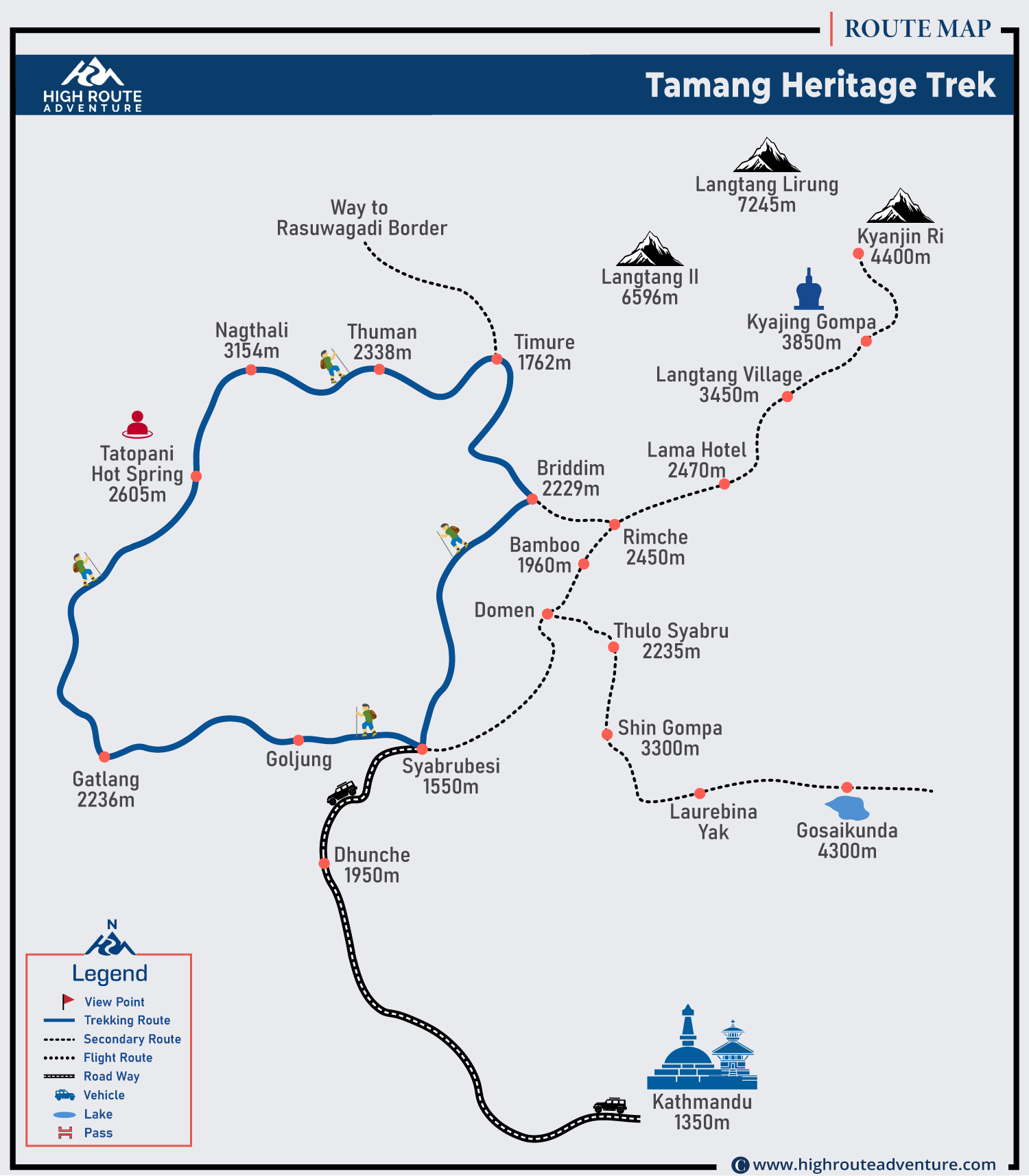
The Tamang Heritage trek is considered easy to moderate. Each day, you will walk for 4-5 hours during the trek, covering 10-12 km. It takes about 8-10 days to complete the trek, and the highest altitude you will reach is 3154m.
Let’s see the common challenge you can expect on this trek:
- Uphill and downhill trails: On this trek, you will walk through forest areas and hillside, including several uphill and downhill sections. The village trekking trail is narrow and steep, requiring careful walking to avoid falls and injuries.
- Altitude gain: Even though the maximum altitude is 3,154m, some trekkers may experience mild altitude symptoms if they ascend too quickly.
- Basic accommodation: Unlike the famous Everest Base Camp and Annapurna Circuit treks, here you will find limited, basic accommodation options. Don’t expect luxury rooms and facilities on the trekking trails.
- Weather changes: Mountains and hilly areas can change quickly, especially during the winter and monsoon seasons. So you need to prepare well for all weather conditions and pack warm clothing items.
- Physical Demands: Although this trek is manageable, the daily walking is 4-5 hours. It can be tough if you don’t have a basic level of fitness or if you are trekking in Nepal for the first time.
How to Prepare for the Tamang Heritage Trail Trek
Although this Tamang heritage trail trek is not tough, we still need to prepare in advance, focusing on physical fitness, proper trekking gear, and basic health precautions. Here are some important tips that will be helpful to make it comfortable and enjoyable:
Physical Preparation:
- Cardio workouts: Do regular cardio exercise, such as Walking, jogging, or cycling, at least 3–4 times a week to build stamina.
- Hiking practice: Do short backpacking hikes in your home country to simulate trekking conditions.
- Strength training: Focus on building leg strength to handle long hours of walking on difficult terrain.
Gear and Clothing:
- Clothing: Invest in high-quality trekking gear and clothing items to make your trek comfortable.
- Backpack: Pack all the required essentials without overloading yourself.
Health and Safety:
- Acclimatization: Follow the standard itinerary to allow enough rest, proper acclimatization, and time to explore the area without rushing.
- Hydration: Drink plenty of water during the trek to avoid dehydration.
- First aid: Carry basic medicines for altitude discomfort, headaches, or stomach issues, as well as personal medication.
- Travel insurance: Purchase health and travel insurance that covers trekking activities.
Food and Nutrition:
- Eat a balanced diet and fresh meals during the trek.
- Bring snacks like energy bars, nuts, or chocolate to maintain energy.
Mental Preparation:
- Be prepared for unexpected situations, such as unpredictable weather and limited facilities on the trek.
- Learn a few basic Tamang phrases to communicate with locals and make your trek more memorable.
Food And Drinks on Tamang Heritage Trail
On the Tamang Heritage Trek, food plays a big role in keeping your energy up and offering a taste of local culture. Along the trail, you’ll find tea houses and homestays serving a mix of traditional Nepali dishes and authentic Tamang-flavored meals. During the trek, High Route Adventure will arrange three meals for you in the tea house. Drinks and beverage items are not included in the package. Let’s see what types of food and drinks you can expect in the Tamang Heritage Trail tea house menu:
Breakfast
- Tibetan bread with honey or jam
- Toast with butter and jam
- Pancakes (plain, apple, or banana)
- Eggs (boiled, fried, omelet, or scrambled)
- Porridge or oatmeal
- Muesli with milk
- Chapati or local flatbread
- Hash browns or fried potatoes
Lunch
- Dal Bhat (rice, lentil soup, vegetables, pickles)
- Fried rice (vegetable, egg, or chicken)
- Noodles or chowmein
- Vegetable curry with rice
- Momos (steamed or fried dumplings)
- Thukpa (Tibetan noodle soup)
- Simple pasta dishes
Dinner
- Dal Bhat set meal
- Vegetable or chicken curry with rice
- Noodles or chowmein
- Pasta with tomato or vegetable sauce
- Momos
- Soups and stews
- Potatoes with vegetables
Drinks
- Black tea
- Nepali milk tea (Chiya)
- Ginger tea
- Lemon tea or hot lemon
- Coffee
- Hot chocolate
- Bottled water or boiled drinking water
Best Time For Tamang Heritage Trail
The Tamang Heritage Trail is open throughout the year, and you can do it year-round. However, based on weather, temperature, and scenery, the best time to trek the Tamang Heritage Trail is during spring (March to May) and autumn (September to November). These months offer stable weather, clear skies, and pleasant temperatures ideal for walking.
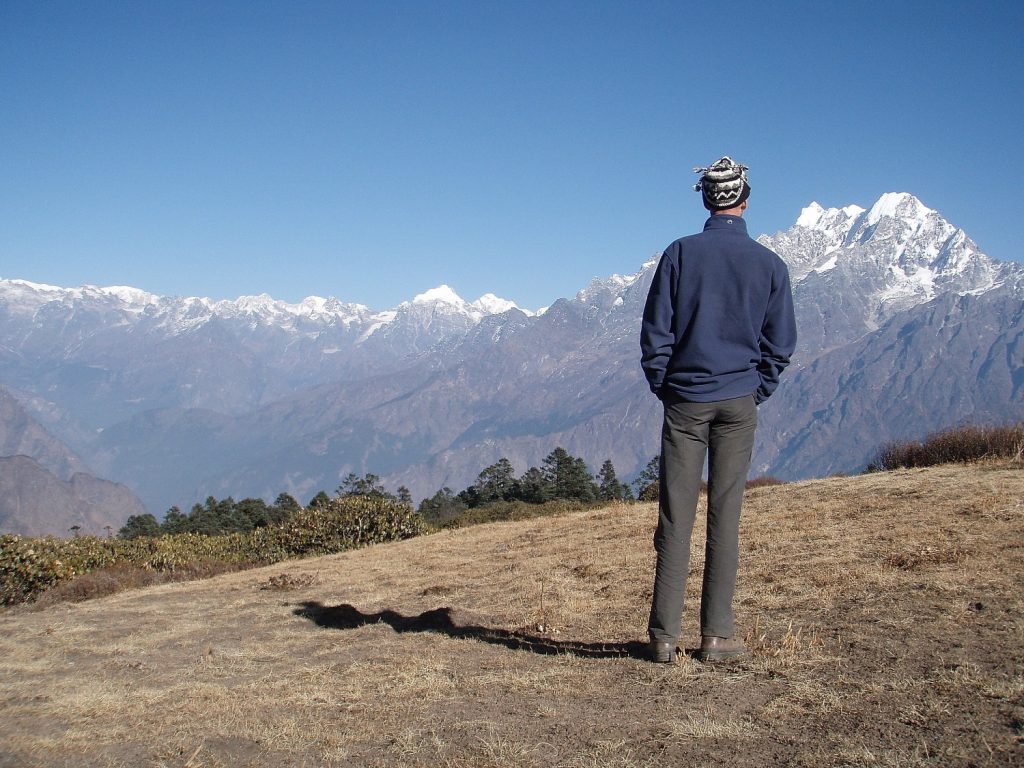
Spring is especially beautiful with rhododendron forests bursting into colorful bloom, making the trek visually stunning. Autumn brings crisp air and excellent visibility of mountain peaks, perfect for photographers and nature lovers.
During these seasons, the trails are less muddy, and rainfall is less likely, allowing for a more comfortable journey. Summers can be wet and humid due to the monsoon, while winters are cold and may bring snow at higher elevations. Planning your trek in spring or autumn ensures you enjoy the best scenery, safer trails, and a more enjoyable overall experience.
During the winter (December to February), you can join this trek, but the temperature remains cold and freezing at high altitude. Fog, clouds, or occasional snowfall can sometimes obstruct distant views. You need to carry warm clothing and gear if you are planning to do the Tamang Heritage Trail in winter.
During the monsoon (June to August), due to heavy rainfall, you can expect wet, slippery trails. Also, leeches and insects on forest trails make the trekking uncomfortable, so we don’t recommend doing it during the monsoon season.
Accommodation On Tamang Heritage Trail
Accommodation along the Tamang Heritage Trek is simple yet comfortable, ideal for travelers seeking to experience local hospitality. Tea houses and lodges provide basic rooms with beds and warm blankets, offering a cozy place to rest after trekking.
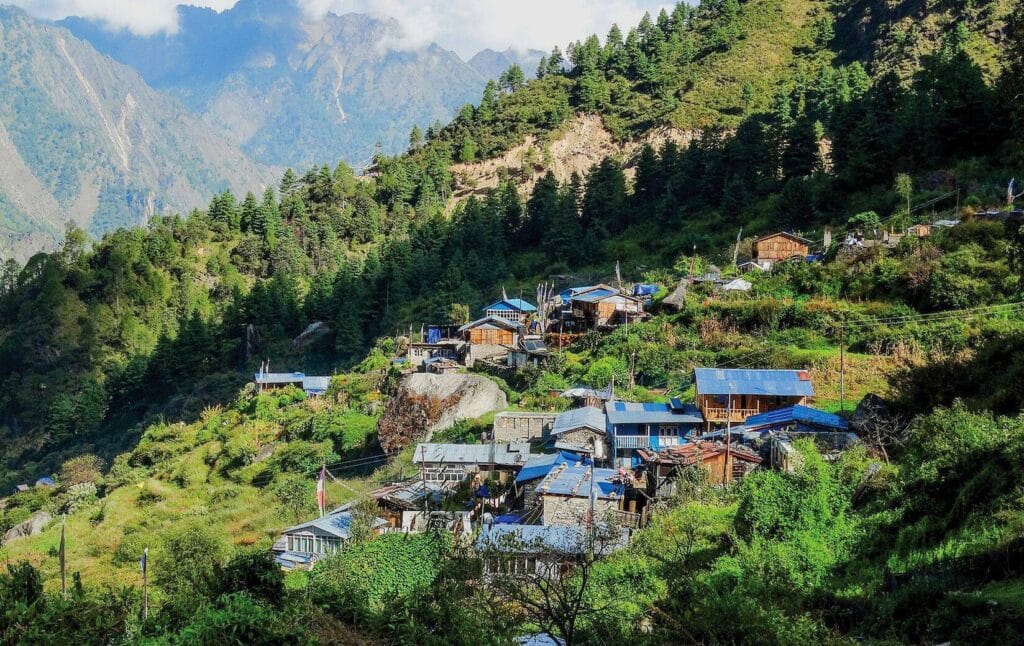
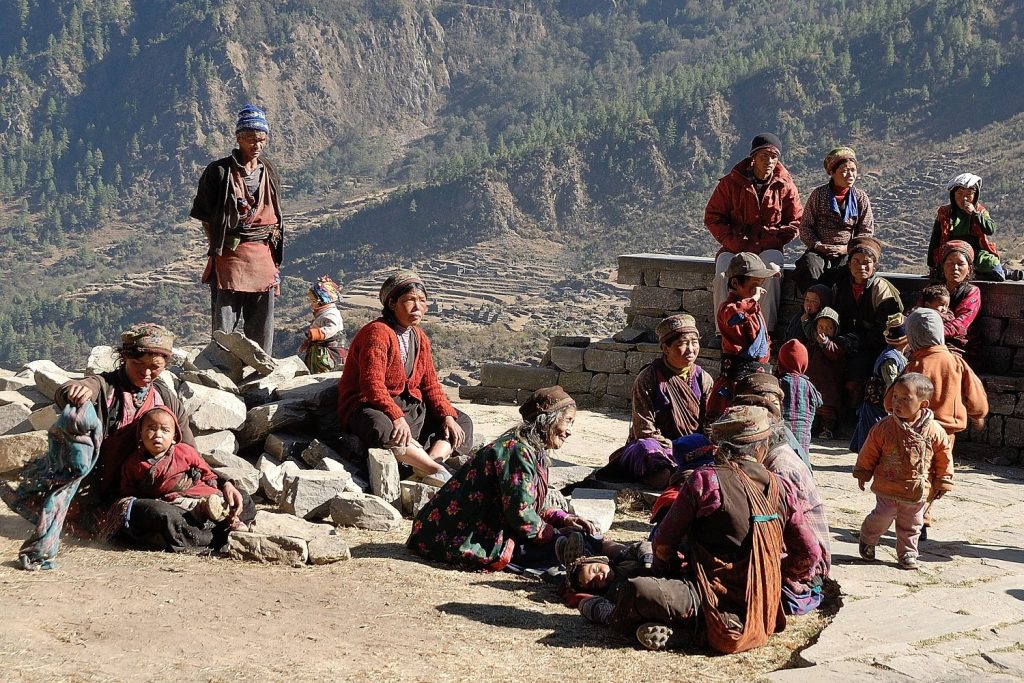
Many accommodations are family-run, giving visitors a chance to connect with the Tamang community and learn about their traditions. Homestays are another popular option, where guests stay in local homes and experience authentic village life.
Though the facilities are modest, cleanliness and warmth are priorities for most hosts. Hot showers may not always be available, but the welcoming atmosphere and delicious home-cooked meals make up for it. Staying in these guesthouses supports the local economy and promotes sustainable tourism. Whether you prefer a private room or a dormitory setting, the accommodations on this trek offer a genuine cultural experience amid stunning mountain scenery.
Transportation For Tamang Heritage Trail
Getting to the starting point of the Tamang Heritage Trek is convenient and flexible, with several transportation options from Kathmandu. Most trekkers take a scenic drive to Syabrubesi, the usual trailhead, which can be reached by private vehicle or local bus. The drive takes around 6 to 8 hours, depending on road conditions, and offers beautiful views of hills and villages. Public buses are an affordable option for budget travelers, while private jeeps or taxis provide more comfort and flexibility.
Once you reach Syabrubesi, the trek begins on foot, winding through forested trails and traditional villages. The well-marked paths make navigation easy, and luggage can be transported by porters if desired. This blend of road travel and trekking gives adventurers a well-rounded experience, combining Nepal’s diverse landscapes and cultures from the start. Read more: Kathmandu to Syabrubesi Transportation
Altitude Sickness Tips For Tamang Heritage Trail
Although the Tamang Heritage Trek’s highest point is below 3,200 meters, altitude sickness can still affect some trekkers. To prevent it, take your time ascending and let your body gradually adjust to higher altitudes. Drink plenty of water and avoid alcohol, which can worsen dehydration. Eating energy-rich meals and getting enough rest are also important for maintaining your strength.
If you experience symptoms like headache, nausea, dizziness, or shortness of breath, inform your guide immediately and consider resting or descending to a lower altitude. Carrying medication like Diamox may help, but always consult a doctor before use. Listening to your body and following altitude sickness precautions ensures a safer, more enjoyable trek through the beautiful Tamang villages and landscapes.
Tamang Heritage Trail Group Trek(High Route Adventure)
High Route Adventure offers guided Tamang Heritage Trek groups for all experience levels. These groups usually consist of small to medium-sized teams, led by knowledgeable local guides who provide cultural insights and ensure safety throughout the journey. Trekking in a group allows you to make new friends, share experiences, and enjoy the support of professional staff.
Joining a High Route Adventure group also means your itinerary is well planned, with accommodations, meals, and permits arranged in advance. Whether you prefer a social group atmosphere or a more private experience, they can tailor trips to your needs. Traveling with a reputable company adds value to your trek through expert guidance, responsible tourism, and authentic cultural connections.
Required Permits for the Tamang Heritage Trail
All trekkers planning to do the Tamang Heritage Trail must obtain a permit. The permit will be checked at the checkpoint counters in Dhunche/Syabrubesi. You can obtain the permit either at the Kathmandu Nepal Tourism Board (NTB) office or at the Dhunche/Syabrubesi checkpoints.
The required permit for the Tamang heritage trail is
- Langtang National Park Entry Permit: Cost NPR 3,000 for foreign nationals and NPR 100 for locals.
Note: High Route Adventure will obtain all required permits for this Tamang Heritage Trail. To obtain this permit, you need to submit a copy of your passport and a 2-page 2-pp-size photograph. The cost of the permit will be included in the Tamang Heritage Trail Package.
Facilities on Tamang Heritage Trail( Wifi, hot shower, Charging)
- Wi-Fi: You can access Wi-Fi at the Tamang Heritage trail inside the tea house. But you need to pay around USD 1-2 to use Wi-Fi. Wi-Fi works well in Tamang village, but it can be spotty in some places.
- Hot shower: Hot showers are available in some tea houses along the Tamang Heritage Trek, but they are limited. In most places, hot water is provided in a bucket for bathing, and a small fee of around USD 1–2 per use is usually charged.
- Charging facilities: Travelers can usually charge their devices in tea houses along the Tamang Heritage Trek, sometimes for a small fee. Nepal uses 230 V (220–240 V) with Type C, D, and M sockets, so carrying a universal travel adapter is recommended. Also, bringing a good-quality power bank will help avoid charging costs at the tea house.