-
Do I have to arrange my own permits for the ABC Trek?
No, we handle all necessary permits on your behalf before departure. You just need to provide your passport details and photos.
-
What documents do you need for the permits?
We require a copy of your passport and passport-sized photos to process your trekking permits.
-
What permits do I need for the ABC Trek 5 Days?
You'll need the Annapurna Conservation Area Permit (ACAP) and the TIMS (Trekkers' Information Management System) card.
-
Why do I need an ACAP (Annapurna Conservation Area Permit)?
The trek passes through the Annapurna Conservation Area, Nepal's largest protected area. This permit supports conservation efforts and local community development.
-
Can I get my permits on the same day I arrive in Pokhara?
Yes, we process permits quickly, often within a few hours, so last-minute bookings can usually still be accommodated.
-
Do children or senior citizens get any permit discounts?
Permit fees are generally standard for most trekkers, though certain age groups (children under 10) may be exempt from some fees. We'll confirm the latest rates at the time of booking.
-
What is covered in the amount I pay for the ABC Trek?
Your package includes accommodation, guide fees, permits, meals during the trek, and ground transportation, as outlined in our inclusions list.
-
How much money do you recommend I bring on the trek?
We recommend budgeting NPR 1,500–3,000 per day for personal expenses like snacks, drinks, and hot showers.
-
What are the extra costs of the trek?
Extra costs include travel insurance, tips, alcoholic beverages, Wi-Fi, hot showers, battery charging, and any personal gear not included in the package.
-
How far is Annapurna Base Camp from Pokhara?
Annapurna Base Camp is roughly 60–70 km from Pokhara, accessible through a combination of driving and trekking.
-
How high will I go on the ABC Trek?
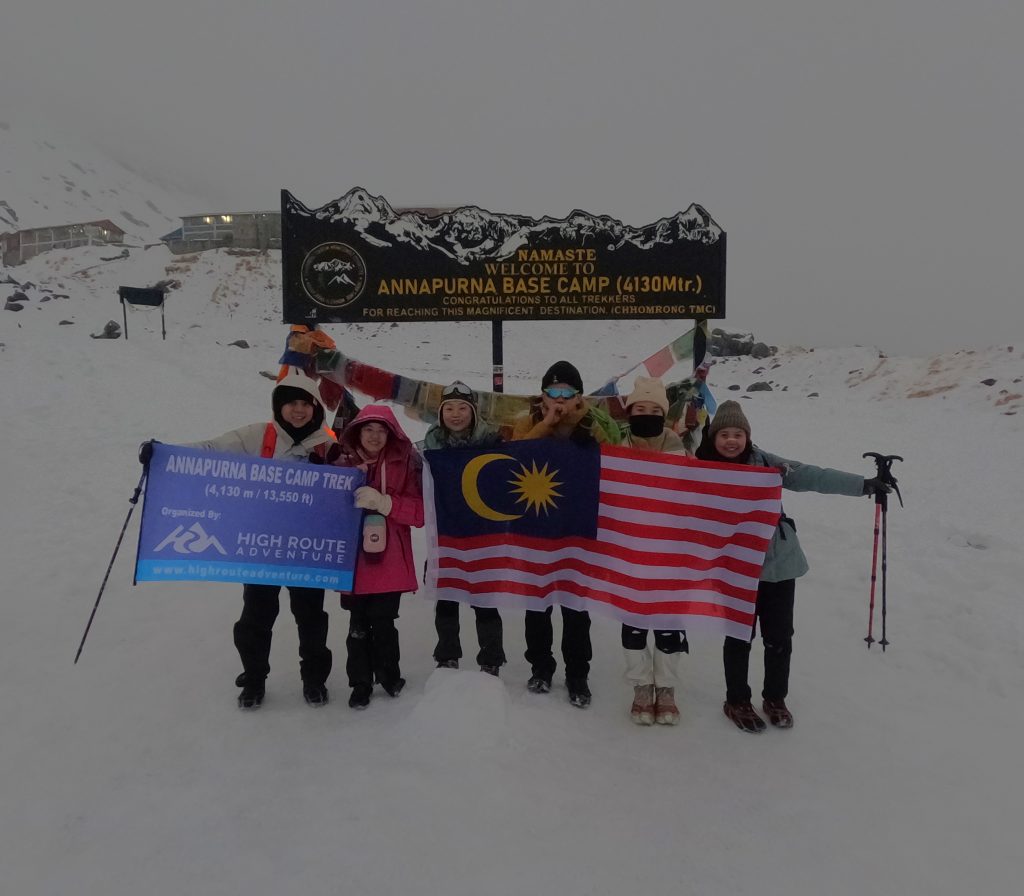
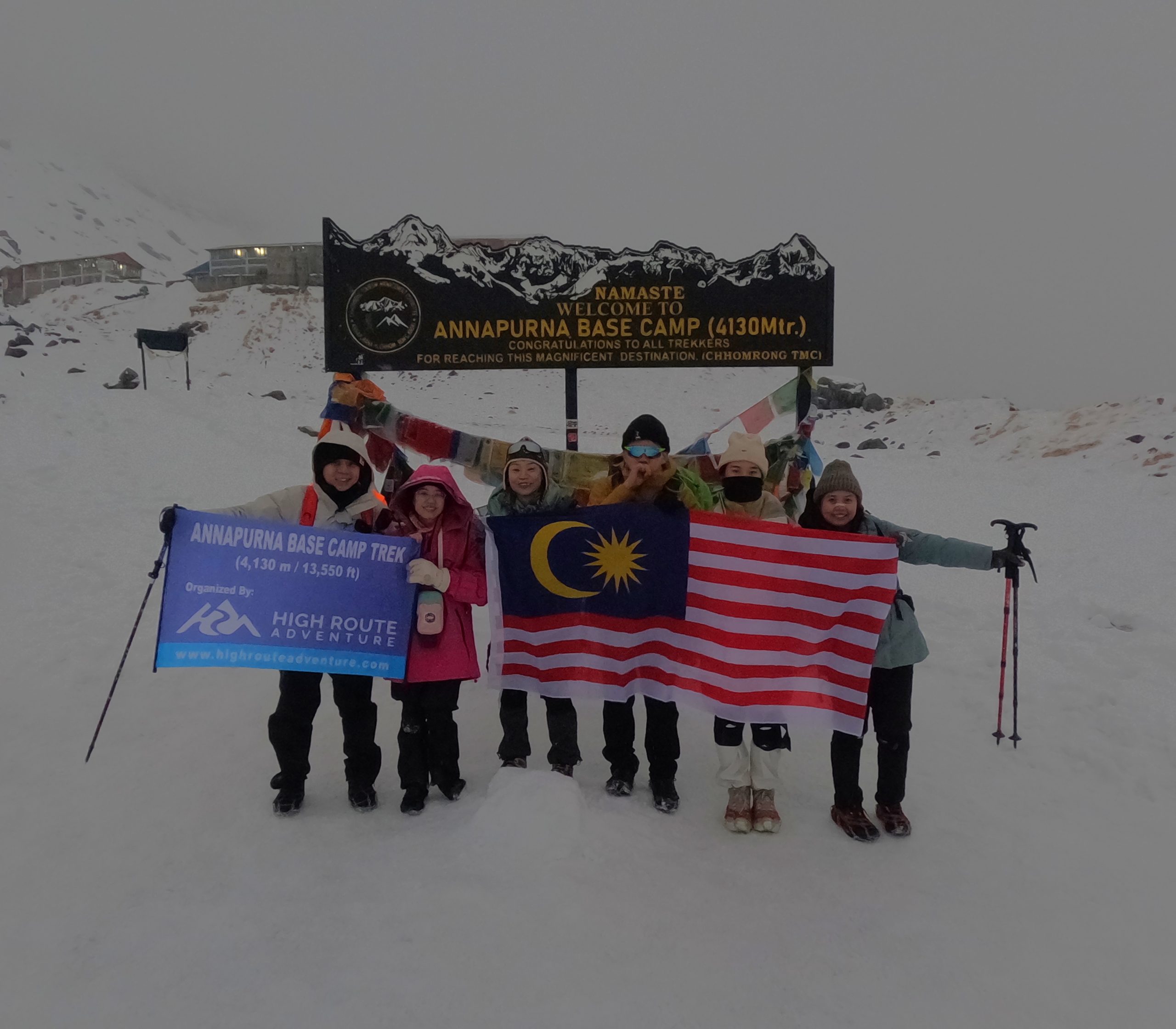
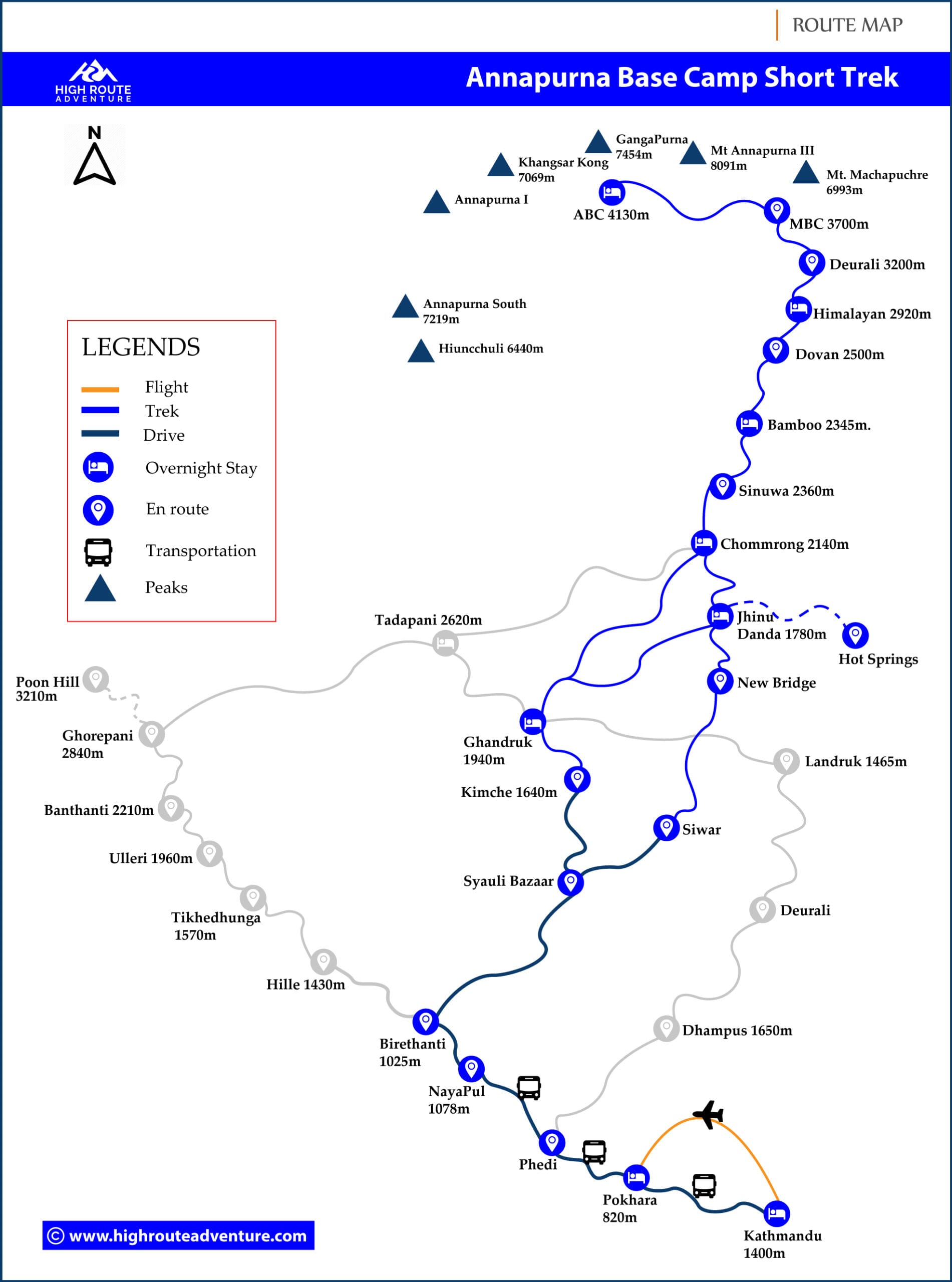
The highest point of the trek is Annapurna Base Camp itself, at 4,130 meters.
-
When is the best time to trek to Annapurna Base Camp?
Spring (March–May) and autumn (September–November) are the best seasons, offering stable weather and clear mountain views.
-
Where is Annapurna Base Camp located?
Annapurna Base Camp is located within the Annapurna Sanctuary, in the Annapurna Conservation Area of Gandaki Province, Nepal.
-
How cold is it at Annapurna Base Camp?
Temperatures at ABC can drop below freezing, especially at night, even during spring and autumn. Winter temperatures are significantly colder.
-
Is the ABC Trek 5 Days more expensive than the standard 7-10 day version?
Generally, the 5-day version is more affordable since it involves fewer nights of accommodation and food. However, it requires a faster pace, so it may not suit every trekker.
-
Do prices change based on group size?
Yes, per-person costs typically decrease with larger groups since transportation and guide costs are shared. Solo trekkers may pay a slightly higher rate.
-
How can I book the ABC Trek 5 Days with us?
You can book directly through our website or by contacting our team. A 20% advance payment confirms your booking.
-
My dates are not listed in the fixed departure dates. What should I do?
Contact us directly, and we'll arrange a customized departure date to suit your schedule.
-
Can I book this trek as a private or solo trip?
Yes, we offer both group departures and private trips. Solo trekkers, couples, and families are all welcome to book a customized departure.
-
What happens if I need to cancel my trek?
Cancellation terms depend on the notice period before departure. Please refer to our terms and conditions page for the detailed refund policy.
-
Can I reschedule my trek instead of cancelling?
Yes, rescheduling is often possible depending on availability. Contact our team as early as possible to arrange new dates.
-
What kind of food is available on the ABC Trek?
Teahouses offer a variety of vegetarian and non-vegetarian meals, including Dal Bhat, noodles, momo, pasta, and soups.
-
What kind of accommodation is available on the ABC Trek?
You'll stay in twin-sharing rooms at local teahouses along the trail, with basic amenities like a bed, blanket, and pillow.
-
I want a single room during the trek. What should I do?
Single rooms are available at lower altitudes for an additional cost, but are very limited or unavailable at higher elevations.
-
Do you have any hotel recommendations in Pokhara?
Yes, we can recommend and arrange comfortable hotels in Pokhara based on your budget and preferences.
-
Is it possible to have a hot shower during the trek?
Yes, hot showers are available at most teahouses for an additional fee.
-
Can I do laundry during the trek?
Laundry services are limited on the trail. We recommend packing quick-dry clothing and washing minimally during the trek.
-
Is drinking water safe on the ABC trek?
Up to Chhomrong, you can safely purchase bottled water at local shops and teahouses along the trail. Above Chhomrong, bottled water is banned to help reduce plastic waste in the fragile high-altitude environment. Instead, you'll find natural tap water points at certain intervals along the trail where you can refill your bottle. This tap water is untreated, so we recommend using water purification tablets or a filter before drinking it. Alternatively, most teahouses offer boiled and filtered water for a small fee. Simply ask at the teahouse, and they'll refill your bottle with safe drinking water.
-
Can you accommodate vegetarian, vegan, or allergy-specific diets?
Yes, most teahouses can prepare vegetarian and vegan meals. Please inform us of any allergies in advance so we can plan accordingly.
-
Is there Wi-Fi available along the trek route?
Yes, most teahouses offer Wi-Fi for a small fee, though connectivity can be slow or unreliable at higher altitudes.
-
What is the ideal weight for my backpack on the ABC Trek?
Your daypack should weigh around 5–8 kg, containing daily essentials. Heavier items can be carried by a porter.
-
What is the weight limit of the porter?
Porters typically carry up to 15–20 kg per trekker, usually shared between two trekkers per porter.
-
Do you provide a storage facility at our office?
Yes, you can store extra luggage at our office or your hotel in Pokhara while you're on the trek, free of charge.
-
Can you ship my luggage to Kathmandu after the trek?
Yes, we can help arrange transport of your extra luggage if you're continuing your journey to Kathmandu after the trek.
-
What should I do with valuables I don't want to carry on the trek?
We recommend leaving valuables in your hotel's safety deposit box or with our office for secure storage during the trek.
-
Do you accept the remaining payment in cash? What currency do you accept?
Yes, we accept cash payments in USD or NPR, as well as major credit/debit cards and bank transfers.
-
How much extra money do you recommend on the trail?
We suggest NPR 1,500–3,000 per day for personal expenses such as snacks, drinks, and extra meals.
-
What are the extra costs that I am not aware of?
Extra costs may include travel insurance, tips for guides/porters, Wi-Fi, battery charging, hot showers, and alcoholic beverages.
-
Is tipping mandatory for guides and porters?
Tipping is not mandatory but is customary and greatly appreciated in Nepal's trekking industry. Many trekkers budget around 10% of the total trip cost for tips.
-
Do I need travel insurance for this trek?
Yes, travel insurance covering high-altitude trekking (up to at least 4,500 m) and emergency evacuation is required for this trek.
-
Should I be worried about altitude sickness on the ABC Trek?
Mild altitude sickness is possible above 3,000 m due to the trek's fast pace. Our guides are trained to monitor symptoms and respond accordingly.
-
How safe is the ABC Trek?
The ABC Trek is generally safe when done with an experienced guide, proper acclimatization, and attention to weather conditions.
-
What do you do in case of an emergency?
Our guides carry first-aid kits and are trained in emergency response. In serious cases, we arrange helicopter evacuation, covered by your travel insurance.
-
How difficult is the ABC Trek?
The 5-day itinerary is rated moderate to challenging due to long walking hours, elevation gain, and steep trail sections.
-
How long is the Annapurna Base Camp Trek route?
The 5-day route covers approximately 50–55 km round trip, from Samrung/Jhinu Danda to Annapurna Base Camp and back.
-
Do I need prior trekking experience for this trek?
Prior trekking experience is helpful but not mandatory. A good level of physical fitness and mental readiness for daily uphill walking is more important.
-
What fitness level is required for the ABC Trek 5 Days?
Trekkers should be able to walk 5–7 hours daily on uneven terrain. We recommend cardio training, hiking practice, and stair climbing a few weeks before the trek.
-
Is this trek suitable for beginners?
It can be suitable for fit beginners, though the compressed timeframe makes it more demanding than the standard 7–10 day itinerary. Beginners with lower fitness levels may prefer a longer version.
-
Are there age restrictions for this trek?
There is no strict age limit, but trekkers should be in good health. Children and senior citizens should consult a doctor before attempting high-altitude trekking.
-
Is the ABC Trek safe for solo female travelers?
Yes, many solo female travelers complete this trek safely, especially when accompanied by a licensed guide. Our team prioritizes safety and comfort for all trekkers.
-
What kind of weather can I expect during the trek?
Weather varies by season. Spring and autumn offer the most stable conditions, while winter brings cold temperatures and monsoon season brings rainfall and cloud cover.
-
Will I get mobile network coverage during the trek?
Mobile coverage is available in most areas along the trail, though signal strength weakens at higher elevations like MBC and ABC.
-
What should I do if I feel unwell during the trek?
Inform your guide immediately. They are trained to assess symptoms and will decide whether to rest, descend, or arrange evacuation if necessary.
-
Can this trek be combined with other activities in Pokhara?
Yes, many trekkers combine this trip with paragliding, boating on Phewa Lake, or a visit to the World Peace Pagoda before or after the trek.
-
Can I hire a horse if I'm unable to walk?
Yes, horses can be hired from Jhinu Danda up to Chhomrong or Sinuwa, at an extra cost. Beyond this point, the steep and narrow trail makes horse riding impractical, so trekkers continue on foot with porter support.