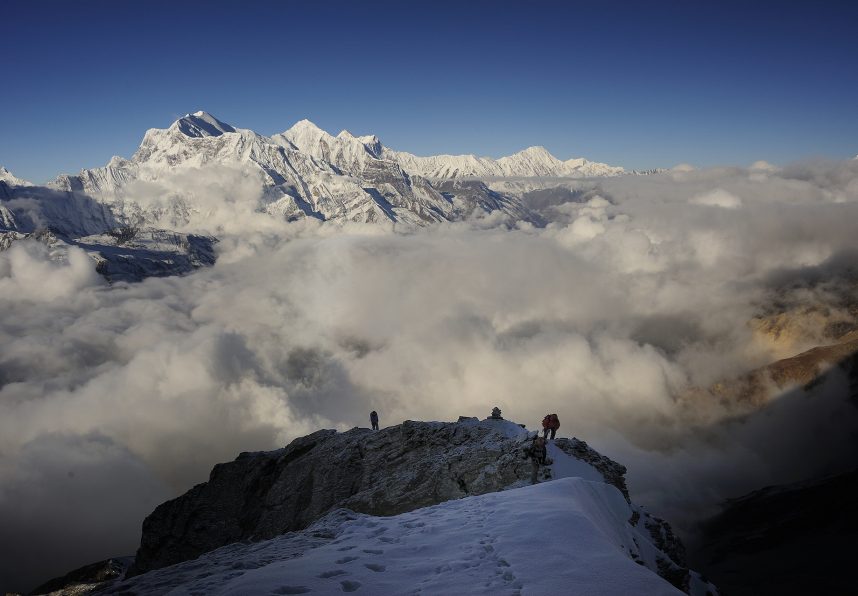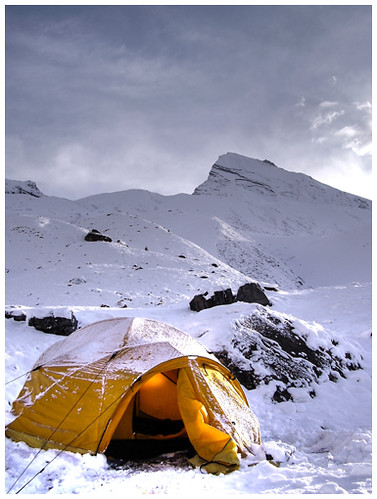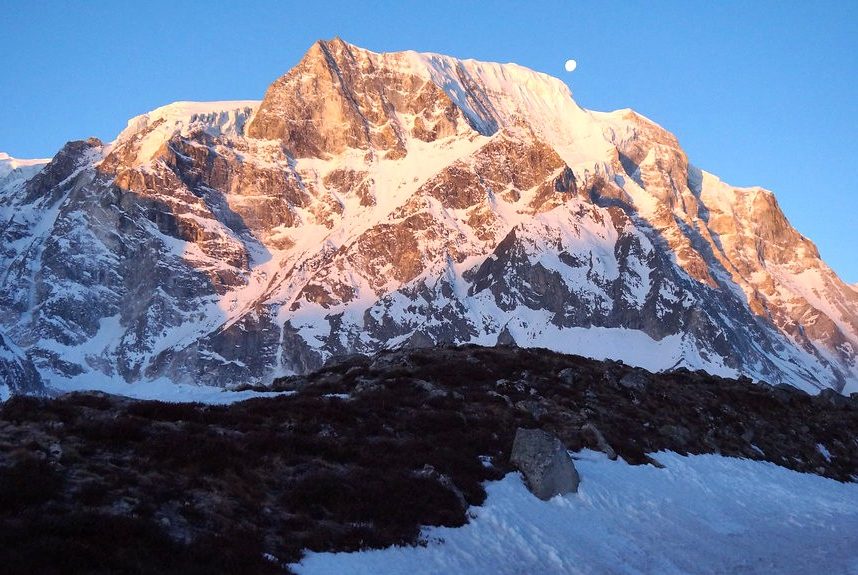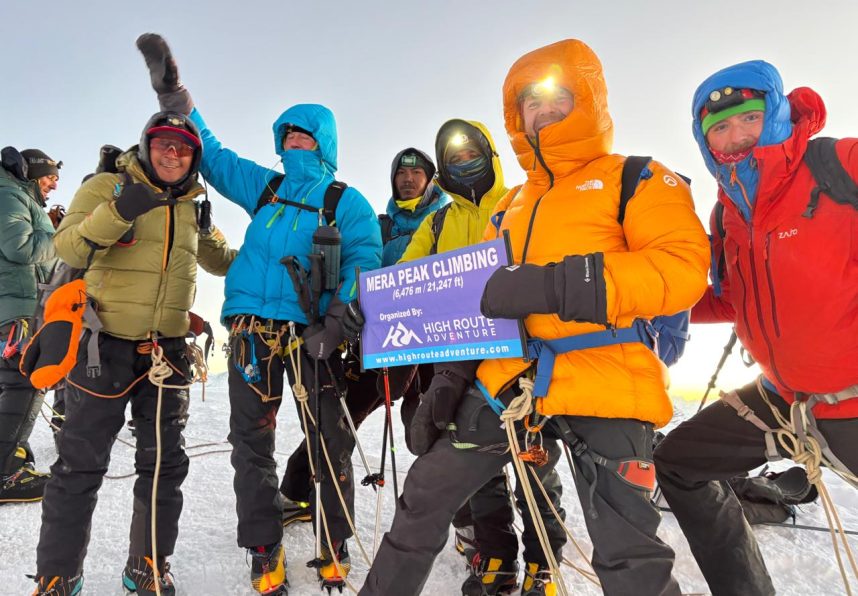
Nepal is home to eight of the world's fourteen highest mountains, including Mt. Everest (8,848.86 m), Kanchenjunga (8,586 m), Lhotse (8,516 m), Makalu (8,485 m), Manaslu (8,163 m), and Annapurna (8,091 m). Stretching across the Great Himalayan Range in South Asia, Nepal offers some of the most dramatic and rewarding mountain terrain on earth — not just for elite expeditions, but for adventurous trekkers ready to take their first steps into high-altitude climbing.
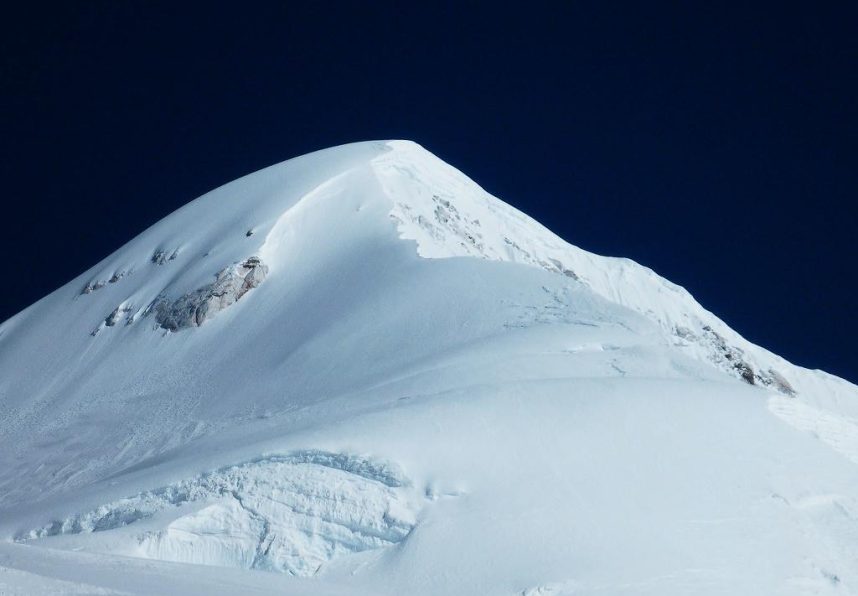
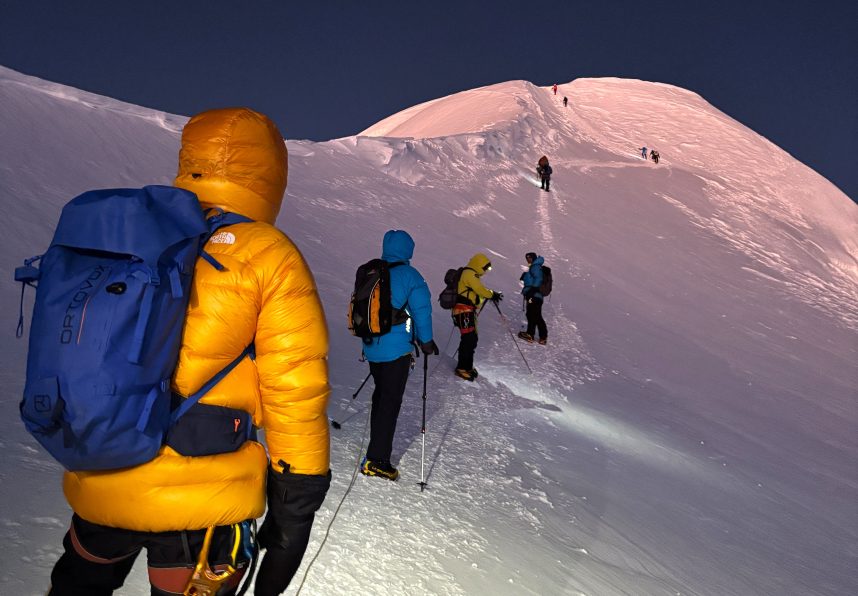
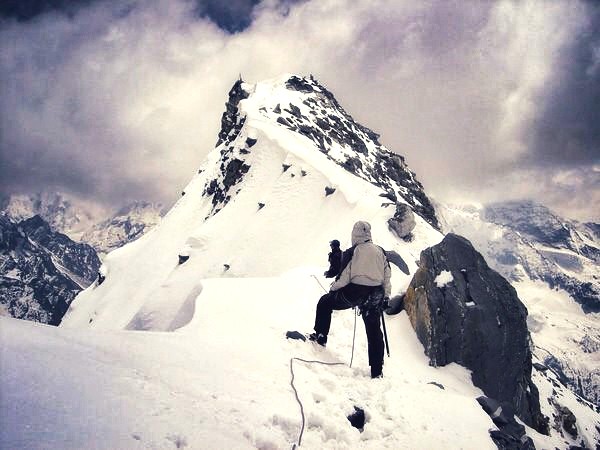
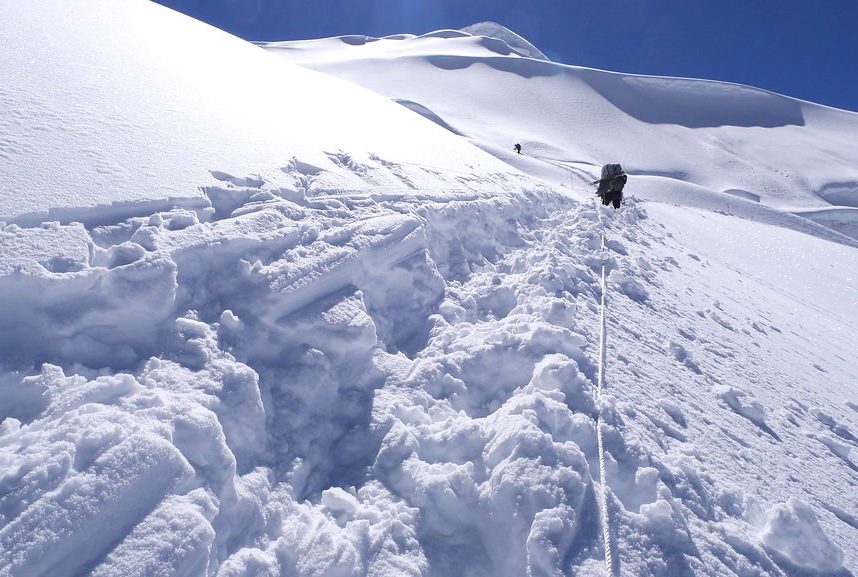
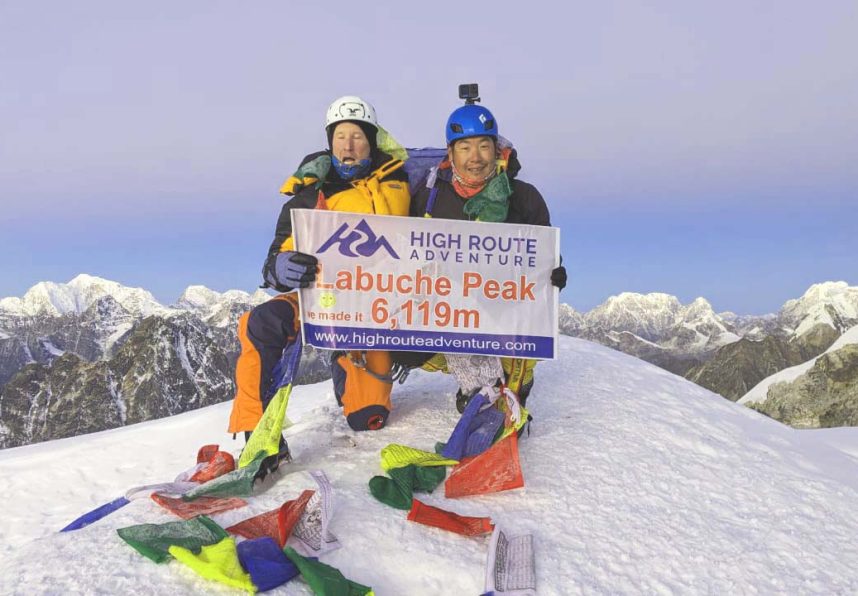
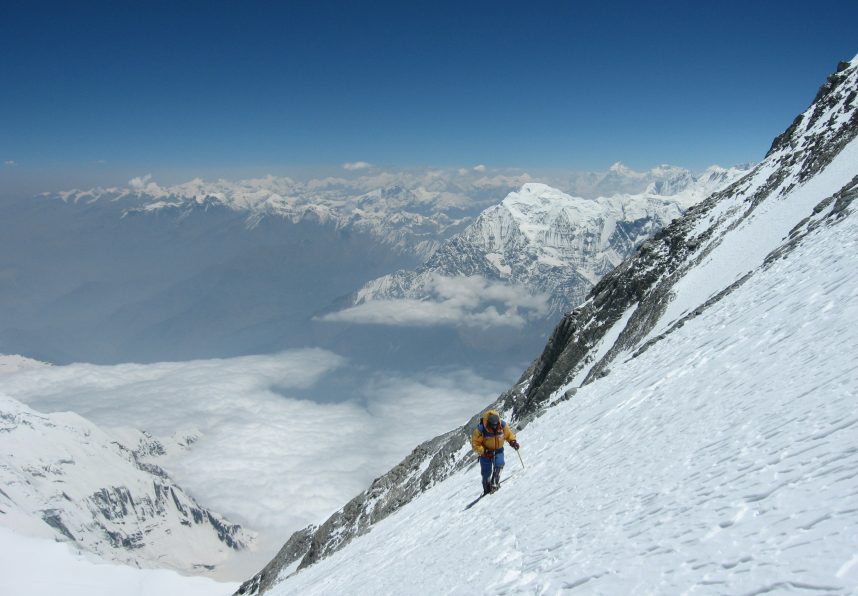
Peak climbing in Nepal refers to the ascent of mountains below 6,500 meters in altitude. These peaks are classified and regulated by the Nepal Mountaineering Association (NMA) and require a climbing permit, but are achievable without the extreme technical demands of 8,000-meter expeditions. They are the perfect entry point for climbers who want the thrill of a genuine summit — crampons, ice axes, fixed ropes, and all — without committing to a full Himalayan expedition.
The appeal of peak climbing in Nepal goes far beyond the summit itself. As you ascend through the Khumbu, Annapurna, or Langtang regions, the journey unfolds through ancient Sherpa and Tibetan villages, remote monasteries draped in prayer flags, sweeping glacial moraines, turquoise high-altitude lakes, and valleys populated by musk deer, snow leopards, and Himalayan tahr. The mountains are remarkable — but so is everything around them.
Climbers are welcomed into communities where Sherpa and Tibetan cultures have thrived for centuries. The warmth of a teahouse meal after a long summit day, shared with locals who have lived their entire lives in the shadow of the world's highest peaks, is an experience that stays with you long after you return home.
Whether you are a seasoned mountaineer looking for a challenging acclimatization peak before a major expedition, or an experienced trekker ready to attempt your first technical climb, Nepal has a peak that fits your level.
Peak climbing in Nepal is suited to:
Most peaks require a reasonable level of physical fitness, the ability to walk 5–8 hours daily at altitude, and basic familiarity with climbing equipment such as crampons, harnesses, and fixed ropes. Prior high-altitude trekking experience is strongly recommended. Some peaks — such as Mera Peak and Island Peak — are accessible to fit, motivated trekkers with no prior climbing experience when guided by a certified professional.
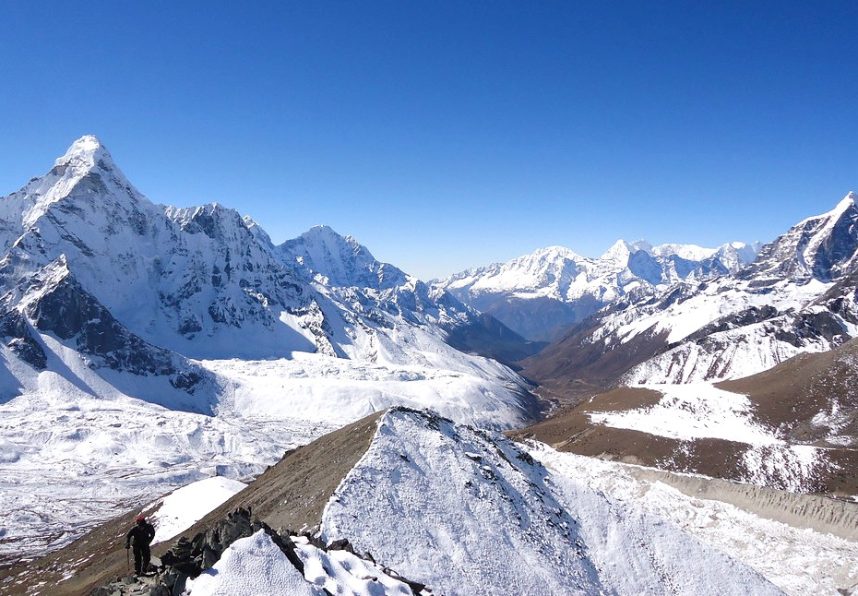
The Khumbu is the most famous climbing region in the world, and its trekking peaks offer some of the most spectacular high-altitude scenery anywhere on earth.
The Langtang valley offers a quieter, more remote climbing experience within easy reach of Kathmandu.
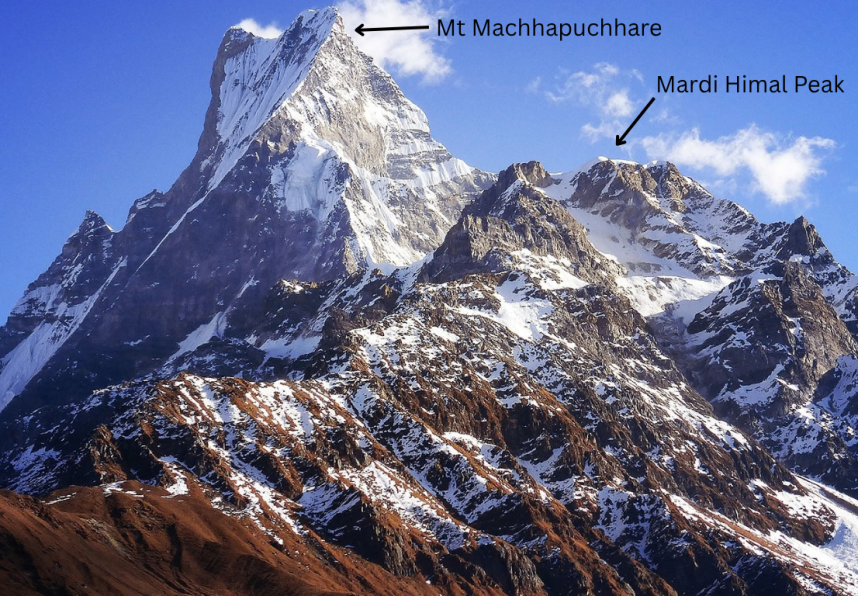
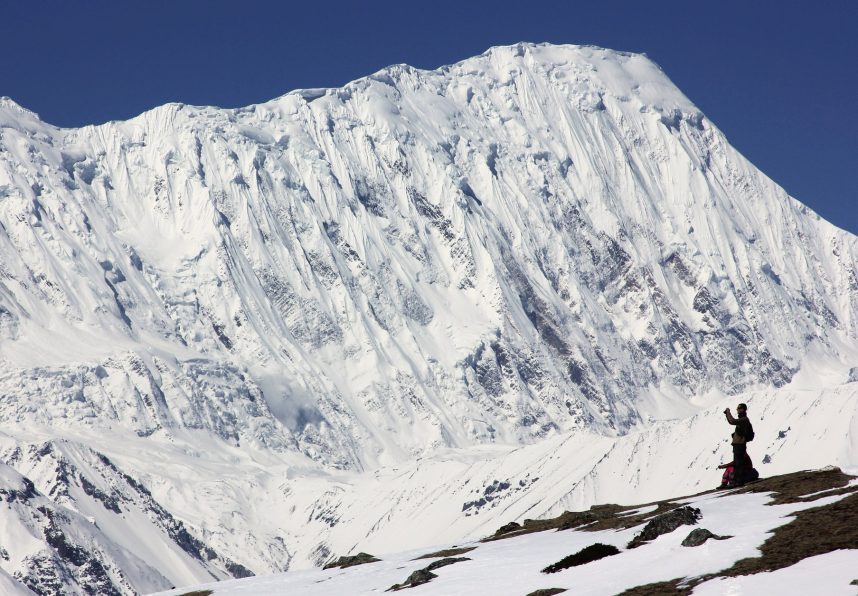
The Annapurna massif offers diverse climbing terrain, from gentle snow slopes to technical ridgelines, set against one of Nepal's most scenic trekking landscapes.
The two optimal seasons for peak climbing in Nepal are:
Autumn — September to November Autumn is considered the best overall season. The monsoon rains clear by late September, leaving crisp air, stable weather, excellent visibility, and dry trails. October is the peak of the climbing season.
Spring — March to May Spring is the second-best season, with warming temperatures and longer days. Rhododendron forests bloom along the approach trails, and the weather is generally stable before the monsoon arrives in June. May is the most popular month for summit attempts on higher peaks.
Winter (December to February) is possible on lower peaks but brings extreme cold and shorter daylight hours at altitude. Monsoon (June to August) is not recommended due to heavy rainfall, slippery trails, and poor visibility, though some lower peaks in rain-shadow areas remain accessible.
Even during the best seasons, Himalayan weather is inherently unpredictable. Building buffer days into your itinerary and carrying comprehensive travel insurance are essential, not optional.
All peak climbers in Nepal must obtain the following permits before beginning their ascent:
High Route Adventure handles all permit applications as part of your climbing package. You do not need to arrange permits independently.
Whether you are planning your first trekking peak or adding a summit to an existing Everest Base Camp itinerary, High Route Adventure offers guided climbing packages across all major regions of Nepal. Our NMA-certified guides have extensive experience on every peak listed above and will ensure your safety, acclimatization, and summit success.
📞 +977-9851058664 | 📧 info@highrouteadventure.com | 💬 WhatsApp Us