Take a scenic flight from Kathmandu to Lukla airport.
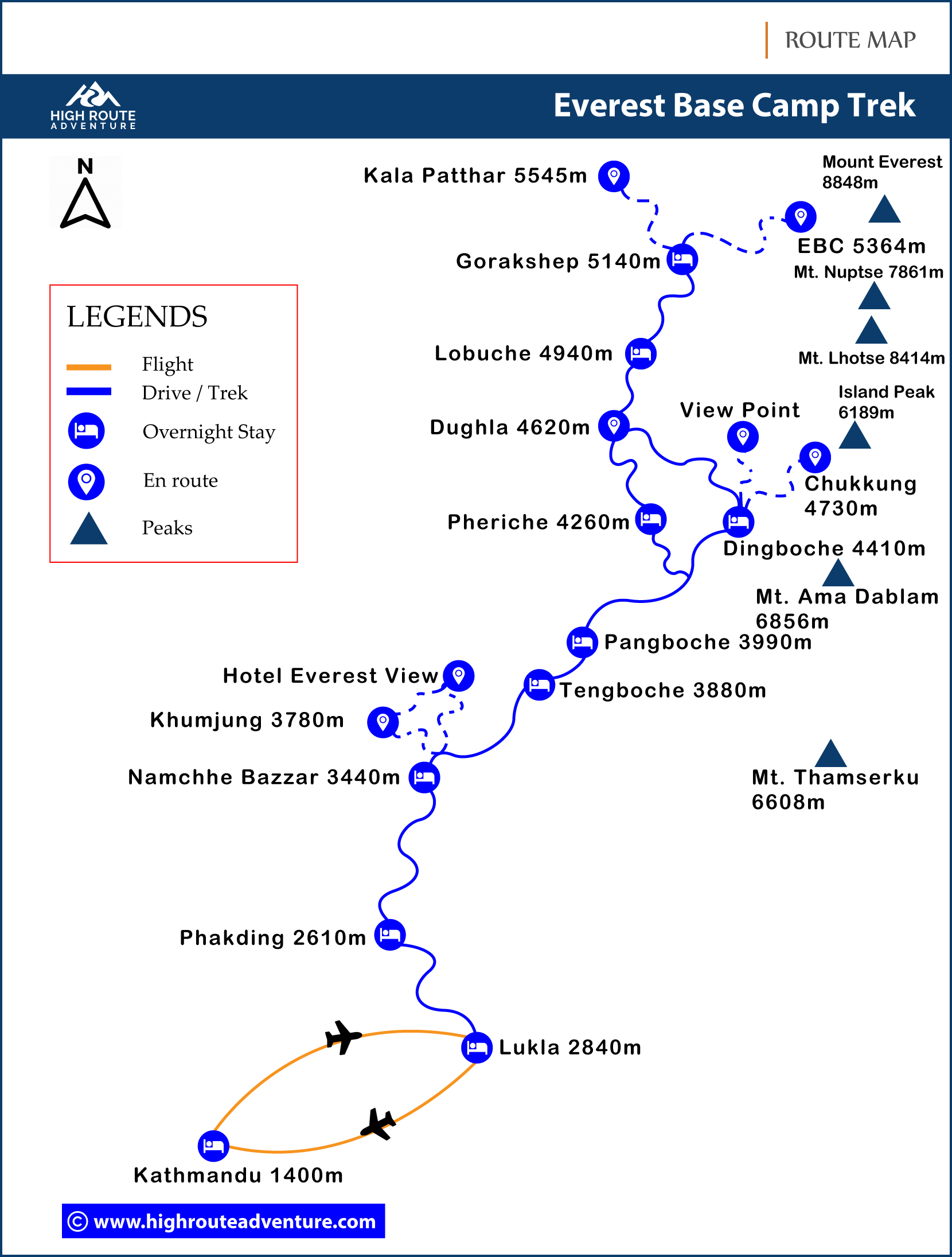
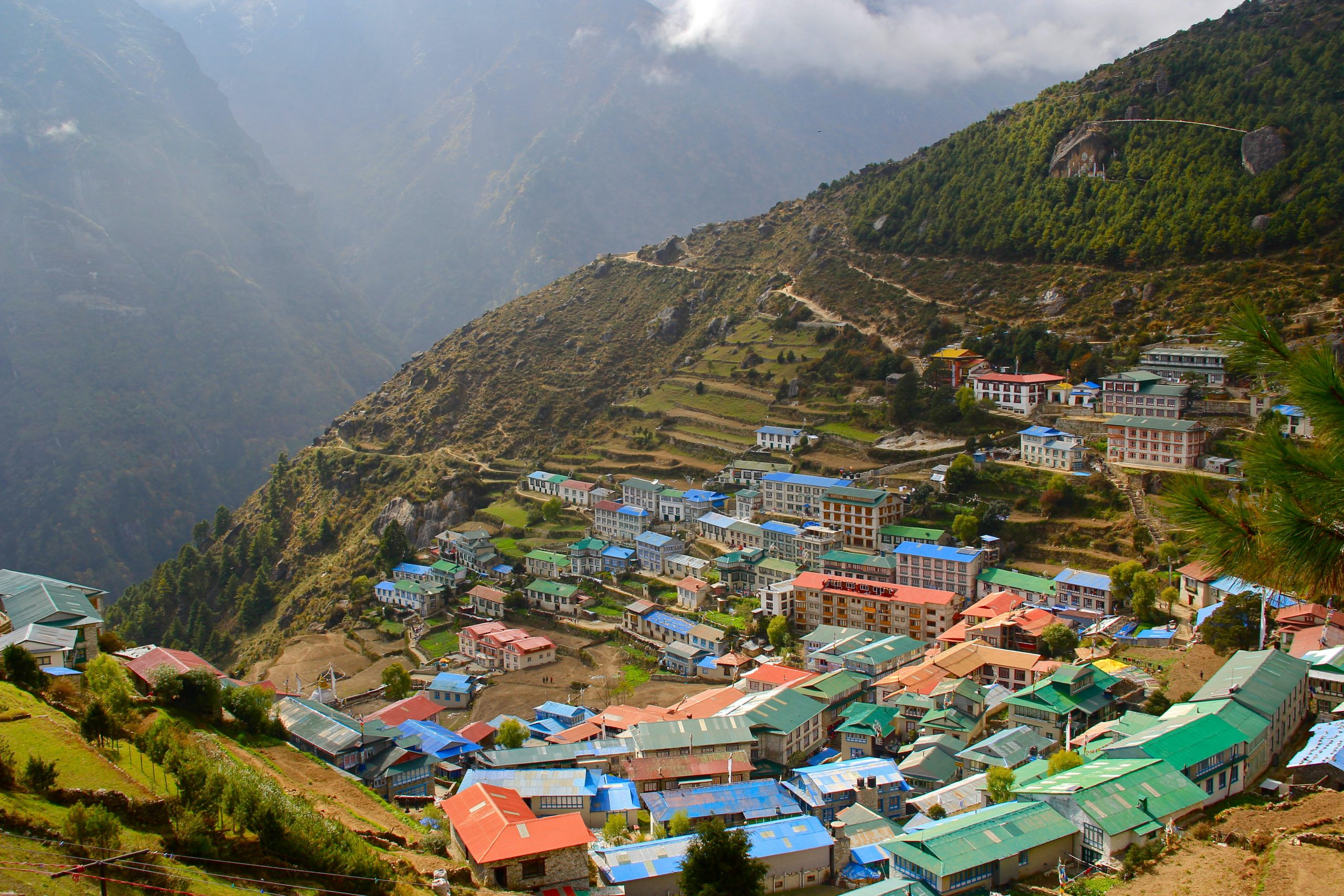
Visit and explore popular Sherpa villages like Namche Bazaar, Tengboche, and Dingboche.
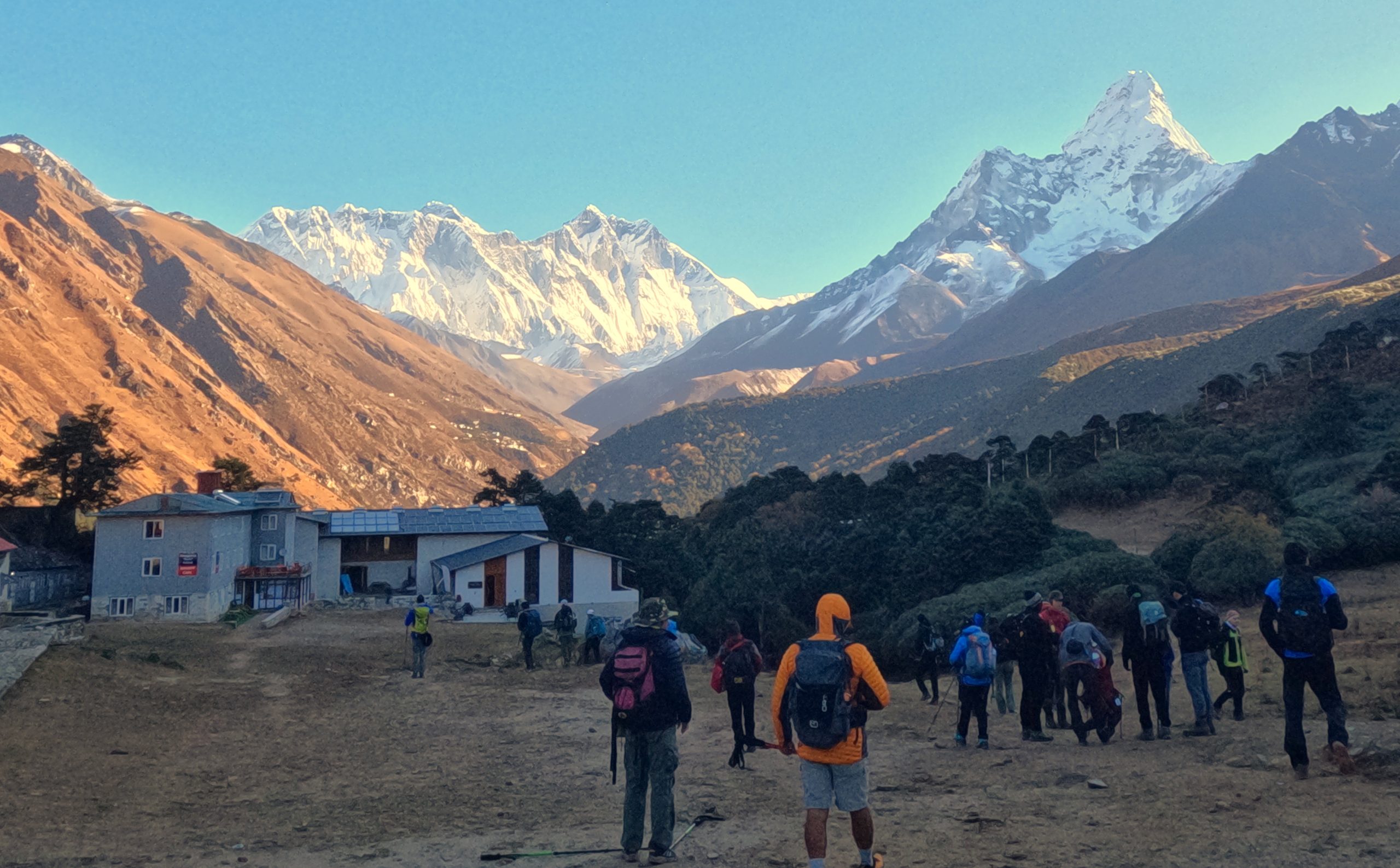
Witness iconic peaks such as Mt. Everest (8848m), Lhotse, Nuptse, and Ama Dablam.
Visit Tengboche Monastery and other cultural landmarks.
Trek through Sagarmatha National Park - a UNESCO World Heritage site with rich flora and fauna
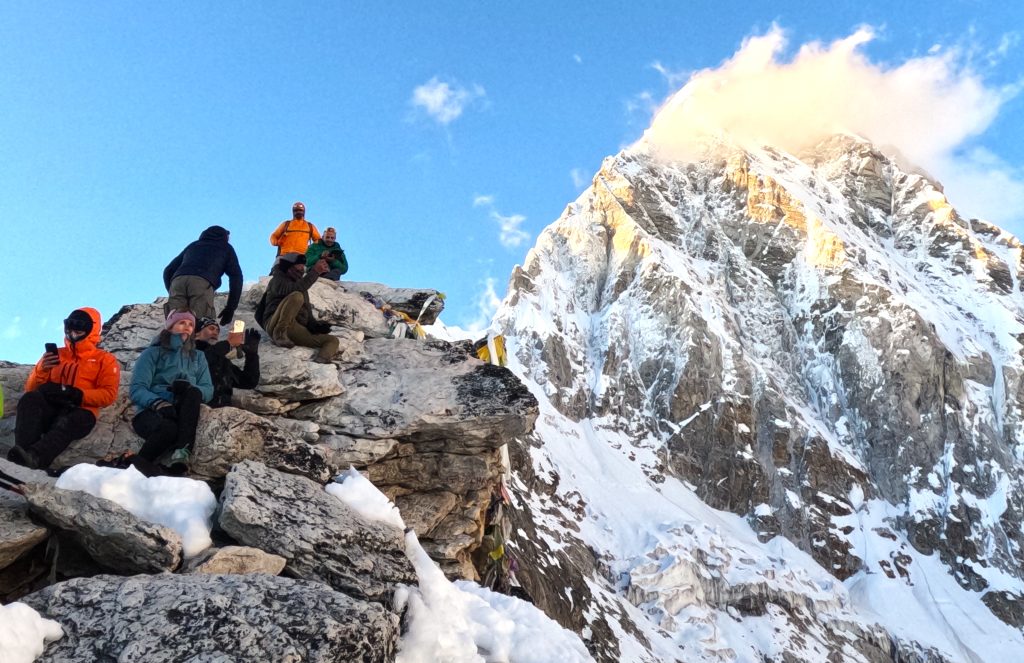
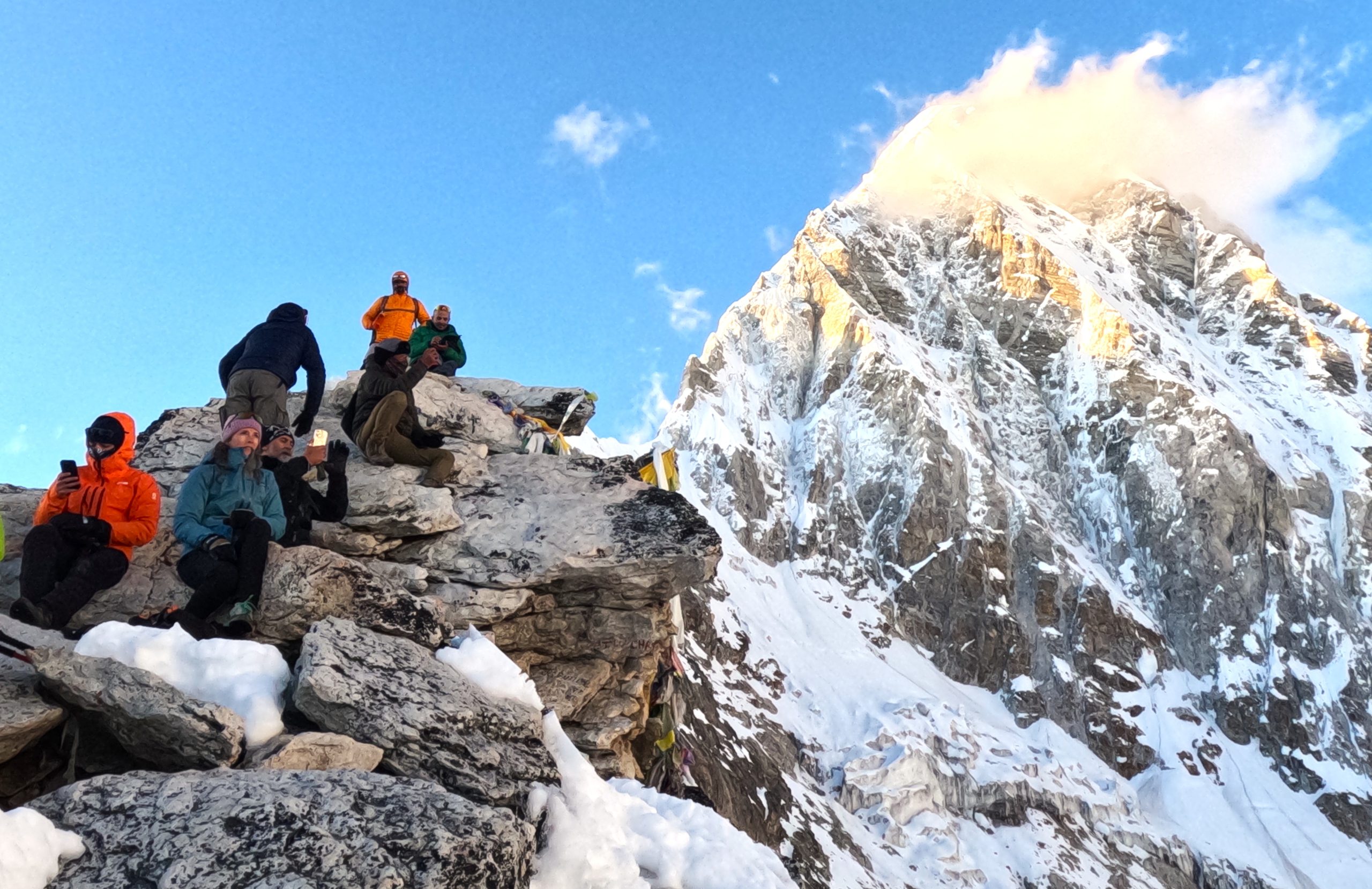
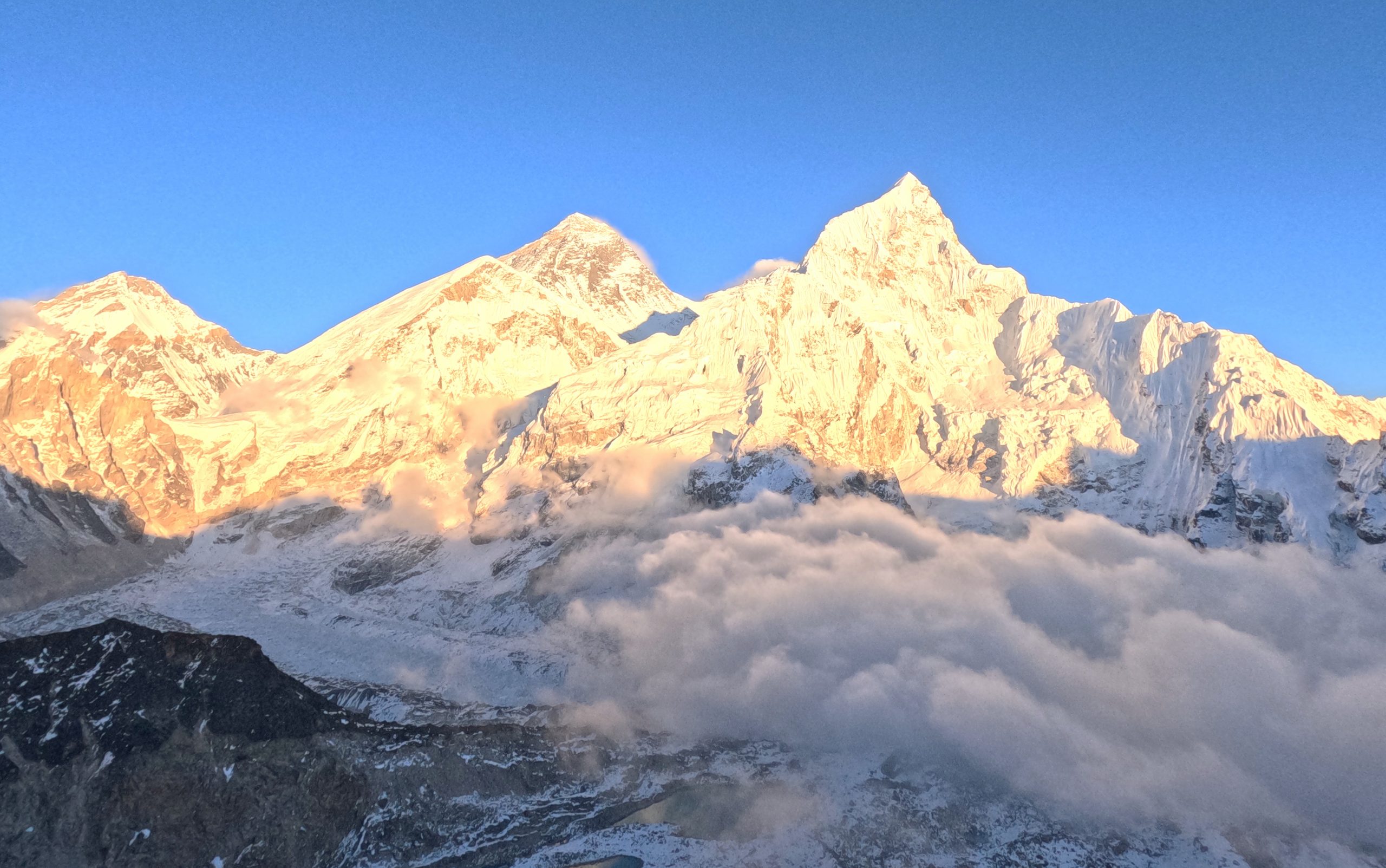
Witness breathtaking sunrise view over Mt Everest from Kala Patthar viewpoint.
Walk among glaciers, moraine trails, and the Khumbu Icefall.
Experience Sherpa hospitality, their culture and traditions.
Overview
Everest Base Camp Trek Overview
The Everest Base Camp Trek is one of Nepal’s most legendary Himalayan adventures. This 14-day journey takes you directly to the foot of Mount Everest (8,848.86 m), the world’s highest peak. The total trekking distance of this trip is approximately 130 kilometers (80 miles) round trip. On average, you will walk for around 6–7 hours daily. The trek’s highest point is the Kala Patthar viewpoint, which sits at an altitude of 5,545 meters. From this viewpoint, trekkers can enjoy a spectacular sunrise over Everest, Nuptse, Changtse, and the northern face of Lhotse.
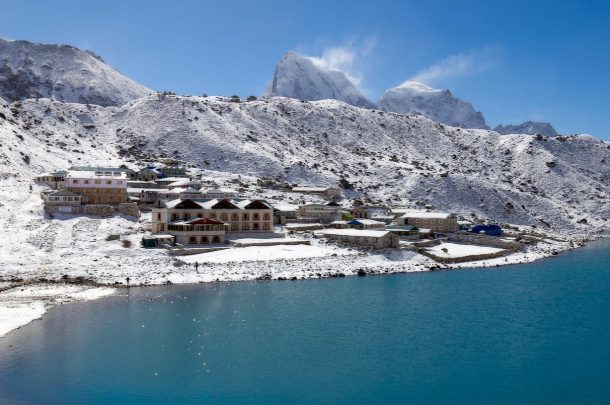
Your adventure starts with a scenic and thrilling flight from Kathmandu to Tenzing-Hillary Airport. The trekking journey starts from Lukla, which is the main gateway to the Khumbu region. For several days, you will walk through Sherpa villages, passing through dense forests, suspension bridges, waterfalls, mani walls, and the Khumbu Glacier before reaching the iconic Everest Base Camp (5,364 meters).
While staying in teahouses along the route, you will enjoy warm hospitality and have the opportunity to experience the rich Sherpa culture and traditions. You will also visit the famous Tengboche Monastery to learn about Buddhist culture.
Our 14-day Everest Base Camp trek itinerary is well planned, which means it suits both beginners and experienced trekkers. There are proper acclimatization days with a gradual ascent to high altitude to make your journey safe and memorable.
This trek is more than reaching Base Camp – it’s a spiritual and physical journey, as well as a life-changing experience that everyone should have at least once in their lifetime.
So, are you ready to experience the world’s greatest trek? Book now and get a special discount for 2026/2027.
What to Expect on the Everest Base Camp Trek
Trekking to Mount Everest starts from Lukla airport, which is 30 minutes flight from Kathmandu Tribhuwan International Airport(TIA). Our private vehicle will pick you up from your hotel doorstep and take you to the domestic terminal for the Lukla flight. Then, taking a scenic flight with the aerial view of the capital city, lush hills, terrace, farmland, rushing river and mountain views, you will land in the Lukla Tenzing Hillary airport(2,845 meters).
From Lukla, you will begin your trek inside the Sagarmatha National Park, and every day you will stay in the teahouse, which is prebooked by us. Each morning, after getting refresh you will enjoy your breakfast between 6 AM and 7 AM, then start your trek. Around 11 AM to 1 PM in the middle of the trek, your guide stops for lunch and a short rest. Then, after refueling, you will again continue your journey, and at the end of the day, your guide will take you to the teahouse for check-in.
Then unpacking your things, you will enjoy a cup of tea/coffee and take a time to stretch, charge your electronic, explore surrounding or rest. Then dinner will be served at the communal dining hall between 6:30 PM and 8:30 PM. Your guide will give a short briefing about tomorrow’s trail and route. Then you will go to the room to sleep.
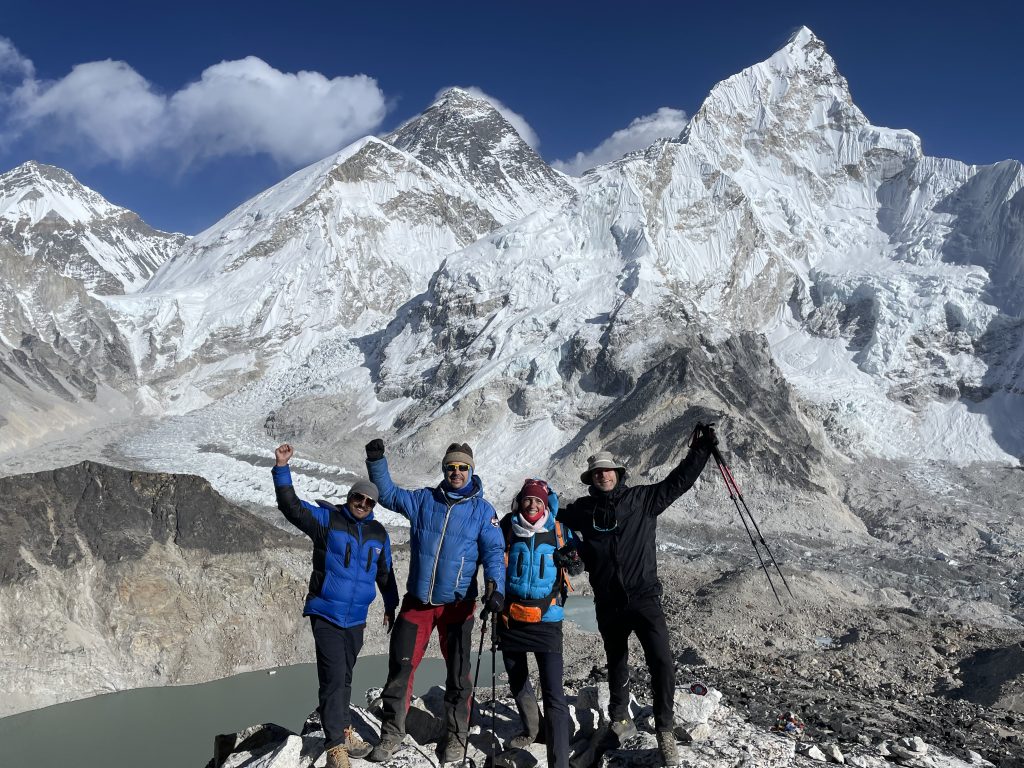
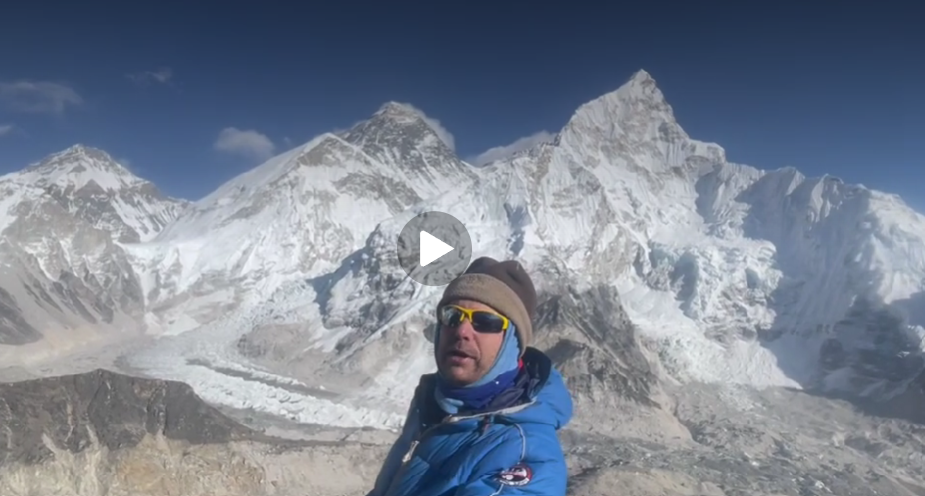
Kala Patthar (5,545 meters) – The best viewpoint for a sunrise panorama of Everest
Top Attractions of the Everest Base Camp Trip
Breathtaking Views of Mount Everest and Himalayan Giants
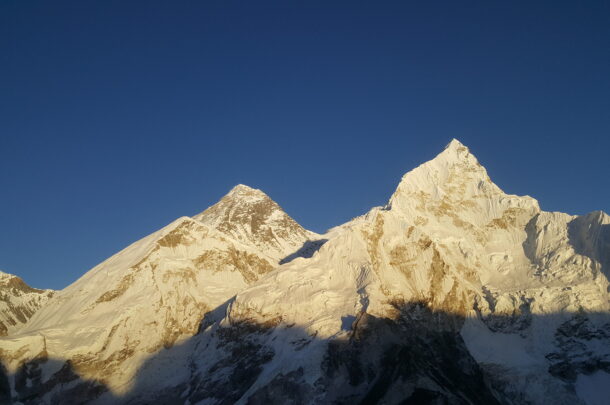
Panoramic view of Mount Everest and surrounding peaks in the Himalayas
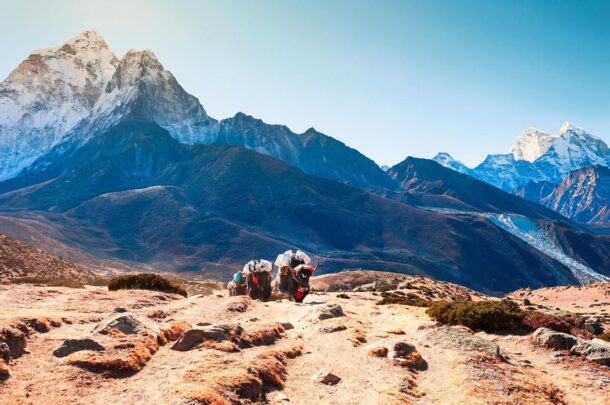
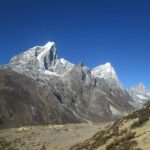
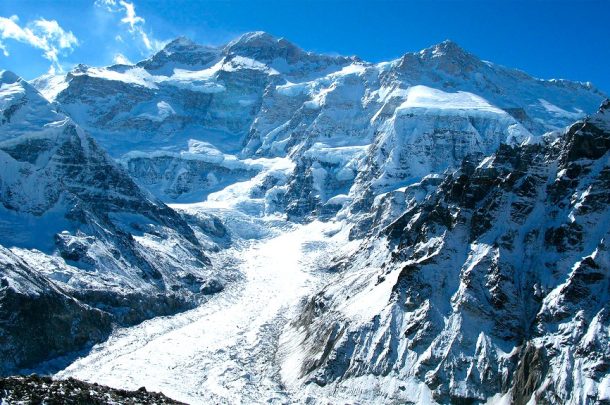
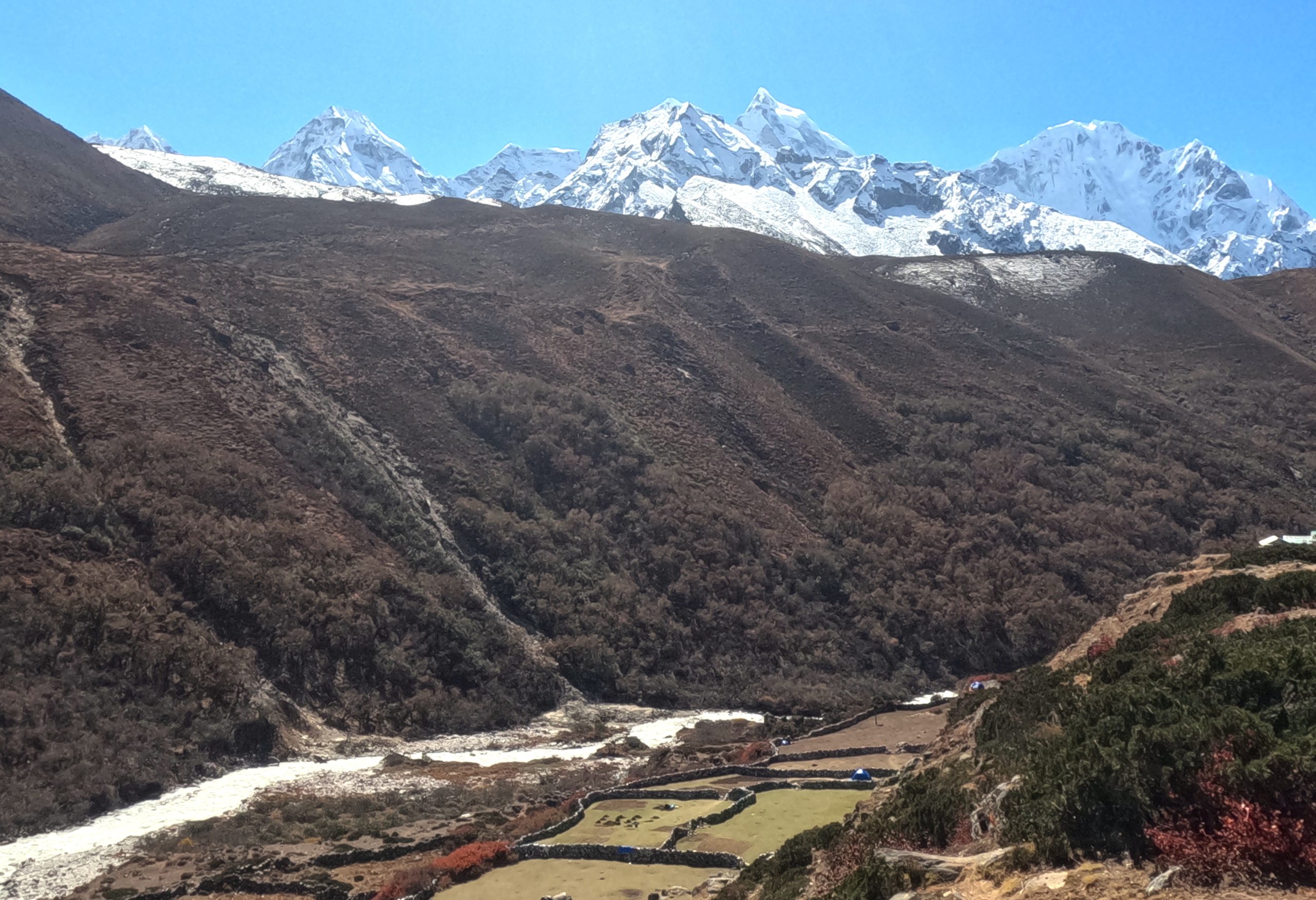
One of the major highlights of the Everest Base Camp Tour is the awe-inspiring views of Mount Everest (8,848.86m) and surrounding peaks like Lhotse, Nuptse, Ama Dablam, and Thamserku. The panoramic Himalayan scenery begins as soon as you land in Lukla and keeps getting better each day. Trekkers are rewarded with close-up views of Everest, especially from Kala Patthar (5,545 meters), known for its stunning sunrise. The snow-covered peaks, glaciers, and icefalls create unforgettable visuals throughout the journey.
Scenic Flight to Lukla – World’s Most Adventurous Airport
Lukla Airport – Tenzing Hillary Airport
Your EBC Trek adventure starts with a scenic flight from Kathmandu to Lukla airport, one of the most exciting and scenic flights in the world. Flying over deep valleys and high ridges with views of the Himalayas is a unique experience in itself. The short airstrip in Lukla, perched on a hillside, sets the tone for the adrenaline-packed trek ahead. It’s not just a regular flight—it’s a memory that will stay with you forever.
Sherpa Culture and Himalayan Villages
The Everest Base Camp route winds through beautiful Sherpa villages like Namche Bazaar, Tengboche, and Pangboche, giving trekkers a glimpse into traditional mountain life. The Sherpa people, known for their resilience and mountaineering skills, are warm, welcoming, and deeply spiritual. You’ll see colorful prayer flags, Buddhist stupas, and monasteries along the trail. Their rich cultural heritage adds depth to the trekking experience.
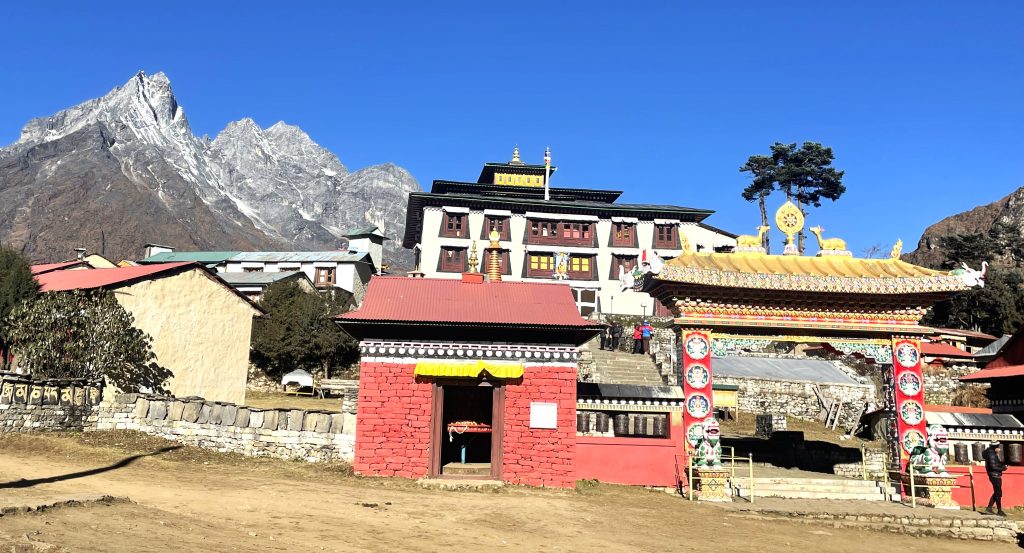
Tengboche Monastery – Spiritual Heart of the Khumbu
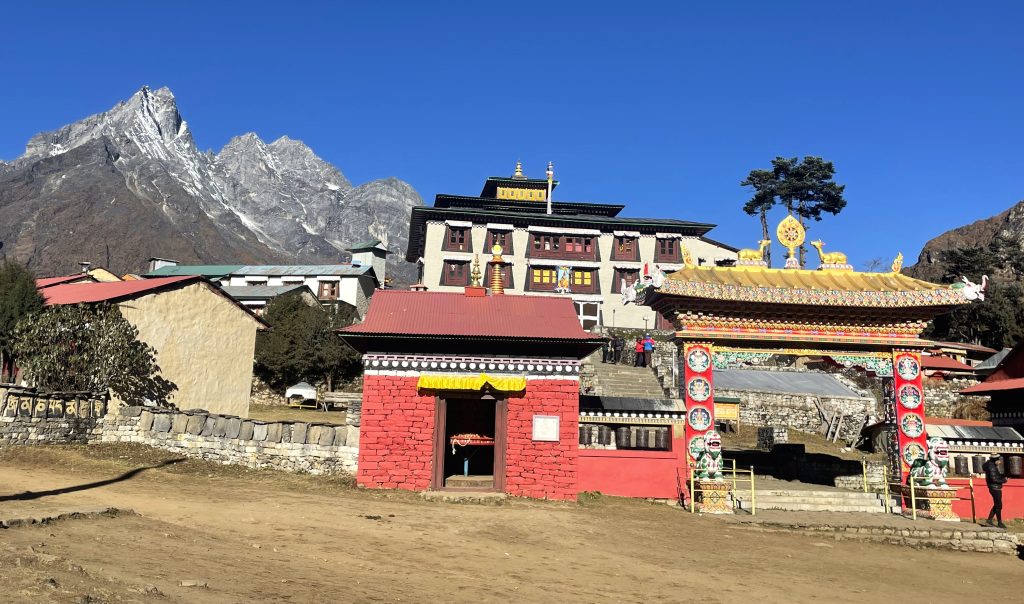
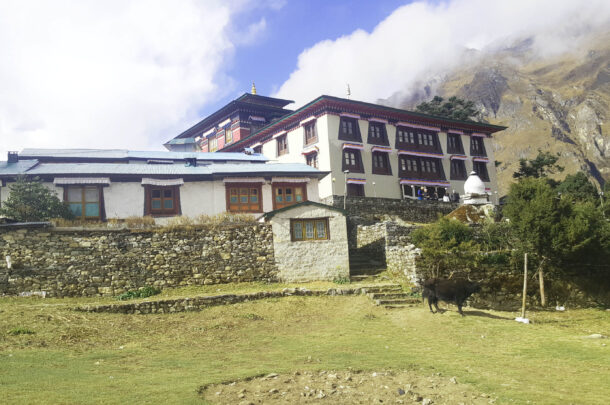
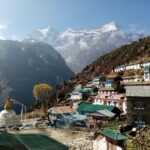
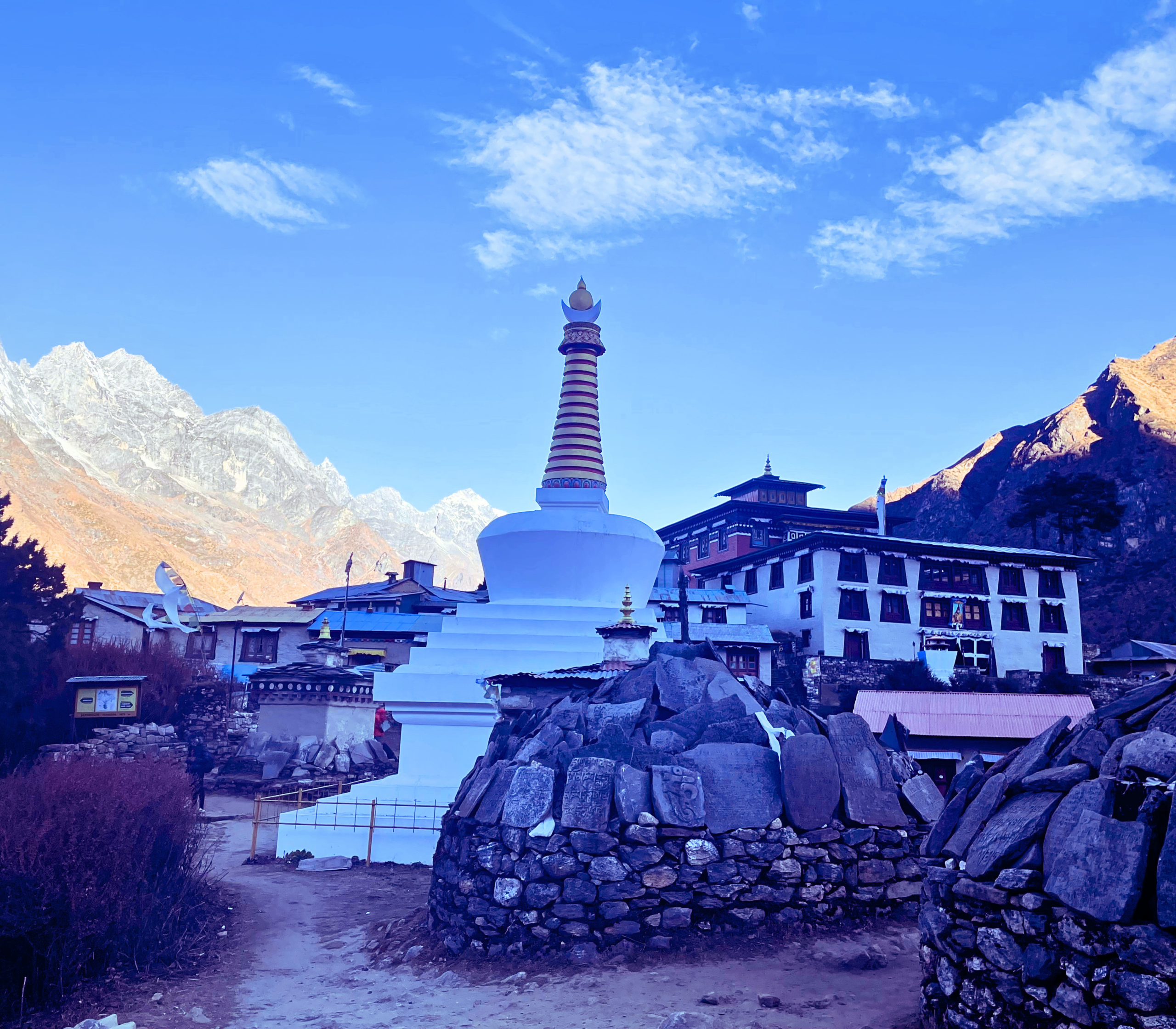
Tengboche Monastery, surrounded by Himalayan mountains with prayer flags and clear blue sky in the Everest region, Nepal
One of the spiritual highlights of the trek is a visit to Tengboche Monastery, the largest Buddhist monastery in the Everest region. Located at 3,867 meters, it offers incredible views of Ama Dablam and Everest. Trekkers often receive blessings from the resident monks before continuing their journey. The peaceful ambiance and fluttering prayer flags create a sacred moment amid the Himalayan wilderness.
Kala Patthar – Best Viewpoint for Everest Sunrise
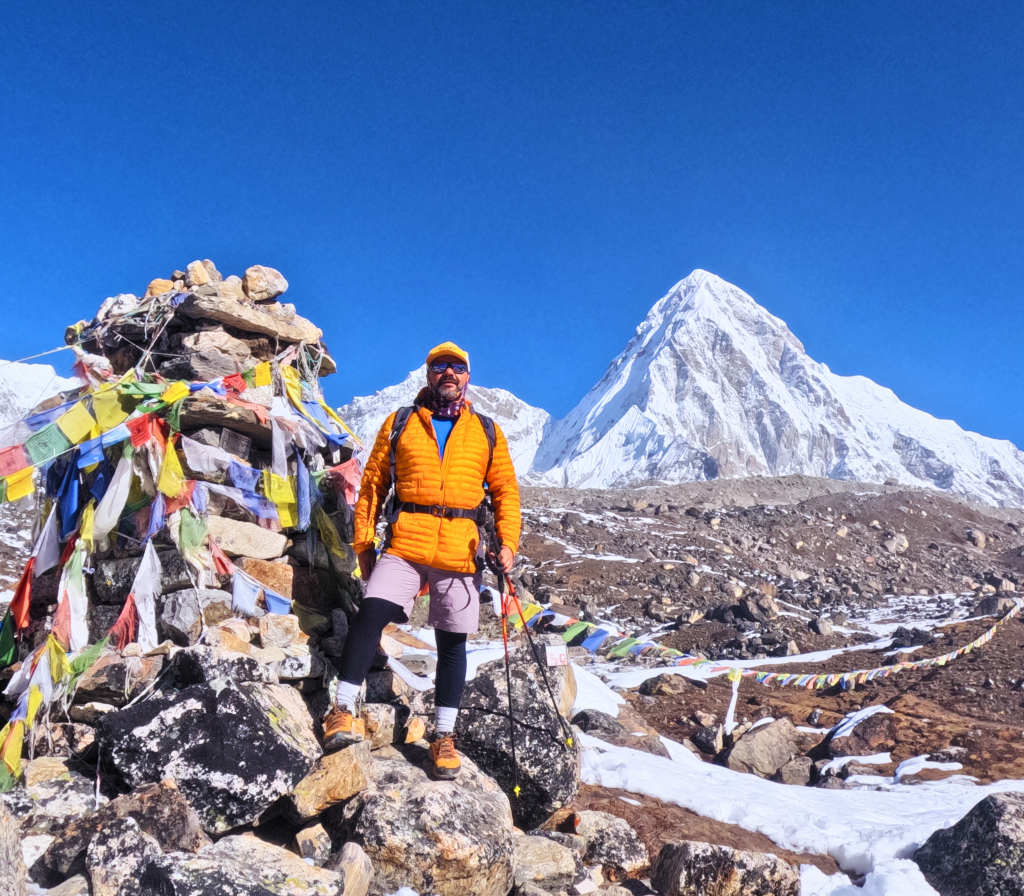
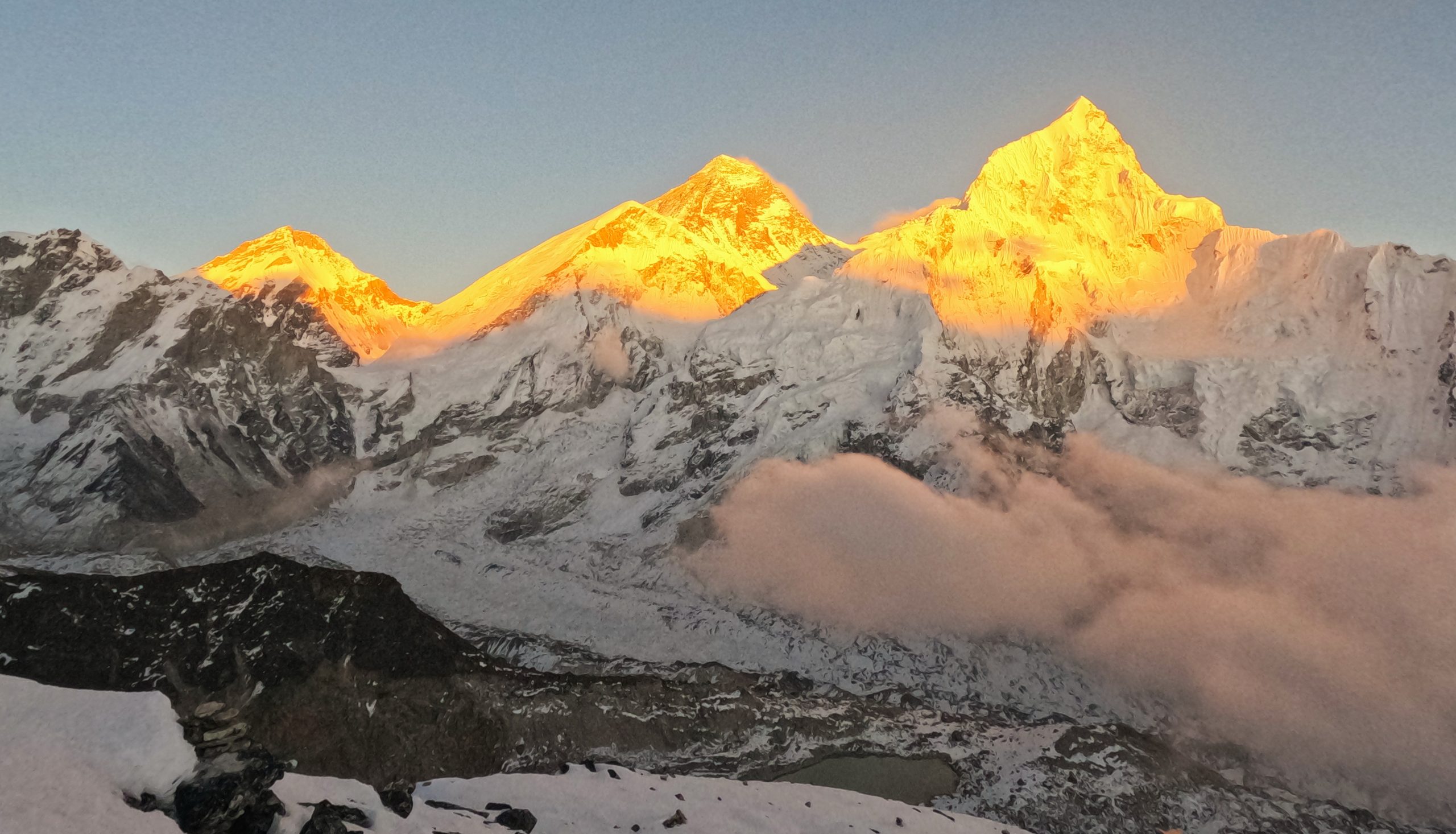
Kala Patthar viewpoint
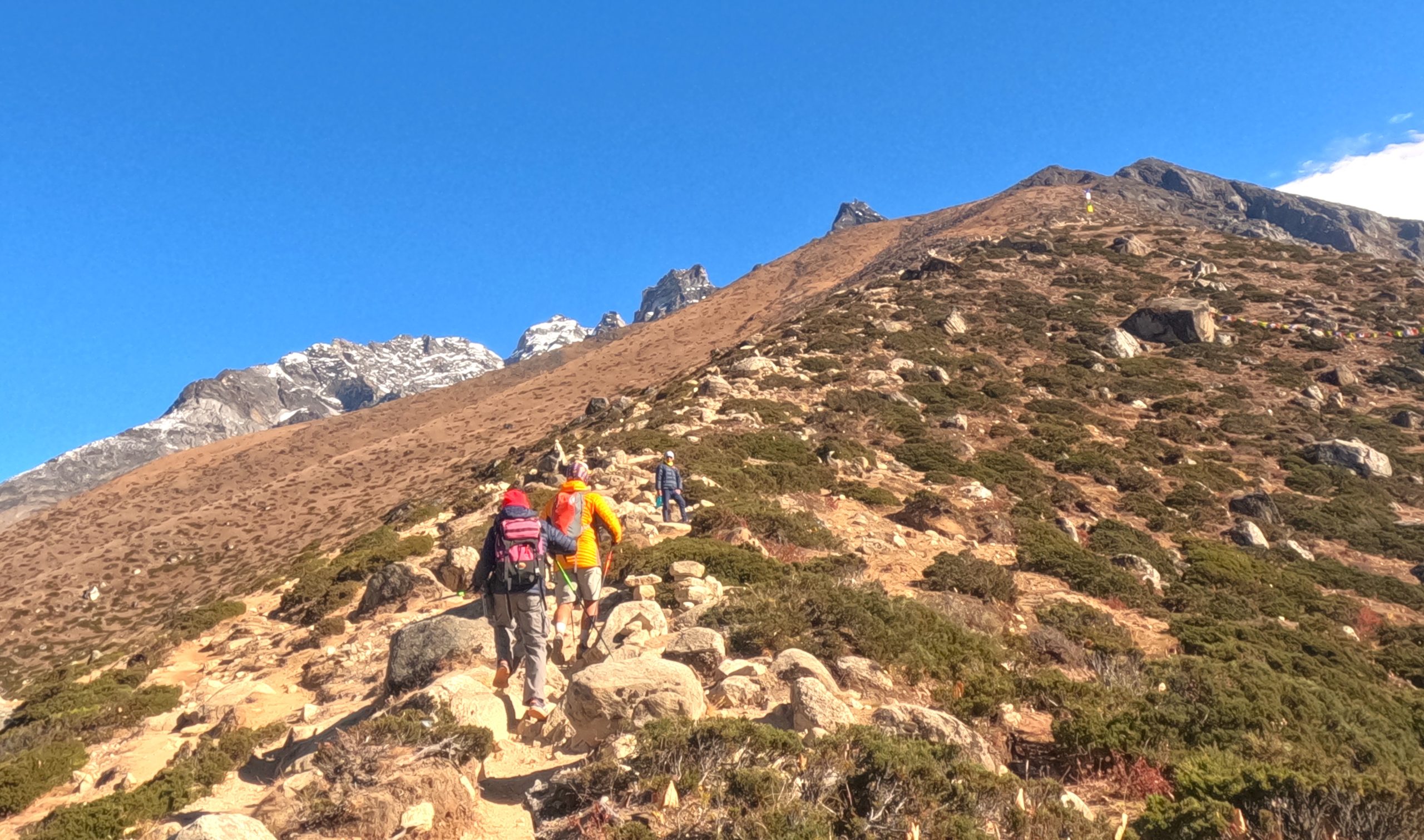
Climbing Kala Patthar, meaning “Black Rock,” is one of the most rewarding parts of the trek. It offers the best panoramic view of Mount Everest and surrounding peaks. The climb is short but steep, and the view at the top is absolutely breathtaking. Watching the golden rays hit the summit of Everest, Lhotse, and Nuptse is a bucket-list experience for every trekker.
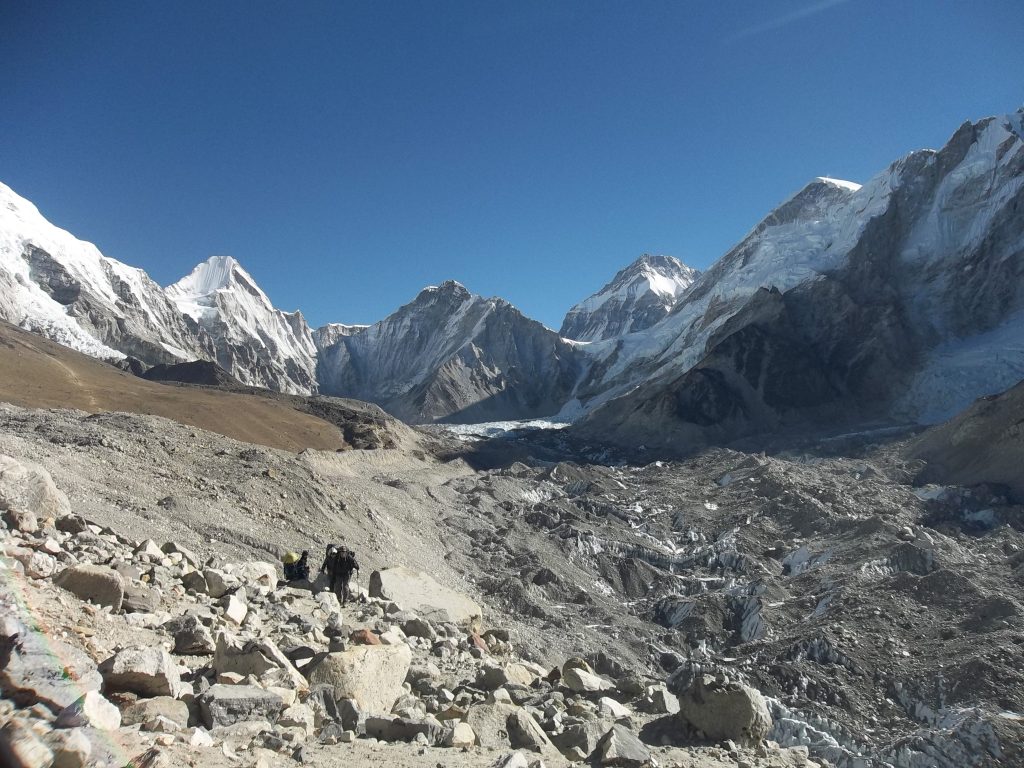
Khumbu Glacier and Icefall
The Khumbu Glacier, located between Mount Everest and the Lhotse–Nuptse ridge, is the world’s highest and largest glacier.
As you approach Everest Base Camp, you walk alongside the massive Khumbu Glacier and get a glimpse of the dangerous and fascinating Khumbu Icefall. These natural wonders are ever-changing due to shifting ice and melting patterns. It’s a stark reminder of the raw power of nature at high altitude. The terrain here is rugged, surreal, and deeply captivating.
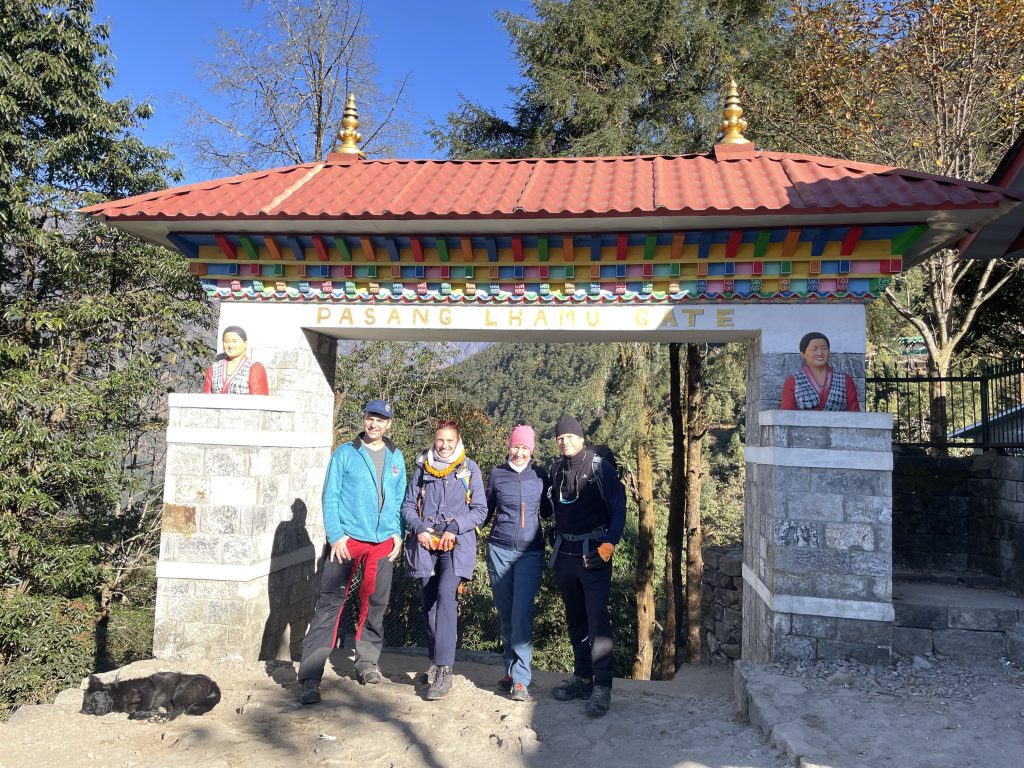
Sagarmatha National Park – A UNESCO World Heritage Site
Sagarmatha National Park Information Board
The Everest trekking trail passes through the protected area of Sagarmatha National Park, home to rare wildlife, alpine forests, and glaciers. Designated a UNESCO World Heritage Site, it offers a pristine natural environment to explore. Trekkers may spot Himalayan tahrs, musk deer, snow pigeons, and if lucky, even the elusive snow leopard. The park adds a rich layer of biodiversity to the trekking journey.
Cozy Teahouse Experience
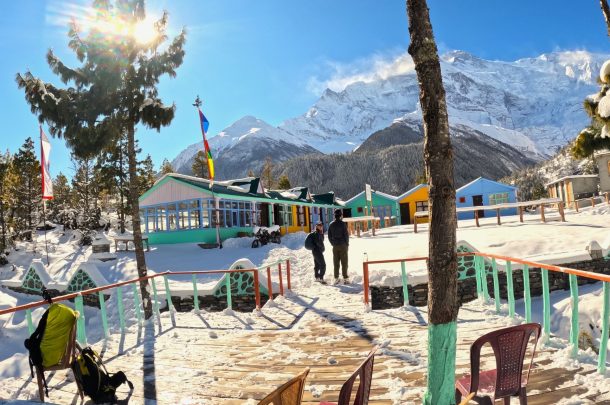
At the end of each trekking day, you rest in local teahouses that offer simple accommodation and warm meals. This authentic part of trekking in Nepal allows you to connect with other trekkers and enjoy Nepalese hospitality in remote mountain villages. Typical meals include Dal bhat, noodle soup, and momos, providing the energy needed for the next day’s hike. Teahouse stays are part of what makes the Everest Base Camp Trek a culturally rich and immersive experience.
Everest Base Camp Trek 14 Days Cost for 2026/2027
Our Everest Base Camp Trek Cost for 14 Days Itinerary package starts from USD 1,495 per person. Special discounts are available for groups. You can book in advance for the years 2026/2027, and at High Route Adventure, we also accept last-minute bookings.
No of People
Price Per Person
1 – 1
$ 1,650
2 – 6
$ 1,555
7 – 12
$ 1,495
Optional upgrades like private rooms, hot showers, and helicopter return can be arranged. For those who seek luxury during the Everest Base Camp Trek, you can check out our Luxury Everest Base Camp Trek package.
Why Choose High Route Adventure For the Everest Base Camp Trek 14 Days Package?
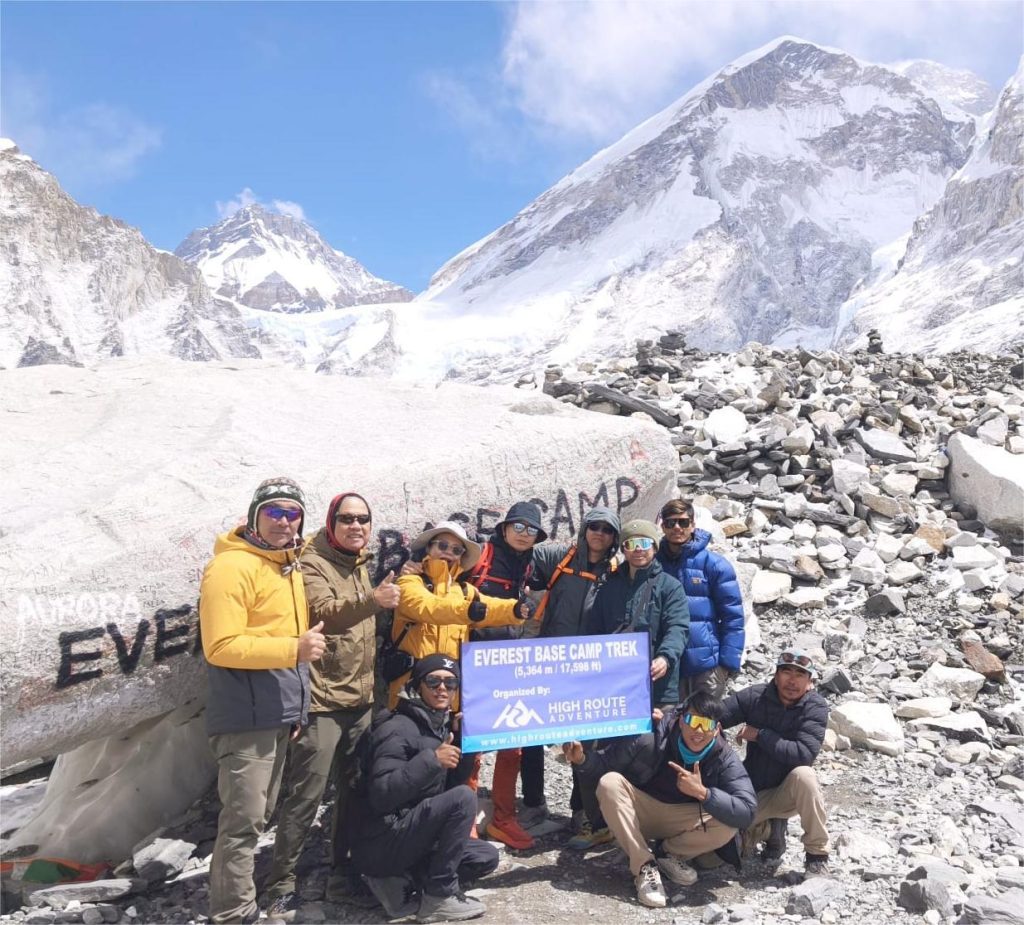
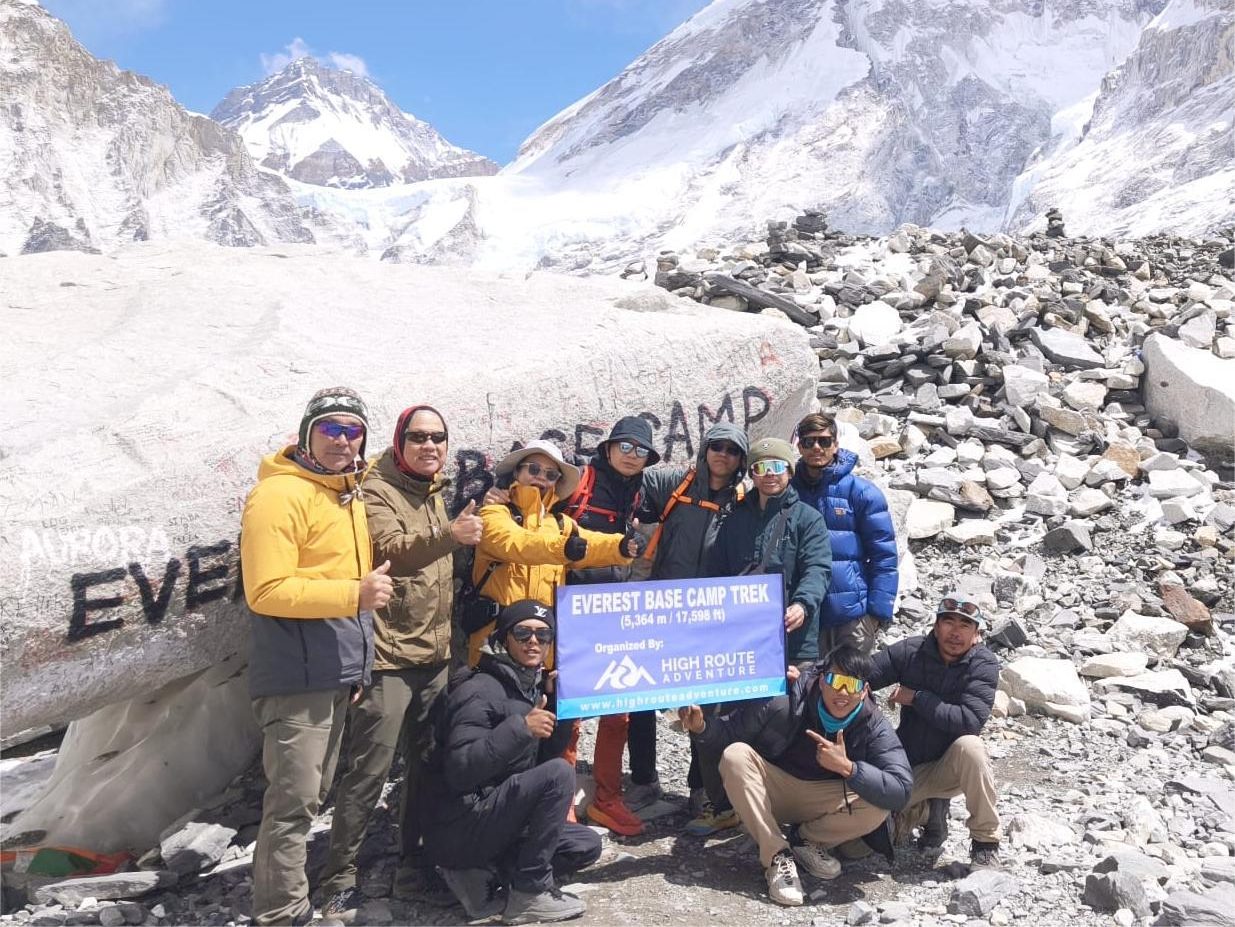
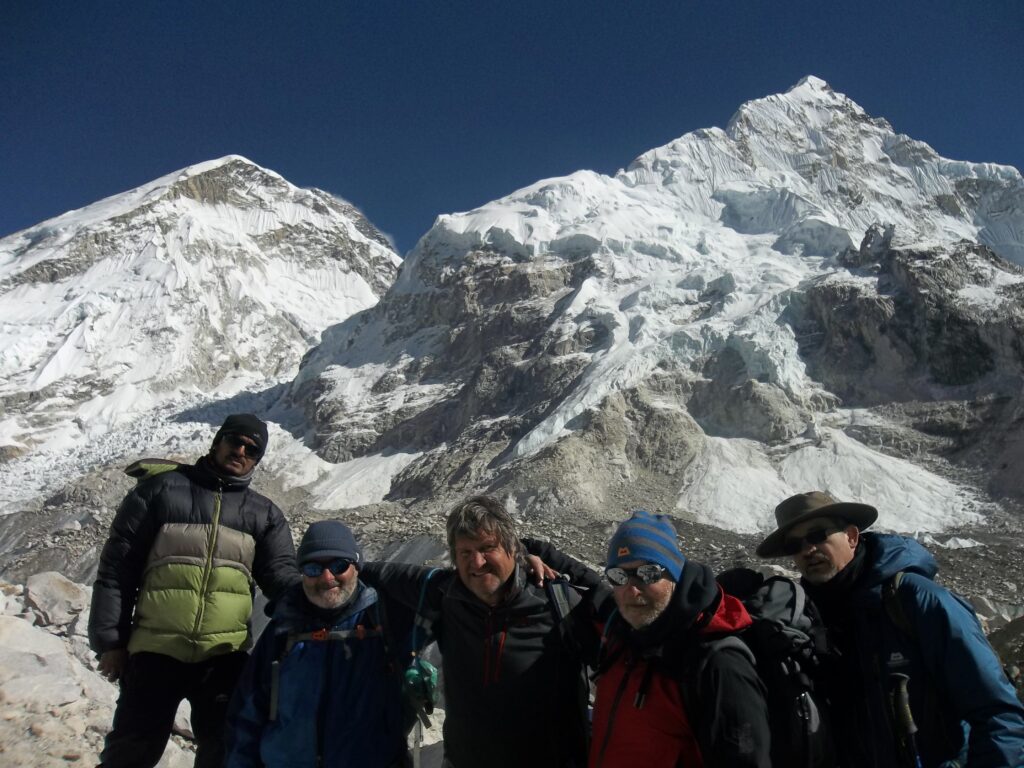
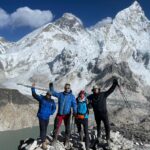
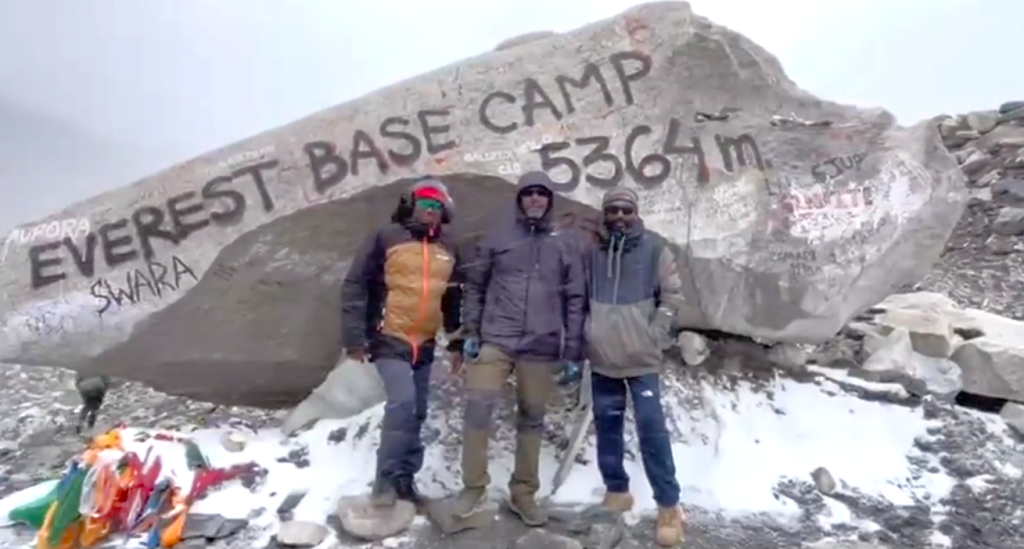
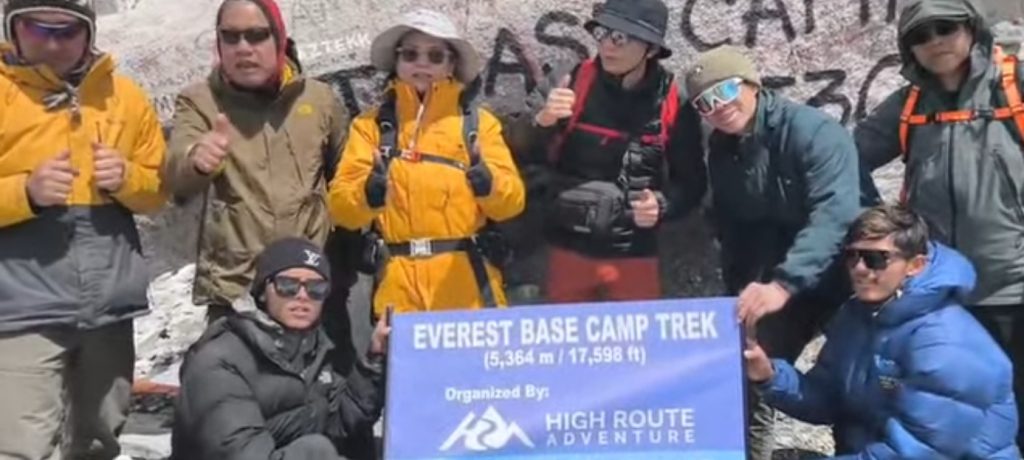
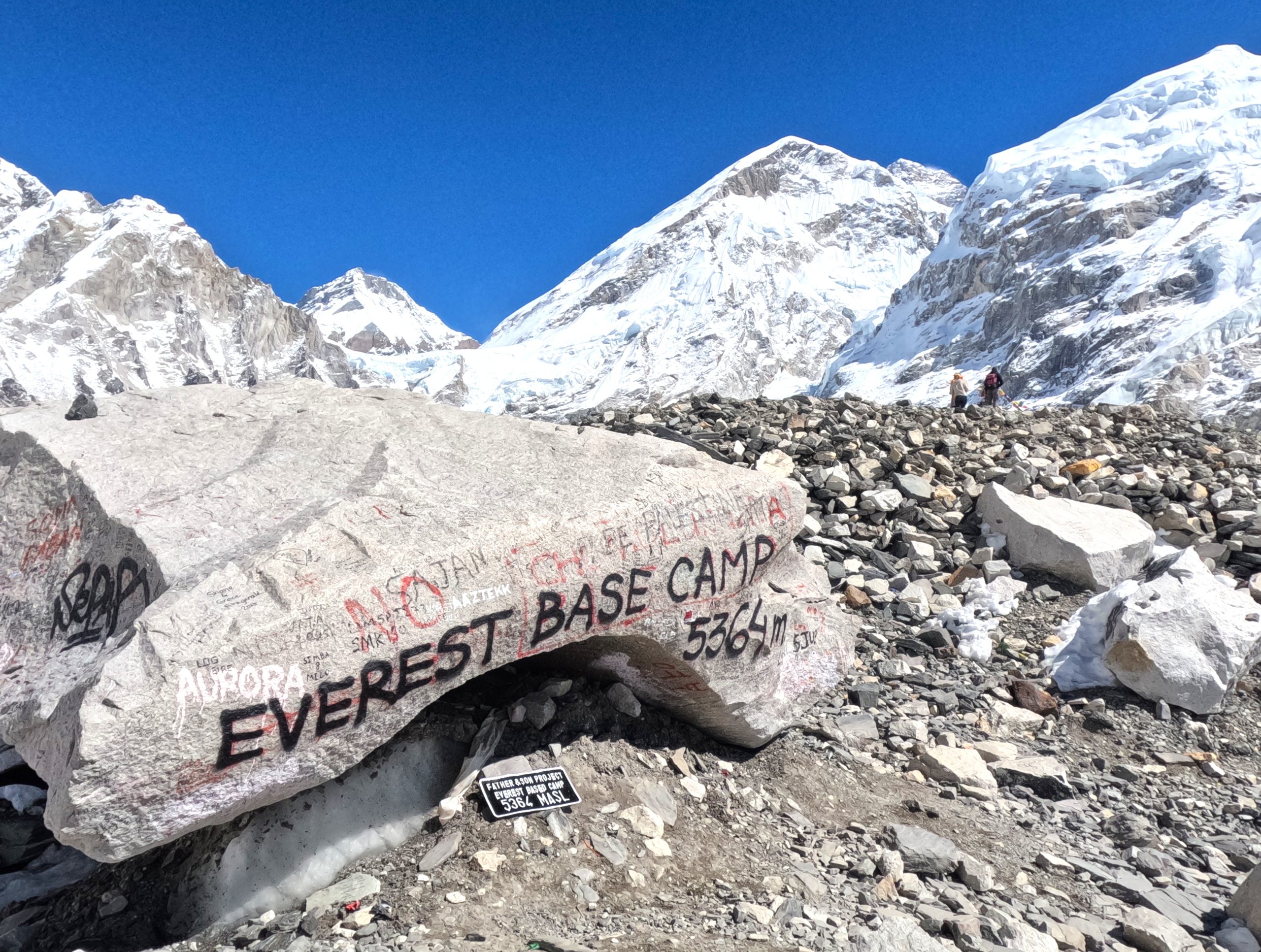
Trekkers celebrating at the Everest Base Camp stone marker
At High Route Adventure, we have over a decade of experience guiding trekkers in the Everest region. We’re committed to your safety, comfort, and cultural immersion.
What we offer:
➡️Expert local guides are trained in altitude safety, know the trekking routes, provide cultural insights, and can handle emergency situations.
➡️Handpicked teahouses and meals for the comfort stay
Land at Tribhuvan International Airport(TIA) and complete the immigration process.
Meet our representative waiting for you at the airport parking.
Drive from the airport to the hotel in our private vehicle
Hotel check-in and get refreshed
Short briefing about the trip and collect the permit
⛰ Altitude1400 m
🏨 StayHotel
Duration:3 - 4 hours
Distance:8 km
Ascent:150m
Descent:310m
Flight Duration: 30 minutes
Wake up early in the morning and enjoy breakfast at your hotel.
Transfer to the domestic terminal building for the Lukla flight in our private vehicle.
Enjoy 30 minute scenic flight from Kathmandu to Lukla with a breathtaking aerial view of the mountain landscape and the Everest region.
Experience a thrilling Landing in Lukla airstrips and begin your trek with your guide and porter.
Pass through the small villages like Cheplung and Nachipang before meeting up with the banks of the Dudh Koshi River at Koshiguan.
Walk on the riverbank and reach the Phakding village, which is 8 km north of Lukla.
⛰ Altitude2610 m
🍽 MealsLunch | Dinner
🏨 StayTeahouse
Duration:6 - 7 hours
Distance:11.7 km
Ascent:832m
Descent:Minimal
Wake up early in the morning, enjoy breakfast and depart from the Phakding village.
Walk alongside the banks of Dudh Koshi River and pass through Sherpa settlements like Zamfute, Toktok, and Benkar.
Cross the suspension bridge several times and enjoy the first view of Mt. Thamserku.
Register your permit at Manjo and enter the Sagarmatha National Park.
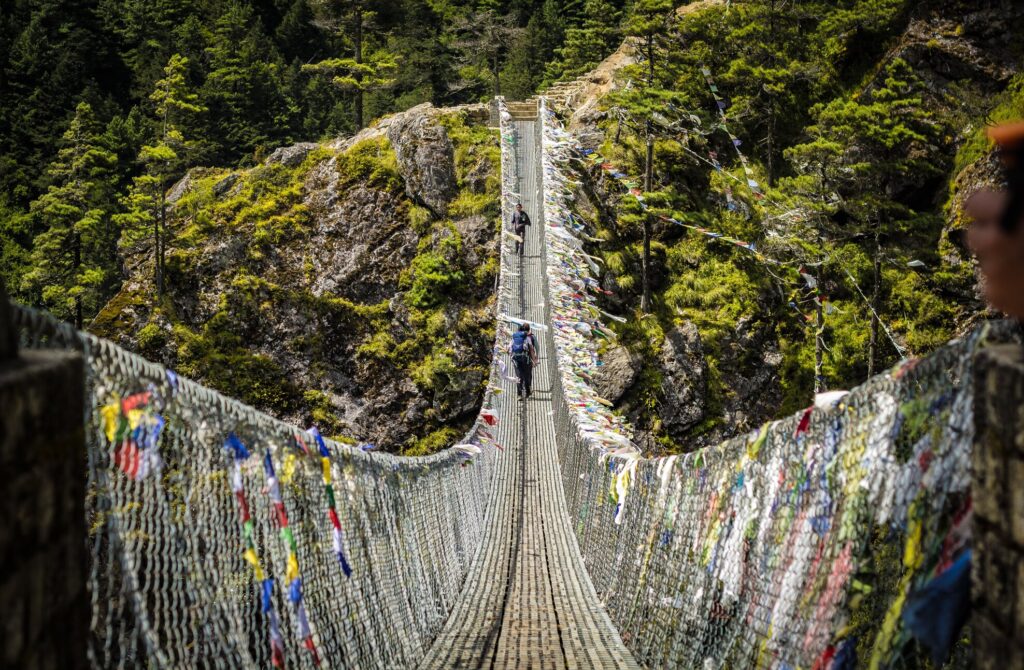
Enter the village of Jorsalle, cross the famous Tenzing-Hillary Suspension Bridge, which is 60m in length and 135 meters above the Dudh Koshi River.
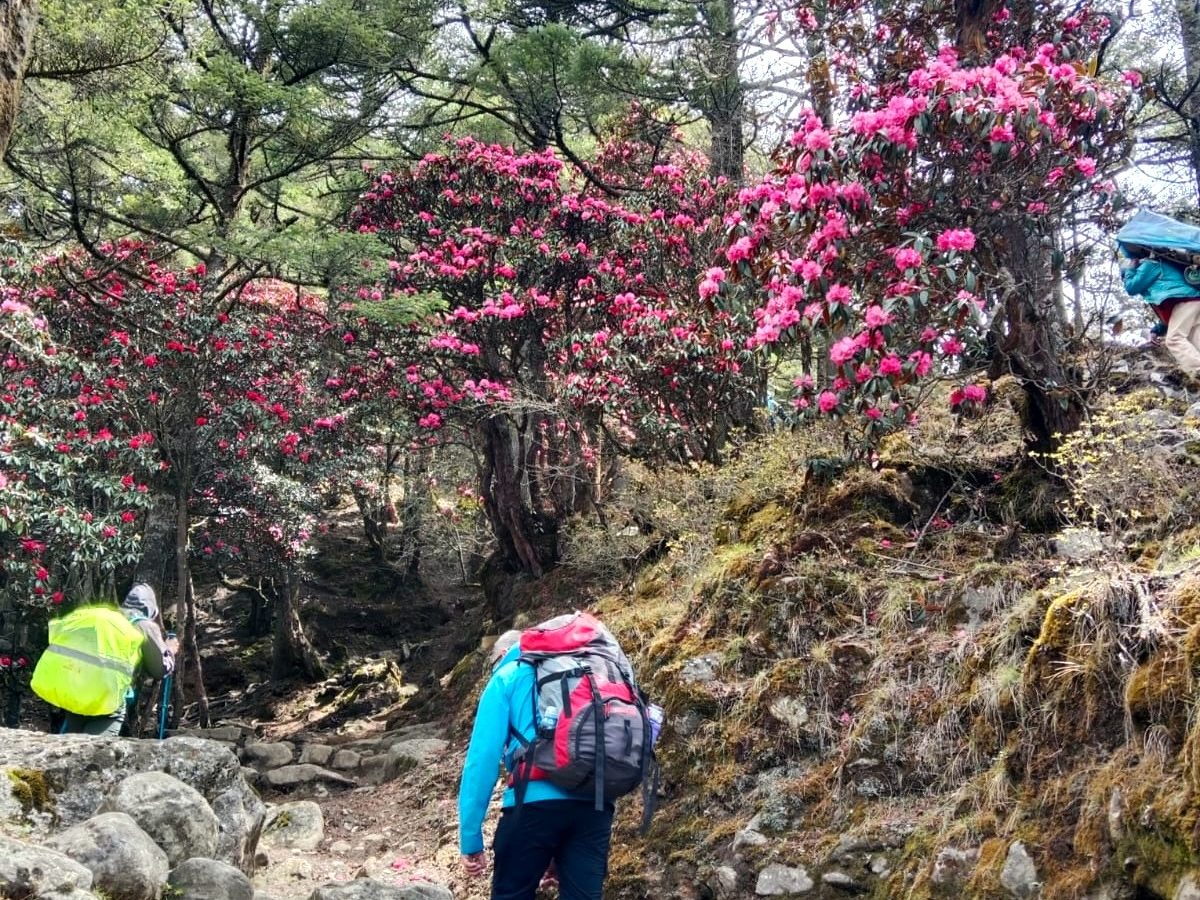
Ascent on a zigzag trail through pine and rhododendron forests and reach Namche Bazar.
⛰ Altitude3440 m
🍽 MealsBreakfast | Lunch | Dinner
🏨 StayTeahouse
Duration:3 - 4
Distance:4 km
Ascent:438m
Descent:438m
Rest day in Namche to follow the acclimatisation rule “ climb high, sleep low”.
Today you will hike to a nearby village to explore and return to Namche to sleep.
After breakfast in the Namche teahouse, you will start your acclimatisation walk and don’t forget to stay hydrated. There are multiple options you can choose:
Hike to Hotel Everest View (3,880 m): Hotel Everest is the world's highest altitude luxury hotel located at an elevation of 3880 m (12729.66 feet). From Namche hike to Hotel Everest View is 2 to 3 hours to ascend and about 1 to 1.5 hours to descend. Including time to relax and enjoy breakfast, the total round-trip duration is approximately 5–6 hours. From the spacious outdoor terrace, you can sip a warm cup of tea or coffee while admiring spectacular views of Everest, Lhotse, and Nuptse right in front of you.
Sherpa Culture Museum & Mount Everest Documentation Center: A short distance from Namche, in around 15-20 minutes, you can reach the Sherpa Culture Museum / Mount Everest Documentation Center. Here you can explore historical artifacts, a family prayer room, and stories of legendary Sherpa climbers who played an important role in Everest expeditions.
Sagarmatha National Park Museum: Just 20 minutes walk from the centre of Namche, you can reach here to witness the famous large statue of Tenzing Norgay, local flora and fauna, andthe geology of the Khumbu region. On clear mornings, you can also enjoy your first spectacular views of Mount Everest, Lhotse, Nuptse, and Ama Dablam.
Khumjung & Khunde Villages: You can also hike to the neighboring villages of Khumjung and Khunde. Khumjung is 3-3.5km in distance, and Khunde is approximately 2km. In Khumjung, you can visit the Hillary School founded by Sir Edmund Hillary, Khumjung Monastery and a local cafe with views of stunning panoramic views of Ama Dablam. In Khunde, there is Khunde Hillary Hospital, atraditional Buddhist monastery, and scenic farmland.
Namche town Exploration: Namche town features a variety of local shops, bakeries, trekking and gear shops, ATM, Bank, lodge, cafe, bar, gift shop, etc. You can explore on your own and relax in this vibrant town.
⛰ Altitude3440 m
🍽 MealsBreakfast | Lunch | Dinner
🏨 StayTeahouse
Duration:5 - 6 hours
Distance:10km
Ascent:750m
Descent:305m
After having breakfast in the Namche teahouse, we will depart for Tengboche village.
Walking on the flat trail with an unobstructed view of Everest, Lhotse, Nuptse, and Ama Dablam, you will arrive at Sanasa in around 2 hours.
Then, following the ascent and descent trail through the pine forests down to the Dudh Koshi River, you will reach Phunki Tenga in 1 hour.
Crossing the suspension bridge over Dudhkoshi River and following a challenging, steep trail, you will climb toward Tengboche village.
Passing through a ridge of dense, shaded forests of rhododendron and pine, you will arrive at Tengboche Monastery(3,867m).
Explore the monastery with 360-degree views of Everest, Lhotse, and Ama Dablam, take pictures, relax and then check into the teahouse.
⛰ Altitude3890 m
🍽 MealsBreakfast | Lunch | Dinner
🏨 StayTeahouse
Duration:6 - 7 hours
Distance:9.8km
Ascent:740m
Descent:220m
After breakfast in Tengboche, you will start your day on a steep descent through lush pine and rhododendron forests and cross a suspension bridge over the rushing Imja Khola (river).
From the bridge, you will climb to Pangboche village and enjoy a breathtaking close view of Mt Ama Dablam.
From Pangboche, you will head toward the Somare trekking through the Imja Khola while enjoying beautiful mountain views.
From Somare hiking into the barren landscape and yak pasture, the route takes you to the Dingboche village.
From Dingboche, you will witness a surreal view of Everest (8848m), Lhotse (8516m), and Ama Dablam (6812m).
⛰ Altitude4410 m
🍽 MealsBreakfast | Lunch | Dinner
🏨 StayTeahouse
Duration:3 - 4 hours
Distance:3.2km
Ascent:673m
Descent:673m
Today is another crucial rest day in Dingboche to adjust to the high altitude.
You will do an acclimatisation hike after breakfast and return to the teahouse for sleep to follow the climb high sleep low acclimatisation tips. Today you will visit:
Nangkartshang Peak/Viewpoint(5,083 meters): After 2 -3 hours of walking from Dingboche, you will reach Nangkartshang Peak. The elevation gain is roughly 670 to 700 meters. From this viewpoint, you can witness incredible views of Ama Dablam, Lhotse(8,516meters), and Makalu(8,485 meters). Also, views of Island Peak, Taboche, Cholatse, Kantega, and Thamserku are equally stunning from here. Additionally, the distant view of Imja Valley and Imja Glacier makes the hike worth visiting. After exploration, you will descend to Dingboche in 1.5 to 2 hours.
Chhukung Valley or Chhukung Ri( Alternative option): From Dingboche, the Chhukung Valley is approximately 5 to 5.5 kilometers and takes 2 to 3 hours to reach. Here you can meet the trekkers heading for the Island Peak climbing, passing through Kongma La Pass (5535m). Chucking Valley features Imja Tsho Lake, which the Imja Glacier feeds. Chukkung Ri is 11 to 12 kilometers and takes around 6-7 hours round trip. From the summit of Chukkung Ri, you will be face to face with 7,000m and 8,000m giants Lhotse & Nuptse. Also, the exclusive view of Ama Dablam, Makalu & Baruntse, Imja Tsho (Lake), andIsland Peak (Imja Tse) makes the hike worth visiting, although it is challenging.
Explore Dingboche Village: In the evening, you can explore the village's sacred mani walls, colorful prayer flags, and chortens. Also, visit the bakery and taste fresh coffee, pastries, and apple pie.
⛰ Altitude4410m
🍽 MealsBreakfast | Lunch | Dinner
🏨 StayTeahouse
Duration:5 - 6 hours
Distance:8km
Ascent:530m
Descent:Minimal
Departing from Dingboche after breakfast, you will reach the Dughla (Thukla) in about 2 to 2.5 hours. Enroute you will pass through stone-walled fields, descend to the river gorge and cross a wooden bridge over the icy glacial stream.
From Dughla (Thukla) Pass, you will walk for around 1 to 1.5 hours through the moraine of the Khumbu Glacier and reach the memorial park.
Further walking from the park while enjoying the views of Pumori, Nuptse, and Mahalangur Himal, you will arrive at the high-altitude settlement of Lobuche.
⛰ Altitude4940 m
🍽 MealsBreakfast | Lunch | Dinner
🏨 StayTeahouse
Duration:8 - 9 hours
Distance:13.5km
Ascent:510m
Descent:330m
Today you will leave the teahouse early in the morning after having breakfast.
Walking through the glacial moraine of the Khumbu Glacier, crossing a few small streams and loose, rocky stretches, you will arrive at Gorakshep in 2-3 hours.
Gorakshep is the last stop where you can find a teahouse with lodging and food facilities. You will check in at the teahouse, unpack your heavy luggage, and go for the hike to Everest Base Camp.
From Gorakshep, the hike to Everest Base Camp is 3.5 km each way, and it takes 2-3 hours to reach.
After standing at the iconic stone of Everest base camp, taking pictures and exploring, you will return to Gorakshep.
⛰ Altitude5164 m
🍽 MealsBreakfast | Lunch | Dinner
🏨 StayTeahouse
Duration:7 - 8 hours
Distance:15.4km
Ascent:460m
Descent:1230m
Wake up at 3:30 a.m this morning and start walking in the dark to watch the golden sunrise at Kala Patthar(5,545 meters).
The distance from Gorakshep to Kala Patthar is approximately 1.5 - 2km, and it takes 3-4 hours with ascend, exploration, photo time and descent.
The sunrise view over Everest, Nuptse and Changtse is an incredible moment. From the top of Kala Patthar, you can also enjoy the sweeping view of Khumbu Glacier, Icefall, Mount Pumori, Nuptse, Lhotse and other snow mountain peaks.
After sunrise, you will return to Gorakshep for breakfast and trek toward Pheriche.
Trekking through Lobuche, Thukla for about 4-5 hours through a descent rocky trail, you will arrive at Pheriche.
⛰ Altitude4371m
🍽 MealsBreakfast | Lunch | Dinner
🏨 StayTeahouse
Duration:6 - 7 hours
Distance:17km
Ascent:470m
Descent:1400m
After breakfast in Pheriche, you will descend to Namche Bazar.
1.5 to 2 hours walk from Pheriche, cross a wooden bridge over the icy Khumbu Khola, and walking in a dry arid valley, you will arrive at Pangboche
From Pangboche, walking for 1.5 to 2 hours, passing through a large suspension bridge and forest trail, you will arrive at Tengboche.
From Tengboche, you will arrive at Phunki Tenga in just 1 hour, and from Phunki Tenga, walking for around 1.5 hour you will arrive at Kyangjuma.
From Kyangjuma, walking on a flat and easy trail for around 1.5 hours, you will finally arrive at Namche Bazaar.
⛰ Altitude3440 m
🍽 MealsBreakfast | Lunch | Dinner
🏨 StayTeahouse
Duration:7 - 8 hours
Distance:19.7km
Ascent:310m
Descent:982m
After breakfast, take the descending trail to the Dudh Koshi River and cross the river through a suspension bridge to arrive at the National Park entry point.
From here, you will pass through Phakding and small Sherpa villages like Ghat and Thado Koshi and arrive at Lukla.
International Airport drop-off on your final departure day
Domestic Airport drop-off from the hotel
Domestic Airport pick-up & transfer to the hotel
Kathmandu to Rameshhap to Kathmandu drive by sharing transportation (In case of Lukla flight based in Ramechhap)
Accommodation Services
Two Nights 3-star hotel in Kathmandu on BB Plan
Eleven nights best available teahouse accommodation during the trek
Trekking Permit
Sagarmatha National Park Permit
Local Government Entry Permit
Domestic Flights
Kathmandu to Lukla flight ticket
Lukla to Kathmandu flight ticket
Ramechhap to Lukla to Ramechhap flight ticket (In case of Lukla flight based in Ramechhap)
Food Services
12 Breakfast: Local & continental choice
11 Lunch during the trek
11 Dinner during the trek
welcome & farewell dinner in Kathmandu for the best restaurant.
Guide & Porter Services
English- speaking government- licensed guide
Local Sherpa for carrying Luggage (up to 25 kg Max )
All Meals for the guide & porter
Insurances for guide & porter
Well-paid salary as per Government rates
A first-aid kit box carried by the team leader
Other Services
Down jacket and sleeping bag (Returned after trip completion)
The HRA Brand Duffle Bag for the Trip, Company T-shirt, and Baseball Cap
Oximeter - To determine your normal oxygen range
Fresh seasonal fruit after dinner during the trek
Everest Base Camp Trekking map
All government and local taxes
Complimentary Includes
One hour free Special Ayurvedic massage at the end of Trek
High Route Adventure’s Appreciation Certificate after the successful trek
What's not included ?
Nepalese visa fee
Excess baggage charge
Extra night accommodation in Kathmandu because of early arrival, late departure, early return from mountain (due to any reason) than the scheduled itinerary
Lunch and evening meals in Kathmandu
International flights
Travel and rescue insurance
Personal expenses (phone calls, laundry, bar bills, battery recharge, extra porters, bottle or boiled water, shower, etc.)
Tips for guide, porter, and driver
Dates
Group Departures
Choose from our scheduled group trips below, or contact us to plan a private or family adventure tailored to your schedule.
Things to Know
Nepal Visa
All the travellers who want to enter Nepal for the Everest base camp trek must obtain a Nepal tourist visa. This visa can be obtained from your home country in advance or after you land in the Tribhuvan International Airport(TIA) as an arrival visa. Getting an arrival visa can be an easier and more convenient option for you. You can complete the visa application by using the Kiosk machines at the airport or by filling out the form in advance through the official website (https://immigration.gov.np/). Free Wi-Fi is available in the immigration area to assist travelers.
Nepal Tourist Visa Cost:
15 Days - 30 USD
30 Days - 50 USD
90 Days - 125 USD
Note: For this 14-day Everest base camp trek, you can obtain 15 Days tourist visa; however, if you are planning to spend a few days in Nepal, we suggest you obtain the 30 Days visa. Check out → Nepal Travel Information
ATM, Bank And Currency Exchange
Nepalese Currency:
The official currency of Nepal is the Nepalese Rupee (NPR)
Licensed Money‑Changing Outlets:
Where to find them: banks, airports, tourist hubs, money exchange counter
Guest Requirements To Participate in EBC Trek 14 Days
The Everest Base Camp trek is amoderately to highly challenging trek, suitable for those with a good level of fitness and a sense of adventure. If you are a beginner or first-time trekker, you need to prepare physically at least 3 months in advance.
This trek takes you to the maximum altitude of 5,545 meters, where the risk of acute mountain sickness(AMS) remains high. Before heading for the trip, you need to have knowledge of AMS and its preventive measures.
Trekkers need to walk for an average of 6-7 hours daily through different terrain conditions.
Lukla flight cancellation is common due to weather issues, so it is recommended to keep 1–2 buffer days in your itinerary.
In case of repeated Lukla flight cancellation, you might need to use the sharing helicopter, which costs additional USD 500-600 per person for one-way.
This trek is not suitable for people with serious health issues or very low fitness levels.
There are basic health posts and clinics in the trekking routes, so travellers must have travel and health insurance that covers high altitude risk and emergency helicopter evacuation.
The Everest base camp trek is graded as a moderate to challenging trek in Nepal according in terms of difficulty level. The actual difficulty depend upon how well you are prepared in advance. Even though it sounds tough, with the right travel partner and maintaining fitness, we have seen thousands of trekkers make their trek successful. Every year, around 30,000-40,000 travellers around the globe visit this iconic destination. Check out this challenging factor, so it will help to prepare for this trek.
Altitude Exposure: The main challenging factor of the Everest base camp trek is altitude exposure. For several days, to reach the base camp, you will walk over 4,000m. While walking at such an altitude, trekkers might catch altitude sickness(AMS), which can be life-threatening if not cured in the initial stage.
Physical Endurance: For 11 Days you will walk for an average of 5-6 hours daily in the high altitude of the Everest region. For experienced trekkers, it will not be a big problem, but for beginner or first-time trekkers, it will be tough to walk for such an hour. Walking steep uphill and downhill for several days is really a tough job.
Terrain Technicality: Everest Base Camp terrain is rocky and uneven, with glacial moraines, loose gravel, occasional snow and ice, and steep ascents made challenging mainly by high altitude rather than technical difficulty.
Weather Variability: During the trek, when you reach the high altitude open land, you will experience the cold, wind, and sudden storms. Also, the weather of the Everest region is unpredictable, which can trouble trekkers due to rapid temperature drops, poor visibility, and sudden snowfall.
Mental Stamina: The Everest Base Camp trek is not suitable for people who struggle with isolation, group dynamics, or anxiety related to high altitude. Similar to physical fitness, it is essential to have strong mental fitness for this trek.
Preparation Plan – How to Train & Get Ready
Aerobic Base (3‑4 months): 30‑45 min runs, cycling, or swimming 4×/week.
The best time to go for the Everest Base Camp Trek is during the spring (March to May) and autumn (late September to November) seasons. These months offer clear skies, moderate temperatures, and stunning mountain views, making trekking comfortable and safe. Spring brings blooming rhododendrons and warmer weather, while autumn has stable weather and less chance of rain.
The monsoon season (June to August) is generally avoided due to heavy rain and slippery trails, and the winter months (December to February) are very cold with snow, which can make the trek challenging. Planning your trek during the peak seasons ensures better weather, more open teahouses, and breathtaking scenery.
Best visibility, dry weather, clear mountain views
Excellent (Peak season)
Winter(December – February)
5°C to 12°C
-10°C to -20°C
Very cold, snow at high altitude, fewer trekkers
Challenging but possible
Monsoon(June – August)
12°C to 25°C
0°C to 5°C
Heavy rain, clouds, slippery trails, flight delays
Not recommended
Note: Keep an eye on the weather conditions before and throughout your trek. You can also check live weather updates of Lukla, Namche, Dingboche etc on YouTube from Live webcams.
Note: These permits are arranged by High Route Adventure and you need to carry this permit with you all the time during the trek.
Accommodation during trek: What to Expect
During the Everest Base Camp Trek 14 Days, you will stay in local teahouses also known as mountain lodges along the trail. High Route Adventure will arrange shared twin rooms for all trekkers. These rooms are simple but comfortable, with basic bedding and shared bathrooms.
In lower-altitude villages like Phakding, Namche Bazaar, and Tengboche, you may find additional services like hot showers, Wi-Fi, and charging ports. If you prefer more privacy, room upgrades are available at certain places for an extra cost (subject to availability). At higher altitudes such as Lobuche and Gorakshep, the facilities become more basic, so bringing a warm sleeping bag is highly recommended.
Food and Drinks Option during trek: What to Expect
During the Everest Base Camp Trek, we will arrange three meals a day – breakfast, lunch, and dinner – at local teahouses along the trail. Meals are freshly prepared and typically include options like dal bhat, noodles, fried rice, pasta, soup, pancakes, and eggs. Breakfast usually comes with tea or coffee, and lunch and dinner offer both Nepali and international choices.
Please note that hot water, extra beverages (like soft drinks, coffee, and bottled juices) are not included and must be paid for separately. We recommend drinking boiled or purified water and keeping your body hydrated throughout the trek.
Drinking Water Facilities
Staying hydrated is very important during the Everest Base Camp Trek. You can find drinking water at teahouses and small shops along the trail. However, bottled water gets more expensive as you go higher. To save cost and reduce plastic waste, we recommend using refillable water bottles and water purification tablets, filters, or UV sterilizers. We do not provide bottled water, but you can refill boiled or filtered water at teahouses for a small fee. Always make sure your water is safe before drinking to avoid stomach problems at high altitude.
Altitude Sickness and Acclimatization Tips
Altitude sickness is a common but significant challenge on the Everest Base Camp Trek due to the high elevations involved. It can affect anyone trekking above 3,000m, regardless of age or fitness level. Proper acclimatization is essential to prevent it. The itinerary includes built-in rest days at key points like Namche Bazaar and Dingboche, giving your body time to adjust to the thinner air. Common symptoms include headaches, nausea, dizziness, and shortness of breath. To reduce your risk, drink plenty of water, avoid alcohol, and ascend gradually - never skip the acclimatization days. If symptoms worsen or fail to improve with rest, it's important to descend immediately and inform your guide, as altitude sickness can become serious if ignored.
Note: These percentages represent approximate oxygen availability compared to sea level (100%).
Our Trekking Team for Everest Base Camp Trek 14 Days
There will be 1 professional license trekking guide and a Sherpa porter in the group. If there are more than 8 people in your group, we also assign an assistant guide to ensure extra care and smooth management. The porter-to-trekkers ratio will be 1:2. Each porter carries up to 20 kg. All our Guides and porters are fully insured, and their wages are included in the package. However, tips are not included in the package so that you can tip based on their service and your satisfaction after the trek. We also offer solo guided Everest Base Camp treks for independent trekkers seeking personal support.
Internet and Communication
For the best mobile network coverage during the Everest Base Camp (EBC) Trek, using an NTC (Nepal Telecom) SIM card is recommended. However, due to the high altitude and remote locations, signal strength can still be weak or intermittent in certain areas. Wi-Fi is available at most teahouses along the trail for a separate fee, typically ranging from USD 1-3 per hour. You can purchase an NTC SIM card for around USD 1, with data packages generally costing around USD 10 for sufficient internet access throughout your trek.
Travel and Medical Insurance Requirements
All trekkers heading to Everest Base Camp (EBC) must have travel and medical insurance that covers high-altitude trekking in Nepal, up to at least 6,000m. Insurance is essential for your safety, as you may face health issues like diarrhea or acute mountain sickness (AMS), as well as unexpected accidents along the trail. In case of emergencies, such as a helicopter evacuation, your insurance will cover medical bills and rescue costs, depending on your policy's coverage limits.
Travel insurance also protects you against trek delays or cancellations due to bad weather - especially important for flights to and from Lukla, which are highly dependent on clear skies. Flight disruptions can leave you stranded in Lukla for several days, and having insurance helps cover the extra accommodation, food, and rebooking costs that come with it.
Note: Do you need to know the travel insurance for trekking and peak climbing in Nepal? please click here
Lukla Flight Details
When you book the package with us, we provide a round-trip flight to Lukla. During peak seasons (spring and autumn), Lukla flights operate from Manthali Airport in Ramechhap, which involves a 4-5 hour early morning drive from Kathmandu. In the off-season (winter and summer), you can enjoy a direct flight from Kathmandu to Lukla. If you're trekking during the busier months, it's best to plan for the extra drive time to Manthali to avoid any travel complications. It's also important to understand that Lukla flights are highly weather-dependent and can be delayed or cancelled at any time if conditions turn unfavorable - this is common in this part of Nepal. In such cases, flights won't resume until the weather clears. For your convenience, we recommend adding 1-2 buffer days to your itinerary to account for any possible delays. For detail information check here: Lukla Flight Guide
Safety Tips & Emergency Protocols
Participate in the Everest base camp only after you are physically and mentally prepared.
Learn about altitude sickness and its preventive measures.
Carry your personal medication with you.
If you have any underlying health conditions, inform us in advance.
Follow the trekking guide instructions all the time.
Monitor your health condition during the trek, and if you find any difficulty, inform us on the spot.
During the emergency, our trekking guide will handle the situation. For the helicopter rescue and medical treatment, your insurance policy should cover the cost.
Map
Altitude Chart
Equipment
Whether you're trekking solo or with a guide, this detailed EBC trek packing guide will help you pack everything you need - without carrying too much.
👕 Clothing: Layering is Key
The weather changes quickly in the Himalayas. That’s why layering is the smartest way to dress. You’ll need clothes for warm, cold, windy, and even snowy conditions.
🔹 Base Layer (Moisture-Wicking)
2-3 thermal tops (synthetic or merino wool)
2-3 thermal bottoms
🔹 Mid Layer (Insulation)
1 fleece jacket or pullover
1 lightweight down jacket (can be compact and warm)
🔹 Outer Layer (Protection)
1 waterproof and windproof jacket (Gore-Tex or similar)
1 waterproof pants
🔹 Trekking Clothes
2-3 quick-dry t-shirts
2 trekking pants (zip-off convertible pants are great)
1 pair of shorts (optional for lower altitudes)
1 warm insulated jacket (for evenings and higher altitudes)
🔹 Innerwear
3-5 pairs of underwear
2-3 sports bras (for women)
3-4 pairs of moisture-wicking trekking socks
2-3 pairs of warm woolen socks
🔹 Head & Hand Protection
Warm wool/fleece hat
Sun hat or cap with a neck cover
Neck gaiter or buff (very useful for wind and dust)
Lightweight gloves (inner)
Insulated gloves or mittens (outer)
👟 Footwear: Comfort and Safety First
Footwear is critical for a safe and comfortable trek. Make sure everything is well broken-in before you go.
Camp shoes or sandals (for evenings and bathroom use)
Gaiters (optional but useful for snow or muddy trails)
🎒 Bags and Packs
Choose the right bags to carry your gear efficiently.
Main backpack/duffel bag (60-80 liters; carried by porter if you have one)
Daypack (20-35 liters for water, snacks, jacket, camera—carry it yourself)
Backpack rain cover (important in case of rain or snow)
Packing cubes or dry bags (for organization and waterproofing)
🛏️ Sleeping Essentials
Lodges (tea houses) provide basic bedding, but it’s better to carry your own for warmth and hygiene.
Four-season sleeping bag (comfort rated -10°C to -15°C)
Sleeping bag liner (adds extra warmth and keeps your bag clean)
Travel pillow (optional but nice to have)
🧼 Personal Hygiene & Toiletries
Bathrooms are basic. Some lodges don’t have running water. Bring what you need to stay clean and comfortable.
Toothbrush & toothpaste
Soap or travel body wash
Shampoo (small travel size)
Quick-dry towel
Wet wipes (life saver when there’s no shower)
Hand sanitizer
Nail cutter
Sunscreen (SPF 30+)
Lip balm with SPF
Face moisturizer
Toilet paper or tissue rolls
Menstrual products (for women)
Small mirror (optional)
💊 First Aid & Medications
You’ll be trekking in remote areas, so it's best to bring your own medical kit.
Diamox (for altitude sickness; consult doctor first)
Paracetamol or ibuprofen (for headache/fever)
Anti-diarrheal tablets (e.g., Imodium)
Antiseptic cream
Blister treatment
Band-aids
ORS (oral rehydration salts)
Any personal medication
💡 Electronics & Gadgets
There’s limited charging on the trail (and it costs extra). Bring what you need but pack light.
Mobile phone + charger
Power bank (10,000–20,000 MAH or more)
Headlamp or torch (with extra batteries)
Universal travel adapter
Camera + extra batteries or SD cards (optional)
🧊 Trekking Gear & Accessories
These small items are super useful on the trail.
Reusable water bottles (2x 1-liter) or hydration bladder
Water purification tablets or LifeStraw
Trekking poles (highly recommended for knee support)
Sunglasses (UV-protection, polarized)
Trail snacks (protein bars, nuts, chocolates)
Lightweight lock (for duffel or teahouse room)
Notebook & pen (journaling or notes)
Lightweight book or Kindle (optional)
Playing cards or games (great for evenings)
🪪 Important Documents & Money
Always carry originals and photocopies of your essential documents.
Passport + visa copy
2-4 passport-sized photos (for permits)
Travel insurance (must cover high-altitude trekking and emergency evacuation)
Sagarmatha National Park Permit & Khumbu local Permit
Cash in Nepali rupees (NPR) – ATMs are limited on the trail
Credit card (only for Kathmandu or Namche Bazaar)
🧳 Optional but Useful Items
Lightweight crampons (if trekking in early spring or late autumn)
Duct tape (for repairs or blisters)
Safety pins, needle, and thread
Small fast-drying laundry line
Energy gel packs or electrolyte powders
Sleeping mask and earplugs (for noisy teahouses)
📝 Final Tips for Packing
Pack light but smart. You’ll regret overpacking.
Leave space in your bag for snacks, small souvenirs, or extra layers.
If you hire a porter, they can carry up to 10–15 kg. Your daypack should be under 5–7 kg.
Always test your gear before the trek, especially boots and jackets.
FAQs
FAQs of Everest Base Camp Trek
What are the health requirements to participate in Everest Base Camp trek?
While traveling to Mount Everest base camp trek, travelers need to have a moderate level of physical fitness and trekking experience to traveling to higher altitudes. It is better to consult with your doctor and take proper vaccines for diseases that can be prevalent in Nepal. Health insurance is also a must-have, especially your trekking destination is at a height above 5000m.
Is Mount Everest Base Camp Trek dangerous?
Not at all, the trail is well define and straight-forward towards Everest base camp. However, the altitude gain can be serious and dangerous if one is not careful. But taking at a slow pace with enough rest day makes the walk much easier after getting acclimatized at certain heights. The best and safe way is to take an expert guide and porters to carry your heavier baggage through some trekking agencies.
Like High Route Adventure offers flexible itinerary to make the walk much at comfortable accompanied by a licensed guide, a Government registered.
How cold is Everest Base Camp?
Everest Base Camp is much colder during the morning and late afternoon till night time, as well in shady areas away from sun-light. But the day is fine and warm when the sun reaches, it can be strong sunlight during afternoon time, where trekkers need sun-block and necessary protection like a sun hat, sunglass with long sleeve shirt and full pants. Due to strong UV that shines above 3,000 m high, where the air is much thinner. It also depends upon the seasons, like the springtime of March to May with pleasant weather with enough sun, as well in autumn September to November. Morning and nighttime can be freezing cold with an extra wind chill factor.
Can you see Mount Everest from EBC?
Not exactly, as you will be standing beneath the world's highest peaks where Everest is hidden by Nuptse, Lhotse, and Lola peaks. You can only see the tip of Mt. Everest from the base camp. The very best close view is from nearby Kala Pathar Hilltop, a climb of few hours from the place Gorakshep. From the top or halfway to Kala Pathar offers a stunning panorama of peaks with a clear view of Mt. Everest at a near distance.
Is Everest Base Camp trek harder than Annapurna Base Camp?
It depends upon how trekkers can face or take it, both treks are not that hard or tough. But for Everest base camp the altitude makes the difference on walks with high altitude symptoms. Where’s in Annapurna base camp, the altitude gains gradually without a problem of catching altitude sickness, but much of uphill and downhill. Altitude-wise and the shortest trek is Annapurna and not hard except for ups and downs. While in Everest the trail is well defined not much steep up but the altitude gain makes it harder above 3, 000 m.
Can you fly a drone at Everest Base Camp?
Yes, can be done but needs to declare and get permission from Government Tourism Department and Sagarmatha National Park in Kathmandu. After getting permission and paying some extra fees as per the rules and norms of the respective Government department and national park. Then you fly a drone at Everest Base Camp or any other places on the route. But one needs to be careful as some high area on route base camp can be very windy for drones to fly. As well as cold freezing temperatures that can run out the battery power.
Can you trek to Mount Everest Base Camp on your own?
Yes, can trek solo or on your own as long you obtain the necessary trekking and National Park Permits. But is always best and safe to have a guide to accompany you so you won’t get confused with the trail and direction. As well as choosing the right place and lodge for an overnight stay, including lunch stop, with a guide you will be more secure and he will take you to the best available places as per your budget for the trek.
Can I trek to Everest base camp without the trek experience?
Certainly, you can trek to Mount Everest base camp without any past experience on outdoor walks, hiking, or trekking. As long you are good physically fit and able with sound health, but it is always best that you do some exercise before or after booking the trek to Everest base camp. It will make it much easier and possible for you, the trek to Everest base camp also depends upon the itinerary days. Where some companies have longer hours of walking days while some have moderate and shorter. If you are not sure of your physical shape and health-wise, book with a company that can make the trekking day short with enough time for rest and to immerse with the views and local culture
Has anyone died at Everest Base Camp?
This is a tough and very realistic question to answer, well the truth is some trekkers have died on route. But not exactly at Everest base camp which is a day trip for trekkers other than mountaineering expeditions. Few trekkers who have died are ignorant and persistent to reach the destination anyhow, defying the altitude. That is not taking serious advice from the guide or locals and being selfish doing things in their own way. The trekkers who have died often are individual and backpackers, trekking on their own. That is why it is always safe and wise to have a guide to accompany you and to show you the way with proper rest day for acclimatization.
Can I use my US credit card at Nepalese ATMs?
You can use your credit card in the big hotels and shopping centres, and in the Everest region. Credit card usage is limited to selected shops in Namche Bazar and the Everest View Hotel.
Do I need to declare my Nepalese Rupees when leaving the country?
It is illegal to carry more than 5,000 NPR out of Nepal, so if you have local Nepalese currency, make sure to exchange it from the airport before heading home.
What’s the safest way to carry large sums of cash while trekking?
For safety reasons we don’t suggest you carry huge cash. Police can ask for a source of money if you carry huge cash. Carry cash only for the things that you will need for the Everest base camp trek.
Which is better: exchanging money at a bank or a currency office?
It's better to exchange your money from the currency office because it often provides lower rates.
Can I do the trek in less than 14 days?
If you want to complete the mount Everest base camp trek in less than 14 Days we suggest you choose our next package, which is the Everest Base Camp trek with Helicopter return. It will be complete in just 10-11 days.
What’s the cheapest month to go for the Everest base camp trek?
During the off-season which is winter (December–February) and the monsoon season (June–August).
Is travel insurance mandatory?
When you join with High Route Adventure we want all our participant have health and travel insurance for the Everest Base Camp trek. It is for your own safety.
Can I do Camping at the Everest Base Camp for one night?
To do camping at the mount Everest base camp, which stands at an altitude of 5,364 meters (17,598 feet), requires additional fees. For more information about this, make sure to contact our tour operator.
Is it possible to do the Everest base camp trek with small children?
Yes, under the supervision of their parents and with a customized itinerary, children can definitely complete the Everest Base Camp Trek. We also offer a specially designed Everest Base Camp package for families with young children and senior trekkers, featuring a slower pace and additional acclimatization days for greater comfort and safety. You can find more details on our website.
Can I get a female trekking guide for me?
Yes, if you want to hire a female trekking guide for you, we can manage that, but since the number of female trekking guides is limited, we suggest you inform us in advance.
Should I tip to guide and porter?
Tipping the guide and porter in Nepal after the completion of the trek is like a practise. It shows the appreciation toward their hard work and helps to sustain them in the trekking field. You are free to tip any amount you feel is appropriate after completing the trek.
What happens if the Lukla flight is cancelled?
If your Lukla flight is cancelled due to bad weather or other operational reasons, you will need to wait for the next available flight. Therefore, we strongly recommend adding 1–2 buffer days to your Everest Base Camp trek itinerary to avoid any disruption to your travel plans.
Real experiences shared by trekkers and travelers who joined our trips.
Daniel B
I had an amazing experience with high route adventure. Ganesh the guide was fully knowledgeable about every single question I had regarding safety and curiosities. The porter Raj Kumar extremely fit and always ready with a positive posture regardless weather or any other conditions. The logistic bookings were seamlessly organized by all staff involved. I met them 9 years ago and I could not think of anyone else to reach Everest base camp. Not to mention the friendship built last time in Nepal. Totally recommend and hope to be back soon.
Alex J
Among the many trekking companies in Nepal, Prakash and his team truly shine, holding a stellar reputation even among peers as one of the finest choices.
Prakash himself embodies remarkable honesty, making him stand out as an individual you can trust wholeheartedly. His swift responsiveness to any queries or apprehensions further elevates the experience.
I highly recommend High Route Adventure for all kinds of adventures in Nepal.
Joerg
An unforgettable Adventure with an amazing crew of friends and an extremely supportive guide and very strong porters.
Prakash organized my /our longtime dream in the best way possible!
We could totally trust his knowledge and expertise on how to get to the most wanted Kalapattar.
The most stunning moments and unbelievable views of those awesome Himalayan Giant around the Everest Trek rewarded us for all the challenging consequences of the high altitude.
If you look for a well-organized and trustworthy company, this is it.
Do it 👍☀️
Nancy L
It was a great experience. A good thing to do. Thank you so much Prakash, Gopal, Puna!!
But… it was also good to have a few days more planned for relaxing and chilling afterward.
For me, Ama Dablam was the hugest surprise: such a really nice mountain on the way to EBC and Kalapatar. (Additionally, we hiked to the ADBC. That is absolutely recommended). We didn’t reach the Chola Pass… at the end, we were lucky to be back (relatively) healthy – though all 4 friends got altitude sickness). Thanks again… 🙏
Eric H
Prakash led us on a 14 day trek to Kalapatar, high above Everest Base Camp. He and his support team did a great job with everything. We can highly recommend High Route Adventure!! He knows the mountains very well and has an amazing ability to make sure that we always had good rooms and could get a flight when other groups had to wait a long time. We were well taken care of. The trek in November is Lear and beautiful and is also challenging as it is cold at altitude but 3 out of 4 were able to do it. One member descended early due to altitude sickness.
Dinesh S
Congratulation and grateful to High route adventure for well organize and planning for the Everest base camp trek. It was the best experience in Nepal, Especially thanks to the guide, Poter, and Mr sujan in the back for support. My guide was professional, funny, and responded to all my needs! Highly recommend this company for any kind of adventure in Nepal.
NorthStar
We were so lucky to make the Everest Base Camp trek after a terrible time during the COVID-19 pandemic. We had a 13-day trek to EBC, which included the Kalapathar view of Mt Everest and another Panoramic view of the mountain. High Route Adventure organized as well as service for a guide, Porter, Accommodation, and Food provide us. Definitely, I will contact you for the next adventure in Nepal with High Route Adventure.
Real Experiences
Watch Our Clients’ Video Reviews
Hear directly from our happy trekkers and travelers
sharing their unforgettable experiences.