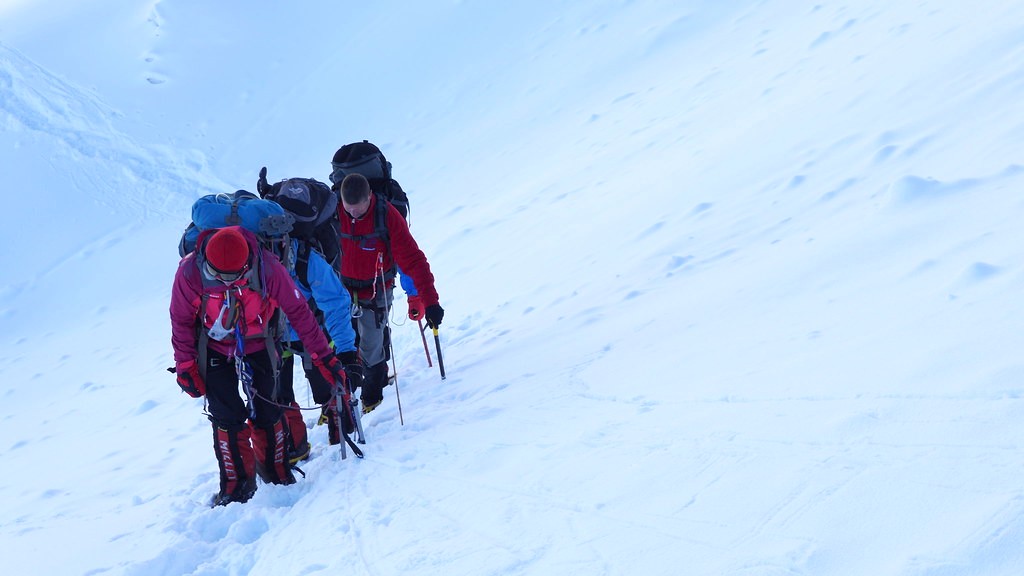
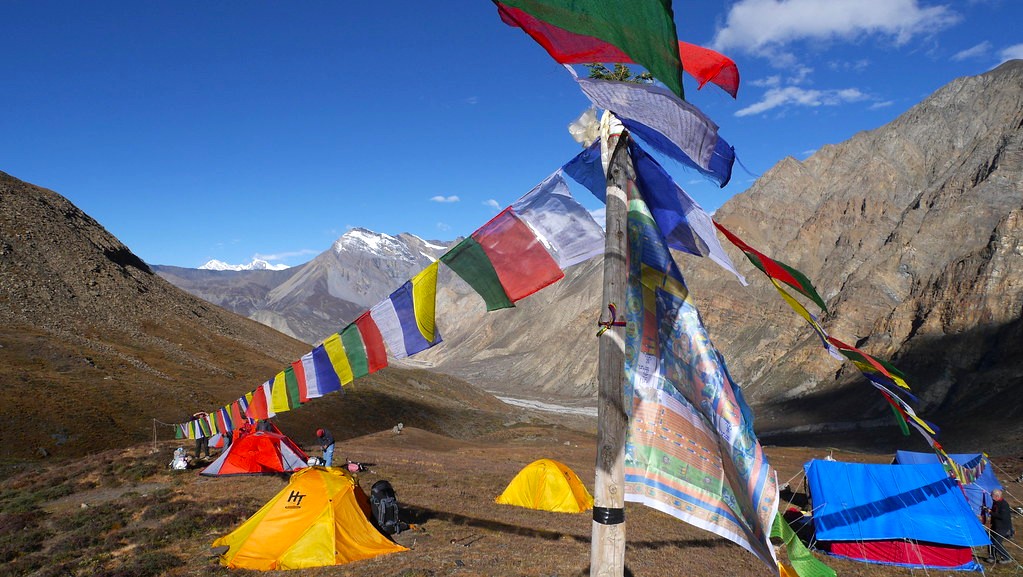
Himlung Himal Expedition - 25 Days

  • Rated 5/5 based on 104 customer reviews
Himlung Himal

Himlung Himal Expedition Highlights

  • Warm welcome with a traditional dinner at authentic restaurants in Thamel.
  • Enjoy the scenic and rugged drive from Kathmandu to Koto.
  • Trek Inside the Restricted Nar Phu Region.
  • Walk through suspension bridge, traditional village, lush green forest, dramatic landscape, mountain pass, ancient monasteries and gompas.
  • Experience ancient Tibetan influence on culture, tradition and lifestyle.
  • Enjoy high altitude scenery and a peaceful trekking atmosphere.
  • Reach the base camp and complete the summit of the Himlung Himal Expedition.
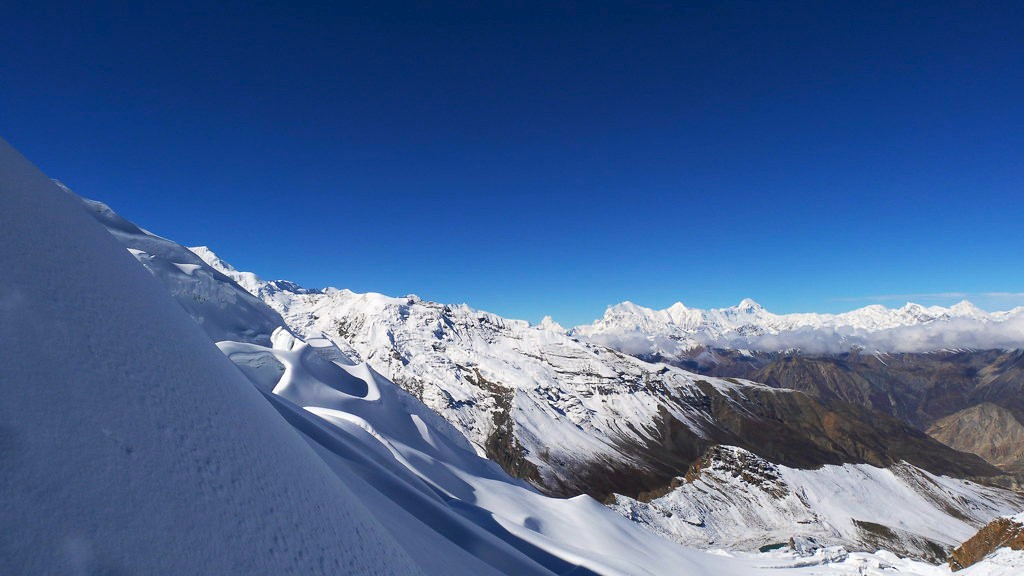
  • Achieve a strong sense of accomplishment from the summit of 7,126m, with a 360-degree panoramic view of Mount Manaslu (8,163m), the entire Annapurna range (including Annapurna II, III, and IV), Dhaulagiri, and the vast Tibetan Plateau to the north.
  • Duration25 Days
  • Max. Altitude7,126 m (23,379 ft)
  • Trip GradeChallenging
  • Group Size1 - 15
  • Meals Breakfast, Lunch And Dinner
  • AccommodationHotel/Tent

High Route Adventure offers a 25-day, comprehensive, safety-focused Himlung Himal Expedition (7,126m). Our itinerary is specially designed for climbers looking to progress from 6,000m peaks to high-altitude mountaineering.

Our Himlung Himal Expedition is a slow-and-steady approach in the Nar-Phu Region, combining wilderness trekking with expert guides and full team support during the summit of Himlung Peak. This expedition serves as a bridge to the 8,000-meter Peak, offering a technical yet manageable challenge on the classic Northwest Ridge.

What To Expect on this Himlung Himal Expedition?

Himlung Himal Climbing
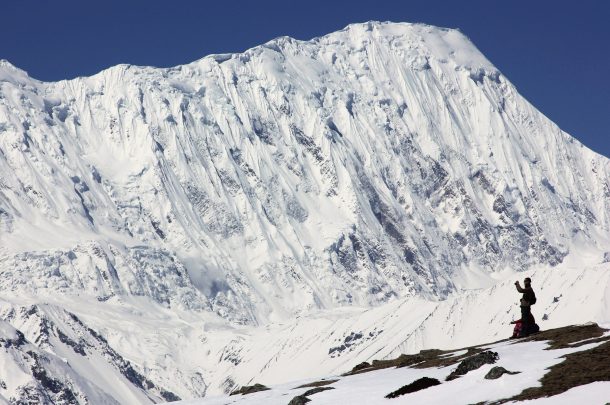
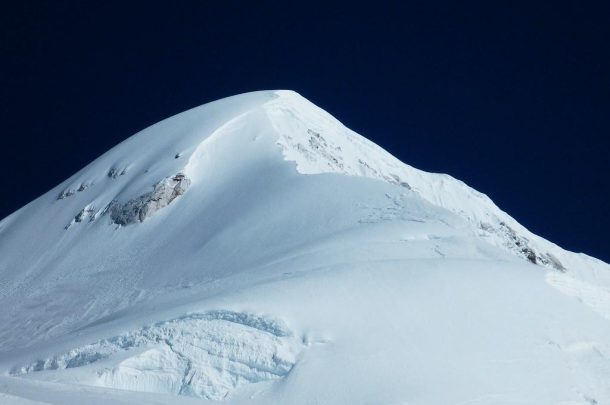
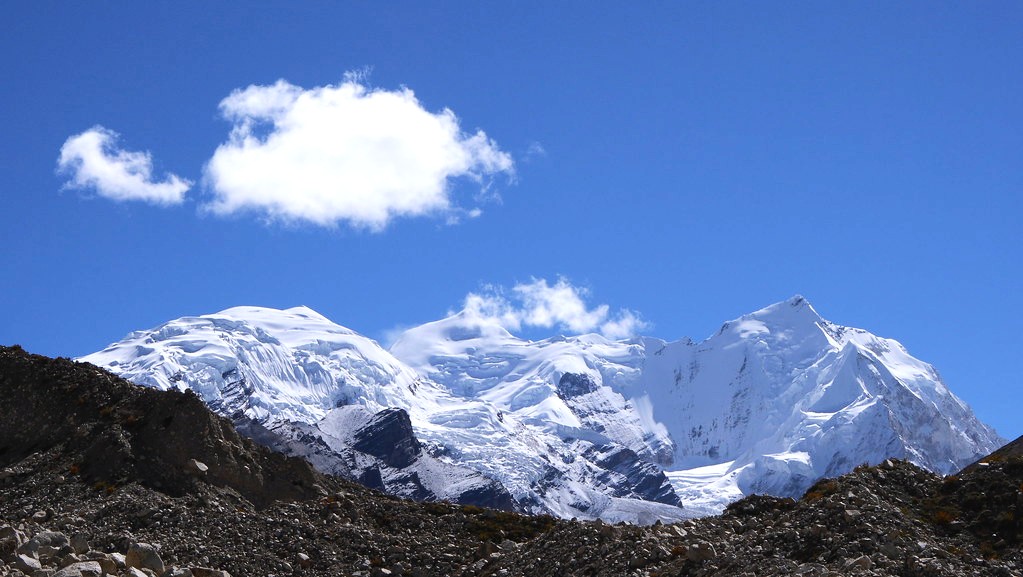
Himlung Himal, located between the Manaslu and Annapurna ranges.

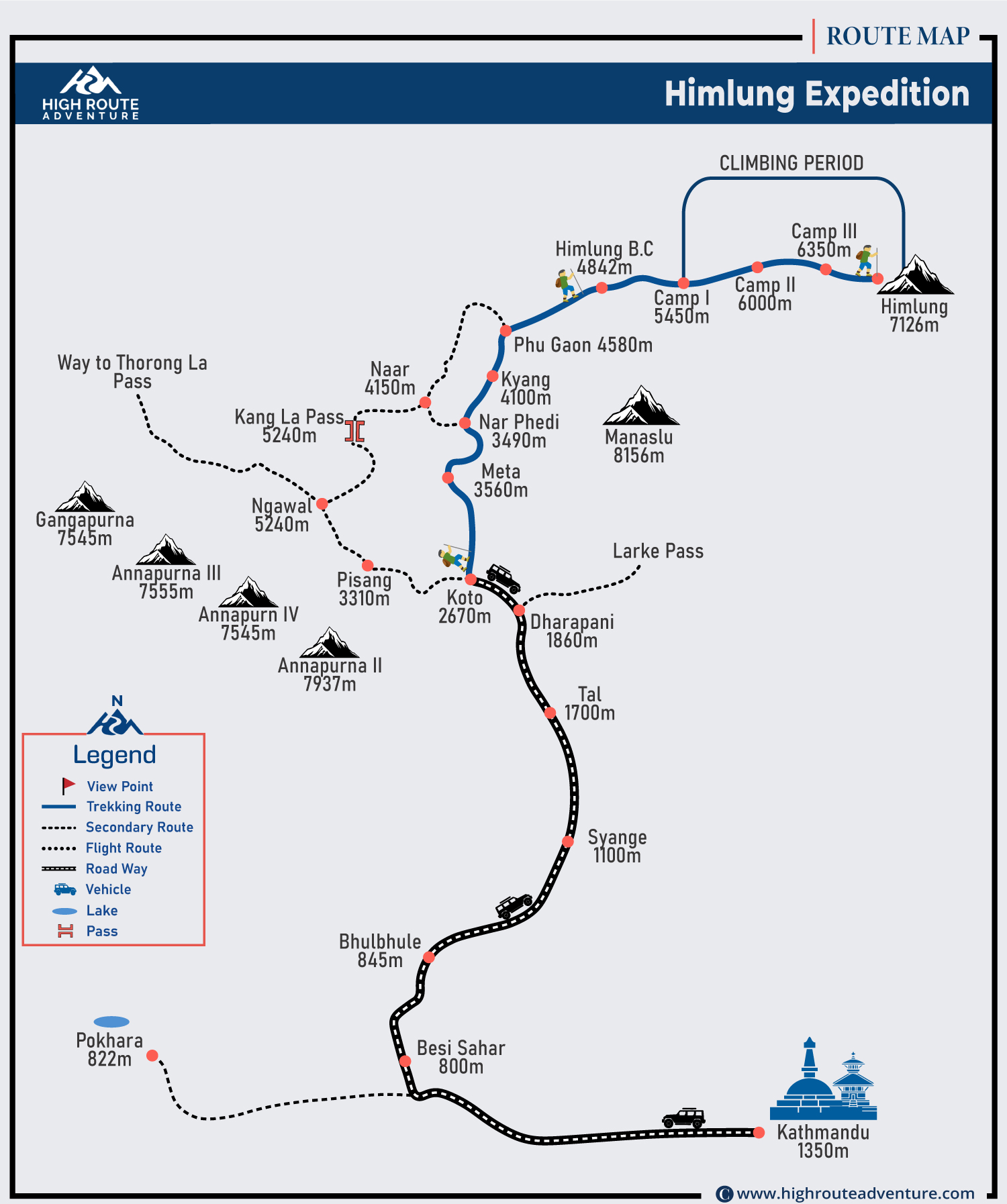
Your journey for the Himul Himal Expedition begins in Kathmandu with a scenic but rugged drive to Koto. From Koto, you will officially enter the restricted Nar Phu Region, also known as “Lost Valley” or “Hidden Valley”. 

While travelling to the Nar and Phu Village, you will be introduced to the ancient Tibetan-influenced culture and traditions. Due to its restricted status, the village here remains largely untouched by modern tourism. The ancient village, traditional homes, farmland, livestock, Buddhist monastery, mountain pass, high altitude scenery – every step on this trip is full of adventure.

High Route Adventure ensures that you will physiologically adapt by focusing on helping your body adjust to high altitude. You will have a proper acclimatisation day in Phu Gaon (4,080m) before you kick out for the Himlung Himal Base Camp [4,842m/15,881ft]. 

From the base camp, our expert Sherpa team manages food, accommodation, logistics and everything you require to reach the top of Himul Himal. Also, there will be a 1:1 Sherpa-to-climber ratio during the summit push. The plan includes three high camps, and Camp III is set at 6,350m so that the final climb to the summit is shorter and easier to manage. 

Your safety will be our top priority. Our team will continuously monitor your health, oxygen levels, heart rate, and overall physical condition throughout the expedition. There will be 24-hour satellite communication during the entire expedition to ensure constant contact with the base camp and emergency support whenever needed. Also, our team focuses on providing our climbers with high-calorie nutrition to combat altitude-induced appetite loss.

Apart from the technical climb, our 25-Day Himlung Himal Expedition Package is all-inclusive. From restricted area permits and ACAP fees to climbing permits, logistics, guides, porters, meals and accommodation, we manage everything for you. Also, our itinerary is flexible, which means you can take advantage of safe and best weather conditions for a successful and enjoyable summit.

By choosing us, you can be assured that you will be led by expert teams who strictly follow safety protocols and provide an incredible experience in the Himalayas of Nepal.

Himlung Himal Expedition Quick Facts

CategoryDetails
Mountain NameHimlung Himal
Elevation7,126 m (23,379 ft)
Global RankingAmong the notable 7,000m peaks in Nepal
LocationManang District, Nar Phu Valley, Peri Himal, Nepal
Difficulty GradePD to PD+ (Moderate / Non-technical expedition peak)
Best SeasonSpring (March – May) & Autumn (September – November)
Standard RouteNorthwest Face (Normal Route)
Duration25 – 35 Days (Kathmandu to Kathmandu)
Base Camp Elevation4,900 m (16,076 ft)
High CampsCamp I: ~5,450 m • Camp II: ~6,000 m • Camp III: ~6,350 m
First Ascent1992 (Japanese Expedition led by Akio Koizumi)
Climbing PermitsHimlung Himal Permit, Nar Phu Restricted Area Permit, ACAP
Nearest AirportTribhuvan International Airport
Success RateHigh (~70–80% in good weather seasons)

Why Choose the Himlung Himal Expedition in Nepal?

While people are well known about Everest, Manaslu, and Annapurna in mountaineering in Nepal, very few know about Himlung Himal. This peak is like a training and preparation peak before you attempt the giant 8,000-meter peak in Nepal. Also, after the new rule for Everest, from April 2025, you must show proof of prior high-altitude experience, including successful ascents of 7,000-meter peaks. In this context, Himlung Himal becomes even more valuable as a stepping stone toward Everest and other 8,000-meter expeditions.

Besides this, let’s see the top reason why you should choose the Himlung Himal Expedition in Nepal:

Remote & Less Crowded Experience

The main attraction of the Himlung Himal route is its peaceful and untouched natural beauty. Unlike the busy camps on Everest and Manaslu, very few climbers are seen at Himlung base camp, so it is not crowded. You don’t have to wait in long lines at fixed ropes or deal with noise and crowds. You can enjoy the expedition in a peaceful atmosphere with fresh mountain air.

The Perfect Training Ground for 8,000m Peaks

If your target is to summit one of these – Mount Everest (8,848.86m), Kanchenjunga, Lhotse, Makalu, Cho Oyu, Dhaulagiri, Manaslu, and Annapurna I, then Himlung Himal is a great practice mountain. This expedition presents a variety of challenges, such as technical glacier navigation and steep snow and ice slopes. Compared to Island Peak and Mera Peak, choosing Himlung Himal is more beneficial as it is more difficult and demanding.

A Cultural Journey Through the Nar-Phu Valley

While approaching Himlung Himal, the journey itself becomes a major highlight. Travelling inside the Nar and Phu villages for foreign citizens in Nar Phu Valley was restricted until 2002. This region is one of Nepal’s most culturally preserved and historically rich areas. The local language, the thousand-year-old monastery, the ancient lifestyle, most of the things that you will see and experience here are pure, raw and authentic. Additionally, travelling here, you will feel a great spiritual sense as this place is free of tobacco, beer, alcohol, and meat.

Breathtaking Scenery and Technical Climbing

The stunning visual during the summit push is unexplainable. As you reach the summit, you will witness jaw-dropping scenery of Nepal’s famous peaks, including Annapurna II, Manaslu, and the distant peaks of Tibet. The scenery and landscape change from the lower sections to the summit, keeping you engaged throughout. To perform this adventure, you must have solid mountaineering skills with experience working on crampons and rope. Also, high altitude stamina plays an important role. Although it sounds challenging, it is achievable for motivated climbers like you with the right training and support from High Route Adventure.

High Summit Success Rates (with the right support)

While we cannot say 7000m Peak is an easy task, Himlung Himal is certainly a challenging climb. However, compared to other peaks of similar altitude, the success rate of the Himlung Himal is higher. Also, the best part of choosing Himlung Himal is that it has a relatively low avalanche risk compared to other high-altitude peaks. With a professional team, you will definitely stand at the top of 7,126 m to achieve a lifetime mountaineering experience.

Himlung Himal Climbing Routes

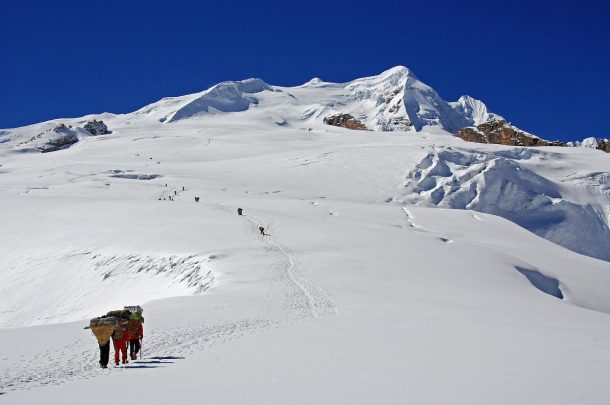
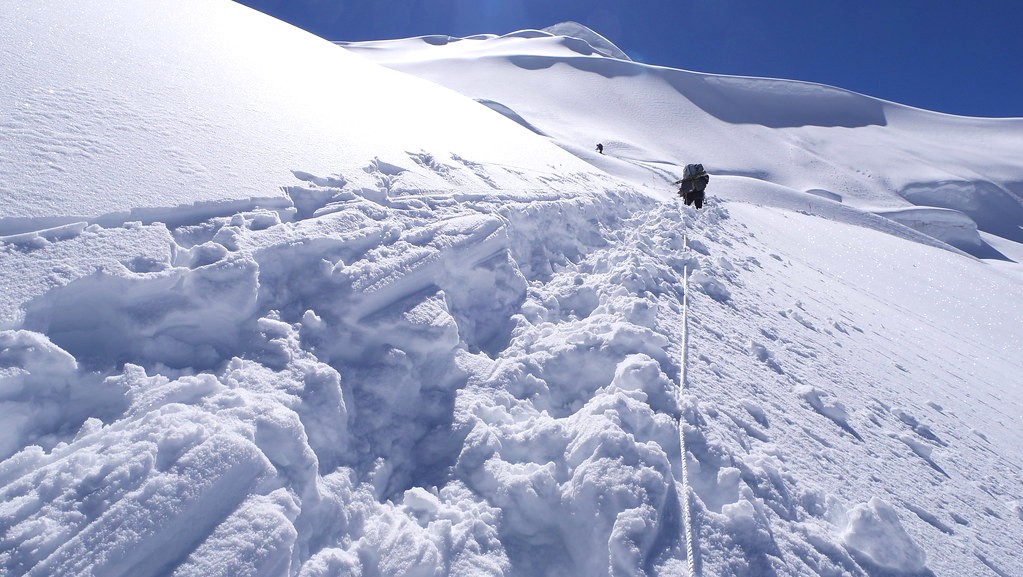
There is only one standard climbing route on Himlung Himal: the Northwest Face. From the Nar Phu Valley, we will approach the Himlung Base Camp and then from Base Camp → Camp I → Camp II → Camp III → Summit. You first follow the Nar Phu Valley trekking route to reach Himlung Base Camp. From there, the climb continues over glaciers, snow slopes, and fixed rope sections toward the higher camps and summit.

Himlung Himal Expedition Cost For 2026/2027

For the 25-day Himlung Himal Expedition, our package price starts from USD 7,500. Things like a climbing guide, permit, porter, logistics, meals, accommodation and ground transportation are all inclusive in the package. If you are in a group, then you can get a special discount on the package. 

(Note: International flights, personal climbing gear, travel insurance, and tips are typically excluded.)

Required Permits for the Himlung Himal Expedition

The first thing you need for the Himlung Himal Expedition is a climbing permit from the Nepal Mountaineering Association (NMA). The climbing permit price varies by season. In addition to the climbing permit, you also need to obtain the local and restricted permits. Let’s see in detail:

1. Himlung Himal Climbing Permit

This is the main permit required to climb the mountain.

  • Issued by: Department of Tourism, Nepal
  • Cost (approx.):
  • Spring: USD 500 per person
  • Autumn: USD 250 per person
  • Winter/Summer: USD 125 per person
  • Required documents:
  • Passport copy
  • Passport-size photos
  • Expedition application form
  • Travel insurance (high-altitude coverage)

2. Nar-Phu Restricted Area Permit (RAP)

Since Himlung lies in the restricted Nar-Phu Valley, this special permit is required.

  • Issued by: Department of Immigration, Nepal
  • Cost:
  • USD 100 per person (first 7 days)
  • USD 15 per day after that
  • Conditions:
  • Must travel with a licensed guide

3. Annapurna Conservation Area Permit (ACAP)

This permit is required because the route falls within a protected conservation area.

  • Issued by: Nepal Tourism Board
  • Cost:
  • NPR 3,000 (~USD 25–30) per person
  • Purpose:
  • Environmental protection
  • Trail and conservation management

Special Note: The High Route Adventure arranges all these permits. Also, the cost of this permit is included in our package. Since it takes time( around 3-7 days) to obtain the climbing permit, make sure to apply at least 1 week in advance of the departure date.

Why Make High Route Adventure Your Expedition Partner?

Planning an expedition is more than booking a flight, packing and heading to explore. For a successful summit, you will invest your time, money, and physical effort. To avoid becoming frustrated during the trip, you must choose a team that will guide and properly take care of you. 

At High Route Adventure, we don’t organize the trip; we understand our clients’ interests and carefully balance challenges with safety. Here is the top reason why you should choose us:

Expertise Beyond the Map

The weather in the mountains is unpredictable. The sunny weather can turn into dark, rainy and snowy in a few minutes. So, to analyse the shift in weather patterns, terrain changes and unforeseen obstacles, you need an expert team. Only an expert team with years of experience and real, field-tested decisions can make your journey safe, and you’ll find that in ours.

Safety Is Our North Star

In the high altitude route, there is no room for shortcuts. When you choose us, we ensure our team follows safety protocols strictly. Your climbing gear, health and physical condition will be checked regularly. Also, a low client-to-guide ratio allows you to better care for clients during expeditions. There will be top-tier communication tools and emergency backup oxygen. Our team knows how to handle emergencies and is certified in wilderness first aid. When you push your physical limits, we provide a safety net so you can focus on the Himlung Himal climb.

Deep Local Roots, Global Standards

High Route Adventure believes that great expeditions are those that respect local culture, place and natural beauty. Since we have a close relationship with the local people, it helps us to manage our logistics more effectively and responsibly. Using local expertise and following international safety standard helps us close the gap between rugged, authentic exploration and the comfort and reliability that modern adventurers expect.

A Personalized Approach

We understand that every person has their own goals, experience, stamina and personal plan during the expedition. So, whether you have an expedition group or want to do a solo with a guide, we can arrange it as per your expectations. We’re not a “one-size-fits-all” agency; we are partners who walk (and climb).

Sustainability and Ethical Tourism

The high altitude places are fragile, so to conserve the natural beauty for future generations, we are committed to “Leave No Trace” principles. We work hard to minimize our impact and support the local economy by hiring local guides and porters with fair wages. We love the mountains as much as you do. 

At High Route Adventure, we don’t just take you to the mountains—we take you to the very best version of yourself.

Online Consultation for the Himlung Himal Expedition

We don’t want you to rely on the guesswork or incomplete information from internet forums for your preparation. So if you have any questions about the trip, want to ask about preparation tips, or want to create a personalized training roadmap, you can have an online Consultation with High Route Adventure. 

[Contact here: +977-9851058664 to schedule your 30-minute virtual consultation with our trip counselor.]

Itinerary

  • Day 01: Arrive in Kathmandu [1345m/4411ft] and transfer to the hotel

    • Meet our staff at the TIA airport, who will be waiting for you with a sign with your name.
    • Transfer to the hotel in Thamel, the tourist hub of Kathmandu city.
    • Enjoy refreshing drinks and rest in the hotel.
    • In the evening, meet the High Route Adventure Manager for dinner at a traditional restaurant.
    Altitude: 1,400 m
    Meals: Breakfast
    Accommodation: Hotel
  • Day 02: Climbing Preparation

    • Wake up, feel refreshed and enjoy breakfast in the hotel.
    • Go for last-minute shopping if you need to buy trekking gear, clothing or snacks.
    • Obtain the permit and keep a digital copy of each.
    • If you don’t have to buy anything, you can visit UNESCO World Heritage Sites in Nepal, such as Pashupatinath Temple, Baudha, Durbar Square and Swayambhunath.
    • In the evening, enjoy dinner at a rooftop restaurant in Thamel, taking in the beautiful night views.
    • Pack your backpack so that you can leave early in the morning.

    Traveller’s note: Our client should sign the terms and conditions of our company and must pay the remaining amount if it is uncleared.

    Altitude: 1,400 m
    Meals: Breakfast
    Accommodation: Hotel
  • Day 03: Drive from Kathmandu to Koto [2600m/4626ft] [10 hrs Drive]

    • Enjoy breakfast early in the morning at the hotel.
    • Meet our driver and climbing guide at your hotel doorstep.
    • Our staff will load your backpack in our vehicle, and you will begin your ride.
    • The drive from Kathmandu to Koto is about 140 miles (230 kilometers) and takes approximately 10 hours.
    • Enjoy the early-morning drive to avoid traffic at the Thankot checkpoint.
    • Ride through Prithvi Highway, and once you reach Besisahar, your ACAP permit will be checked. Continue driving, and you will arrive at Koto.
    • Overnight stay at a teahouse in Koto.

    Traveller's note: The road is off-road and long, so make sure to wear comfortable clothes and bring snacks to enjoy along the way.

    Altitude: 2,620m
    Meals: Breakfast, Lunch and Dinner
    Accommodation: Tea house
  • Day 04: Trek from Koto to Meta [3560 m / 10826 ft] [6-7 hrs Trek]

    • Enjoy breakfast in the Koto tea house.
    • Carry your backpack and leave for the Meta.
    • You will cross the bridge over the Marsyangdi and follow the smaller Nar Phu Khola upstream
    • Enter the restricted Nar-Phu Valley 
    • Walk through dense pine forests of pine and oak trees.
    • Trek along steep and rocky paths with dramatic canyon views
    • Gradually gain altitude with changing landscapes and fewer settlements
    • Once you reach Meta village, you can see the typical flat roofs and prayer flags that mark the cultural transition.
    • Overnight stay at a Meta teahouse.

    Traveller's note: The final ascent to the Meta is strenuous. We recommend bringing enough snacks (nuts, chocolate) for this section.

    Altitude: 3,560 m
    Meals: Breakfast, Lunch and Dinner
    Accommodation: Tea house
  • Day 05: Trek from Meta to Kyang [4100m/13448ft] [6-7 hrs Trek]

    • From Meta, the path initially leads gently uphill and downhill across open fields
    • To the left, you have constant views of the massive Pisang Peak and the icy flanks of Kangaroo Mountain (Gyajikang)
    • After about 3 hours of walking, you will reach Chyako (3,720 m), a historically significant site.
    • You will walk further along the hillside, with the Phu Khola river roaring far below in the gorge.
    • Walk through dry, rocky terrain with very little vegetation, an almost moon-like landscape with bizarre rock formations.
    • Pass through yak herding shelters and open alpine areas.
    • Reach Kyang and stay overnight at a tea house.

    Traveller's note: There is no shade on the open plateaus, so don’t forget to apply sunscreen (SPF 50+) and sunglasses.

    Altitude: 4,100 m
    Meals: Breakfast, Lunch and Dinner
    Accommodation: Tea house
  • Day 06: Trek from Kyang to Phu [4580m/15022ft] [5-6 hrs Trek]

    • Enjoy breakfast in the Kyang tea house.
    • Begin your journey toward the Phu Gaon, following the upper Phu Khola (Phu River) valley.
    • Pass through Phupi Gyalgoe Gate: The "entrance gate" to the Phu region.
    • Enter the open alpine landscape with dramatic, barren hills and rock formations.
    • Reach the traditional village of Phu, visible on a hillside surrounded by mountains.
    • Enter Phu Gaon, a medieval-style village of about 30–40 stone houses stacked dramatically on a ridge.

    Travellers' note: You will be significantly exceeding 4000 meters today. Walk very slowly ("Bistari, bistari"), even if the path appears flat.

    Altitude: 4,580 m
    Meals: Breakfast, Lunch and Dinner
    Accommodation: Tea house
  • Day 07: Exploration day at Phu Valley

    • Today is the rest day in Phu Valley for acclimatisation, to help your body adjust to the high altitude.
    • After breakfast, you will visit:
    • Ancient Tashi Lhakhang Monastery
    • Chyoling (Choling) Monastery
    • Explore Phu village for cultural immersion
    • Short hike to nearby ridges for panoramic Himalayan scenery and the surrounding glacial valley.
    • Overnight stay at Phu Valley tea house.

    Travellers' note: Check your health condition and follow proper acclimatisation on this rest day.

    Altitude: 4,580 m
    Meals: Breakfast, Lunch and Dinner
    Accommodation: Tea house
  • Day 08: Trek from Phu to Himlung Himal Base Camp [4842m/15881ft] [3-4 hrs Trek]

    • Leave the ancient stone village of Phu and enter a remote alpine wilderness
    • Trek through open valleys and rugged high-altitude terrain
    • Cross moraine and rocky sections of the Pangri Glacier
    • Around 2 hours into the trek, enjoy the first clear views of Himlung Himal (7,126m)
    • Final approach leads to the Base Camp area on grassy, protected terrain (French/Kari Kobler Base Camp region).
    • Reach Himlung Himal Base Camp (4,850m) and stay in expedition tents and rest.

    Travelers' note: Stay on your trek early in the morning to avoid the fierce afternoon winds, and pack your lunch.

    Altitude: 4,842m
    Meals: Breakfast, Lunch and Dinner
    Accommodation: Tea house
  • Day 09-19: Climbing Himlung Himal [7126m/23345ft] and descend back to base camp

    • Rotation from Base Camp to Camp I, Camp II and Camp III for proper acclimatisation.
    • Make the final summit push from Camp III to the summit of Himlung Himal.
    • From the summit enjoy the 360-degree view of:
    • Mount Manaslu (8,163m)
    • Annapurna range (including Annapurna II, III, and IV)
    • Dhaulagiri region
    • Tibetan Plateau to the north
    • Arrive safely at the Himlung Himal Base Camp and stay overnight at the base camp.

    Travelers' note: Prior experience above 6,000m (e.g., Island Peak or Mera Peak) is highly recommended. Strong fitness, stamina, and leg strength are required for carrying loads at high altitude. Weather can be severe; strong winds, especially in late autumn, may affect or block summit attempts.

    Altitude: 7,126 m
    Meals: Breakfast, Lunch and Dinner
    Accommodation: Tea house
  • Day 20: Trek back to Phu village [4580m/15022ft] [5-6 hrs Trek]

    • After breakfast, we will leave the Base Camp.
    • We will walk into the valley, and don’t forget to keep an eye out for Blue Sheep (Bharal), which are common on the slopes surrounding the trail.
    • On the route, pass through rocky alpine terrain with gradual downhill sections
    • Follow the trail along the Phu Khola (Phu River) and arrive at Phu Village.
    • Overnight stay at Phu village tea house.

    Traveller's note: A hot shower is recommended for hygiene and comfort after long days spent at high altitude.

    Altitude: 4,580 m
    Meals: Breakfast, Lunch and Dinner
    Accommodation: Tea house
  • Day 21: Trek from Phu to Meta [3560m/11676ft] [5-6 hrs Trek]

    • Enjoy a final breakfast overlooking the Tashi Lhakhang Monastery, then head toward the Meta village.
    • After about 3 hours, you will reach Kyang with views of Annapurna II and Pisang Peak.
    • Then walk through the forest to Meta and stay overnight at a tea house.

    Traveller's note: The paths are partly carved into steep rock faces. Beware of falling rocks. 

    Altitude: 3,560m
    Meals: Breakfast, Lunch and Dinner
    Accommodation: Tea house
  • Day 22: Trek from Meta to Koto [2600m/8528ft] [6-7 hrs Trek]

    • Follow the scenic Phu Khola Gorge with cliffs and waterfalls
    • Pass Hulaki Odar, a natural rock shelter used by old postal workers
    • Complete exit formalities at the Koto police checkpost when leaving the restricted area
    • Reach Koto and enjoy the better facilities like Wi-Fi, electricity, and more food options

    Travellers' note: Trails can be narrow, rocky, and slippery in places, so walk carefully.

    Altitude: 2,600 m
    Meals: Breakfast, Lunch and Dinner
    Accommodation: Tea house
  • Day 23: Drive back to Kathmandu from Koto [10 hrs drive]

    • Enjoy the off-road drive from Koto to Kathmandu.
    • Follow the Trishuli River and enjoy people rafting.
    • Enjoy your lunch in the middle of a trip like Dumre or Mugling.
    • Arrive at Kathmandu and check in at the hotel.

    Travellers' note: Due to off-road wear, wear comfortable clothing and a mask for dust protection are recommended.

    Altitude: 1,400 m
    Meals: Breakfast
    Accommodation: Hotel
  • Day 24: Leisure day in Kathmandu

    • Enjoy a massage or spa.
    • Visit your favourite palace on your own
    • By souvenir or shopping before heading home.

    Traveller's note: This day is kept for the weather issue. You can also skip this day if everything goes as planned.

    Altitude: 1,400 m
    Meals: Breakfast
    Accommodation: Hotel
  • Day 25: International Departure

    • Enjoy a final breakfast at your hotel in Kathmandu before heading to the airport.
    • Collect the Certificate of completion of the expedition from our office
    • We will arrange a private transfer from your hotel to KTM airport.

Practical Information

Nepal Visa Information

To participate in the Himlung Himal Climbing in Nepal, all foreign citizens must obtain a Nepal tourist visa. Getting a tourist visa is easy; you can obtain it either from your home country or upon arrival at the Nepal airport. For the visa, it will cost you:

  • USD 30 for 14 Days
  • USD 50 for 30 Days
  • USD 120 for 90 Days

Note: We suggest you obtain the visa for 30 Days and make sure your passport is valid for at least 6 months from your date of entry into Nepal. For more information, you can check directly here on: https://www.immigration.gov.np/en/page/tourist-visa

Travel Insurance Requirements for Himlung Himal Climbing

Standard travel insurance is not sufficient for the Himlung Himal Expedition. Please ensure your policy fully covers high-altitude mountaineering and expedition risks, including:

  • Emergency helicopter evacuation (above 6,000m)
  • Search and Rescue (SAR) operations in remote mountain regions
  • High-altitude medical treatment & hospitalisation
  • Repatriation (medical and in case of death)
  • Trip cancellation, delays, and interruptions due to weather or flight issues
  • Coverage for trekking peaks and mountaineering activities
  • Personal accident and injury coverage
  • Loss or damage of personal gear and expedition equipment

How to Book Himlung Himal Expedition

Step 1: Consultation – Contact our tour operator to discuss your previous high-altitude experience (usually 6,000m+ is required).

Step 2: Deposit – Pay a non-refundable 20% deposit to confirm your booking.

Step 3: Preparation – Receive a detailed gear list and training plan 3–6 months before departure.

Step 4: Final Payment – You must pay the remaining balance before departing from Kathmandu.

Note: We generally recommend that you book the Himlung Himal Expedition Package at least 3-4 months in advance if you are planning to do it during the autumn (October) season. As it is a popular climbing period, early booking helps us secure permits and arrange all logistics in a timely and efficient manner.

Payment and Cancellation Policy

Before making a payment, we suggest our clients read all the terms and conditions of our company. For the payment, you can use:

  • Bank/Wire Transfers (SWIFT)
  • Credit/Debit Cards
  • Cash (USD/NPR)
  • Other accepted currency( Euro, AUS, Pound)

Notes

Himlung Himal Expedition Difficulty Level 

In terms of difficulty level, the Himlung Himal Expedition is graded as Alpine PD+ to AD (Peu Difficile to Assez Difficile), making it a moderately technical, entry-level 7,000m peak suitable for experienced high-altitude climbers. Let’s see in detail:

Technical Difficulty:

The Himlung Himal route follows moderately steep glacier terrain with average slopes between 30° 35°. Some sections—especially between Camp 2 and Camp 3 and near the summit—reach 45°–50°. Climbers will encounter firm snow, ice, and crevasses, requiring travel on fixed ropes and in rope teams. Basic mountaineering skills are essential, including the safe use of crampons, an ice axe, and a Jumar (ascender).

Physical & Altitude Challenge

Himlung Himlal Expedition is physically challenging, as you will spend around 22-23 days trekking and climbing atg at high altitudes. Climbers should be ready for 6-8 hours of walking during the expedition period while carrying a backpack. Also, extreme cold at high altitude, freezing wind and risk of AMS, frostbite, altitude exposure and long stay above 4,000 is full of challenges.

Comparison to Other Peaks:

  • Easier than: Ama Dablam or Mount Everest (less technical climbing)
  • More challenging than: Mera Peak or Island Peak (higher altitude and longer exposure)
  • Similar to: Putha Hiunchuli(7,246 m), Baruntse(7,129 m), Tilicho Peak(7,134 m), and Pumori(7,161 m)

Requirements to Join:

  • Previous experience on at least one 6,000m peak (e.g., Island Peak, Lobuche East, Chulu West)
  • Strong physical fitness with 4–6 months of prior training (cardio, strength, endurance)
  • Physically prepared to handle the remote conditions and extended stays at base camp and higher camps

Important Note:

Despite its moderate technicality, Himlung Himal is achievable with the right expedition operator and an experienced climbing guide. Make sure you have basic mountaineering skills and climb a 6000m peak before you attempt this. Also, prepare enough physically for unexpected situations such as sudden weather changes, avalanches, and extreme altitude conditions.

Himlung Himal Expedition – Elevation Profile (Kathmandu to Summit)

  1. Trekking Phase (Approach to Base Camp)

Section Starting Point Target Point Elevation Gain
Kathmandu → Koto (via road) 1,400 m 2,600 m +1,200 m
Koto → Meta 2,600 m 3,560 m +960 m
Meta → Phu Gaon 3,560 m 4,080 m +520 m
Phu Gaon → Base Camp 4,080 m 4,850 m +770 m
  1. Mountain Phase (High Camps & Summit Push)

Section Approx. Height Character of Ascent
Base Camp (BC) 4,850 m Main expedition base; acclimatization hub (~2 weeks)
Camp 1 5,430 m Moderate climb over moraines and scree slopes
Camp 2 6,000 m Glacier travel with technical sections
Camp 3 6,350 m Steeper snow slopes; final high camp
Summit (Himlung Himal) 7,126 m +776 m summit push; most demanding section, then descent to lower camp

How to Prepare for Himlung Himal Climbing?

The main things that you need to focus on while preparing for the Himlung Himal Expedition are physical fitness, technical skills, medical readiness, proper gear, and mental resilience. Here is how to do it:

Physical Training (Endurance & Strength): The goal is to maintain strong performance for long hours in low-oxygen conditions.

  • Basic endurance: 3–4 sessions per week of running or cycling (60–90 minutes)
  • Specific training: Hiking on steep terrain with a 15–20 kg backpack to simulate expedition load
  • Build stamina for long climbing days above 5,000m

Technical Skills: Strong mountaineering skills are essential for safe ascent.

  • Fixed rope technique: Practice using a Jumar (ascender) and abseiling devices (figure-eight or tube)
  • Crampon walking: Train on snow and ice slopes up to 45°
  • Camp routine: Practice setting up tents in windy conditions and melting snow for water
  • Prior experience: Ideally complete at least one 6,000m peak (e.g., Island Peak) before attempting Himlung Himal

Medical Check-up: Health preparation is critical at high altitude.

  • Full heart and lung examination by a sports medicine doctor
  • Dental check-up (untreated issues can become severe at altitude)
  • Learn symptoms of AMS, HAPE, and HACE
  • Carry a proper travel medical kit (e.g., Diamox, Dexamethasone – only after medical consultation)

Gear Preparation: High-quality equipment is essential for survival at 7,000m.

  • Boots: Double or triple-layer high-altitude boots (e.g., La Sportiva Olympus Mons, Scarpa Phantom 8000)
  • Clothing: High-quality down suit or heavy expedition down jacket & pants
  • Sleeping bag: Rated to at least -30°C comfort level

Mental Preparation: Mental strength is often the deciding factor for success.

  • Prepare for long waiting periods in tents due to weather
  • Practice visualization of summit day, including exhaustion and cold
  • Build psychological resilience for isolation and high-altitude stress

Checklist – 3 Months Before Departure:

  • Book flights to Kathmandu
  • Arrange high-altitude expedition insurance (including helicopter evacuation)
  • Confirm expedition operator and pay deposit
  • Test all gear in advance (do not bring new, untested equipment to the mountain)

Facilities on Himlung Himal Climbing

The Himlung Himal Expedition has two main phases: trekking and climbing. Until the Narphu Valley, you will stay in the tea house, and from base camp, you will stay in the tent.

Feature Tea house Climbing
Wifi Available in most of the tea houses but connectivity/speed depends upon the altitude and location. Generally not available
Safe drinking water Boiled water/ Water bottle( paid) or tap water by using water purification tablets Boiled water provided by Kitchen staff
Charging Charging station in the communicable dining( Paid) Solar or Generator
Hot shower Solar/Geaser/hot water bucket( Paid) Not available
Communication Ncell or NTC ( signal can vary depending upon altitude) Satellite phones and walkie-talkies (carried by guides for emergencies).

Best Time for Himlung Himal Climbing?

To have a safe and successful summit of the Himlung Himal, it is important to choose the right timing. Actually, the right time for the Himlung Himal Climbing is during the Autumn (September – November) and Spring (April – May) seasons. Climbing Himlung Himal during the Winter (December–February) and Summer (June–August) is technically possible but rare due to harsh weather conditions.

Choose Autumn Season if you are looking for:

  • Stable high-pressure weather system
  • Clear skies with excellent mountain visibility
  • Very low chance of precipitation
  • Best overall conditions for summit attempts

Choose the Spring season if you are looking for:

  • Milder temperatures compared to autumn
  • Longer daylight hours for climbing
  • Comfortable trekking conditions in the lower sections

Note: For the highest success rate and most stable weather, the best time for climbing is from October 10 to November. Additionally, don’t forget to check the weather forecast before heading out and during the trip.

Food and Drinks on Himlung Himal Climbing

Here are the common food and drinks menu you can expect while you stay in the tea house during the trek, while approaching Phu Village.

  • Breakfast: Tibetan bread, Chapati, Pancakes, Toast with jam or honey, Porridge (oats/rice porridge), Eggs (boiled, fried, omelette)
  • Lunch and dinner: Dal Bhat (rice, lentil soup, vegetables), Fried rice/noodles, Pasta/macaroni, Potato dishes (fried/boiled / curry), Vegetable curry / seasonal local dishes
  • Drinks: Tea (milk tea, black tea, ginger tea), Coffee, Hot lemon / hot water, Soft drinks (available in lower villages)

Here is the common food and drink menu you can expect while staying from base camp to high camp during the Himlung Himal summit.

  • Breakfast: Porridge (oats, semolina), Bread/chapati with jam or peanut butter, Eggs (when available), Tea / Coffee 
  • Lunch and dinner: High-energy soups (garlic soup, noodle soup), Rice/pasta/noodles, Dehydrated meals (vegetable, chicken, or mixed options), Lentil-based meals for energy and warmth, Energy bars & light snacks
  • Drinks: Hot water (most important for hydration), Tea (ginger, lemon, herbal), Coffee, Electrolyte drinks

Note: The High Route Adventure arranges all the meals during the trek and climbing. Drinks, beverages and snacks are not included in the package, so keep some cash on hand for them.

Accommodation on Himlung Himal Climbing

High Route Adventure will book a tea house for you when you book the trip with us. This tea house is mainly run by local people from the Nar Phu Region as a local business. Given the remote location, don't expect luxury hotels or restaurants here.

Here is what you can expect during the trek to Phu Village from the tea house room. 

  • Single shared rooms( bed, blanket )
  • Communical dinning
  • Shared bathroom
  • Charging space
  • Wifi

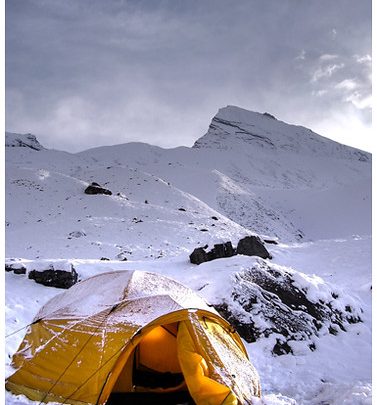
From the base camp of Himlung Himal, you will stay in the tent set up by the High Route Expedition team. Here is what you can expect while staying in the tent/Camp.

  • High-quality expedition tents (shared accommodation)
  • Dining tent for meals and briefing sessions
  • Kitchen tent with a professional cook team
  • Toilet tents are set up in designated safe areas.
  • Basic communication support at Base Camp (weather dependent)
  • No wifi or mobile network at higher camps

Your Support Team: What to Expect?

For your Himlung Himal Expedition, High Route Adventure provides a professional, trained team for a successful summit. We take care of you from the day of booking to the departure.
  1. Professional Driver: To pick you up and transfer you to the hotel, airport, and trekking starting point.
  2. Expedition Leadership Team: To check climbing safety, route decision, and take leadership. Our climbing guide holds a licence from the Nepal Mountaineering Association (NMA), the Department of Tourism or the NATHM (Nepal Academy of Tourism and Hotel Management).
  3. Trek guide: To manage the tea house and safely take you to the Phu Village.
  4. Porters: To carry your luggage. One porter is divided among two climbers, and 1 porter carries a maximum weight of 20-25 kg.
  5. Base Camp Support Staff: There will be a cook, a kitchen helper, a camp manager and logistic staff to support you during the climbing from base camp to the summit.

Expert Tips from our Mountaineering teams 

  1. Always choose the Himlung Himal Expedition itinerary that suits your pace. Avoid a shortcut itinerary that has limited acclimatisation days.
  2. Train for Endurance, Not Just Strength. 
  3. Master the climbing skills. Be confident in using crampons, Jumar (ascender) on fixed ropes, ice axes, etc.
  4. Be prepared for extreme cold by investing in high-quality trekking gear and clothing.
  5. Prepare mentally and learn to be patient during tough times.
  6. Learn from other climbers' mistakes by watching documentaries.
  7. Never ignore the symptoms of AMS, and if any problems arise during the climb, make sure to inform your climbing guide immediately.
  8. Be flexible with the itinerary, as summits are always subject to weather conditions.
  9. Manage the budget for the package and any extra expenses you need to cover, such as international flight fare, tips and personal expenses.
  10. We recommend that you do a full medical checkup before joining.

Responsible and Eco-Friendly Travel Tips

  • When you are trekking, you can find the waste disposal bin in the tea house. Throw it in the bin, and when you are climbing, make sure to bring back all your waste and throw it in the designated areas only.
  • Stay on marked trekking trails and avoid picking plants and disturbing wildlife or natural habitats.
  • Respect local culture, traditions and customs and buy local products to support the local community and economy.
  • Maintain peace during the trip by reducing sound pollution.
  • Respect other trekkers and porters.

Equipment

Proper gear is essential for safety and success on a high-altitude expedition like Himlung Himal (7,126m). Below is a complete and well-organized equipment list recommended for climbers.

🎒 1. Backpack & Bags

• Expedition backpack (70–80L)
• Daypack (20–30L)
• Duffel bag (waterproof, 100–120L)
• Waterproof pack cover

🧥 2. Clothing System (Layering)

Base Layer

• Thermal tops (2–3 sets)
• Thermal bottoms (2–3 sets)

Mid Layer

• Fleece jacket
• Lightweight down jacket

Outer Layer

• Waterproof & windproof shell jacket
• Waterproof shell pants

Insulation Layer (Extreme Cold)

• Heavy down jacket (800–1000 fill)
• Down pants or insulated pants
• Expedition down suit (recommended)

🥾 3. Footwear

• Double or triple insulated mountaineering boots (e.g., B2/B3 category)
• Trekking shoes (for lower sections)
• Gaiters (waterproof)
• Warm socks (wool/synthetic – multiple pairs)

🧗 4. Climbing Gear

• Ice axe
• Crampons (compatible with boots)
• Harness
• Helmet
• Carabiners (locking & non-locking)
• Jumar (ascender)
• Descender (figure-8 or tube device)
• Climbing ropes (provided by expedition team in most cases)

🧤 5. Hand & Head Protection

• Insulated summit gloves
• Lightweight inner gloves
• Waterproof shell gloves
• Warm beanie/wool hat
• Balaclava or face mask
• Neck gaiter / buff

🛌 6. Sleeping Gear

• Sleeping bag rated to -30°C or lower
• Sleeping bag liner (for extra warmth)
• Inflatable sleeping mat (optional, if not provided)

🕶️ 7. Eye & Sun Protection

• UV-protection sunglasses (Category 4)
• Goggles for wind and snow
• High SPF sunscreen
• Lip balm with SPF

🧴 8. Personal & Hygiene Items

• Toothbrush & toothpaste
• Wet wipes / biodegradable wipes
• Hand sanitizer
• Quick-dry towel
• Toilet paper
• Basic toiletries

💊 9. Medical Kit

• Personal prescribed medicines
• Diamox (after doctor consultation)
• Painkillers & fever medication
• Blister care kit
• Altitude sickness medication (as advised)

🔋 10. Electronics

• Headlamp with extra batteries
• Power bank (10,000–20,000 mAh)
• Charging cables
• Optional: solar charger

🍫 11. Personal Extras

• Energy bars / snacks
• Hydration bottles or bladder
• Lightweight trekking poles
• Camera / GoPro (optional)
• Cash for personal expenses

📌 Important Note

Some technical climbing equipment (like ropes and fixed anchors) is usually provided by High Route Adventure. However, personal gear must be of high quality and tested before the expedition. Good equipment means better safety, comfort, and performance at high altitude.

FAQs of Himlung Himal Expedition

  • Where is Himlung Himal located?

    Himlung Himal is located in the Peri-Himalaya range in Manang District, north-central Nepal. It lies in the remote Nar-Phu Valley, northeast of the Annapurna massif and close to the Tibetan border. The peak stands at 7,126 meters and is part of the Manaslu Conservation Area, positioned between the Manaslu and Annapurna ranges.
  • How much does it cost to do the Himlung Himal Climbing?

    The actual cost of the Himlung Himal depends upon several factors such as group size, travelling season, service and itinerary days. The Himlung Himal Expedition starts at USD 7,000.
  • How difficult is it to climb Himlung Himal?

    Himlung Himal (7,126m) is considered moderately difficult and is often described as an ideal entry-level 7,000m peak. It is graded Alpine PD+ to AD (Fairly difficult). The climb involves walking on glaciers and snow slopes, mostly at 35°–45°, with some steeper sections near the summit reaching 45°–50°. Climbers need to use crampons, an ice axe, and fixed ropes for safety and progress on the route.
  • Do I need previous climbing experience to join this Himlung Himal Expedition?

    Yes, you need to have a high-altitude climbing experience to join this Expedition in Nepal. We recommend having completed at least one 6000m+ peak before you participate in this adventure.
  • In how many days can we complete the Himlung Himal Climbing?

    The average time to complete the Himlung Himal Climbing is 25-30 days if everything goes as planned.
  • Do we need oxygen bottles for this Himlung Himal Climbing?

    Generally, climbers don't need to have an oxygen bottle for this Himlung Himal Climbing, but for safety, High Route Adventure will put an oxygen bottle as a backup.
  • Do I need permits for the Himlung Himal Climbing?

    Yes, you need climbing permits, restricted permits and ACAP permits for this Himlung Himal Climbing.
  • When is the best time for the Himlung Himal Climbing?

    The best seasons for climbing Himlung Himal are spring and autumn. If we talk about perfect timing, it is mostly during October 10 to November due to stable weather and perfect climbing conditions.
  • Can we climb Himlung Himal in winter?

    Very tough and challenging due to the risk of frostbite, freezing temperatures, strong winds, and deep snow, as well as difficulty with rescue due to bad weather. So we don't recommend our climbers to attempt Himlung Himal in winter.
  • Can we climb Himlung Himal in the summer season?

    Technically, yes, but due to unpredictable weather conditions, summer is also not the best season for the Himlung Himal Climbing.
  • Is Himlung Himal tougher than the Ama Dablam Peak Climbing?

    Compared to the Himlung Himal, Ama Dablam is more challenging and tougher in terms of Technicality, Objective Danger, Primary Challenge, and success rate.
  • Which peak climb is easier than Himlung Himal?

    Mera Peak (6,476m), Island Peak / Imja Tse (6,189m), Yala Peak (5,732m), Lobuche East (6,119m), and Putha Hiunchuli / Dhaulagiri VII (7,246m) are easier than climbing Himlung Himal.
  • Can I do Everest Climbing after summiting Himlung Himal?

    Yes, the Himlung Himal summit will prepare you well before you decide to attempt the Everest summit.
  • Where will I stay during the Himlung Himal Expedition?

    You will stay in the comfortable tea house during the trek and in a tent/camp during the summit push from the Himlung Himal base camp.
  • What food will I eat during the Himlung Himal Expedition?

    You can find a wide variety of menus at the tea house, and a limited or fixed menu while staying in the tent during the summit push. Due to the remote location, you can only expect basic food items.
  • Can we climb Himlung Himal without a guide and porter?

    No, it is compulsory to have a licensed guide for the expedition in Nepal. Having a porter makes your journey easier by carrying heavy loads, allowing you to focus on successfully summiting.
  • How does your company manage during an emergency?

    Our climbing leaders are trained to handle emergencies. They will analyze the situation and, if needed, arrange a helicopter to transfer you to the hospital in Kathmandu for treatment.
  • Can I get the Sherpa guide for the Himlung Himal Expedition?

    Yes, you can get the Sherpa guide upon request.
  • Do I need to book in advance for the Himlung Himal Expedition?

    We recommend that you book the Himlung Himal Expedition at least 3 months in advance to secure permits, guides, porters, logistics, food and accommodation. 
  • I'm a female climber. Is it safe for me?

    When you are with High Route Adventure, no matter your gender, we prioritize your safety, comfort, and security at every stage of the expedition.

Related Packages

You may like these packages too !
Slovakian climbing team successfully reaches the summit of Mera Peak in Nepal
Climbing, Trekking in Nepal

Mera Peak Climbing

Lobuche Peak Climbing
Climbing, Trekking in Nepal

Lobuche Peak Climbing

Putha Hiunchuli Expedition
Climbing

Putha Hiunchuli Expedition

Mera & Island Peak climbing via Amphu Labtsa Pass
Climbing

Mera & Island Peak Climbing via Amphu Labtsa Pass

Ama Dablam Expedition
Climbing

Ama Dablam Expedition

Island Peak Climbing - 19 Days | Imja Tse Peak | Cost
Climbing, Trekking in Nepal

Island Peak Climbing

Our Partners

We are associated with

High Route Adventure TripAvisor Award 2025 High Route Adventure TripAvisor Award 2025