Notes
Gosaikunda Trek Difficulty
Gosaikunda Trek is considered moderately difficult in terms of difficulty level. However, beginners or first-time trekkers with no experience can participate in this trek. But they should consider these factors before starting this journey:
- High Altitude: Above the Chandanbari the thin air presence in the air can cause altitude sickness for some trekkers. Acclimization properly once you reach 3,000 metres to adjust your body to high altitude and to reduce the risk.
- Steep Climbs: The trail consists of steep, raw, and relentless ridge climbing to reach the lake. Walking every day for 5 to 7 hours at high altitude is not an easy task. This trek is physically demanding.
- Weather Changes: At high altitude, morning weather is clear most of the time, but weather starts to change rapidly with the formation of dark clouds. Also, the temperature starts to drop quickly.
How To Prepare for the Gosaikunda Trek
- Fitness Prep: Before participating, make sure to build some endurance by doing exercise regularly. Focus on leg strength and cardio. You must be able to walk while carrying a backpack of around 7 to 8 kg.
- Acclimatize: Walk slowly at your own pace without rushing, especially above 3,000 meters.
- Choose the right time: For an enjoyable and safe trekking experience, choose the right season when the weather is clear and the trail condition is safe.
Best Time For Gosaikunda Trek in Nepal
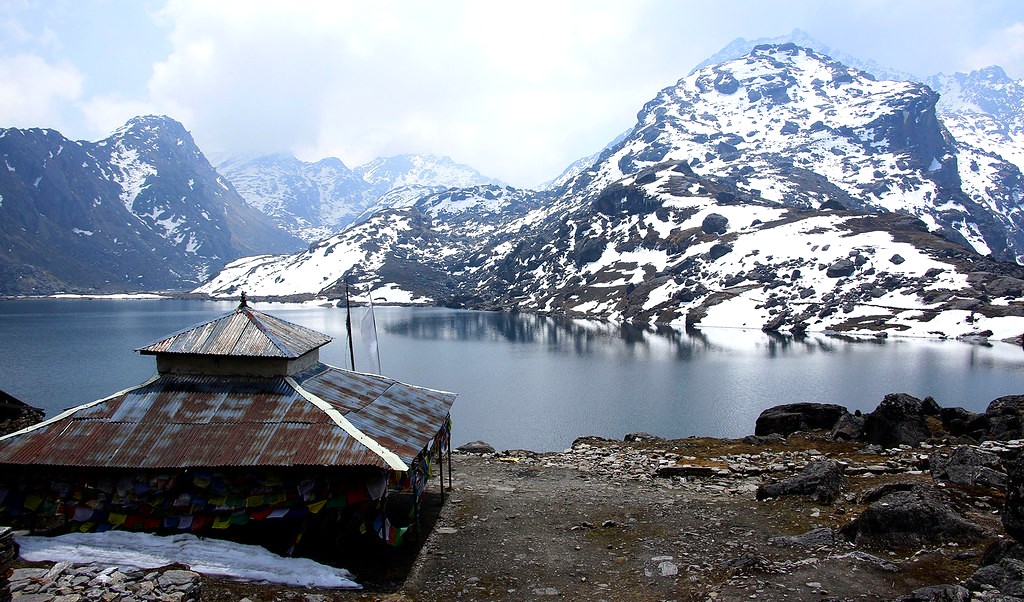
Trekking to Gosaikunda Lake is possible all year round. However, for the best scenery, pleasant weather and the opportunity to take a bath in the holy Gosaikunda Lake, it is best during spring and autumn.
In spring(March to May), the long sunlight hour, gradual increase in temperature creates perfect time for trekking. Also, the blossom of rhododendron in forest trails attracts the visitor by creating a beautiful landscape.
In autumn(Sep to Nov), the weather remains clear most of the time. The surrounding mountain peaks are visible due to good visibility and a clear sky. Gosaikunda Lake water remains cold and freezing most of the time, but in this season it is more comfortable for a holy dip compared to other seasons. For this reason, it is a favourite and popular season for travellers.
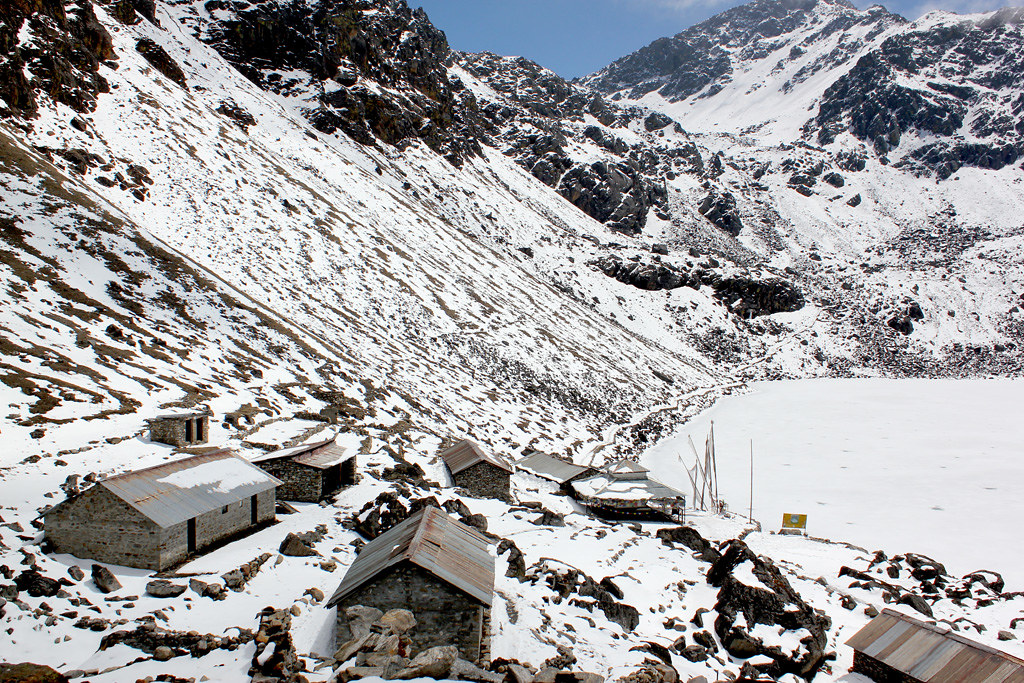
In winter (December to February), the lake remains frozen, and snowfall happens at high altitude. If you love snowy conditions, trekking in winter is possible, but packing warm clothes is essential. Taking holy baths in winter can be risky as it can cause hypothermia, frostbite, or other cold-related health problems.
In summer/monsoon(June to August), the constant rainfall disrupts the road conditions. Also, the trekking trail can be slippery and muddy. Another major trouble that can happen for the trekkers is leeches, which are active in this season. Dark cloud formation and poor visibility can obstruct the beautiful views.
Required Permits and Documents
Travellers heading for the Gosaikunda Trek must obtain a permit to enter the National Park legally. Permits will be checked at the checkpost, and you need to carry this permit throughout the trek. Here are the required permits:
- Langtang National Park Permit
- TIMS Card
Note: These permits will be applied for by us and provided to you before heading from Kathmandu. To process these permits, we will need a scanned passport and a PP-size photograph from you.
Altitude Sickness and Acclimatization Tips
On this 5-day Gosaikunda Trek you trekking journey starts from Dhunche, which stands at an altitude of approximately 2,030 meters (6,660 feet). From here, to reach the Gosaikunda Lake, which sits at 4,380 meters (14,370 feet), the risk of altitude sickness remains high. Therefore, trekkers need to be very careful about altitude sickness symptoms.
The early symptoms of altitude sickness are headache, dizziness, nausea, fatigue, loss of appetite, and difficulty sleeping. These mild symptoms can be cured by taking rest, taking warm soup and descending to a lower altitude. If we neglect it, then it can result in HACE and HAPE, which are the deadly forms of AMS.
To prevent altitude sickness, you can follow these preventive measures:
- Gradual ascent above 3,000 meters
- Take a quick rest if you are feeling tired and avoid rushing.
- Drink water at frequent intervals to remain hydrated.
- Avoid alcohol and heavy exercise
- If you have a history of altitude sickness, consult with a doctor and take altitude sickness medicine (e.g., Diamox).
- Get enough rest and sleep each night.
- Eat healthy food and try to avoid meals which are difficult to digest
- Inform your guide immediately if you experience any AMS symptoms
Transportation Used and Alternatives
To reach the starting point of the trek, which is Dhunche, High Route Adventure will arrange a local bus for you. This local bus departs from the Gongabu bus station early in the morning(6 AM - 8 AM).
You need to be here at the scheduled time as mentioned in the ticket we provide you. From Machha Pokhari bus station to Dhunche, the travel time is around 6 to 8 hours. The bus will stop in the middle of the drive for lunch and a short break. The return journey is similar through the same route.
Special note: Travellers can also use private transportation if they are in a group by paying extra fees. For this, you need to inform us during booking.
Accommodation During Trek: What to Expect
From Dhunche to Gosaikunda, there are a limited number of teahouses compared to other popular trekking routes like the Langtang and ABC treks. This teahouse offers the basic facilities of lodging and food.
- Dhunche: It is a small mountain town, but as it lies along the Pasang Lhamu Highway, there are several hotels and lodges available here. The rooms here are comparatively comfortable.
- Sing Gompa: Small teahouses offering basic twin-sharing rooms.
- Lauribinayak: Limited teahouses with simple rooms and shared bathrooms.
- Gosaikunda: There are around 4 to 5 basic teahouses on the shore of Gosaikunda Lake. Due to limited numbers, it will be difficult to find a room, especially in busy seasons.
Note: Single Private rooms are extremely difficult to find once you head above Dhunche. Single rooms are virtually non-existent in higher sections of the trail.
Meals During Trek: What to Expect
There is no separate restaurant on the trekking trail. You will eat in the teahouse where you stay. This teahouse is run by local people from the surrounding mountain village. Mostly the people here are from the Tamang and Sherpa communities. They prepare fresh food for you using local ingredients.
Let’s see what you can expect in the teahouse menu:
- Dal Bhat with vegetables and pickle
- Momo
- Noodles and noodle soup
- Fried rice
- Pasta
- Chapati and Tibetan bread
- Pancakes and eggs
- Porridge
- Potato and vegetable dishes
- Soup
- Tea, coffee, and hot drinks
Travel Insurance for Gosaikunda Trek: Why It Matters
Trekking in the traditional village, which takes you to a height of 4,380 meters (14,370 feet) and involves disconnecting from road transportation, involves certain risks. This might include altitude sickness, falls or injuries, sudden illness, and unpredictable natural events such as floods and landslides.
In such a case, if emergency evacuation is required and you don't have travel insurance, you might need to pay huge bills out of pocket. A good policy covers major things like helicopter evacuation, medical expenses, trip delay and other unforeseen travel-related emergencies. Having insurance protects you financially and provides relief in mind. Depending on the coverage and provider, insurance may cost around USD 100.
Safety Precautions for Taking a Holy Dip in Gosaikunda Lake
Gosaikunda Lake water is cold in all seasons, and during winter it freezes. There have been past incidents of casualties, so take extra precautions before entering the lake.
- Don't swim if you don't know how to swim. Take a quick dip and return immediately
- Even if you are an experienced swimmer, never try to swim far
- Never enter the water alone
- Step carefully during winter to avoid slip and falling.
- Don't stay in water for too long. Take a quick dip to reduce the risk of hypothermia from prolonged exposure.
- If you feel dizzy, weak, numb, or excessively cold, leave the water immediately.
- Listen to your guide and local authorities regarding current lake conditions and safety.