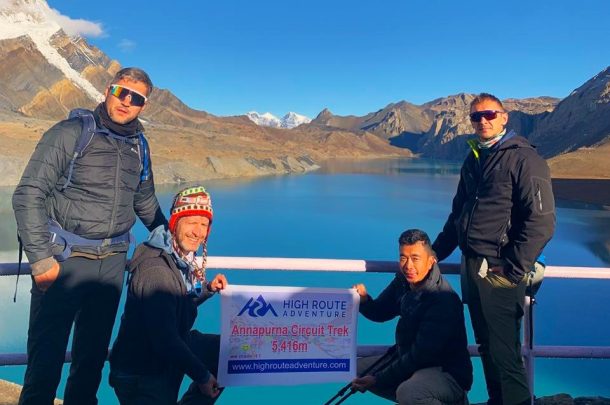
Gosaikunda was beautiful, but honestly the Langtang Valley in the days after the 2015 earthquake rebuild moved me the most — seeing the resilience of the local community was humbling. This trek is as much about people as it is about mountains.

Starting from
per person (in USD)
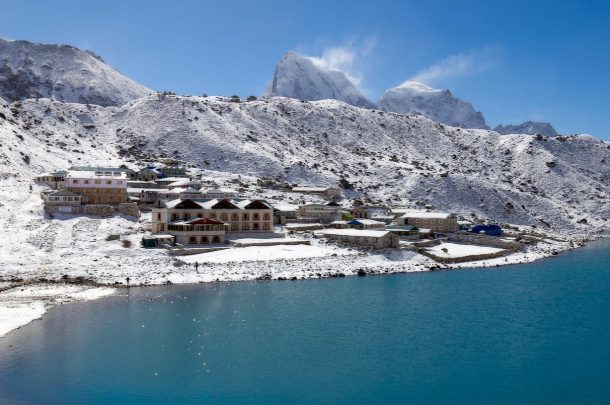
Enjoy the spectacular trek to divine Gosaikunda Lake located amidst scenic mountains inside the Langtang Region. Traverse through the pristine alpine forests and varied landscapes along the Nepal-Tibet Border and take a plunge into one of the holiest lakes in the world. Langtang Gosaikunda Helambu Trek is one of the closest trek destinations to Kathmandu.
Home of Langtang Lirung Peak (7227m), the cultural Helambu region, and the most elusive Red Panda, the trek explores the ancient Shamanistic culture of the region along with traversing the ancient trans-Himalayan trade route. Gosaikunda Lake is situated at 4360m and consists of numerous holy lakes that are frequented by thousands of pilgrims each year.

The Langtang Gosaikunda Helambu Trek extends from the historical Kathmandu City to the mountainous Langtang Region. Langtang Valley remains one of the top 5 trek destinations in Nepal, with more than 12,000 tourists visiting the region every year. An 8hr drive northwest will take you to Syabrubesi, from where you’ll begin trekking along the cultural Tamang villages en route to Langtang.
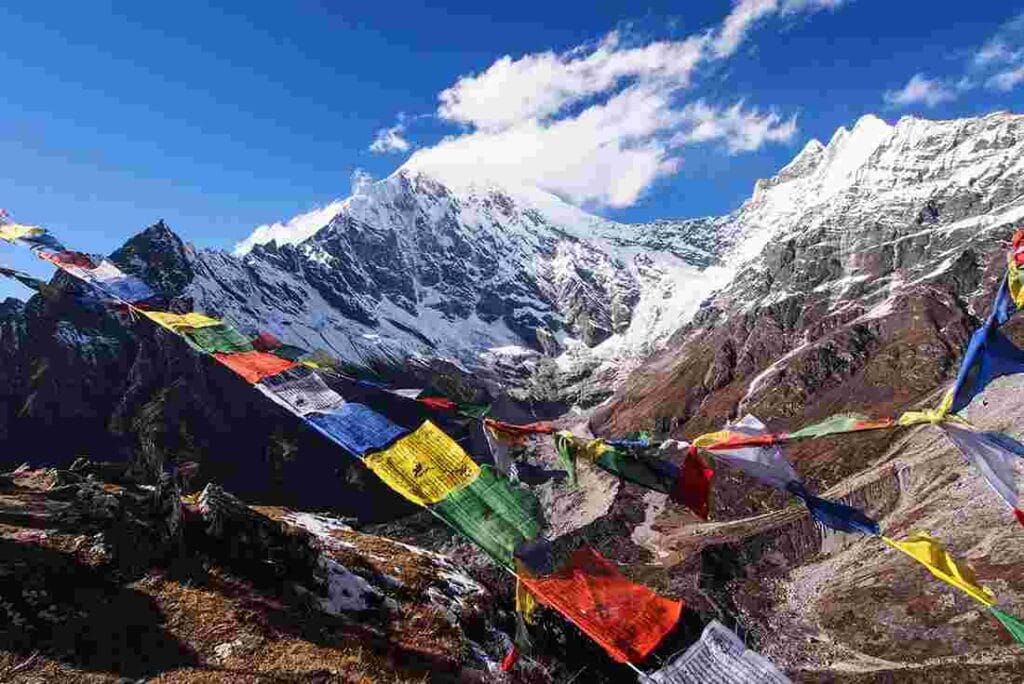
The trek rises along the Himalayan route towards Kyanjin Gompa. You’ll make a short hike to Tserko RI (4,985m) and enjoy the pristine sights of Langtang Lirung, Langshisha RI, and Shishapangma peaks before heading down to Lama Hotel. The trail converges into a detour that goes past Thulo Syabru village towards the historical Sing Gompa (Monastery).
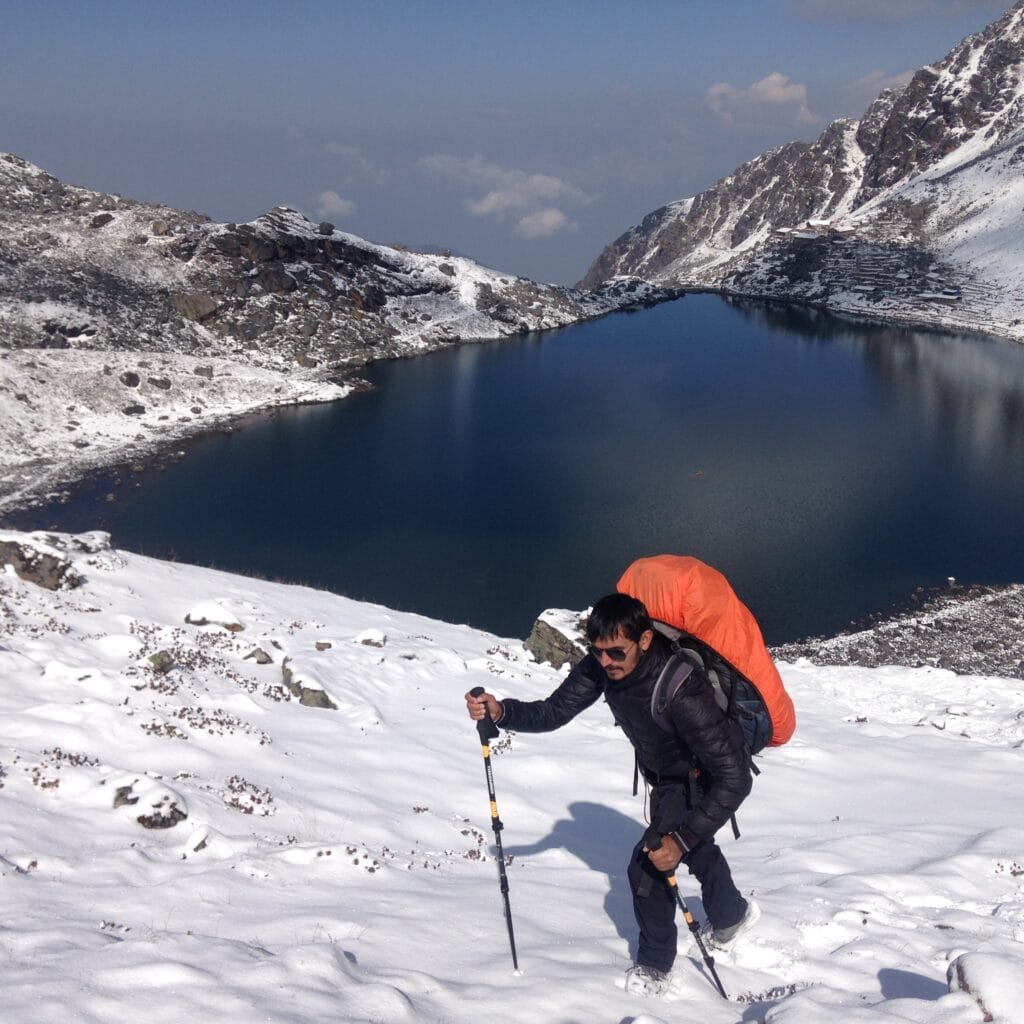
You’ll trek further up to make your way towards Gosaikunda Lake. Surrounded by mountains on all sides, the lakes remain frozen and inaccessible for 6 consecutive months. You will explore the holy site and the oligotrophic lake before heading towards Helambu.
You’ll trek through some of the most culturally preserved Tamang villages en route. You’ll walk past Ghopte, Thadepati Pass, Melamchi Gaon, Tarkeghyang, and Sermathang to reach Melamchi Bazaar. The trek concludes once you drive back to Kathmandu.
High Route Adventure specializes in tailored treks around Nepal. We conduct private, group, and family treks inside the Langtang region. Our all-inclusive trek packages cover transportation within Nepal, three meals a day, an experienced guide, porter, permits, and the finest logistics.
Another major attraction of the Langtang trek is the holy Gosaikunda Trek, situated at an altitude of 4,380 m. The Lake, located at the top of the hill, is surrounded by beautiful, lush hills and 108 smaller lakes. The wildflowers and the Lake, turning into an ice lake, and the snowfall in winter are among the most fascinating sights to see. This place is said to be home to the Hindu deities Shiva and Parvati, and thousands of pilgrims visit this holy destination during Janai Purnima.
It is one of the most affordable and best-value Himalayan adventures in Nepal. Our package price starts from USD 1,085. However, the actual price depends on the group size, as we offer group discounts.
| Group Size | Cost Per Person (USD) |
|---|---|
| 1 Person | $1,627 |
| 2–6 People | $1,197 |
| 7+ People | $1,085 |
Welcome to Kathmandu City! Once you arrive in Kathmandu, you'll be warmly welcomed by one of our representatives at the airport. He will escort you to your hotel located at the heart of the city, where you'll get to meet your trek guide and discuss the itinerary in detail. In the evening, you can choose to go out to shop for any needed gear or equipment.
After an early breakfast at the hotel, you'll embark on a scenic road journey to the northwest of Kathmandu. An 8-hour drive will take you to Syabrubesi town, located in the Rasuwa district of central Nepal. Spanning almost 122km, you'll traverse through colorful towns and villages, the massive Trishuli and Bhote Koshi Rivers en route to Syabrubesi. Once at Syabrubesi village, you can relax and prepare for the upcoming trek.
After early breakfast, you'll prepare for the first day of the trek. You'll commence the trek at Syabrubeshi and gradually advance along the forested trail and traditional villages en route to Lama Hotel. The trail advances north along the Bhote Koshi River and follows the upstream trail towards Langtang Khola. You'll walk past lush Bamboo forest and Rimche village to reach Lama Hotel.
Leaving Lama Hotel, you'll begin ascending uphill and make your way towards Langtang National Park. The first Himalayan national park of Nepal, Langtang National Park is home to rich wildlife and vegetation. Although rare, you may spot the endangered Red Panda amidst the lush forests. You'll trek further and head towards Langtang Valley via Ghoda Tabela village, which offers beautiful sights of Langtang Lirung, Tserko RI, and Shishapangma. You'll walk past Chyamki and Mundu villages to reach Langtang village located at the foothill of Langtang Lirung Peak.
Langtang village was heavily affected by the major earthquake of 2015; however, it has been rebuilt to its former glory by the locals. Today, you'll leave Langtang village and trek northward to the discreet Himalayan village of Kyanjin Gompa. After completing the 3-4hr trek, you'll be surrounded by a jaw-dropping panorama of some of the majestic peaks in the region. The Sherpa tribe mostly inhabits the area. Overnights stay at Kyanjin.
Leaving Kyanjin, you'll make a hike towards Tserko RI. Often referred to as Tserko RI, you may need to walk almost five hours from Kyanjin Gompa to reach Tserko RI. You'll follow the trail north and take a detour to the left. A steep climb for 10 minutes will bring you to the top of Tserko RI, from where you can enjoy the spectacular view of the surrounding mountains, including mountains located inside Tibet. Afterward, you'll head down to Kyanjin Gompa for the overnight stay.
Today, you'll retrace your path and make your way back to Langtang Village. You'll begin trekking along the snow moraines to reach Langtang Village. After a hot lunch, you'll make your way back to Lama Hotel via Mundu and Ghoda Tabela. Going down the trail, you will catch the magnificent sight of Langtang Lirung. You'll cross the lush Bamboo forest, pine, and oak trees en route to Lama Hotel.
Leaving Lama Hotel, you'll begin walking northeast towards Syabru village. It may take almost 5 hours to traverse the forest path and past Tamang villages to arrive at Thulo Syabru. You'll cross Bamboo village en route. At Bamboo, you can enjoy a hot meal before trekking towards Thulo Syabru. The trek is fairly easy and may include the beautiful sight of the Langtang Valley.
Leaving Thulo Syabru, you'll begin ascending uphill and make your way towards Sing Gompa(3250m). You'll walk past some of the traditional villages, namely Foprang Danda and Dursagang, en route. The villages will offer a unique insight into the life of locals. You can also catch magnificent views of Langtang Himal and Ganesh Himal on the way. The path gently rises before reaching the flats leading to Sing Gompa. At Sing Gompa, you can witness the ancient Bon-Po monastery along with visiting the local cheese factory.
After exploring the Sing Gompa, you'll begin making your way towards Gosaikunda Lake through the rugged terrain. You'll walk past grasslands and rocky terrain to reach the holy site that boasts dozens of oligotrophic lakes. Along with Gosaikunda Lake, you'll find Saraswatikunda, Bhairab Kunda, and many other smaller lakes. The site is visited by thousands of pilgrims every year. Once at the site, you can explore the surroundings and enjoy the magnificent view of the lake from the hilltop at a distance. The lake remains inaccessible during winter mainly because it remains frozen. You can avoid visiting the place in winter.
Leaving the holy site of Gosaikunda, you'll begin trekking towards Ghopte. It may last 6-8hr following a 300m ascent and 1,320m descent towards Ghopte. You'll walk along the rocky terrain and glacier moraines towards Lauribinayak La Pass. A gentle hike to the top will offer amazing scenery of Langtang Himal, Naya Kanga, Surya Peak, and the magnificent Dorje Lakpa (6966m). You'll walk downhill to reach Phedi village before heading towards Ghopte.
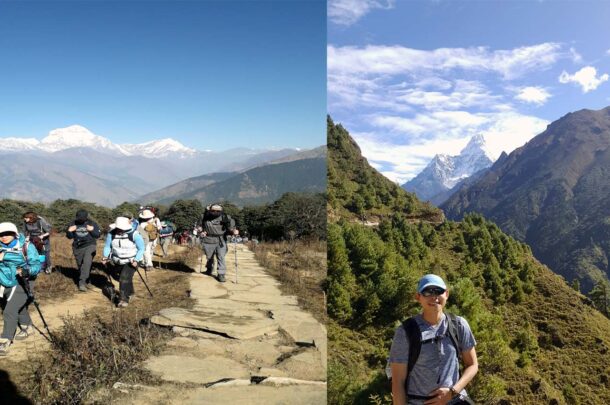
You'll be trekking through the rich Tamang Heritage Trail. Also known as the birthplace of indigenous Tamang inhabitants, you'll walk past many rich Tamang settlements before reaching Thadepati Pass. The trek may last only a few hours, and you will encounter numerous detours before reaching the quaint village of Thadepati. You'll walk past rich oak and rhododendron forests en route.
You'll follow the northern end of the village and head steeply down into a ravine. You'll walk past large firs, oaks, and rhododendron forests to arrive at the Chyandi Khola. After crossing the bridge, you'll continue ascending towards the traditionally rich Sherpa village of Melamchi Gaon. You can spend the day exploring Melamchi Gaon and witness the rich fields of barley, corn, and potatoes. You can also visit the nearby Tibetan Gompa that is decorated with prayer flags, brightly painted walls, and a statue of Guru Rimpoche.
Leaving Melamchi Gaon, you'll head towards Tarkeghyang village. The trail drops through the lush bamboo forests towards a bamboo teashop at 2,360 meters. The trail further drops towards the fields beside the Melamchi River. After crossing the suspension bridge, you'll begin climbing the trail towards Tarke Gyang, also the largest village in the Helambu region. In the evening, you can visit Tarke Gyang.
Leaving Tarke Gyang, you'll make your way towards the pretty Sherpa village of Ganyul-the inhabitants of the village practice Drukpa Kagyu Buddhism, also the national religion of Bhutan. The trail drops over a ridge and starts climbing through deep forests. You'll walk past a large Gompa at Chumik before heading down towards Sermathang village.
Leaving Sermathang, you'll follow the ridge down to Melamchi Bazaar. You'll make a descent of almost 1730 meters. You'll walk past traditional settlements of Niggle, Gyalsha, and Raithani Gyang and through lush pine forests to reach Kakani. From here, you'll begin entering the lowlands inhabited mostly by Brahmans and Chhetri. You'll hike towards Dubhachaur and continue along the trail to reach Melamchi Bazaar.
From Melamchi Pul, you'll catch a commute back to Kathmandu. You'll drive for almost five hours through the gravel and bumpy path to reach Lami Danda. From here, you'll follow a pitched road to Dhulikhel and Banepa to reach Kathmandu.
Bid farewell to Kathmandu as you depart for home. We will transfer you to Tribhuvan International Airport approximately two hours before your scheduled flight to allow plenty of time for check-in and to avoid possible traffic delays, which are common during office hours in Kathmandu.
Collaborate with our specialists to create a unique itinerary.
Choose from our scheduled group trips below, or contact us to plan a private or family adventure tailored to your schedule.
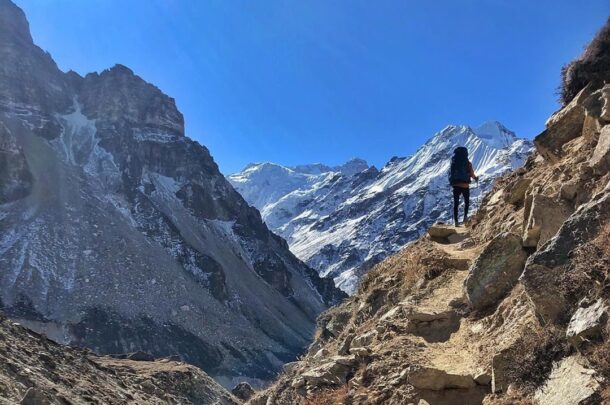
The Langtang Gosaikunda Helambu Trek is graded moderate to moderately challenging. Trekkers need to walk for 5–7 hours a day (up to 9–10 hours on some days) over varied terrain, with a maximum altitude of 4,985m at Tserko Ri. Although no previous trekking experience is required, this trek demands a reasonable level of fitness. The main challenges trekkers need to face are long trekking days, steep ascents and descents, and the effects of altitude above 3,000m. The trekking trail is remote but isn't technical. With good stamina and proper preparation in advance, first-time and beginner trekkers can also participate in this trek.
Preparation Tips:
The Langtang Gosaikunda Helambu trek is one of Nepal's most beautiful and diverse trekking routes. This trail offers stunning views of snow-capped mountains, pristine lakes, lush forests, and unique cultural experiences with the local Tamang and Sherpa communities.
The ideal seasons to trek Langtang, Gosaikunda, and Helambu are spring (March to May) and autumn (September to November), which offer the best weather conditions, clear skies, and comfortable temperatures for trekking.
Spring (March to May):
Spring is a popular time to visit because the rhododendron forests along the trail bloom with vibrant red and pink flowers, making the scenery even more breathtaking. The weather is mild, and the days are longer, perfect for exploring.
Autumn (September to November):
Autumn is the most preferred trekking season in Nepal. After the monsoon rains, the air is fresh and clean with clear mountain views. The temperatures are moderate, and the skies are mostly cloud-free, offering spectacular panoramas of the Langtang range and surrounding peaks.
Avoiding the Monsoon and Winter:
It's best to avoid trekking during the monsoon months(June to August) due to heavy rainfall, slippery trails, and potential landslides. The region becomes less accessible and less safe for trekkers during this time. Winter(December to February) brings cold temperatures and snowfall at higher elevations, which can make trekking challenging. However, if you enjoy snowy landscapes and fewer crowds, winter trekking is possible with proper gear and preparation.
To join this trek, all trekkers need two permits: a Langtang National Park entry permit and a TIMS (Trekkers' Information Management System) card. Both are mandatory for anyone trekking in the Langtang region. To obtain these permits, simply send us a scanned copy of your passport and a passport-sized photo. We'll apply for the permits on your behalf and provide them to you before your trek begins in Kathmandu.
Trek to Langtang valley and Gosaikunda Helambu, you will spend 3 nights in Kathmandu at a 4-star hotel- Hotel Shankar or similar and 15 nights best available teahouse during the trek. Accommodation in Kathmandu and along the trekking route is included in the package price.
Trekking in the Langtang region in a "lodge" also known as teahouse from the early days, which is a typical local inn with minimum western facilities due to harsh terrain, high elevation, and extreme cold conditions. The room has thin walls and is not insulated. Most rooms have two beds with tables in between. The teahouse provides mattresses, pillows, and blankets. You will be staying at the simplest available teahouses while trekking.
These teahouses are typically run by local families and mountain communities. Your room will have an attached bathroom and a hot shower at Syabrubesi. At higher altitudes, only basic facilities are going to be available at the lodge- Wi-Fi service, clean air-conditioned rooms, shared clean bathrooms (western-style toilet), a restaurant, an eating place, and a bar. You will need to pay extra for using Wi-Fi, and electronic devices. You can carry toilet paper rolls. Most teahouses do not have toilet paper in the bathroom.
We arrange the accommodation on a twin-sharing basis. If traveling solo, you will get to share a room with a traveler of the same gender. If you'd like a single room, it's available on request for an added cost. It's possible to get a single room in Kathmandu and at lower altitudes on the trek. At higher altitudes, there are a few lodges that accommodate many trekkers and a single room is not available during the peak season.
Nepal is not just famous for its mountains and cultural sites; the country also boasts varieties of delicious cuisines.
One of the most popular meals in Nepal is Dal Bhat, Tarkari (vegetables), and chutney (pickled curry). Another famous dish that you can try out is Momo (meat-filled dumplings). In the cities, you can also choose from a wide range of cuisines.
While trekking, there are ample teahouses along the way where you can savor the local delicacies. The teahouses have a local and western food menu which includes a Khana set (Dal Bhat), porridge, soup, instant noodles, oatmeal, bread, eggs, and many more options.
The Langtang Gosaikunda Helambu Trek reaches a maximum altitude of 3,690m (with an optional side trip to Tserko Ri at 4,985m). While trekking above an altitude of 3,000 meters the risk of altitude sickness rises due to the thinning air. To reduce the risk, you need to follow our standard itinerary and follow proper acclimatization tips. We recommend staying well-hydrated, walking at a steady pace, and avoiding alcohol at higher elevations. Our experienced guides are trained to recognize the early signs of AMS and will monitor the group throughout the trek. If symptoms worsen, the safest course of action is to descend immediately and seek emergency evacuation, including helicopter rescue, if needed. We strongly recommend purchasing the travel insurance for this trek. While purchasing the insurance make sure it covers:
Note: If you need any assistance for purchasing the insurance then contact our tour operator directly.
Your trekking journey starts from Syabrubesi village, which is roughly 122 km from Kathmandu. To get there, you'll travel by bus from Gongabu Bus Station, and we'll arrange the bus ticket for you. Our guide will pick you up from your hotel and escort you to the bus station.
If you'd like a more convenient option, private jeep transport is also available. This comes at an additional cost - please contact us during booking for pricing. Related: Kathmandu to Syabrubesi Transportation Guide
Here is the comprehensive Packing & Gear Checklist.
Starting from
per person (in USD)
Real experiences shared by trekkers and travelers who joined our trips.
Gosaikunda was beautiful, but honestly the Langtang Valley in the days after the 2015 earthquake rebuild moved me the most — seeing the resilience of the local community was humbling. This trek is as much about people as it is about mountains.
Booking was smooth from the start — quick responses on WhatsApp, clear information about permits and costs, no hidden surprises. The guide was incredibly knowledgeable about local Tamang culture and Buddhist traditions along the trail. Would book with High Route Adventure again
As a moderately fit first-time trekker, I was a bit nervous about the altitude, but the itinerary paced things really well with proper acclimatization days. The teahouses were basic but comfortable, and the food was surprisingly good even at high altitude.
What I loved most was how the trek combined everything — mountains, culture, and spirituality. The Helambu section, walking through Tamang and Sherpa villages, felt completely different from the alpine part around Langtang. Three treks in one, really.
I did this trek solo and never once felt unsafe or unsupported. The porter and guide were professional, friendly, and clearly experienced with the route. Tserko Ri at sunrise was the highlight — the view of the Himalayas from up there is indescribable.
This trek exceeded every expectation. Gosaikunda Lake alone was worth the climb — standing at 4,380m looking down at that frozen, otherworldly lake was something I’ll never forget. Our guide knew every village, every shortcut, and made sure we acclimatized properly. Highly recommend High Route Adventure for anyone considering Langtang.