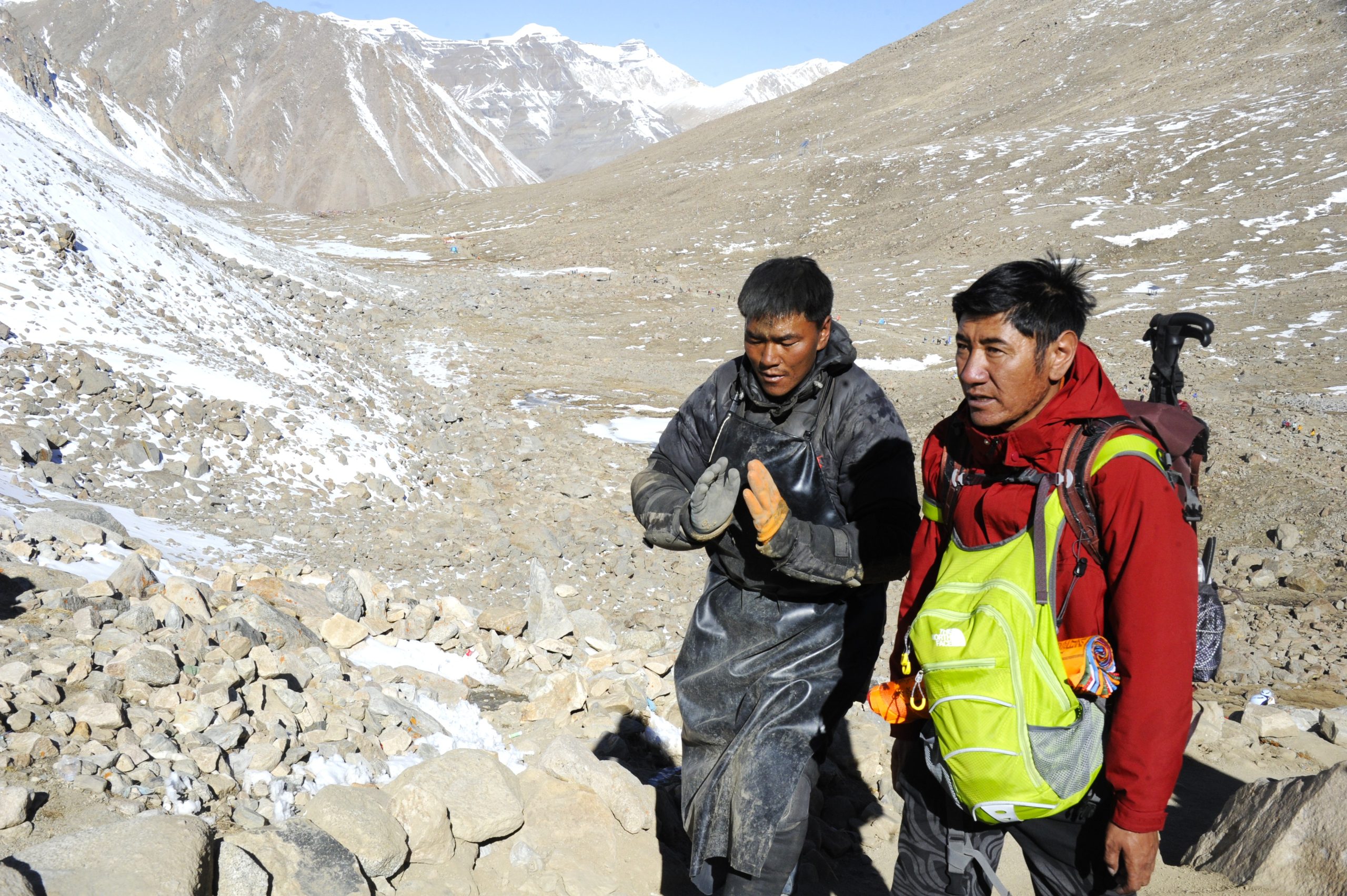
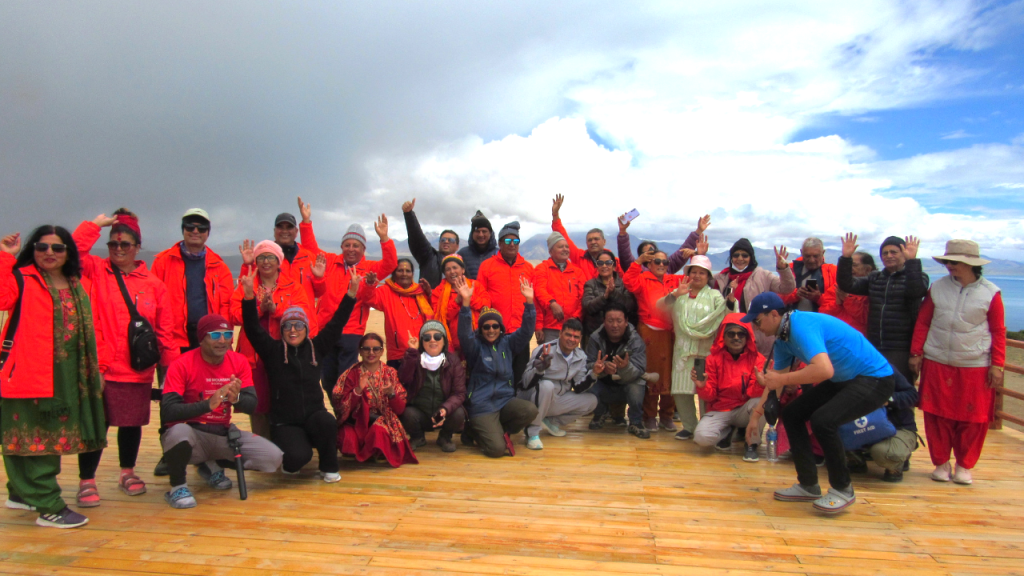
Mr Prakash arranged the horse for my mother as she could not walk much. My whole family loved travelling with Highroute Adventure for the Kailash tour.

Starting from
per person (in USD)
The severe flood in Rasuwa on August 26, 2026 has temporarily disrupted the overland route to Kailash Mansarovar. At present, overland travel through Rasuwagadhi and Kyirong is suspended until further notice.
For pilgrims planning to travel in 2027, we are also offering the Kailash Yatra via Lhasa by flight as an alternative route. If the overland route remains unavailable, the 16-day Yatra package will be operated or adjusted according to the Lhasa route and the latest Tibet travel regulations.
Please note: The itinerary and route details shown below describe the planned package and may be revised according to border conditions, permits, transportation availability, and official travel requirements. The final route and itinerary will be confirmed before departure.
Experience a divine journey of a lifetime with our exclusive Kailash Mansarovar Yatra Tour Package from Nepal. This all-inclusive 16-day spiritual tour in Tibet takes you close to Mt. Kailash and the holy Mansarovar Lake.
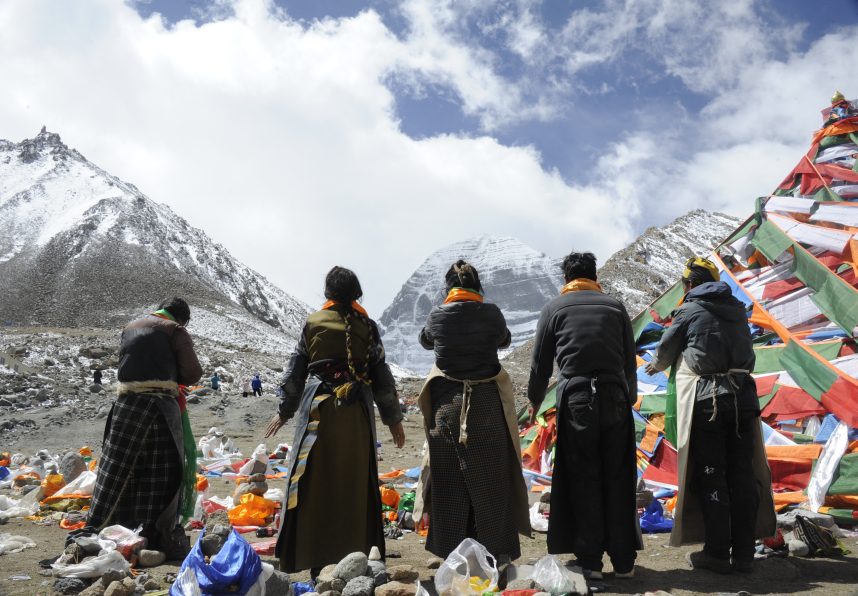
According to ancient belief, performing the kora around sacred Mt. Kailash brings moksha, spiritual purification, and awakening. On this journey, our participants will perform 52 – kilometer Kailash circumambulation for 3 days.
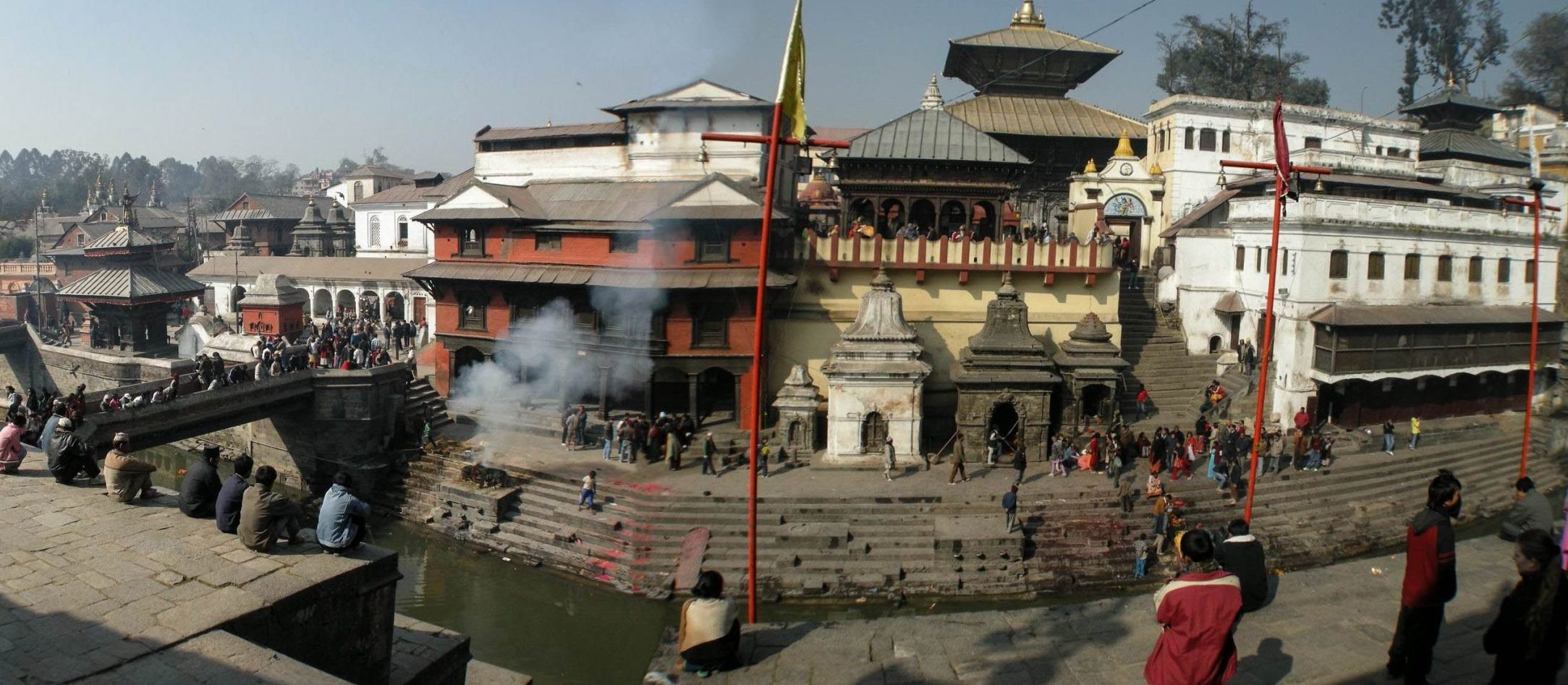
The journey begins right here in Kathmandu, with a sightseeing tour that includes the revered Pashupatinath Temple and Budhanilkantha Temple. Pilgrims believe that offering prayers at these sites provides strength and guidance for the sacred road ahead.
From Kathmandu, we drive toward Timure, the gateway to Tibet, passing through Syabrubesi along the way – also the starting point for the popular Langtang Valley trek. At Timure, after completing immigration formalities, you’ll cross the border into Tibet, where the real adventure begins.
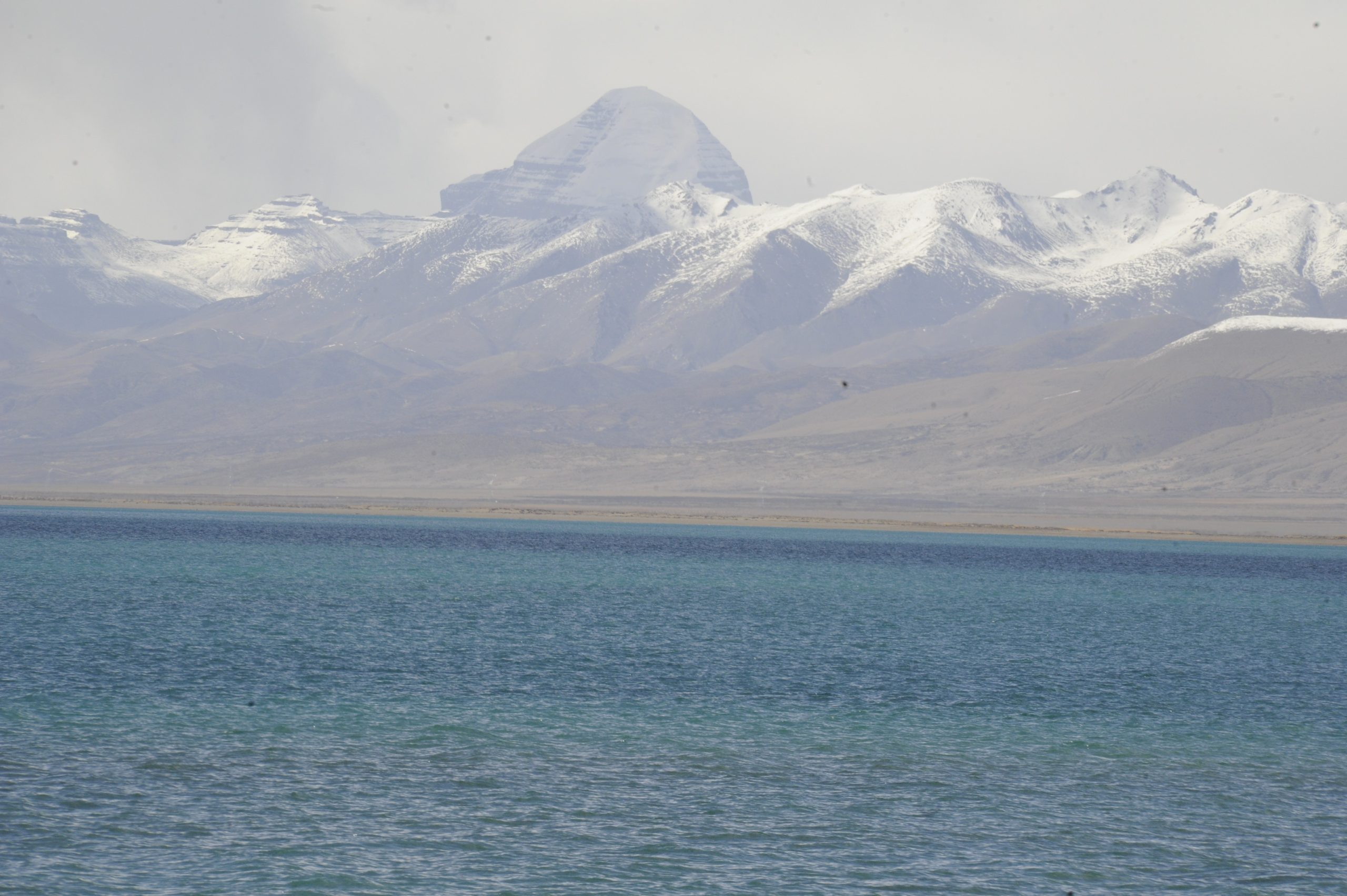
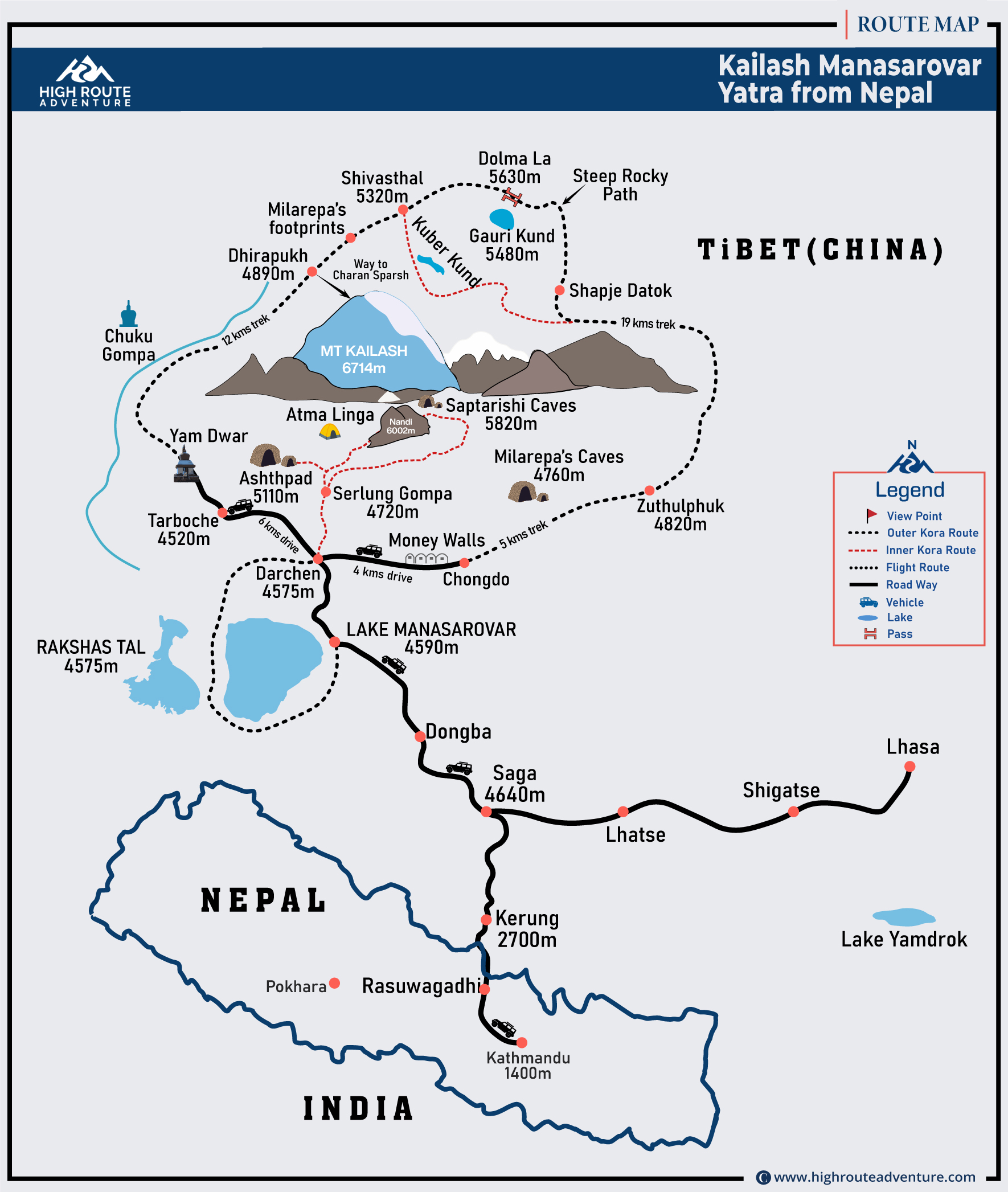
Once across the border, a Tibetan guide and driver take over, leading you through Kerung and Saga toward the shores of Lake Mansarovar. According to tradition, Lord Brahma himself created this holy lake as a symbol of purity and divine creation, making it one of the most sacred stops on the entire pilgrimage.
After circling Lake Mansarovar by vehicle, we continue to Darchen. This is the starting point for the Kailash Parikrama. Here, pilgrims face the journey’s greatest physical test. They cross the challenging Dolma La Pass at 5,630 meters. Then we safely drive back to Kathmandu to conclude our trip.
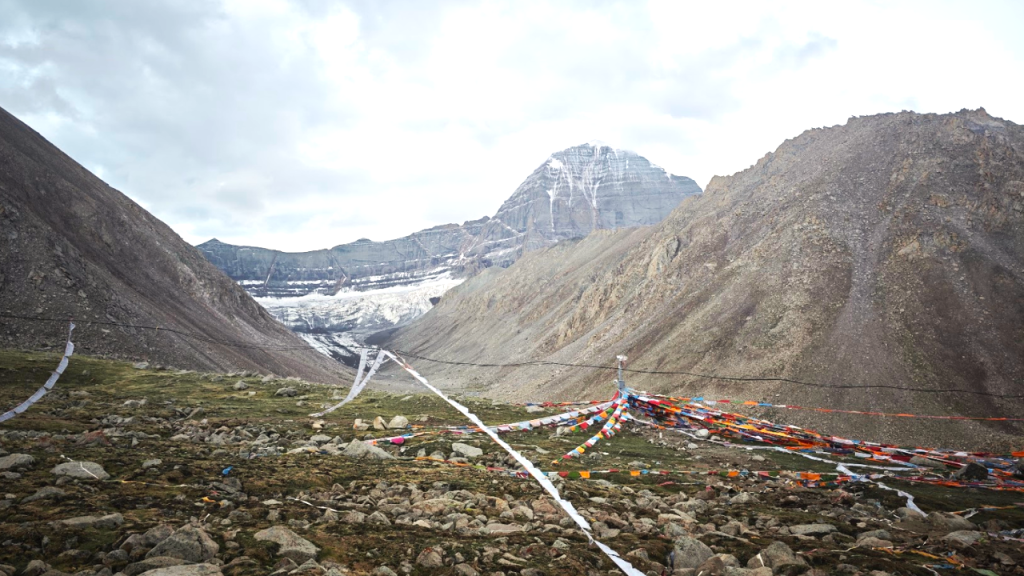
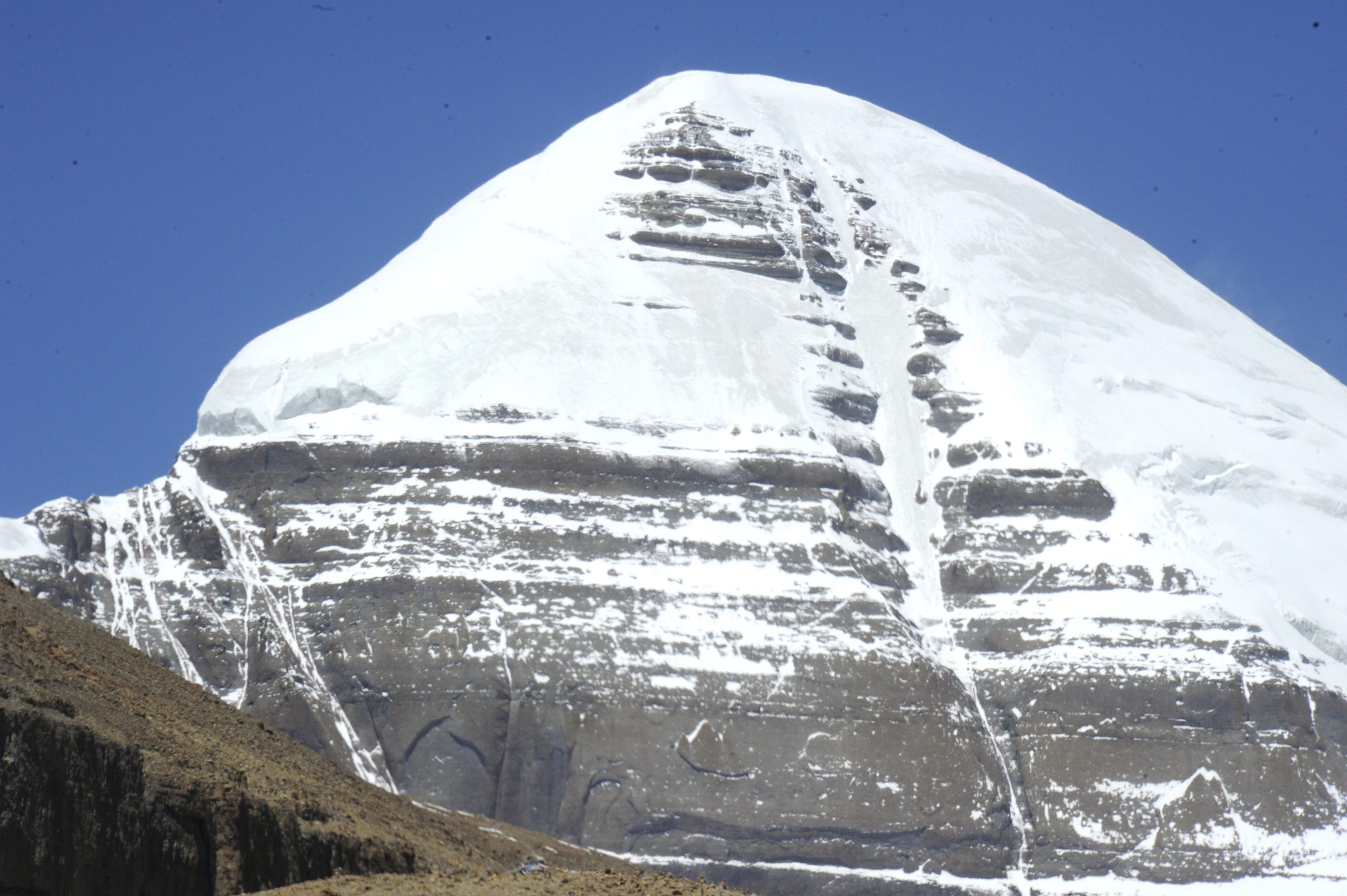
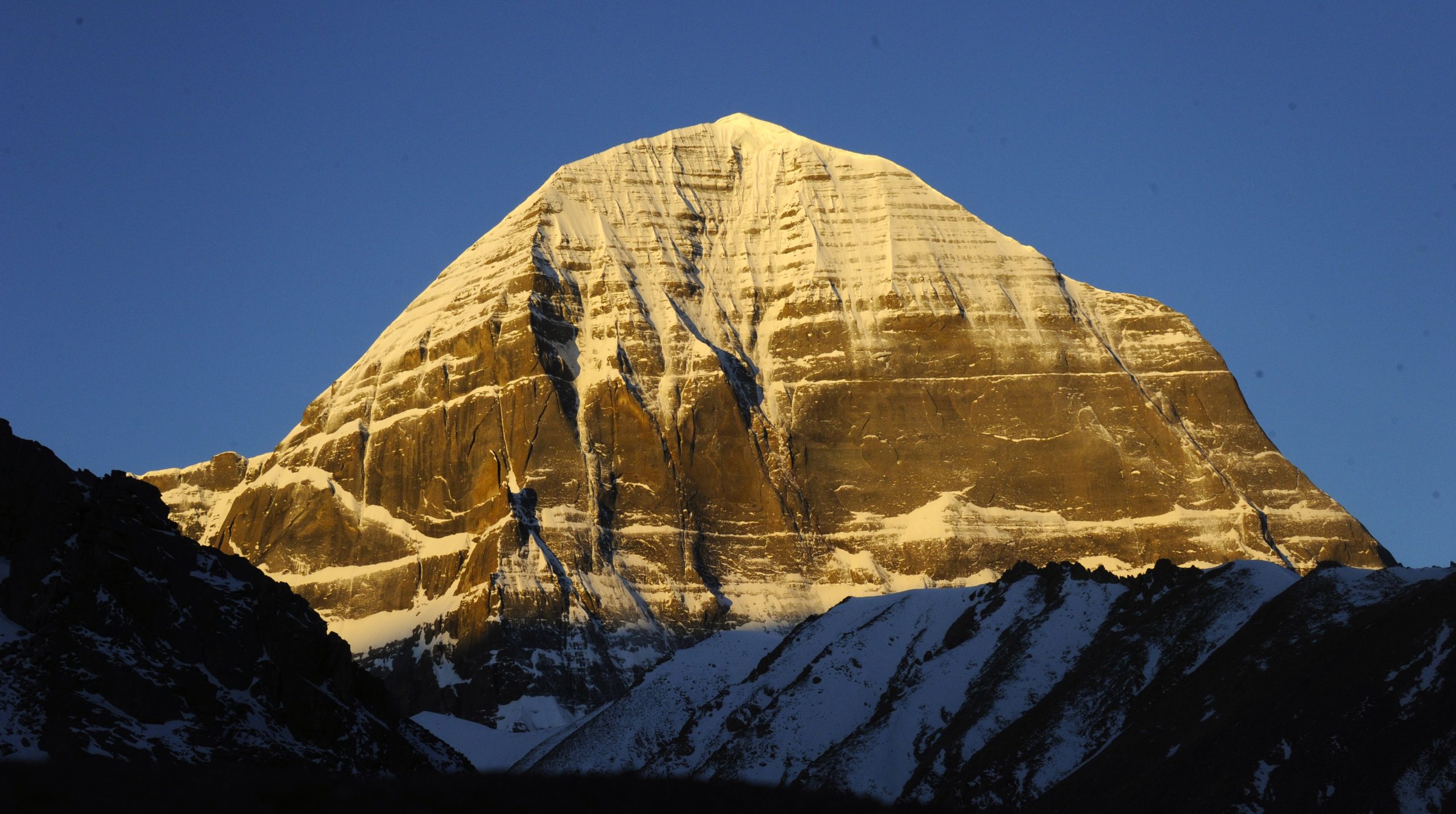
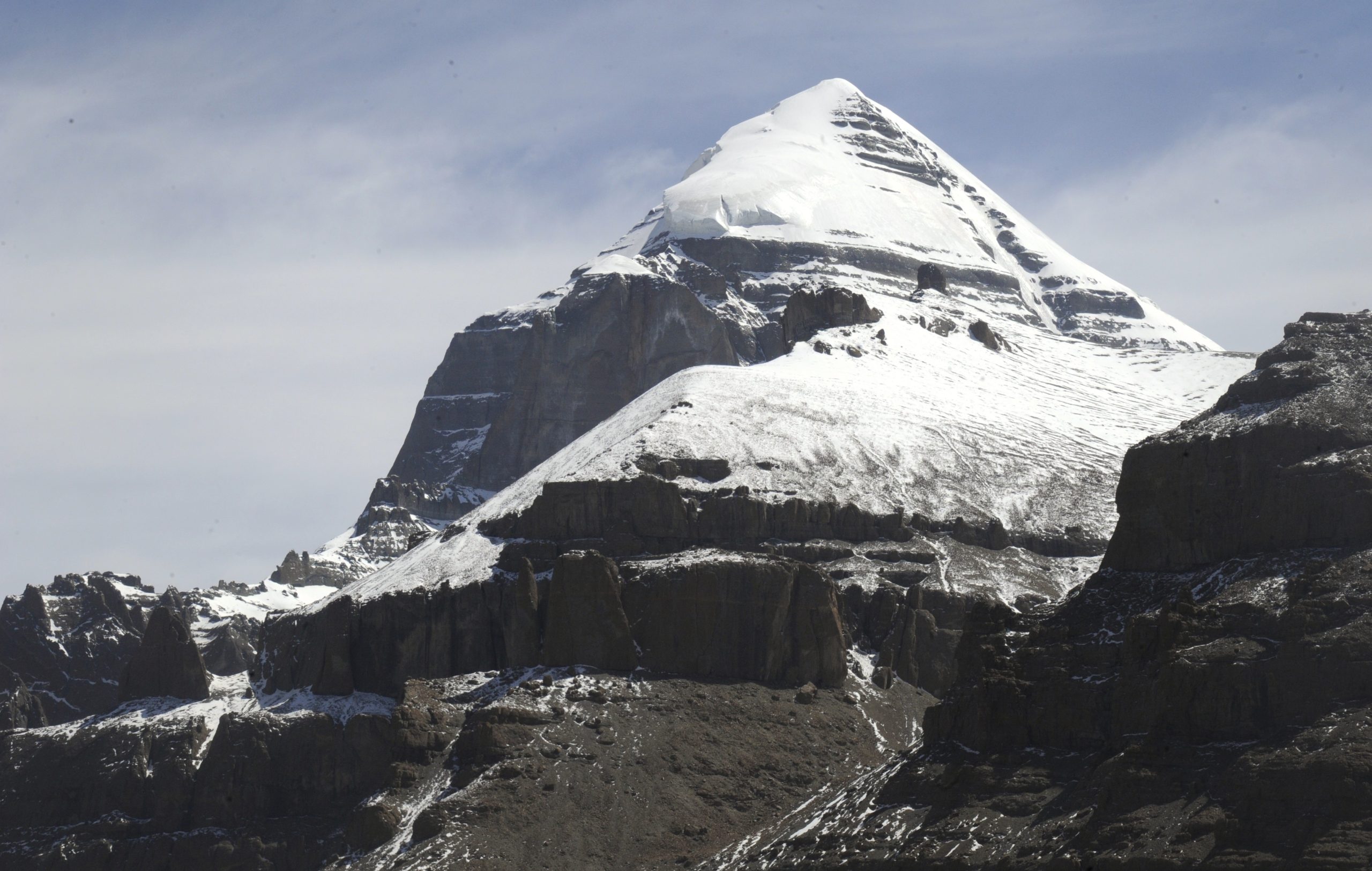
Mount Kailash is also known as Kang Rimpoche in Tibetan and Kailash Parvat in Sanskrit. The altitude of this holy mountain is 6,638 meters (21,778 feet) above sea level. Buddhism, Jainism, Bon, and Hinduism consider this peak a holy destination, and each has its own religious beliefs.
Buddhists consider it the home of Demchog, a tantric deity representing enlightenment, while Hindus see it as the residence of Lord Shiva and his wife, Parvati. According to Jain tradition, Mount Kailash is the sacred place where Rishabhadeva, the first Tirthankara, attained liberation (moksha). The Tibetan Bon religion regards Kailash as the world’s spiritual centre. Many pilgrims also believe that the Lord Shiva face on Kailash can be seen in the natural formation of the mountain’s snow-covered southern face.
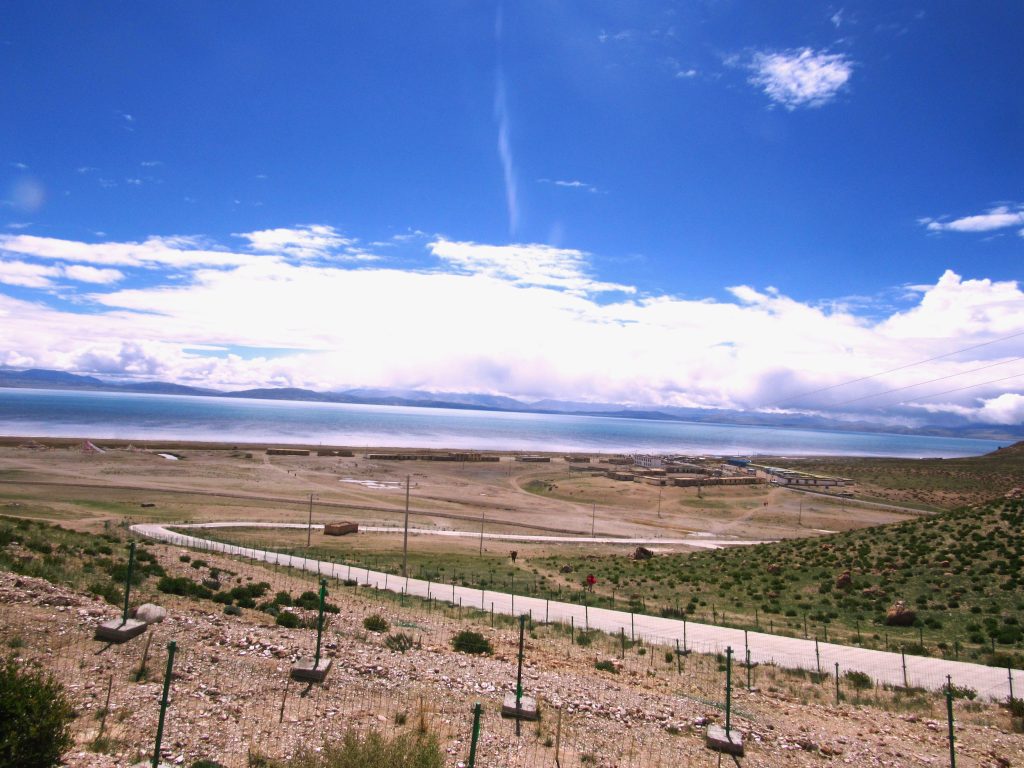
One of the main attractions of the Kailash Mansarovar Yatra is Lake Mansarovar and its beauty. This holy Lake is situated at the foot of Mount Kailash, and in Sanskrit it is called the “Lake of Consciousness and Victory”. Hindu and Tibetan Buddhism believe that taking a Dip in this holy Lake can purify the soul and wash away sins. Lake Mansarovar is also believed to have originated in the imagination of the creator of Hindu mythology, Brahma.
The most characteristic feature of the Kailash Mansarovar Yatra is the Parikrama, also called the Kailash Kora. Pilgrims pass through stunning scenery, such as the scenic Zuthulu-Puk cave monastery, the high Dolma-La Pass (5,630 meters), and the dramatic Dira-Puk monastery.
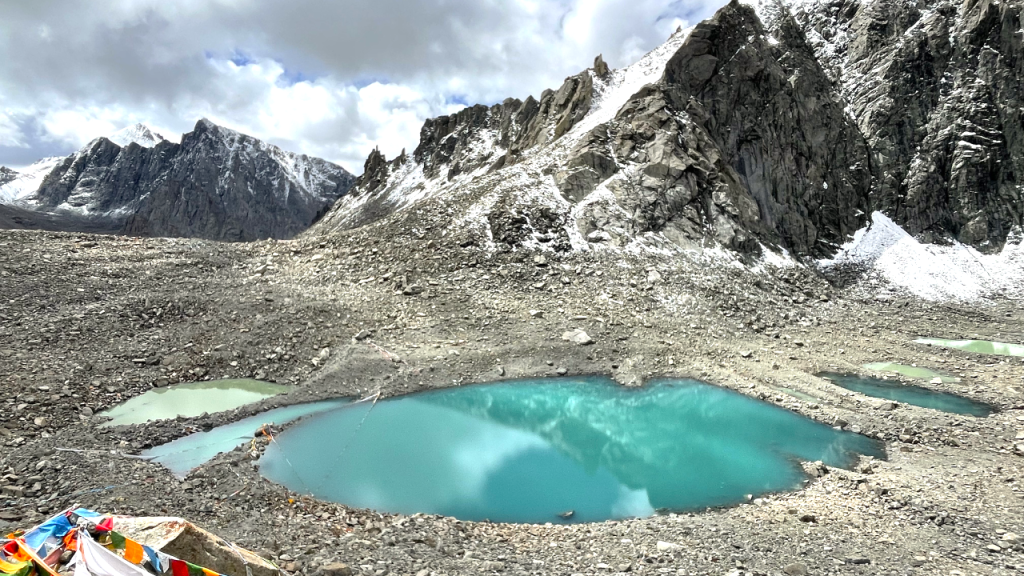
Gaurikund is a high-altitude lake in Tibet located on the Kailash Parikrama (Kora) route. According to Hindu belief, the goddess Parvati bathed in this pond and created Lord Ganesha. Rocky cliffs and snowfields surround Gauri Kund, and to reach here, you need a strenuous descent from Dolma La Pass.
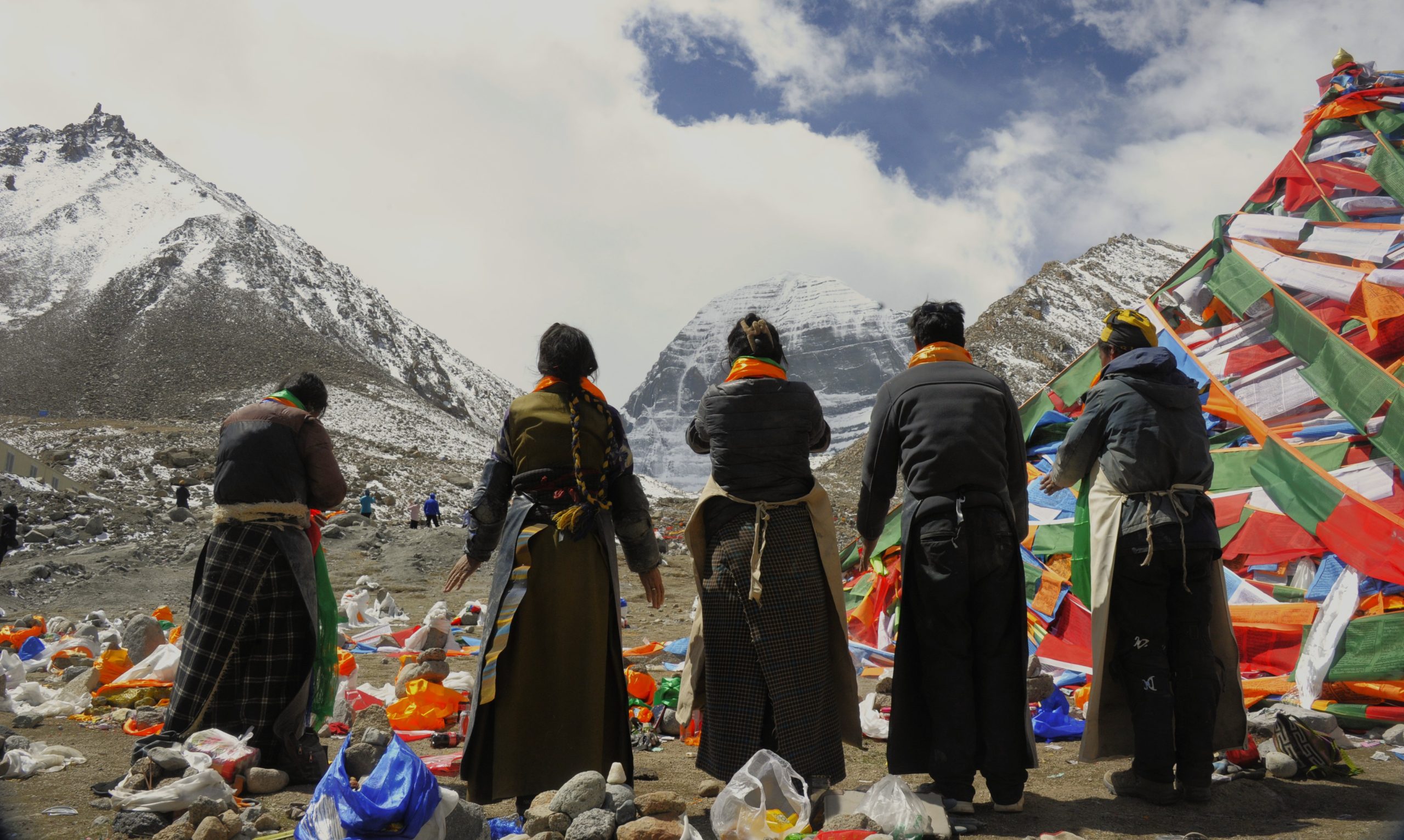
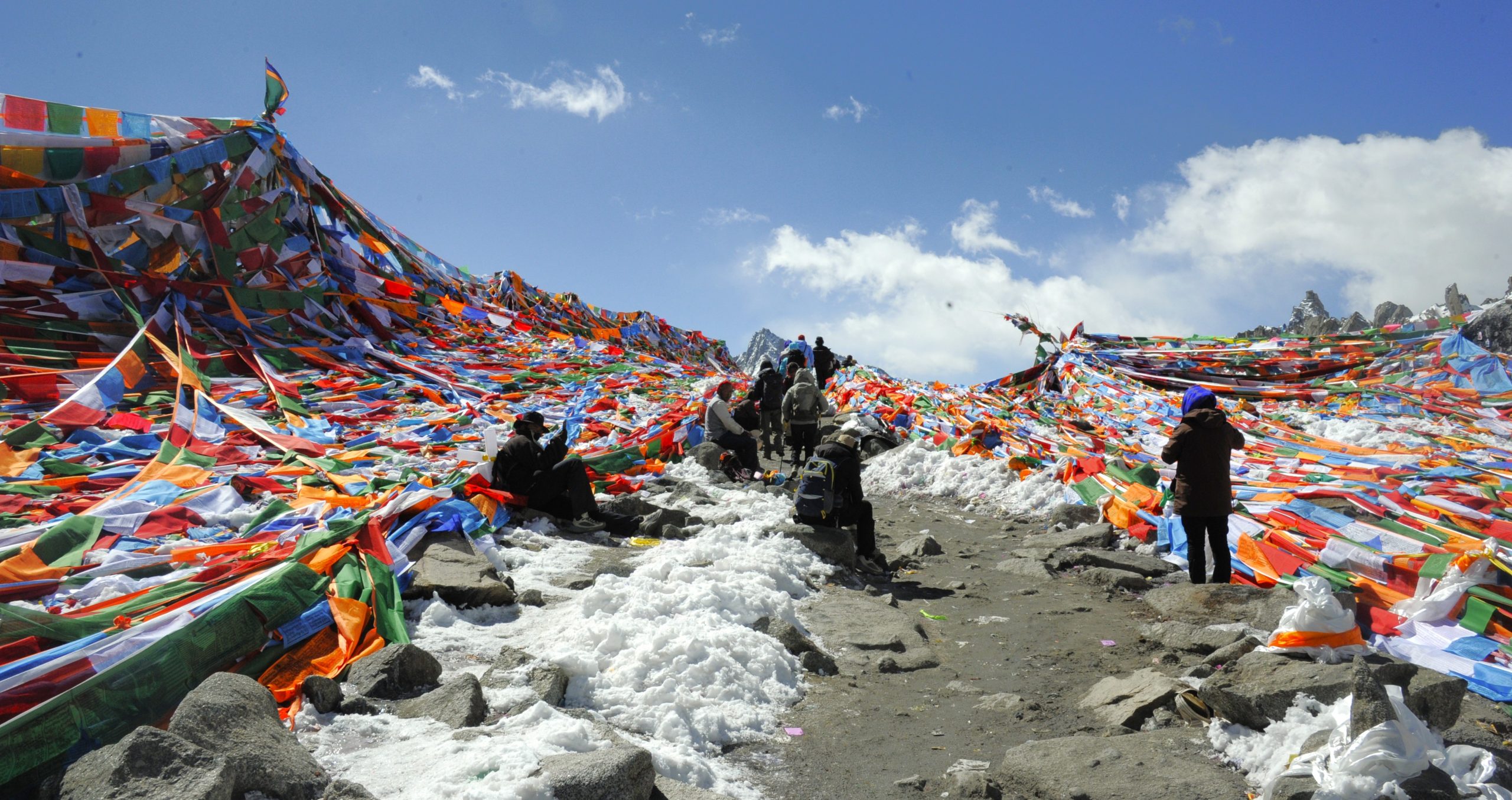
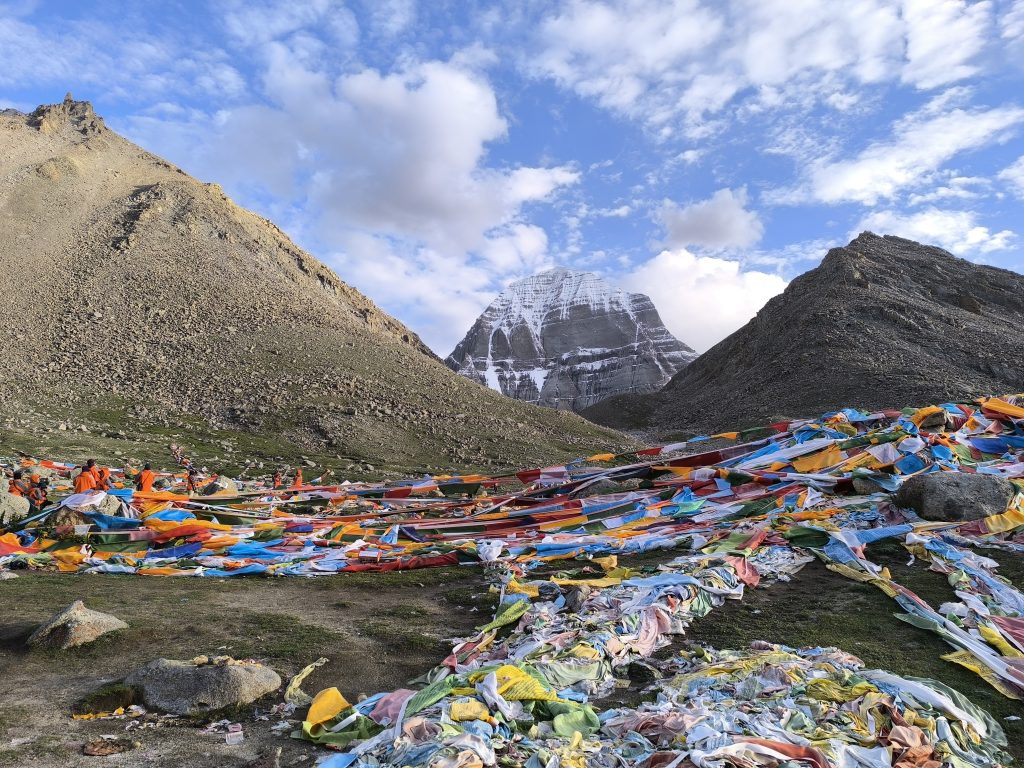
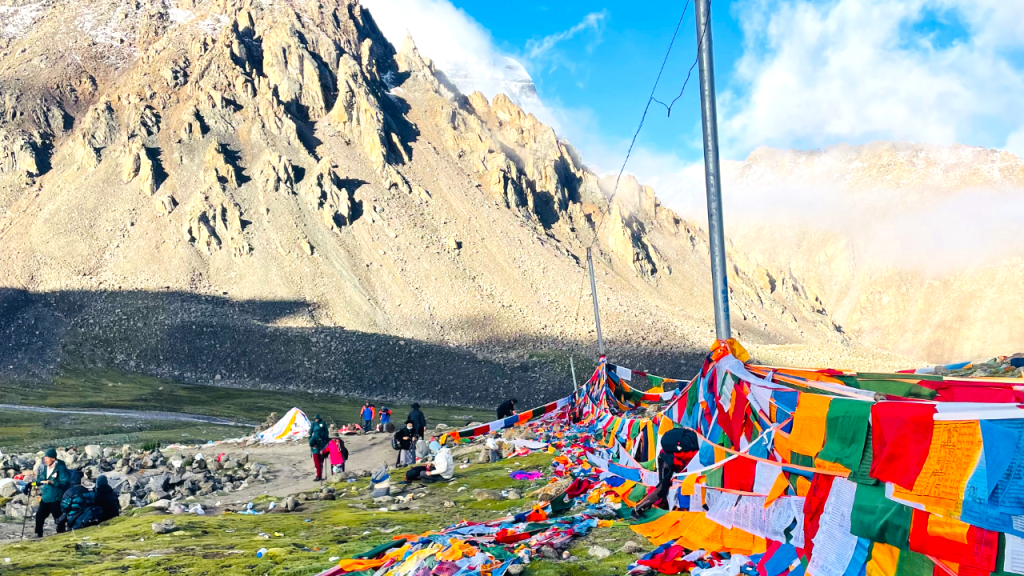
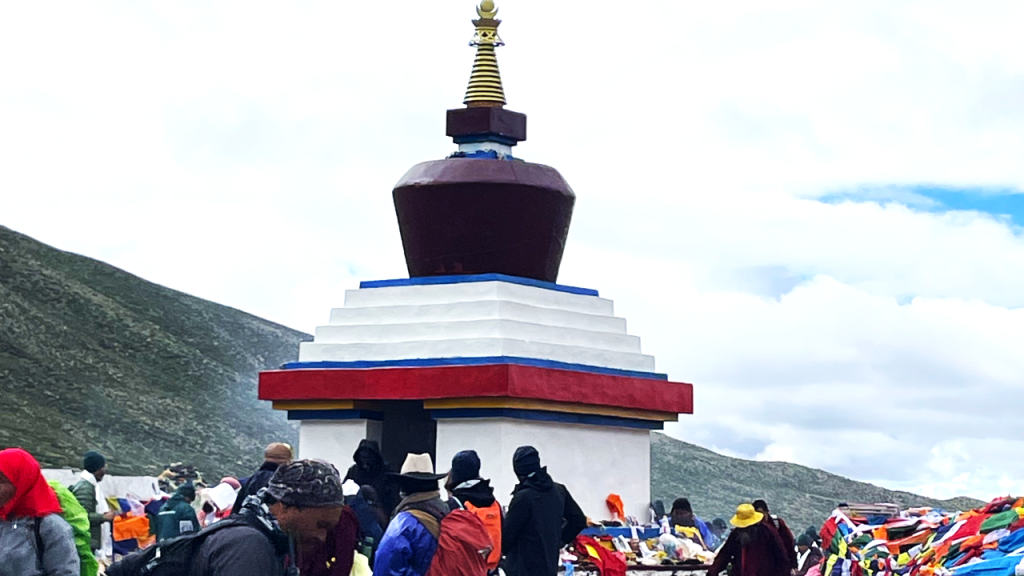
Dolma La Pass is the highest point of the Kailash Tour, located at an altitude of 5,630 meters. During the Kora, you will cross this sacred mountain pass. The pass is named after Dolma (Tibetan for Goddess Tara). While crossing this sacred site, according to Tibetan belief, leaving clothes, hair, or prayer flags will help release bad karma.
During this Kailash tour, you will explore the rich culture and tradition of both Nepal and Tibet. In Kathmandu, you will visit temples and sacred sites listed as UNESCO World Heritage Sites. In Tibet, you will witness the unique culture, traditions, lifestyle, and customs of the Tibetan people.
The Saga Dawa Festival is one of the most sacred and vibrant celebrations in Tibet. Every year, Tibetan people celebrate this festival to honor the birth, enlightenment, and death of Buddha.
| Arrival Date In Nepal | Departure Date To Tibet | Note |
| June 10, 2027 | June 14, 2027 | June 18, 2027 coincides with Saga Dawa Full Moon / main event at Lake Mansarovar / start of Parikrama. |
Note: For those who wish to travel on the Full Moon and during the Kailash Saga Dawa Festival, we have fixed the departure date for you. Contact us for more information.
Here is our fixed departure date for 2027. You can choose any of these dates based on your schedule.
| Arrival Date in Nepal | Departure Date to Tibet | Final departure Date from Nepal | Note |
| 15 April | 18 April | 28 April | Registration Open |
| 01 May | 04 May | 14 May | Registration Open |
| 14 May | 17 May | 27 May | Registration Open |
| 19 May | 22 May | 01 June | Registration Open |
| 02 June | 05 June | 15 June | Registration Open |
| 13 June | 16 June | 26 June | Registration Open |
| 23 June | 26 June | 06 June | Registration Open |
| 12 July | 15 July | 25 July | Registration Open |
| 21July | 24 July | 03 July | Registration Open |
| 11 August | 14 August | 24 August | Registration Open |
| 19 August | 22 August | 01 September | Registration Open |
| 01 September | 04 September | 14 September | Registration Open |
| 10 September | 13 September | 23 September | Registration Open |
| 22 September | 25 September | 05 October | Registration Open |
| 09 October | 12 October | 23 October | Registration Open |
Our 16 Days Kailash Tour Package price starts from USD 2,280 USD per person. However, the actual price depends on the nationality, group size, and add-ons.
| Group Size | Price in USD |
| Group of 5–10 | $ 2,480 per person |
| Group of 11–16 | $ 2,380 per person |
| Group of 16+ | $ 2,280 per person |


Traveler's Note: If you need any trekking gear — poles, thermals, warm layers — Thamel's gear shops offer good-quality rentals from around $1–3 per day, and many items can be bought at competitive prices. Our team is available today for any questions or pre-departure briefing needs.


Hotel Breakfast + Departure
Traveler's Note: High Route Adventure will arrange your airport transfer based on your flight time. Please ensure your bags are packed the night before and inform our team of your departure time in advance. We recommend arriving at the airport at least 3 hours before your international flight. It has been an honour to guide you on this sacred journey - we hope to welcome you back to the Himalayas again soon.
Collaborate with our specialists to create a unique itinerary.
Choose from our scheduled group trips below, or contact us to plan a private or family adventure tailored to your schedule.
➡️Seasoned Spiritual Guides: High Route Adventure will provide you with a local Tibetan Guide who has more than 6-7 years of tour experience. We handle food, accommodation, logistics, cultural insight, and offer emergency support throughout your journey.
➡️100% Guaranteed Trip Departures: Every fixed departure that we provide on our website is guaranteed to run. There will be no last-minute cancellations. We have already done more than 300+ successful yatras in Tibet.
➡️Clarity in Group Organization: We ensure every traveler clearly knows the group members and meeting points, so there’s no confusion during this meaningful journey.
➡️Personalized Cultural Briefing: Before you depart for the Tour, you will get a detailed briefing about the route, cultural and safety protocols, acclimatization tips, and packing essentials.
➡️24/7 Multilingual Support: Our dedicated team is available via WhatsApp, email, and phone 24 hours before, during, and after your trip.
➡️Included Essentials for the Journey: We provide a sleeping bag, down jacket and Duffle bag at no cost for your Tibet journey, which should be returned after the trip.
➡️Effortless Booking Experience: Reserve your journey in minutes via our secure, user-friendly platform. Pay by credit card, upload documents seamlessly, and avoid endless email exchanges; we handle the rest.
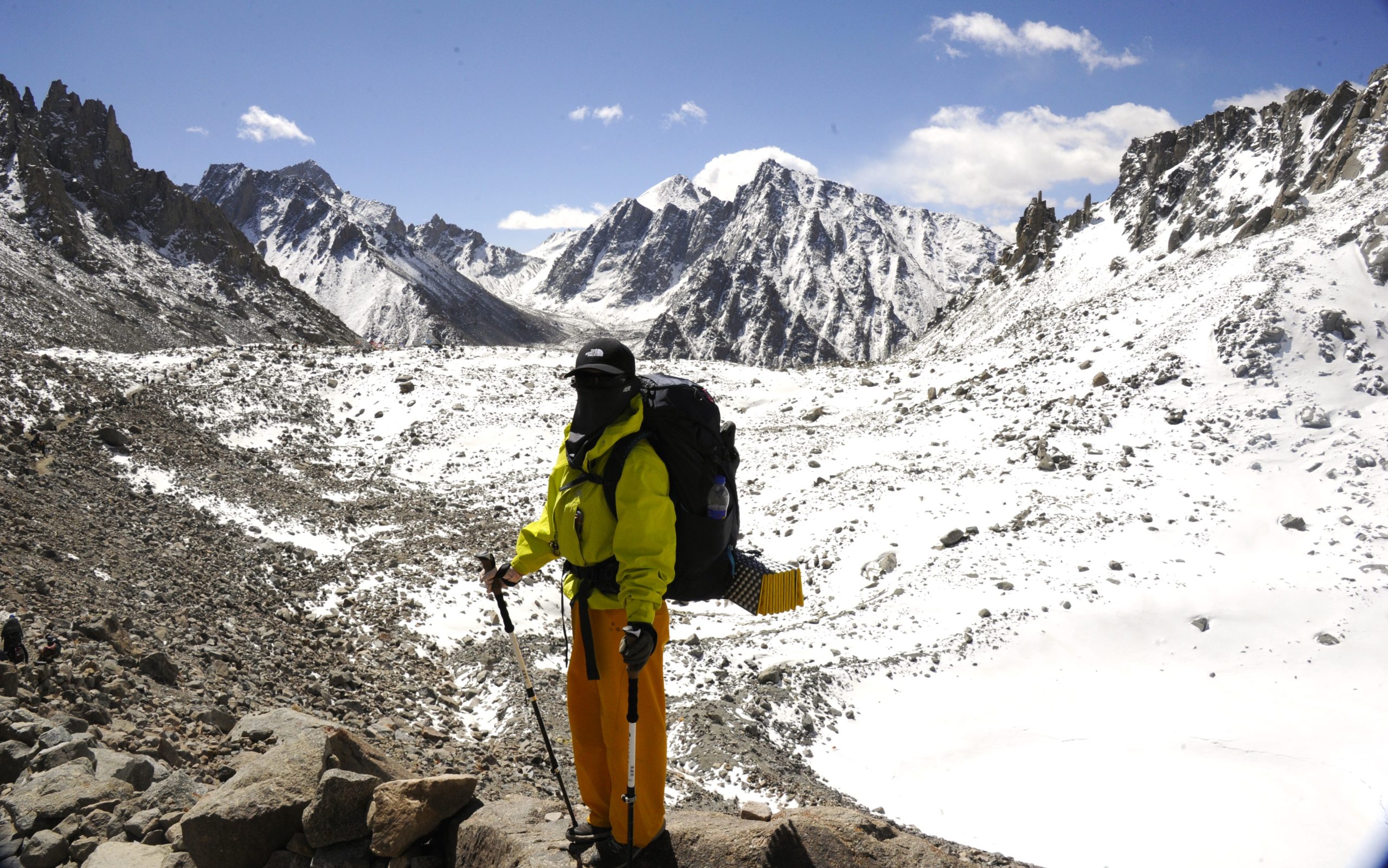
The Kailash Parikrama (Kora) is the toughest part, a moderately to highly challenging trek due to high altitude and rugged terrain. The Parikrama covers about 52 km (32 miles) over 3 days, crossing Dolma La Pass at 5,630 m (18,471 ft), the highest and hardest point of the route.
Key Difficulty Factors:
Here are some expert tips and advice that will help to make your journey to the Kailash Mansarovar Yatra effective and safe:
Related: How To Plan & Prepare For Kailash Mansarovar Yatra
It's essential to consider the best time for your trip. Pilgrims can choose a departure date between May and October, generally regarded as the optimal period for the Kailash tour. These months are ideal, offering stunning views of Mount Kailash and its breathtaking landscape, along with moderate temperatures that make trekking easier. However, if traveling to Tibet between July and mid-August, exercise extra caution due to the monsoon season.
For more details, see: Best Time to Visit Kailash Mansarovar
To enter Tibet, several permits and a Chinese Group Visa are required. Here are the permits and documents we will arrange for you:
Explore in detail: Tibet Visa and Permit Guide

When traveling to Tibet for the Kailash Mansarovar Yatra, you will stay in a dormitory-style room. The accommodations will be basic, lacking features such as heated floors or air conditioning. Travelers will need to share a bathroom with fellow trekkers, and most guesthouses will provide squat toilets. In remote areas, modern facilities are often quite limited. While guesthouses may offer Wi-Fi, hot showers, and electricity, these amenities might not be available everywhere, so be prepared for some rough days.

Three meals are provided daily, all vegetarian, by High Route Adventure. Breakfast and dinner are served at the hotel or guesthouse. Lunch is packed and prepared early in the morning. Please inform us of any special dietary needs while booking. We'll arrange suitable options or suggestions.
Note: Try local Tibetan dishes like momos (dumplings) and Tibetan noodles at Tibetan restaurants. These are at your own expense.
For More Details: Food & Accommodation on Kailash Mansarovar Tour
This tour takes visitors above 18,600 feet (5,670 meters) at Dolma La Pass. While reaching such high altitude, the risk of altitude sickness remains high. A proper acclimatization plan is essential to stay safe. Our itinerary is designed with adequate acclimatization built in. Still, visitors must stay alert to altitude sickness symptoms. Understanding these symptoms, taking preventive steps, and knowing how to respond are key to a safe trip. If you experience symptoms, stop ascending, rest, and drink plenty of water. Descend if symptoms worsen. Inform your trekking guide immediately if you feel unwell. Our guides are experienced in handling altitude sickness. The team carries emergency oxygen and necessary medications.
In the city areas, the hotels where you'll stay have good Wi-Fi and mobile network coverage. But once you reach remote, high-altitude locations, communication becomes limited or unavailable. We suggest carrying a local Chinese SIM for mobile internet and communication. You can easily buy one in town areas. Note that the Chinese government controls app access, so some apps you regularly use may not work in Tibet. A VPN can help with this. A SIM card with a data package typically costs around 180–290 RMB.
Trekking at high altitudes carries inherent risks, and much of the Yatra takes place in remote areas without advanced medical facilities. This makes travel insurance essential. Therefore, we request all our travelers to obtain travel and health insurance for this challenging tour in Tibet that covers:
Special Note: If you need the best insurance policy from Nepal for this package, we can assist you in finding one that suits your needs.
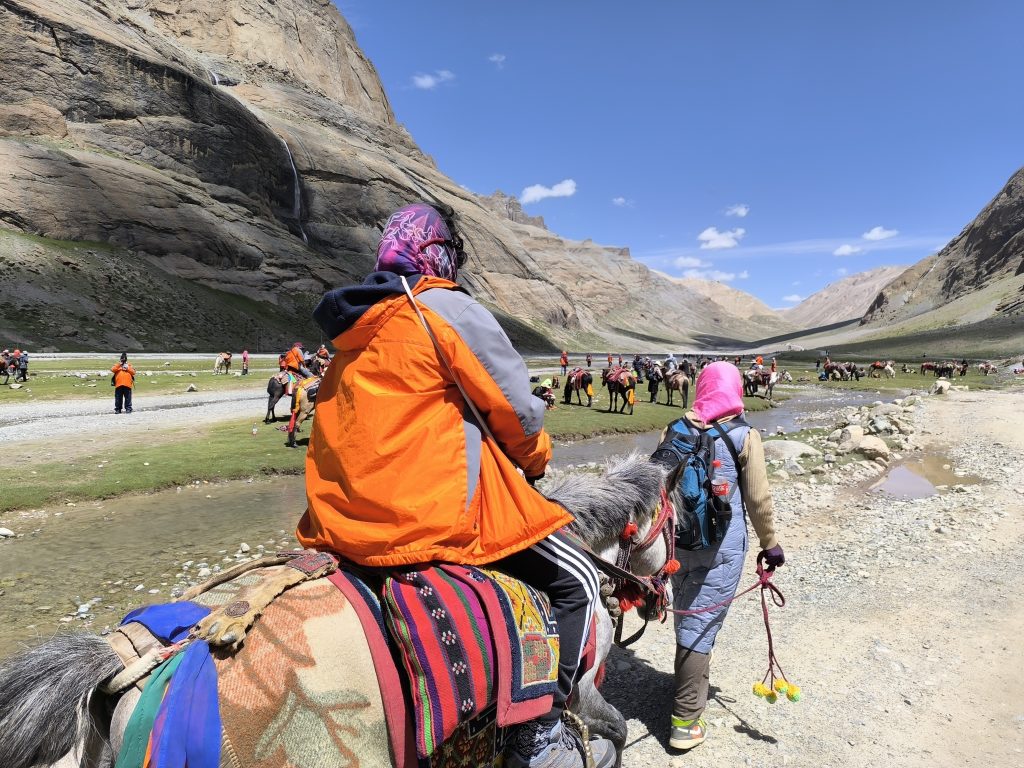
If you're unable to walk the full Kailash Kora, you can hire a horse or personal porter to assist you. This service is available, but must be arranged in advance, and specific fees apply.
Please note:
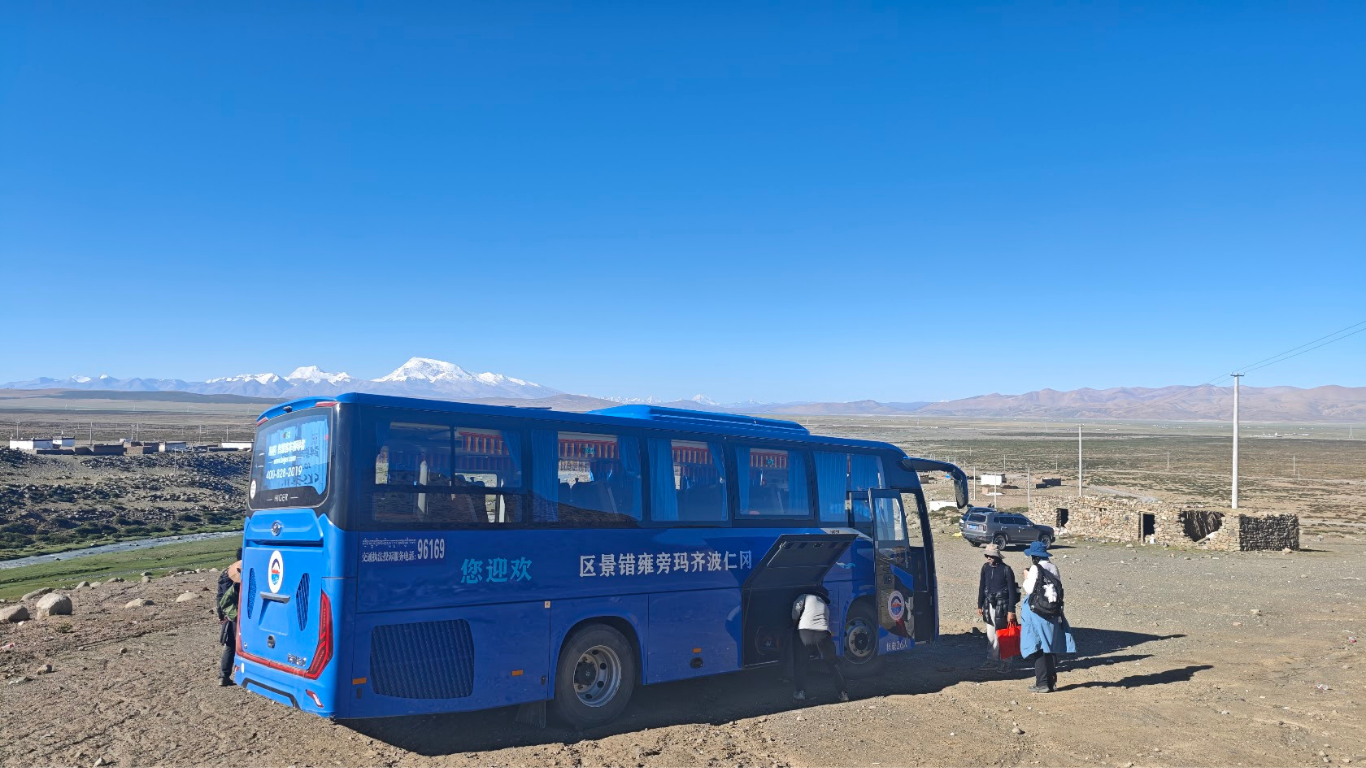
Your Kailash Mansarovar Yatra begins in Kathmandu and continues overland through Nepal and Tibet. We arrange all ground transportation for the entire journey. Road conditions are well-maintained, making for a smooth, scenic drive. Vehicles are matched to your group size for maximum comfort.

When traveling to the Tibet Autonomous Region (TAR) of China, visitors must be aware that the official currency in use is the Chinese Yuan (CNY), also referred to as Renminbi (RMB). Credit cards are accepted only in larger cities and tourist hubs such as Lhasa and Shigatse. Still, cash remains the preferred and often only accepted mode of payment in rural areas, mountainous regions, and smaller guesthouses.
We recommend carrying sufficient small-denomination cash (RMB) for daily expenses, including entrance fees, local transport, meals, and small purchases. Foreign currencies such as USD, EUR, or INR are not accepted and must be exchanged at banks or authorized exchange counters in China before entering remote areas. ATMs are available in Lhasa and other major towns, but their reliability diminishes at higher altitudes and in remote areas. Therefore, it’s wise to withdraw cash upon arrival in major Tibetan cities.
Here are our full moon departure dates for 2027. If you wish to experience Kailash Darshan on a full moon, you may choose any of these dates based on your schedule.
| Full Moon Date 2027 | Note |
| April 20, 2027 | Full Moon |
| May 20, 2027 | Buddha Purnima |
| June 18, 2027 | Saga Dawa Full Moon |
| July 18, 2027 | Guru Purnima |
| August 17, 2027 | Raksha Bandhan / Lunar Eclipse |
| September 15, 2027 | Full Moon |
| October 15, 2027 | Sharad Purnima |
Here is a comprehensive packing list of essential items to bring on your Kailash Mansarovar Yatra:
Note: Travellers can rent items such as down jackets, sleeping bags, trekking poles, etc., from the rental shops in Kathmandu for around $1-$3 per day. Additionally, you can easily buy them here in Kathmandu at low prices.
Starting from
per person (in USD)
Real experiences shared by trekkers and travelers who joined our trips.
Mr Prakash arranged the horse for my mother as she could not walk much. My whole family loved travelling with Highroute Adventure for the Kailash tour.
Excellent service and staff was really helpful. My Kailash Mansarovar overall journey was perfect. I give you perfect 5 start for your service. Thanks Highroute adventure
The Tibetian guided provided by the Mr. Prakash Khapri was excellent. I had so much fun with the group. Enjoyed a lot. C u soon guys for the next trip.
We completed Kailash Mansarovar 16 days tour with High Route Adventure. Recommend others also to choose this company.
Excellent service, friendly staff, fresh food, comfortable hotels, and an unforgettable experience. Thanks, High Route Adventure for the lovely trip to Kailash Mansarovar yatra.
Very well organised tour for a life time and unique trip. High route adventure team very helpful and friendly. Special thanks to Mr Prakash Kapri who took good care of us since our arrival at Kathmandu and made sure that our trip was successful. He assisted us all throughout. Highly recommended.
Thank you High Route Adventure for making this lifetime experience happen. Prakash Sir was very helpful and supportive throughout the trip which was very well organised.
Everything was well planned from pickup at the airport to drop off. Prakash Sir was always present for assistance.