Notes
Ghorepani Poon Hill trek difficulty
The Ghorepani Poon Hill Trek is considered a moderate trek, but it does come with some challenges. One of the main difficulties is the steep climb, especially the long stone staircase at Ulleri, where you may need to climb over 3,300 steps. This requires good stamina and leg strength, and it can be tough, especially for the first time trekkers. Altitude can also be a challenge, as the trek reaches elevations above 3,000 meters. Some trekkers might experience mild altitude sickness, so proper acclimatization and hydration are important.
Weather conditions vary throughout the year, and during the monsoon season, slippery trails and rain can make trekking harder. Cold temperatures during winter mornings and nights can also be tough for some. Despite these challenges, the Ghorepani Poon Hill Trek remains accessible for most people with moderate fitness, and the stunning views make the effort worthwhile. Proper preparation and pacing can help you enjoy a safe and rewarding trekking experience.
How to prepare for the Ghorepani Poon Hill trek
Preparing well for the Ghorepani Poon Hill Trek will make your journey safer and more enjoyable. Start by building your fitness with regular walking, jogging, or hiking at least 4–6 weeks before your trek. Focus on endurance and leg strength to handle steep climbs like the Ulleri staircase.
Pack appropriate clothing for varying weather-layered clothes for cold mornings and warmer days, waterproof gear for the rainy season, and sturdy trekking boots for rough trails. Don’t forget essentials like a hat, sunglasses, and sunscreen to protect yourself from sun exposure at higher altitudes.
Acclimatization is important to avoid altitude sickness, so take your time and stay hydrated during the trek. Most importantly, follow your guide's instructions at all times.
Best Time for Ghorepani Poon Hill Trek Nepal
The Ghorepani Poon Hill Trek is possible year-round, but the ideal time to visit for clear mountain views and pleasant weather is during spring (March to May) and autumn (September to November). These seasons offer bright, clear skies and comfortable temperatures, perfect for trekking in the Annapurna region.
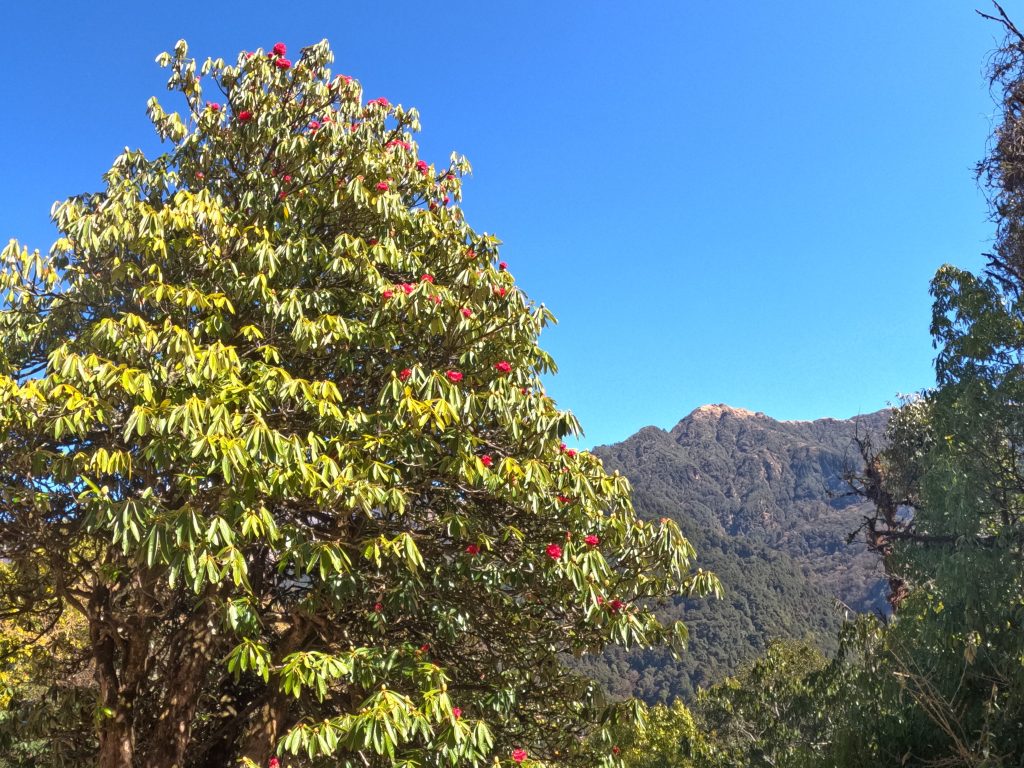
Spring brings vibrant rhododendron flowers that line the trail, creating a colorful and scenic journey. Autumn, following the monsoon, provides stable weather and fresh air, making it the most popular season for this trek.
Winter months can be very cold with occasional snowfall, while the monsoon season (June to August) brings heavy rains, slippery trails, and limited visibility. For the best experience with amazing panoramic views and ideal trekking conditions, plan your trip during the spring or autumn seasons.
Ghorepani Poon Hill Trek Weather
| Season |
Months |
Day Temp |
Night Temp |
Conditions |
| Spring |
March – May |
10°C to 24°C |
0°C to 5°C |
Clear skies, rhododendrons in bloom, excellent visibility |
| Summer/Monsoon |
June – August |
9°C to 24°C |
5°C to 10°C |
Warm, frequent rain, lush greenery, limited mountain views |
| Autumn |
September – November |
10°C to 20°C |
0°C to 5°C |
Clear, stable skies — most popular season |
| Winter |
December – February |
5°C to 10°C |
-5°C to 0°C |
Cold, dry, occasional snow at Poon Hill (3,210m) |
Note: Please check the weather forecast for a safe and smooth trek.
Required Permits
Before starting the Ghorepani Poon Hill Trek, trekkers must obtain two important permits to legally enter the Annapurna region. The first is the Annapurna Conservation Area Permit (ACAP), which supports the protection of the natural environment and wildlife in the area. This permit is compulsory for everyone trekking within the Annapurna Conservation Area. The second permit is the Trekkers' Information Management System (TIMS) Card, issued by the Nepal Tourism Board. Trekkers need to carry these permits with them at all times during the trek and must present them at checkpoints.
Note: We will arrange both the ACAP and TIMS permits for you before your trek begins. To process the permits, you need to submit a scanned copy of your passport and a passport-size photograph.
Accommodation on Ghorepani Poon Hill Trek
High Route Adventure will book 3-star hotels in Kathmandu and Pokhara for you. During the trek, you will stay in teahouses, which are simple and cozy but offer all the basic comforts you need. The rooms will be clean, and inside each room, you will get a shared twin-bed setup. Toilets are located outside the room and are often shared among travelers. They are a mix of squat and Western-style, depending on the teahouse and altitude. Inside the teahouse, facilities like Wi-Fi and charging are available but come at an extra cost. A private room with an attached bathroom is also available, but for this, you need to pay extra and confirm it with us during booking.
Meals on Ghorepani Poon Hill Trek
Three meals a day will be arranged for you at the teahouses during the trek. You can enjoy breakfast, lunch, and dinner along the trail, ensuring you stay energized throughout your journey.
The meals typically consist of a mix of local dishes and a few international options, prepared in Nepali style. Common offerings include dal bhat (rice and lentils), noodles, soups, and fresh vegetables. Our team is committed to providing nutritious and delicious food to keep you strong and comfortable throughout the trek.
Vegetarian options are also available, and you can simply choose from the teahouse menu. All meals are freshly prepared by the teahouse chefs using healthy, organic ingredients.
Trail Condition
The Ghorepani Poon Hill trekking trail includes a mix of terrain - long stretches of stone steps (especially the steep climb at Ulleri), dirt paths through lower sections, and a few suspension bridges crossing rivers along the way. Much of the route passes through shaded rhododendron, oak, and pine forests. During monsoon season (June–August), trails can become muddy and slippery, so proper footwear and trekking poles are recommended.
Kathmandu To Pokhara Transportation
On this 9-day Ghorepani Poon Hill Trek, we provide a tourist bus for your journey to Pokhara and for the return trip as well. The tourist bus departs from Gongabu Bus Station. From your hotel in Kathmandu, we will pick you up in a private vehicle and transfer you to the bus station. You will ride the tourist bus together with your trekking guide to reach Pokhara, and the return journey will follow the same arrangement. For trekkers who prefer to travel by flight or private transportation, we can arrange this as well, though it comes at an additional cost depending on the option you choose. For more detail check Kathmandu to Pokhara Transportation Guide
Our trekking team for Ghorepani Poon Hill Trek
When you book the package with us, we provide licensed trekking guides who speak fluent English to ensure clear communication and a better trekking experience. For every two trekkers, we assign one porter to help carry your luggage and make the trek easier. Our porters carry a maximum of 20kg, so please ensure your luggage is no more than 10kg per person.
If you are traveling in a large group, we also arrange assistant trekking guides to offer extra support and ensure everyone's safety and comfort throughout the journey.
Trip Extension:
After completing the trek, if you have extra days to spare, you can extend your journey from Pokhara or Kathmandu. We can organize Pokhara sightseeing, adventurous activities like paragliding, hiking trips such as the, ABC trek, Dhampus Sarangkot Trek, and other tours to make the most of your time in Nepal.