Yala Peak Climbing - 11 Days

Trip Facts
Duration 11 Days
Max Altitude 5,520 metres(18,110 feet)
Trip Grade Moderate_strenuous
Group Size 1 - 12
Meals Breakfast | Lunch | Dinner
Accommodation Teahouse | Tent
Highlights

Yala Peak Climbing Highlights

  • Reach the summit of the Yala Peak at an altitude of 5,520 metres(18,110 feet)
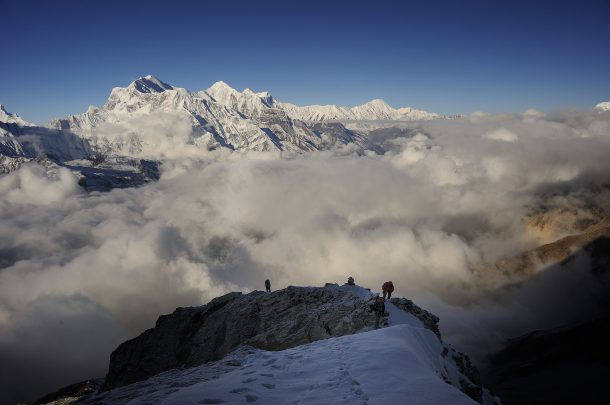
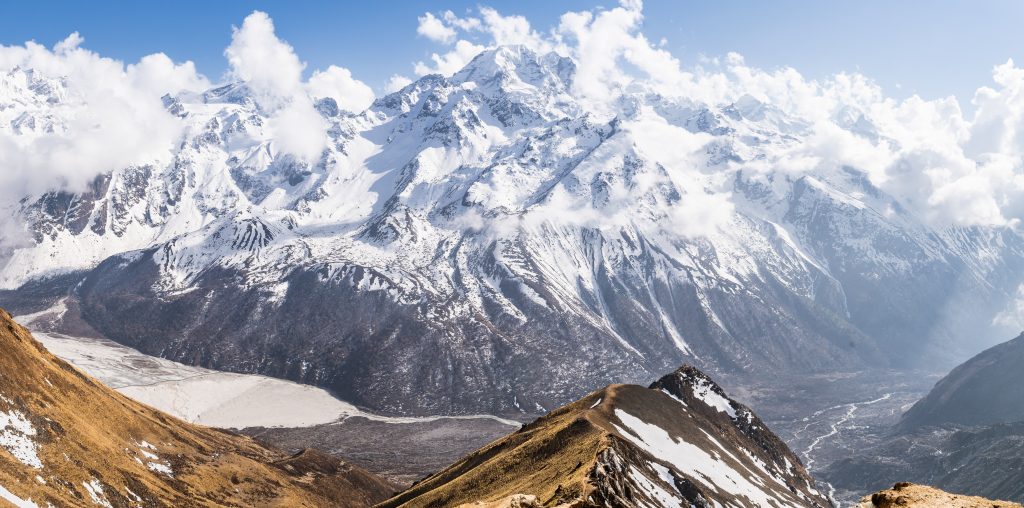
  • From the top of the summit, enjoy a panoramic grand view of Langtang Lirung (7,227m), Dorje Lakpa (6,966m), Jugal Himal, glacier and Langtang valley.
  • Learn basic mountaineering skills at the base camp from our expert Sherpa guide.
  • Visit the famous Kyanjin Gompa monastery, including other Buddhist monasteries and sacred sites.
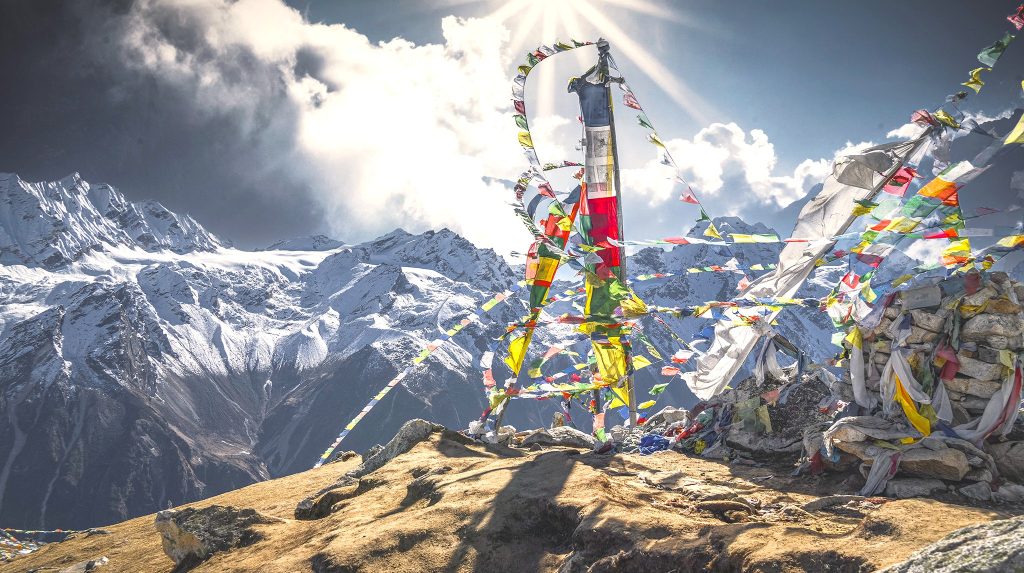
  • Trek through lush hills, rhododendron forests, Tamang and Sherpa community villages, which are decorated with mani walls, prayer flags and chortens.
  • Witness beautiful waterfalls fed by Himalayan glaciers and deep green-blue Langtang rivers rushing through the valley.
  • Opportunity to explore a variety of birds and wildlife while trekking through the route of Langtang National Park.
  • Experience local culture, traditions, village lifestyle and warm hospitality while staying in the teahouse.
  • Receive a completion certificate after successfully summiting Yala Peak.
Overview

Yala Peak Climbing Overview

Rising to 5,520 metres above Nepal’s breathtaking Langtang Valley, Yala Peak is the world’s finest introduction to high-altitude mountaineering. Often referred to as a “trekking peak”, climbers can experience the high altitude summit without requiring prior technical climbing expertise.

Learning the basic mountaineering equipment, such as crampons, ice axes and fixed ropes, gives the opportunity to witness the magical view of Langtang Lirung (7,227m), Dorje Lakpa (6,966m), Jugal Himal and the distant view of Tibet. It is technically straightforward and non-technical compared to other climbing peaks such as Lobuche East (6,119m) and Ama Dablam(6,812m).

Yala Peak climbing is not about reaching the summit; it takes you through the vibrant, culturally rich Langtang Valley, known for its friendly Tamang communities and alpine landscapes.

Unlike major Himalayan expeditions in Nepal that take more than 3 weeks, Yala Peak can be completed in a shorter timeframe, making it ideal for busy adventurers.

To make your dream come true, High Route Adventure has brought this exclusive 11-day Yala Peak Climbing 2026 package for you. Our well-crafted itinerary and experienced climbing guides allow the climbers to have a safe and unforgettable mountaineer experience.

Also, now it’s the perfect time for the trekkers to switch from trekking to climbing, who are looking to challenge themselves. Yala Peak provides an excellent opportunity to gain your first Himalayan summit experience in a safe and achievable way.

Why Yala Peak Is a Perfect Destination

  • Best beginner peak in Nepal: NMA has categorized Yala Peak in Group B of classified trekking peaks. It means this peak is non-technical, beginner-friendly, and no advanced mountaineering skills are required.
  • 360° Himalayan panorama: From the summit, you can enjoy a close view of Langtang Lirung(7,234 m), Dorje Lakpa(6,966m), Naya Kanga(5,846m), and Gangchempo(6,388m). Also, Shishapangma(8,027m) in the Tibetan border and surrounding peaks like Langshisa Ri(6,800m), Ghengu Liru (Langtang II), and Yansa Tsenji are equally stunning.
  • Real mountaineering skills: Climbers will learn to use crampons, ice axes, harnesses, and fixed ropes to walk on over snow, ice, and moraine before the summit.
  • Easy Langtang Valley approach: During the trek, it takes you through the ancient Tamang village, lush forest and glacial moraines.
  • Gateway to bigger peaks: If you are planning to do the challenging peaks like Island Peak (6,189m), Mera Peak (6,476m), or Lobuche East (6,119m), this Yala Peak helps you to prepare and provides experience.
  • Close to Kathmandu: To reach the trail, it’s just a 6-hour scenic drive from Kathmandu. No domestic flight is needed for this trek, making it easily accessible.

Yala Peak Climbing: Daily Routine & What to Expect

Yala Peak Climbing from Kathmandu starts with a scenic 6-7 hours drive in our private Jeep towards Syabrubeshi, which is the starting trekking point. Then every day during the trek you will stay in the teahouse, which is booked by us.

Dinner and breakfast will be served in the same teahouse, but lunch will be served in the middle of the trek. Breakfast will be served from around 6:30 – 7 AM. After breakfast, you will leave for the trek and at around 11 AM- 12 AM you will stop for lunch and for a short rest.

After lunch, you will continue your journey toward your destination. After arriving at your destination, you will check into the teahouse with the help of your guide and unpack your things. Then get refreshed and enjoy the view with tea/coffee.

Around 7 PM-8 PM, you will finish your dinner, and after this, your guide will brief you about tomorrow’s plan, trail conditions, and other important updates. Then you will enter your room for rest and sleep.

Why Choose High Route Adventure

  • Professional Climbing Guides: All our climbing guides are certified by the NNMGA – Nepal National Mountain Guide Association. They are highly trained and have guided numerous climbers to the summit of Yala Peak successfully. From high altitude safety to on-site training, they will handle everything to make your trip safe and adventurous.
  • Full Logistical Support: From airport transfer, Nepal Mountaineering Association (NMA) permit for Yala Peak, to necessary base camp equipment, we’ve got you covered.
  • Gourmet High-Altitude Meals: We provide locally produced, fresh, nutritious and energy-dense meals during both the trek and the climb.
  • Best Teahouse & Camping Comfort: When you book through us, we arrange the best available teahouse for you, and for camping at base camp, all arrangements will be made by us.
  • Safety First: Our guide will be equipped with basic first aid medical kits and supplemental oxygen (if needed). At high altitude daily two-times oxygen level checkup will be done for every climber to monitor health and acclimatization.

Yala Peak Summit Cost for 2026/2027

Our X day Yala Peak Climbing cost starts from USD 1,500. The price depends upon the group size, included services and customization of the itinerary. If you are booking a solo trip, the package price is a little higher due to fixed logistical arrangements.

Yala Peak Climbing Package according to group size

Group sizePrice Per Person
1$ 1,800
2-6$ 1,600
7-12$ 1,500
Above 13Special discount, contact our tour operator directly

Itinerary

Yala Peak Climbing Itinerary

Duration: 7 hours
Distance: 120 kilometers
  • Scenic 6-7 hour drive along the Trishuli River and arrive at the Syabrubeshi trail head.
  • Syabrubesi is the main entry point from where the Langtang trek starts.
  • Check in the teahouse and stay overnight at Syabrubesi.
⛰ Altitude 1,500 meters
🍽 Meals B,L,D
🏨 Stay Teahouse
Duration: 6 hours
Distance: 12 km
  • After breakfast, start your trek toward the soaring Bhote Koshi River and cross the suspension bridge.
  • From the bridge ascent toward the Khangjim village, passing through beautiful, steep pine and oak forests and terraced fields.
  • Stop at Khangjim, a Tamang village situated at an altitude of approximately 2,449 meters, for a short rest or lunch.
  • After lunch, follow the mix trail of trekking and dirt road.
  • The final section to Sherpagaon includes gentle ups and downs before reaching Sherpagaon.
  • Check in the teahouse and stay overnight at Sherpagaon.
⛰ Altitude 2,563 meters
🍽 Meals B,L,D
🏨 Stay Teahouse
Duration: 7 hours
Distance: 15 km
  • Depart from Sherpagaon after enjoying breakfast at your teahouse.
  • Walk towards Rimche, where you will join the classic trekking trail that passes through Bamboo and follows the beautiful Langtang Valley route.
  • Walk through the bank of Langtang Khola to reach Riverside for lunch while enjoying the view of Langtang Lirung (7,227m).
  • From Riverside, cross the steel bridge and walk toward the Ghodatabela situated at an altitude of 3,040m.
  • From Ghodatabela pass through the open dry landscape and arrive at Thangsyap (3,140m).
  • Further walking in an uphill section, arrive at the scenic Langtang Village and stay at the teahouse.
⛰ Altitude 3,430 meters
🍽 Meals B,L,D
🏨 Stay Teahouse
Duration: 5 hours
Distance: 7 km
  • After breakfast, proceed for the hike from Langtang village to the U-shaped glacial valley.
  • Pass through the heavily built area( after the 2015 earthquake), cross the yak pasture and small settlements like Mundu & Yamphu.
  • Continue walking through the trails that feature the largest Mani wall, Tibetan prayer flag and chortens.
  • Cross several suspension and wooden bridges over the Langtang Khola and enter the high altitude valley.
  • Cross the small hydroelectric power station that supplies electricity to the village and reach Kyanjin Gompa, surrounded by Himalayan peaks.
  • After lunch and a short rest, you will go for an exploration around the village:

Kyanjin Monastery: Walking for 5-10 minutes from your teahouse, you will reach the Kyanjin Monastery. This Buddhist Gompa sits at an altitude of 3,870 meters above sea level with a panoramic view of Langtang Lirung (7,227 m), Yala Peak, surrounding glaciers, and the beautiful alpine landscape. It is a popular spot for tourists who are visiting Langtang Valley. While visiting these sacred sites, make sure to walk in a clockwise direction to show respect to local culture and traditions.

Kyanjin Cheese Factory: Less than a 5-minute walk, you will reach the famous Kyanjin cheese factory. It is Nepal's first commercial cheese factory, established in 1955 with the help of the Nepal Government and the Swiss Agency for Technical Assistance. Here you can find different ages of Yak cheese and even buy it directly here.

⛰ Altitude 3,870 meters
🍽 Meals B,L,D
🏨 Stay Teahouse
Duration: Kyanjin Gompa to Kyanjin Ri: 5 hours, Kyanjin Gompa to Tserko Ri : 8 hours
Distance: Kyanjin Gompa to Kyanjin Ri: 6 km, Kyanjin Gompa to Tserko Ri : 10 km
  • Today you will have two options for the acclimatisation walk. You can choose one according to your interest, and after the hike you will return to the teahouse. Also, basic mountaineering will be provided by our certified Sherpa guide.

Hike to the summit of Kyanjin Ri (4,773 meters): 2 to 3 hours of ascending from the Kyangin Ghompa, you will reach the summit of Kyanjin Ri. From here, you can enjoy the 360-degree panoramic view of Langtang Lirung (7,227m), the Yubra Icefall and surrounding peaks: Yalla Peak (5,520m), Dorje Lakpa (6,966m), and Gangchempo (6,387m). Then, after exploring and taking photos, descending for about 1 to 1.5 hours, you will return to your teahouse.

Hike to the summit of Tsero Ri(4,984 meters): 4 to 5 hours of ascending from the Kyanjin Ghompa, you will reach the summit of Tsero Ri. From here, you can enjoy the 360-degree panoramic view of the Langtang Range and the stunning view of Neighboring Peaks such as Yala Peak (5,520 m), Dorje Lakpa (6,966 m), Naya Khang (5,884 m), and Gangchempo (6,387 m). Also, Langtang Lirung Glacier and the glacial is really impressive from here. If the weather is clear, you can also get a distant view of the Tibetan landscape and the view of Mount Shishapangma (8,027 m). After exploring, you will descend for about 3 to 4 hours and arrive at the teahouse.

⛰ Altitude 3,870 meters
🍽 Meals B,L,D
🏨 Stay Teahouse
Duration: 6 hours
Distance: 10 km
  • After breakfast, carry your packed lunch and starting walking through the Yak graze, rocky, and rugged trail
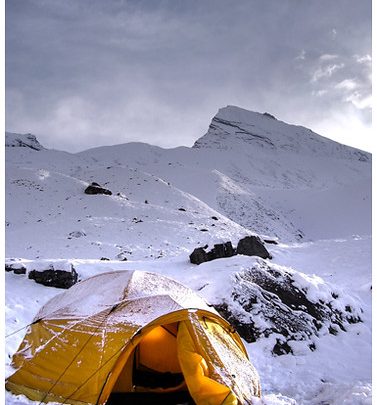
  • Arrive at Base camp and stay in the tent set up by your team.
  • Short briefing about the summit route, weather forecast and safety briefing.
  • Enjoy a warm meal and spend the night under the stars.
⛰ Altitude 4,800 meters
🍽 Meals B,L,D
🏨 Stay Tent
Duration: 11 hours
Distance: 14 km
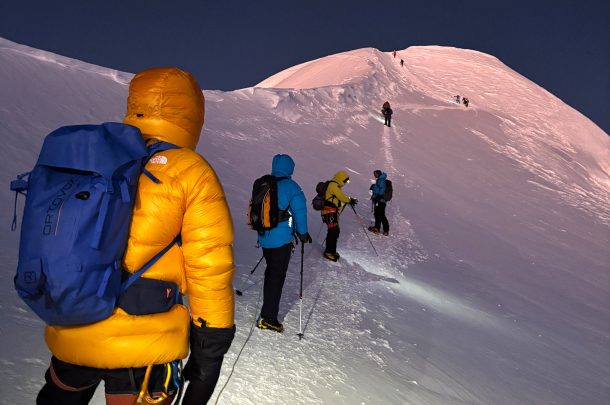
  • Start a predawn trek around 2:00 AM to 3:00 AM so that you can reach the summit in the early morning.
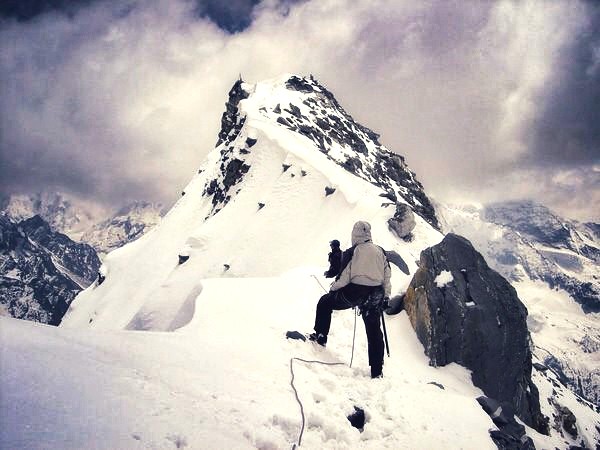
  • Walk through glacial and snow-covered slopes and before reaching the summit reach a steep ridge through fixed ropes.
  • From the summit, enjoy the panoramic view of Langtang Lirung, Shishapangma (the 14th highest in the world), Ganchenpo, Naya Kang and Tibet landscape.
  • Careful descent to Base Camp and further walk to Kyanjin Ghompa for overnight stay.
⛰ Altitude 3,870 meters
🍽 Meals B,L,D
🏨 Stay Teahouse
Duration: 4 hours
Distance: 7 km
  • Early in the morning, you can hike to Tsero Ri or Kyanjin Ri, depending on which you have not visited before.
  • After the hike, return to the teahouse for breakfast and depart for Langtang Village.
  • Pass through the alpine terrain, passing rugged highland pastures, yak herding huts, and ancient mani (prayer) walls and reach Mundu & Sindum.
  • After a short rest, walk on the gentle flat trail to reach the Langtang Village.
  • Check in the teahouse and stay overnight at Langtang Village.
⛰ Altitude 3,430 meters
🍽 Meals B,L,D
🏨 Stay Teahouse
Duration: 7 hours
Distance: 14 km
  • After breakfast, take a long descent through the forest corridor.
  • Enjoy the final view of the mountain peaks
  • Pass through Ghodatabela, Riverside and arrive at Lama Hotel.
  • Check in the teahouse and stay overnight here.
⛰ Altitude 2,470 meters
🍽 Meals B,L,D
🏨 Stay Teahouse
Duration: 6 hours
Distance: 11 km
  • After breakfast, trek through the beautiful trail of the forest and head toward Rimche.
  • From Rimche, continue the journey toward Bamboo while keeping an eye on local wildlife, including langur monkeys, Himalayan birds, and occasionally red pandas.
  • From Bamboo, cross the landslide zone( also called Pairo) cautiously and reach Syabrubesi.
  • Check in the teahouse and spend the night.
⛰ Altitude 1,500 meters
🍽 Meals B,L,D
🏨 Stay Teahouse
Duration: 7 hours
Distance: 120 km
  • After breakfast, gather and meet the diver waiting for you.
  • Enjoy the ride on the same route that you have previously taken.
  • Drop off at your hotel doorstep and conclude your Yala Peak Summit journey.
⛰ Altitude 1,400 meters
🍽 Meals B
🏨 Stay Teahouse
Cost Detail

Inclusion

What's included ?

  • Kathmandu–Syabrubesi–Kathmandu transportation
  • Langtang National Park fee
  • Experienced climbing Sherpa guide
  • Porter service (20kg limit)
  • All teahouse accommodation
  • 3 meals per day on trek
  • Sleeping bag & down jacket rental
  • Group first-aid kit
  • Pre-climb skills training day

What's not included ?

  • International flights
  • Travel insurance (required)
  • Nepal visa fee (~$50 USD)
  • Personal spending & tips
  • Personal clothing and gear
Things to Know

Nepal Visa and Required Documents

You will complete the Yala Peak Climbing in just 11 Days, so obtaining the visa for 15 Days is sufficient for this trip. However, if you have plans for Kathmandu Sightseeing, a tour or additional activities, we recommend that you obtain a 30 Day tourist visa. The visa cost depends on the duration of stay.

  • For 15 Days: cost USD 30
  • For 30 Days: cost USD 50
  • For 90 Days: Cost USD 120

Note: Almost all foreign citizens can obtain a Nepal visa easily after they land here in Tribhuvan International Airport(TIA) as an arrival visa. Worth reading: Nepal Country Information

How To Book the Yala Peak Climbing 2026/2027 Package

  • Step 1: Read the package details, click on book now option, and fill in the required information.
  • Step 2: Make an advance payment of 20% of the total trip cost to confirm your booking.

To make a payment, you can use Debit/Credit Card, Bank/Wire Transfer, QR or from money transfer services such as Western Union, MoneyGram, or IME. You can also pay in cash if you are already here in Nepal.

Note: For the Cancellation Policy here our terms and conditions.

Notes

Best Time for Yala Peak Climbing

The Himalayan is unforgiving, and timing is everything for the safe and successful summit of Yala Peak. If you are wondering about when the best time is for Yala Peak, then there are two golden seasons for Yala Peak: spring and autumn.

  • Spring(March to May): The prime climbing season for Yala Peak is during the month of spring. During this time, the chilly temperature fades away, and the temperatures at base camp become manageable. The days are longer, providing more daylight, which makes the summit climb easier and safer. Another best part of spring is that trekking through the Langtang Valley is really enjoyable due to the blossoming of colorful rhododendron flowers and lush greenery everywhere in the trekking trails. Additionally, snow is stable, and the weather is stable most of the time, allowing you to enjoy the breathtaking mountain views.
  • Autumn(Late September to November): If you want to enjoy the sharp view of the mountain, then autumn is the perfect time. During this time, the skies are generally clear, visibility is excellent, and the region comes alive with a festive atmosphere. Also, with minimal rainfall and stunning mountain scenery, climbers can enjoy the best views and ideal photography conditions.

Note: Winter and monsoon seasons are considered off-season for Yala Peak climbing due to challenging weather conditions. Heavy snowfall, unpredictable weather, poor visibility, and risks such as floods, landslides, and avalanches make climbing difficult and risky.

Average Temperature and Weather in Yala Peak

Season Months Weather Condition Temperature (Approx.)
Spring Mar – May Stable, clear skies, best climbing season Day: 5°C to 15°C / Night: -5°C to -10°C
Summer / Monsoon Jun – Aug Rainy, cloudy, slippery trails Day: 8°C to 18°C / Night: 0°C to -5°C
Autumn Sep – Nov Clear skies, best views, stable weather Day: 5°C to 14°C / Night: -6°C to -12°C
Winter Dec – Feb Very cold, heavy snow, difficult conditions Day: -5°C to 5°C / Night: -15°C to -25°C

Note: The above temperature is an average just for reference. We recommend that you check the live weather conditions during the trek and climb.

Yala Peak Climbing Difficulty

According to the Alpine grading system, Yala Peak is graded as a Grade F (Facile/Easy) climb. It means the climb is non-technical, easily accessible with basic mountaineering skills and can be done by trekkers who want to introduce themself to climbing. Before heading out for the climb, here are some challenging factors that you should be aware of:

  • Altitude: This climb takes you to the high altitude of 5,520 m, where the risk of altitude sickness(AMS) is a major concern. The low level of oxygen makes it difficult for trekkers to breathe and perform physical activity efficiently if proper acclimatization is not followed.
  • Cold Temperature & Wind: The summit of Yala Peak temperature remains between -5°C and -20°C throughout the year. At this freezing temperature, if climbers get exposed, it can result in frostbite, hypothermia, and loss of physical strength. The wind speed on summit day remains under 10km/hr in the morning but changes drastically by the time of day, resulting in up to 30-5km/hour. Due to this reason summit push is done mostly around 2 AM - 3 AM.
  • Snow & Ice Sections: To reach the summit, climbers need to pass through the snow and ice sections near the final push. The icy and snowy section makes the movement slower and increases the risk of slipping and falling due to a lack of grip. High-quality gear and layers of clothing are a must for safety and to beat the freezing temperatures.
  • Physical Endurance: During trek and climb, climbers need to walk an average of 5-7 hours daily on different terrain conditions. Walking for extensive periods at high altitude makes it physically challenging. So, physical fitness, along with strong determination and a positive mindset, is required for the successful summit.
  • Weather Unpredictability: Mountain weather is unpredictable. Sudden changes in wind, snowfall, or visibility can disturb your plan, affect safety, and slow down progress on the trail. Climbers should be updated with everyday weather conditions and should push for the summit only during safe weather conditions.

Preparation Tips Before Climbing to Yala Peak

The successful rate of the Yala Peak summit is around 95% to 98%. The reason for the few unsuccessful summits is mostly due to weather issues and a lack of preparation. So to put you in the list of the successful list, it is important to plan and prepare ahead of the journey. Here are some useful tips that help to prepare:

  • Physical preparation: Trekkers who are jumping for the first time for climbing must make an adequate amount of effort to maintain physical fitness. It is recommended to train your body at least 3-4 months in advance to build endurance, leg strength, cardiovascular fitness, and flexibility. Physical fitness boosts confidence, reduces fatigue, and increases the chance of a successful summit.
  • Proper gear and clothing: Good quality gear and layer clothing work as a shield against the mountain's harsh weather conditions. Pack all the required clothing items and invest in good-quality gear items. Remember, your life is in your hands. So, for sudden weather changes, ensuring comfort, safety, and better performance, pack all the essential items with you.
  • Learn safety and acclimatisation tips: Learn basic mountain safety. Know the early symptoms of Acute Mountain Sickness (AMS), stay well hydrated, walk at your own pace, and follow your guide's instructions.
  • Manage the budget: Apart from the Package cost, you also need to budget for things like international flight, Nepal Visa, personal expenses, tipping and insurance.
  • Purchase Insurance: Climbing is risky, and before you head for this journey, make sure to obtain the insurance that covers the risk of high-altitude trekking and peak climbing, including emergency medical treatment, helicopter evacuation, accidents, trip cancellations, and other unforeseen circumstances.

Accommodation: What To Expect

To make your wildest dream come true, High Route Adventure will book the best available teahouse in the Langtang Region, where comfort and local tradition await you. Here, hospitality is not a business but a way of life, offering genuine warmth and heartfelt care to every traveler. Trekkers will stay in the simple and comfortable teahouse along the trail. Rooms are usually twin-sharing with two beds, and bathrooms are shared with 24-hour running cold water. Most teahouses have a terrace with mountain views, a communal dining area, and a cozy place where trekkers can relax, chat with fellow travelers, and enjoy freshly prepared meals. You can also access facilities such as wifi, charging stations, and hot showers at most teahouses. However, these services become more limited and may cost extra as you gain a higher altitude.

For one night, you will stay at a tent in base camp before heading for the summit push. At this time, our team will set up the tent for you ensuing safety and comfort in high altitude conditions. Electricity is limited, and luxury facilities are not available at base camp.

Approximate extra costs:

  • Wifi cost: NPR 300-500 per night
  • Charging cost: NPR 200- 300 per hour
  • Hot shower: NPR 500 per use

Food and Drinks: What To Expect

At the teahouse, there will be a trained and experienced chef who will prepare the meal for you. Most of the food items are Nepali dishes, with a few additional options from other cuisines. Food here is hygienic as it is prepared using locally sourced and fresh ingredients. Meals will be served in the communal dining hall, where trekkers gather together and eat. In some places, there will be a heating stove where you can drink tea/coffee and share stories, or relax after a long day on the trail.

Let’s see food menu you can find in the teahouse:

Breakfast Options

  • Bread & Toast: Tibetan bread (often with honey, jam, or cheese), chapati, plain toast, cheese toast, and French toast
  • Pancakes: Plain or served with banana, apple, or chocolate
  • Eggs & Sides: Boiled, fried, scrambled, or omelettes (plain, vegetable, or cheese) served with potatoes or hash browns
  • Porridge & Cereals: Oat porridge with milk and honey, tsampa porridge, muesli, and cornflakes
  • Hot Drinks: Milk tea, black tea, ginger-lemon-honey tea, coffee, and traditional Tibetan butter tea

Main Nepali & Local Dishes

  • Dal Bhat (rice, lentil soup, vegetable curry, pickles with free refills)
  • Thukpa (Tibetan noodle soup with vegetables or meat)
  • Momo (steamed or fried dumplings with vegetables, chicken, or cheese)
  • Fried rice (vegetable, egg, or mixed)
  • Chowmein / fried noodles
  • Sherpa stew (thick noodle soup with vegetables and potatoes)
  • Chapati / roti with curry
  • Potato dishes (fried, boiled, or with vegetables)
  • Vegetable curry with rice
  • Tsampa (roasted barley porridge in some areas)

Western & Comfort Foods

  • Pasta / macaroni with tomato or cheese sauce
  • Spaghetti with vegetables or egg
  • Pizza (simple thin crust with cheese and vegetables)
  • Sandwiches (cheese, egg, or vegetable)
  • Spring rolls (vegetable or noodle filling)
  • Chips / French fries (available in lower villages)

Soups & Light Meals

  • Garlic soup (popular for altitude comfort)
  • Vegetable soup
  • Mushroom soup
  • Egg soup
  • Tomato soup
  • Potato soup

Protein & Egg Dishes

  • Boiled eggs
  • Fried eggs
  • Scrambled eggs
  • Omelettes (plain, vegetable, cheese, mushroom)
  • Egg fried rice / egg noodles

Special Note: For breakfast, decide on items in the evening so that you can hit the trail early in the morning without getting in a long line. Also, at night, give the order once you reach, make a check-in so that you can get food that will be served timely and allow you to relax and get proper rest for the next day’s journey.

Kathmandu To Syabrubesi Transportation and Road Condition

From your hotel doorstep, we will pick you up in our private Jeep. There will be around 7seats in the Jeep. The road distance from Kathmandu to Syabrubesi is approximately 122–130 km. It takes 6-7 hours to reach. The road conditions are generally good, as most sections are paved and well-maintained. However, near Syabrubesi, the road becomes narrower and more challenging, with winding bends, steep sections, and rough gravel terrain. Read more in detail: Kathmandu to Syabrubesi Transportation: Complete Guide.

Porter Assistance with Fair Load Policy – Yala Peak Climbing

High Route Adventure will provide a 1:2 ratio porter service to our clients. Our porter carries a maximum weight of 20kg, which means your main backpack should be a maximum of 10kg for ethical load management. Carry all the essential items like water, snacks, jacket, cash, document keep in your day backpack. We will make Porter wages, insurance, food, accommodation and all necessary arrangements.

Acclimitization during Yala Peak Climb

Your trekking journey starts from Syabrubesi, which is located at an altitude of 1,500 m. Once you reach the Kyanjin Gompa, the altitude will be 3,830 meters. To adjust your body to this incredible height, we have put a rest day on this day. This allows proper acclimatisation and reduces the effect of altitude sickness. Also, we have used this rest day to provide you with basic mountaineering skills such as rope handling, ice axe techniques, crampon usage, and crevasse rescue. Then, from Kyaning Ghompa, you will head to the Yala Peak Base Camp situated at an altitude of 4,600 meters, which is the launching pad for the final summit push of 5732m.

Altitude sickness can happen to anyone when heading from 3,000 metres, so proper acclimatisation, staying hydrated, and awareness of early symptoms are very important.

Here are the early symptoms of AMS that you should watch:

  • Headache (most common symptom)
  • Nausea or loss of appetite
  • Dizziness or light-headedness
  • Fatigue or unusual tiredness
  • Difficulty sleeping
  • Shortness of breath during light activity
  • Loss of energy or weakness

What to do if AMS symptoms appear

  • The mild symptoms of AMS are curable by taking rest and drinking warm soup.
  • Don’t ascend further once the symptoms are seen in your body
  • If needed, descend to a lower altitude by consulting with your guide.
  • If the symptoms start to worsen, seek immediate helicopter rescue and medical treatment.

Note: If AMS is not cured in the early stage, it can lead to HACE and HAPE, which are advanced forms of altitude sickness. So don’t put your life at risk. For additional safety, climbers can carry portable oxygen bottles and Gambow bags.

Extend Your Trip from Yala Peak Climbing

If you have extra vacation days after the completion of the Yala Peak summit, you can extend your journey by visiting these places:

  1. Gosaikunda Lake: This high-altitude glacier lake is situated at an altitude of 4,380 m (14,370 ft). Famous for stunning natural beauty and cultural sites, you need to add an extra 4 to 5 days to your itinerary.
  2. Tamang Heritage Trail: If you are interested in visiting the local Tamang community, the Tamang Heritage Trail offers a rich culture and a traditional village lifestyle experience. To add this Tamang heritage trail to your Yala Peak Climbing itinerary, you need to add an extra 5-6 days.

Note: High Route Adventure will make necessary arrangements if you want to extend your trip.

Trip Upgrade: Helicopter Return from Kyanjin Ghompa

For those who have a short amount of time for the Yala Peak summit, we can arrange the return helicopter flight from the Kyanjin Gompa. This option helps to shorten the itinerary and provides a faster and more comfortable return after completing the Yala summit. For the helicopter return accessibility and cost, check with our tour operator.

Emergency and Evacuation Process

During the emergency situation, helicopter evacuation might be needed. The helicopter will not be in our control as it comes under insurance. So, at this moment, we will cooperate with your insurance company for the helicopter arrangement.

Helicopter rescue with insurance is very expensive. So we request all our climbers to purchase comprehensive travel insurance that covers high-altitude trekking, medical emergencies, and helicopter evacuation. Carry a copy of the insurance with you and send one copy to us.

Note: We do not provide or sell insurance. However, we can assist you in the process if you need guidance or support while arranging your travel insurance.

Currency Exchange in Kathmandu

Inside the trekking routes, there are no ATM and Bank facilities, so carrying Nepalese currency is very important. You will need cash for personal use, like buying snacks, extra meals, drinks, wifi, showers, tipping, etc., and for emergencies. We recommend that you carry a minimum of NPR 15,000. Foreign currency can be exchanged at the airport or from money exchange in places like Thamel. For more details click here: Money Exchange Guide

Tipping Guide

In Nepal, there is a practice of giving tips to show appreciation toward the guide, porter and other supportive staff. There is no fixed rate; you can tip as much as you want after the end of the trip. Giving tips not only makes them happy but also helps to boost the economy of local areas, as guides and porters rely on tipping as an important part of their income.
Sustainable Tourism and Practical Tips

  • Avoid littering and follow leave no trace policy
  • Follow the rules and regulations of Langtang National Park
  • Respect local culture and traditions
  • Before taking pictures and videos of sacred sites and locals, make sure to ask permission.
  • Use a reusable water bottle to minimize the use of plastic bottles
  • Avoid loud noise and speakers to maintain a peaceful environment for both wildlife and residents.
  • Always trek in a group by following the guide's instructions
  • Follow the main trail and avoid taking shortcuts or creating new paths.

Equipment

Here's your complete, interactive Yala Peak clothing and gear checklist:

Technical climbing gear

  • Mountaineering boots -B1/B2 rated, insulated liners
  • Crampons -  compatible with boots
  • Ice axe - Standard walking axe, ~60–70 cm
  • Climbing harness - Alpine, adjustable leg loops
  • Climbing helmet - UIAA/CE certified
  • Karabiners (×4) - 2 locking (screwgate) + 2 non-locking
  • Ascender / Jumar - For ascending fixed ropes

Clothing & insulation

  • Down jacket - 700+ fill, summit layer
  • Waterproof shell - Jacket + trousers, GoreTex or equiv.
  • Fleece mid-layer - 200-weight or heavier
  • Thermal base layers - Top + bottoms, merino or synthetic
  • Trekking trousers - Soft-shell or convertible
  • Warm gloves  - Inner liner + waterproof outer mitts
  • Balaclava / buff - Face & neck protection
  • Warm hat - Wool or fleece beanie
  • Warm hiking socks - Merino wool, 3–4 pairs
  • Gaiters - Over-boot snow gaiters

Trekking & camping essentials

  • Sleeping bag - 4 season, rated −20°C or lower
  • Trekking poles - Collapsible, with snow baskets
  • Daypack / summit pack - 25–35 L for summit day
  • Duffel bag - 75 L for porter carry
  • Headlamp - 300+ lumens, extra batteries
  • Trekking boots - Waterproof, well worn-in
  • Water bottles / thermos - 1 L insulated (Sigg-style)
  • Water purification - Tablets or filter pump

Sun & eye protection

  • Glacier goggles - Category 4, UV400, side shields
  • Sunglasses - Polarised, wrap-around
  • Sunscreen - SPF 50+ For face & hands, reapply often
  • Lip balm SPF - Prevent cracking at altitude
  • Sun hat / cap - Wide brim for trekking days

Health & safety

  • First aid kit - Blister care, bandages, antiseptic
  • Diamox (acetazolamide) - Altitude sickness prevention — consult doctor
  • Personal medications - Pain relief, anti-nausea, diarrhea
  • Electrolyte packets -  Rehydration salts for altitude
  • Emergency whistle - Signal for rescue
FAQs

FAQs of Yala Peak Climbing

  • Where is Yala Peak Located?

    Yala Peak is located inside the Langtang National Park in the Langtang Region of Nepal. The peak lies north of Kyanjin Gompa and close to the Nepal–Tibet border.
  • Can beginners do the Yala Peak Climbing?

    Yala Peak is the perfect choice for the beginner trekker because you don’t need to have advanced mountaineering skills, and it is also a non-technical peak. Beginners with good physical fitness and strong determination can reach the summit without much trouble.
  • Do I Need a Climbing Permit for Yala Peak?

    No, a climbing permit is currently not required for Yala Peak. According to the Nepal Mountaineering Association, Yala Peak no longer requires a separate climbing permit. Trekkers need only the Langtang National Park Permit. However, the rules might change, so check the recent permit rules and regulations.
  • What is the Yala Peak death rate?

    There are no officially recorded fatalities on Yala Peak to date, largely due to its non-technical nature and relatively straightforward climbing route.
  • Which month is best for the Yala Peak summit?

    October, November, April, and May are considered the best months for the Yala Peak summit due to stable weather conditions, clear mountain views, moderate temperatures, and a lower chance of snowfall and rainfall.

Related Packages

You may like these packages too !
Putha Hiunchuli Expedition
Climbing

Putha Hiunchuli Expedition

Lobuche Peak Climbing
Climbing, Trekking in Nepal

Lobuche Peak Climbing

Island Peak Climbing - 19 Days | Imja Tse Peak | Cost
Climbing, Trekking in Nepal

Island Peak Climbing

Slovakian climbing team successfully reaches the summit of Mera Peak in Nepal
Climbing, Trekking in Nepal

Mera Peak Climbing

Larke Peak
Climbing

Larke Peak Climbing

Himlung Himal
Climbing

Himlung Himal Expedition

Chat via WhatsApp +977 9851058664

Our Partners

We are associated with

High Route Adventure TripAvisor Award 2025 High Route Adventure TripAvisor Award 2025