Dhunche to Langtang Tsergo Ri Trek - 9 Days

Trip Facts
Duration 9 Days
Max Altitude 4,985 (16,512 ft)
Trip Grade Moderate_strenuous
Best Season spring (March to May) and autumn (late September to November)
Meals Breakfast | Lunch | Dinner
Accommodation Teahouse
Highlights

Dhunche to Langtang Tsergo Ri Trek Highlights

  • Enjoy a scenic drive from Kathmandu to Dhunche, taking in the riverside views of the Trishuli and Bhote Koshi river valleys.
  • Enjoy peaceful trekking trails, enjoying the views of cascading waterfalls, terraced farmlands, dense forests, and rural hillside villages.
  • Explore the flora and fauna in the Langtang National Park.
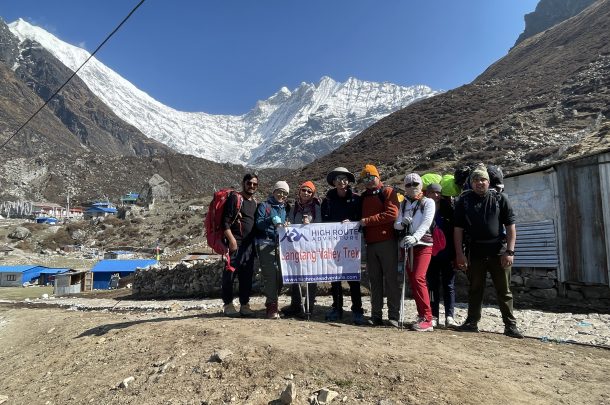
  • Spend wonderful time in the Kyanjin Gompa, surrounded by towering snow-capped peaks, massive glaciers, and open alpine pastures.
  • Stand at the Tsergo Ri viewpoint to enjoy a 360 panorama view of the surrounding mountains.
  • Experience warm hospitality from the Tamang community.
Overview

Dhunche to Langtang Tsergo Ri Trek Overview

Tsergo Ri, also known as Tserko Ri, is part of the Langtang Himalayan Range in the Langtang region of Nepal. This mountain peak has an altitude of 4,985 (16,512 ft) and offers trekkers stunning views of Langtang Lirung, Ganesh Himal, Dorje Lakpa, and other majestic Himalayan peaks from its summit.

The Tsergo Ri Trek takes you through the picturesque Langtang Valley. Your journey begins with a scenic drive from Kathmandu to Dhunche. The trail winds through forested hillsides that provide beautiful views of the Bhotekoshi River valley.

You will start trekking from the district headquarters of Dhunche, passing through oak and rhododendron forests until you reach Lama Hotel. Along the way, you will walk through the traditional Tamang village of Thulo Syabru. From there, the path leads you through lush national park forests to Lama Hotel. After that, you will climb past Ghoda Tabela, trekking through alpine forests as the valley opens up, passing water mills, prayer wheels, and reconstructed stone houses in Langtang Village.

Arriving at Kyanjin Gompa, you will have the opportunity to visit a local cheese factory and the monastery. From Kyanjin Gompa, you will hike to Tsergo Ri and enjoy the breathtaking views before descending along the Langtang River back to Syabrubesi. Finally, you will conclude your trek with a drive back to Kathmandu.

Is Tsergo Ri Trek Via Dhunche Safe after the Rasuwa flood?

After the devastating flood in Rasuwa, the popular route to the Langtang Trek via Syabrubesi is currently affected. So, for now, the alternative trek to Langtang trek is from Dhunche. Dhunche is easily accessible from Kathmandu by road. Dhunche is relatively safe from the Bhote Koshi flood as it is situated at an altitude of 2,030 meters. The flood mainly affected the river corridor, including sections toward Syabrubesi and the Tibet border. 

The flood has caused widespread damage to roads and bridges. Therefore, always check the latest weather and road conditions before travelling.

Itinerary

Dhunche to Langtang Tsergo Ri Trek Itinerary

Early in the morning, around 6 to 7 AM, we will reach the Gongabu bus station to catch the bus to Dhunche. Today's drive will be around 7 to 9 hours. The route follows the Pasang Lhamu Highway through scenic hills, rivers, and rural settlements. As you get closer to Dhunche, you can see distant views of the Langtang Himal and Ganesh Himal ranges if the weather is clear. You can expect to arrive in Dhunche in the evening, where we will stay overnight.

The bus will stop for lunch and a short break. We recommend bringing snacks and a water bottle to enjoy during the drive.

⛰ Altitude 1950 meter
🍽 Meals Dinner
🏨 Stay Teahouse

From Dhunche, you will begin your Tsergo Ri Trek. Today we will follow the trail to Bharku to reach Thulo Syabru. Using this route, you don't need to use the Syabrubesi route, which was affected by the Rasuwa flash flood on 2026, August 26.

Passing through the local settlements, cultivated farmland, and forested sections, you will reach Bharku(1,860 m). This small village is inhabited mainly by the Tamang community. Further, gradually walking through oak and rhododendron forest, you will reach Thulo Syabru. Here you can find plenty of good accommodation with hot showers, charging facilities, and Wi-Fi. Tonight you will spend the night here in Thulo Syabru.

⛰ Altitude 2210 meter
🍽 Meals Breakfast | Lunch | Dinner
🏨 Stay Teahouse

After breakfast, we leave Thulo Syabru and begin our trek to Lama Hotel. The trail first descends through forested areas toward the Langtang Khola.

We pass through Pahiro and continue on toward Bamboo, following the river through beautiful forests of bamboo, rhododendron, oak, and pine.

Beyond Bamboo, the trail gradually climbs through the forest. We cross several small bridges and navigate peaceful sections alongside the Langtang Khola.

The trail continues uphill through Rimche before we finally reach Lama Hotel. The last section follows the river through dense forest.

After approximately 5 to 6 hours of trekking, we arrive at Lama Hotel, situated at an elevation of 2,470 meters. We check into the teahouse and take some time to rest after our day of walking.

⛰ Altitude 2470 meter
🍽 Meals Breakfast | Lunch | Dinner
🏨 Stay Teahouse

After enjoying a warm breakfast, you will leave Lama Hotel and make your way toward Langtang Village. The trail follows the Langtang Khola through forests of oak, maple, rhododendron, and bamboo. You may also spot langur monkeys and, with some luck, glimpses of red pandas along the forested trail.

The trail continues through Bamboo and Pahiro before gradually ascending toward Ghoda Tabela at around 3,000 meters. Along the way, we cross several small wooden and suspension bridges and follow the river through the forest. We stop at Ghoda Tabela for lunch and a short rest.

From Ghoda Tabela, the landscape gradually opens into a wider valley. The trail passes stone walls, prayer wheels, and yak grazing areas as we continue toward Langtang Village.

We pass through the small settlements of Thangshyap and Chamki before reaching the area affected by the 2015 earthquake and landslide. The original Langtang Village was destroyed by the disaster. A memorial made of mani stones marks the affected area.

We continue toward Mundu, which is part of the rebuilt Langtang Village. From here, the views of Langtang Lirung (7,227m) become increasingly impressive.

After reaching Langtang Village, we check into the teahouse and spend the night here.

⛰ Altitude 3430 meter
🍽 Meals Breakfast | Lunch | Dinner
🏨 Stay Teahouse

Today is one of the most rewarding days of the trek as we reach Kyanjin Gompa, located at an elevation of 3,870 meters. 

After breakfast, we depart from Langtang Village and continue toward the upper Langtang Valley. The trail takes us through Mundu and Sindum, where the dense forest gradually gives way to a wide alpine landscape. Along the way, we will cross mani walls, prayer wheels, and Buddhist chortens adorned with prayer flags. We will also navigate a suspension bridge before continuing our journey to Kyanjin Gompa.

As we gain altitude, the views of Langtang Lirung, Gangchempo, and the surrounding Himalayan peaks become increasingly breathtaking. We arrive at Kyanjin Gompa by midday and check into our teahouse. 

After lunch, you are free to explore the village, visit the Kyanjin Gompa monastery, and check out the local yak cheese factory. If time and weather allow, you can also take a short walk toward the nearby glacier and the surrounding moraines.

We will spend the night at Kyanjin Gompa.

⛰ Altitude 3870 meter
🍽 Meals Breakfast | Lunch | Dinner
🏨 Stay Teahouse

Today marks the final test of your journey as you will be summiting Tsergo Ri, which stands at an altitude of 5,033 meters. We woke up early, around 4:00 AM, to start our hike. Rising early allows us to witness the magical sunrise and avoid the stronger afternoon winds.

Dressed in warm clothing and using headlamps, we carry packed lunches and water bottles as we begin our trek. By 6:00 AM, we leave the teahouse, heading east through grassy slopes, yak pastures, and rocky ridgelines.

As we gain altitude, the trail becomes steeper and more challenging. We maintain a steady pace and take regular breaks to help manage the thin air.

Around 11:00 to 11:30 AM, we reach the summit of Tsergo Ri. From the top, you can enjoy panoramic views of Langtang Lirung, Yala Peak, Shishapangma, and other surrounding Himalayan peaks. We take our time to enjoy the sunrise, capture photographs, and appreciate the spectacular mountain scenery.

After spending some time at the summit, we begin our descent toward Kyanjin Gompa. The trail features steep and loose scree sections, so we walk carefully and maintain a controlled pace. We take regular breaks as needed, especially on the steep downhill sections.

Upon reaching Kyanjin Gompa, we spend the rest of the day resting and hydrating. You can relax at the teahouse and enjoy the peaceful alpine surroundings.

In the evening, we enjoy a warm dinner and spend the night at the teahouse in Kyanjin Gompa.

⛰ Altitude 3870 meter
🍽 Meals Breakfast | Lunch | Dinner
🏨 Stay Teahouse

After breakfast in Kyanjin Gompa, we prepare to leave for the Lama Hotel while the mountain views are still clear. The trail descends through a wide alpine valley toward Langtang Village. 

Along the way, we pass mani walls, yak pastures, scattered boulders, and small settlements. The open trail offers beautiful views of the surrounding mountains and the valley. 

After approximately 2 to 3 hours of walking, we reach Langtang Village, situated at an altitude of 3,430 meters. Here, we take a short tea break or an early lunch, allowing some time to rest before continuing our longer descent. 

From Langtang Village, we proceed toward Ghoda Tabela. The trail takes us through Mundu and gradually enters a forested section of the valley. We follow the Langtang Khola as it winds through the narrowing valley, passing rocky sections, streams, and waterfalls. 

We arrive at Ghoda Tabela, located at around 3,000 meters. After a brief rest, we continue our descent through dense rhododendron, oak, and pine forests. The trail becomes steeper in some areas as we lose altitude. 

As we follow the Langtang Khola toward the Lama Hotel, we cross several small bridges and streams. The long descent can be hard on the knees so that trekking poles can be useful. 

By late afternoon, we finally reach Lama Hotel at an altitude of 2,470 meters. We check into a local teahouse and spend the evening resting after our day’s descent. 

⛰ Altitude 2470 meter
🍽 Meals Breakfast | Lunch | Dinner
🏨 Stay Teahouse

After having breakfast at the Lama Hotel, we descend through lush bamboo and oak forests. From Pahiro, we follow the ascending trail that climbs towards Thulo Syabru. Afterward, we descend through the forest and pass by small settlements and farm terraces until we reach Dhunche. Once in Dhunche, you will stay in a comfortable lodge and celebrate with your team.

⛰ Altitude 1950 meter
🍽 Meals Breakfast | Lunch | Dinner
🏨 Stay Teahouse

Now that the Tsergo Ri Trek is complete, it's time to return to Kathmandu. Following the same road, you will arrive in Kathmandu in the evening.

Build Your Own Adventure!

Collaborate with our specialists to create a unique itinerary.

✦ Tserko Ri Trek Booking, Payment and Cancellation Policy
  • Booking: Book directly from our website by clicking on the " Book Now" option for the package. To confirm the booking, make an advance payment of 20% of the total trip cost.
  • Payment: We accept different payment options: Credit/Debit Card, Bank Transfer, Connecting IPS, Digital Wallets.
  • Cancellation: To know the detail information about the cancellation, please check our "terms and conditions".
Things to Know

Notes

Tsergo Ri Trek Difficulty

Difficulty grade: moderate to challenging

The most difficult section of the Tsergo Ri Trek is the summit of Tsergo RI Peak itself. From Kyanjin Gompa to the summit, it takes around 4 to 5 hours to reach. The trail is steep uphill, exposed ridge and loose terrain. Cold temperatures and high winds, especially in the afternoon, make the summit push more difficult. 

Another main challenge is high altitude. Reaching the summit of 4,984 meters, where the air is thin, increases the risk of altitude sickness. Also, it is physically demanding due to the steep terrain, high altitude, and long ascent. 

Trekkers need to follow the proper acclimatization plan, hydrate regularly, monitor health, and take sufficient rest when their body demands it. Although it sounds tough, this Tsergo Ri Trek is completely manageable.

Best Time for Tsergo Ri Summit

The best time to summit Tsergo Ri 4,985 m(16,512 ft) in the Langtang Valley is during the spring and autumn seasons. Spring, from March to May, marks the beginning of the trekking season. The weather gradually starts to become warm, with clear mornings and blooming rhododendrons. This season is famous for early morning breathtaking Himalayan views and comfortable trekking conditions.

Autumn, from September to November, is another excellent season. Clear blue sky allows trekkers to enjoy the sharp view of mountain peaks. Moderate temperatures and stable weather make the trekking comfortable. Also, Dashain and Tihar, Nepal's greatest festival can be experienced during this time.

Acclimatization and Safety on Tsergo Ri 

Proper acclimatization is required for the successful and safe ascent to Tsergo Ri summit. Our itinerary is carefully planned, allowing trekkers to gradually adapt to the increasing altitude. However, we need to be extra careful while trekking above 3,000 metres as the chance of altitude sickness(AMS) increases and can happen to anyone. The early symptoms of AMS are headache, nausea, loss of appetite, fatigue, and dizziness. 

We should not ignore these symptoms, as AMS can become more serious and develop into High-Altitude Cerebral Edema (HACE) or High-Altitude Pulmonary Edema (HAPE). These are severe altitude-related conditions that require immediate attention.

To prevent AMS:

  • Walk slowly at your own pace to maintain stamina
  • Drink enough water at regular intervals to stay hydrated.
  • Avoid alcohol and sleeping pills, as they can impact your body's reaction to high altitude.
  • Eat healthy and nutritious food and carry snacks with you.
  • Consider taking Acetazolamide (Diamox) after consulting with a doctor before the trek, as it is not necessary for everyone.
  • Take enough rest and get adequate sleep after each day of trekking
  • If you experience any AMS symptoms, inform your trekking guide and descend to a lower altitude.
  • If your AMS symptoms start to worsen, seek immediate medical attention.

Importance of Insurance for the Tsergo Ri Trek

For your own safety, we highly recommend that our participants purchase an insurance policy that covers:

  • High-Altitude Trekking: Coverage for treks at altitudes of 5,000 meters or higher.
  • Mountain Emergencies: Financial protection for unexpected incidents during your trek.
  • Helicopter Rescue: Coverage for medically necessary helicopter evacuation.
  • Altitude Illness: Protection against acute mountain sickness (AMS) and related complications.
  • Medical Care: Coverage for necessary medical treatment during the trek.
  • Trip Changes: Protection against covered trip cancellation or interruption.
  • Personal Belongings: Coverage for loss or damage to insured belongings.
  • Emergency Support: Access to assistance throughout your journey.

Eco-friendly Trekking and Cultural Immersion

This Tserko Ri Trek allows trekkers to visit the traditional house and settlement of Tamang communities. The local Tamang and Sherpa communities mainly operate the teahouses here. The trail and villages here are decorated with Buddhist monasteries, prayer wheels, mani walls, and chortens. Tourism is an important source of income for many local families in the Langtang region. While staying in the teahouse and walking through the village, always respect the local culture, religion, and traditions.

The recent Rasuwa flood has also affected communities and tourism activities in the region. Traveling responsibly and supporting local businesses can help local families recover and maintain their livelihoods.

Add-on Option

Beyond Tsergo Ri Trek, if you have time, you can further explore other trekking destinations after your summit. You can visit the beautiful Gosaikunda Lake situated at an altitude of 4380 metres. 

You can also explore the more remote Tamang Heritage Trail to experience traditional Tamang villages, local culture, and less-traveled mountain trails.

FAQs

FAQs of Dhunche to Langtang Tsergo Ri Trek

  • Is the alternative route to Langtang via Dhunche safe after the flood?

    The Dhunche route is less affected by the recent flood and remains operational for trekking. If you have previously booked the Langtang Valley trek package from the Syabrubesi route, you can use the Dhunche route as an alternative. But before heading out for the trip, check the latest road and weather conditions.
  • How long does the alternative route to Langtang take?

    The Dhunche route to the Langtang Tserko Ri(Tsergo Ri) Trek takes an additional two days compared to the regular trek that starts from Syabrubesi. This is because, from Dhunche, trekkers must pass through Bharku and Thulo Syabru before joining the main trail leading to Lama Hotel.
  • Is there an altitude problem on the Dhunche route?

    The altitude increases gradually from Dhunche to Kyanjin Gompa, allowing your body time to adjust before hiking to Tserko Ri/Tsergo Ri summit. However, altitude sickness can still occur at higher elevations, so proper acclimatization, hydration, and a steady pace are important.
  • Do I need an extra acclimatization day?

    An extra acclimatization day is not usually required on this Tserko Ri/Tsergo Ri Trek.
  • What happens if my trek is delayed due to weather issues?

    High Route Adventure prioritizes the safety of our trekkers. If weather conditions become unsafe, your trekking leader will make the decision to delay, adjust, or modify the itinerary. We will always prioritize safety over adhering to the original trek schedule.
Traveler Reviews

What Our Customers Say

Real experiences shared by trekkers and travelers who joined our trips.

Schneider, German

I really enjoyed reading about the Tsergo Ri Trek. The combination of mountain scenery, rhododendron forests, traditional villages, and the visit to Kyanjin Gompa makes this trek very attractive. The summit views at almost 5,000 meters must be spectacular on a clear day.

It is also helpful that the article explains the situation after the Rasuwa flood. Routes in the Himalayas can change quickly after natural disasters, so having information about the Dhunche alternative and road conditions is very useful for international trekkers.

Minato, Japan

Tserko Ri, looks like an amazing viewpoint in the Langtang region. I would especially love to see Langtang Lirung and the surrounding Himalayan peaks from the summit. The journey through forests and traditional Tamang villages also makes the trek feel culturally interesting.

The information about travelling through Dhunche is very helpful after the Rasuwa flood. It is reassuring to see that alternative routes are being considered, while also reminding travellers to check current road and weather conditions. This is very useful information for anyone planning a Langtang trek.

Dougal, Canada

Tsergo Ri is definitely going on my list of places to explore in Nepal. I like that the trek combines high mountain views with forests and villages instead of being focused only on reaching the summit. Kyanjin Gompa and the cheese factory sound like interesting stops along the way.

The update about the Rasuwa flood is something every traveller should pay attention to. Himalayan travel conditions can change after floods, landslides, and damaged bridges, so checking the latest information before leaving Kathmandu seems very important.

R. T, France

The Tsergo Ri Trek looks like a beautiful way to experience the Langtang Valley. I particularly like the cultural side of the journey, with Tamang villages, prayer wheels, monasteries, and the traditional houses along the trail. The views from Tsergo Ri would certainly be the highlight of the trek.

I also appreciate the honest information about the Rasuwa flood. Rather than simply promoting the trek, explaining the current route conditions gives travellers a better idea of what to expect. The Dhunche route sounds like an interesting alternative.

Jesse Baker, Australia

This looks like a fantastic alternative route for exploring the Langtang region. I especially like that the trek passes through forests, Tamang villages, Langtang Village, and Kyanjin Gompa before reaching Tsergo Ri. It seems to offer much more than just a mountain viewpoint.

The section about the recent flood is very important for anyone planning to visit Nepal now. Using Dhunche as an alternative starting point sounds practical, but checking the road conditions before travelling would definitely be essential.

Hazyclaire, UK

I had heard about Langtang Trek before, but I did not realize that it is also called Tserko Ri Trek. The views from the summit look incredible, especially with Langtang Lirung and Ganesh Himal in the background. The route through the Langtang Valley also seems to offer a great mix of nature and local culture.

The information about travelling via Dhunche after the Rasuwa flood is particularly useful. It is good to know that conditions can change and that trekkers should check the latest road and weather updates before starting the journey. Safety information like this makes the itinerary much more helpful for planning.

Related Packages

You may like these packages too !
Annapurna sunrise & Everest view trek
Trekking in Nepal

Everest Annapurna Short Trek

Manaslu Circuit trek with High Route Adventure
Trekking in Nepal

Manaslu Circuit Trek

Annapurna Base Camp Trek with Helicopter Return in Nepal.
Luxury Tours & Treks, Trekking in Nepal

Annapurna Base Camp Trek with Helicopter Return 

Manang Trek, Nepal
Trekking in Nepal

Manang Trek From Kathmandu

EBC Chola Pass Gokyo Trek
Trekking in Nepal

Everest Base Camp Gokyo Trek Via Cho-la Pass

Chisapani Nagarkot Trek
Short Treks, Trekking in Nepal

Chisapani Nagarkot Trek

Chat via WhatsApp +977 9851058664

Our Partners

We are associated with

High Route Adventure TripAvisor Award 2025 High Route Adventure TripAvisor Award 2025