
Khumbu Icefall: Why Is It So Dangerous?
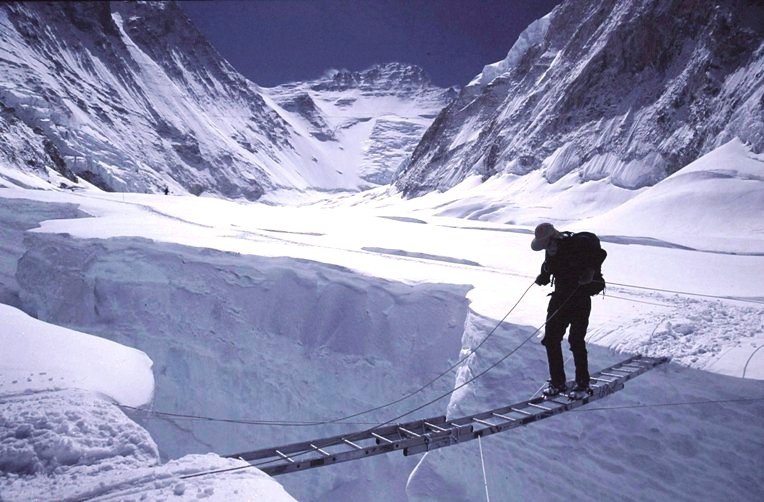
Table of Contents
Introduction
Mount Everest Base Camp sits at 5,364 meters. The air is thin. The nights are brutal. But the real test starts just beyond camp. That is where climbers meet the Khumbu Icefall. The Khumbu Icefall is a moving river of ice. It connects Base Camp to Camp 1 on Everest.
It is not a smooth path. It is broken, cracked, and always shifting. The Khumbu Icefall is widely regarded as one of the most hazardous parts of the route. Even experienced climbers treat it with great respect.
Many climbers consider it one of the most dangerous sections of the South Col route. Why? Because it is never the same for long. The Khumbu Icefall changes as the glacier moves.
Blocks of ice can fall without warning. Crevasses can open, widen, or change shape. This is not a static staircase to the summit. It is a living glacier. It shifts, groans, and cracks under its own weight. Every step through it requires care and focus.
Crossing it takes more than strength. It takes constant attention from climbers. It also takes serious route work. Ladders, ropes, and anchors need regular checking and repair. It also takes mental toughness. Fear is normal here. Managing that fear is an important skill.
Behind every safe crossing stands a skilled team. They are called the Icefall Doctors. They work before many climbers arrive. They study the ice and prepare the route.
In this guide, we explore the Khumbu Icefall in detail. We look at its geology, danger, and seasonal changes. We also explain the Khumbu Icefall route through the climbing season.
Whether you are a climber, a trekker, or just curious, this guide will help you understand it.
Let’s step into the ice.

Khumbu Icefall at a Glance
| Feature | Details |
|---|---|
| Location | Khumbu Glacier, Everest region |
| Route | Everest Base Camp to Camp 1 |
| Base Camp elevation | 5,364 meters |
| Main hazards | Crevasses, séracs, ice movement, and rockfall |
| Route maintenance | Icefall Doctors |
| Common crossing time | Early morning |
| Route condition | Changes during the climbing season |
The Geography and Geology of the Khumbu Glacier
The Khumbu Icefall lies above Everest Base Camp, where the Khumbu Glacier descends from the Western Cwm. The Western Cwm is a wide, snow-filled valley. Snow piles up there year after year. That snow slowly turns into ice. Gravity then pulls this ice downward.
But there is a problem. The path narrows sharply between two giants. On one side stands Mount Everest’s West Ridge. On the other stands Nuptse. This narrow gap acts like a funnel. Large amounts of ice move through it.
That movement helps create the icefall. The ice cannot flow smoothly through such a tight space.
Why the Ice Moves
Three forces affect this movement. Gravity, pressure, and temperature all play a role. Gravity pulls the glacier downhill constantly. Pressure builds as ice piles higher above. This pressure helps push the lower ice forward.
Temperature also matters. It can affect glacier movement, melting, and ice stability. Solar heating can increase surface melting. It can also affect route conditions.
The Khumbu Glacier moves at different speeds in different areas. Some sections may move close to a meter each day. Movement speed depends on several factors. These include season, slope, temperature, and solar heating.
The Icefall Phenomenon
As the glacier moves through the narrow gap, it cannot bend smoothly. Instead, the ice breaks apart. This breaking creates massive ice towers. Climbers call them séracs. Some séracs are very large. They can collapse with little warning.
The breaking also creates deep crevasses. Some are difficult to see from the surface. Many crevasses are hidden under snow bridges. These bridges can look completely solid.
But looks can be deceiving in the Khumbu Icefall. A snow bridge can weaken or collapse under weight.
Micro-Climates Inside the Icefall
The icefall is not uniform in temperature. Small areas can behave differently. Direct sunlight can melt ice faster in open areas. Shadowed zones can stay colder for longer. Wind funnels through narrow gaps too. This wind can shape the ice in unusual ways.
These local changes can affect the icefall route. What was safe earlier may become unsafe later. This is why the Khumbu Icefall demands constant attention. Conditions can change quickly.
The Guardians of the Route: The Icefall Doctors
Every year, before many climbing teams arrive, a special team goes to work. They are called the Icefall Doctors. These are experienced Sherpa climbers. Their job is to establish and maintain the climbing route.
They are chosen for their skill, experience, and knowledge of the glacier. The role has developed through decades of Everest climbing. Early Everest expeditions had to find their own way through the icefall.
Over time, route work became more organized. Today, experienced teams prepare and maintain the route each season. Groups connected with the Sagarmatha Pollution Control Committee help organize this work.
When the Work Begins
Icefall Doctors usually start work in March. They arrive before the main climbing season. They live at Base Camp in basic conditions. Their focus is the route ahead.
They study the glacier’s shape from the previous season. Then they begin scouting a fresh path. No two years look exactly the same. The Khumbu Icefall route can change during the season. Old maps may not show current conditions.
Tools of the Trade
Their equipment is simple but essential. Aluminum ladders are used to cross wide crevasses. Static ropes are fixed along key parts of the route. Climbers use them for protection.
Ice screws can anchor ropes into suitable ice. Pickaxes help with route work and testing. But their most valuable tool is experience. Years of reading ice patterns cannot be replaced by gear.
The Danger They Face
Icefall Doctors take on serious risks. They work below and around unstable ice. While climbers rest at Base Camp, these workers may already be in the icefall.
They inspect ladders, ropes, and route sections before climbers use them. Their work is among the most hazardous jobs on Everest.
Their contribution often receives less attention than the climbers they support. Without their route work, safe passage through the icefall would be much harder.
Worth reading: Death Zone: The Brutal Reality of Climbing EverestAnatomy of the Route: Step-by-Step Through the Icefall
Let’s walk through the Khumbu Icefall climbing route from start to finish.
This is what a typical rotation can look like.
The Base Camp Exit and the Popcorn Field
The journey begins right outside Base Camp. Climbers step onto broken ice blocks first. Some climbers refer to this area as the Popcorn Field. The ice blocks look scattered like popped kernels.
Morning temperatures here are painfully cold. Climbers often start walking before sunrise. Early starts can help avoid stronger daytime warming. Cold conditions can also make some ice surfaces more stable.
The First Ladders
Soon, climbers reach ladder crossings. Aluminum ladders span crevasses in some sections. For many climbers, this is a shocking moment. Standing over a deep gap feels unnatural.
Crampons scrape against metal rungs below. Ropes offer protection during the crossing. This psychological adjustment is a big part of Khumbu Icefall crossing. Fear here is completely normal.
The Football Field
After the first ladders, climbers may reach flatter terrain. Some climbers call this section the Football Field.
It offers brief mental relief. Climbers can walk more normally for a short stretch. But this calm never lasts long. More complex terrain waits ahead.
The Central Maze
Next comes one of the more complex sections. Climbers weave through towering ice walls here. Narrow passages can force single-file movement. Snow bridges can test balance and nerve.
This area demands total focus. A wrong step can have serious results. The path through this area can shift. A route used earlier may change later.
The Popcorn Ridge and Nuptse’s Base
Near the upper icefall, the route can run close to Nuptse. This brings another hazard: rockfall.
Loose rocks can fall from steep slopes. Climbers must remain alert in this zone. There may be little time to pause here. Moving efficiently can reduce exposure.
Exiting into the Western Cwm
Finally, climbers reach more open ground. This marks the entrance to the Western Cwm. Camp 1 sits near 6,000 meters in this area. The terrain is generally more open than the icefall.
However, it remains a high-altitude and hazardous environment. Reaching this point brings huge relief. The hardest technical section is now behind.
This full sequence makes up the Khumbu Icefall climbing route. It combines fear, skill, and focus.
Chronological Evolution: How the Icefall Changes from March to June
The Khumbu Icefall route changes across the climbing season. Understanding this pattern is useful for climbers.
March: The Early Season
- March brings deep, cold conditions. Temperatures can stay low during the day and night.
- This cold can keep many ice surfaces firm. However, crevasses do not simply remain closed everywhere.
- Ice screws can be harder to place in very hard ice. Route conditions also vary by location.
- Route-finding may be more straightforward in some areas early in the season.
- This is when Icefall Doctors do major setup work. They build the main route system.
April: Peak Climbing and Mid-Season Shifts
- By April, sunlight grows stronger. Daytime temperatures also rise.
- Many climbers now enter the Khumbu Icefall during the main season.
- Crevasses can widen as ice melts and moves. Old anchors can loosen or become unsuitable.
- Ladders can shift position as the glacier moves.
- Technical bottlenecks can cause traffic jams. Climbers may queue at narrow sections.
- Icefall Doctors continue working during this period. They repair ropes and adjust ladders as needed.
- This maintenance continues through the season. The Khumbu Icefall demands regular attention.
May: The Late Season Push for the Summit
- May brings stronger and more direct sun. Afternoon conditions can also become less stable.
- The glacier continues to move during this period. Route conditions can change quickly.
- Sérac collapse remains a serious danger. Large blocks can break away suddenly.
- Weak or wet ice can also become a problem. Some sections may contain meltwater.
- Lower sections can become softer during warmer periods. This can make footing more difficult.
- Because of this, timing becomes critical. Climbers generally cross during the colder early-morning hours.
- Many summit rotations cross the Khumbu Icefall very early. This helps reduce exposure to later daytime warming.
Late May to Early June: The End of the Route
- As the monsoon approaches, conditions can worsen. Avalanche and ice hazards can increase.
- Teams usually leave the mountain as the season ends.
- Icefall Doctors then begin removing route equipment. Ladders and ropes are taken out where possible.
- This helps reduce waste on the glacier. It also removes unused equipment from the route.
- The next season requires fresh route work. The process begins again after winter.
- This yearly cycle shows why the Khumbu Icefall route never stays fixed.
Major Hazards and Safety Risks
The Khumbu Icefall carries several serious dangers. Understanding them helps explain its reputation.
Serac Collapse
This is one of the major dangers in the icefall. Large ice blocks can fall without warning. The tragic 2014 avalanche remains a painful reminder. Many Sherpa guides lost their lives that day. Serac collapse can happen suddenly. There is no reliable way to predict every collapse.
Crevasse Falls
Snow bridges can cover deep crevasses. These bridges can weaken under weight. A fall into a crevasse can be fatal. Rescue in this terrain is extremely difficult.
This is why fixed ropes and careful movement matter. Climbers must follow their team’s safety system.
Rockfall
Nuptse’s steep walls can shed loose debris. This rockfall adds another danger. Climbers near this zone must remain alert. Lingering can increase exposure to falling rocks.
Altitude and Exhaustion
High altitude affects judgment and coordination. Climbers also get tired faster in thin air. This exhaustion is dangerous inside the icefall. Complex decisions must still be made quickly. Tired minds can make more mistakes. That is a serious problem in unstable terrain.
Traffic Jams
Many climbers can use the same route during the main season. Delays can happen at narrow sections. Standing still can increase exposure to the surrounding hazards.
Bottlenecks can become more serious during busy periods. This is one reason experienced teams manage movement carefully. Smaller groups can also reduce delays.
Logistics, Etiquette, and Best Practices for Climbers
Successfully crossing the Khumbu Icefall requires more than physical fitness. Good habits matter just as much.
Timing Is Everything
Early morning is the normal time for Icefall crossings. Teams generally aim to cross during the colder early hours. Daytime warming can affect ice and route conditions. Guides plan crossing times around current conditions. Early starts are an important safety practice. Exact crossing times depend on the route and weather.
Ascending vs Descending Rules
Climbers follow right-of-way rules on fixed lines. Teams must communicate clearly at narrow sections. Proper clipping technique matters on every ladder crossing. Jumars must be managed carefully at all times. Mistakes can cause dangerous falls. Training before the expedition helps build these skills.
Weight Management
Some climbers travel light through the icefall. Sherpa climbers may carry heavier loads. This division can help balance speed and safety. Lighter loads can make movement easier for climbers.
Emergency Protocols
Radio communication can connect climbers with Base Camp. This link is important during emergencies. Rescue operations in the icefall are complex. The terrain makes quick evacuation difficult. Medical support is available at Base Camp during expeditions. Their support can be important during accidents.
The Future of the Khumbu Icefall in a Changing Climate
Climate change may affect the Khumbu Icefall. This concerns climbers and researchers.
A Thinning Glacier
Rising global temperatures are affecting Himalayan glaciers. The Khumbu Glacier is also changing. Changes in ice mass can affect fracture patterns. Some sections may become less stable. The exact effects vary across the glacier. Continued study is needed to understand long-term changes.
Changing Routes
The route can shift during and between climbing seasons. Ice movement and melting can force route changes. In some recent seasons, parts of the route have moved closer to Nuptse. Changes in open water and melting can affect route choices.
Icefall Doctors must assess these conditions each season. They then find and maintain the safest practical route. The Khumbu Icefall route can change every season. Climate and glacier changes may influence this process.
The Heli-Option Debate
Some have proposed using helicopters to carry gear above the icefall. This could reduce human time spent in some danger zones.
Supporters say fewer trips could reduce exposure. Critics raise concerns about mountaineering tradition and Sherpa livelihoods.
Environmental concerns also exist around helicopter use. Noise and fuel use can affect the mountain environment. The debate remains complex. Safety, culture, cost, and environmental concerns all matter.
Sustainability of Everest Tourism
Everest tourism remains popular. Large numbers of climbers can place pressure on the route. This raises questions about future safety and route management. Nepal’s climbing authorities must continue to balance tourism and safety.
Must Read: How Much it cost to Climb Everest Conclusion
The Khumbu Icefall is unlike most places on Earth. It is massive, dynamic, and constantly changing. Every season, its route must be assessed again. Every crossing carries real risk.
This guide covered its geology, hazards, and seasonal changes. We also explained the Khumbu Icefall climbing route. Human ambition meets raw nature here. That balance requires care and respect.
Preparation and humility matter more than pure strength. Behind every safe passage stand the Icefall Doctors. Their work helps climbers pass through this difficult section.
The Khumbu Icefall remains a major gateway on the Everest route. It must be crossed with care, patience, and respect.
FAQs About the Khumbu Icefall
What is the Khumbu Icefall?
- It is a fractured and moving section of glacier. It connects Everest Base Camp to Camp 1.
Why is the Khumbu Icefall so dangerous?
- It has unstable ice towers, deep crevasses, and constant glacier movement. These risks make the area difficult to predict.
Who maintains the Khumbu Icefall route?
- A team called the Icefall Doctors builds and maintains the route. They work before and during the climbing season.
When is the best time to cross the Khumbu Icefall?
- Climbers generally cross during the early morning. This is usually when temperatures are colder and conditions are more stable. The exact timing depends on the route and current conditions.
Does the Khumbu Icefall route change every year?
- Yes. The route can change because of glacier movement, melting, and changing ice conditions. Icefall Doctors assess the route and make changes when needed.
How many times do Everest climbers cross the Khumbu Icefall?
- Climbers may cross the Icefall several times during an Everest expedition. The number depends on their route, acclimatization plan, and expedition strategy.
Can Everest Base Camp trekkers enter the Khumbu Icefall?
- No. The Khumbu Icefall is part of the Everest climbing route. Everest Base Camp trekkers do not normally enter the climbing route.
Why do Everest climbers cross the Khumbu Icefall early?
- Early crossings help reduce exposure to later daytime warming. Teams choose their timing based on current weather and route conditions.
How is the Khumbu Icefall route made?
- Icefall Doctors inspect the glacier and select a practical route. They use ladders, ropes, anchors, and other climbing equipment. They also repair and adjust the route during the season.
How many people have died in Khumbu Icefall till now?
- Around 47 people have died in the Khumbu Icefall due to avalanches, falling ice, and unstable seracs.
-
Flash Flood Sweeps Away Dozens of Homes in Gorkha, Nepal
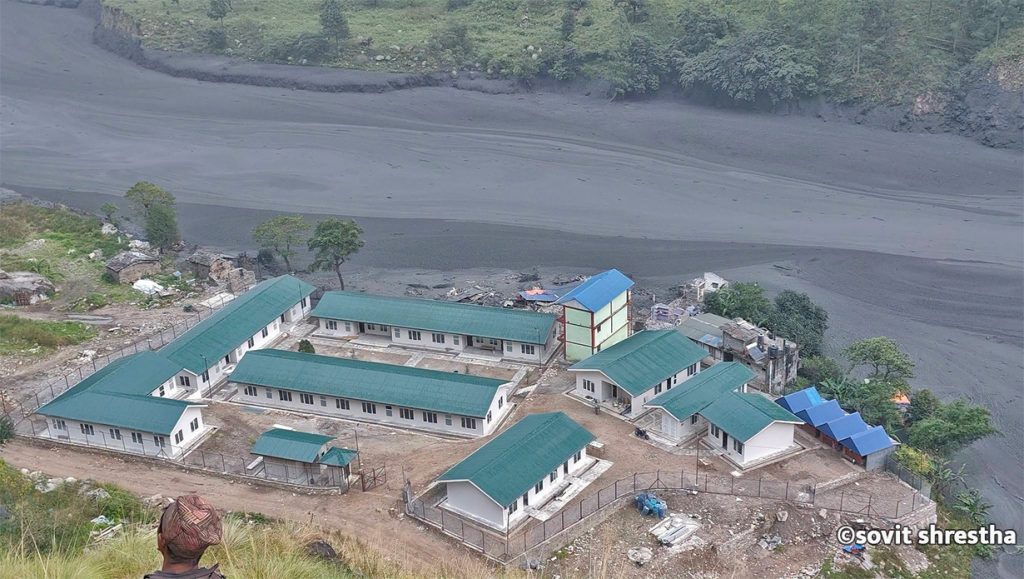
KATHMANDU, Nepal — A sudden and severe flash flood tore through the Budhi Gandaki River basin in Gorkha district on Sunday morning, washing away approximately 35 houses and triggering widespread destruction in the mountainous Manaslu and Tsum Valley regions. According to local authorities and disaster management officials, no human casualties have been reported thus far, though…
-
Swayambhunath Temple, Kathmandu
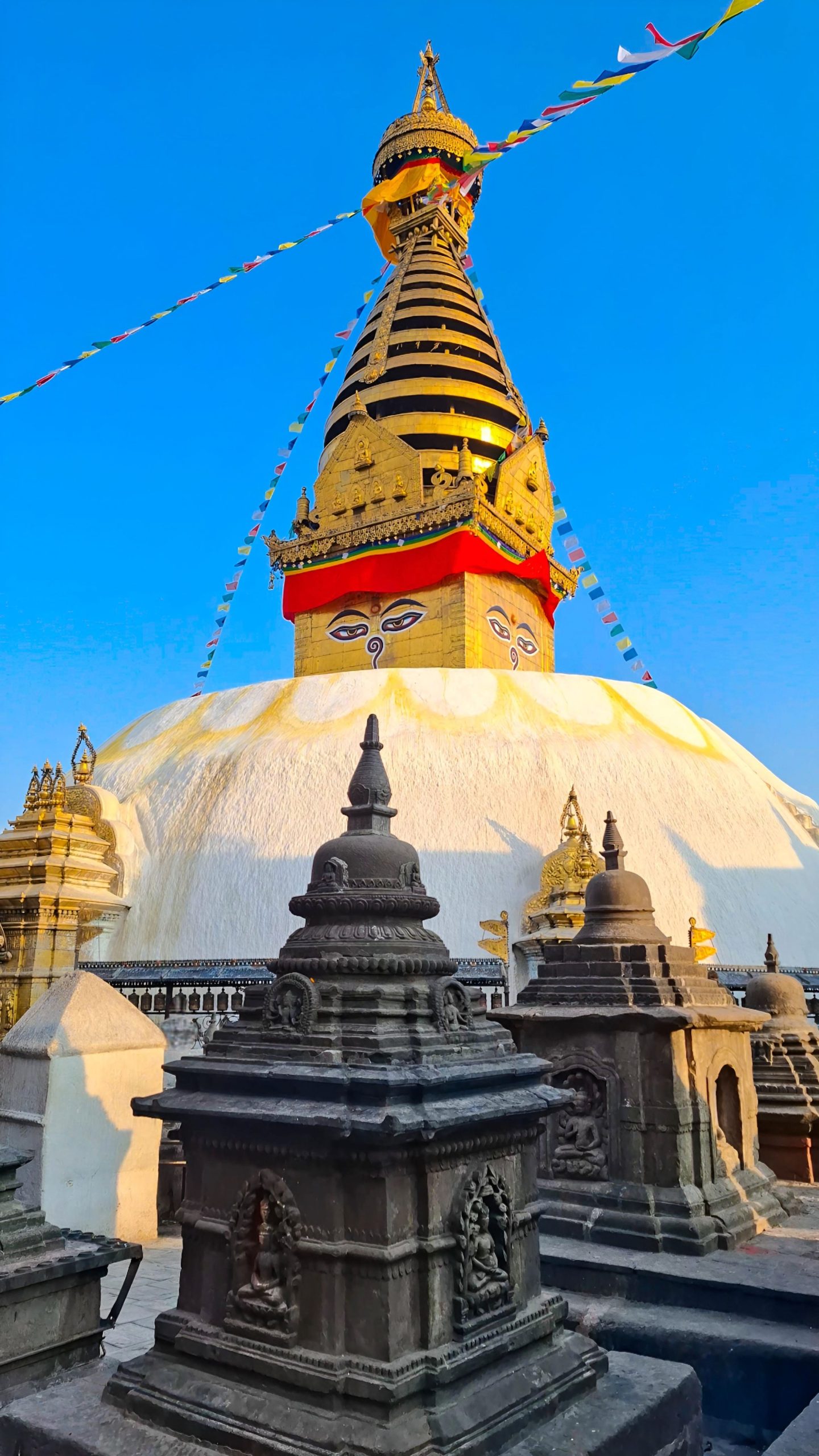
Imagine standing above the chaos of Kathmandu. Honking horns fade below you. A gleaming white dome rises ahead. Two enormous painted eyes gaze calmly in every direction. Prayer flags flutter in the Himalayan breeze. This is Swayambhunath, one of the most extraordinary places in Nepal. Visitors know it as the “Monkey Temple” because hundreds of…
-

North Goa vs South Goa: Which Is Better for Your Holiday?
Amongst the places that are highly popular in terms of beaches, weather, culture, and ambiance in India is Goa, which is known to possess some of the most beautiful beaches in India. The idea of Goa being famous for its beaches, which can be used by tourists for entertainment in North Goa while South Goa…