Death Zone: The Brutal Reality of Climbing Everest

Table of Contents
Introduction: Into the Thin Air: The Death Zone on Mount Everest
In high-altitude mountaineering, there are some scientific terms, and some of them sound frightening. Among them, the most popular and most feared word used is “the Death Zone”. As it sounds like its name, it is real and a serious condition on a mountain peak.
The Death Zone is any place that lies at an altitude above 8,000 metres( 26,247 feet). There are only 14 mountain peaks on Earth that have a height above 8,000m. This mountain is called the Eight-Thousander.
At an altitude above 8,000m above sea level, there is only about one-third of the oxygen found. This level of oxygen is not enough for the human body to survive for an extended period of time. At a lower altitude, the human body can recover, but here the body cannot adapt, and it slowly begins to fail.
In the Death Zone, human cells stop working correctly, climbers’ thinking becomes weak and confused, and the body starts to shut down due to harsh weather and low levels of oxygen.
It’s a life and death situation at this extreme height. Every minute spent here causes more damage to the body, so for this reason, climbers want to spend as little time as possible.
Worth Reading: Mount Everest: Height, Location, Facts And MoreThe Science of Suffocation: Your Body is Betraying You

Let’s understand why your body will betray you in the Death Zone according to scientific terms.
Hypoxia: The Invisible Killer
Hypoxia means a condition where the body or a part of the body does not get enough oxygen. At the Death Zone, there is a presence of only about one-third of that at sea level. The immediate effects of Hypoxia are:
- Impaired judgment
- Confusion
- Hallucinations
- Loss of coordination
Climbers often make serious and often fatal mistakes due to the effects of Hypoxia at extreme altitudes.
The Slow Starvation: Catabolism and Body Shutdown
At high altitude during the climbing adventure, climbers expend a lot of energy. Due to this reason, the body will be desperate for energy, and it begins to consume its own muscle tissue and fat stores for fuel. In the Death Zone, the body also begins to shut down non-essential functions, including the digestive system. As a result, climbers often cannot eat properly or absorb nutrients, even if food is available.
This leads to rapid weight loss, severe muscle wasting, and overwhelming exhaustion. Strength fades quickly, recovery becomes impossible, and every step feels heavier than the last. Over time, the body is quite literally starving itself, accelerating physical collapse at high altitude.
The Vicious Cocktail of Cold and Wind
The temperature at the Death Zone drops between –30°C and –60°C. Also, the wind can reach hurricane force. The human body loses heat at an extreme rate, which can increase the risk of frostbite and hypothermia. Exposed skin can freeze in minutes, and even well-protected climbers are not safe for long.
At the same time, the body is already working overtime just to breathe in thin air and keep vital organs functioning. With so much energy spent on basic survival, there is very little left to maintain body heat. When the human body’s heat drains, muscle becomes weak, reaction becomes slow, and even small mistakes can be fatal.

The Perils of the Peak: The Killers in the Clouds

After you understand the scientific term, it’s time to learn what specific physical dangers climbers face.
The Main Hazards
- Exhaustion: The most common cause of death. Climbers become so drained that they sit down to rest, often believing it will be brief. In the cold and low oxygen, the body cools rapidly, consciousness fades, and they never get back up.
- Falls: A small mistake can be fatal. A slip on ice, a misstep on a narrow ridge, or an error on a fixed rope or ladder can send a climber thousands of feet down steep slopes or into crevasses.
- Avalanches: Avalanches are a constant danger, especially in unstable areas like the Khumbu Icefall. Massive blocks of ice can collapse without warning, leaving climbers little chance to escape.
- Altitude Sickness: Altitude sickness comes in different forms, with increasing levels of danger:
- Acute Mountain Sickness (AMS): The mildest form. Symptoms include headache, nausea, dizziness, and fatigue. While uncomfortable, AMS is usually manageable if treated early and does not always become fatal.
- High Altitude Cerebral Oedema (HACE): A life-threatening condition where fluid builds up in the brain. Symptoms include severe confusion, loss of coordination, hallucinations, and unconsciousness. Without immediate descent, HACE is often fatal.
- High Altitude Pulmonary Oedema (HAPE): Another deadly condition where fluid fills the lungs. Symptoms include extreme breathlessness, coughing (sometimes with pink froth), chest tightness, and rapid heart rate. HAPE can kill quickly if not treated immediately.
Summit Fever: The Psychological Trap
When climbers are heading for the Everest Expedition(the world’s highest mountain in the world), they will have a lot of excitement to reach the top. Even though it is not safe due to excitement, they ignore danger signs, forget safety rules, and stop thinking clearly, all because they want to reach the summit. Climbers may feel overconfident, misjudge risks, or believe they are very close to the top when they are not.
Because of this, many climbers should stop and go down, no matter what, from the Death Zone. At such high altitude, when the decision should be clear, they make errors and run out of energy, oxygen, daylight, or warmth. It results in the most deaths in the death zone.
The Human Cost: The Ghosts of Everest

Here you will learn and hear the human stories and grim realities.
The Bodies Left Behind
You might have the stories and news about the climbers’ deaths slowly piling upon Everest. This is true; till now, lots of climbers have lost their lives while heading to achieve their dream to reach the world’s highest peak. Their bodies are still lying on the Everest, but this is not due to negligence. It is because it is very hard or nearly impossible to recover at such extreme altitudes. Also, another reason is that it is hazardous and costly.
Any rescue or recovery effort puts other climbers and Sherpas at serious risk, often requiring many people, perfect weather, and significant physical strength—something rarely possible in the Death Zone.
One well-known example is “Green Boots,” a climber whose body, once visible in a cave near the summit route, became a reference point for decades before being removed. Another is Francys Arsentiev, often called “Sleeping Beauty,” whose tragic story highlighted the human cost of summit attempts and the limits of rescue at extreme altitude.
Check out: Tragedy That Never Left: Tsewang Paljor (Green Boots) and the 1996 Everest Disaster
Modern Crowds, Classic Dangers

In 2019, the story of Everest Traffic Jam became viral after the famous climber of Nepal, Nirmal “Nims” Purja, captured a long queue of climbers near the summit on May 22 and posted it on social media.
In recent years, overcrowding on Everest has become a serious problem. These traffic jams occur because, during peak season, too many climbers try to reach the summit on the same day. Lines can form on narrow ridges, ladders, and steep slopes, where passing is difficult or impossible.
Delays at extreme altitude are extremely dangerous. Climbers may run out of supplemental oxygen, become exhausted, or spend too much time exposed to the freezing cold and strong winds. Even a few extra minutes in the Death Zone can be life-threatening, turning a summit attempt into a deadly situation.
The Ethical Dilemma
At the high altitude of Everest, climbers often face a harsh ethical dilemma: When you are fighting to survive, what is your responsibility to a dying stranger?
There have been several tragic cases where climbers were passed by others in need of help, sparking international debate about morality, survival, and human limits at extreme altitude. In such situations, every decision is complicated by exhaustion, Hypoxia, and life-threatening conditions—even stopping to help can put your own life at risk.
Don’t miss reading: How many people died on Everest
Tales of Resilience: Miracles Above 8,000 Meters
Amid the dangers and tragedies, Everest is also a place of remarkable courage, teamwork, and resilience.
Stories of Survival
Lincoln Hall was one of Australia’s most celebrated mountaineers, part of the first Australian expedition to climb Everest in 1984, and a respected author of mountaineering books and articles.
In 2006, during a summit attempt on Everest, Hall suffered severe altitude sickness near the top and was mistakenly left for dead by his climbing team. Exhausted, nearly frozen, and with dangerously low oxygen, his chances of survival seemed almost zero.
Miraculously, he was found alive the next day by another team, rescued, and safely guided down the mountain. This is the true example of resilience and determination of the human spirit, showing that even in the most extreme conditions, survival is possible against all odds.
The Unsung Heroes: The Sherpas
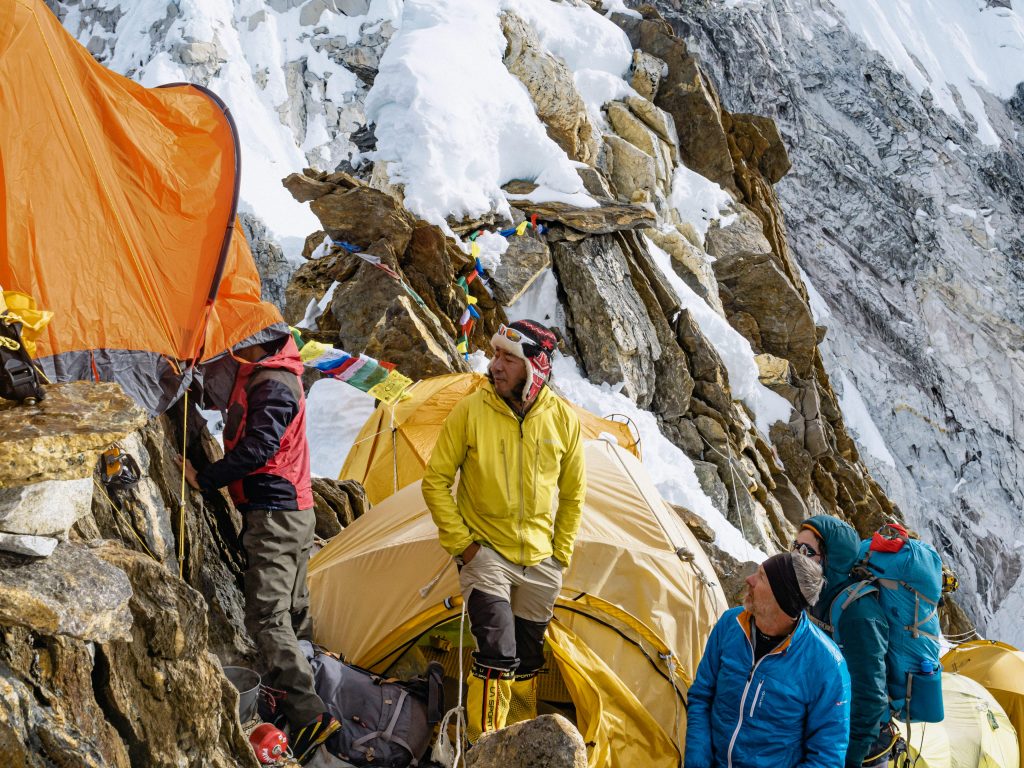
Sherpa people are famous worldwide for their courage, incredible skill, strength, and bravery in high-altitude mountaineering. They are the indigenous people living in the Everest Region-they are their home and deeply sacred. Sherpas often worship the mountains and live in close connection with them, which shapes their culture, traditions, and respect for nature.
They are famous for the most dangerous work and are responsible for setting the ropes, fixing the route, and taking clients to the top of Everest by taking care in the Everest Death Zone.
Worth reading: Everest Gear – Complete Guide to Mountaineering
Conclusion: The Enduring Allure of a Deadly Peak
Everest Death Zone is a life and death situation in Everest. Even though it sounds scary for a climber with the strong desire to reach Everest, with enough plan, many have successfully climbed Mt Everest.
Looking ahead, the future of Everest climbing is being reshaped by debate and regulation. Authorities are considering stricter permits, limits on climbers, and measures to reduce environmental impact, all while climate change makes the mountain less predictable and more dangerous than ever.
Respect the mountain, prepare thoroughly, and never underestimate Everest’s power.
Frequently Asked Questions(FAQ)
Q1: What exactly is the “Death Zone” on Mount Everest?
A: The “Death Zone” is the term used for altitudes above 8,000 meters (approximately 26,247 feet). On Mount Everest, this refers to the final portion of the climb from the “Balcony” to the summit. At this extreme altitude, the amount of oxygen in the atmosphere is insufficient to sustain human life for an extended period.
Q2: How high is the summit of Everest in relation to the Death Zone?
A: The summit of Mount Everest is 8,848.86 meters (29,031.7 feet). This means the final 848 meters (or roughly 2,800 feet) of the ascent takes place within the Death Zone.
Q3: Is the Death Zone a concept unique to Everest?
A: No, it’s not. The term applies to any altitudes above 8,000 meters on any mountain. All 14 of the world’s “eight-thousanders” (peaks over 8,000m) have a Death Zone. However, Everest is the most famous due to its height and the large number of people who attempt to climb it each year.
Q4: Why is the Death Zone so lethal? What happens to the human body?
A: The primary reason is severe Hypoxia, or lack of oxygen. At sea level, the air contains about 21% oxygen. By 8,000m, the atmospheric pressure is so low that each breath contains only about one-third of the oxygen it would at sea level. The human body begins to shut down. This leads to:
Q5: Can’t climbers just use supplemental oxygen to solve the problem?
A: Supplemental oxygen is critical, but it’s not a magic solution. It helps, but it only marginally increases the oxygen level to what you might experience at the altitude of a high ski resort (e.g., ~4,000m). It doesn’t replicate sea-level conditions. The equipment can also fail, and the low-pressure, frigid environment makes it difficult to function. Oxygen helps you survive, but it doesn’t eliminate the extreme risks.
Q6: How long can a person actually survive in the Death Zone?
A: Most climbers aim to spend a maximum of 12-18 hours in the Death Zone during their summit push. Every minute spent there increases the risk of catastrophic physical or mental failure. The goal is to go up and down as quickly as humanly possible.
Q7: Why do so many accidents and deaths happen on the descent?
A: The human body is already pushed to its absolute limit on the way to the summit. By the time a climber turns around, they are exhausted, mentally foggy, and often running low on supplemental oxygen. The physical effort of climbing down is immense, and a slight mistake—a slip, a moment of inattention, or a bout of severe exhaustion—can be fatal. The descent is where the body truly begins to fail.
Q8: What does it feel like to be in the Death Zone?
A: Climbers describe it as an intense struggle for every single breath. There’s a constant sense of suffocation, combined with overwhelming fatigue. Simple tasks, like clipping a safety carabiner or putting on a glove, become monumentally difficult. Many describe a feeling of detachment from reality, as if watching themselves in a dream.
Q9: Besides lack of oxygen, what are the other significant dangers in the Death Zone?
A: The Death Zone is a perfect storm of hazards. Other significant risks include:
- Extreme Cold: Temperatures can plummet to -30°C (-22°F) or much colder with wind chill, leading to rapid frostbite.
- Violent Weather: The jet stream roars over Everest’s summit, creating hurricane-force winds and whiteout conditions with little warning.
- Exhaustion: The culmination of weeks of climbing takes a massive toll, leaving no energy reserve for emergencies.
- Falls: The terrain is a mix of ice, rock, and deep snow. A simple slip, especially on the “Hillary Step” or in the “Triangular Face,” can be fatal.
- Climber Traffic: On busy days, bottlenecks form, forcing climbers to wait in the lethal environment, wasting precious time and oxygen.
Q10: Why are the bodies of some climbers left on Everest?
A: This is one of the most tragic realities. Retrieving a body from the Death Zone is an incredibly dangerous and expensive operation that often requires a team of highly skilled Sherpas risking their own lives. In many cases, the effort is considered too great a risk. The frozen bodies, preserved by the cold, serve as grim landmarks and sombre reminders of the mountain’s power. It is not a sign of disrespect, but a brutal consequence of the environment.
Q11: What is the psychological toll of climbing through the Death Zone?
A: The psychological strain is immense. Climbers must fight their body’s desire to stop and rest, pushing through pain, fear, and oxygen-deprived confusion. The sight of other climbers in trouble or even the bodies of those who have perished can have a profound and lasting mental impact.
Q12: What role do Sherpas play in the Death Zone?
A: Sherpas are the backbone of any Everest expedition. They fix the ropes through the Death Zone, carry heavy loads of supplies and oxygen, and guide clients. They spend more time in the Death Zone than any other climber, exposing themselves to the most significant risks. Their expertise and natural gift to survive at mountain makes most commercial climbs possible.
-
Flash Flood Sweeps Away Dozens of Homes in Gorkha, Nepal
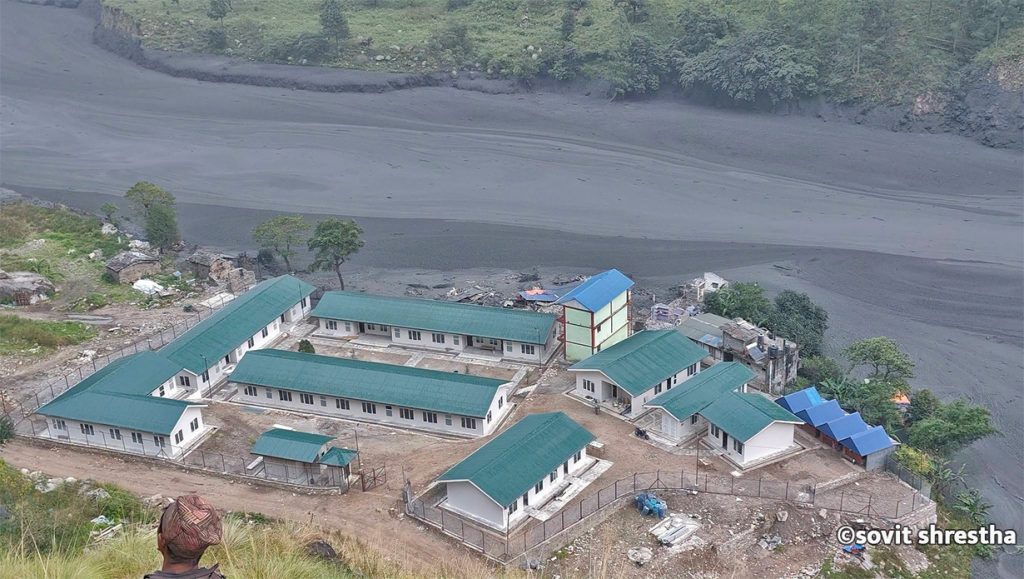
KATHMANDU, Nepal — A sudden and severe flash flood tore through the Budhi Gandaki River basin in Gorkha district on Sunday morning, washing away approximately 35 houses and triggering widespread destruction in the mountainous Manaslu and Tsum Valley regions. According to local authorities and disaster management officials, no human casualties have been reported thus far, though…
-
Swayambhunath Temple, Kathmandu
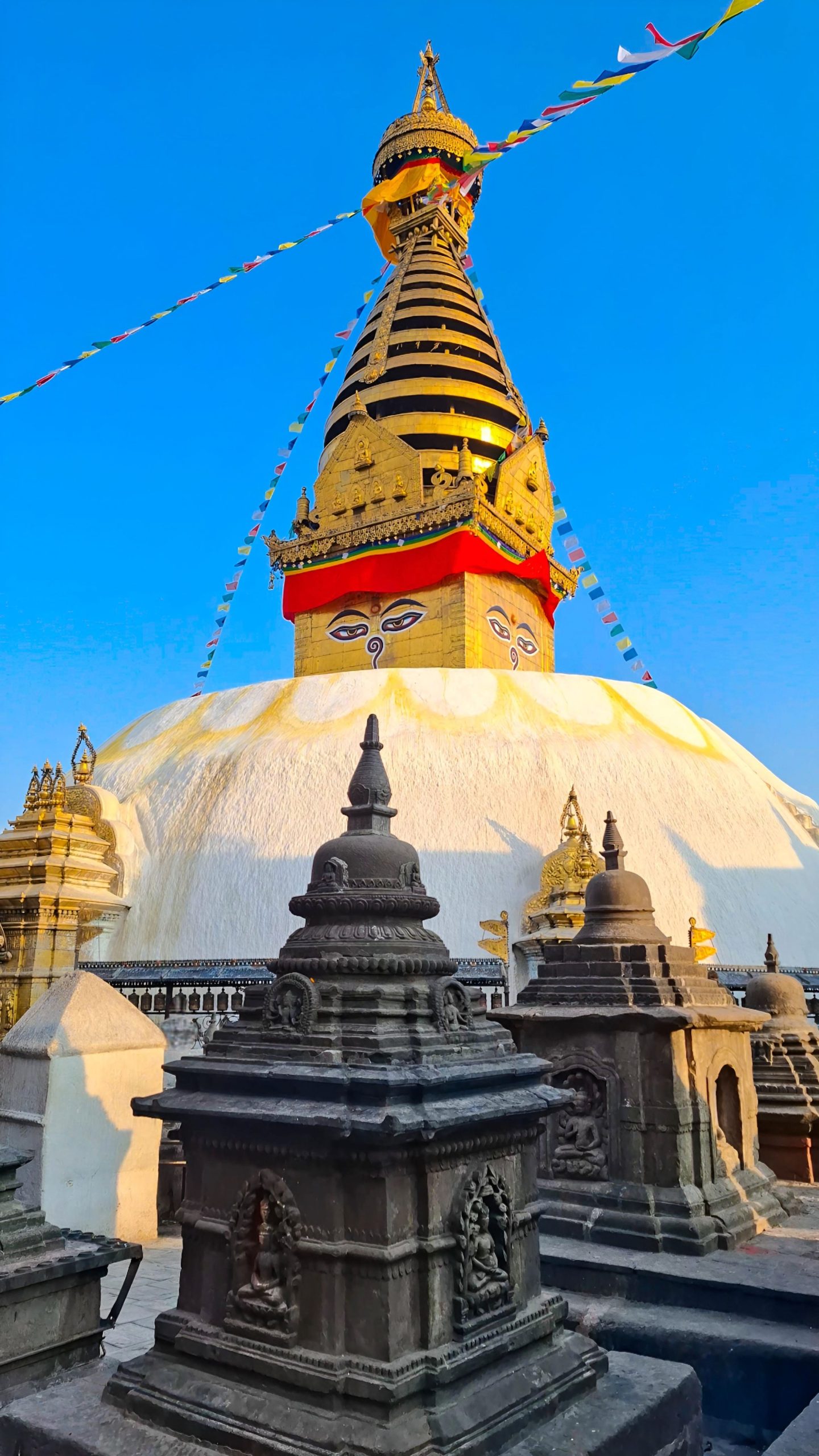
Imagine standing above the chaos of Kathmandu. Honking horns fade below you. A gleaming white dome rises ahead. Two enormous painted eyes gaze calmly in every direction. Prayer flags flutter in the Himalayan breeze. This is Swayambhunath, one of the most extraordinary places in Nepal. Visitors know it as the “Monkey Temple” because hundreds of…
-

North Goa vs South Goa: Which Is Better for Your Holiday?
Amongst the places that are highly popular in terms of beaches, weather, culture, and ambiance in India is Goa, which is known to possess some of the most beautiful beaches in India. The idea of Goa being famous for its beaches, which can be used by tourists for entertainment in North Goa while South Goa…