
Best Time For Kailash Tour/Yatra
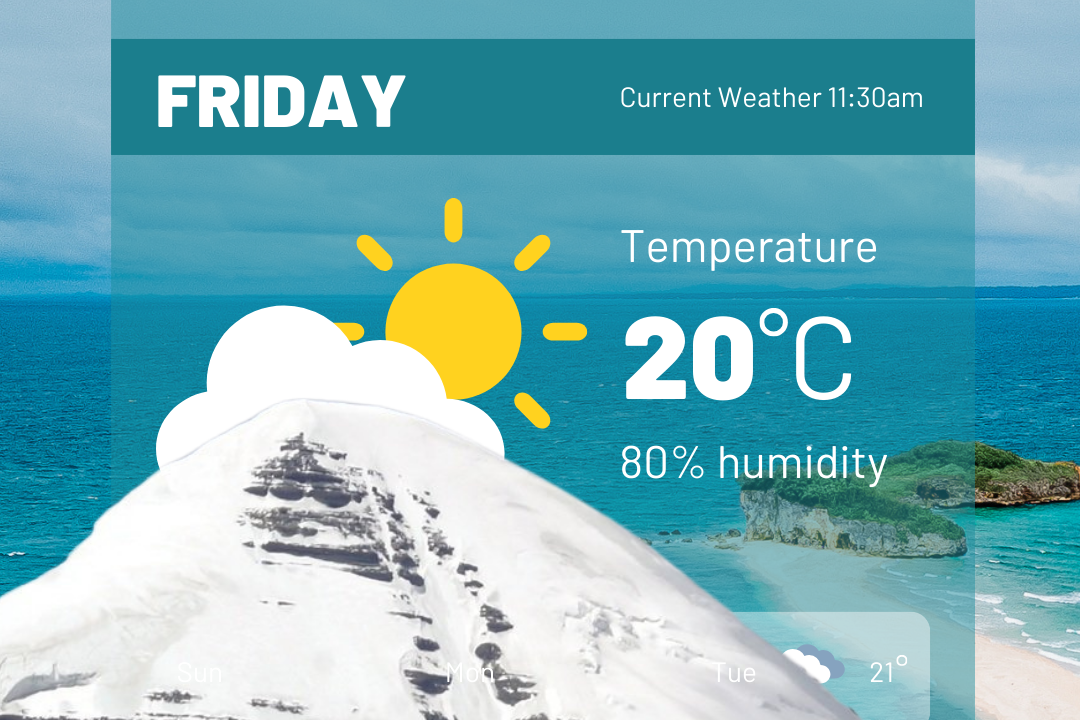
Quick answer: The best time for Kailash tour is late May through June, and again in September to early October. Daytime temperatures during these windows run roughly 5°C to 20°C, skies are clearest, and the Dolma La Pass is most likely to be snow-free. July – August is warmer but wetter (monsoon rain) and busier with pilgrims; November-April is closed to most travelers due to snow and cold.
The planning for a Kailash Mansarovar Yatra is not just about selecting the dates; it is equally about getting the most out of the journey in a comfortable manner. This holy destination invites travellers seeking spiritual and religious meaning to enjoy its natural beauty while experiencing divine grace.
To appreciate what these pilgrimage tours offer, one must know how weather conditions, accessibility, and cultural events affect the region.
The months of May to October are the best times of year to go on a pilgrimage to the Kailash Tour since the weather conditions are ideal due to limited rainfall, clear skies, and stunning views. These factors create the perfect setting for undertaking the holy kora trek along with proper spiritual connection. Additionally, there is optimum operational functionality of available facilities and roads so that travellers will have a smoother time during their pilgrimage.
However, this guide will cover on how every season has something different to offer. Here, you will understand the pros and cons of each season, such as temperature fluctuation, rainfall, road situation, and the influx of pilgrims. By exploring this, it will help you to pick the date to travel for this once-in-a-lifetime pilgrimage.
Table of Contents
Understanding Kailash’s Climate and Seasons

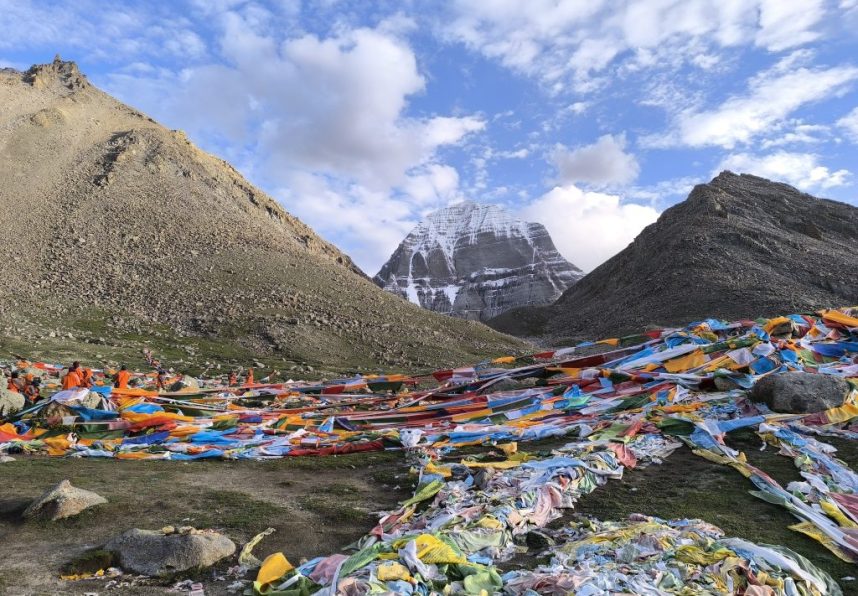
The climate around Mount Kailash is shaped by its high altitude, dry environment, and significant temperature variations. Mount Kailash rises to 6,638 meters (21,778 feet), while the sacred Kailash Kora (Parikrama) circles the mountain at elevations ranging from approximately 4,600 meters (15,092 feet) to 5,630 meters (18,471 feet) at Dolma La Pass, the highest point of the trek.
Situated at elevations above 4,500 meters (14,764 feet), the region experiences long, harsh winters and short, cool summers. Weather conditions can change rapidly throughout the year, making it essential to understand the seasonal climate when planning your Mount Kailash Yatra.
- Spring (April – May): The temperatures start increasing as the snow starts melting and the trekking conditions become more favourable, although the weather can still be highly unpredictable with occasional snowfall.
- Summer (June -August): This is arguably the most comfortable and the warmest time of the year. The longer periods of daylight coupled with relatively warmer temperatures can significantly improve the trekking experience. However, rainfall is highly common, making the trekking experience tougher than it needs to be, not to mention that the increased number of tourists causes even longer lines for everyone to enjoy the spectacular views.
- Autumn (September – October): Similar to the Spring season, autumn offers a pleasant time before the extreme cold kicks in. With stable weather conditions, dry skies, and comfortable temperatures, autumn is considered the best time for people who love trekking and photography.
- Winter (November – March): With severe cold temperatures, strong winds, and heavy levels of snow, this is unquestionably the worst time to go, as there are too many wind and snow barriers, allowing very few guesthouses to stay open, advancing during these months.
Mount Kailash Weather & Temperature

Note: Before heading for the Kailash Tour we highly recommend you to check the weather forecast. You can check from here https://www.meteoblue.com/en/weather/today/mount-kailash_china_1280882
Factors Influencing the Best Time (weather, festivals, crowds).

A decision for when to go for the Kailash tour should be only taken after considering the following factors:
- Weather: The most important factor. Select a time that has clear weather patterns, bearable temperatures and low probabilities for snowfall.
- Festivals: The Kailash Saga Dawa festival, which is in celebration of Buddha’s birth, enlightenment and death, is held during the Tibetan lunar month corresponding with May/June. This festival at Kailash is far more than a cultural event; it is a journey through the life of Buddha, so it should not be attended without sufficient preparation as it gets very crowded.
- Crowds: If you are less interested in the social aspect of your trip, it is best to skip the peak season in July and August. Try going toward the end of May, early June, or September if you wish to have good weather while not being with a large number of tourists.
- Budget: Prices for tours and accommodations are invariably higher during peak seasons. Traveling in the middle of the peak season (May, June, September) usually helps to save a lot of money.
- Physical Fitness: While most people are able to complete the Kora, its location can make it exceptionally challenging for many. It is essential to devise an appropriate altitude acclimatization scheme that would fit your physical state.
Worth reading: Kailash Tour CostRecommendations Based on Different Priorities
- For Trekking Lovers: September and June offer the best combination for doing the Kora. They provide the least resistance for people wishing to travel during the warmer months with the bonus of clear sides and not-too-thick crowds.
- For Photography Lovers: The months of September and October offer the perfect scenery for photographers looking to capture nature due to the stunning light and clear skies.
- For Pilgrims Seeking Religious Significance: If you want to experience the famous Tibetan festival(Palden Lhamo Festival, Saga Dawa Shoton Festival, Tibetan Bathing Festival, Tibetan New Year), check the date. Hindu pilgrims also prefer to travel during the FullMoon Date.
- For Peaceful Seekers: Late May, early June, or September, after the peak season, is best if you want to avoid the huge crowd for Yatra to Kailash Mansarovar.
Permit Information and Regulations:
The first step to organizing your Yatra is to secure appropriate permissions, which include the Tibet Travel Permit, Chinese group visa and other restricted permits. These permits are only available from a registered tour provider. Thus, independent touring is not an option.
- Book through a reputable tour operator: Only book with a reputed tour provider, and while booking, make sure to read the detailed itinerary, inclusion, exclusion cost and company policy.
- Provide required documents: Additionally, you will also be required to submit passport details and other important forms of identification, such as visas, as well as a picture of yourself.
- Allow ample time for processing: Remember, it can take weeks for the permits to be processed, so start making plans well in advance.
- Consider group travel: If you are a solo traveller, you can join a group, but the Kailash Mansarovar Yatra Package will be costly when compared to group travellers. So if you want to reduce the expense consider travelling in a group to get the group discount.
Read More: Chinese Group Visa and Tibet Travel PermitsPreparing for the Chosen Season

Regardless of the chosen season, proper preparation is essential for a successful Kailash Yatra.
- Physical Fitness: Due to trekking or Kailash Parikrama, a certain level of physical fitness is advised. Regular cardio, endurance training, and overall staying active will help.
- Acclimatization: In regard to altitude sickness, it might be worth discussing medication options with your primary care physician, specifically Diamox (Acetazolamide) suppresses symptoms of altitude sickness.
- Packing Essentials: Protection against fluctuating temperatures is essential, so make sure to wear warm, layered clothing. Waterproof coats and hats, tough hiking shoes, winter sleeping bags, and sunscreen are musts as well.
- Mental Preparation: The Kailash Mansarovar Yatra is a rewarding trip but is challenging also, so along with physical preparation you must be mentally prepared. You need to focus on upcoming challenges that happen during the Kailash tour.
Alternative Pilgrimage Options/Routes if Timing is Restricted
If you have limited time for the Kailash Mansarovar Yatra, you can either take a luxury helicopter option. Or You can avoid the Kailash Kora trekking if you wish. Things you can do:
- Darchen Stay: Spending some time at Darchen, the base camp for Mount Kailash, can be very fruitful. You can appreciate breathtaking views of the mountain and the surrounding area, even if you have not quite finished your Parikrama.
- Lake Manasarovar Visit: Located near Mount Kailash, this lake is a part of the region’s holy sites. Pilgrims often come here to enjoy the peace and beauty that the lake and towering mountains provide. You can take a holy bath and perform rituals according to your religion.
- Visiting Nearby Monasteries: Among the other monasteries, Dirapuk Monastery and Zutulpuk Monastery are wonderful examples of Tibetan Buddhist history and culture. You can visit here if you have limited time for travelling.
Ready to embark on your sacred journey?
If you are searching for one of the best tour operators for the Kailash tour, then you can make Highroute Adventure your travel partner. Why? Because we have been organizing the Kailash tour from Nepal over a long period. We will handle everything from logistics, permits, food, accommodation, guide, porter everything that you need at an affordable cost without compromising on quality or comfort.
For booking Kailash Mansarovar Yatra with High Route Adventure:
- Email: info@highrouteadventure.com
- Phone/Whatsapp: +977-9851058664
Final Advice
The best time for the Mount Kailash Tour is from late May to June and from September to early October, when the weather is generally stable and ideal for trekking. July and August are also possible, but expect warmer temperatures, occasional rainfall, and cloudy conditions. It is best to avoid traveling between November and April due to extreme cold, heavy snowfall, and frequent road closures.
Always remember to book or register your tour from a reliable operator, book well in advance for the permits, and prepare yourself physically and mentally for the trek. Choose the best route according to your budget and travel in groups to get the Kailash tour package at the best discount price.In the end, a Yatra to Kailash, or Kailash Yatra, is a life-changing experience that is best suited for those who plan meticulously. Ensuring that you take into consideration all the appropriate factors will guarantee a safe and fulfilling experience.
Frequently Asked Questions(FAQ) on the Kailash Tour
What is the best time for the Kailash Mansarovar Yatra?
The best time is late May through June, and again in September to early October, when daytime temperatures range roughly 5°C to 20°C and the Dolma La Pass is typically snow-free.
How long does the Kailash Mansarovar Tour take?
The Kailash Mansarovar tour typically takes 12 to 16 days, depending on the travel route and itinerary chosen.
When is the worst time to visit Kailash Mansarovar?
November through April is not recommended due to heavy snow, harsh cold, and most guesthouses and roads being closed or inaccessible.
Is 2026 a special year for the Kailash Yatra?
Yes. 2026 is the Year of the Horse in the Tibetan calendar, considered one of the most auspicious years for the Kailash kora.
-
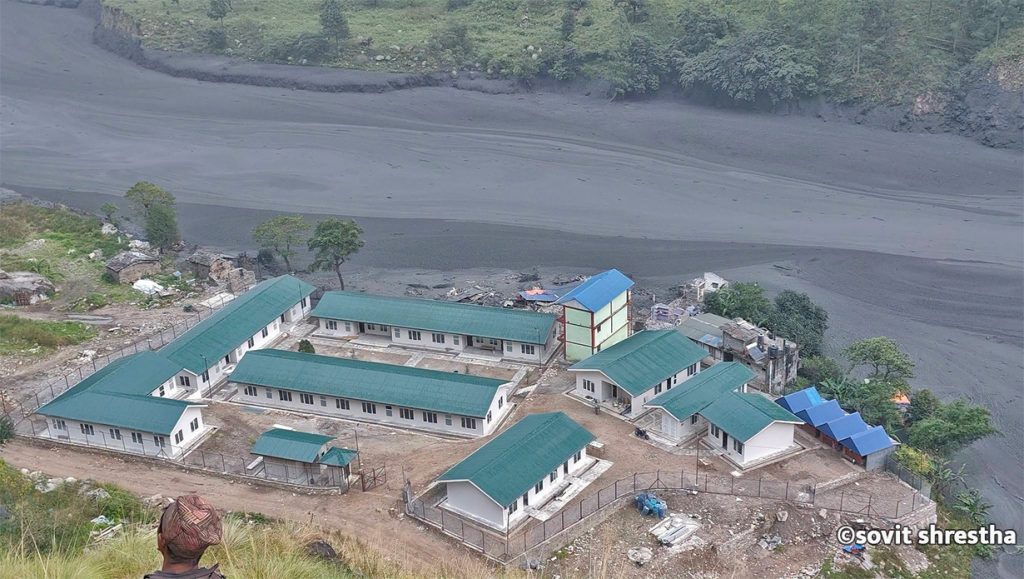
Flash Flood Sweeps Away Dozens of Homes in Gorkha, Nepal
KATHMANDU, Nepal — A sudden and severe flash flood tore through the Budhi Gandaki River basin in Gorkha district on Sunday morning, washing away approximately 35 houses and triggering widespread destruction in the mountainous Manaslu and Tsum Valley regions. According to local authorities and disaster management officials, no human casualties have been reported thus far, though…
-
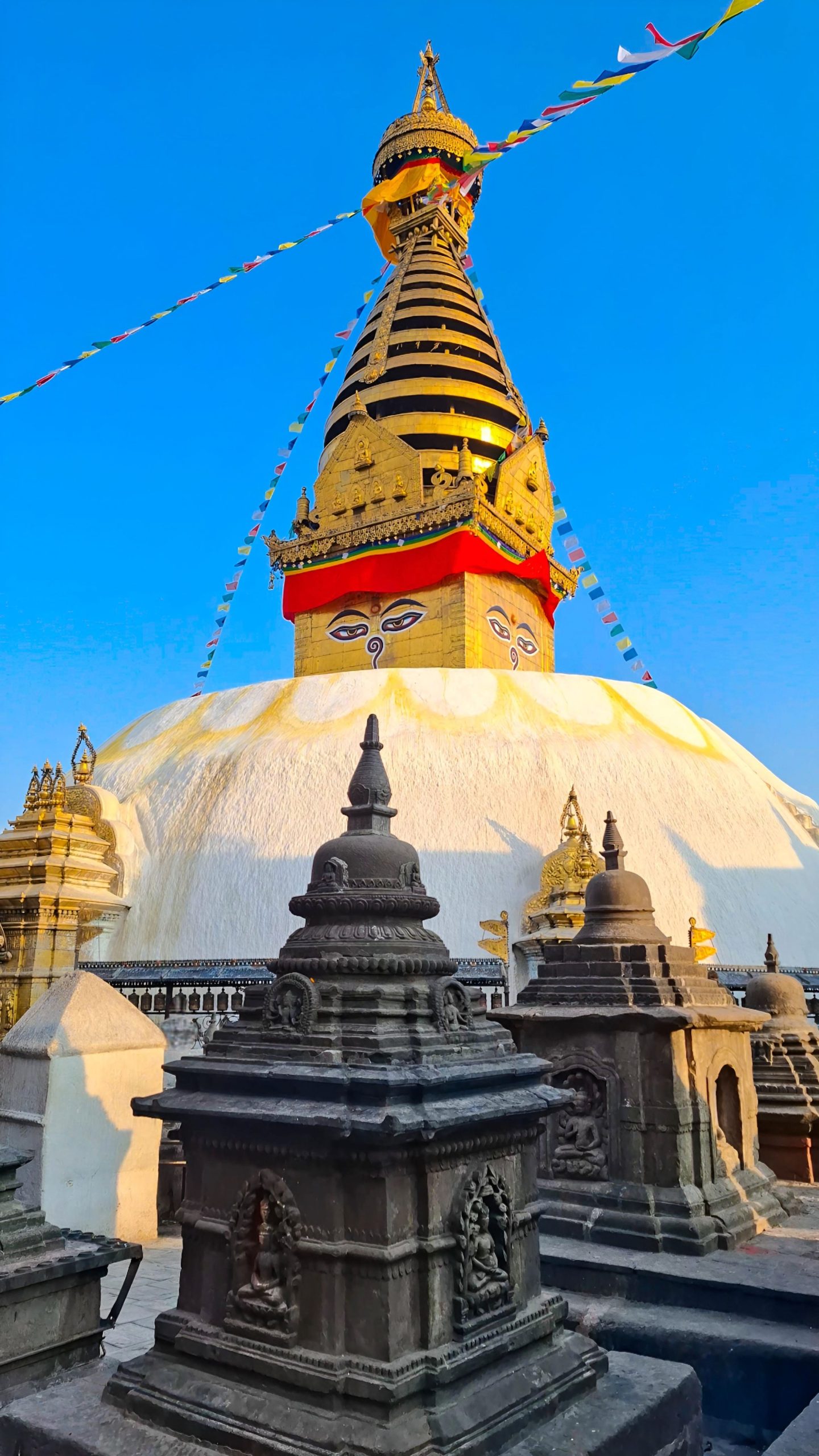
Swayambhunath Temple, Kathmandu
Imagine standing above the chaos of Kathmandu. Honking horns fade below you. A gleaming white dome rises ahead. Two enormous painted eyes gaze calmly in every direction. Prayer flags flutter in the Himalayan breeze. This is Swayambhunath, one of the most extraordinary places in Nepal. Visitors know it as the “Monkey Temple” because hundreds of…
-

North Goa vs South Goa: Which Is Better for Your Holiday?
Amongst the places that are highly popular in terms of beaches, weather, culture, and ambiance in India is Goa, which is known to possess some of the most beautiful beaches in India. The idea of Goa being famous for its beaches, which can be used by tourists for entertainment in North Goa while South Goa…