
Manaslu Circuit Trek Preparation and Training

Manaslu Circuit Trek Preparation and Training is absolutely essential to successfully complete this challenging Himalayan Trek in Manaslu Region. This is not a journey to be taken lightly or without dedication to building one’s physical endurance, strength and mental fortitude beforehand.
Trekking to Manaslu Circuit without proper conditioning would be extremely challenging and potentially dangerous. The Manaslu Circuit trek distance covers approximately 177 km while trekking at high altitudes on steep, rocky terrain. Most days involve gaining thousands of feet in elevation, and crossing mountain passes over 5,000 meters high.
It takes around 14-16 days to complete, and the main challenge of this trek is its high altitude, remote terrain, and long daily walking hours. Carrying a 15-20 pound backpack while trekking 6-8 hours everyday will seem impossible if your body isn’t properly prepared through cardio training. Your leg muscles in particular will fatigue quickly on the steep uphill sections if not strengthened.
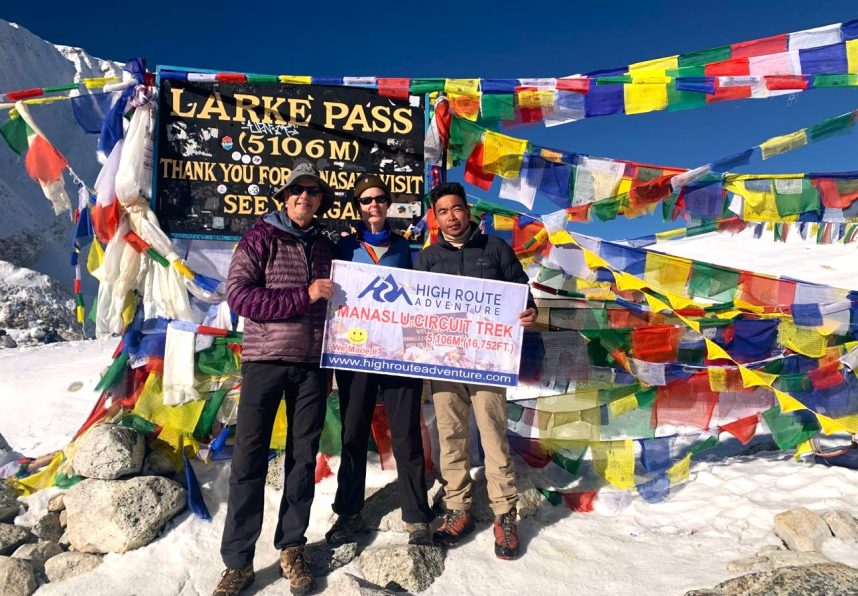
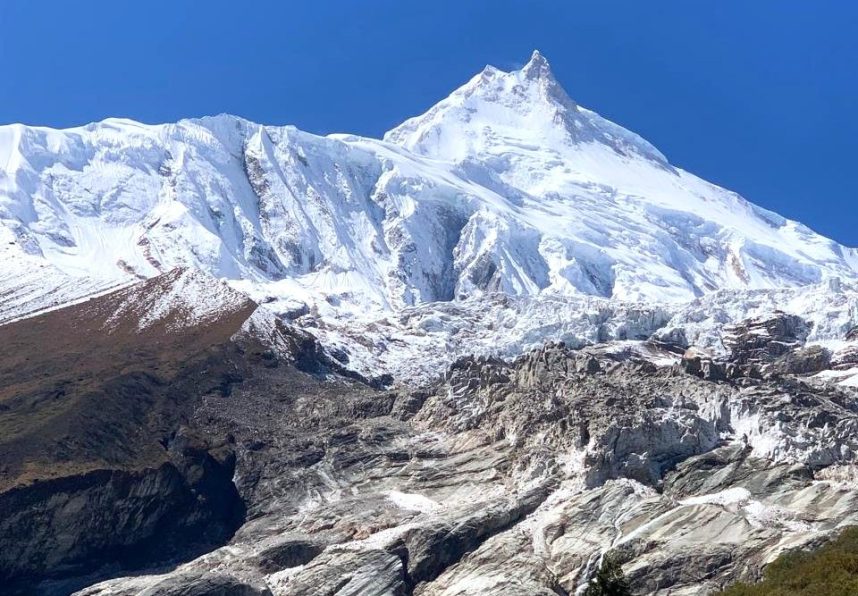
The highest point of this trek is Larkya La Pass situated at an altitude of 5,106 metres (16,752 ft). It circles Mount Manaslu, the eighth-highest peak in the world at 8,163 meters. The thin air at high altitude increases the risk of Acute Mountain Sickness (AMS), especially without proper acclimatization.
Mentally, the trek can be draining with the extreme conditions, isolation, and basic lodging in remote mountain villages. Testing one’s limits day after day requires strong focus, endurance, and resilience. Proper mental preparation through meditation, visualization, and positive self-talk is key.
Having clear goals and the determination to push past discomfort is essential. Without the right mindset cultivated through intentional practice, it becomes very easy to succumb to fears, distractions and losing motivation.
The Manaslu Trek is not a big challenge for experienced high-altitude trekkers, but it can seem quite challenging for senior citizens and beginner trekkers. Trekkers should participate only when they are physically and mentally prepared. In this Manaslu Circuit trek blog, we will guide you in detail on how to prepare and get physically ready. Let’s understand in detail.
Table of Contents
Manaslu Circuit Trek Difficulty
Before we deep dive in Manaslu Circuit trek preparation and training first let’s understand about its challenge and risks. This trek is graded as moderate to challenging in terms of difficulty. The risk factors that makes this trek challenging are restricted location, remote location, extreme altitude gain, erratic weather, rugged terrain and demand of high physical fitness.
People with uncontrolled high blood pressure, serious heart problems, breathing diseases, or a history of lung or brain swelling should consult a doctor before the trek. The remote nature of this trek means emergency evacuation can take hours, and travel insurance with helicopter evacuation is a must for this trek. Read more in details: Manaslu Trekking Difficulty
Manaslu Circuit Trek Training & Fitness Plan
Trekking the Manaslu Circuit requires dedicated physical training to build endurance and strength. Here are some key conditioning tips:
Cardiovascular Conditioning
- Engage in cardio exercise 4-5 days a week like running, hiking, cycling or aerobics. Slowly increase duration and intensity.
- Climb stairs or use incline on treadmill to simulate uphill trekking.
- If possible, carry a backpack during cardio to get used to weight.
Strength Training
- Focus on building leg and core strength with bodyweight exercises like squats, lunges and planks.
- Use resistance bands to work major muscle groups in hips and legs.
- Carry a weighted backpack on short hikes to prep muscles.
Flexibility and Balance
- Stretch regularly especially hips, hamstrings and calves.
- Try yoga poses to improve balance.
- Use a stability ball to improve core strength and stability.
Altitude Training
- Use a mask or altitude simulation machine to train at elevated oxygen levels.
- Spend time at higher elevations hiking or camping.
- Take it slow when ascending to allow proper acclimatization.
Recommended Training Schedule
- Start training 6 months in advance.
- Gradually increase cardio duration from 30 minutes to 2 hours.
- Strength training 2-3 times per week.
- Take weekly practice hikes with a weighted pack.
- Listen to your body and allow proper rest between workouts.
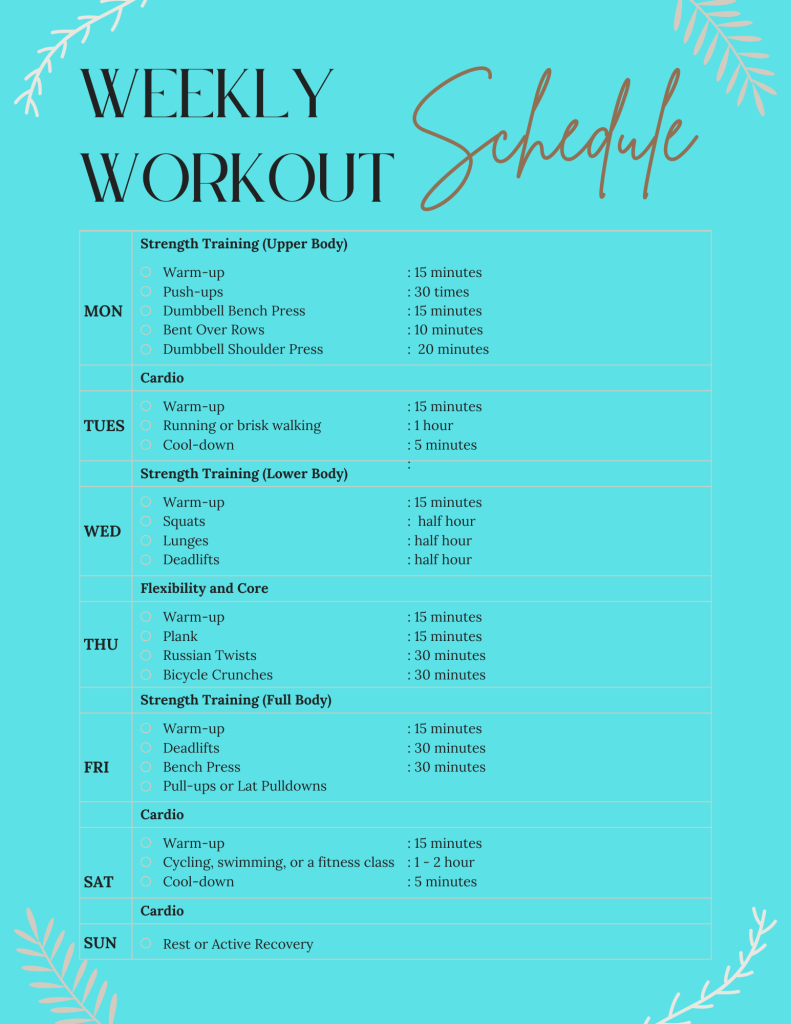
With tailored cardiovascular, strength and flexibility training, you’ll feel physically prepared to take on the demanding Manaslu Circuit Trek.
Six-Month Training Schedule
Below is a phased training plan that progressively builds your fitness from foundation to peak readiness. Adjust volume based on your starting fitness level.
| Phase | Timeframe | Focus | Weekly Target |
|---|---|---|---|
| Phase 1 Base Building | Months 1–2 | Aerobic base, mobility, general strength | 3–4 cardio sessions (30–50 min each); 2 strength sessions; daily 15-min stretching |
| Phase 2 Strength & Endurance | Months 3–4 | Leg/core strength, longer cardio, first weighted hikes | 4 cardio sessions (50–90 min); 3 strength sessions; 1 weekend day hike with pack (8 kg) |
| Phase 3 Peak Load | Months 5–5.5 | Simulate trek conditions; multi-day practice hike | 4–5 sessions (90–180 min); stair climbing 2×/week with 10 kg; 1 overnight trail hike |
| Phase 4 Taper & Prep | Final 2–3 weeks | Reduce volume, maintain sharpness, finalize gear & logistics | 2–3 easy sessions; confirm permits, pack gear, rest and sleep well |
Rest & Recovery: Rest days are not optional — they are when adaptation occurs. Build in at least 2 full rest days per week, especially after long hikes. If you feel persistent joint pain or fatigue, reduce volume immediately. Overtraining injuries before the trek are far more damaging than under-training.
Mental Preparation
Trekking at high altitude for days on difficult terrain requires strong mental fortitude. Here are some tips for getting in the right mindset:
Developing Mental Endurance and Focus
- Practice mindfulness meditation to enhance focus.
- Mimic the trek environment by training without music or distractions.
- Engage in mentally challenging brain exercises.
- Set intermediate milestones during long workout sessions.
Controlling Fears and Anxiety
- Reframe anxious thoughts to empowering mantras like “I can do this.”
- Use positive visualization to imagine yourself accomplishing goals.
- Practice deep breathing when fearful emotions arise.
- Remind yourself of proper training and that guides will assist.
Visualization and Goal-Setting
- Envision yourself trekking successfully. Picture reaching the pass.
- Set specific goals for each day like timing, distance or elevation.
- Imagine overcoming obstacles like bad weather or altitude sickness.
- Focus goals on your efforts rather than uncontrollable outcomes.

With the right mental training, you can develop grit and courage to power through the Manaslu Circuit’s challenges. Stay positive and trust your preparation. Focus on each step rather than the entire trek. Be open to the journey and its lessons. Your mindset will determine your reality.
Altitude Acclimatization & AMS Prevention
Altitude sickness is the real medical concern when you hike above the 3,000 meter, where the air is thin due to low level of oxygen presence. The number one reason for the trek failure and emergency evacuations is not following proper acclimatization plan.
Core Acclimatization Rules
- “Climb high, sleep low” — ascend for day hikes then return to a lower altitude to sleep.
- Above 3,000 m, limit sleeping altitude gain to 300–500 m per night.
- Build mandatory acclimatization rest days into your itinerary at Samagaon (3,530 m) and ideally at Samdo (3,860 m).
- Never ascend if you have symptoms of AMS. Descend immediately if symptoms worsen.
- Stay very well hydrated — aim for 3–4 litres of water daily at altitude.
- Avoid alcohol, sleeping pills, and sedatives above 3,000 m as they suppress breathing.
Recognising Altitude Sickness Symptoms
Mild AMS (rest or descend)
- Headache
- Mild nausea or loss of appetite
- Fatigue and weakness
- Dizziness or light-headedness
- Difficulty sleeping
- Mild shortness of breath
Severe AMS / HACE / HAPE (descend immediately)
- Severe, persistent headache unresponsive to ibuprofen
- Persistent vomiting
- Loss of coordination / stumbling
- Confusion or altered mental state
- Frothy or pink sputum when coughing
- Extreme breathlessness at rest
- Persistent dry cough
Medications: Acetazolamide (Diamox) is widely used by trekkers by consulting with doctor before heading to high altitude. It is one of the effective method to prevent AMS. Further reading: How to Prevent Altitude Sickness on Manaslu Circuit Trek?
Essential Gear Checklist
Laryke La Pass temperature drops below −15°C or below, and high altitude teahouse offers only basic facilities. Manaslu region weather is also unpredictable, so for safe trekking, we need to be equipped with proper clothing and gear items to deal with all weather conditions.
Here is the basic packing list that will be helpful for Manaslu Circuit trek:
Clothing
- Moisture-wicking base layer (top & bottom)
- Mid-layer fleece or down jacket
- Waterproof, windproof shell jacket
- Waterproof shell trousers
- Trekking trousers (2 pairs)
- Insulated down jacket (−10°C rated)
- Thermal underwear set
- Warm hat & balaclava
- Sun hat or cap
- Lightweight gloves & heavy gloves
- Wool or synthetic hiking socks (4–6 pairs)
- Gaiters (for snow on Larkya La)
Footwear
- Waterproof mid or high-cut hiking boots (broken in!)
- Trekking sandals or camp shoes
- Microspike crampons or Yaktrax (for icy Larkya La)
- Insoles for extra support
- Gaiters (full-length for snow crossing)
Pack & Carry
- Main trekking backpack (50–65 L)
- Day pack or summit pack (20–25 L)
- Waterproof pack cover or dry bags
- Trekking poles (collapsible, 2)
- Sleeping bag (−15°C comfort rating)
- Sleeping bag liner (silk or fleece)
- Lightweight trekking towel
First Aid & Health
- Blister treatment (Compeed / moleskin)
- Bandages, gauze, medical tape
- Antiseptic cream and wipes
- Ibuprofen & paracetamol
- Oral rehydration salts (ORS)
- Acetazolamide (Diamox) – prescription
- Dexamethasone – prescription
- Antibiotic course (Ciprofloxacin)
- Anti-diarrhoeal tablets
- Antacids
- Personal prescription medications
- Pulse oximeter
Electronics & Navigation
- Headlamp + spare batteries
- Power bank (20,000 mAh minimum)
- Universal charging adaptor
- Offline maps downloaded (Maps.me / Gaia GPS)
- Camera + extra memory cards
Hygiene & Sun Protection
- Sunscreen SPF 50+ (high altitude UV is intense)
- Lip balm with SPF
- Glacier glasses (UV400) or goggles
- Biodegradable soap & shampoo
- Hand sanitiser
- Wet wipes (for teahouse bath nights)
- Toilet paper & trowel
- Menstrual products if required
- Insect repellent (lower elevations)
Documents & Money
- Passport (valid 6+ months)
- Visa (obtained on arrival or online)
- Manaslu Restricted Area Permit (RAP)
- Manaslu Conservation Area Permit (MCAP)
- Trekking Insurance certificate (with helicopter cover)
- Nepal rupees cash (ATMs unavailable after Arughat)
- Emergency contact card
- Passport photocopy (stored separately)
Nutrition & Water
- Water filter (Sawyer Squeeze / LifeStraw)
- Iodine or purification tablets (backup)
- Insulated water bottles (2 × 1 L)
- High-energy snacks (nuts, bars, dried fruit)
- Electrolyte powder sachets
- Instant coffee / tea sachets
Nutrition & Hydration Strategy
When you trek for 6-8 hours during the Manaslu trekking you will burn more calories. To gain the energy you need, eat healthy and nutritious food. Poor nutrition leads to rapid energy depletion, poor acclimatization, and weakened immunity. Plan your eating strategy before you leave.
On Trail:
- Eat heavy breakfast in the morning
- Carry 400–600 kcal of portable snacks per day (nuts, trail mix, energy bars, chocolate) to eat in the middle of trek.
- Avoid skipping meals at high altitude, even when altitude sickness makes you feel less hungry.
Hydration:
- Drink a minimum of 3–4 litres of water per day
- Check the urine color to determine if you are dehydrated or not.
- Carry a reusable water bottle with you all the time.
View Details: Food and Accommodation on the Manaslu Circuit Trek
Permits & Logistics
Manaslu Circuit trek falls within the Restricted Area. Therefore trekkers must obtain the Restricted Permit and other local permit to legally trek inside the Manaslu Region.
Required Permit
| Permit | Cost (approx.) | Validity | Where Obtained |
| Manaslu Restricted Area Permit (RAP) | USD 100/week (peak season) / USD 75/week (off season) | Per week | Nepal Tourism Board, Kathmandu (via registered agency) |
| Manaslu Conservation Area Permit (MCAP) | NPR 3,000 (~USD 22) | Single entry | Nepal Tourism Board or DNPWC office, Kathmandu |
| Annapurna Conservation Area Permit (ACAP) | NPR 3,000 (~USD 22) | Single entry | Required if continuing to Annapurna side; DNPWC, Kathmandu |
Note: To process the RAP permit it is compulsary to hire the liscensed guide and must submit travel insurance with emergency helicopter evucation. From 2026 Malaslu solo trekking is allowed but still you need to have liscensed Guide with you. Read more in details: how to obtain Manaslu Circuit trekking permits
Getting There
- Arrive in Kathmandu and allow at least 1 day for permit collection and gear preparation.
- Drive from Kathmandu to Machha Khola. By local bus it takes 10 -12 hours, by Jeep it takes 8-10 hours.
- The Manaslu Trek usually ends at Dharapani, from where you can drive to Besisahar and get back to Kathmandu.
Worth reading: Kathmandu to Machha Khola Transportation Info
Manaslu Circuit Travel Insurance Requirements
Having insurance is legal requirement for the Manaslu Circuit Trek. Make sure your policy includes this things:
- Medical Evacuations (including air rescue)
- Hospitalization expenses for illness and injury
- Repatriation of remains
- Outpatient expenses for injuries/illness
- Compassionate visit
- Delay of checked-in baggage
- Total loss of checked-in baggage
- Trip cancellation
- Trip interruption or curtailment
- Search & rescue
Note: On average for 14-16 Days Manaslu Circuit trek the insurance cost you around USD 185 – USD 200. If you need any asistance for purchasing Insurance from Nepal you can contact our tour operator directly. If you want to join a group, check here: How to Join the Manaslu Circuit Group Trek.
Best Time to Trek the Manaslu Circuit
The prime season for trekking to Manaslu Circuit is during Autumn season(September to November) when you can enjoy most spectacular mountain views of the year. During this time the weather remains stable, rainfall is minimal, crossing the Laryke Pass becomes accessible, and trail becomes busy. Another best season is spring (March to May) due to moderate temperatures, clear skies with snowy peaks, and beautiful rhododendron forest trails. Continue reading: Best Time for the Manaslu Circuit Trek : Weather Tips
Health & Safety Tips
Staying healthy and trekking safely is crucial when undertaking the demanding Manaslu Circuit trek. Follow these tips:
- Get the necessary vaccinations like hepatitis A, typhoid, and polio before departure. Malaria medication may also be prescribed.
- Carry a first-aid kit with essentials like bandages, gauze, medical tape, antiseptic, pain relievers and medications for altitude sickness.
- Educate yourself on signs of altitude sickness like headache, nausea, fatigue and trouble sleeping. Descend and get medical help if symptoms persist or worsen.
- Drink 3-4 liters of water daily to stay hydrated. Monitor urine color. Eat nutritious high-calorie foods to fuel trekking.
- Use proper gear like hiking poles, waterproof boots with ankle support and wool/synthetic moisture-wicking layers to avoid injury or illness.
- Trek slowly to allow proper acclimatization, especially on steep ascents. Listen to your body and be ready to rest.
- Follow guidance from experienced guides on safe routes, particularly when crossing icy or slippery terrain.
- Research emergency evacuation options. Carry insurance, cash and identity documents in case evacuation is needed.
- Listen to local weather forecasts and avoid trekking during storms or severe cold temperatures.
With diligent preparation, packing proper gear and making wise decisions on the trail, you can complete the Manaslu Circuit safely and return home healthier. Don’t take risks and know when to turn back. Focus on staying healthy above all else.
Frequently Asked Questions(FAQs)
Where is Manaslu Circuit Trek Located?
- The Manaslu Circuit Trek is located in the Gorkha District of north-central Nepal, around 160 km from Kathmandu by road.
How long it takes to complete the Manaslu Trek in Nepal?
- The Manaslu Trek can be completed in around 12–16 days. The actual duration depends on the itinerary, including any side excursions.
Can beginner do the Manaslu Circuit Trek?
- Yes, beginners can complete the Manaslu Circuit Trek, but it requires good physical fitness, proper preparation, and careful acclimatization to avoid altitude sickness. The trek is challenging due to long days, remote trails, and Larke La Pass, so guides and proper planning are recommended.
Is it compulsary to hire Guide?
- While processing the Manaslu permit online, it is required to submit a licensed guide from an agency, as hiring a guide is mandatory. There are several checkpoints where trekkers cannot enter without a registered guide.
How much Manaslu Trek Cost?
- The exact cost depends on the number of itinerary days, level of service, side trips, logistics, guide and porter fees, permit fees, accommodation type, food choices, transportation, season, and group size. On average 14 Days budget Manaslu Circuit trek Package cost USD 899 – USD 1100 per person.
Final Say
The Manaslu Circuit Trek is the journey of a lifetime, but requires diligent preparation and training to conquer. Success on this challenging high-altitude trek is achievable with a customized training plan focused on building cardiovascular endurance, leg strength, flexibility, balance and mental fortitude.
Allow enough time to properly condition your body and mindset. Fuel up with nutrient-dense foods and equip yourself with proper gear. Listen to your guides once on the trail and trek responsibly. The rewards of completing the Manaslu trip are immense. You’ll be awestruck by the unparalleled Himalayan beauty and emerge stronger in body and spirit.
With the right “Training Tips for Manaslu Circuit Trek” provided in this post, you’ll be ready to take on this epic adventure and create memories to last a lifetime. We wish you safe travels and clear skies ahead!
-
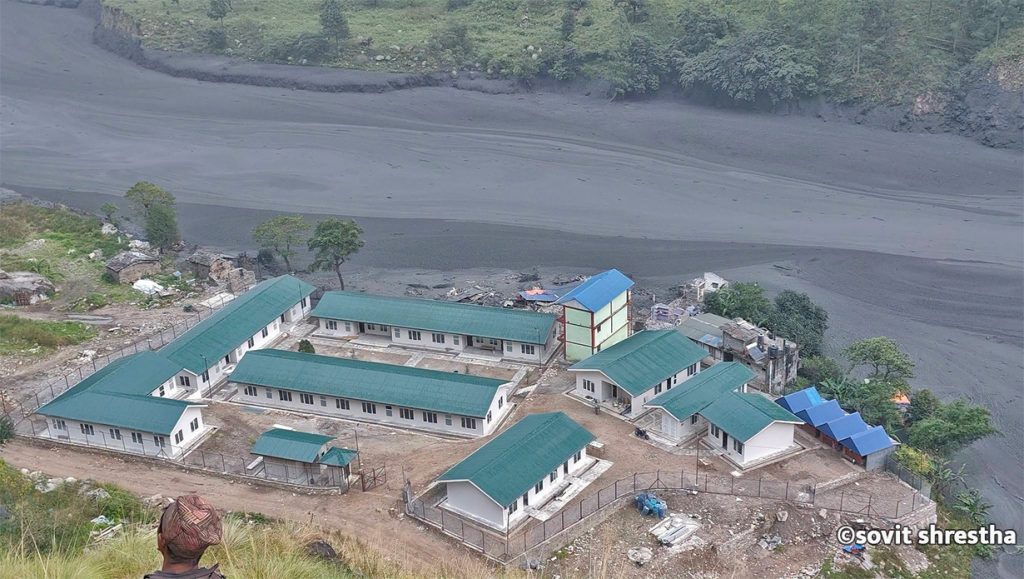
Flash Flood Sweeps Away Dozens of Homes in Gorkha, Nepal
KATHMANDU, Nepal — A sudden and severe flash flood tore through the Budhi Gandaki River basin in Gorkha district on Sunday morning, washing away approximately 35 houses and triggering widespread destruction in the mountainous Manaslu and Tsum Valley regions. According to local authorities and disaster management officials, no human casualties have been reported thus far, though…
-
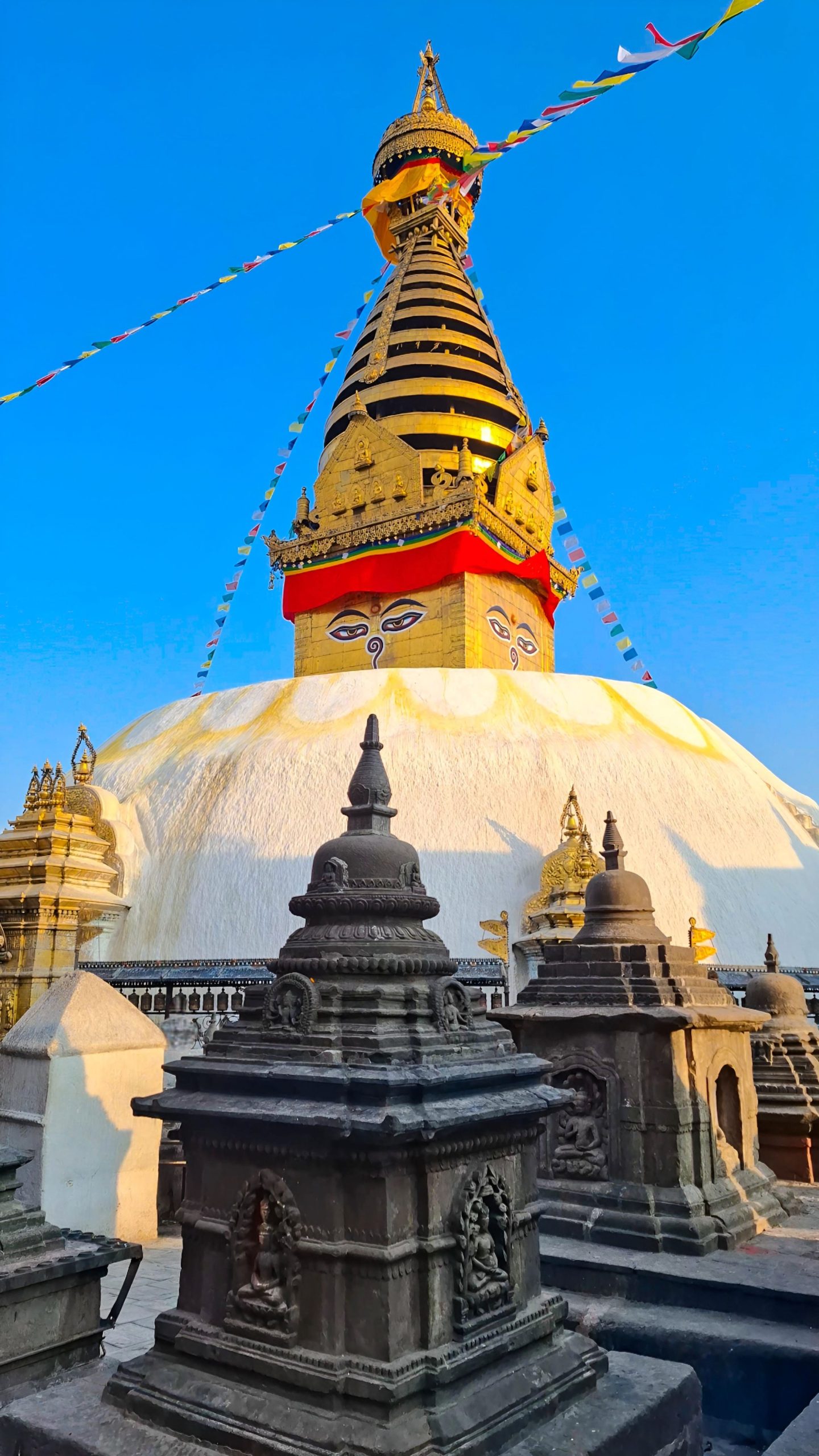
Swayambhunath Temple, Kathmandu
Imagine standing above the chaos of Kathmandu. Honking horns fade below you. A gleaming white dome rises ahead. Two enormous painted eyes gaze calmly in every direction. Prayer flags flutter in the Himalayan breeze. This is Swayambhunath, one of the most extraordinary places in Nepal. Visitors know it as the “Monkey Temple” because hundreds of…
-

North Goa vs South Goa: Which Is Better for Your Holiday?
Amongst the places that are highly popular in terms of beaches, weather, culture, and ambiance in India is Goa, which is known to possess some of the most beautiful beaches in India. The idea of Goa being famous for its beaches, which can be used by tourists for entertainment in North Goa while South Goa…