
Manaslu Circuit Trek Difficulty

Planing for the Manaslu Circuit and curious about the Manaslu Circuit trek difficulty? The Manaslu Circuit Trek is graded as moderately challenging, with a difficulty rating of 7–8/10. Although the trek is technically easy, it demands strong physical fitness due to high altitude, long trekking days, and rugged terrain. Factors such as the remote restricted region, unpredictable weather, and significant elevation gain all add to the challenge. However, the overall difficulty also depends on how much you are prepared for the trek and how physically fit you are.
Table of Contents
What is Manaslu Circuit Trek exactly?
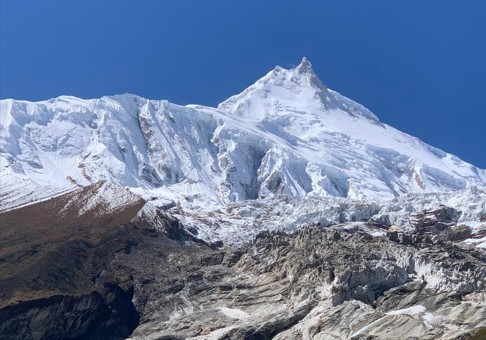
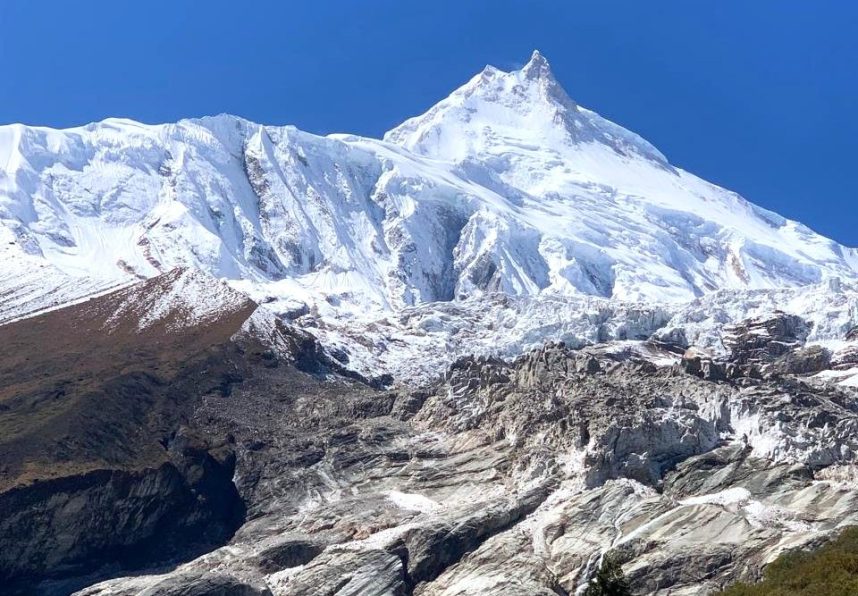
Before discussing the Manaslu Circuit trek difficulty, let’s understand what the trek actually is. The Manaslu Circuit Trek is a remote Himalayan journey that circles Mt. Manaslu (8,163 meters / 26,781 feet), the eighth-highest mountain in the world.
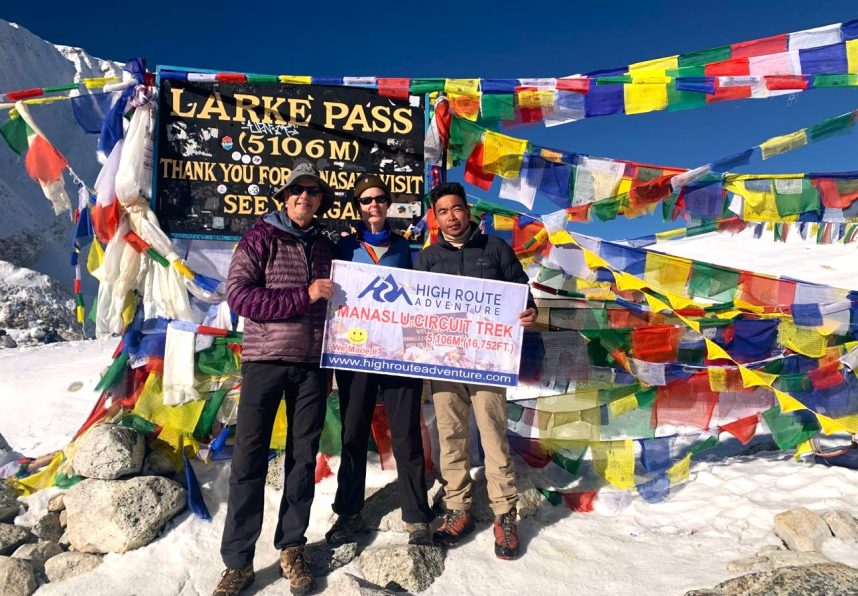
It is also called the tea house trek as the route is supported by a network of local lodges (tea houses) that provide accommodation and meals along the way. The highest point of this trek is Larkya La Pass (5,106m), and on average it takes around 14-16 days to complete. If you do a side trip to Tsum Valley along with the Manaslu Circuit, it can take around 18-21 days to complete. This Manaslu trek is travellers’ top choice due to breathtaking views of mountain peaks, high altitude lake, local culture, raw beauty and wildlife in the Manaslu Conservation Area.
Your Manaslu Circuit trek journey begins from Machha Khola, located in the Gorkha District, which is roughly 7-8 hours by jeep from Kathmandu. Crossing through several villages such as Deng, Namrung and Samagaon, you will reach Larke La Pass at an altitude of 5,106m/16,752ft. While crossing the altitude above 5,000, you will enjoy panoramic views of Manaslu (8,163m), Himlung Himal (7,126m), Cheo Himal (6,820m), Kang Guru (6,981m), and Annapurna II (7,937m). The overall Manaslu Circuit trek distance is around 170 to 200 kilometers.
To help you understand the journey more clearly, here is a simple outline of the Manaslu Circuit Trek itinerary:
| Day 01: Arrival at TIA Airport, Kathmandu (1,350m). Transfer to the hotel and overnight. |
| Day 02: Drive from Kathmandu to Machha Khola (700m) by private vehicle – 7/8 hrs. Overnight at the teahouse. |
| Day 03: Trek from Machha Khola to Jagat (1,340m) – 6/7 hrs. Overnight at the teahouse. |
| Day 04: Trek from Jagat to Deng (1,860m) – 6 hrs. Overnight at the teahouse. |
| Day 05: Trek from Deng to Namrung (2,900m) – 6/7 hrs. Overnight at the teahouse. |
| Day 06: Trek from Namrung to Shyala Village (3,180m) – 5/6 hrs. Overnight at the teahouse. |
| Day 07: Trek from Shyala to Samagaon (3,520m) via Pungen Monastery – 5/6 hrs. Overnight at the teahouse. |
| Day 08: Acclimatization day at Samagaon (3,520m). Optional hike to Manaslu Base Camp or Pungen Gumba – 5/6 hrs. Overnight at the teahouse. |
| Day 09: Trek from Samagaon to Samdo (3,875m) – 4/5 hrs. Overnight at the teahouse. |
| Day 10: Trek from Samdo to Dharamsala (4,460m) – 4/5 hrs. Overnight at the teahouse. |
| Day 11: Trek from Dharamsala to Bimthang (3,590m) via Larkya La Pass (5,106m) – 7/8 hrs. Overnight at the teahouse. |
| Day 12: Trek from Bimthang to Tilije (2,300m) – 5/6 hrs. Overnight at the teahouse. |
| Day 13: Trek to Dharapani (1,430m) and drive to Kathmandu – 7/8 hrs. |
| Day 14: Leisure day in Kathmandu (1,350m). Relaxing, sightseeing, or shopping. Overnight at the hotel. |
| Day 15: Final departure. Transfer to the airport. |
To make this Manaslu Circuit trek adventurous and safe, it is extremely important to know first about the Manaslu Circuit Trek Difficulty. In this article, we have provided a clear overview of the Manaslu trek challenges you may face and how to prepare.
How Difficult Is Manaslu Circuit Trek via Larke La Pass?

The Manaslu Circuit Trek via Larkya La Pass difficulty level is moderate to challenging. If you add a side trip to the Tsum Valley, it will be strenuous due to extra days, longer distances, and additional altitude gain along the route. Several key factors contribute to the difficulty of the Manaslu Circuit trek:
- High Altitude and Larkya La Pass
- Remote and Challenging Terrain
- Long Duration and Walking Hours
- Limited Infrastructure and Services
- Unpredictable Weather Conditions
- Physical Demands
The challenges become significant only if trekkers are unprepared. The Manaslu trek is manageable, with a success rate of approximately 95% to 98% when adequately prepared.
High Altitude and Larkya La Pass:

The total elevation gain on the Manaslu Circuit trek demands over 5,000 meters (16,404 feet) gained throughout the trek. To put this in perspective, that’s like climbing from sea level almost all the way up Mount Everest.
Trekkers start at an elevation of around 700 meters and will gradually climb up valley walls into high mountain terrain. The trail ascends through villages and rhododendron forests, gaining elevation daily. The most intense section comes towards the end when trekkers must climb steeply towards the Larkya La pass, which sits at 5,106m/16,752ft.
Trekking to this high point requires careful acclimatization over several days to prevent altitude sickness. After crossing the pass, the trail quickly drops to elevations around 3,500 meters, delivering hikers into lowland landscapes.
Managing these considerable elevation gains of 500-1000 meters per day before reaching the pass is challenging both aerobically and for altitude acclimatization. Trekking slowly and wisely is critical. Having excellent fitness levels and being well-acclimated before starting is key. Staying hydrated and listening to your body is crucial for handling the elevation changes on the Manaslu Circuit.
Remote and Challenging Terrain:
In addition to dramatic elevation changes, the variety of terrain encountered on the Manaslu Circuit adds to the challenge. It’s a great way to experience the adventure off the beaten trail. Trekkers will traverse steep ascents up valley walls on narrow tracks, boulder-strewn paths, and more through the Manaslu Conservation Area.
There are several sections where the trail becomes quite narrow, with steep drop-offs on one side, requiring balance, footwork skills, and a little fear of heights.
Portions of the route are rocky, uneven dirt paths, which can be difficult on the knees and ankles over long periods.
Proper trekking gear is necessary for handling the varying angles and footing on the Manaslu Circuit Trek. Poles are also highly recommended for gaining stability on steep sections. Being generally surefooted and having strong leg endurance also goes a long way.
The remote location also means trail maintenance is less consistent, so there may be areas of washout or rockfall to navigate around. The diversity of trail conditions should be considered part of the trek’s adventurous nature. With preparation and caution, the terrain can be managed by moderately fit hikers.
Long Duration and Walking Hours:

In addition to major elevation gains and drops, the total trekking distance covered during the Manaslu Circuit adds a degree of challenge. The overall length of the circuit is around 180 kilometers (112 miles), depending on the exact start and end points.
When accounting for side trips to Base Camp or the challenging Tsum Valley route addition, the total distance can approach 200 kilometers or more. Covering long distances at elevation through rugged terrain requires being in solid cardiovascular shape before arrival.
While a set schedule is tough to predict due to weather delays, an average day may involve anywhere from 5 to 8 hours of hiking at moderate intensity. Over 2-3 weeks, this combines into a formidable physical test. Taking rest and acclimatization days when possible allows the body to rebuild energy between demanding trek days.
Being mentally primed for multi-day trekking at altitude as part of the adventure is key. Having strong and conditioned leg muscles goes a long way toward maintaining progress over hundreds of kilometers. When considering the overall difficulty, the distances involved in completing the full Manaslu Circuit should not be underestimated.
With a focused training routine and achieving base fitness levels, the Manaslu Circuit distance can be achievable for most trekkers. Being aware of total mileage and incorporating distance training is recommended. As with all elements, working as a team with guides to balance pace is instrumental for the long haul.
Limited Infrastructure and Services:

This remote aspect means that access to modern amenities, communication, transport, and medical facilities is extremely scarce in the area. Guides must be extra prepared to handle any issues like injuries, altitude sickness, or inclement weather, with little outside support available. Contingency planning is a key part of properly arranging the Manaslu Circuit trek to account for the remoteness. Having satellite phones, oxygen tanks, and helicopters on standby for medical evacuations may be part of the required preparations.
While the region’s isolation adds an adventurous, almost frontier-like feel, the lack of infrastructure poses real hazards for trekkers and guides. Consulting very experienced operators is highly recommended to understand the demands of the remote terrain. With the right team, the Manaslu Circuit’s remoteness can be managed reasonably, but it should be considered as a challenge factor.
Unpredictable Weather Conditions:

The unpredictable weather patterns of the Himalayas pose an additional difficulty factor for Manaslu Circuit trekkers to consider. As a high mountain environment, conditions can change rapidly from sunny bluebird skies to powerful snow and wind storms.
While the main Spring and Autumn trekking seasons provide greater weather stability, it is not unusual to encounter snow, rain, wind, and fog even during these periods. As the trail ascends to higher elevations towards the Larkya La Pass over 5,000 meters, dropping temperatures complicate the situation.
The uncertainty of Himalayan weather requires diligent preparation and constant alertness on behalf of trek leaders and guides. Staying attuned to weather reports and being ready to adjust schedules as needed is critical.
Having flexible contingency days built into the itinerary and emergency shelter locations mapped out allows for better management of erratic conditions. Being ready for rain, snow, and dropping temperatures of -10C or below adds gear requirements and safety considerations.
The Manaslu Circuit’s weather, especially at higher altitudes, means both physical fitness and mental fortitude must be ready for participants. Consequently, this preparation is to traverse sections in less-than-ideal conditions safely. With careful planning and seasoned guidance, the charm of Himalayan weather becomes part of the region’s allure. Worth reading: Larkya La Pass Weather and Temperature
Physical and Psychological Demands:
Combined with the long distances covered, the total duration of the Manaslu Circuit trek also factors into its difficulty profile. The trip typically ranges from 14 to 21 days, depending on acclimatization needs and weather delays. Having enough time is key to a safe journey.
The two-plus weeks spent at high elevations and physical exertion day after day require strong endurance reserves, both mentally and physically. It is not a journey to rush but rather one to embrace at a measured pace, allowing proper rest along the way.
Being realistic about the extended duration and having the power to persevere away from modern amenities takes commitment. Having the required outdoor skill set and previous multi-day trek experience helps navigate the demands of the trek’s duration.
Additionally, the long stretches in remote areas test individuals’ and groups’ resilience. Relying on the collective wisdom and leadership of expert guides is vital.
While treks range from shorter versions to longer month-plus journeys, adequate pre-trip strength training for 14-21 days of arduous hiking is strongly recommended. With the required stamina and perspective, the two-plus weeks in the high Himalayas promise to reward those who embark on the full journey.
Quick‑Look Manaslu Circuit Trek Difficulty Overview
| Factor | Difficulty (1‑5) | What the Rating Means |
|---|---|---|
| Altitude Gain | ⭐⭐⭐⭐⭐ 5/5 | Daily elevation changes from 700m to 5,106m at Larkya La Pass; requires acclimatization. |
| Terrain | ⭐⭐⭐⭐ 4/5 | Mixed terrain: narrow trails, steep ascents, rocky paths, river crossings, some drop-offs. |
| Walking Hours | ⭐⭐⭐⭐ 4/5 | 5–8 hours per day on average, over 14–21 days depending on route. |
| Technicality | ⭐⭐ 3/5 | Moderate technical difficulty; no climbing needed but requires sure-footedness and trekking poles recommended. |
| Remoteness | ⭐⭐⭐⭐ 4/5 | Limited services, medical help scarce, and long distances between villages. |
| Weather Conditions | ⭐⭐⭐⭐ 4/5 | Unpredictable high-altitude weather, potential snow, rain, and cold temperatures. |
| Physical Demands | ⭐⭐⭐⭐ 4/5 | Endurance and stamina required for multi-day trekking at high altitude. |
| Overall Difficulty | ⭐⭐⭐⭐ 4/5 | Combines all factors; moderate to challenging trek for fit and prepared hikers. |
How To Train for Manaslu Circuit Trek?
Taking on a trek like the Manaslu Circuit requires dedication to preparing one’s physical fitness and mental tenacity beforehand. Here is a recommended training regimen:
- Start Conditioning Early: Ideally, begin training at least 2-3 months in advance. Building endurance takes time and follows a gradual ramp-up in difficulty. Giving your body and mind adequate time to condition is crucial.
- Prioritize Cardiovascular Exercise: Engage in aerobic exercise like running, cycling, swimming, etc., for at least 4-5 days a week. Work your way up to doing cardio activity continuously for 2+ hours to simulate trekking days.
- Strength Train Leg Muscles: Include lower-body strength training in your routine through bodyweight squats, lunges, and calf raises. Also, use weight machines or wear a backpack with added weight. Developing quad, hamstring, and calf strength will support multi-day trekking.
- Trek with Weight: Do local practice treks wearing a backpack with a weight equal to what will be carried on the Manaslu Circuit (5-8 kg or 15 pounds). This allows your body to adjust to hiking for hours with weight-bearing down.
- Mental Fortitude: Practice overcoming discomfort during tough workouts. Completing training sessions when tired or strained builds grit and mental stamina needed for the longest days on the trail.
Arriving physically conditioned and embracing the challenge through rigorous training makes summiting passes like Larkya La incredibly rewarding after months of focused preparation. Check our Complete Guide to Manaslu Circuit trek.
Key Factors Influencing Success Rates
While the Manaslu Circuit trek presents some inherent challenges as a high-altitude Himalayan trek, there are several strategies potential trekkers can employ to reduce the overall difficulty:
Choose the Right Season for Trekking:
It is possible to participate on Manaslu Circuit trek throughout the year. But trekking in spring(March, April, and May) and autumn(September, October, and November) is easier and more comfortable. The weather remains stable most of the time, and the chances of rainfall are also low. In contrast, trekking in the monsoon (June–August) or winter (December–February) can be more challenging. Heavy rainfall during the monsoon can make trails slippery and increase the risk of landslides, while winter brings harsh weather and heavy snowfall, making certain sections difficult or even inaccessible.
Learn about Altitude Sickness(AMS) and the Acclimatization plan:
While trekking above 5,000 meters, the risk of altitude sickness remains high, so participants should be alert to altitude sickness(AMS). The early stage of AMS is curable by heading to a lower region, but if you neglect it, then it can turn into a deadly form of AMS, such as HACE and HAPE. So when you notice AMS symptoms such as headache, fatigue, nausea, dizziness, or loss of appetite, inform your trek guide immediately.
Some trekkers also take Diamox (acetazolamide) to help prevent or reduce the effects of AMS. It is also important to follow a proper acclimatization plan (e.g., climb high, sleep low) and stay hydrated to minimize the risk during high-altitude trekking. Read more: How to Prevent Altitude Sickness on Manaslu Circuit Trek?
Trek through a reputable tour operator:
When choosing a tour operator, check their experience, official trekking licenses, and emergency management capabilities. Also, check pricing and whether it covers or not the major things like Restricted permits, accommodations, meals, guides, and porters without hidden fees. The most important things for a safe journey are to have the experience liscensed guide who knows the Manaslu route well and can provide proper support throughout the trek.
Manage the budget:
The standard Manaslu Circuit trek package cost starts from USD 999 – 1,400 per person. This package usually includes: permits, guide, porter, meals, accommodation, logistic and transportation. In addition to the package cost, you also need to manage the budget for things like international airfare, Nepal visa, travel insurance, personal expenses, tips, etc.
Additional Information
- Manaslu Circuit Trek permits: The Manaslu Circuit trek is listed in the restricted areas of Nepal as it borders Tibet, China. So participants must obtain the Manaslu Restricted Area Permit (MRAP), including the Manaslu Conservation Area Project (MCAP) and the Annapurna Conservation Area Project (ACAP). Before group size was a minimum of 2 people, but from March 2026, trekkers can go solo; hiring a guide is compulsory, porter is optional.
- Accommodation and Food on the Trail: During the trek, you will stay in a mountain lodge, also called a tea house. Inside the tea house, you will get the facility of lodging and food. You will stay in the twin sharing bed, and a washroom will be attached. Wifi, hot showers, and mobile networks are available in limited areas. For meals, expect basic Nepali dishes like dal bhat, noodles, and soups.
- Local Culture and Attractions: The majority of people living in the Manaslu region are of Tibetan origin. They follow the Buddhist culture and traditions. So you can find many monasteries on the trekking routes. This local have thier own unique culture and traditions. The major festivals to see and experience on this Manaslu trek are Lhosar (Tibetan New Year), Yartung (horse racing), Dhachyang (archery in Tsum Valley), Saga Dawa, and Mani Rimdu.
- Emergency and Health Considerations: Due to the remote destination, there are no advance hospitals here. For a normal illness, people visit the small health post, and for a major illness, helicopter evacuation is the only option. So for a safe trek, you must arrange health and travel insurance that covers high-altitude trekking and helicopter evacuation.
- Environmental Responsibility: During the Manaslu Circuit trek, it is everyone’s responsibility to maintain and conserve the beauty of the Manaslu region. So always carry the waste in a plastic bag and throw it in the designated areas only. Also, respect local customs and wildlife.
- Packing/gear essentials: Although tea houses provide warm blankets, temperatures at high altitudes—especially near Larkya La Pass—can be extremely cold, so carrying your own insulated sleeping bag rated for -10°C to -15°C is highly recommended. Also, don’t forget to carry clothes in layers to adapt to all weather conditions.
- Drone regulations: If trekkers want to use the drone during the Manaslu Circuit trek, you need to obtain the drone permit from the Civil Aviation Authority of Nepal (CAAN). It will cost you around $1800, and it can take upto around 1 month to obtain the permit.
Worth reading: Manaslu Circuit Trek Guide: Cost,Itinerary,Difficulty | 2026Final Say
There is no discounting the fair physical and mental requirements of the Manaslu Circuit. As one of Nepal’s most continuously demanding high-altitude multi-day treks, it deserves respect and thoughtful preparations from intrepid adventurers who take it on.
Yet the challenges are precisely part of what makes completing the journey so personally rewarding. Each river crossed, towering peaks conquered, and the quiet village encountered increases the sensation of true wilderness immersion.
Train wisely beforehand and rely on experienced guidance along the way. The Manaslu Circuit Trek’s difficulty births an organic sense of lived adventure unmatched on easier trails. Be prepared for challenges but welcome them; the trail will reveal its riches.
-
Flash Flood Sweeps Away Dozens of Homes in Gorkha, Nepal
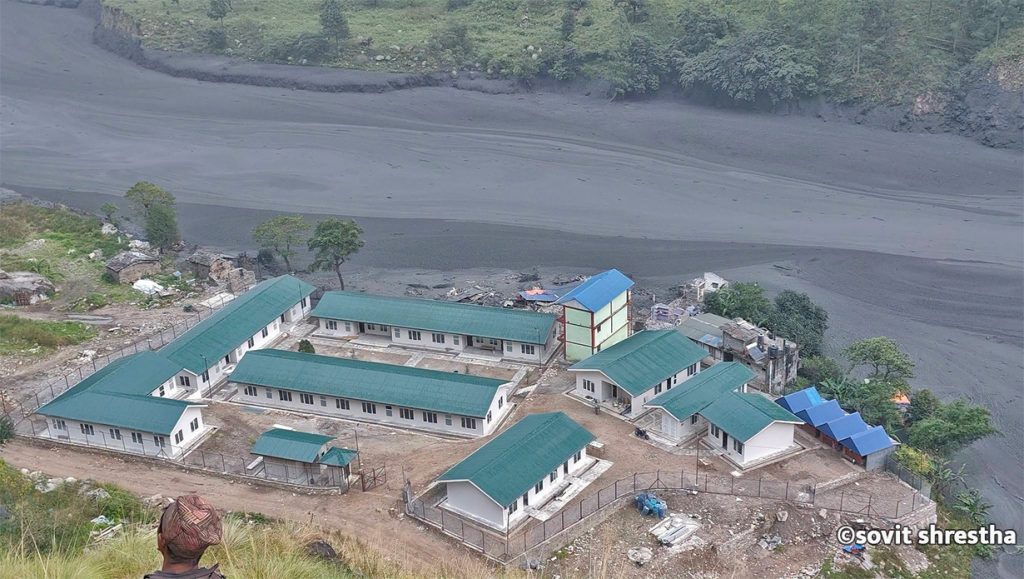
KATHMANDU, Nepal — A sudden and severe flash flood tore through the Budhi Gandaki River basin in Gorkha district on Sunday morning, washing away approximately 35 houses and triggering widespread destruction in the mountainous Manaslu and Tsum Valley regions. According to local authorities and disaster management officials, no human casualties have been reported thus far, though…
-
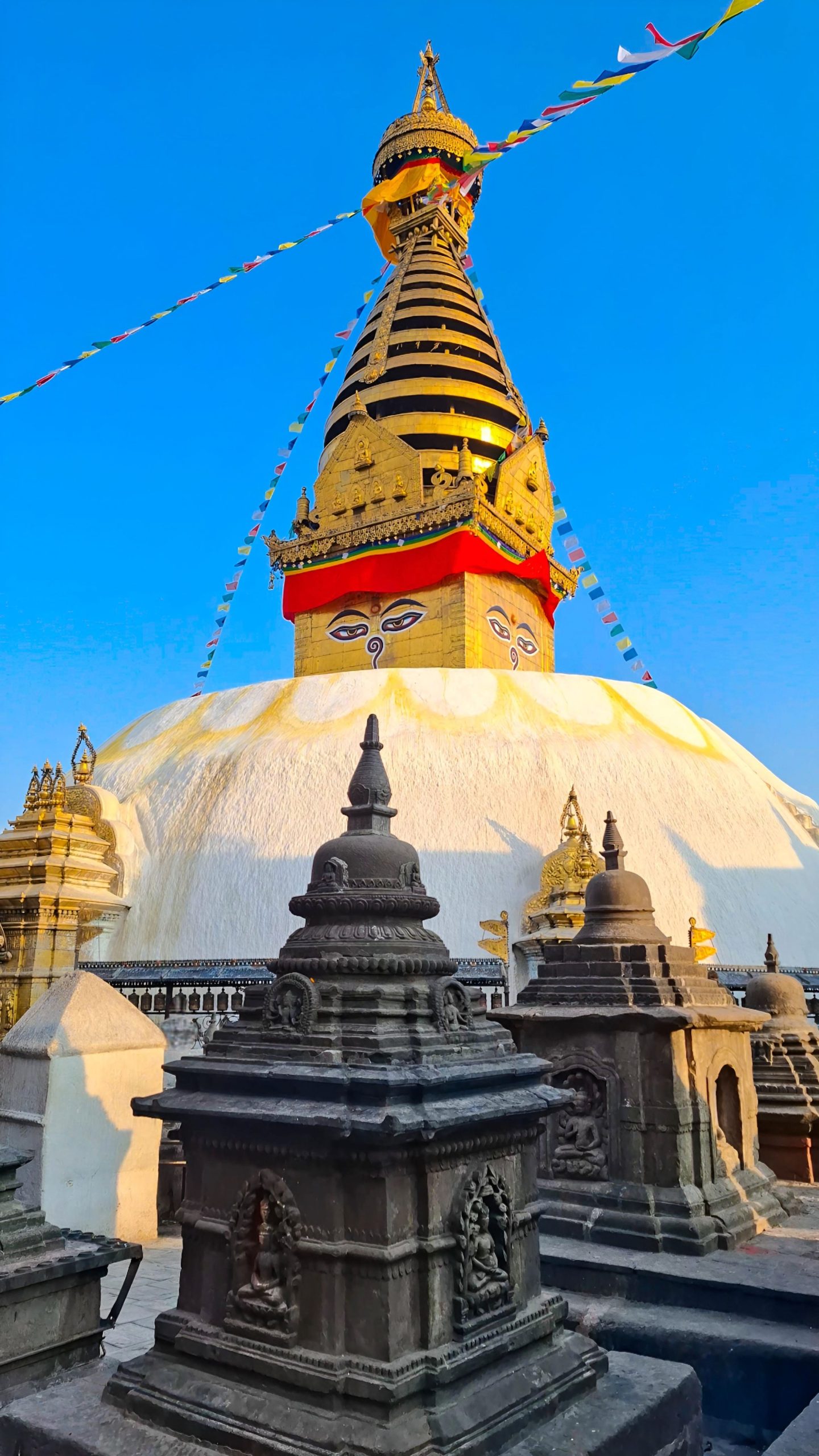
Swayambhunath Temple, Kathmandu
Imagine standing above the chaos of Kathmandu. Honking horns fade below you. A gleaming white dome rises ahead. Two enormous painted eyes gaze calmly in every direction. Prayer flags flutter in the Himalayan breeze. This is Swayambhunath, one of the most extraordinary places in Nepal. Visitors know it as the “Monkey Temple” because hundreds of…
-

North Goa vs South Goa: Which Is Better for Your Holiday?
Amongst the places that are highly popular in terms of beaches, weather, culture, and ambiance in India is Goa, which is known to possess some of the most beautiful beaches in India. The idea of Goa being famous for its beaches, which can be used by tourists for entertainment in North Goa while South Goa…