
When is the Best Time for the Annapurna Base Camp Trek?

Planning a trek to Annapurna Base Camp (4,130 m) is as much about timing as it is about preparation. So, when exactly is the best time to go for optimal conditions to see those jaw-dropping views? The best time for the Annapurna Base Camp trek is widely considered to be spring (March–May) and autumn (October–December), when weather conditions are most stable, mountain views are at their clearest, and trail conditions are safest.
Spring rewards trekkers with blossoming rhododendrons and lush valleys, while autumn delivers crisp post-monsoon air and panoramic vistas of Annapurna, Machhapuchhre, and Dhaulagiri. That said, each season has its own distinct character — understanding them helps you choose the window that best matches your experience level, schedule, and travel style.
While technically possible year-round if properly prepared, the fluctuating conditions of the monsoon and winter can pose extra challenges. Join us as we break down the pros and cons of the four seasons to help decide the ideal months for you to embark on this unforgettable Himalayan adventure!
Whether you’re an experienced mountaineer or a first-time trekker, our comprehensive guide covers when to venture out on the inspiring journey up to Annapurna Base Camp.
Table of Contents
Spring Season (March-May) – Best Time for the Annapurna Base Camp Trek
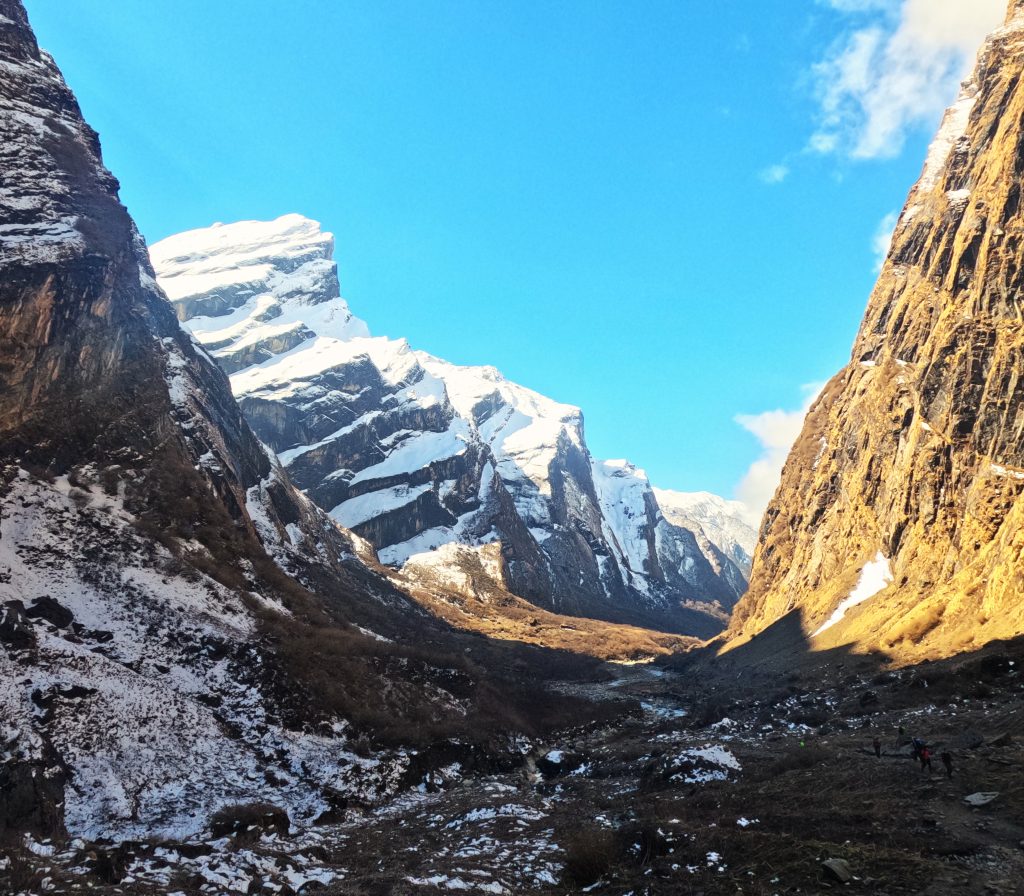
Spring is one of the best seasons to do the Annapurna Base Camp trek in Nepal. The weather is very cozy and comfortable, suitable for trekking. It is very moderate, neither too hot nor too cold. The days are warmer and the nights are a bit cold. But it is bearable.
The temperature in this season ranges from -8 to 14 degrees Celsius. It is the blooming season. The flower begins to bloom, entering a new life. The trails are covered with many different wildflowers. Rhododendron, the National flower of Nepal, is one of them.
It begins in March and ends in May, following winter. In April, the snow starts to melt as temperatures rise. The warmth brings out wildlife to sunbathe. So, you can enjoy wildlife from nearby.
The clear sky and breathtaking view of snow-capped mountains are just picture-perfect. This season invites many trekkers with its warmth. So, the trail is very crowded. You get to make new friends along the journey.
As it is peak season, it is crowded, so lodges fill up. So, you must pre-book it. If not, you may not get any rooms to stay at night. Plan everything properly with your guide before your trek to avoid any trouble.
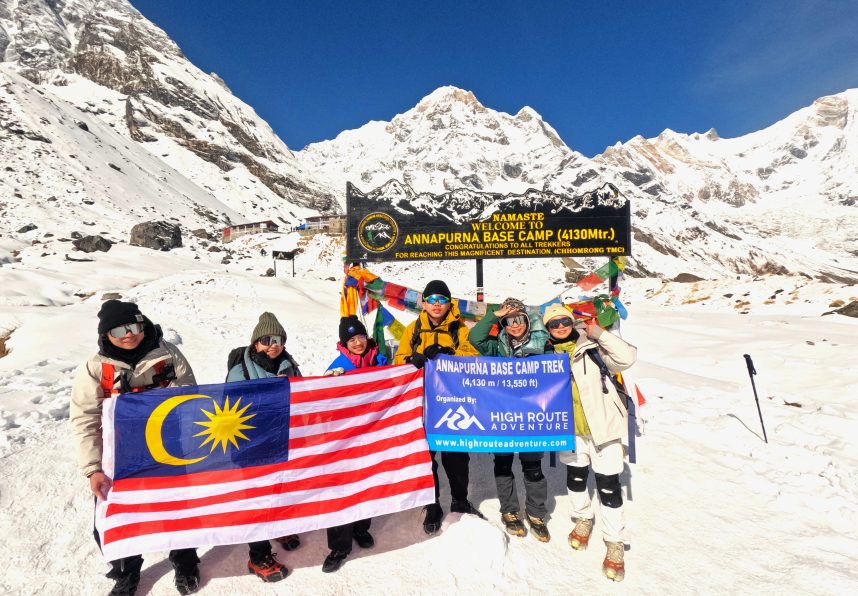
Autumn Season (September-November) – Popular Time for the Annapurna Base Camp Trek
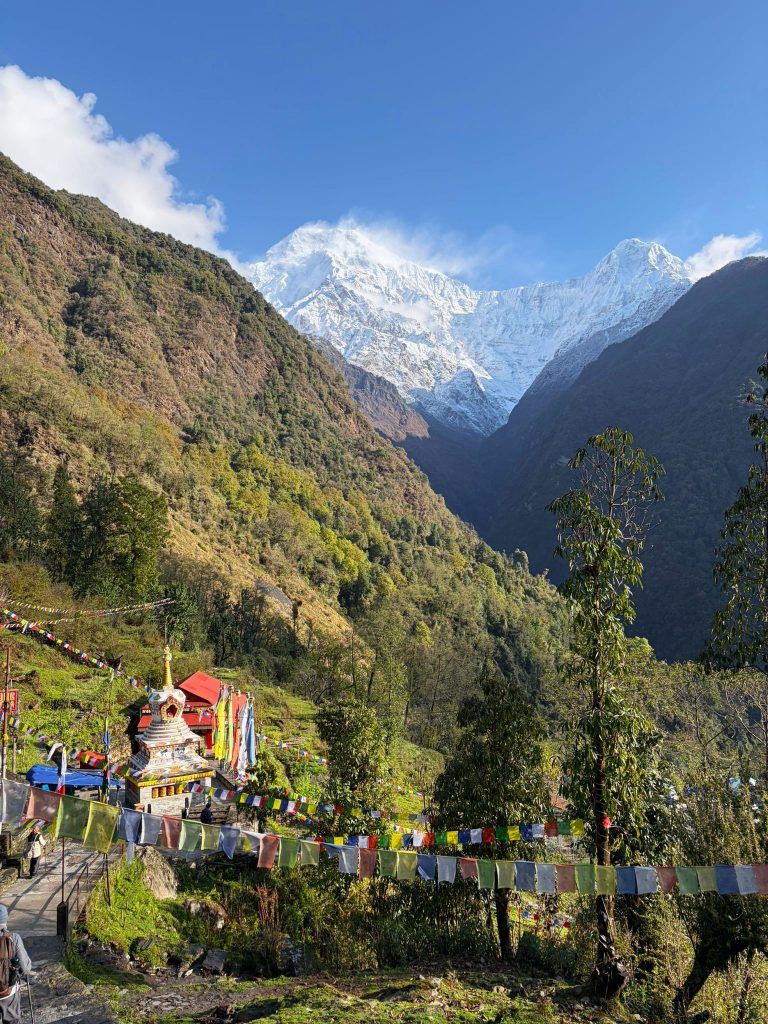
Autumn is another favorable season to do the Annapurna trek. The weather is moderate, making your journey very comfortable. Autumn includes September, October, and November.
It is a bit chillier at night than in spring, but bearable with proper clothes. The temperature ranges from -10 to 20 degrees Celsius. The best time for the Annapurna Base Camp trek is mainly October. The clear sky provides an opportunity to enjoy panoramic scenery.
This season comes after the monsoon. The monsoon rains clear the air, making it perfect in Autumn. You can view mountains, sunrise, and sunset during your journey. It is not that chilly. But the weather begins to drop at the end of November.
As the favorable weather attracts many trekkers, the trail is busy. So, pre-booking is required. There may be queues and no more rooms available due to more trekkers.
Winter Season (December-February) – Few Crowds
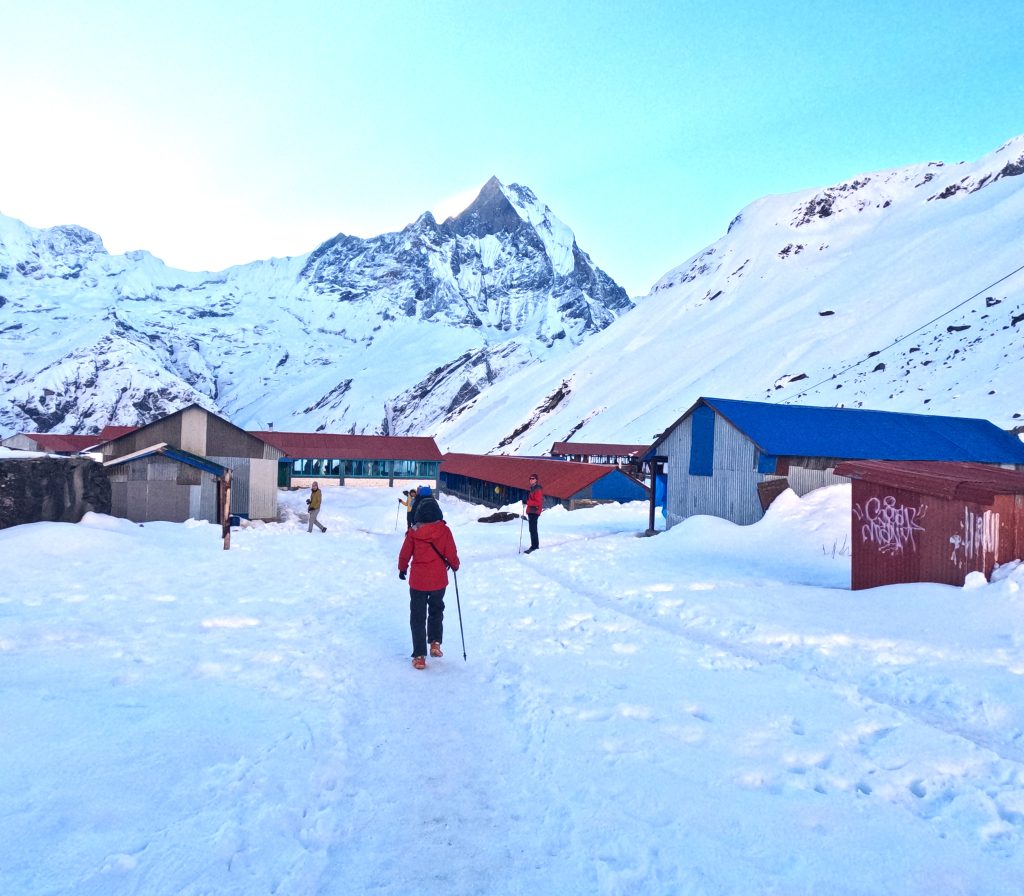
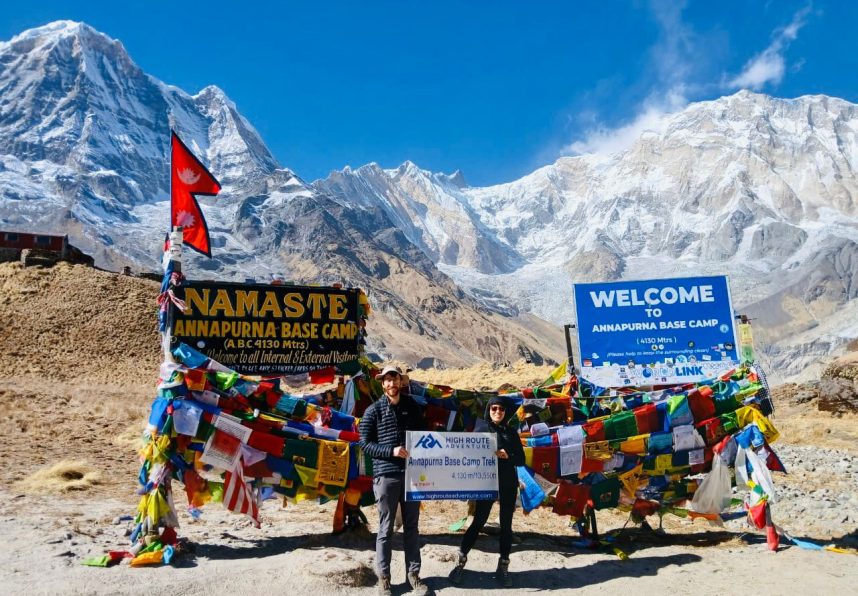
Winter is extremely cold at high altitudes. Strong, dry winds make trekking more difficult, and the season is known for its harsh weather conditions. Temperatures range from around 9°C during the day to -20°C at night.
The low temperature is freezing, and unable to bear it. The mornings are foggy, and the nights are cold. In addition, snowfall can block many trails, especially at high altitudes.
If you can blend with a cold climate, you can try. But you have to check out the weather forecast and the conditions of the trials. The winter view of a snow-filled mountain has its buzz. But this beauty comes with pain.
Annapurna trek in Nepal during winter is considered an off-season. Many trekkers avoid this harsh weather. So, the trails are empty. You can only see some trekkers along the trail. If you love winter, go for it. Make sure you pack enough, including your warm clothes and snow boots.
Many locals descend due to the cold. But there will still be tea houses available for night stays with discounts. You can enjoy your trek without any disturbances from large crowds.

Summer Season (June-August) – Off season
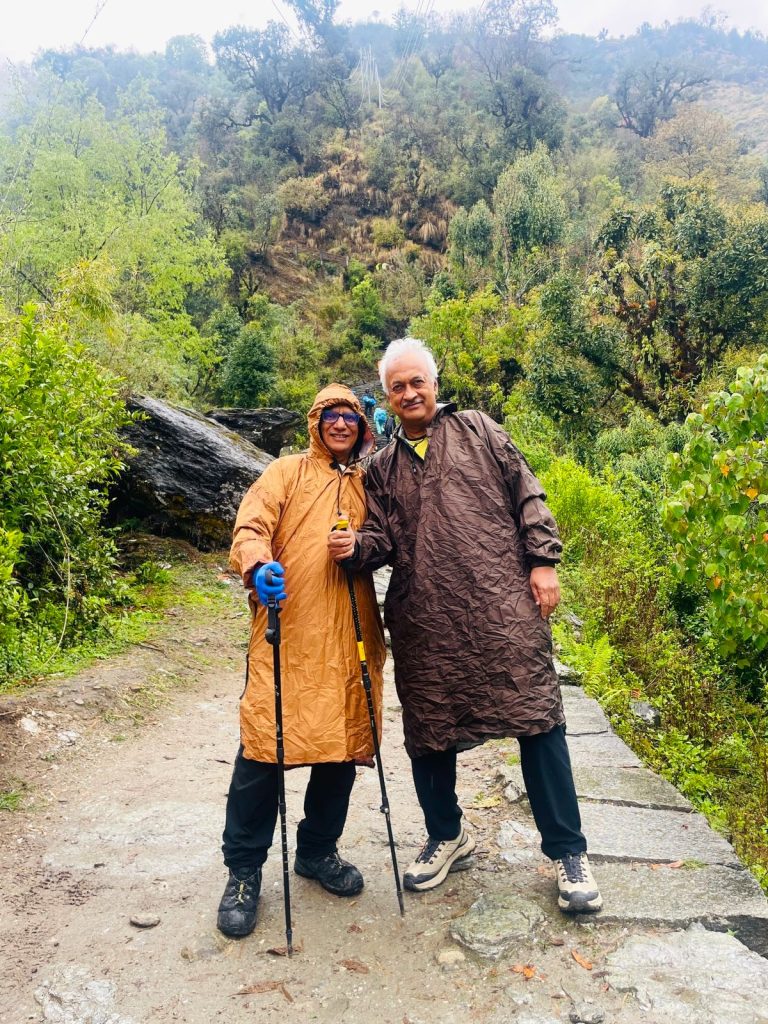
Summer is off-season for the Annapurna trek. It rains regularly during the summer. Early June and late April are still suitable, but July is the worst month to trek due to continuous rainfall.
The trails are muddy and slippery, increasing the risk of falls and injuries. Also, there is a risk of landslides in low-lying areas, which remains high during this time.
The temperature ranges from 4 to 19 degrees. The weather gets cold after rain and at night. But it is bearable. The rain invites many pests, such as leeches.
The morning after the rain is very beautiful. The rain clears the air of clouds and pollution. Annapurna trekking trail remains less crowded. So, you can get discounts in teahouses. If you are traveling during the monsoon, make sure to add 1-2 days to your Annapurna base camp trek itinerary as chances of roadblocks and flight cancellations are high at this time.
In addition, you must carry enough rain and trekking gear, including crampons. Everything must be safe and packed in waterproof materials, which is very complicated.
Worth reading: A Complete Guide For Trek to Annapurna Base CampFrequently Asked Questions
When is the best season to do the Annapurna Base Camp trek?
- The ideal times to do the Annapurna Base Camp trek are the spring (March to May) and autumn (October to November). These periods offer good weather and clear views, free of heavy rain or snow.
What is the ideal time for clear views on the Annapurna Base Camp trek?
- The best times for clear mountain views on the Annapurna Base Camp trek are October and November in the autumn and March to May in the spring. These periods tend to have the most stable weather patterns.
Is the Annapurna Base Camp trek doable during winter?
- The Annapurna Base Camp trek is challenging but still doable during the winter months from December to February. However, cold temperatures, heavier snow, and poorer visibility make it more difficult. Only experienced trekkers should attempt the winter trek.
What is the weather like during the monsoon season in the Annapurna region?
- The monsoon season from June to early September brings very rainy, cloudy conditions to the Annapurna region, obscuring views and making hiking more difficult. While still possible, the trek is harder and less enjoyable during the monsoon.
What altitude does the Annapurna Base Camp sit at?
- Annapurna Base Camp sits at an altitude of 4,130 meters (13,550 feet). Trekkers need to ensure they properly acclimatize and prepare for the high altitude.
How difficult is the Annapurna Base Camp trek?
- The Annapurna Base Camp trek is considered moderately difficult. There is significant elevation gain and loss while hiking up to 4,130m. Proper fitness levels, acclimatization, and adequate planning for rest days make the trek achievable for most.
How long does it take to complete the Annapurna Base Camp trek?
- The Annapurna Base Camp trek typically takes 7-10 days to complete at a moderate pace. It’s approximately 40-50 miles out and back from Nayapul.
How much Annapurna Base Camp trek Cost?
For the short budget ABC trek package it will cost you around USD 400- 500 per person. If you included Ghorepani poon hill trek with ABC trek it can cost you around 600-700 per person. The exact cost depends upon the group size, itinerary days and level of service you want during the trek.
What permits and paperwork do I need for the Annapurna Base Camp trek?
- You must arrange the Annapurna Conservation Area Permit(ACAP) card to complete the ABC trek legally. Before starting, permits can be arranged in advance or obtained in person in cities like Kathmandu and Pokhara.
Is a guide necessary for the Annapurna Base Camp trek?
- Having a guide is not mandatory but is highly recommended for inexperienced trekkers. A knowledgeable guide assists with navigating trails, arranging accommodation/meals, and providing safety support. They also help communicate with locals.
What is the level of accommodation along the Annapurna Base Camp route?
- Tea houses along the entire Annapurna Base Camp trekking route offer basic accommodation and meals. Tea house comfort levels vary greatly, from very basic to relatively comfortable. Camping is an alternative in some spots.
Conclusion
To sum up, the Annapurna Base Camp Trek is an exciting trek to the World’s 10th-highest peak. You can trek to this camp during the spring and autumn. Though crowded during these seasons, it serves as a meaningful journey.
But if you want peace and adventure, you can choose winter or summer. All these seasons come with their price. So choose the one you are comfortable with. Have fun trekking and making unforgettable memories.
-
Flash Flood Sweeps Away Dozens of Homes in Gorkha, Nepal
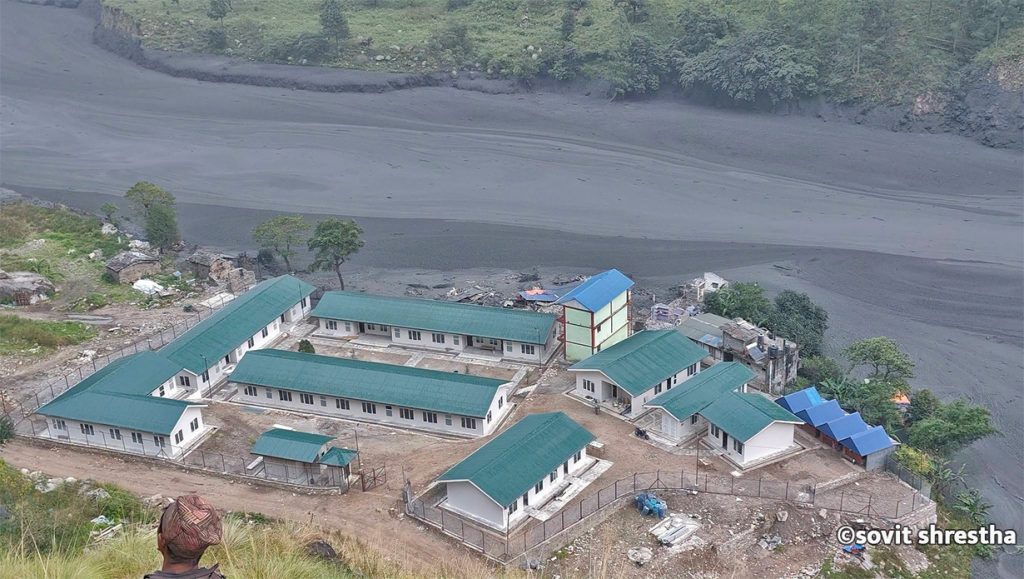
KATHMANDU, Nepal — A sudden and severe flash flood tore through the Budhi Gandaki River basin in Gorkha district on Sunday morning, washing away approximately 35 houses and triggering widespread destruction in the mountainous Manaslu and Tsum Valley regions. According to local authorities and disaster management officials, no human casualties have been reported thus far, though…
-
Swayambhunath Temple, Kathmandu
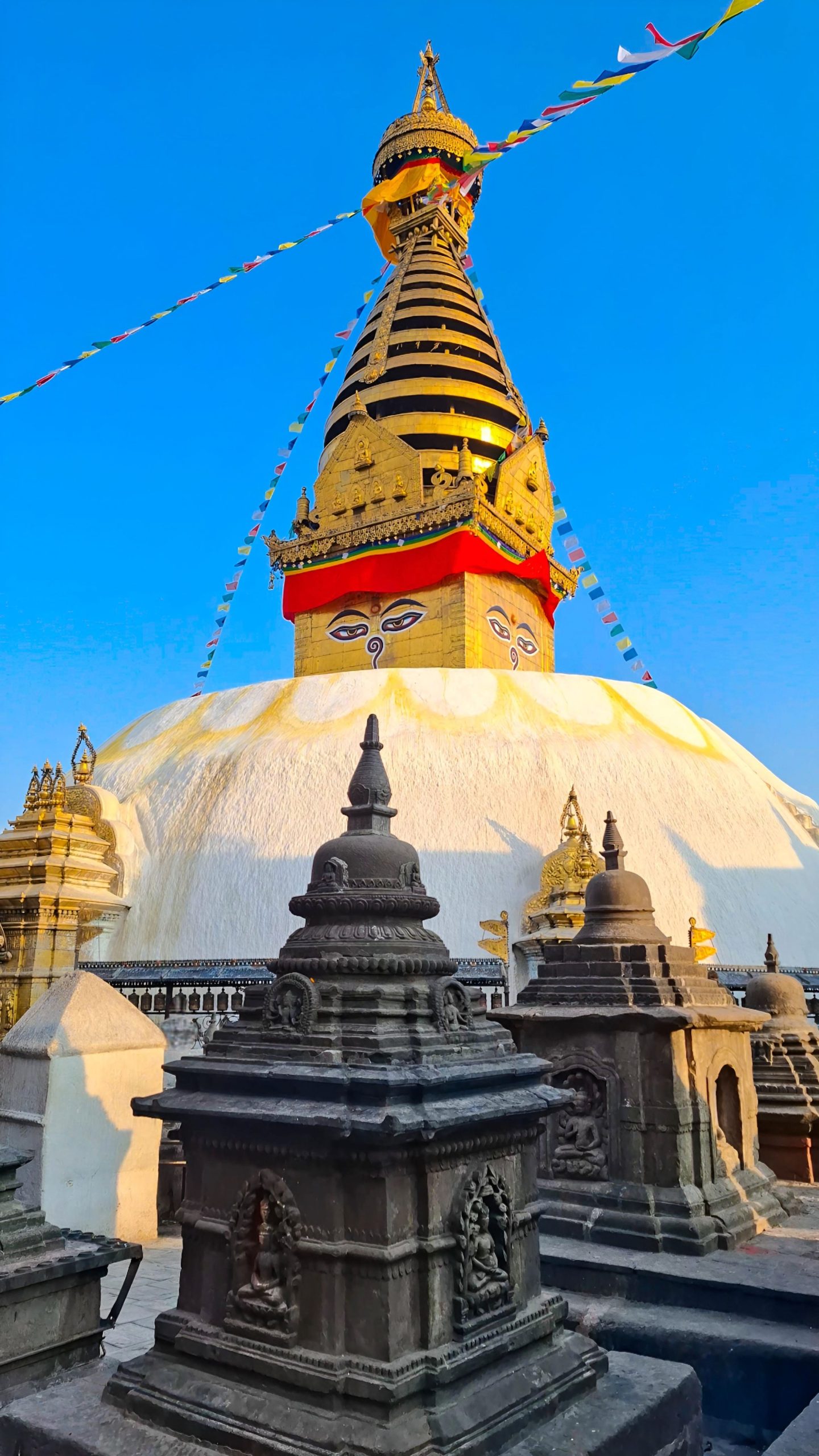
Imagine standing above the chaos of Kathmandu. Honking horns fade below you. A gleaming white dome rises ahead. Two enormous painted eyes gaze calmly in every direction. Prayer flags flutter in the Himalayan breeze. This is Swayambhunath, one of the most extraordinary places in Nepal. Visitors know it as the “Monkey Temple” because hundreds of…
-

North Goa vs South Goa: Which Is Better for Your Holiday?
Amongst the places that are highly popular in terms of beaches, weather, culture, and ambiance in India is Goa, which is known to possess some of the most beautiful beaches in India. The idea of Goa being famous for its beaches, which can be used by tourists for entertainment in North Goa while South Goa…