
Rara Lake Nepal: The Hidden Treasure of Mugu
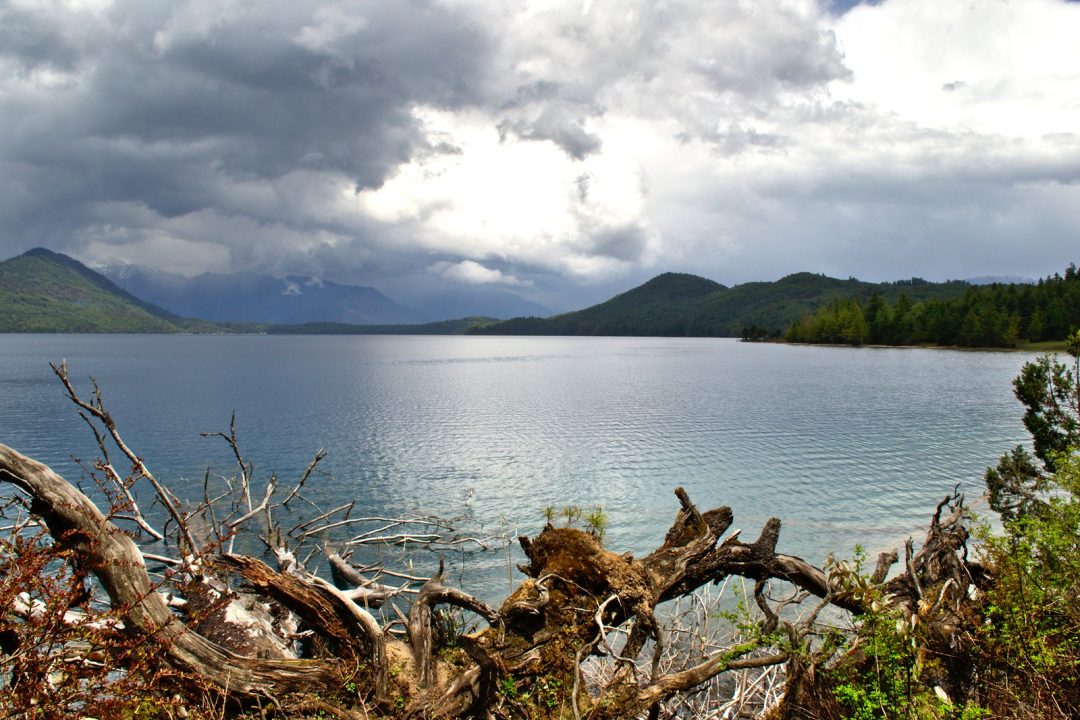
Located in the isolated far-western part of Nepal, Rara Lake is one of the most spectacular natural wonders of the country. Rara Lake is the largest and deepest lake in Nepal with crystal blue water that changes color with light and season. Surrounded by serene hills and woodlands; quiet, clean and away from the hustle and bustle of modern life.
Rara Lake is excellent spot for trekkers, nature lovers, wildlife enthusiasts and anyone seeking peace and quiet in the mountains. It’s a bit of a trek to get there, but the scenery is amazing and the serenity is something you won’t forget.
Table of Contents
What is Rara Lake?
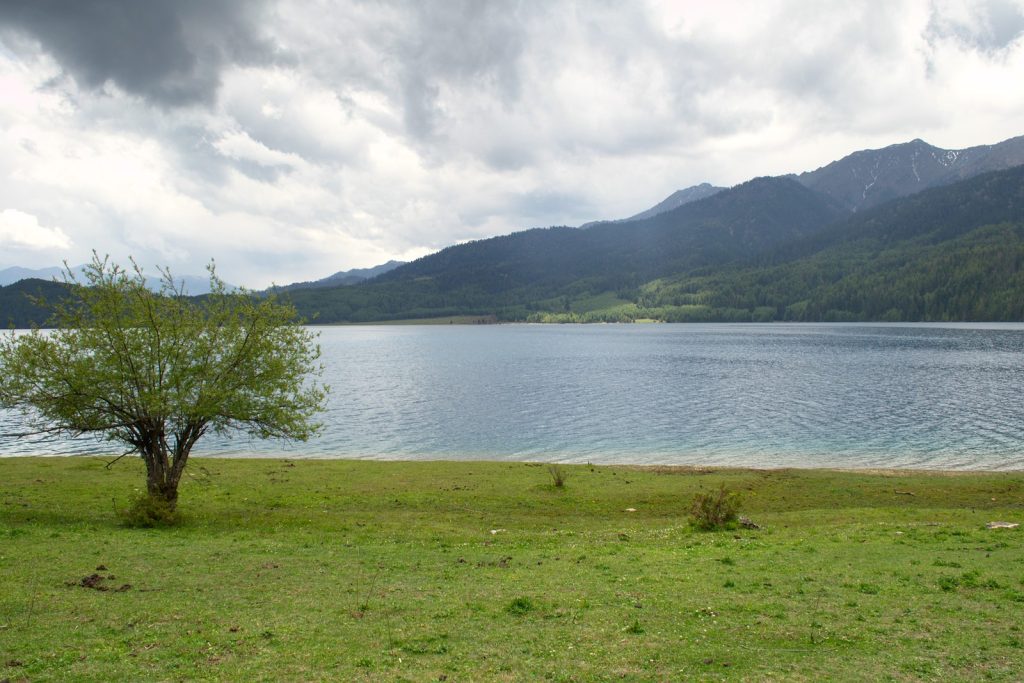
Rara Lake, also known as Mahendra Tal or Mahendra Rara Lake, is Nepal’s largest lake. The lake is situated at an elevation of around 2,990 metres (9,810 ft) above sea level and occupies an area estimated to be 10.8 square kilometres (4.2 sq mi). It has a maximum depth of 167 metres (548 ft) and is one of the deepest lakes in South Asia.
The lake is the centrepiece of Rara National Park, Nepal’s smallest national park though one of its most naturally rich. The park has an area of around 106 square kilometers and contains a rich diversity of flora and fauna including Himalayan black bear, red panda, musk deer, grey wolf, leopard and hundreds of species of birds.
The waters of the lake are infamously crystal-like pure – so clear that in the shallower parts you can often see right down to the bottom of the lake. The surrounding forests of pine, oak and rhododendron add to the other-worldly beauty of the area, making Rara Lake look more like a dream than actually a real tourist attraction.
Quick Facts About Rara Lake
| Topic | Details |
| Location | Mugu District and partly Jumla District, Karnali Province, Nepal |
| Famous For | Largest and deepest freshwater lake in Nepal |
| Elevation | Approximately 2,990 meters (9,810 ft) above sea level |
| Lake Area | Around 10.8 square kilometres |
| Maximum Depth | About 167 meters (548 ft) |
| Length of Lake | Approximately 5.1 km |
| Width of Lake | Around 2.7–3 km |
| National Park | Located inside Rara National Park |
| National Park Area | Around 106 square kilometres |
| Ramsar Site Status | Declared a Ramsar Wetland Site in 2007 |
| Main Outflow River | Nijar River flowing into the Mugu Karnali River |
| Water Type | Freshwater alpine lake |
| Best Time to Visit | March–May and September–November |
| Nearest Airport | Talcha Airport |
| Nearest Town | Gamgadhi |
| Distance from Kathmandu | Around 400–450 km northwest in straight-line distance |
| Main Wildlife | Red panda, musk deer, Himalayan black bear, leopard, grey wolf |
| Bird Species | More than 200 species of birds |
| Famous Viewpoints | Murma Top and Chuchemara Danda |
| Winter Condition | Lake area often experiences snowfall from December to March |
| Popular Activities | Trekking, boating, camping, photography, bird watching |
| Alternate Name | Mahendra Tal or Mahendra Rara Lake |
| Water Color | Changes shades of blue, turquoise, silver, and purple throughout the day |
| Trek Difficulty | Moderate |
Where is Rara Lake Located in Nepal?
- Which District is Rara Lake Located In?
Rara is located in Mugu district, one of the most disconnected and least developed districts of Nepal. Mugu is one of the districts of Karnali Province (Province No. 6) in the far-western region of the country.
- Where is Rara Lake on the Map of Nepal?
Rara Lake is located in the far north-west of Nepal, close to the border to Tibet, and not too far away from the districts of Humla and Jumla on a map. Gamgadhi, the district headquarter of Mugu is the nearest town of importance and is only a few kilometres from the lake. The lake is possibly 400-450 km north-west of Kathmandu in a straight line, however the distance traveled by road and trek is much further.
Why is Rara Lake Famous?
Rara Lake is famous for several remarkable reasons:
Nepal’s Largest Lake:
Rara is the biggest lake in Nepal. The huge, calm surface acts like a mirror to the surrounding mountains and sky, a stunning sight which photographers and artists can not resist.
Exceptional Water Clarity:
The lake’s water is clean and unpolluted, thanks to the national park that surrounds it. The colours shift throughout the day – delicate silver in the morning, dazzling turquoise in the midday sun, and deep purple and gold at dusk.
Incredible Biodiversity:
Rara National Park is the habitat of more than 200 species of birds, many of which are unique migrants that take advantage of the lake as a habitation area. The trees that surround it provide a place of safety for an astonishing list of endangered wildlife species.
Remote and Unspoiled:
Unlike the heavily explored routes of the Annapurna or Everest regions, Rara Lake is remarkably uncrowded. The challenge of getting there is a natural filter, keeping the natural environment preserved and the experience personalized.
Cultural Significance:
The lake is of spiritual importance to the surrounding communities. It is named after the Hindu god Mahendra (another name for Indra) and the surrounding towns have lived in peace with the lake and forest for ages.
A Hidden Treasure of Nepal:
Rara is a hidden jewel, acknowledged by travel authors and adventurers as one of Nepal’s best kept secrets, where you may enjoy the advantages of a major Himalayan destination without the crowds and commercialisation.
How to Get to Rara Lake from Kathmandu?
Option 1: By Air (Fastest Route)
Kathmandu → Nepalgunj → Talcha Airport → Trek to Rara Lake
This is the most popular and practical route for most travellers.
Step 1: Fly Kathmandu to Nepalgunj
Domestic flight from Tribhuvan International Airport, Kathmandu to Nepalgunj Airport. This route is served by various airlines like Buddha Air and Yeti Airlines on a daily basis. Flight time is about 1 hour. Nepalgunj is one of the main hubs of far western Nepal and the gateway to the Karnali area.
Step 2: Fly Nepalgunj to Talcha
Getting to Rara Lake From Nepalgunj, take a small plane (usually a 9–19 seater Twin Otter or equivalent) to Talcha Airport (IATA: RHP), the nearest airport to Rara Lake. The trip takes around 45 minutes and gives spectacular aerial views of the foothills of the Himalayas and the Karnali river basin. Please note that Talcha Airport is weather dependent and flights are often delayed or cancelled, especially during monsoon and winter months. Always have buffer days in your plan.
Step 3: Trek from Talcha to Rara Lake
It is a reasonably short journey (2-3 hours, about 10-12 km) from Talcha Airport to the lake. The path is through forest in Rara National Park, and provides an amazing introduction to the scenery.
Option 2: By Road + Short Trek (Budget Route)
Kathmandu → Surkhet/Jumla (by bus or jeep) → Trek to Rara
This is a more difficult but far less expensive solution. Or you can drive some of the way and then hike.
Kathmandu to Surkhet: 15 hours via bus or 10 hours by jeep via Prithvi Highway and Midhill Highway. From Surkhet you can head off by jeep to Jumla (another 8–10 hours on hard mountain road), the standard trekking/starting point for Rara Lake.
Jumla to Rara Lake Trek: The classic journey from Jumla to Rara Lake involves 4–5 days one way (about 90–100 km total round trip), through magnificent mountain scenery, traditional Jumla settlements and dense national park forest.
Option 3: Helicopter (Most Comfortable & Expensive)
If you have less time but a flexible budget, you can rent a helicopter directly from Kathmandu or Nepalgunj to Rara Lake. Rara helicopter tours offer stunning flights over the Himalayas, with landings on the northern or western shores of Rara Lake (depending on weather and pilot discretion). This is a popular choice for luxury visitors or those who combine the trip with a helicopter tour of Nepal’s remote west.
How to Get a Permit for Rara Lake Trekking
All the trekkers and travellers who want to reach the Rara lake by drive and heli also need to secure the permits. This are the permits you need for visiting Rara Lake:
| Permit Name | Cost for Foreigners | Cost for SAARC Nationals | Nepali Citizens | Where to Obtain |
| Rara National Park Entry Permit | NPR 3,000 per person | NPR 1,500 per person | NPR 100 per person | Nepal Tourism Board office in Kathmandu or at the park entry gate |
Note: If you are planning a Rara lake tour through an agency then they handle the permit for you.
How Much Does It Cost to Go to Rara Lake?
The cost of visiting Rara Lake varies widely depending on your mode of travel and style of trip. Here is a general breakdown:
| Expense | Estimated Cost (Per Person) |
| Kathmandu – Nepalgunj Flight (One way) | USD 180–200 |
| Nepalgunj – Talcha Flight (One way) | USD 160–180 |
| Rara National Park Permit | USD 22–25 |
| Guide (Per Day) | USD 30-35 |
| Porter (Per Day) | USD 22-25 |
| Teahouse Accommodation (Per Night) | USD 10-30 |
| Meals (Per Day) | USD 20-30 |
| 4*4 Jeep Hire( Per Day) | USD 75 -100 |
Total estimated budget (10–12 day trip via air): USD 800–1,500 per person
Budget route (by road/bus): USD 500–800 per person (but much longer travel time)
Luxury/helicopter option: USD 1400 – USD 1600 per person for shared flight and around USD 4,000– USD 5,000 (from Nepalgunj) for private.
Note: Prices are estimates and subject to change. Always confirm current costs with a local agency before travelling.
How Difficult is the Rara Lake Trek in Nepal?
The Rara Lake Trek is generally rated moderate to moderately challenging, though the remoteness of the region adds an element of difficulty that should not be underestimated.
Trekking Highlights:
- Daily walking time: 5–7 hours per day
- Maximum elevation: Around 3,500–4,000 metres on some route variations (passes can be higher)
- Trail conditions: Mix of well-worn trails and rougher mountain paths; some sections can be icy or muddy depending on season
- Accommodation: Basic teahouses and lodges; facilities are more rustic than in popular trekking regions
- Fitness requirement: Moderate to good fitness is recommended; prior trekking experience in mountain terrain is helpful
Challenges to be aware of:
- Altitude: Rara Lake sits around 3,000 metres but during trek you need to cross the Jaljala Pass which stands at the altitude of 3,580 meters. So chances of risk are high due to crossing passes where trekkers can experience AMS symptoms when not acclimatised properly.
- Remoteness: Due to remote location here the medical facility is limited due to lack of modern hospital. So travel insurance with helicopter evacuation cover is needed.
- Weather: The weather can change quickly and the trail might be hazardous or snow-covered in winter months
- Logistics: There are few teahouses compared to other famous hiking places in Nepal, therefore it is recommended to pack some additional supplies.
First-timers: A licensed local guide who understands the trail, teahouses and the area is strongly recommended. This also benefits the local economy of one of Nepal’s poorest regions, as well as for your safety.
What is the Best Time to Visit Rara Lake?
- Spring (March–May): This is one of the best seasons to visit Rara Lake. The weather is warm and stable, rhododendron forests erupt in vibrant reds and pinks, and the lake sparkles with reflections of clear blue skies. Wildlife is busy and birdlife is most diversified. Highly recommended.
- Summer/Monsoon (June–August): Heavy monsoon rains, leeches on the trail, and the threat of landslides that can close roads and pathways. Talcha flights are regularly cancelled. The landscape is green and beautiful, but the conditions are harsh. Usually not recommended
- Autumn (September–November): The most popular season for trekking and visiting Rara Lake is during this time. The good reason is the skies are crystal bright after the monsoon, the air is fresh and the lake reflects the surrounding mountains in magnificent form. Temperatures are pleasant. It’s the perfect time to visit Rara Lake in Nepal.
- Winter (December–February): Rara Lake in winter is hauntingly beautiful, frequently partially frozen and surrounded by snowfields, but difficult to reach. Night temperatures plummet well below zero, aircraft may be grounded for weeks at a time, and some teahouses close. Suitable for experienced trekkers in cold weather with the right gear.
Overall best months: October, November, March, April, and May.
Weather Forecast at Rara Lake
Rara Lake is situated at an altitude of approximately three thousand metres and the weather is unpredictable at any time of the year. Always consult a trustworthy mountain weather forecast service before starting your journey.
- Windy.com – Excellent for wind and precipitation forecasting
- meteoblue.com – Provides high-altitude forecasts for specific coordinates
- Nepal Department of Hydrology and Meteorology (DHM) – dhm.gov.np – Official Nepal weather authority
- Mountain Forecast – mountain-forecast.com – Specialised elevation-based forecasts
Once you’re on the route, check the forecast every day and be prepared to delay or change your plans if severe weather is in the forecast. Ask your guide for local information – they usually know micro-weather trends better than any app.
Can You Swim in Rara Lake?
You can swim in Rara Lake technically, however it is generally not advised due to various reasons:
- Conservation rules: Rara National Park has strict environmental regulations, and activities that could disturb the ecosystem (including swimming )are restricted. Always check current rules with park authorities.
- Water temperature: Even in summer, the water is very cold — typically 10–15°C — and can cause cold shock or hypothermia.
- Depth: The lake drops rapidly in depth, reaching 167 metres at its deepest. There are no lifeguards or rescue services.
Most people are happy to enjoy the beauty of the lake from the shore, go for boat trips when available and enjoy the reflection and the calm rather than swimming.
Who Died in Rara Lake? A Dark Chapter in Nepal’s History
The most sensitive chapter in the history of Rara Lake is the sad displacement of two whole villages, Rara village and Chapra village, on the coast of the lake.
The government chose to shift the communities residing inside the park limits to conserve nature when Rara National Park was formed in 1976. The villagers, primarily Thakuri and Brahmin, were forcibly evicted and resettled in Bardia District, in the far south of Nepal, a totally different ecological and climatic zone from the high-altitude world they were used to.
The move was huge. Many of the locals who were used to the cool mountain air of Mugu could not adjust to the scorching lowland temperature of Bardia. In the years after the move, several died from malaria, heat-related disease and the psychological pain of being torn from their ancestral homes. Some stories claim that a substantial part of the transplanted group died in the first few years.
This terrible occurrence is a sore memory for survivors and descendants, and raises critical considerations about the human cost of conservation programs that do not take into account the rights and wellbeing of local communities. Today, the banks of Rara Lake lie silent where villages once existed – a beauty grown out of grief in part.
Rara Lake Trek Route Overview
Classic Rara Lake Trek (via Jumla)
Duration: 8–12 days (from Jumla) Start/End: Jumla (or Talcha by air) Difficulty: Moderate
Sample Itinerary:
| Day | Route | Altitude |
| 1 | Fly Kathmandu → Nepalgunj → Jumla | 2,370m |
| 2 | Jumla to Gothichaur | 3,000m |
| 3 | Gothichaur to Sinja | 2,430m |
| 4 | Sinja to Chere Chaur | 3,450m |
| 5 | Chere Chaur to Rara Lake (via Ghurchi Lagna Pass) | 2,990m |
| 6–7 | Exploration around Rara Lake | 2,990m |
| 8 | Rara to Murma | 3,600m |
| 9 | Murma to Pina | 2,415m |
| 10 | Pina to Jumla | 2,370m |
| 11 | Fly Jumla → Nepalgunj → Kathmandu | — |
Best Travel Agency for Rara Lake Tours
There are several trekking agencies in Nepal that operate the Rara lake tour and trek. The most important things that you need to look for agencies while choosing them are:
- Registered with the Nepal Tourism Board (NTB)
- Members of the Trekking Agencies’ Association of Nepal (TAAN)
- Experienced specifically in far-western Nepal itineraries
- Transparent about all permit fees, guide costs, and inclusions
- Provide guides who are licensed, trained in first aid, and familiar with Karnali/Mugu region
- Experienced driver if you are doing Rara Lake trek via overland
When doing research about the agency make sure to check the reviews on TripAdvisor, Google, or trekking forums.
Frequently Asked Questions (FAQ)
What is Rara Lake?
Rara Lake is Nepal’s largest and deepest lake, located in the Mugu District of Karnali Province at an altitude of approximately 2,990 metres. Rara National Park surrounds it and is famous for its extraordinary water clarity and natural beauty.
Where is Rara Lake located in Nepal?
Rara Lake is in Mugu District, Karnali Province, in the far-western region of Nepal, approximately 400–450 km northwest of Kathmandu.
Which district is Rara Lake located in?
Rara Lake is located in the Mugu District.
Which province is Rara Lake in?
Karnali Province (Province No. 6).
How big is Rara Lake?
Rara Lake covers approximately 10.8 square kilometres and is roughly 5 km long and 3 km wide.
How deep is Rara Lake?
The maximum depth of Rara Lake is approximately 167 metres (548 feet), making it the
deepest lake in Nepal.
How to reach Rara Lake by road?
You can travel by road to Nepalgunj and then to Jumla or Gamgadhi, from where you must trek the final section to the lake. No road goes directly to Rara Lake.
How to go to Rara Lake from Kathmandu?
The fastest route: fly Kathmandu → Nepalgunj → Talcha Airport, then trek 2–3 hours to the lake. The budget route: bus/jeep to Nepalgunj, then to Jumla, then a 4–5 day trek.
How far is Rara Lake from Kathmandu?
About 400–450 km in straight-line distance. By air and trek, the journey takes 1–2 days. By road and trek, it takes 3–5 days.
What makes Rara Lake a hidden treasure?
Its extreme remoteness, lack of crowds, extraordinary water clarity, rich biodiversity, and dramatic setting surrounded by national park forest make it a truly hidden gem — a world away from the tourist trails, yet one of nature’s finest spectacles.
What is Rara Lake famous for?
It is famous for being Nepal’s largest lake, with its jewel-toned water that changes colour throughout the day, exceptional biodiversity in the surrounding national park, and its unspoiled, remote beauty.
What is the Mahendra Rara Lake?
Mahendra Lake is another name for Rara Lake. “Mahendra Tal” (Mahendra Lake) is the formal Nepali name, honouring King Mahendra (a name also associated with the Hindu god Indra).
Related article: Top Lake Trek in NepalFinal Thoughts: Is Rara Lake Worth the Journey?
Absolutely — without question.
If you are looking for a peaceful place to visit in Nepal, where nature will be pure and untouched, then Rara can be your top destination. You can plan to reach the lake either by flight, helicopter, or via road, depending on your budget. Reaching the shore of Rara Lake and enjoying its beautiful view is a heavenly thing.
Nepal has many wonderful places to visit. Everest draws the world’s attention. Annapurna sees hundreds of trekkers every year. But Rara Lake is something special, and only a few get the chance to visit this peaceful, hidden gem.
Plan and visit this breathtaking destination once in your life. High Route Adventure also operates the tour and treks for Rara Lake in Nepal. If you want to know more details about the Rara Lake tour, make sure to contact us. Thanks for reading!!!
-
Flash Flood Sweeps Away Dozens of Homes in Gorkha, Nepal
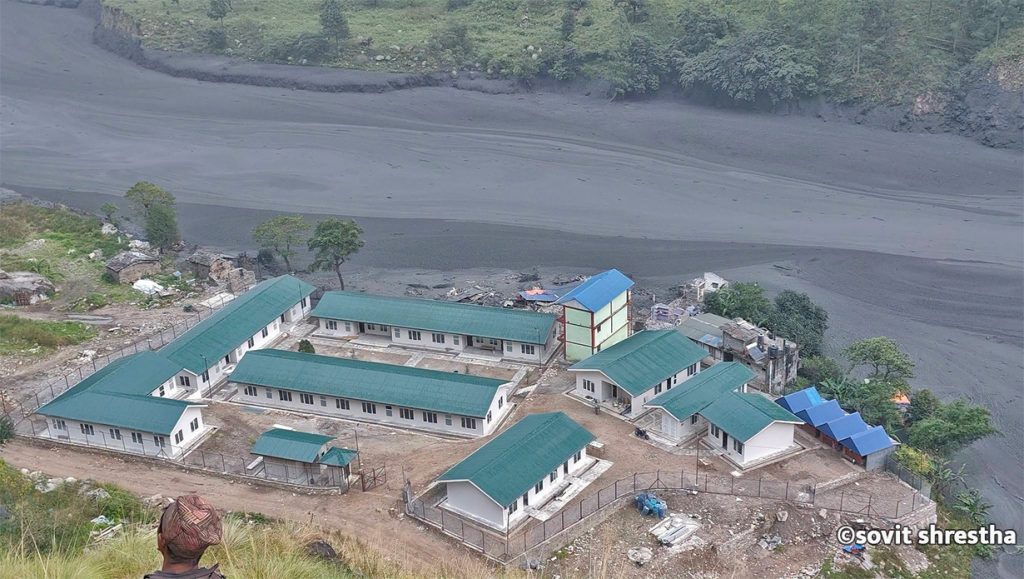
KATHMANDU, Nepal — A sudden and severe flash flood tore through the Budhi Gandaki River basin in Gorkha district on Sunday morning, washing away approximately 35 houses and triggering widespread destruction in the mountainous Manaslu and Tsum Valley regions. According to local authorities and disaster management officials, no human casualties have been reported thus far, though…
-
Swayambhunath Temple, Kathmandu
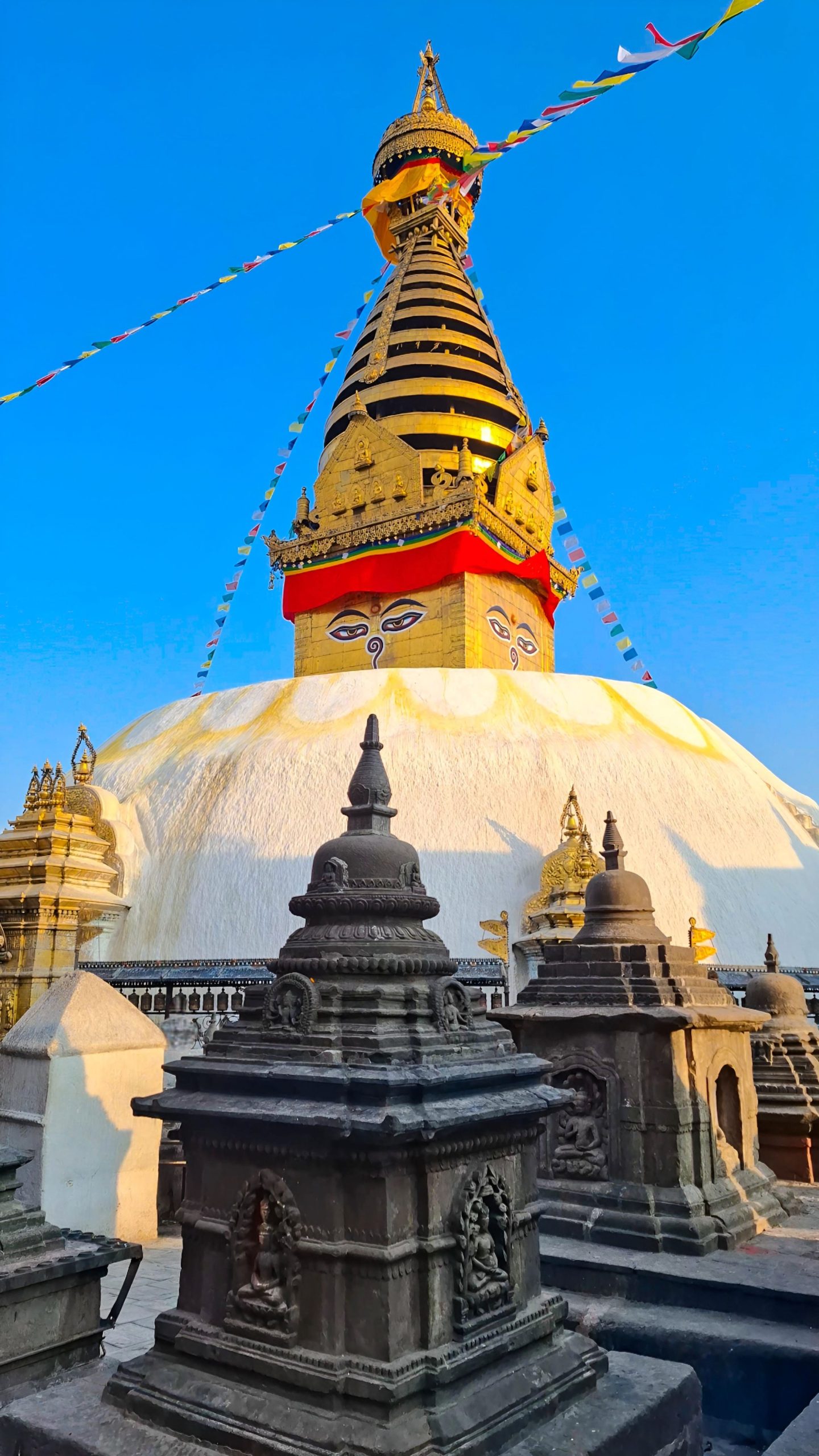
Imagine standing above the chaos of Kathmandu. Honking horns fade below you. A gleaming white dome rises ahead. Two enormous painted eyes gaze calmly in every direction. Prayer flags flutter in the Himalayan breeze. This is Swayambhunath, one of the most extraordinary places in Nepal. Visitors know it as the “Monkey Temple” because hundreds of…
-

North Goa vs South Goa: Which Is Better for Your Holiday?
Amongst the places that are highly popular in terms of beaches, weather, culture, and ambiance in India is Goa, which is known to possess some of the most beautiful beaches in India. The idea of Goa being famous for its beaches, which can be used by tourists for entertainment in North Goa while South Goa…