Mad Honey Nepal: Himalayan Honey, Effects & Honey Hunting
Mad honey is more than a strange souvenir. It connects Nepal’s mountains, its bees, and centuries of honey hunting tradition.
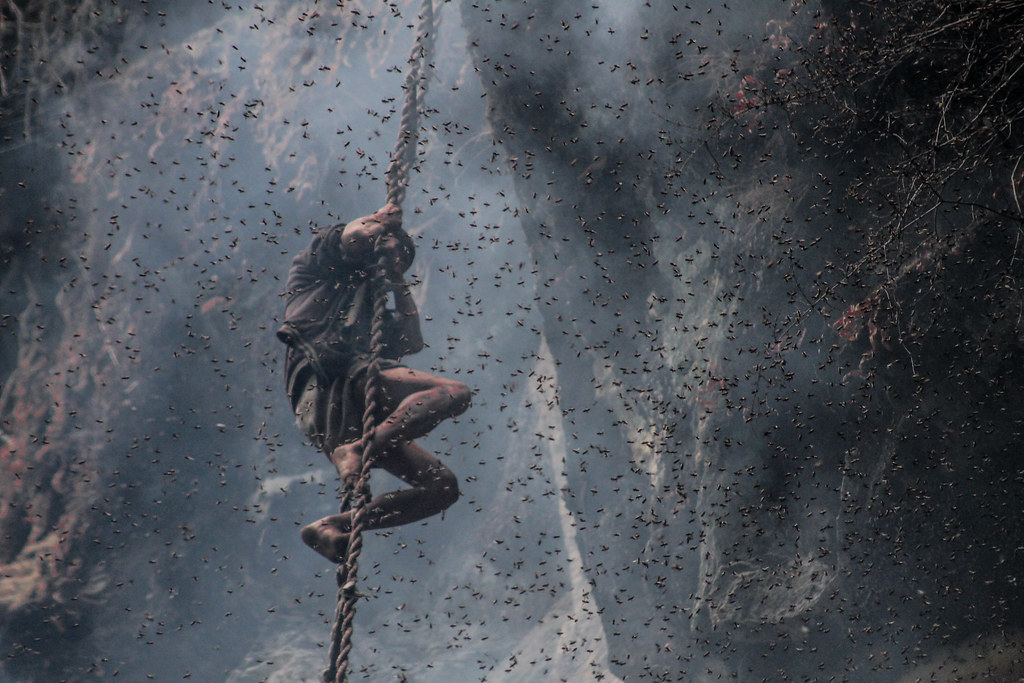
A honey hunter dangles from a rope ladder on a Himalayan cliff. Thousands of giant bees swarm around him. He is collecting one of the world’s strangest natural products – wild honey from the Himalayan cliffs.
This is not ordinary honey. Himalayan mad honey can contain grayanotoxins. These natural compounds cause dizziness, low blood pressure, and in serious cases, real poisoning. Nepal has recorded many cases of mad honey poisoning.
Table of Contents
What Is Mad Honey in Nepal?
The name comes from what happens after eating it. Honey containing grayanotoxins can have a distinctive taste.
Bees in Nepal’s hills and Himalayan valleys collect nectar from rhododendrons. Some of that nectar carries grayanotoxins. Traces of the toxin can end up in the honey.
People call this wild honey “mad honey.”
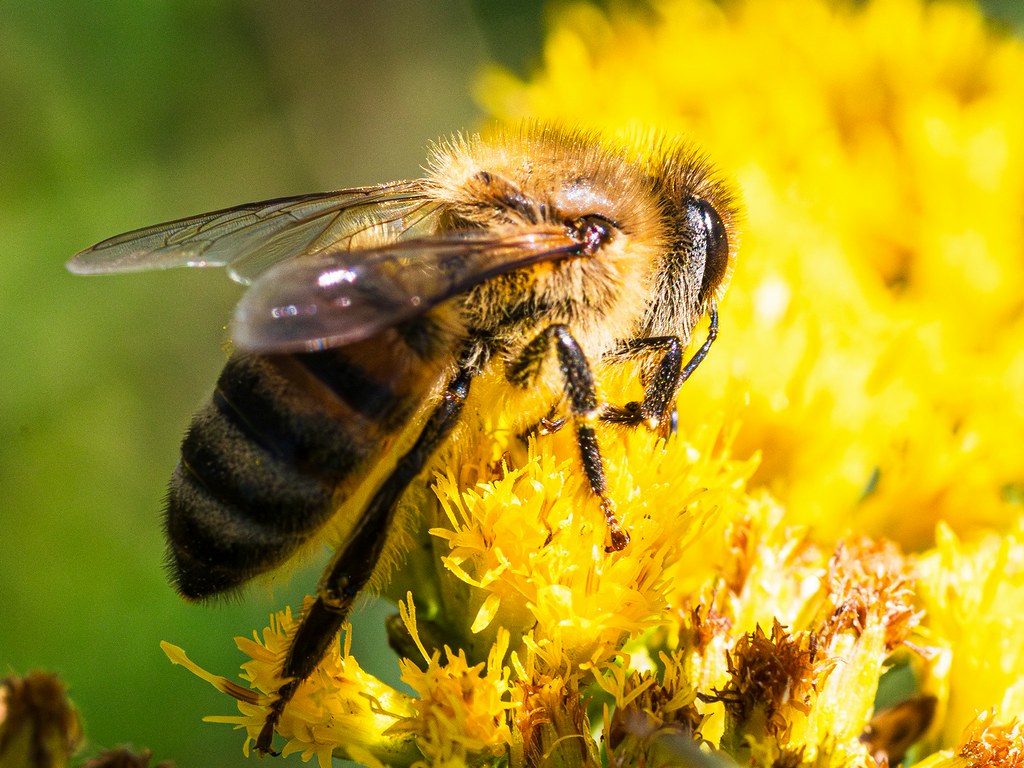
The Himalayan honey bee, Apis dorsata laboriosa, produces most of it. This giant bee builds huge nests on remote cliffs. Nepali medical research links Grayanotoxin directly to mad honey poisoning.
Why Is It Called “Mad Honey”?
The name comes from what happens after eating it. Grayanotoxin honey does not taste like normal honey.
It can affect your heart and nervous system. Effects range from mild dizziness and nausea to dangerously low blood pressure and a slow heartbeat. The dose and toxin level both matter.
Why Does Mad Honey Contain Grayanotoxin?
It starts with rhododendron flowers.
Rhododendrons grow across Nepal’s hills and mountains. Some species naturally contain grayanotoxins.
When bees feed on these flowers, they carry the toxin back to the hive. It ends up stored in the honey itself.
Grayanotoxin affects sodium channels in your nerves and heart cells. It keeps these channels switched on longer than normal. That is why symptoms include dizziness, low blood pressure, and irregular heartbeat.
Does All Nepali Honey Contain Grayanotoxin?
No. This is an important point.
Not all Nepali honey is mad honey. Not all wild honey contains enough toxin to cause symptoms. Toxin levels depend on the flowers bees visit and the local environment.
You cannot tell by looking at a jar of honey.
What Does Mad Honey Do to the Body?
Effects depend on toxin concentration and how much you eat.
Some people feel relaxed or mildly dizzy. Others feel much worse. Calling it a harmless “natural high” is misleading.
Mad honey effects can include:
- Dizziness and lightheadedness
- Nausea and vomiting
- Sweating and blurred vision
- Weakness
- Low blood pressure
- Slow heart rate
- Fainting
- Abnormal heart rhythm
Severe cases need hospital care. Nepali case reports describe patients with dangerously slow heart rates and very low blood pressure after eating wild honey.
One recent Nepal case involved just one teaspoon of wild honey. The patient had severe dizziness, vomiting, and very low blood pressure.
Can Mad Honey Cause Poisoning?
Yes. Mad honey poisoning is a real, documented medical condition.
Toxin levels are not consistent from batch to batch. This makes the risk hard to predict.
A 2026 Nepal case report described nausea, repeated vomiting, dizziness, severe low blood pressure, and a slow heart rate. The patient had eaten a few teaspoons of local mad honey.
Do not treat mad honey like a normal food.
How Is Mad Honey Harvested in Nepal?
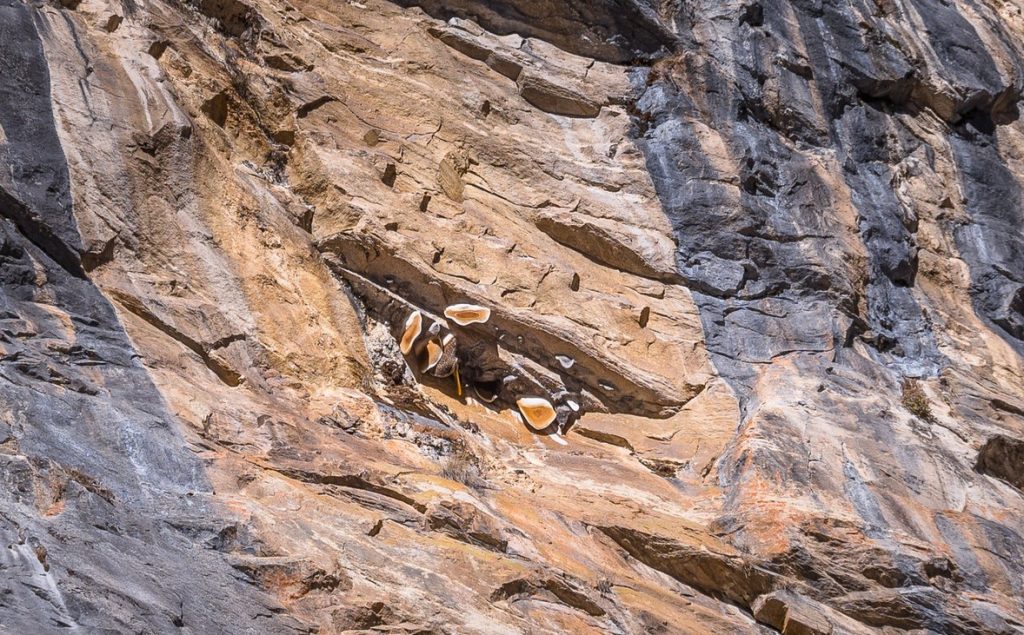
Nepal honey hunting is one of the most dramatic traditions in the Himalayas.
Honey hunters climb steep cliffs to reach nests of Apis dorsata laboriosa. The process usually looks like this:
- Locate a large bee colony on a cliff face.
- Build handmade rope ladders and gear.
- Climb or descend toward the honeycomb.
- Use smoke to calm the bees.
- Cut sections of honeycomb from the rock.
- Lower the honey safely to the ground.
This work is physically demanding and dangerous. Hunters face steep drops and thousands of defensive bees at once.
Himalayan honey hunting shows how mountain communities adapted to a tough environment.
The Gurung Connection to Honey Hunting
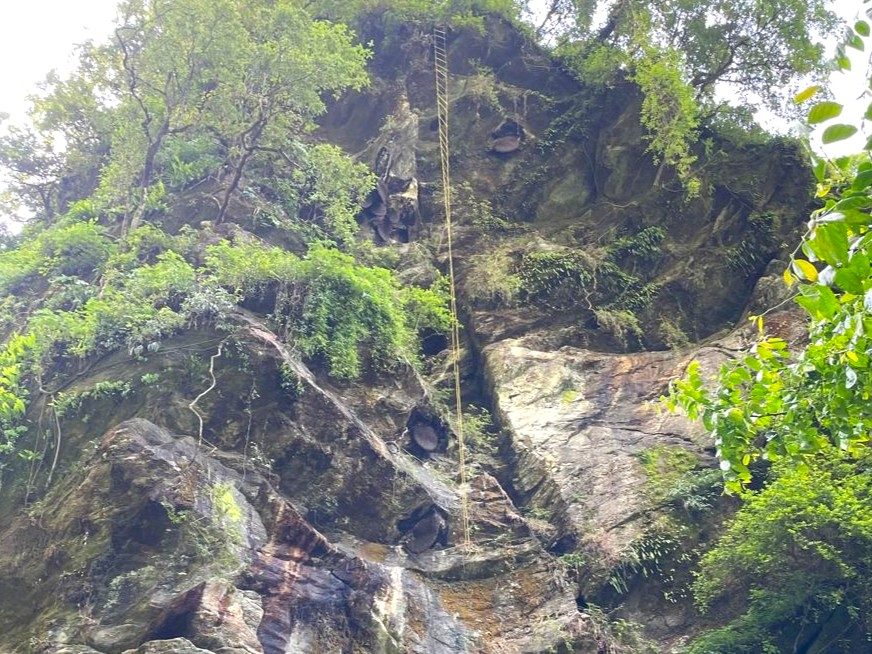
Gurung honey hunting is one of Nepal’s most recognized traditions. Gurung communities in central Nepal are famous for this practice, though other groups hunt honey too.
Skills are passed down from older hunters to younger ones. Hunters learn to read cliffs, find colonies, and handle bees safely.
This is not just about collecting food. It reflects generations of local knowledge, courage, and community teamwork.
Modern life is changing this tradition. Fewer young people are learning it. That makes it a compelling subject for curious travelers.
Where Is Mad Honey Found in Nepal?
Himalayan mad/wild honey comes from Nepal’s hill and mountain regions. These areas have both rhododendron forests and wild honey bee colonies.
Central and western Nepal are best known for honey hunting. Bees build massive nests on cliffs that are hard for humans to reach.
Mad honey is not tied to one single village. Its strength changes with the bee species, local flowers, and season.
Why Is Nepal Mad Honey So Famous?
- The Himalayan honey bee Apis dorsata laboriosa builds giant nests in extreme locations. Few other bees nest this way.
- Rhododendron forests: Rhododendrons are part of Nepal’s mountain identity. Some species pass grayanotoxins into the honey.
- Traditional honey hunting The cliffside harvest is dramatic and rare. Few places on Earth still practice it this way.
- Its unusual effects Grayanotoxin can cause altered sensations. This has fueled global curiosity about mad honey.
- Traditional uses: Local communities have used wild honey for food and folk remedies. Scientific evidence for medical benefits remains limited.
Is Mad Honey a Drug?
No, not in the conventional sense.
Mad honey is a natural food. It can contain grayanotoxins depending on what the bees ate. Its effects are toxic reactions, not proof that it is a safe recreational substance.
Toxin levels vary too much to call it predictable or safe.
Is Mad Honey Safe to Eat?
There is no universal safe dose. This is the most important fact for any traveler to know.
Nepali medical reports describe poisoning after very small amounts. Some patients needed emergency care and monitoring.
Do not experiment with mad honey on your own. Do not assume a small taste is automatically safe.
Seek urgent medical help if you experience severe dizziness, vomiting, fainting, weakness, or breathing trouble after eating wild honey.
What Should Travelers Know Before Buying Mad Honey in Nepal?
Appearance alone cannot tell you the toxin level.
Keep these points in mind:
- Not all wild honey is mad honey.
- A small amount is not automatically safe.
- Do not buy it just because it is marketed as a “natural high.”
- Be extra cautious with heart or blood pressure conditions.
- Seek medical care right away if symptoms appear.
Treat mad honey as a cultural product to learn about, not a guaranteed recreational experience.
Mad Honey in Nepal vs. Ordinary Honey
| Feature | Ordinary Honey | Mad Honey |
| Main source | Many flowering plants | Wild rhododendron foraging |
| Grayanotoxin | Usually absent | May be present |
| Taste | Sweet | Bitter or herbal notes |
| Effects | Nutritional | Can be toxic |
| Risk | Generally safe food | Can cause poisoning |
| Main appeal | Everyday sweetener | Himalayan culture and rarity |
Why Do People Call It a “Natural High”?
Mad honey has a reputation online as a natural intoxicant. Grayanotoxin exposure can cause unusual sensations.
But “high” is a misleading word here.
The same toxin that alters sensation also causes low blood pressure, a slow heartbeat, vomiting, and fainting. Medical literature treats mad honey intoxication as toxic exposure, not recreation.
The romantic idea of a “Himalayan psychedelic honey” ignores the medical risk.
Is Mad Honey Legal?
Legal status depends on your country. Rules on food imports and psychoactive substances vary widely.
Check your destination country’s current regulations before carrying mad honey across a border.
Being sold legally in Nepal does not mean it is legal to import elsewhere.
Mad Honey and Nepal’s Mountain Culture
The real story here is not intoxication. It is the bond between people, bees, forests, and cliffs.
Honey hunters understand bee behavior, flowering seasons, and cliff geography in deep detail. Their knowledge took generations to build.
Without bees, rhododendron forests, and honey hunters, this Himalayan tradition would not exist.
Is Mad Honey Worth Trying in Nepal?
For most travelers, watching the tradition beats tasting the honey.
Join a responsible cultural experience if you can. Watch the harvest. Learn about the bees. Talk with local hunters about their knowledge.
Mad honey sits at the crossroads of nature, tradition, adventure, and science. You do not need to eat it to appreciate that.
If you want to buy then visit here: supermadhoney.com
Are You Looking for a Mad Honey Tour in Nepal?
If you are interested in the Mad honey tour in Nepal, then contact us. We also operate the mad honey tour where you will visit the hunting areas with pro locals. You will have a wild Himalayan adventure.
You will learn how hunting is done, where are the places you can find it, the risks and rewards of hunting honey by locals and much more. To know more in detail about the tour, contact us through:
Mail: info@highrouteadventure.com
Contact: +977-9851058664
Frequently Asked Questions About Mad Honey Nepal
What is mad honey in Nepal?
- It is wild honey that may contain grayanotoxins from rhododendron nectar. Himalayan giant bees produce it.
Why is it called “mad honey”?
- Grayanotoxin can cause dizziness, low blood pressure, and a slow heartbeat. These odd effects gave it the name.
Which bee produces mad honey in Nepal?
- The giant Himalayan cliff bee, Apis dorsata laboriosa, produces most of Nepal’s wild mad honey.
Which plant makes mad honey toxic?
- Certain rhododendron species contain grayanotoxins. Bees pass these compounds into the honey while foraging.
Can mad honey make you hallucinate?
- Not reliably. Its real, documented effects are dizziness, nausea, low blood pressure, and a slow heart rate.
Can mad honey cause poisoning?
- Yes. Nepal has documented poisoning cases, including severe low blood pressure and loss of consciousness.
How much mad honey is safe?
- There is no guaranteed safe amount. Toxin levels vary, and poisoning has occurred after very small doses.
Where can you find mad honey in Nepal?
- It comes from Nepal’s hill and Himalayan regions with rhododendron forests and wild bee colonies. The famous places where people go for mad honey hunting are: Bhujung, Ghalegaun, and the Chamche area, also in some places of Kaski, Myagdi, and Gorkha districts.
Who harvests mad honey in Nepal?
- Several Himalayan communities practice honey hunting. Gurung communities in central Nepal are especially well known.
Is mad honey the same as Himalayan honey?
- Not exactly. Himalayan honey is a broad term. Mad honey specifically means honey containing grayanotoxins.
Is mad honey a psychedelic?
- No. It is often marketed that way, but Grayanotoxin is a toxin, not a safe psychedelic compound.
Final Say
If you are looking to do something unique and extraordinary, then the “ Mad Honey Tour” can be the best choice. It’s totally different from a regular tour and adventure in Nepal. Along with the unique experience, you will get the opportunity to learn Nepal’s ancient culture, traditions and Himalayan life.
Visiting the daring cliff in the ruler part of Nepal and watching the process of hunting honey is a lifetime experience. You can also check the documentary and videos on YouTube and understand the wildlife of Nepal.
From the city to the peaceful rhododendron forest and towering cliff, the Nepal mad honey tells a remarkable story. It links giant bees, mountain forests, and generations of Gurung honey hunters. Its grayanotoxin content also makes it genuinely risky.
You do not need to taste mad honey to appreciate its story. Sometimes the best Himalayan experiences are the ones you watch and respect.
Would you like to see a traditional Himalayan honey hunt in person? Share your thoughts below.
-
Flash Flood Sweeps Away Dozens of Homes in Gorkha, Nepal
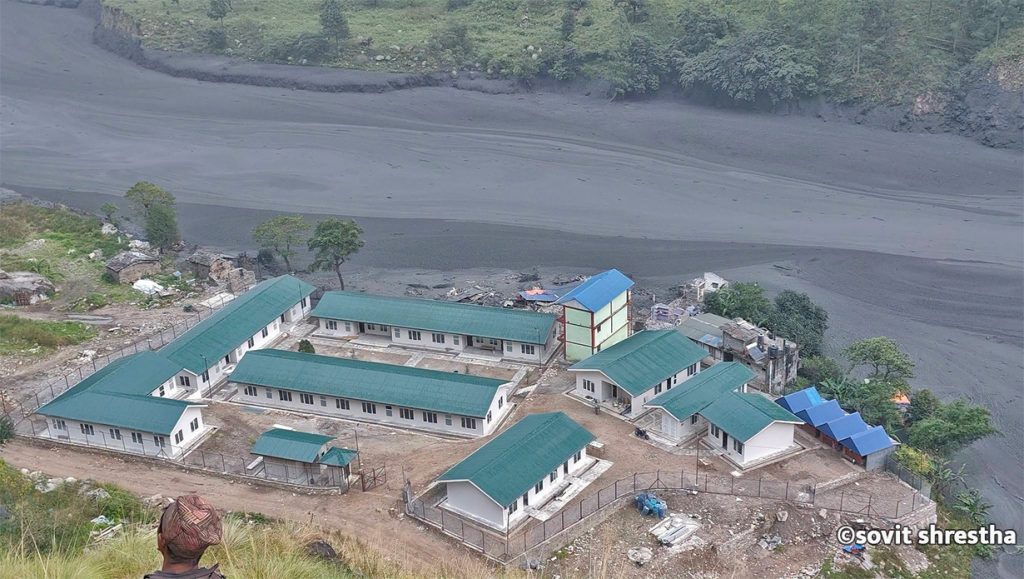
KATHMANDU, Nepal — A sudden and severe flash flood tore through the Budhi Gandaki River basin in Gorkha district on Sunday morning, washing away approximately 35 houses and triggering widespread destruction in the mountainous Manaslu and Tsum Valley regions. According to local authorities and disaster management officials, no human casualties have been reported thus far, though…
-
Swayambhunath Temple, Kathmandu
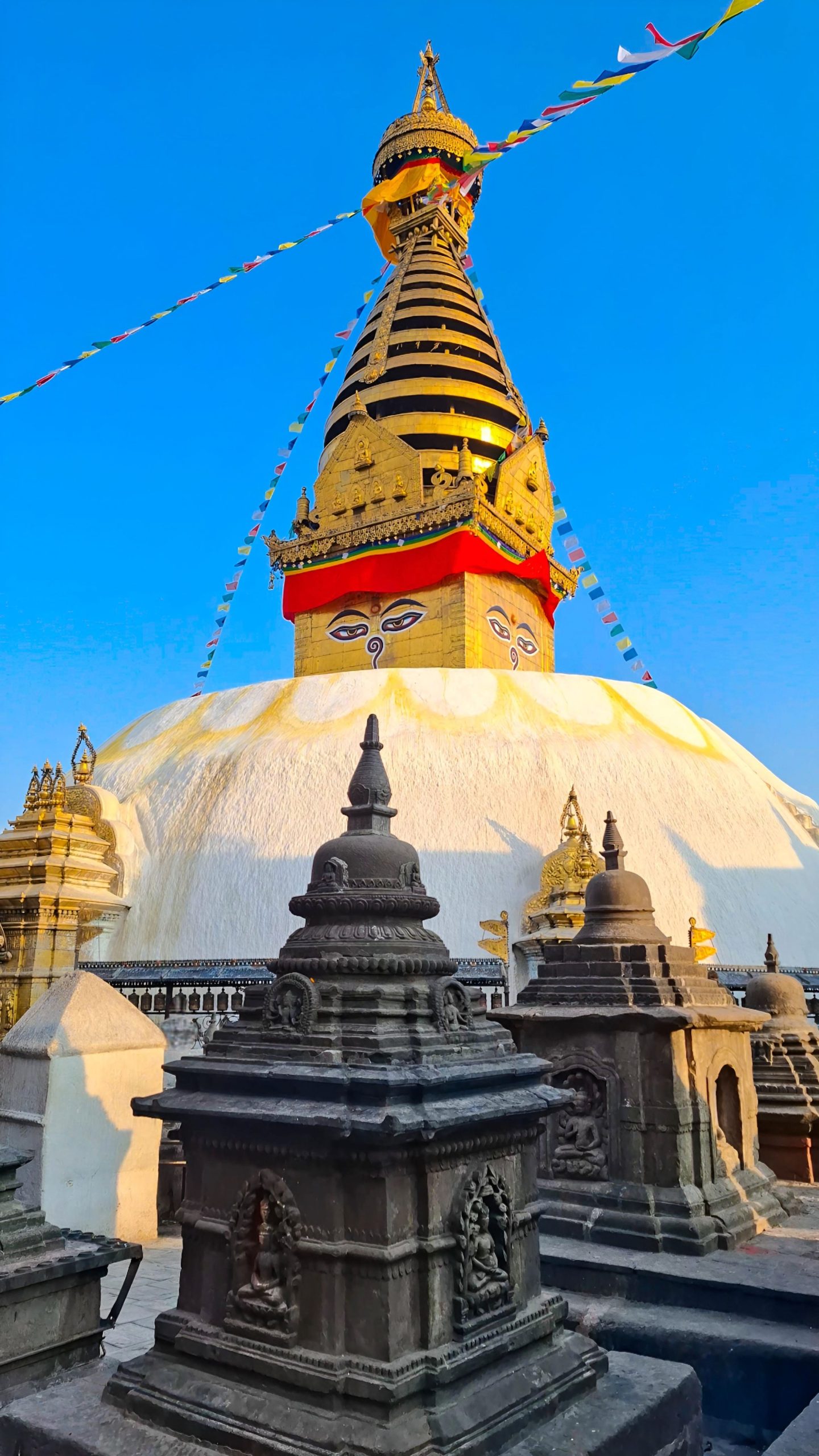
Imagine standing above the chaos of Kathmandu. Honking horns fade below you. A gleaming white dome rises ahead. Two enormous painted eyes gaze calmly in every direction. Prayer flags flutter in the Himalayan breeze. This is Swayambhunath, one of the most extraordinary places in Nepal. Visitors know it as the “Monkey Temple” because hundreds of…
-

North Goa vs South Goa: Which Is Better for Your Holiday?
Amongst the places that are highly popular in terms of beaches, weather, culture, and ambiance in India is Goa, which is known to possess some of the most beautiful beaches in India. The idea of Goa being famous for its beaches, which can be used by tourists for entertainment in North Goa while South Goa…