
A Complete Travel Guide to Mardi Himal Trekking
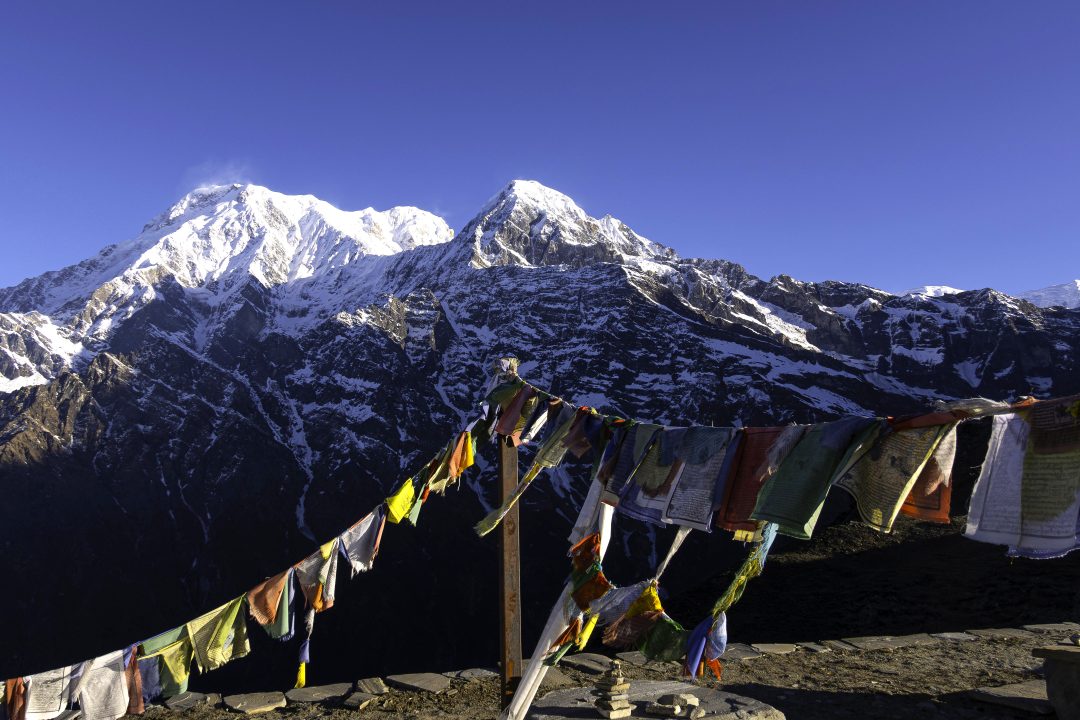
‘an adventure around hidden ridges of massif Annapurna Himalayan range’
The Complete Travel Guide to Mardi Himal Trekking provides valuable information for travelers interested in exploring this remarkable area.
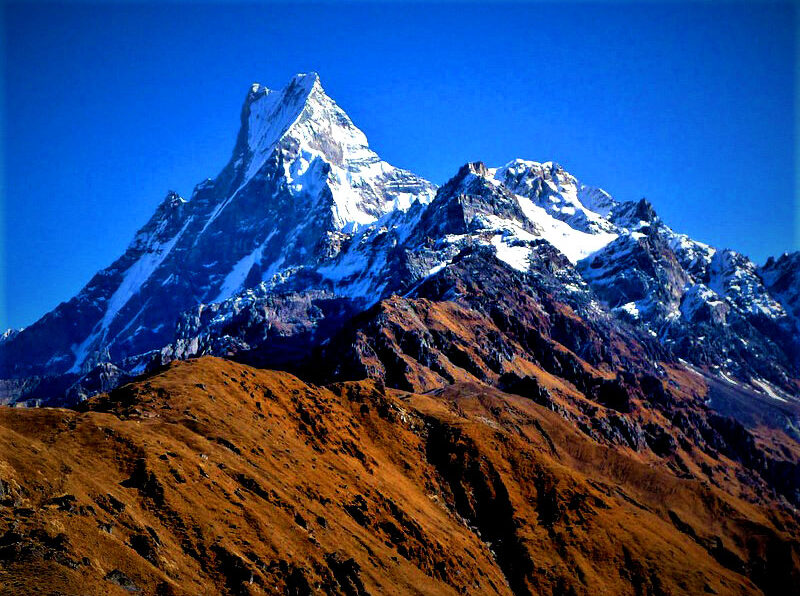
Mardi Himal is located in Nepal’s North Mid-West, nestled within the extensive Annapurna Himalayan Mountain range. Below the impressive Machhapuchare Himal, known for its distinctive Fish Tail peak, which stands at 6,993 m (22,943 ft), Mardi Himal itself reaches an elevation of over 5,587 m (18,330 ft). From a distance, it appears as a series of broken ridges along Machhapuchare, but explorers and pioneers discovered it to be a distinct peak in close proximity to Machhapuchare.
The region surrounding the high ridges of Mardi Himal is often referred to as the “Other Sanctuary,” due to its close proximity to the actual Annapurna Sanctuary, which lies to the west of Mardi Himal. The two are separated by the Modi River and a deep gorge, with only a few hundred meters between them.
When trekking to Mardi Himal, there are two primary routes available. The first is the lesser-known southeast route that goes through Kumai and Khorchon villages. This trail is rarely used due to its narrow, steep paths. The more popular route begins at Pritam Deurali.
From Deurali onwards, trekkers can find overnight accommodations in simple mountain tea houses that function as lodges and guesthouses. However, those who choose the alternative, lesser-known route will not find any lodge facilities after leaving the main villages. Trekkers on this path must carry their camping gear and food, which is why the western route is favored by many.
Table of Contents
Highlights of Mardi Himal Trek
- Front-Row Views of Machhapuchhre (Fishtail Mountain)
- A True Off-the-Beaten-Path Experience
- Sunrise at Mardi Himal Base Camp (4,500m)
- A Journey Through Changing Landscapes
- Authentic Village Life and Culture
- Jhinu Danda’s Natural Hot Springs
- A Manageable, Moderate Trek
- Great Value and Flexibility
How to Reach Mardi Himal Base Camp?
Most trekkers begin their journey in Kathmandu. You can travel to Pokhara by either a 25-minute flight or a 6–8-hour drive. Pokhara serves as the main gateway to the Mardi Himal Trek.
From Pokhara, you can drive for 45 minutes to 1 hour to reach either Kande or Dhampus, the two most popular starting points for the trek. The Kande route is the more commonly used option. From Kande, the trail goes through Australian Camp, Pothana, Deurali, Forest Camp, Low Camp, High Camp, and eventually leads to Mardi Himal Base Camp at 4,500 meters.
The Dhampus route is another popular choice. This trail also follows Dhampus, then Pothana, Deurali, Forest Camp, Low Camp, High Camp, and continues to Mardi Himal Base Camp.
There is also a less-traveled trail that goes through Kumai and Khorchon villages, near Lwang Village. This route is steeper and more remote, with limited teahouse facilities, so it is recommended only for experienced trekkers or those with camping support.
Trekkers should be cautious about itineraries that underestimate the hiking time from High Camp. The hike to the Upper View Point (4,500 meters) typically takes 2–3 hours. Reaching Mardi Himal Base Camp requires about 2 more hours from the viewpoint. The final section follows narrow ridges with steep drops and can become challenging in snowy conditions.
Guide to Mardi Himal Trek for Choosing the Best Season
The best seasons for trekking in the Himalayas are spring and autumn (fall). Spring lasts from March to May and is one of the liveliest times of the year. During this season, wildflowers bloom along the trails, and various species and colors of rhododendrons cover the forests, ranging from tall trees to dwarf varieties called azaleas. The days become warmer with longer daylight hours, although mornings and nights can be quite cold at elevations above 1,500 meters. Rain and snowfall are possible, especially in the late afternoon.
The next best season is autumn, which runs from September to November. Autumn offers some of the finest trekking conditions in the Himalayas, characterized by crystal-clear skies and excellent views of the mountains. However, the days are shorter, and mornings, evenings, and nights become much colder. Light snowfall may occur at elevations above 2,500 meters. Despite the colder temperatures, autumn is still considered the best time of year for trekking.
Guide to Mardi Himal Trek for Food and Accommodation
Mardi Himal is less crowded compared to other popular trekking trails in the Annapurna region. From Dhampus, Australian Camp, and Potana onward, the lodge accommodations are simple and basic.
The rooms are neat and tidy, featuring shared toilets and bathrooms. Travelers should note that there is an additional fee for using hot showers along the route to Mardi Himal.
The food options are limited but clean and hygienic, offering a few continental dishes alongside Indian, Chinese, and Nepali cuisine. Meals are served in a spacious dining room equipped with a fireplace, creating a warm and cozy atmosphere to fend off the cold.
Mardi Himal Trek Difficulty
The Mardi Himal Trek is rated as moderate, making it manageable for beginners with reasonable fitness levels, although it’s not overly easy.
- Maximum Altitude: Approximately 4,500 meters (Base Camp), which means altitude sickness can affect anyone, even those in good shape.
- Technical Skills: No climbing gear or mountaineering experience is required.
- Trail Conditions: Expect steep and occasionally rugged sections, particularly between Low Camp and High Camp, which feature narrow, rocky ridge trails.
- Daily Walking: You’ll walk an average of 4–6 hours a day, occasionally extending to 6–7 hours.
- Duration: Most itineraries last between 5 to 9 days, making this trek shorter and less physically demanding than others like the Everest Base Camp or Annapurna Circuit.
Bottom Line: While good fitness and some hiking experience are beneficial, the trek is achievable for first-timers who prepare with basic cardio training in advance.
Guide to Mardi Himal Trek for Pre-Trek Preparation
- Begin cardio training 4 to 6 weeks in advance. Activities can include hiking, jogging, cycling, or stair climbing.
- Incorporate strength training focusing on your legs, core, and glutes.
- Go on practice hikes while carrying a loaded daypack to simulate your hiking conditions.
- Aim to build your stamina for 4 to 6 hours of walking each day.
- Include stretching and flexibility exercises to help prevent injuries.
- If possible, try short hikes at higher altitudes to assess how your body responds.
- Work on improving your breathing endurance; swimming or interval training can be beneficial.
- Stay consistent with your training-regularity is more important than intensity.
Guide to Mardi Himal Trek for Obtaining Permits and Fees
For the Mardi Himal Trek you will need:
- Annapurna Conservation Area Project Permit(ACAP)
- Trekkers’ Information Management Systems (TIMS) Card


Guide to Mardi Himal Trek for Solo Trekkers
It is possible to trek as an individual or solo on the Mardi Himal Trekking. But needs to obtain the applicable required permits.
But it is always safe and best to trek in groups with a reliable companion or guides and porters. As this trek leads to pure mountain wilderness misfortunate things can happen or accidents. If one gets sick, there will be no one to take care of you. This is why always best and safest to trek with a guide and a good companion. Some trails in the forest can be misleading also. Can take the wrong way instead of walking on the right path.
Electricity & Internet Facilities on Mardi Himal Trek
After Dhampus, Australian Camp, and Potana villages, there is no hydropower for electricity. Most lodges on the Mardi Himal route after Pritam Deurali do have solar power to facilitate the trekkers. Where one can charge their electronic items and gadgets, paying a fee for each item per hour.
As for the Internet, there are no Wi-Fi lines; one can buy a local SIM card with full data-based. The Wifi and internet connections do not exist in the main villages of Dhampus and Potana until you reach Siding or Lwang village down below on the way to Pokhara.
Guide to Mardi Himal Trek for Hiring a Guide and Porter
Guides and porters are the backbones of trekking in the Nepal Himalayas, most important to have a guide and porter. For an enjoyable adventure, a holiday involves hiring a trekking guide and a porter. Not only for one benefit, but also contributing to the local economy by providing jobs for hundreds of guides and porters.
Booking with local trekking agents, which includes the service of a guide and porters, depending upon the trip cost. The Tourism Department approves the licensing guide, and porters need to carry a limited weight.
For Solo trekkers good to have a guide and porter, or just a guide cum porter to save the budget. The guide and porters need to be paid daily wages, accommodation, and meals and must also be medically insured.
- Guide Cost: $25 to $30 per day
- Porter Cost: $20 to $25 per day
How Are The Drinking Water, Hot Shower, and Toilet Facilities?
Mineral water in a plastic bottle is available throughout the trek in every lodge restaurant and shop. The price varies as you go higher; the cheapest way is to buy boiled, filtered, clean drinking water. Available in every overnight lodge and on lunch stops; best as a responsible trekker and for eco-trekking.
As plastic bottled water creates more waste, it is best to carry a reusable water bottle. You can refill it at every lodge for a small fee. This helps reduce plastic waste and provides clean, safe drinking water.
Standard Itinerary
The standard itinerary is a guideline for day-to-day details of the treks while you are in Nepal. The standard itinerary should fit with the time and holidays in Nepal and for the Mardi Himal Trekking. The standard Itinerary should be as follows, can differ from one company to another. But as an example of a standard Itinerary.
Short Trip Profile
| Trekking Mode | Best available local teahouses/lodges |
| Grade of Trekking | Moderate |
| Area of Trekking | Southern hills of the Annapurna Himalaya, Mardi Himal Base Camp |
| Highest Altitude gain | 4,500 m (14,764 ft) at Mardi Himal Base Camp |
| Trek duration | 5 Nights / 6 Days (including drives and trekking) |
| Total Trip | 9 Nights / 10 Days (arrival to departure) |
| Best Seasons | March to May and September to November |
Standard Mardi Himal Trek Itinerary from Kathmandu with distance and Altitude
| Day | Route | Altitude | Distance | Duration |
| Day 1 | Arrival in Kathmandu | 1,350 m | – | Airport transfer (30–45 min) |
| Day 2 | Drive from Kathmandu to Pokhara | 820 m | 200 km | 7–8 hrs drive |
| Day 3 | Drive to Kande (1 hr), Trek to Pitam Deurali | 2,100 m | 6 km | 1 hr drive + 3–4 hrs trek |
| Day 4 | Trek from Pitam Deurali to Low Camp | 2,970 m | 8 km | 5–6 hrs |
| Day 5 | Trek from Low Camp to High Camp | 3,580 m | 7 km | 4–5 hrs |
| Day 6 | Hike to Mardi Himal Base Camp (4,500 m) via Upper View Point, then trek to Badal Danda | 4,500 m | 13 km | 7–8 hrs |
| Day 7 | Trek from Badal Danda to Siding Village | 1,750 m | 10 km | 5–6 hrs |
| Day 8 | Trek to Lumre, then drive to Pokhara | 820 m | 4 km trek + 45 km drive | 1.5 hrs trek + 2 hrs drive |
| Day 9 | Drive from Pokhara to Kathmandu | 1,350 m | 200 km | 7–8 hrs drive |
Do you need more detail please visit the Mardi Himal Trek Itinerary
Insurance For Mardi Himal Trekking
Travel & Medical Insurance is obligatory when traveling around remote high-altitude Himalayan destinations like the Mardi Himal Trekking.
Travel Insurance in case of unfavorable weather conditions, where the trekking route might be diverted to other safe destinations. As well as if the trek is disturbed by political strikes and road conditions.
This can happen in any part of the world, with a sudden change of government rules. In this type of situation, the local companies will be beyond their control and have to accept whatever circumstance arises. These types of situations, if they happen, can be claimed through your travel insurance for reimbursement.
Similarly, for Medical Insurance in cases of sudden illness like altitude sickness or personal illness. One might need immediate evacuation or rescue to the nearest hospital, like in Kathmandu or Pokhara. Using the fastest means of transportation, like Helicopter Service. This is when your Medical Insurance comes in to cover your extra expenses incurred.
Guided Treks vs An Independent Trekkers
Guided trekking is the best and safest way of traveling around the Himalayas, especially off the beaten trails, like in Mardi Himal trekking or remote, isolated pockets of the Nepal Himalayas. The guide can be the best companion for many good reasons, including safety purposes as well as gaining knowledge and information. As well as being sick or getting into sudden accidents, where a guide will be your only help and support.
Traveling as an independent trekker can be good to save on budget and trekking best low expenses. But you will be missing many good things, like knowing the local culture and customs, as well as flora and fauna.
Some trail directions can be misleading, and you can be on the wrong trails, instead of walking on the right path to designated overnight stops.
As well, stopping at the right place for lunch and overnight halts, with a guide, will be much easier. The guide knows the best of the area as well as lodges on the route.
Guide to Mardi Himal Trek for Cost and Budget Management
The trip cost for the Mardi Himal Trek will be pre-informed upon booking the trip. As per the duration of trekking days, depending on group size and the standard of hotels in Kathmandu and Pokhara. The cost of the trip package entirely depends on what’s included and excluded from transportation by overland to Pokhara or by air.
Normally trip package for treks of a maximum of 8 days on Mardi Himal comes around approx. US$ 650 per person. Includes local transport to and from Pokhara, trekking and conservation fees, wages, and insurance for guides and porters.
As well as meals and transportation allowance from Pokhara to Pokhara.
The above trek cost package on minimum of 2-3 people. The trip cost can be lower for groups of more than 4-6 people or higher.
The trip cost does not include fare from Kathmandu or hotel accommodation in Kathmandu and at Pokhara. Depends upon the options of hotel standards, from budget to standard or deluxe star hotels.
Estimated Mardi Himal Trek Cost Breakdown
| Item | Estimated Cost (USD) |
| ACAP Permit | 30 |
| TIMS Card (if applicable) | 20 |
| Guide (per day) | 30–40 |
| Porter (per day) | 25–30 |
| Teahouse Accommodation | 0–10 per night |
| Breakfast | 4–8 |
| Lunch | 5–10 |
| Dinner | 6–10 |
| Tea/Coffee | 1.5–4 |
| Boiled Drinking Water | 1–3 per liter |
| Hot Shower | 2–5 |
| Battery Charging | 2–5 per device |
| Kathmandu to Pokhara Tourist Bus (One Way) | 10–15 |
| Kathmandu to Pokhara Flight (One Way) | 100–140 |
| Pokhara to Kande Private Taxi | 20–30 |
| Lumre/Siding to Pokhara Shared Jeep | 10–20 |
| Travel Insurance | 50–150 |
| Trekking Gear Rental (Optional) | 5–15 per item/day |
Estimated Package Cost
| Group Size | Price Per Person (USD) |
| 1 Person | 750–850 |
| 2–4 People | From 650 |
| 5–8 People | 600–640 |
| 9+ People | Contact for Group Discount |
AMS(Acute Mountain Sickness) on Mardi Himal Trek?
On the Mardi Himal Trek, trekkers rarely experience symptoms of Acute Mountain Sickness (AMS) due to the trek’s maximum elevation of 4,500 meters, where altitude gains occur gradually. Trekkers have the opportunity to acclimatize during daily walks and overnight stays at various elevations, making this trek different from other high-altitude adventures.
Walking slowly and steadily is the best approach for acclimatization on the Mardi Himal Trek, and only a few trekkers report mild headaches. Even in cases of altitude sickness, it is easy to head downhill to a safer elevation if needed.
Packing the right gear will make your Mardi Himal Trek safer and more comfortable.
Essential Items
- Small personal medical kit with prescribed medicines
- Copy of your medical information
- Comfortable trekking boots or sports shoes
- Lightweight trekking trousers
- T-shirts
- Long-sleeved shirts
- Shorts or skirts (optional)
- Fleece jacket
- Down jacket (recommended for autumn, winter, and early spring)
- Thermal base layers
- Waterproof jacket
- Waterproof trousers
- Warm hat or wool balaclava
- Wool gloves or mittens
- Sun hat
- Scarf or buff
- Sunglasses with 100% UV protection
- Sunscreen (SPF 30 or higher)
- Lip balm with SPF
- Reusable one-liter water bottle
Personal Items
- Toiletries
- Headlamp with spare batteries
- Small Swiss Army knife
- Notebook and pen
- Small padlock for your duffel bag
- Money belt
Optional Items
- Camera and extra batteries
- Extra memory cards
- Trekking poles
- Power bank
Most trekking gear can be purchased or rented in Kathmandu at reasonable prices. Renting equipment is a great way to reduce your luggage weight.
How to Choose a Reliable Trekking Operator For Mardi Himal Trek?
When looking for the ideal trekking operator, it’s important to choose a company with a strong reputation and a successful track record spanning several decades. The local operator should employ experienced guides and have healthy, capable porters and staff. Additionally, the trip price should be reasonable while still providing quality services.
It’s essential that the trekking operator offers thorough information and details about the chosen trek. The company should be officially registered and approved by the Government of Nepal Tourism Department, as well as being an associated member of organizations like TAAN, NMA, and other non-governmental or semi-governmental associations related to responsible tourism and eco-trekking.
How To Book Mardi Himal Trek Package?
- Review Options: Visit highrouteadventure.com to choose between our 9-day and 5-day treks. Group discounts are available.
- Select a Date: Choose a date that works for you.
- Payment: Confirm your booking with a 20% advance payment via credit card or bank transfer (you cover any bank fees).
- Permits: We handle all permits for you, so there’s no need to arrange ACAP yourself.
- Cancellation: The advance is non-refundable but can be applied to a future trek or used to postpone your trip.
Contact Us:
Email: info@highrouteadventure.com
Phone/WhatsApp: [+977-9851058664]
Frequently Asked Questions(FAQs)
1. Do I need previous trekking experience for the Mardi Himal Trek?
- Yes, beginners with a good fitness level can complete the trek with proper preparation and a comfortable pace.
2. How many kilometers is the Mardi Himal Trek?
The trek spans approximately 40 to 50 kilometers, depending on the itinerary and starting location.
3. Is there a risk of landslides on the Mardi Himal Trek?
- Landslides often occur on forest trails during the monsoon season, particularly after heavy rainfall.
4. Can I charge my camera and phone during the trek?
- Yes, most teahouses offer charging facilities for an additional fee, primarily using solar power.
5. Are vegetarian and vegan meals available?
- Yes. Most teahouses serve vegetarian meals, and vegan options are available with advance requests.
6. What wildlife can I see on the Mardi Himal Trek?
- You might encounter Himalayan Monals, langur monkeys, musk deer, and a variety of bird species native to the Himalayas.
7. Is tipping expected for guides and porters?
- Tipping is a common way to acknowledge the hard work of guides and porters, and it is appreciated.
8. What time should I start trekking each day?
- Trekkers typically start their journey between 7:00 AM and 8:00 AM to avoid afternoon clouds and to reach the next lodge early.
9. Is the Mardi Himal Trek suitable for families?
- Families with physically fit children and teenagers can enjoy the trek with an appropriate itinerary.
10. Can I combine the Mardi Himal Trek with other treks?
- Yes, many trekkers combine the trek with Annapurna Base Camp, Ghorepani Poon Hill, or Khopra Ridge.
Final Say
The Mardi Himal Trek shows that you can have a fantastic Himalayan experience without needing three weeks or technical skills. With stunning views of Machhapuchhre and the Annapurna range, peaceful forest trails, and a beautiful sunrise at Base Camp, it’s one of Nepal’s best short treks and still relatively undiscovered.
Posted on