Crossing Dolma La Pass: The sacred crux of Mount Kailash’s Kora
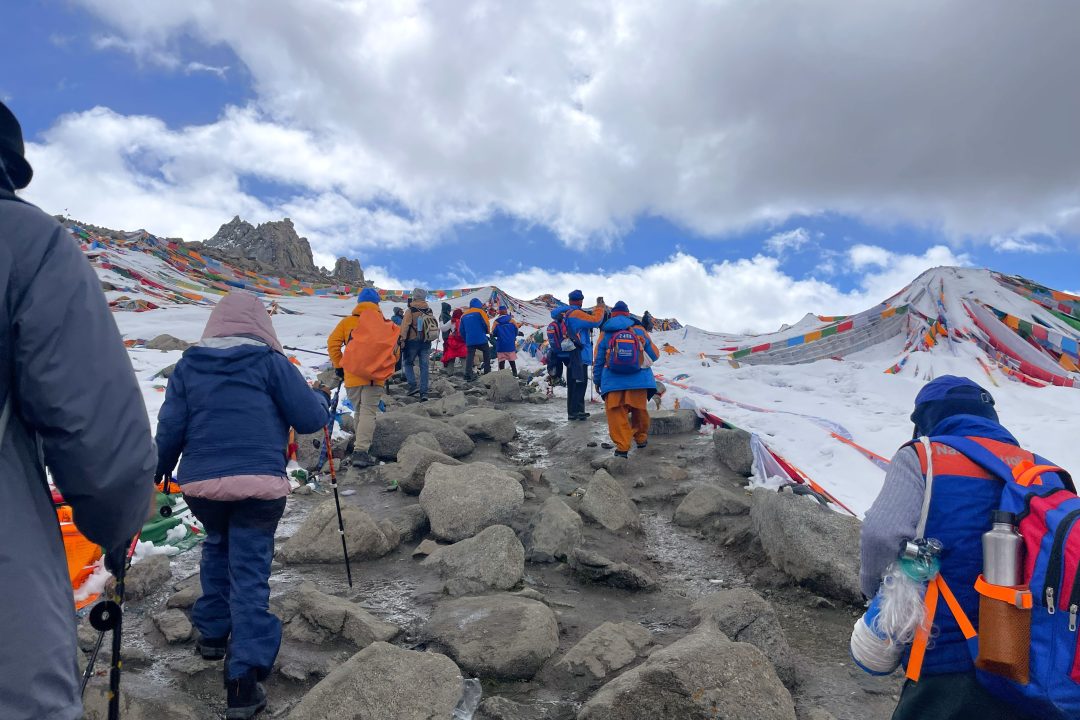
Table of Contents
Introduction
Dolma La Pass is the highest and hardest passage of the sacred Kailash Kora, which lies at an altitude of 5,630 meters. Here, your lungs pull in air that isn’t really there. Prayer flags snap and curl in a wind so cold it feels ancient. And then – silence so complete you can hear your own heartbeat stumbling.
In the remote west of Tibet, Mount Kailash stands as one of the world’s most revered spiritual peaks, which is a sacred place for Tibetan Buddhism, Hinduism, Jainism, and Bon. Pilgrims perform the 52-kilometer outer Kora, which is a ritual circumambulation in this holy mountain, as they believe that completing Kora cleanses past sins, purifies the soul, and brings spiritual merit, blessings, and a path toward liberation (moksha or enlightenment).
While performing the Kailash Kora, you need to cross the Dolma La Pass – the crux of the journey. It is a steep, rocky ascent decorated by the Buddhist prayer flag, a sacred site for Tibetan people.
In this guide, you will learn how to prepare for that crossing – what your body may go through, what the trail is like, and the deep personal experience you may feel as you reach the top.
The Spiritual Weight of Dolma La Pass
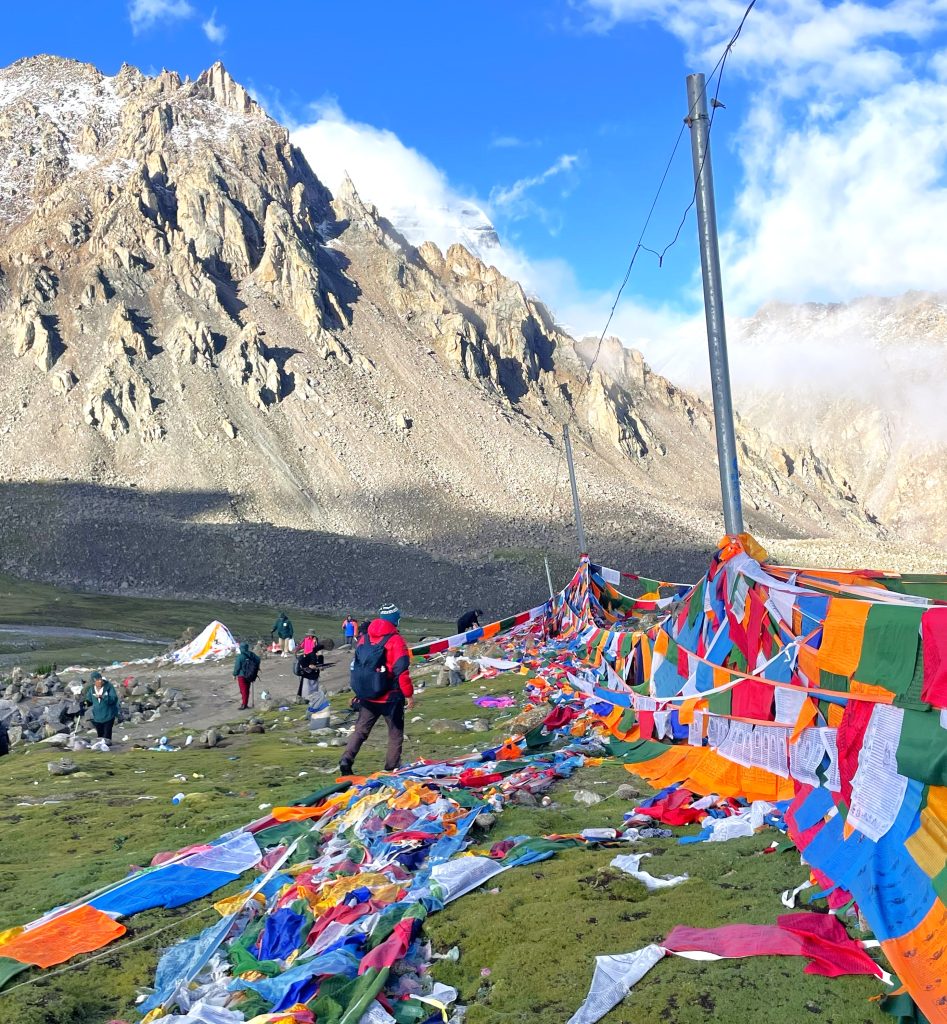
In Tibetan Buddhist tradition, crossing Dolma La Pass is far more than a physical challenge – it symbolizes a profound cycle of death and rebirth. Pilgrims believe that while passing through Yama, they leave their past life and emerge breathless and transformed into a new spiritual existence.
This Dola La Mountain Pass is named after Tara (Dolma), the goddess of compassion and salvation. Therefore, it is also called “pass of Tara”. Tibetans believe that if pilgrims cross this pass, even though it is tough, they will get the blessing and protection after they reach here.
There is also a tradition of leaving a piece of clothing, a lock of hair, or a personal item in Shiva Sthal. Whatever is left here is believed to belong to Yamaraj, the God of Death, who is said to guard the gateway to higher spiritual realms. This act represents a symbolic “ego-death,” where pilgrims release their past identity, pride, and attachments.
After this deep spiritual letting go, the journey passes through Gauri Kund toward Dolma La Pass. Crossing Dolma La Pass symbolizes rebirth and a new life filled with clarity, humility, and spiritual awakening.
Crossing Dolma La Pass(5,630 meters): A Step-by-Step Breakdown
Day 1: Your 1st Day of Kailash Parikrama starts from Darchen to Derapuk Monastery.
Day 2: On the second day of your Kailash Parikrama, the journey begins in the darkness before dawn from Drirapuk Monastery. Crossing Shiva Sthal you will reach the Dolma La summit, decorated with prayer flags. After crossing this challenging section you will explore Gauri Kund, then descend toward the Zuthulpukh.
Day 3: From Zuthulphuk, you will head toward Darchen, completing your Kailash Outer kora.
Preparing for the Ascent (Logistics & Health)
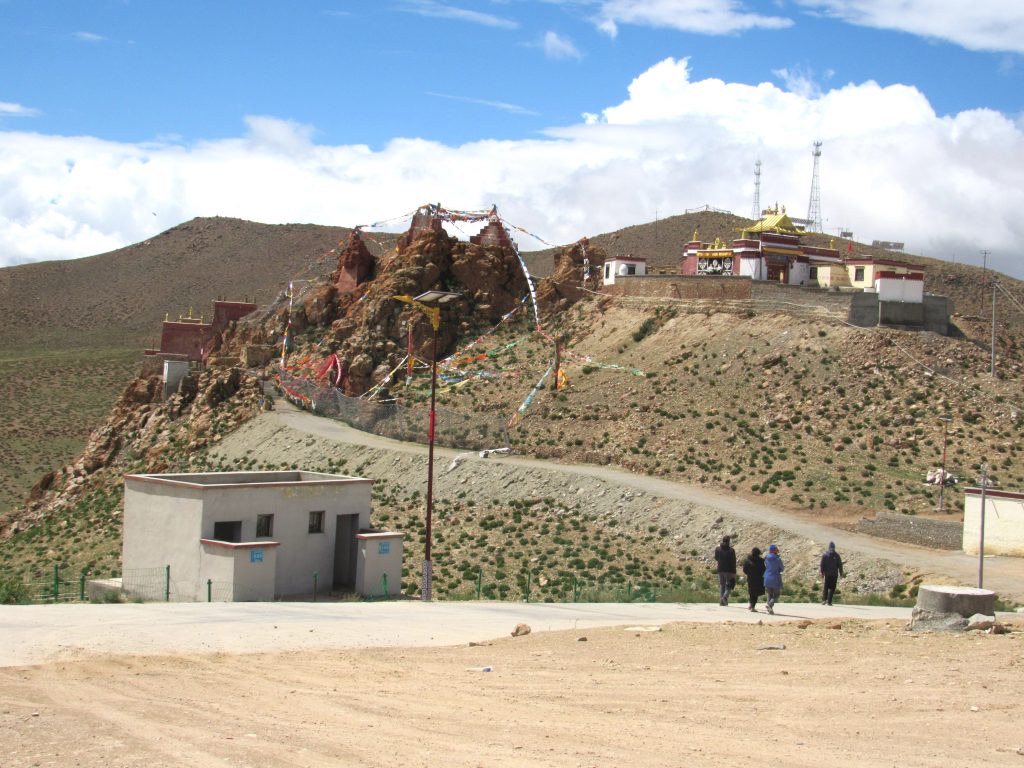
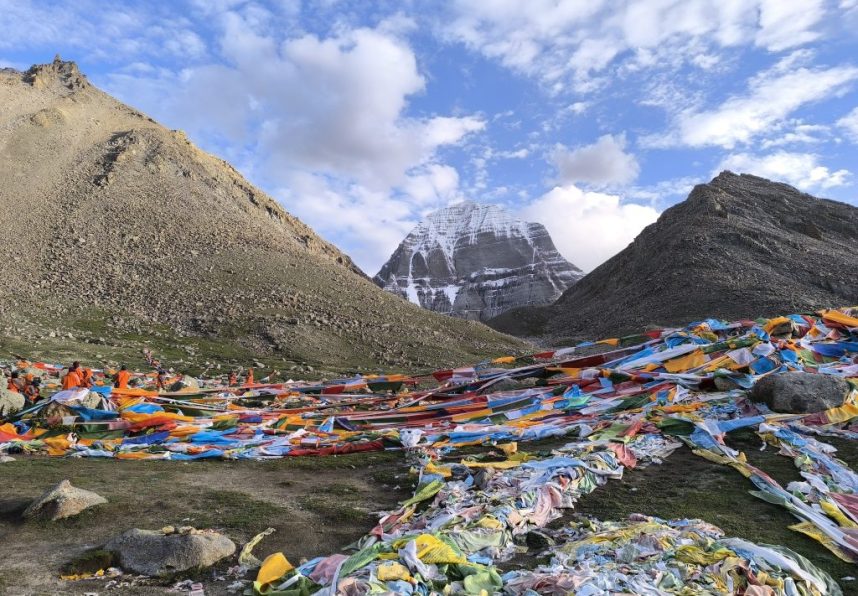
Crossing the Dolma La Pass is one of the most difficult sections in the entire Kailash Kora while you are undertaking the Kailash Mansarovar Yatra. Even though it is challenging, you can completely cross the pass with these expert tips:
Altitude Acclimatization:
- Learn altitude sickness symptoms(AMS) such as headache, vomiting, difficulty in breathing, dizziness, and sleep disturbance.
- If AMS is not cured in an early stage, then it can lead to HACE and HAPE, which are deadly forms of AMS, and it can be life-threatening.
- Put acclimatization day in Kerung/Saga and follow only the standard itinerary.
- Drink enough water to keep your body hydrated.
- You can take Diamox by consulting with a doctor, which is used as an altitude sickness medicine.
Fitness Requirements:
- Maintain fitness and good stamina by participating in activities like hiking, running, cycling, or stair climbing.
- Build leg strength for a long ascent.
- If possible, do a short hike near your home country to get high altitude experience.
- Prepare to stay calm, patient, and consistent in harsh weather.
- If you think walking will be tough for you, hire the horse from Darchen, which will cost you approx. USD 400–600(for 3 days Kailash Kora)
Packing Essentials:
- Layered clothing (for extreme temperature changes)
- Warm insulated jacket (for freezing winds at high altitude)
- Sturdy, well-broken-in trekking boots
- Trekking poles (especially for steep descent)
- Gloves and thermal wear (for cold and wind protection)
- Sunglasses, sunscreen, and a hat (for strong UV exposure)
- Water bottle/hydration pack (to prevent dehydration)
- Energy snacks (for a quick stamina boost on the trail)
- Enough Cash
Survival Tips for the High Altitude
- Hydration & Nutrition: Why you might lose your appetite, but why you must keep drinking water and eat healthy food to fight against Altitude sickness
- AMS (Acute Mountain Sickness): Recognizing symptoms, if you catch AMS, descend immediately to a lower altitude by informing your guide.
- The “Slow and Steady” Mantra: Walk at your own pace.
Reflections: Why Do People Do It?
One of our pilgrims from Canada( Arvind Sharma) says, “You don’t just climb the mountain-you climb through yourself.”
Dolma La Pass checks your strength and sees how much preparation you have. Crossing this pass is challenging, but gradually it becomes a spiritual journey. By the time pilgrims reach the top of the Dolma La Pass, they will experience a shift within: from physical effort to emotional clarity and spiritual awakening.
Frequently Asked Questions( FAQs )
Best time of year to cross Dolma La Pass?
The best time to cross Dolma La Pass (5,630m) is during the peak traveling seasons from mid-May to June and mid-September to mid-October, when weather conditions are relatively stable, and the trail is more accessible.
Do I need a permit?
Yes, all the travelers who wish to visit Tibet for the Kailash Mansarovar Yatra must obtain the Tibet permit, including a Chinese Visa. For more details check here: Tibet Visa and Permit
Is it possible to do this if I’m not a Buddhist/Hindu?
Yes, it is possible. There are no religious restrictions for crossing the Dolma La Pass. Pilgrims and trekkers of any faith-or none-can undertake the journey.
Can I hire a horse or use a yak?
Yes, it is possible to hire a horse and cross the Dolma La Pass by horseback riding. To rent the horse, you can find it in Darchen or ask the tour agency to manage it for you. You can also hire the yak to carry your backpack. Check out: Detail Guide for Kailash Mansarovar Yatra
Final Say
Crossing the Dolma La Pass is physically challenging and tough due to the high altitude location, but visiting here is a life-changing journey. The harsh climb, thin air, and spiritual atmosphere together make the journey rewarding and adventurous. After the end of the Kailash Kora, you will find a complete inner transformation.
Learn to respect the mountain, local culture, traditions, and prepare fully before heading on the spiritual journey to Mount Kailash and Mansarovar Lake. High Route Adventure also operates the pilgrimage tour in Tibet. If you are looking to visit, then make sure to contact us through email or whatsapp.
Har Har Mahadev 🙏
-
Flash Flood Sweeps Away Dozens of Homes in Gorkha, Nepal
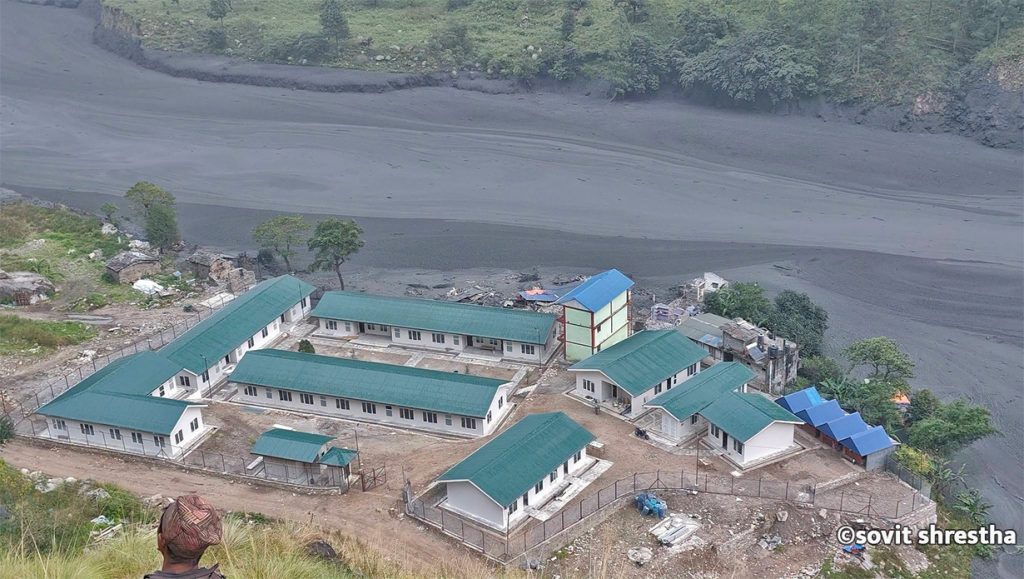
KATHMANDU, Nepal — A sudden and severe flash flood tore through the Budhi Gandaki River basin in Gorkha district on Sunday morning, washing away approximately 35 houses and triggering widespread destruction in the mountainous Manaslu and Tsum Valley regions. According to local authorities and disaster management officials, no human casualties have been reported thus far, though…
-
Swayambhunath Temple, Kathmandu
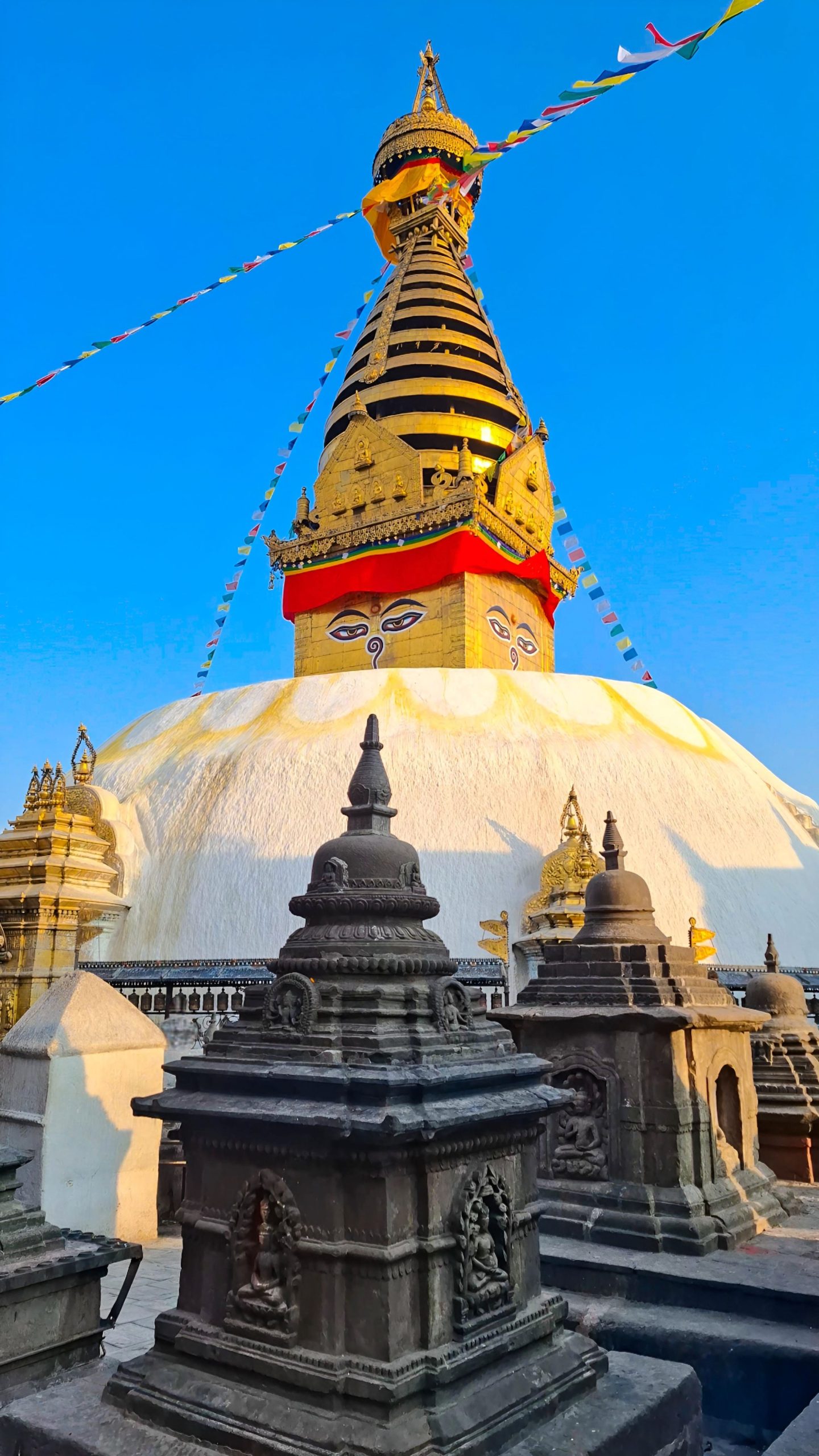
Imagine standing above the chaos of Kathmandu. Honking horns fade below you. A gleaming white dome rises ahead. Two enormous painted eyes gaze calmly in every direction. Prayer flags flutter in the Himalayan breeze. This is Swayambhunath, one of the most extraordinary places in Nepal. Visitors know it as the “Monkey Temple” because hundreds of…
-

North Goa vs South Goa: Which Is Better for Your Holiday?
Amongst the places that are highly popular in terms of beaches, weather, culture, and ambiance in India is Goa, which is known to possess some of the most beautiful beaches in India. The idea of Goa being famous for its beaches, which can be used by tourists for entertainment in North Goa while South Goa…