
Where is Mansarovar Lake? Country, Map Location & Sacred Story Explained
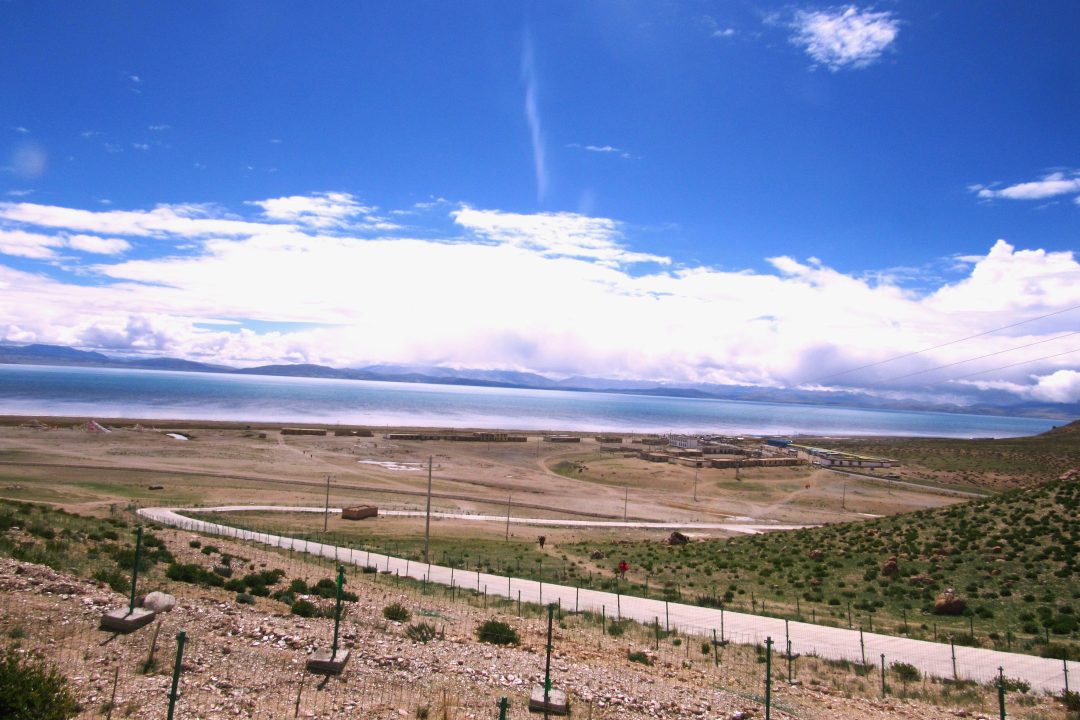
Table of Contents
Introduction
High in the remote Himalayas, where silence meets spirituality, lies one of the most sacred lakes in the world – Lake Mansarovar. Mansarovar Lake is located in the far western side of Tibet, Autonomous Region, China. Tibetan people often call this lake Mapam Yumtso (or Mapham Yutso), which means “Invincible Lake”. Lake Mansarovar is often called the “Lake of the Mind” and “Brahma’s Lake.” According to the Hindu, this lake has been created in the mind of Lord Brahma, symbolizing purity, clarity, and divine consciousness.
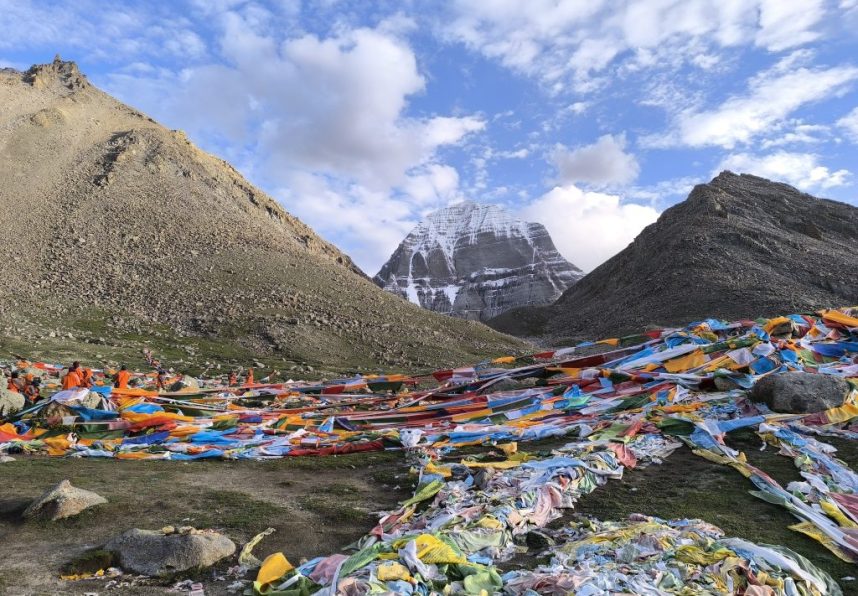
This high altitude lake is located at the altitude of 4,600 m (15,100 ft) above sea level. The view of the blue, shining waters of Mansarovar, surrounded by the Himalayan landscapes, feels surreal. From the shores of Lake you can see the sacred Mount Kailash peak rising in the distance. The atmosphere here is peaceful and powerful due to the quiet surrounding.
Despite it being located in the remote part of Tibet, it remains one of the most significant spiritual destinations of the world. Four major religions: Hindu, Buddhist, Jain, and Bon consider this lake as a sacred site and they have their own deep beliefs and traditions connected to it.
Every year thousands of pilgrims visit here because taking a holy bath from the water of Lake Mansarovar is believed to wash away sins. Also visiting here increases the spiritual peace and inner purity.
At the same time, modern travelers visit here to enjoy the beauty of the lake and high- altitude landscape. Whether you are visiting Tibet for the cultural context, natural beauty or himalayan landscape, the journey of Mansarovar Lake is really inspiring and meaningful.
Geographical Context of Mansarovar Lake
| Name: Lake Manasarovar( common name), Mapam Yumtso/Mapam Tso in Tibetan, and (Mǎpáng Yōngcuò) in Chinese Location: Tibet Autonomous Region, China Himalayan Plateau Region: Tibetan Plateau, also known as the “Roof of the World,” Coordinates: 30.65°N 81.45°E Max. depth: 100 m (330 ft) Surface elevation: 4,600 m (15,100 ft) Lake source: Glacier melt, snowmelt, rainfall, and small mountain streams Proximity to Major Landmarks: Mount Kailash (about 20 km away), Rakshastal (nearby saltwater lake) Climate Conditions: Cold desert climate, frozen in winter Hydrological Importance: freshwater high-altitude lake Accessibility: Kailash Mansarovar Yatra route via Nepal or Tibet Geological Formation: Tectonic movements and glacial activity over thousands of years |
Spiritual Significance: Why People Travel There
Apart from its natural beauty, Mansarovar Lake also holds deep spiritual significance. Let’s see what different religions say about this holy lake in Tibet:
Hinduism:
In the Hindu epic Ramayana, Vishvamitra tells Rama that Lord Brahma created a lake from his mind (Manas), which is why it is called Manas Sarovar, meaning “lake of consciousness.” The lake is linked with the hamsa (swan), which represents the highest wisdom and the ultimate truth, known as Brahman. Hindu pilgrims believe that a holy dip in Mansarovar Lake cleanses the soul, Moksha, as it is located at the foot of Mount Kailash, the sacred home of Lord Shiva and Goddess Parvati.
Buddhism:
It is linked to Gautam Buddha, the light of Light of Asia. It is believed that the mother of Siddharth Gautam Buddha mother Queen Maya Devi, gave birth after she bathed in or stayed near Mansarovar Lake. Buddhist pilgrims believe that taking a bath or drinking the water from this lake purifies the body, soul, and washes away sins and negative Karma.
Bon:
According to Bon religion, they see the Mansarovar lake as the source of life and the “womb” of the Mother Goddess Droma. Practitioners of the Bon religion visit this because it is believed to be a powerful spiritual center. They consider it a place where people can gain spiritual achievement, enlightenment, and inner strength. As per their tradition, they often make circumambulation/kora in an anti-clockwise direction.
Jainism:
While Hindu and Buddhist people call Mount Kailash, Jain people see the area surrounding Mount Kailash and Mansarovar Lake as Ashtapada. Ashtapada means “mountain with eight steps,” where the first Jain Tirthankara attained moksha (liberation).
Sacred Connection: Close to Mansarovar Lake, there lies a Rakshastal believed to be created by Ravana as per Hindu scriptures. While Mansarovar lake is fresh water, even being close to it(around 500 meters to 3.7 kilometers), Rakshastal is salty and called “Ghost Lake”.
The Geography of the Journey
The journey to Mansarovar Lake and Mount Kailash in Tibet is a lifetime adventure. Let’s look in detail about the route you can choose, challenges you might face and how to get a visa and permit.
The Route:
The most convenient and main route for the Mount Kailash and Mansarovar Lake visit is by taking a flight to Lhasa or taking a road trip from Kathmandu via Kerung border. There is a regular flight from Kathmandu to Lhasa operated by Himalaya Airlines. For the road trip you can take a tourist bus which is a long ride but scenic.
- Kathmandu to Lhasa flight duration: 1 hour 20 minutes( Departure from TIA airport)
- Kathmandu to Timmure by bus duration: 7 to 9 hour( Departure from Machhapokhari bus station)
The Challenges:
Tibet is located in the high altitude so the risk of altitude sickness(AMS) while visiting Mansarovar lake and Mount Kailash is high. Travellers must obtain a Tibet Travel Permit and a Chinese visa, which can be a lengthy and complicated process. Foreign travellers cannot travel solo for the trip inside Tibet so you must find a licensed travel agency and travel in a group by hiring a Tibetan guide. For more details check here: Tibet travel and permit process.
Border Crossing:
To cross the border, you need to obtain all the necessary permits and visas. China offers visa-free entry for some countries, but even in such cases, a Tibet Travel Permit is still required to enter Tibet.
Best Time to Visit Mansarovar Lake/Mapam Yumtso
Kailash Mansarovar Lake opens throughout the year for the pilgrims to visit. But if you are looking for the best time to visit then it is from May to September. During this time the Tibet high altitude weather remains stable and more favorable for travel and pilgrimage.
Also during this month you can expect the clear view of the lake including breathtaking views of himalayan landscapes including sacred Mount Kailash Peak. The temperature remains warmer than the harsh winter months which makes routes and travel conditions more manageable. In addition pilgrims also can complete the Kailash Parikrama (circumambulation) more comfortably during this time.
Although if you travel in the best season or months the good weather conditions are not always guaranteed. Weather changes quickly at high altitude so you need to prepare for sudden storms, cold nights and snowfall. Read more: Best Time to Visit Mansarovar lake and Mount Kailash
Note: Last year on Jul 13, 2025 the Nepal Tibet border closed due to the Rasuwagadhi flood. So if you are travelling in the summer month especially via overland route make sure to check the road conditions first.
What Happens at the Lake?
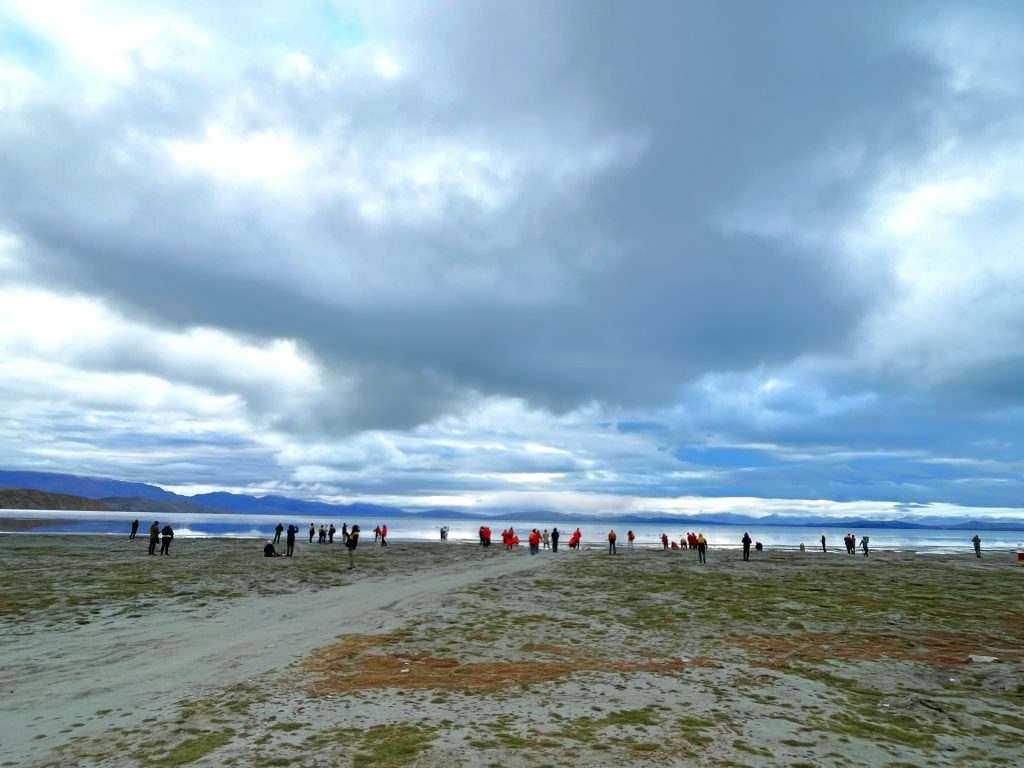
When you reach Mansarovar Lake in Tibet, let’s see what you can see and do in this holy lake.
Perform Kora/Parikrama:
Performing the Kora is a ritual process among Buddhists including Hindu, Jains, and followers of the Bon religion. Visitors can perform the kora on the Lake from Saga by drive while visiting Mansarovar Lake. Along with the kora you will get the opportunity to enjoy driving in Tibet while witnessing the spiritual landscape of the area.
Performing rituals:
On the shore of the Mansarovar lake after taking a holy bath pilgrims often perform puja. Some pilgrims also take Guru(Pandits) here so that with their guide they can properly carry out religious rituals and spiritual practices. Taking a bath directly in Lake Mansarovar is restricted as per local regulation, so pilgrims often use a bucket to collect water for rituals.
Photography and Scenery:
Lake Mansarovar and the surrounding lake attract both pilgrims and travelers. The distant views of Himalayan peaks and blue lake create a beautiful and peaceful landscape. The sunrise view is also breathtaking. One of the best parts is that pilgrims also visit during the full moon to enjoy the magical reflection of the moonlight on the waters.
Local Culture:
During your visit toTibet, you can interact with the Tibetan nomads and local monks. You can witness and understand their deep culture, traditions, and way of life.
Travel Practicalities
Preparation (Fitness Requirements):
- Be prepared for the long hour drive.
- If you are visiting Mansarovar Lake along with Kailash Kora, it will be physically demanding.
- Practise light cardio exercises, breathing practices, and gradual altitude exposure if possible.
- Include Acclimatization Day in your itinerary to reduce the risk of altitude sickness.
Packing List (Essential Gear):
- Layer of clothing items
- Waterproof and windproof outerwear
- Comfortable hiking/trekking shoes.
- Sunglasses and sunscreen for strong UV exposure
- Reusable water bottle and basic medical kit
- Personal medication
- Personal toiletries and dry snacks
- Cash(Only Tibetan currency is accepted in majority of place)
Find Licensed tour agency:
- Visitors should travel Tibet only with the assistance of a licensed tour agency.
- Independent travel is not allowed in this region so if you are solo find the group that matches your travel date.
- Find agencies that handle visa, permit, transport, accommodation, and logistics.
Managing the Budget:
- Book the trip package at least 2-3 months in advance for transparent pricing.
- Manage the budget for things that will not be included in package such as International flight, Insurance, personal expense and extra hotel stays.
- Avoid last minute booking, as price becomes higher in peak travel seasons.

Frequently Asked Questions( FAQs)
Is Mansarovar Lake located in India?
No, Mansarovar lake is not located in India, it is located in Tibet Autonomous Region of China.
Can Indians visit Mansarovar Lake?
Yes, Indian citizens can visit Lake Mansarovar after obtaining a Chinese visa and a Tibet Travel Permit (TTP). The Government of India also runs the Kailash Yatra programme every year, or you can travel through a local travel agency in Nepal via the Nepal route.
Who built Mansarovar Lake?
According to Hindu mythology, Lord Brahma, the creator god, created Lake Manasarovar. He thought it was a good setting for religious ceremonies. His 12 sons, who were also holy men, did rituals and strict discipline on the dry soil where the lake is now.
Is Mansarovar Lake salty?
No, Mansarovar Lake is not salty. It is a high altitude fresh water lake located below Mount Kailash. In fact Rakshaltal, which is close to Lake Mansarovar, is salty.
How many days is required to visit Mansarovar Lake?
If you choose the Kailash Mansarovar yatra which includes the visit to Mansarovar lake you can complete this trip in around 14-16 days.
How much is the Kailash Mansarovar Yatra Package?
High Route Adventure 16 Days Kailash Mansarovar Yatra Package via overland route starts from USD 2,280 USD per person. Prices vary depending on route, services, and travel style. It is best to contact a tour operator for updated pricing
On average it costs USD 2,280 USD per person for foreign citizens, for Indians it will cost around INR 2,40,000 per person and for Nepali it will cost around NPR 15,000 per person for standard packages. If you choose a helicopter or seek luxury travel service it will cost you above USD 5,000 per person.
Final Reflection/Conclusion
A journey to Mansarovar lake and Kailash is not just travel, but a transformation of mind and spirit. It is the true gem of Tibet. This place has religious significance, cultural belief and scenery that is beyond the imagination. You can visit here to experience its spiritual atmosphere, natural beauty, and the unique Himalayan landscape. The journey to Tibet is a once in a lifetime adventure that leaves a lasting impact on every traveler. Though located in Tibet, Lake Mansarovar and Mount Kailash are often seen as belonging to the spirit of the world, beyond borders and beliefs. For many, it is not just a destination, but a journey that transforms the soul.
-
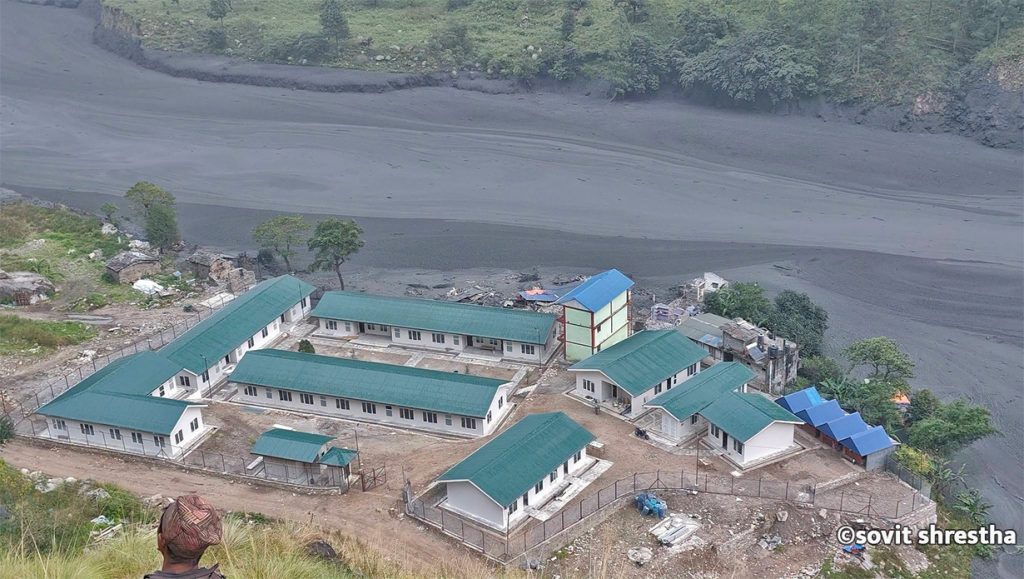
Flash Flood Sweeps Away Dozens of Homes in Gorkha, Nepal
KATHMANDU, Nepal — A sudden and severe flash flood tore through the Budhi Gandaki River basin in Gorkha district on Sunday morning, washing away approximately 35 houses and triggering widespread destruction in the mountainous Manaslu and Tsum Valley regions. According to local authorities and disaster management officials, no human casualties have been reported thus far, though…
-
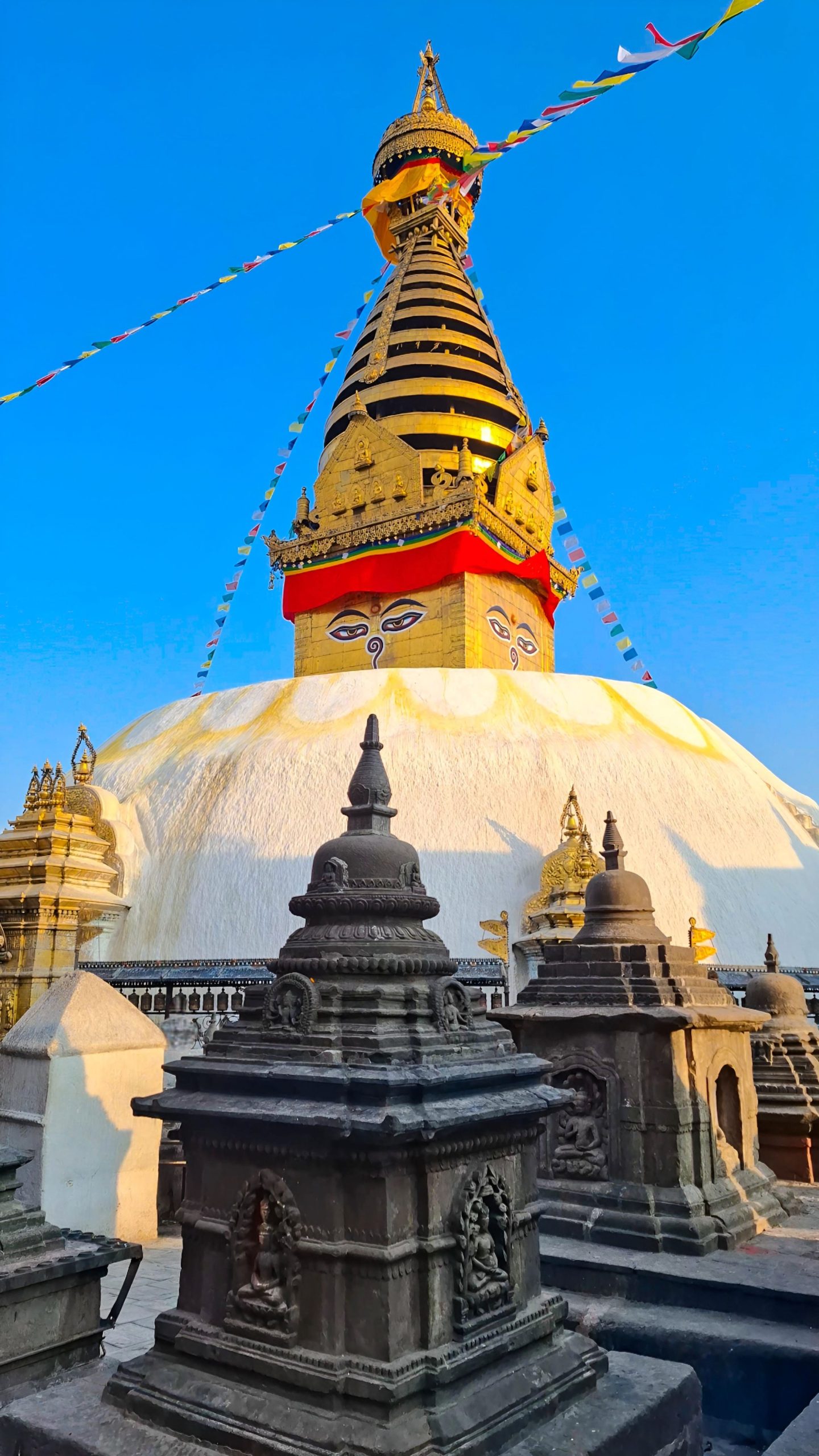
Swayambhunath Temple, Kathmandu
Imagine standing above the chaos of Kathmandu. Honking horns fade below you. A gleaming white dome rises ahead. Two enormous painted eyes gaze calmly in every direction. Prayer flags flutter in the Himalayan breeze. This is Swayambhunath, one of the most extraordinary places in Nepal. Visitors know it as the “Monkey Temple” because hundreds of…
-

North Goa vs South Goa: Which Is Better for Your Holiday?
Amongst the places that are highly popular in terms of beaches, weather, culture, and ambiance in India is Goa, which is known to possess some of the most beautiful beaches in India. The idea of Goa being famous for its beaches, which can be used by tourists for entertainment in North Goa while South Goa…