Nepal Visa Information
For citizens of most countries (including the USA, UK, Canada, Australia, and all EU nations), you can obtain your tourist visa upon arrival at Tribhuvan International Airport (TIA) in Kathmandu. This means no lengthy online applications or visits to an embassy before your trip. You land, head to the visa counter, pay the fee, and you’re set to begin your adventure.
The cost is determined solely by the duration of your stay:
- 15 Days: USD $30
- 30 Days: USD $50
- 90 Days: USD $125
You will need a passport valid for at least six months, a passport-sized photo, and the cash (USD, Euro, Nepali) for the fee. For more information about traveling in Nepal, please read our Nepal Country Information guide.
Buying and Activating a Nepali SIM Card
Arrive at TIA – As soon as you land, head to the “Mobile Services” area just beyond the arrival hall. You’ll find counters for the two main operators: Ncell and NTC (Nepal Telecom).
Bring your passport – The staff will copy the info page; the process takes ~5‑10 minutes.
Choose a plan –
- Ncell offers “Data Pack 1 GB – 30 days” (NPR 1 200) and “Data Pack 2 GB – 30 days” (NPR 1 500).NTC (aka “Sajilo”) provides “Internet Pack 1 GB – 30 days” (NPR 900) and “Internet Pack 3 GB – 30 days” (NPR 1 400).
- Activate – The shop will insert the SIM, configure APN settings, and give you a short tutorial. Test the connection before you leave the airport.
Pro tip: If you forget to buy in the airport, you can buy in the authorized shops in Thamel as well.
ATM, Bank And Currency Exchange
You'll find plenty of ATMs, banks, and currency exchange services in Kathmandu and other big cities in Nepal. However, once you begin your trek from Syabrubesi, this facilities will be scarce. For a smooth journey, we suggest withdrawing enough Nepalese Rupees and exchanging your currency beforehand, as teahouses and local shops typically accept cash only. Please read our Money Exchange Guide for Nepal.
How to Book Langtang Valley Trek
Step 1: Visit the Langtang Valley Trek package page on our website, click Book Now, fill in the required details, and submit the booking form.
Step 2: To confirm your booking, make a 20% advance payment of the total trip cost and send the payment receipt to us via WhatsApp or email.
Step 3: Once your payment is verified, you will receive an official booking confirmation via email or WhatsApp
Note:If you have any questions about your booking, please contact our tour operator directly. We are available 24 hours a day to assist you.
Payment and Cancellation Policy
To make a payment for booking the Langtang trek, we accept different kinds of payment options such as:
- Bank Transfer / Wire Transfer (local and international)
- Credit / Debit Card Payments (Visa, MasterCard)
- Mobile Payment Apps (where available)
- Cash Payment (for local travellers in Nepali Rupees)
Before making a payment, please take a moment to review our company’s terms and conditions.
Notes
Best Time to Visit Langtang Valley
The Langtang Trek can be done at any time of the year. However, the best times to visit the Langtang Valley are spring (March to May) and autumn (September to November).
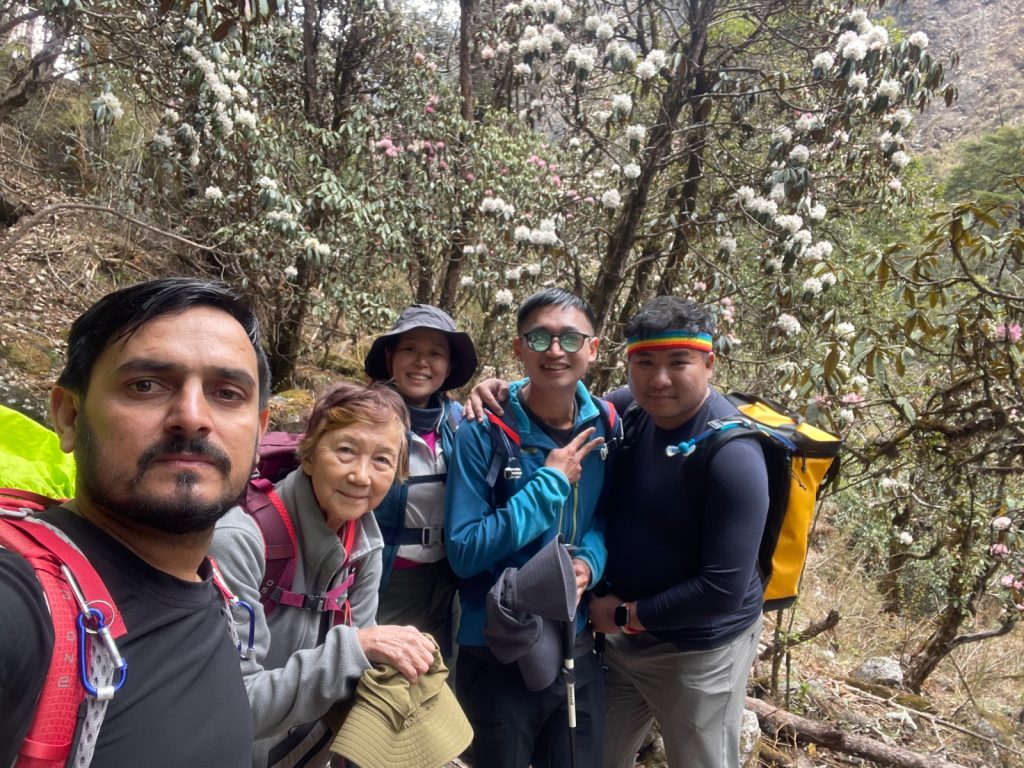
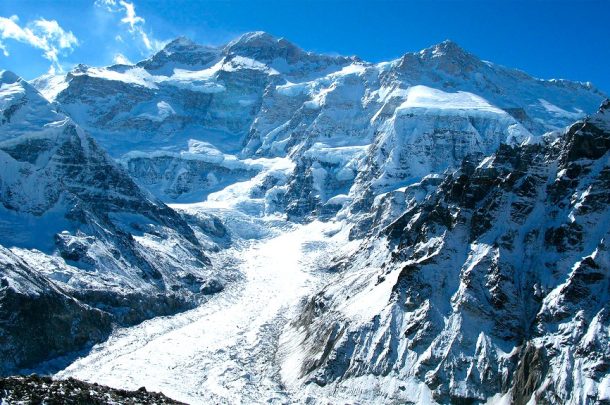
During the spring season, the Langtang Trek offers stunning views of colourful rhododendron forests in full bloom, with the snow-capped peaks of the Langtang Himalayas providing a breathtaking backdrop. The weather is generally clear and dry during this period, making it ideal for trekking.
The autumn season is also an excellent time to visit Langtang Valley, as the weather remains clear, and the temperatures are mild, making it perfect for trekking. During this time, the skies are clear, and the visibility is excellent, making it an ideal time to capture stunning views of the snow-capped peaks of the Langtang Himalayas.
The winter season (December to February) can be extremely cold, with heavy snowfall, while the monsoon season (June to August) may bring heavy rain, landslides, and leeches.
If you plan to trek during the off-season, make sure to plan carefully, check the weather forecast, and take extra safety precautions.
For more information, check out our guide on the best time to trek in the Langtang Valley.
Temperature in Langtang Valley
| Season |
Daytime |
Nighttime |
Weather |
| Spring (Mar–May) |
10°C to 18°C |
-2°C to 5°C |
Clear skies, blooming rhododendrons |
| Summer/Monsoon (Jun–Aug) |
15°C to 22°C |
5°C to 10°C |
Warm, rainy, and humid |
| Autumn (Sep–Nov) |
8°C to 18°C |
-5°C to 5°C |
Clear skies and excellent mountain views |
| Winter (Dec–Feb) |
0°C to 10°C |
-10°C to -5°C |
Cold with possible snowfall |
Note: Check the weather forecast before and during your trek, as mountain weather can change quickly.
Langtang Trek Difficulty
The Langtang Valley Trek is graded as moderate in terms of difficulty. It means you need to be physically fit for the trek and should be able to walk for 5 - 7 hours daily to explore the Langtang region.
Here are the major factors that add difficulty to this trek:
- Altitude Sickness: Acute Mountain Sickness (AMS) can strike anyone, regardless of fitness. It can escalate rapidly into High Altitude Pulmonary or Cerebral Oedema (HAPE/HACE), requiring immediate descent and urgent medical care.
- Remote Location: Medical facilities are basic and far apart. A serious injury or illness often means a helicopter evacuation from the trail to a hospital in Kathmandu. These evacuations are life-saving but extremely expensive, routinely costing thousands of US dollars.
- Unpredictable Terrain & Weather: Trekkers may encounter rocky paths, steep ascents and descents, and narrow mountain trails. In addition, sudden weather changes - such as unexpected rain, snowfall, or strong winds - can make the trails slippery and more difficult to navigate. These conditions increase the risk of slips, falls, sprains, or even fractures. It is important to walk carefully, wear proper trekking boots with good grip, and follow your guide’s instructions to minimize potential hazards.
- Logistical Hiccups: Transportation services may be delayed or even cancelled due to adverse weather conditions, road blockages, or other operational challenges. Such disruptions can impact your planned itinerary and may result in additional accommodation, food, or transportation expenses.
- Basic Teahouse Accommodation: The trek follows a teahouse route, where accommodation is simple but comfortable, with basic facilities available.
How to Prepare
The Langtang Valley Trek is achievable for both beginners and first time trekkers with the right preparation, a good level of fitness, and guidance from an experienced trekking guide. Here's how you can get ready before heading out for the trip:
- Physical Fitness and Training: Build your endurance and fitness by walking regularly for 60-120 minutes and doing cardio exercises such as running, cycling and swimming. Also strengthen your legs with squats and lunges, and practice hiking with a 5-8 kg backpack to prepare you for going uphill.
- Gear and Equipment: Buy comfortable, high-quality trekking boots and wear them before your trip to ensure a proper fit and to break in your boots. Pack all essential clothing and trekking gear suitable for the season during which you travel.
- Manage the budget:In addition to the package cost, you need to invest in the international flight ticket, travel insurance, and additional expenses that are not covered in the trekking package.
Read our complete Langtang Valley Trek Guide to prepare for your trek.
Accommodation in the Langtang Trek: What to expect
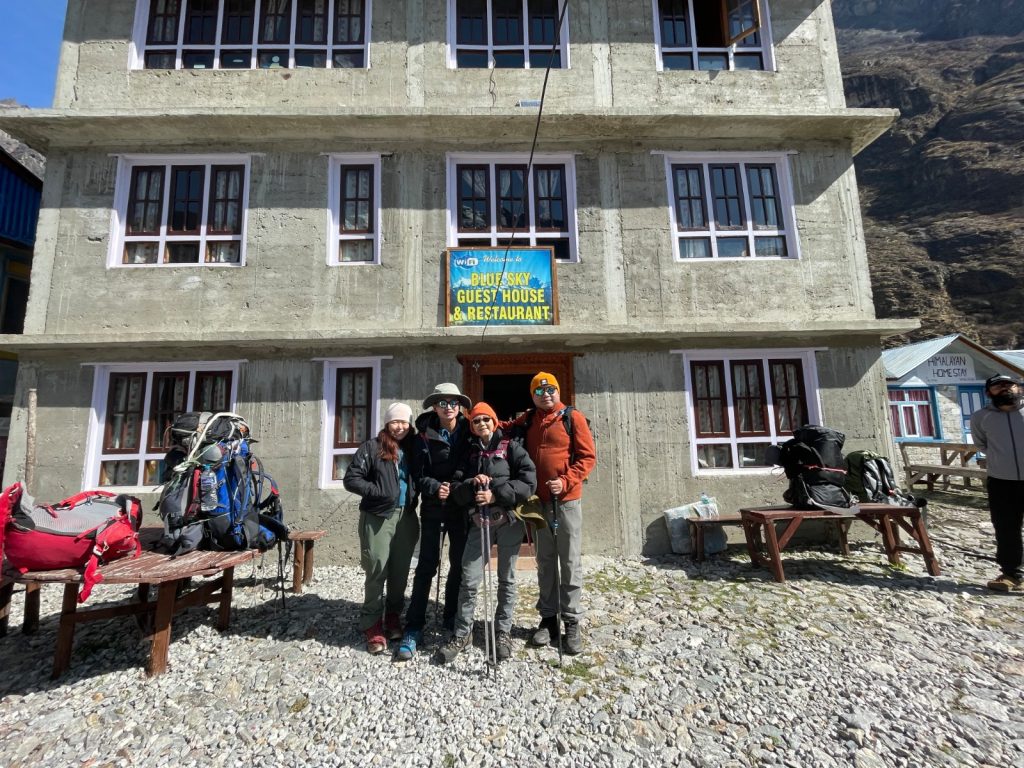
The Langtang region has been welcoming travellers for generations through its network of tea‑houses – locally called lodges. These are the backbone of any trekking experience in Nepal, offering a blend of basic hospitality, local culture, and stunning mountain vistas. When you book a package with High Route Adventure, we will reserve the best available room in the tea house for you.
What to expect inside this tea house
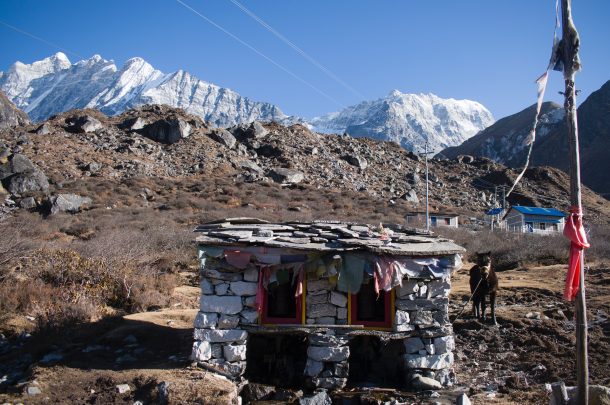
- Structure: Normally a single‑storey wooden building with a sloped Tin Roof to shrug off snow. Walls are thin and often not insulated, so you’ll feel the cold wind at night, especially at high altitude.
- Room Arrangement: Most rooms are shared by two people, featuring two simple beds placed side by side and a small wooden table between them. Each room is equipped with a mattress, a pillow, and a warm blanket.
- Bathrooms: At lower altitudes, you'll find Western-style toilets, but at higher altitudes, especially from Lama Hotel, you should expect squat toilets. Toilet paper is not provided, so always carry a few rolls in your pack.
- Hot Showers:At lower elevations, such as Syabrubesi, you’ll find en-suite bathrooms with hot shower facilities. At higher altitudes, lodges and teahouses have separate shower rooms, which are typically powered by gas geysers.
- Wi-Fi: Almost every teahouse along the Langtang trek route provides Wi-Fi, but you need to pay a small fee for it. Wi-Fi works fine for checking email, posting a quick photo, or streaming a short video. Expect occasional drops during heavy rain or after a power outage.
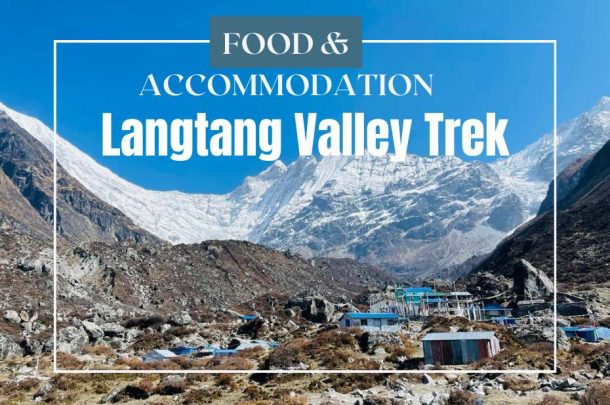
Read More: Food and Accommodation in Langtang Valley Trek
Food and Drinks on Langtang Trek: What to Expect
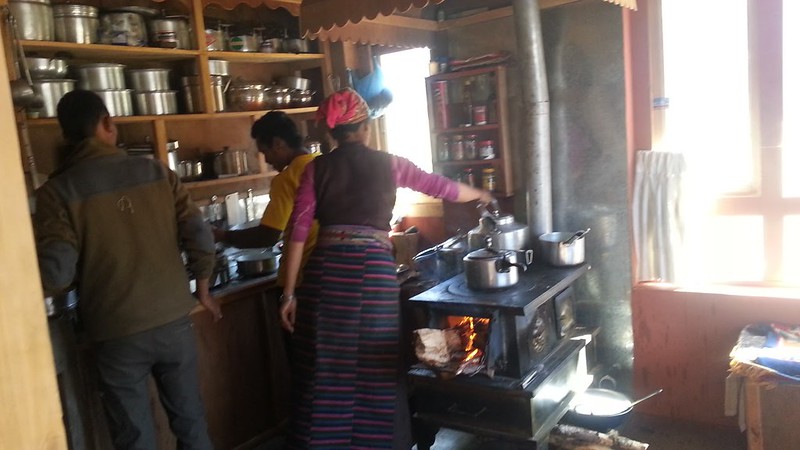
During the Langtang Valley Trek, all meals are served at the teahouses where you stay, as there are no separate restaurants along the trail. Each teahouse has a communal dining hall where you can choose and order your meals from the menu. Food items are mostly Nepali dishes with a few options of international cuisine. Veg and non-veg option are available. Food here are freshly prepared. During the peak season due to crowd in the teahouse it might times to take a little longer to be served. We recommend placing your order in advance whenever possible. Let's see the types of food you can expect on the teahouse menu:
Breakfast:
- Porridge (oats or cornflakes)
- Tibetan bread or toast with jam, honey, or peanut butter
- Pancakes (plain, apple, banana, or chocolate)
- Eggs (boiled, fried, scrambled, omelet)
- Oatmeal
- Tea (milk, black, herbal), coffee, or hot chocolate
Lunch & Dinner:
- Dal Bhat (rice, lentils, vegetables, pickles — often with free refills!)
- Fried rice (vegetable, egg, or chicken)
- Noodles (stir-fried or in soup)
- Thukpa (Tibetan noodle soup)
- Momos (vegetable or meat)
- Pasta and macaroni dishes
- Pizza (basic local style)
- Soup (garlic, vegetable, mushroom, tomato)
- Potatoes (fried, boiled, mashed)
- Chapati or Tibetan bread
Drinks & Extras:
- Bottled or boiled drinking water
- Soft drinks
- Energy bars and snacks
- Beer (at lower elevations)
Please note that snacks, soft drinks, bottled beverages, and alcoholic beverages are not included in our package. These items are considered personal expenses and must be paid separately at the teahouses.
Langtang Trek Permit
Once you book your trek with us, we will arrange all the necessary Langtang Valley Trek permits on your behalf. This permit will handle to you before your journey begins from Kathmandu. Please keep them with you throughout the journey, as they must be presented at the various permit checkpoints along the trail. For more details check our Langtang Trek Permit Guide.
Chances of Altitude Sickness and Prevention Tips
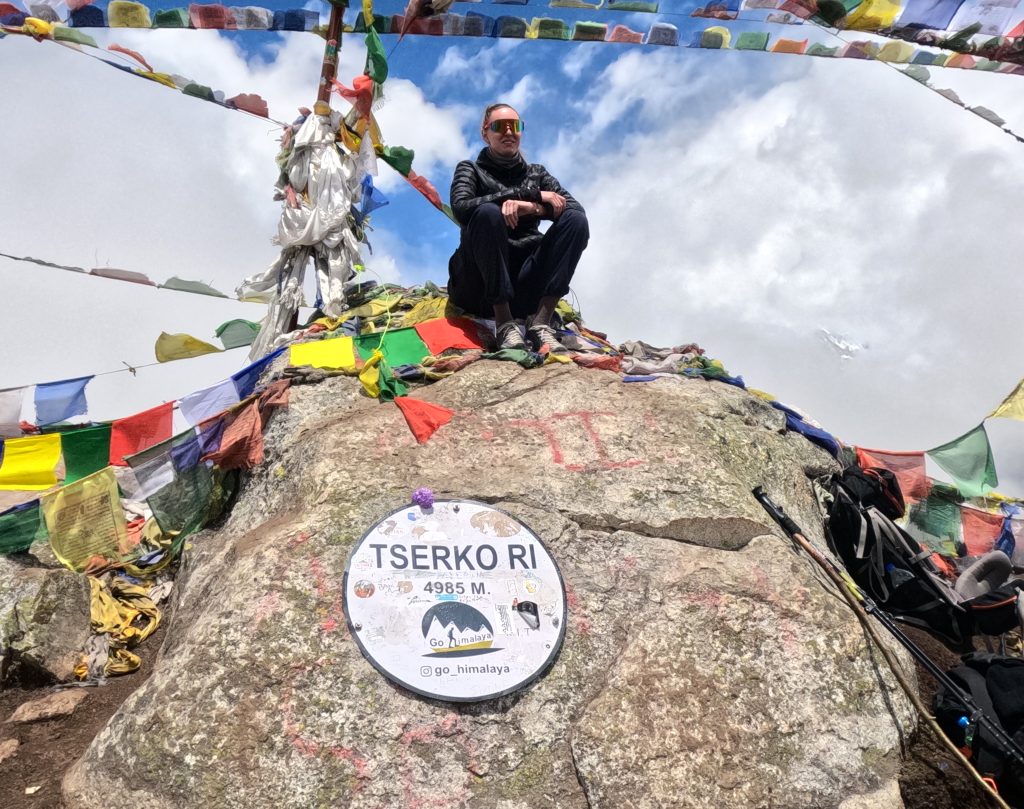
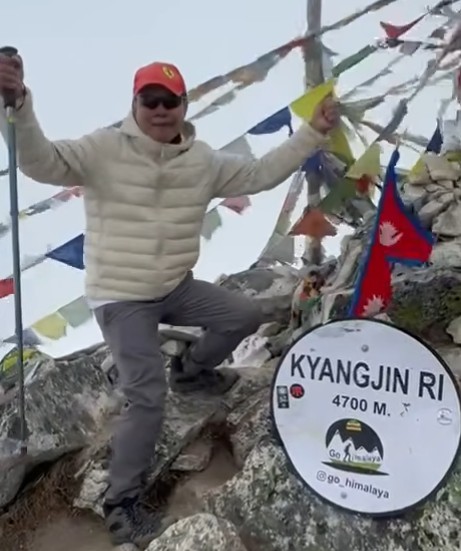
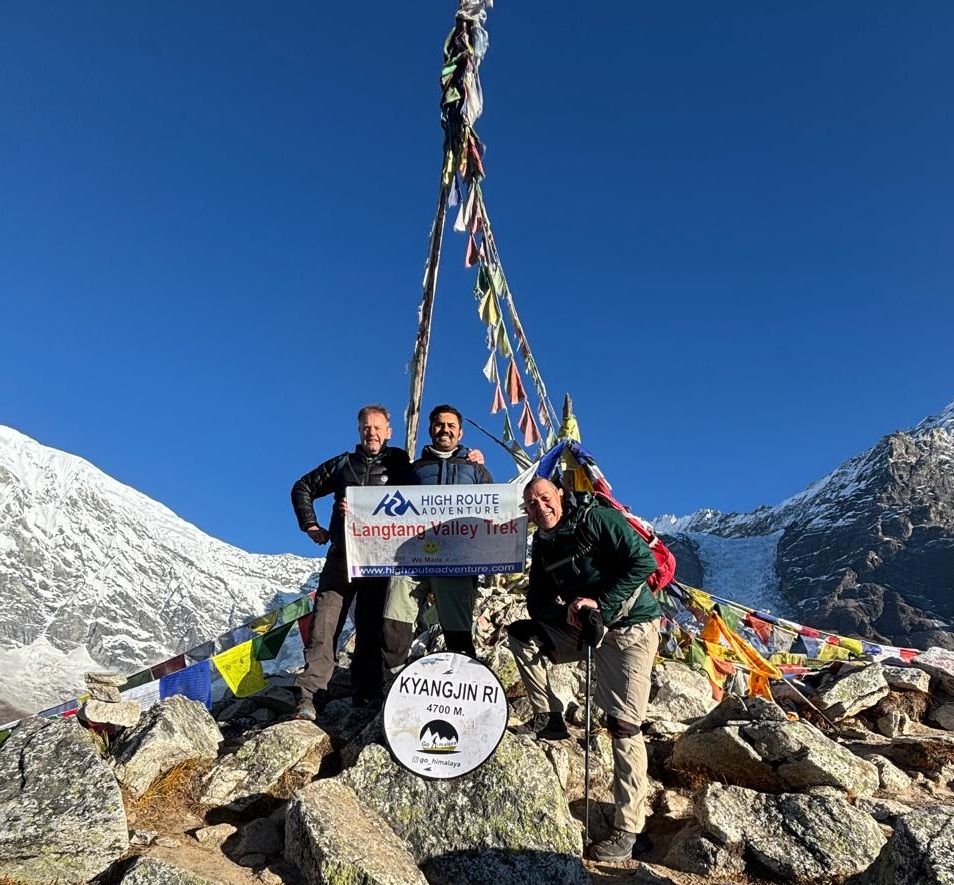
The highest point of the Langtang Valley Trek is either Kyanjin Ri (4,773 m) or Tserko Ri (4,985 m), depending on the acclimatization hike you choose. When hiking at such high altitudes, the risk of developing altitude sickness (AMS) increases due to the thin air. Trekkers need to be aware of AMS preventive tips, its symptoms, and the appropriate actions to take if they experience it. The mild symptoms of AMS are curable, but when it turns into HACE and HAPE, which are deadly forms of AMS, it can be life-threatening.
The mild symptoms of altitude sickness(AMS) are:
- Headache (persistent, not relieved by OTC meds)
- Nausea & loss of appetite
- Dizziness or light‑headedness
- Fatigue or reduced exercise tolerance
- Difficulty sleeping (often waking early)
- Swelling of hands, feet, or face (peripheral oedema)
Red‑flag symptoms (possible High‑Altitude Cerebral Oedema – HACE, or High‑Altitude Pulmonary Oedema – HAPE) require immediate descent and medical attention:
- Persistent vomiting
- Severe shortness of breath at rest
- Confusion, hallucinations, inability to walk straight
- Coughing up pink frothy sputum
Proven Preventive Measures for altitude sickness:
- Gain no more than 300–500 m (1,000–1,600 ft) in sleeping altitude per day after you’ve passed 3,000 m.
- If you’re forced to jump higher (e.g., a long day’s hike), spend a recovery night at a lower camp.
- Drink 2–3 Liters of water daily.
- Avoid alcohol and caffeine above 2,000 m; they dehydrate you.
- Eat complex carbs (pasta, rice, oats) to give your body a steady energy source.
- Take Acetazolamide (Diamox) 24 h before ascent to 3,000 m by consulting with a doctor.
- Schedule a quick check‑up, especially if you have heart, lung, or sinus conditions.
Tip: Carry a small altitude kit with essentials such as acetazolamide, ibuprofen, anti-nausea medication, and a basic first-aid kit. If you experience symptoms of acute mountain sickness (AMS), stop ascending, rest, stay well hydrated, and inform your trekking guide immediately. If your symptoms become severe or worsen, descend to a lower altitude immediately and seek emergency medical assistance, including helicopter evacuation if necessary.
Importance of Travel Insurance for Langtang Valley Trek
Although it isn't mandatory to get travel insurance, in unforeseen circumstances, emergency rescue operations and medical treatment may not be possible without valid travel insurance. Comprehensive travel insurance protects you against huge unexpected charges, as emergency helicopter rescue and medical evacuation in the Himalayas can be quite costly without insurance coverage. There we recommend to purchase insurance that covers:
- Emergency Medical Treatment: Hospitalization and medical expenses in Nepal.
- Emergency Helicopter Evacuation: Helicopter rescue and transportation to the nearest suitable medical facility.
- Medical Repatriation: Transportation back to your home country if medically necessary. Choose a policy with a high coverage limit (recommended: USD 100,000+).
- Trip Cancellation, Interruption & Delays: Covers non-refundable expenses if you need to cancel or shorten your trip due to illness, injury, or a family emergency.
- Baggage & Gear Protection: Coverage for lost, stolen, or damaged luggage and trekking equipment. Some policies also reimburse emergency gear rental if your baggage is delayed.
- Personal Accident Coverage: Financial protection in the event of accidental injury, permanent disability, or accidental death during your trip.
Read our full guide on Travel Insurance for Trekking in Nepal before your trip.
Charging Facilities
There are several hydropower projects in the Langtang region, so trekkers can find a charging station when they stay at the teahouse. Most teahouses provide a 220–240V power supply with Type C or DM sockets. If your devices use a different plug type, make sure to bring a suitable travel adapter to stay powered throughout your journey. Teahouses usually charge a small fee for using their charging facilities, so it’s a good idea to bring a power bank for charging on the trail and as a backup.
Safe Drinking water during Trek
Trekkers can purchase bottled water from small local shops or teahouses along the trail. At lower altitudes, the price of water bottles typically ranges from NPR 20 to NPR 50. However, at higher elevations, bottles can cost as much as NPR 200. Additionally, you can refill your reusable water bottle with boiled water from teahouses by paying a small fee. To ensure the water is safe to drink, consider bringing water purification tablets.
Important: Never drink tap water or untreated natural water directly, as it may cause illness.
Student Group Packages
Special packages for a group of Nepali students for the Langtang Valley Trek. Whether you are organizing a college trip, university vacation or an adventure with friends, we have reasonable group prices, professional guides and customizable itineraries. For group rates and booking information, contact us.
Langtang Trek Transportation
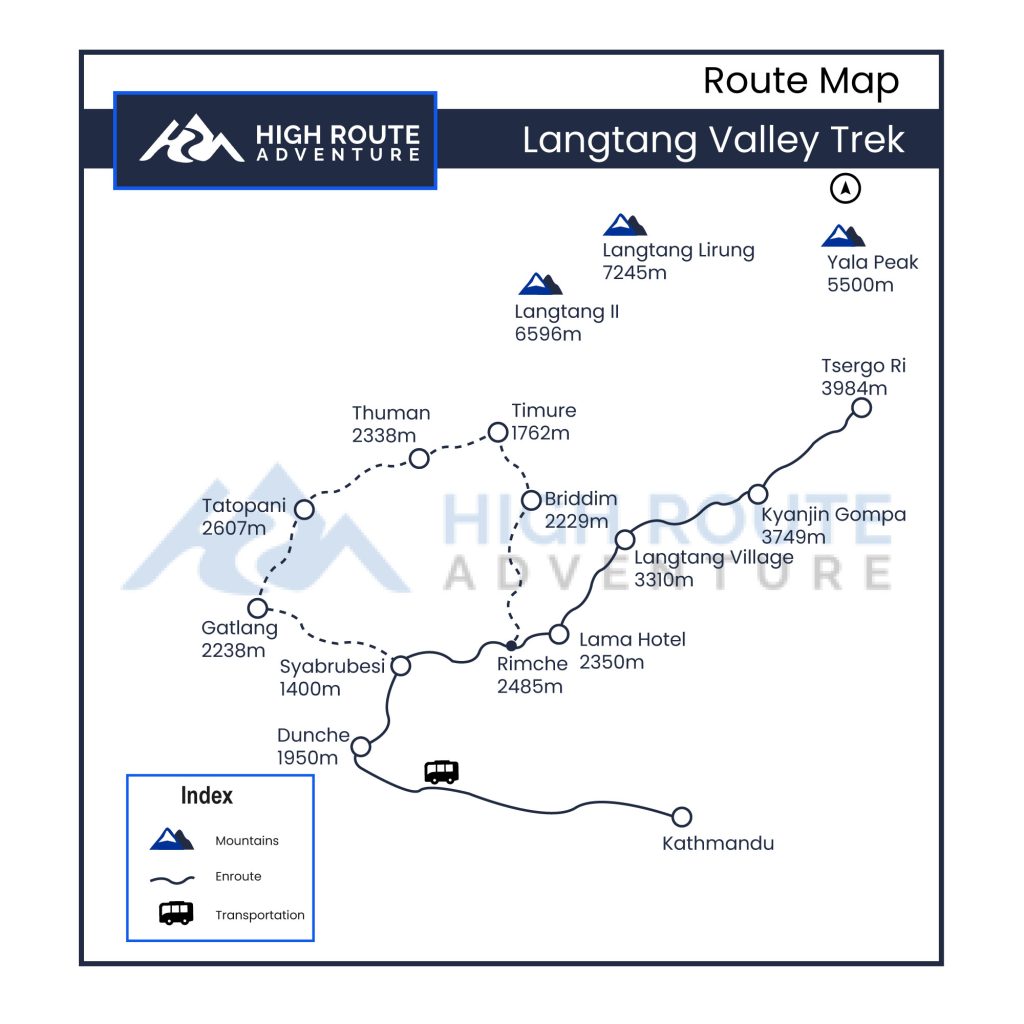
Transportation to and from the Langtang Valley Trek is included in our package. This package covers the cost of transportation by public bus between Kathmandu and Syabrubesi, which is the starting point of the trek. While the public bus is a budget-friendly option, you also have the option to upgrade to a private jeep for an additional cost. Choosing the private jeep will not only reduce travel time but also provide greater comfort, making it an excellent choice for small groups, families, or anyone seeking a more convenient travel experience. When booking, just let us know your transportation preference, and we’ll make all the arrangements for you as per your interest.
Learn more about travel options, fares, and travel tips in our Kathmandu to Syabrubesi Transportation Guide.