Everest Gear – Complete Guide to Mountaineering & High-Altitude Equipment
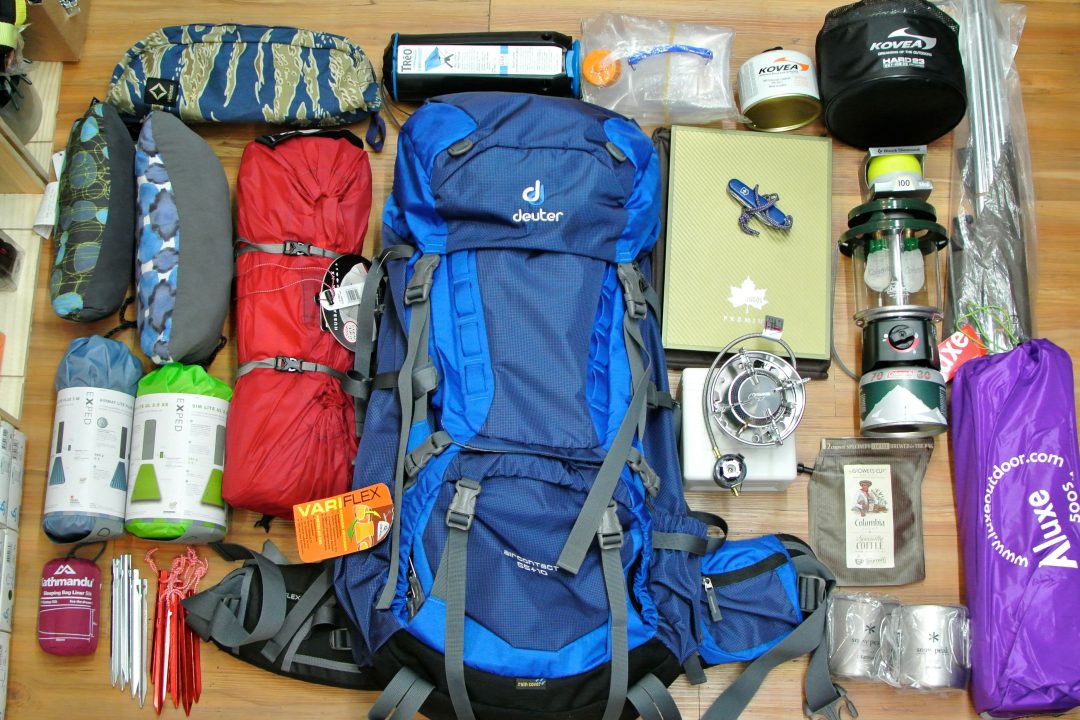
Standing at the threshold of the “Death Zone,” there is no room for compromise. Whether you are trekking to the Everest Base Camp(EBC), pushing for the Mount Everest, Manaslu Summit or any high altitude mountain peak in Nepal, your gear is your lifeline.
Similarly all the climbers who are planning to climb Mount Everest( 8848.86 m) should be equipped with the right Everest gear. This equipment is a collection of technical systems designed to keep you alive, mobile, and functional in the most extreme weather conditions.
Every second after you leave the Base Camp for the summit push matters. Whether you are crossing the challenging Khumbu Icefall or navigating the steep, icy slopes above Camp I, every decision, step, and moment of timing can determine your safety and success on the mountain.
If you are also planning for the Everest Expedition and want to know what gear for Everest you need, how much it costs, where to find, renting and other important questions then in this blog we will guide you.
Check out: The 2 PM Rule on Everest – What Every Expedition Should Follow
Table of Contents
Mount Everest Trekking Packing List
The journey to the Everet summit starts from Kathmandu with a short and scenic flight toward the Lukla Tenzing Hillary airport of Khumbu region. From lukla the trek begins toward the Everest Base Camp passing through several Sherap Village. During the trek, tea houses offer warm places to stay and meals. You don’t need a lot of gear for Everest Base Camp trek but essential items are still required for comfort, safety, and changing mountain weather conditions.
Let’s see the Everest base camp trek gear that you need to pack:
| Base Layer ➡Moisture-wicking t-shirts ➡Merino wool thermal tops ➡Thermal leggings/base layer ➡Quick-dry underwear ➡Sports bras (for women) |
| Outer Layer ➡Waterproof Gore-Tex jacket ➡Waterproof/windproof pants ➡Down jacket (heavy insulated jacket) ➡Rain poncho (optional |
| Footwear ➡Waterproof trekking boots ➡Camp shoes/sandals ➡Lightweight sneakers (optional) |
| Socks ➡Merino wool trekking socks ➡Thin liner socks ➡Warm sleeping socks |
| Main Bags ➡40–50L trekking backpack ➡Duffel bag (for porter use) ➡Daypack (20–30L optional) |
| Waterproof Storage ➡Rain cover for backpack ➡Dry bags/compression sacks ➡Zip-lock bags for electronics/documents |
| Waterproof Storage ➡Rain cover for backpack Dry ➡bags/compression sacks ➡Zip-lock bags for electronics/documents |
| Sleeping Gear ➡4-season sleeping bag (-10°C to -20°C) ➡Sleeping bag liner ➡Inflatable pillow (optional) |
| Personal Hygiene Items ➡Toothbrush & toothpaste ➡Wet wipes ➡Quick-dry towel ➡Hand sanitizer ➡Biodegradable soap/shampoo ➡Lip balm with ➡SPFSunscreen ➡SPF 50+Moisturizer |
| Toilet Essentials ➡Toilet paper ➡Tissue paper ➡Sanitary products ➡Small hygiene bags |
| First Aid & Medical Kit ➡Personal medications ➡Diamox (for altitude sickness – prescribed) ➡PainkillersBand-aids/bandages ➡Blister treatment (Compeed/moleskin) ➡Antiseptic cream ➡ORS/electrolyte powder ➡Cold & cough medicine |
| Hydration System ➡Reusable water bottles (1–2L) ➡Water purification tablets/filter |
| Snacks & Energy Food ➡Energy bars ➡Chocolates ➡Dry fruits & nuts ➡Instant noodles (optional) ➡Electrolyte drinks |
| Trekking Accessories ➡Trekking poles ➡Headlamp with extra batteries ➡Pocket knife/multi-tool ➡Camera (optional) Power bank ➡Universal adapter Charging cable |
| Electronics ➡Mobile phone ➡Camera with extra batteries ➡Solar charger (optional) ➡Earphones |
| Important Documents ➡Passport ➡Passport-size photos ➡Everest Base Camp permits ➡Khumbu Permit ➡Travel insurance copy ➡Emergency contact details ➡Cash (Nepalese rupees) |
| Miscellaneous Essentials ➡Notebook/journal ➡Lightweight travel pillow ➡Playing cards/books ➡Small lock for bags ➡Duct tape (gear repair) |

Mountaineering Equipment (Core Gear for Everest Climbing)
Gorakshep is the last tea house that you will stay at during the Everest Expedition. Above here from base camp you will stay in the tent camp set up by your expedition team. From Base Camp now you need to have the mountaineering equipment.
What is Mountaineering Equipment?
Mountaineering equipment encompasses the technical tools required to navigate glaciers, vertical ice, and rock faces. Unlike standard hiking, mountaineering gear must withstand freezing temperatures, high wind speeds, and the mechanical stress of rope work.
Essential Climbing Tools for Everest
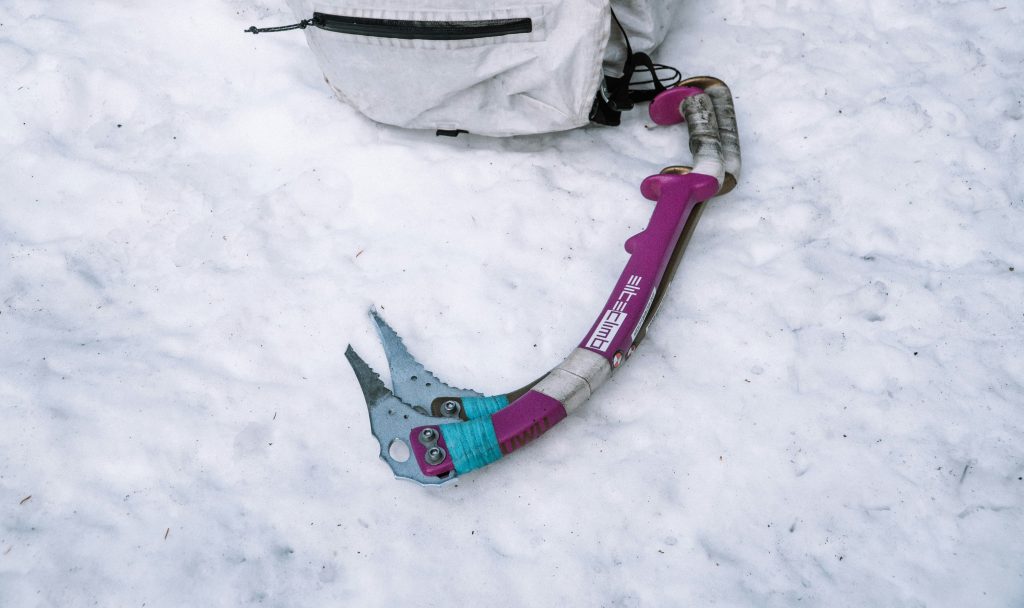
Ice Axe: Your primary tool for stability, self-arresting, and climbing steep ice.
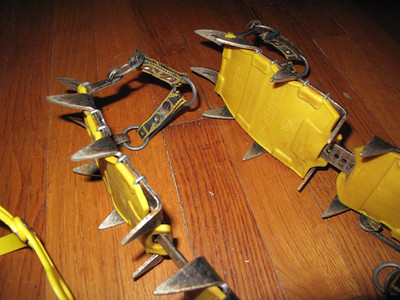
Crampons: High-grade steel spikes that attach to your boots to provide traction on ice and hard-packed snow.
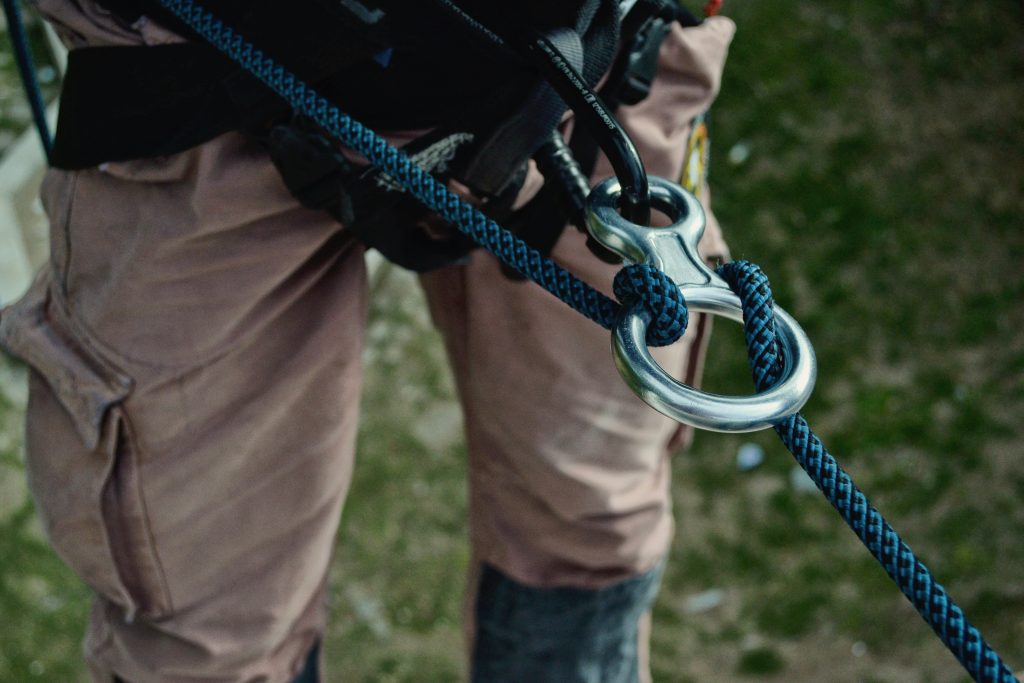
Harness & Ropes: A UIAA-certified harness and high-strength dynamic ropes are non-negotiable for safety on fixed lines.
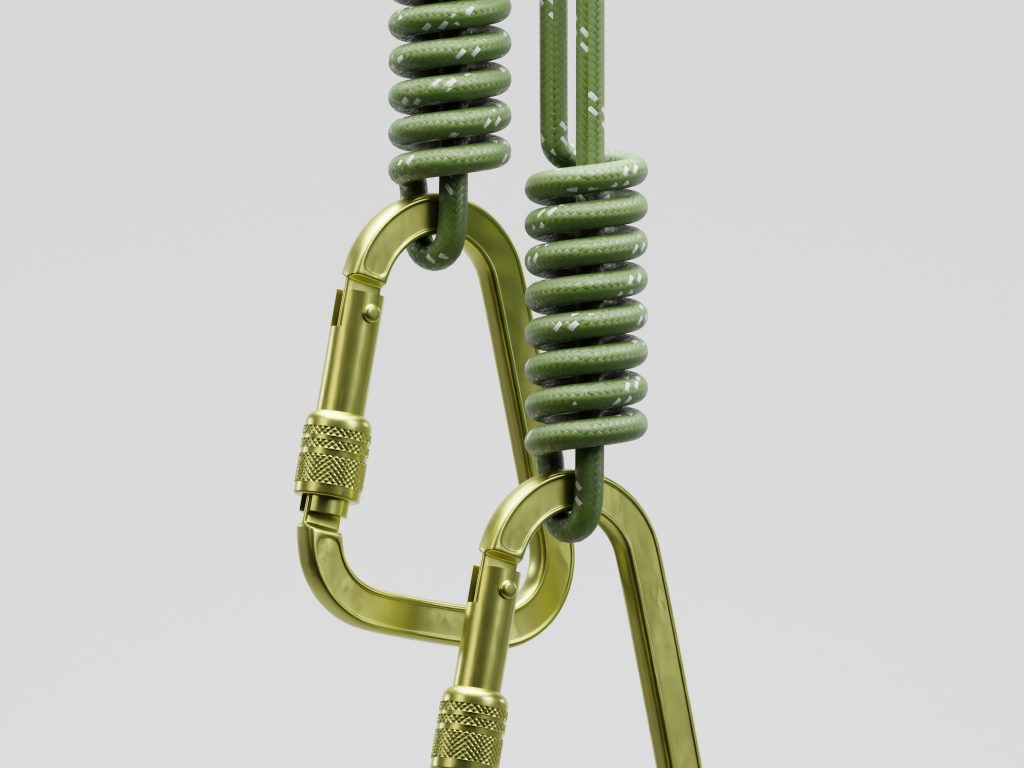
Carbiner: A strong metal loop with a spring-loaded gate used in climbing and mountaineering to connect ropes, harnesses, and safety equipment.
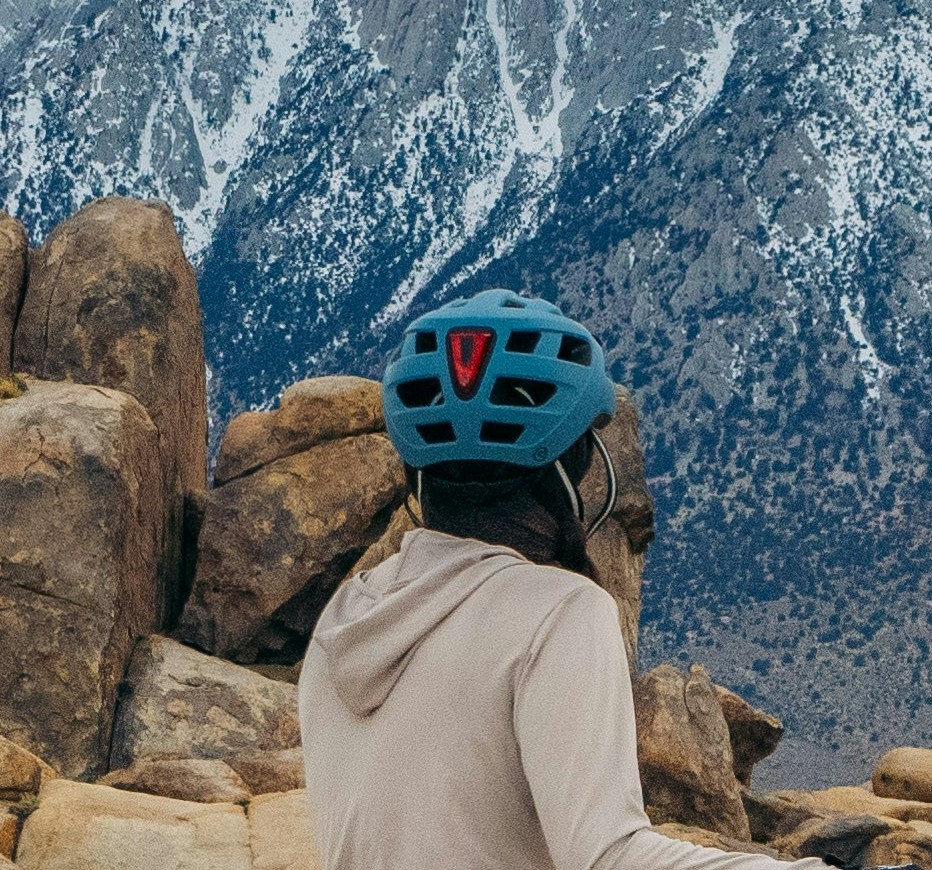
Helmet: Essential for protection against falling ice and rock debris.
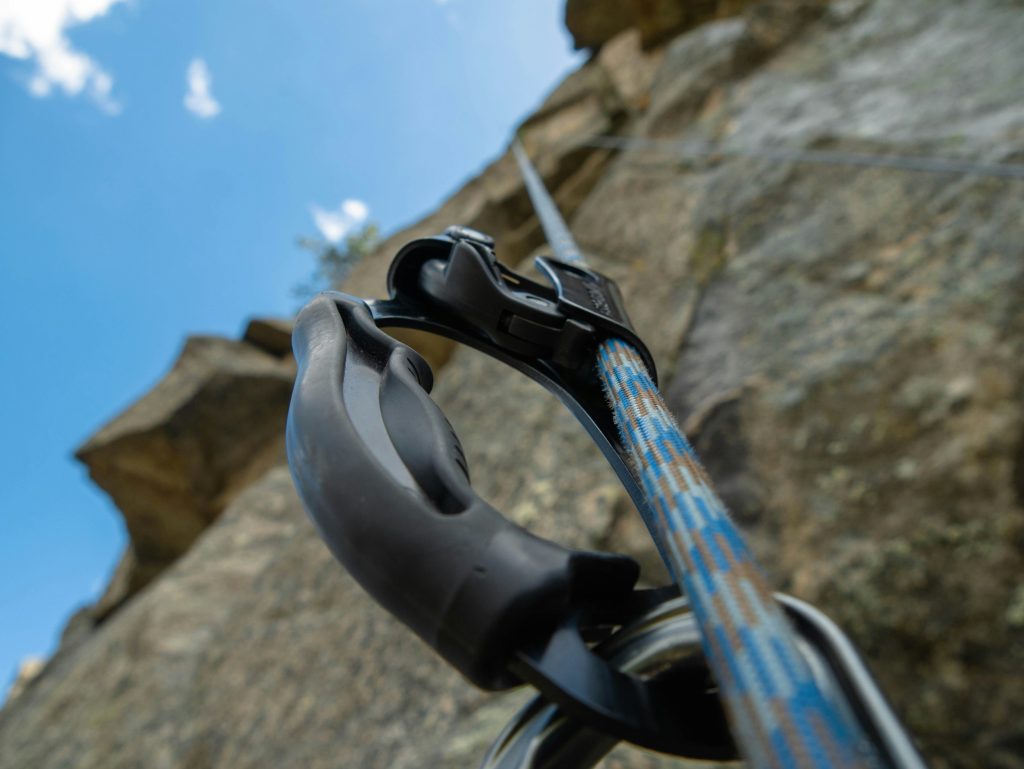
Ascender: It grips the rope when weighted and slides upward when pushed, making it essential for mountaineering, glacier travel, and peak climbing
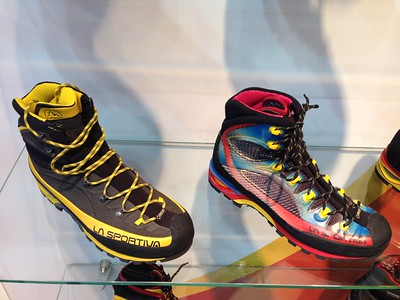
Mountainnering boots: specialized boots designed for climbing and trekking in snowy, icy, and high-altitude mountain conditions. They provide warmth, ankle support, insulation, and strong grip for safe movement on rough terrain. These boots are also compatible with crampons for glacier and ice climbing.
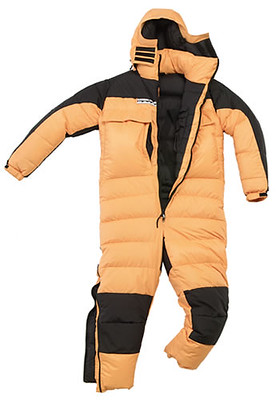
Down suit: one-piece insulated climbing suit filled with high-quality down feathers, designed to keep climbers extremely warm in high-altitude and freezing conditions.
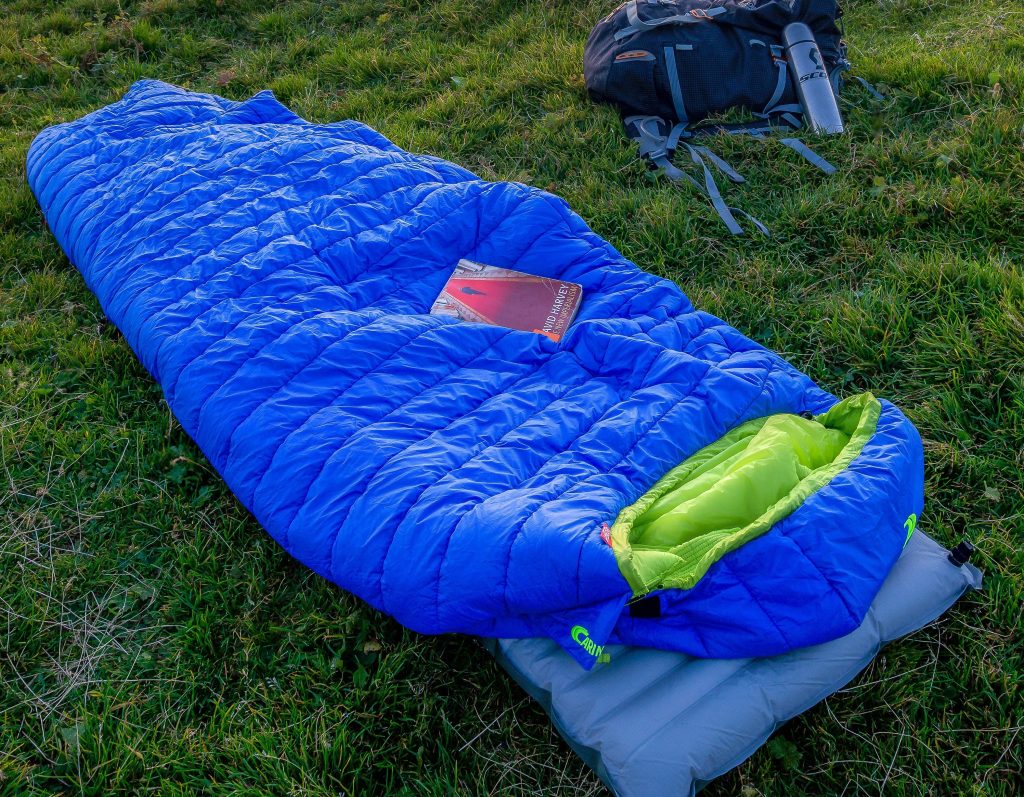
Sleeping Bag: A sleeping bag for mountaineering is a highly insulated bag designed to keep climbers warm and safe in extreme cold at high altitudes.
Note: All the professional climbers and serious alphinist suggest that weight is the enemy in the mountain. So always prioritize strength to weight ratio when choosing the gear. Using titanium equipment and high-tech alloy materials can significantly help reduce overall pack weight while maintaining durability and performance.
Everest Gear Cost Estimate
Everest Base Camp Trek Gear (Budget Level)
Total: USD 400 – 1,200 (approx. NPR 55,000 – 160,000)
- Trekking boots: $80 – $200
- Down jacket: $100 – $300
- Sleeping bag: $80 – $200
- Backpack (40–50L): $50 – $150
- Trekking pants & layers: $100 – $250
- Trekking poles: $20 – $50
- Headlamp & accessories: $20 – $50
- Gloves, hat, socks, accessories: $50 – $100
Many items can be rented in Kathmandu for cheaper cost.
Everest Expedition Gear (High Altitude 7000m–8848m)
Total: USD 3,000 – 8,000+ (approx. NPR 400,000 – 1,100,000+)
- Mountaineering boots (double boots): $400 – $1,000
- Down suit (8000m rated): $500 – $1,200
- Crampons: $150 – $300
- Ice axe: $80 – $200
- Harness & ropes setup: $100 – $300
- Helmet: $50 – $150
- Ascender & descender set: $100 – $250
- Expedition sleeping bag (-40°C): $300 – $800
- High-altitude gloves & mittens: $150 – $400
- Oxygen system (mask + regulator setup): $300 – $1,000+
- Base layers, goggles, accessories: $300 – $800
Rental Option (Kathmandu)
- Daily rental range: $1 – $10 per item (basic gear)
- Expedition gear rental: $5 – $50 per day depending on item
A Real Lesson from the Mountain: Why Gear and Discipline Matter
On the slopes of Mount Everest, safety mistakes can have severe consequences. In one reported incident, climber Madhusudan Patidar, 29, removed his glove for just a few minutes while taking photographs in extreme cold conditions of around -35°C. That brief exposure was enough to cause serious frostbite, resulting in the loss of fingers.
This incident highlights how unforgiving high-altitude environments can be, where even a few minutes of carelessness can lead to permanent injury.
Frequently Asked Questions
What is the most important rule when dressing for Mount Everest?
A: The “Three-Layer Principle.” You need a moisture-wicking base layer (merino wool or synthetic), an insulating mid-layer (down or fleece), and a waterproof/windproof outer shell (Gore-Tex or similar). The goal is to trap heat while allowing sweat to evaporate so you don’t freeze once you stop moving.
Why is a “Down Suit” necessary, and can I use a regular winter jacket?
A: A regular winter jacket is insufficient for the “Death Zone” (above 8,000m). An Everest down suit is a professional-grade, one-piece expedition suit stuffed with high-fill power down (800+). It provides core body warmth in temperatures reaching -40°C/-40°F, which standard parkas cannot handle.
What kind of boots do I need for Everest?
A: You need specialized “triple boots.” These consist of an inner liner, a shell boot, and an integrated outer gaiter. They are designed to be extremely rigid (to attach crampons) and heavily insulated to prevent frostbite. You should size them 1–2 sizes larger than your hiking boots to accommodate thick socks and maximize blood circulation.
Do I need to practice with crampons before the expedition?
A: Absolutely. You must be comfortable walking on steep, icy slopes while wearing heavy boots and crampons. Incorrect use of crampons can lead to tripping, tearing your suit, or injuring your legs. Practice on local ice or snow before traveling to Nepal.
Is supplemental oxygen mandatory?
A: For the vast majority of climbers, yes. While a very small number of elite athletes climb without it, supplemental oxygen is essential for preventing HAPE (High-Altitude Pulmonary Edema) and HACE (High-Altitude Cerebral Edema) and maintaining cognitive function at extreme altitudes.
What is a “Jumar” and why is it vital?
A: A Jumar (or ascender) is a mechanical device that slides up a fixed rope but locks when weighted. It is your primary safety connection to the fixed lines on Everest. You will use it to pull yourself up steep sections of the Lhotse Face and the Hillary Step.
How do I manage batteries in sub-zero temperatures?
A: Cold drains lithium-ion batteries rapidly. Always keep your phone, camera, and headlamp batteries inside your down suit, close to your body heat. At night, keep them inside your sleeping bag. Using insulated battery cases can also help.
How much should my personal gear weigh?
A: On an Everest expedition, you will have two types of loads: what you carry in your daypack (snacks, water, camera, extra layer) and what the porters/yaks carry (your kit bag). Aim to keep your daily summit-push pack under 10–12 lbs (4.5–5.5 kg) to conserve energy.
How do I prevent frostbite on my face and nose?
A: Use a high-quality, polarized mountaineering goggle with 100% UV protection and a “nose guard.” Additionally, use a neck gaiter or “Buff” to cover exposed skin. Apply non-water-based sunscreen/face cream to prevent windburn.
Is North Face gear suitable for Everest climbing?
A: Yes, North Face expedition gear is widely used for Everest climbing because it is designed for extreme cold, high altitude, and harsh mountain conditions.
Are Millet Everest Summit GTX boots good for Everest?
A: Yes, Millet Everest Summit GTX boots are built for extreme cold, strong winds, and technical climbing, making them suitable for Everest and similar high-altitude expeditions.
Can I buy Millet Everest climbing boots in Nepal?
A: Yes, Millet Everest climbing boots are available in select trekking and mountaineering shops in Kathmandu, especially in the Thamel area.
Which is the best down suit for Everest?
A: The most popular and trusted choices for Everest climber are:
- The North Face Summit Series Down Suit
- Mountain Hardwear Absolute Zero Suit
- Rab Expedition Down Suit
- Millet Everest Down Suit
Final say
All the climbers who are heading for the Everest Expedition must be equipped with high-quality gear as your safety and survival depend on it. Your life depends upon your own equipemnt, so avoid using low-quality equipment. Reliable gear can make a critical difference in extreme conditions at high alitude of Everest. There are lots of story where climber are saved by the good quality gear and clothing items so make wise decision while choosing the gear.
-
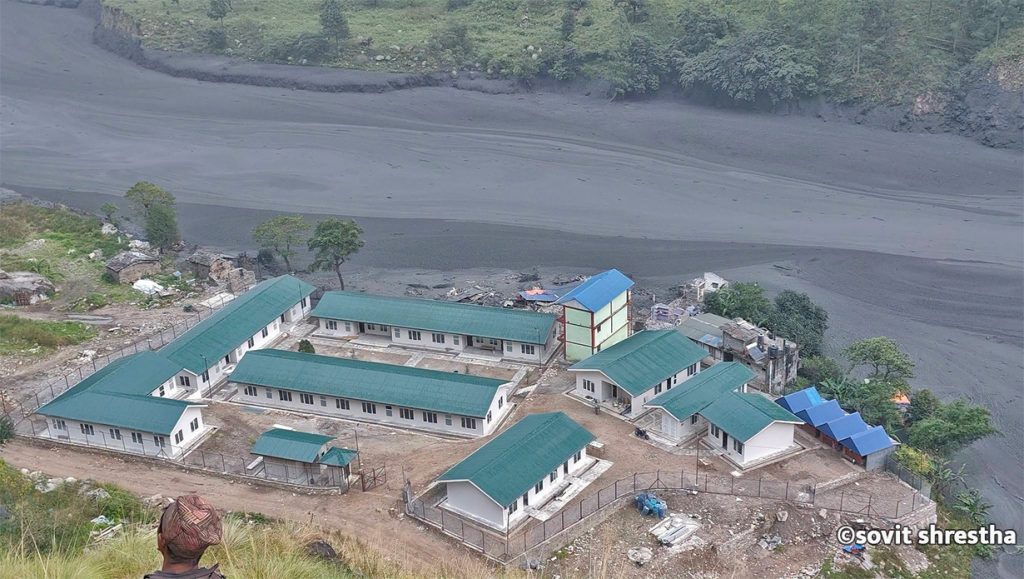
Flash Flood Sweeps Away Dozens of Homes in Gorkha, Nepal
KATHMANDU, Nepal — A sudden and severe flash flood tore through the Budhi Gandaki River basin in Gorkha district on Sunday morning, washing away approximately 35 houses and triggering widespread destruction in the mountainous Manaslu and Tsum Valley regions. According to local authorities and disaster management officials, no human casualties have been reported thus far, though…
-
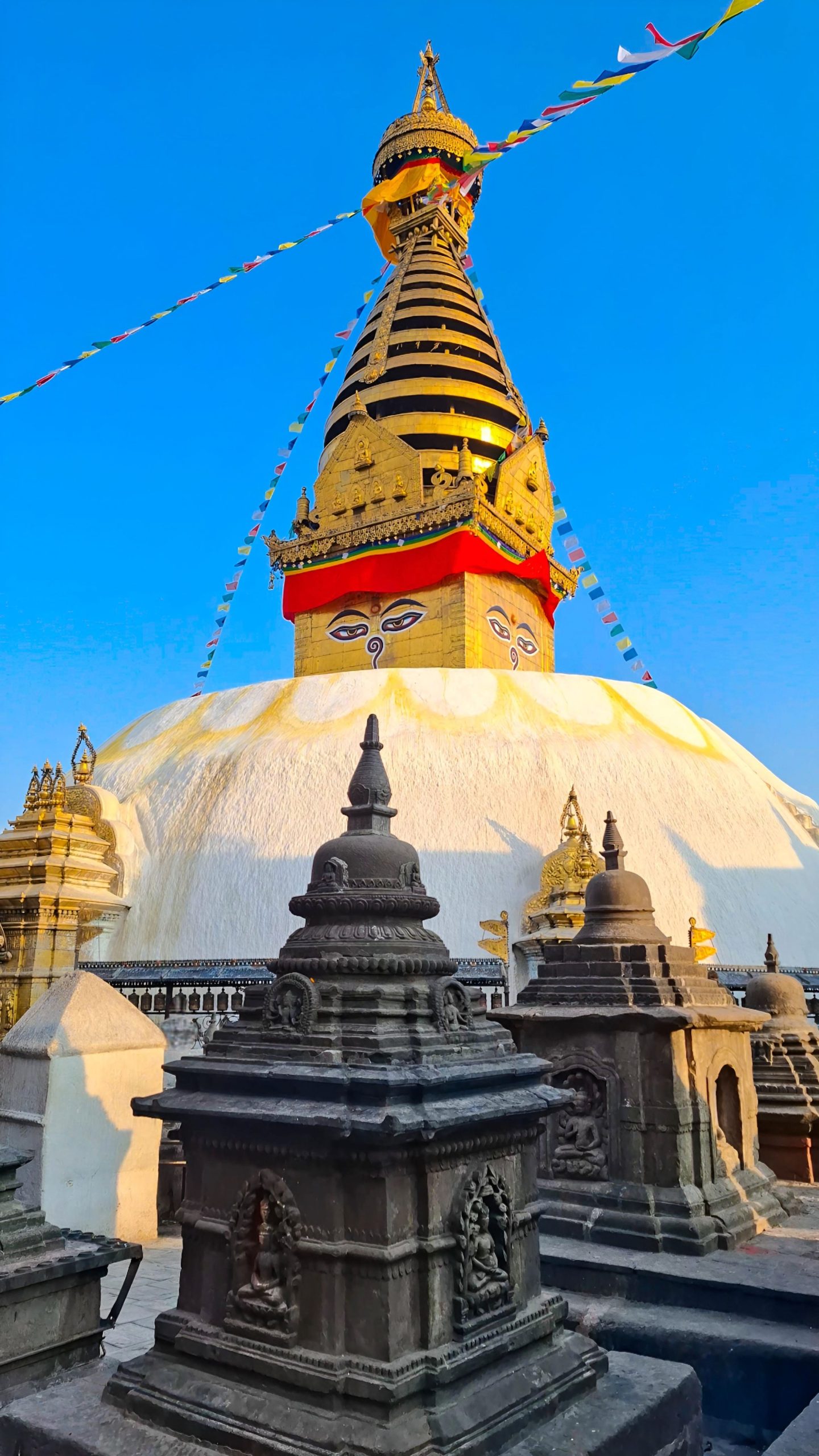
Swayambhunath Temple, Kathmandu
Imagine standing above the chaos of Kathmandu. Honking horns fade below you. A gleaming white dome rises ahead. Two enormous painted eyes gaze calmly in every direction. Prayer flags flutter in the Himalayan breeze. This is Swayambhunath, one of the most extraordinary places in Nepal. Visitors know it as the “Monkey Temple” because hundreds of…
-

North Goa vs South Goa: Which Is Better for Your Holiday?
Amongst the places that are highly popular in terms of beaches, weather, culture, and ambiance in India is Goa, which is known to possess some of the most beautiful beaches in India. The idea of Goa being famous for its beaches, which can be used by tourists for entertainment in North Goa while South Goa…