
Tragedy That Never Left: Tsewang Paljor (Green Boots) and the 1996 Everest Disaster
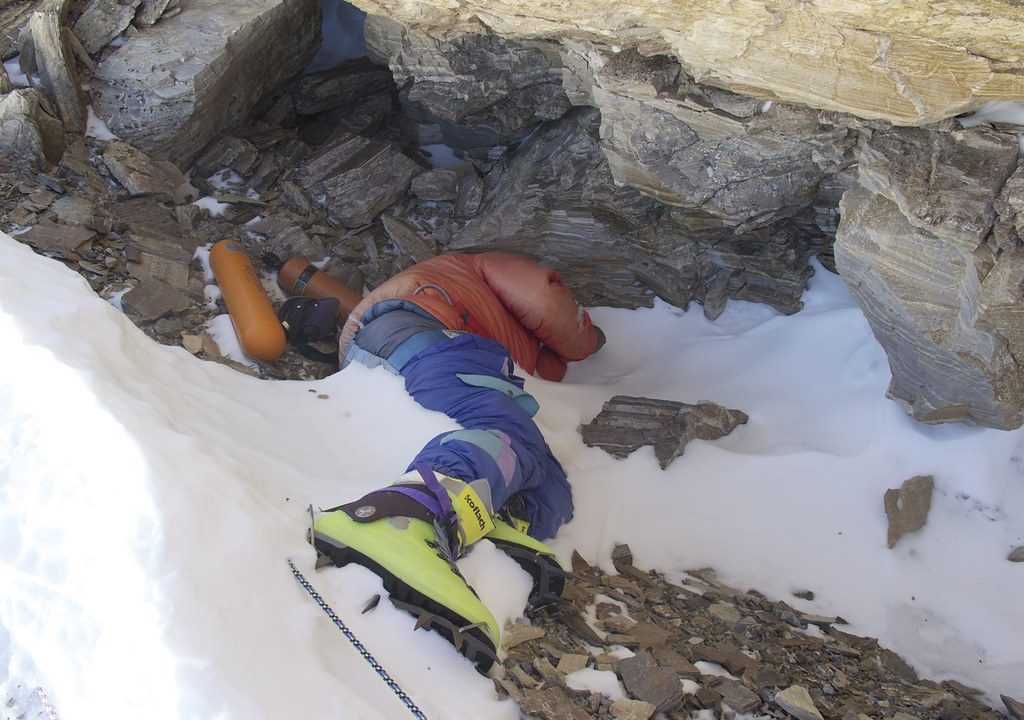
Table of Contents
Introduction
Conquering Mount Everest (8,848.86 m) has long been the ultimate dream for mountaineers around the globe. From the early 1900s, the mountaineers began to race to reach its summit, driven by big dreams, the love of adventure, and the desire to stand at the very top of the world. Then the first successful attempt of Mt Everest happened on May 29, 1953, at 11:30 am local time by the Sir Edmund Hillary team and Sherpa mountaineer Tenzing Norgay. Since then, many expedition teams have reached the summit, and commercial Everest expeditions have continued to grow.
There are lots of successful stories of Everest Climbing, but today we are going to share with you the story that never left the Everest. This is the story of Tsewang Paljor, famously known as Green boots who died in the 1996 Everest Disaster.
On the upper slopes of Mount Everest, around 8,500 meters in the death zone, climbers passing along the North Face come across a small limestone cave. Over time, a climber’s body came to rest there, appearing as if he were sleeping. This figure became known as “Green Boots,” a haunting landmark that guided climbers for many years.
This incident happened in 1996, and it was the deadliest year on the mountain at that time. While Green boots now represent the danger symbol of Everest, he was first a son, a brother, and an elite climber named Tsewang Paljor.
Who Was Tsewang Paljor?
- Early Life: Born in Leh, Ladakh (India). His background as a mountain-dweller.
- Professional Background: His role as a constable in the Indo-Tibetan Border Police (ITBP).
- The Expedition: The 1996 Indian expedition to reach the summit via the Northeast Ridge.
- The Man vs. The Myth: He was known as a strong, quiet, and highly skilled climber, dedicated to his hard work and respected for his determination in the mountains.

The 1996 Disaster: What Went Wrong?
On May 10, 1996, there were several expeditions that were heading to the summit of Mt Everest from both the South and North routes, moving through the area known as the Bottleneck. Suddenly, the storm hit the mountain, and climbers faced life-threatening weather. In the chaos, the disaster claimed the lives of 12 climbers. Climbers from both routes died in this incident. Around 25 climbers were able to survive in this storm, but they suffered severe frostbite, exhaustion, and injuries.
This same day is also remembered as part of the tragic events described in Into Thin Air on the South Side. On the North Side, Tsewang Paljor( Green Boots) and his teammates—Samanla and Morup—continued their push toward the summit despite the late hour and worsening weather. The storm turned the climb into a flight for survival, and during the descent into the “Death Zone,” the team became separated. It is unclear whether they actually reached the top or not due to whiteout conditions and unclear radio communications.
Becoming “Green Boots”
- The Limestone Cave: After the storm, the Paljor descended to the Death zone and took shelter at 8,500 meters (27,900 ft). He sat in the small limestone cave to escape the freezing wind and storm, hoping to survive the extreme conditions.
- Aftermath: Despite his urge to remain alive in the mountain, the extreme weather conditions and lack of oxygen, it made it impossible to survive. He ultimately lost his life in the extreme conditions of the mountain.
- Why the Name? During later Everest expeditions, climbers passing through the area near the cave saw a body with bright neon Koflach boots, appearing as if it were resting or sleeping. So even after many years in the snow and ice of Everest, the green boots stood out clearly and remained visible against the white landscape. This haunting sight led them to refer to him as “Green Boots.”
- The Psychological Impact: For climbers on the North Ridge route, passing through the green boot remains unavoidable. It reminds the climber how dangerous the mountain can be. Slowly, it became the famous grim “landmark” in the death zone.
The Ethos of Everest
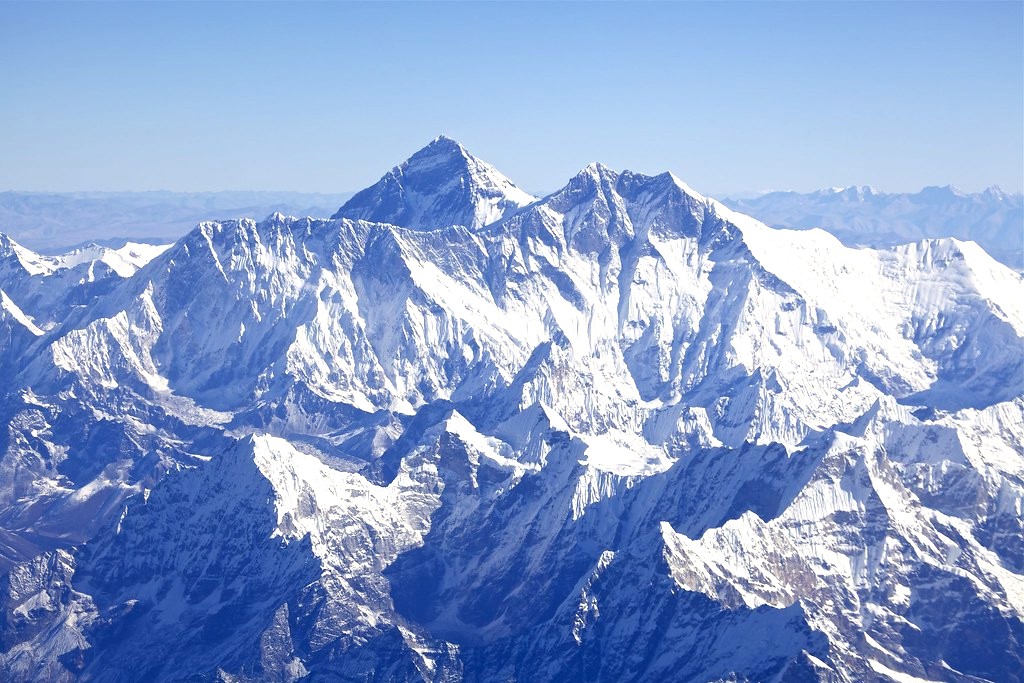
“Every dead body on Mt. Everest was once a highly motivated person, so maybe calm down.” The mountain is always greater than the climber, so we need to respect the mountain and its dangers. Accepting the risk is a part of climbing.
The green boots was there in the mountain for nearly 20 years. At the Everest death zone, it is nearly impossible to remove the body physically because of the harsh weather, thin air, and extreme altitude. Also, the cost of carrying out a recovery is very expensive and often beyond what expeditions can manage.
Check out: How much it cost to climb Mt EverestThe Ethical Debate: Death in the Death Zone
The story of the Green boots raises a serious concern and questions about life, death, and responsibility in extreme environments.
The David Sharp Incident (2006): Another British expedition member named David Sharp died in the same place where the Green boots had died. This incident happened when David Sharp tried to reach the summit of Everest through Tibet, the North Ridge. He was an experienced climber, and he had previously climbed Cho You in Nepal. He tried to climb Everest solo with limited oxygen. It is believed that due to bad weather and limited oxygen, he died due to altitude sickness.
Dignity vs. Safety: A major question remains—should bodies be recovered from such extreme heights, or should they remain where they are? Many climbers believe that recovering the body is a respectful sign, but due to the enormous risk and cost involved, it makes it difficult and nearly impossible.
The Family’s Perspective: We can only imagine how painful it must be for Paljor’s family to know that his son’s body remains on Mount Everest. His resting place became the geographical marker of Everest, turning a personal tragedy into a lasting and visible part of Everest’s climbing route.
Read more: How many People died on Everest
The Final Chapter: Moving the Body
- 2014/2017 Updates: According to several climbers, they noticed that the green boots landmark is now not visible. They believed that the Chinese mountaineers/ITBP members either moved his body or covered it with stones to afford him dignity.
- Current Status: The cave is now empty, and the exact location of his remains is no longer clearly marked.

Final Say
Tsewang Paljor( Green boots) was not just a name or a landmark of Mount Everest. He was a skilled and brave mountaineer who died while heading to reach the top of the world. He was one of the pioneers of Indian high-altitude climbing. His story reminds us of the ambition and strength of nature that we need to face while mountaineering. There are many stories of success, but also stories of loss that teach us respect, caution, and humility in the face of nature.
We should always respect the “ghosts of Everest”—those who gave their lives on the mountain and remain part of its silent, frozen history.
We hope that you like the story of the Everest Green boots. Follow us so that you will not miss the interesting stories like this. Thanks for reading.
Check also: 2 Pm Rule for Climbing EverestAdd FAQ section
Who was Green Boots on Everest?
“Green Boots” is the nickname of a climber who died on Mount Everest and became a landmark in a cave on the North Ridge route. He is widely believed to be Tsewang Paljor, who died during the 1996 Mount Everest disaster.
What happened in the 1996 Everest disaster?
The 1996 Mount Everest disaster was a tragic event on Mount Everest when a sudden blizzard hit several summit teams in May 1996. The storm caused extreme conditions, and eight climbers lost their lives, while many others were stranded and severely injured.
Is Green Boots still on Everest?
For many years, a climber believed to be “Green Boots” was visible in a cave on the North Ridge of Mount Everest. However, in recent years, climbers have reported that the body is no longer clearly visible. It may have been moved or covered, but its exact status is not confirmed.
Why is Tsewang Paljor famous?
Tsewang Paljor is famous because he is believed to be “Green Boots” on Mount Everest and died during the 1996 Mount Everest disaster, becoming a symbol of Everest’s dangers.
Don’t miss reading: Everest Gear – Complete Guide to Mountaineering
-
Flash Flood Sweeps Away Dozens of Homes in Gorkha, Nepal
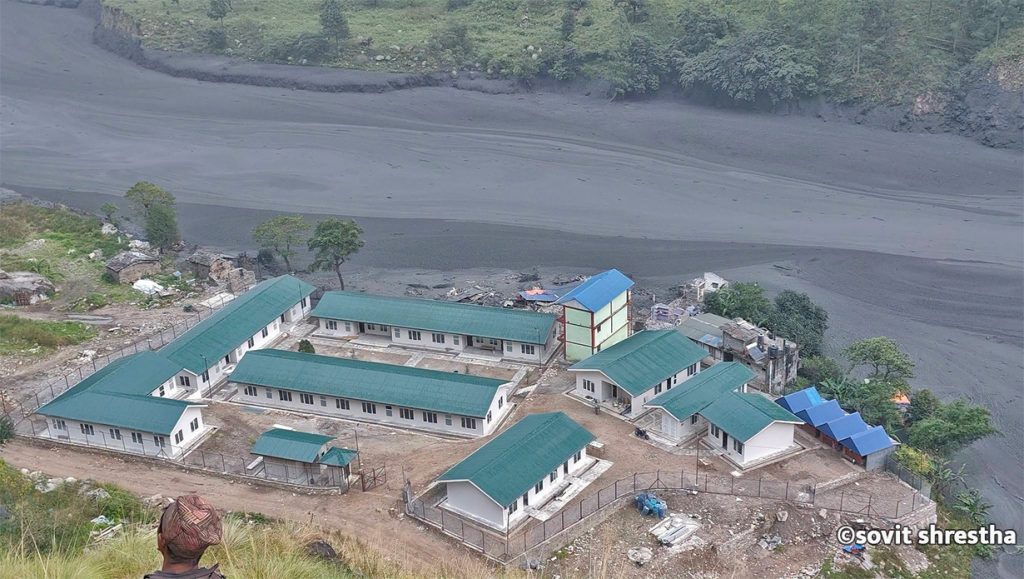
KATHMANDU, Nepal — A sudden and severe flash flood tore through the Budhi Gandaki River basin in Gorkha district on Sunday morning, washing away approximately 35 houses and triggering widespread destruction in the mountainous Manaslu and Tsum Valley regions. According to local authorities and disaster management officials, no human casualties have been reported thus far, though…
-
Swayambhunath Temple, Kathmandu
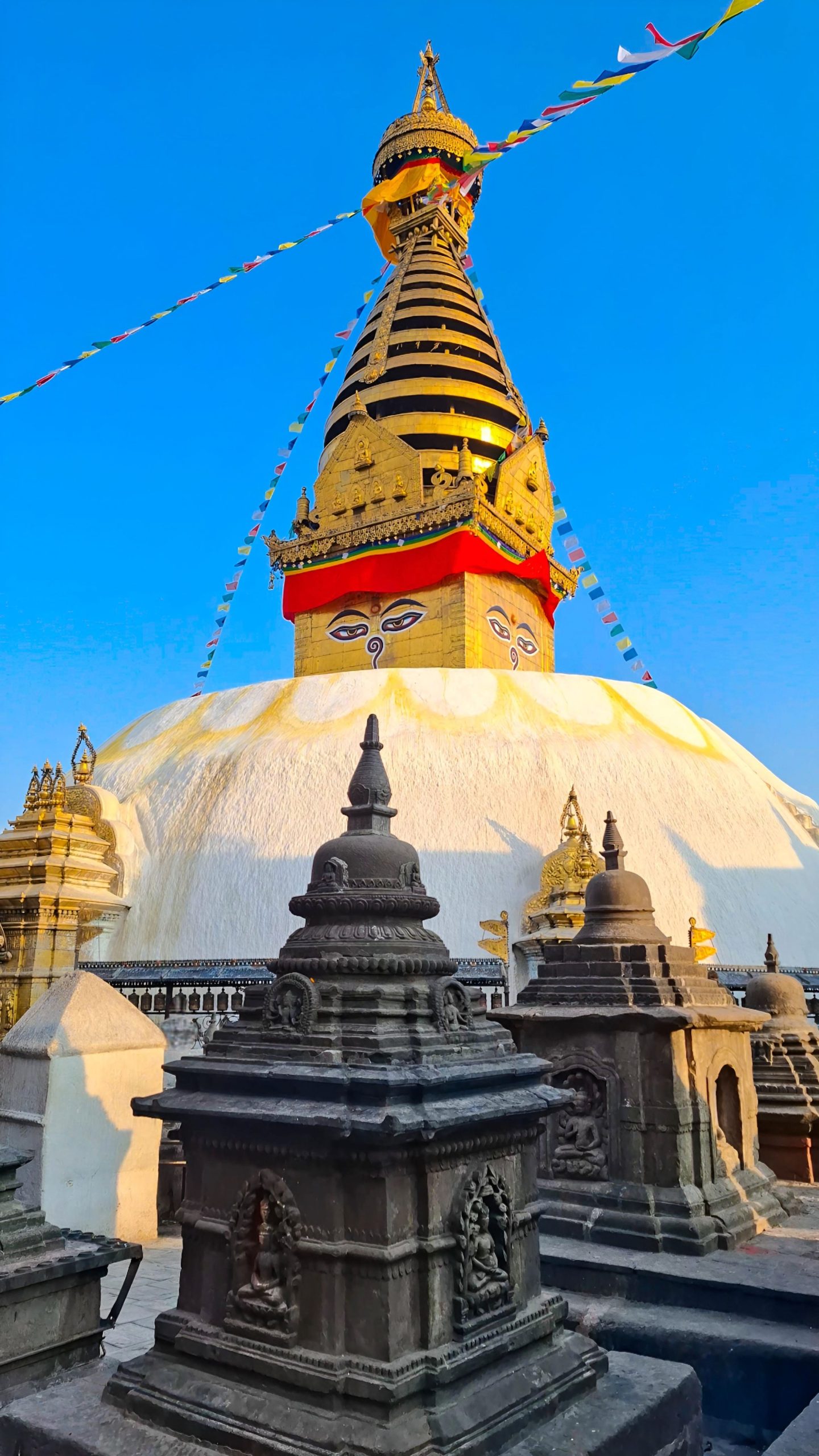
Imagine standing above the chaos of Kathmandu. Honking horns fade below you. A gleaming white dome rises ahead. Two enormous painted eyes gaze calmly in every direction. Prayer flags flutter in the Himalayan breeze. This is Swayambhunath, one of the most extraordinary places in Nepal. Visitors know it as the “Monkey Temple” because hundreds of…
-

North Goa vs South Goa: Which Is Better for Your Holiday?
Amongst the places that are highly popular in terms of beaches, weather, culture, and ambiance in India is Goa, which is known to possess some of the most beautiful beaches in India. The idea of Goa being famous for its beaches, which can be used by tourists for entertainment in North Goa while South Goa…