
Manang Ice Lake( Kicho Tal)
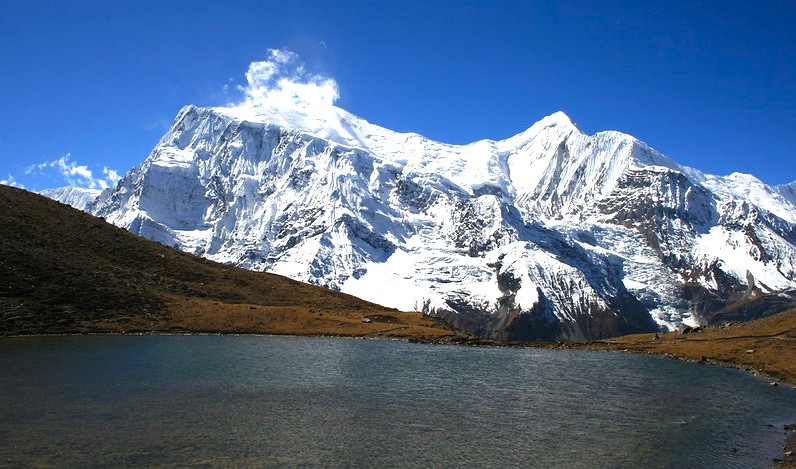
Table of Contents
What Is Manang Ice Lake (Kicho Tal)?
Manang Ice Lake is a beautiful lake situated above the Manang Valley in Nepal’s Gandaki Province. This high altitude lake sits at an impressive altitude of approximately 4,620 meters (15,157 feet). Because of its high elevation, the Manang Ice Lake remains frozen most of the time. Due to this reason, visitors named it Ice Lake, but its actual name is Kicho Tal. Rocky hills and snow-covered Himalayan peaks surround it.
The peaceful atmosphere around the Lake and stunning mountain views from these lakes make it one of the most beautiful high-altitude lakes in the Annapurna region. Currently, it is trending side trips for the Annapurna Circuit trek or for a hike from Manang Village.
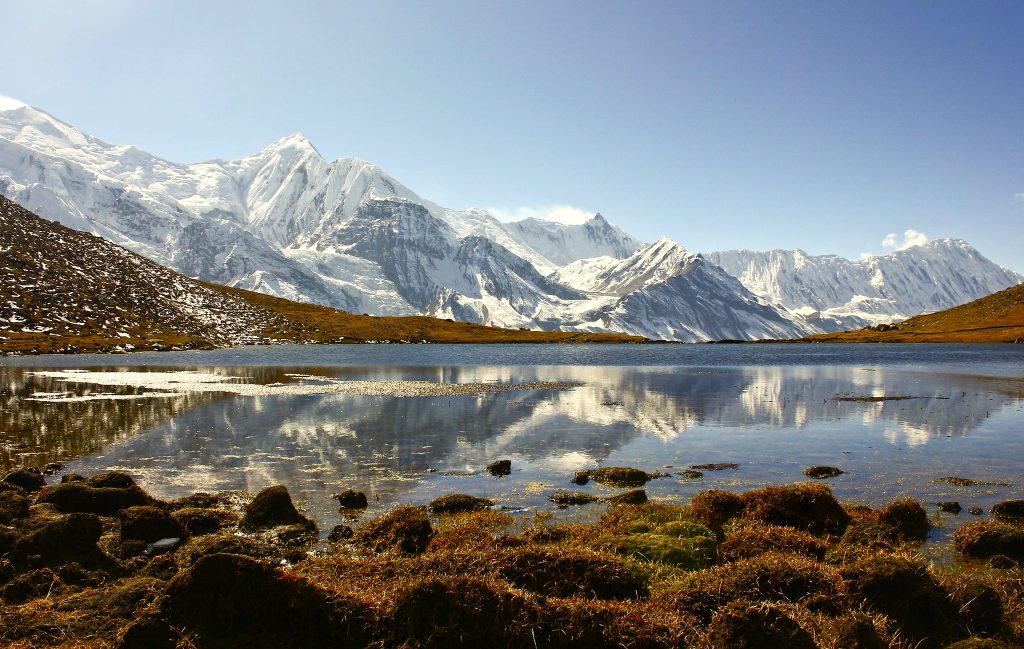
Kicho Tal actually consists of two lakes: the Lower Ice Lake and the Upper Ice Lake. Both lakes sit below the impressive Chulu East and Chulu Far East mountains. When you visit here, you can witness the impressive view of the Annapurna range, Gangapurna, Tilicho Peak, and other surrounding Himalayan giants.
To reach Ice Lake first, you need to reach Manang. From Manang to Ice Lake, the distance is around 7-8 km, and it takes approximately 4 hours to reach. Many trekkers choose the Manang to Ice Lake hike as an acclimatization before crossing the famous Thorong La Pass(5,416 meters).
For anyone who is planning to visit this beautiful viewpoint, it is worth visiting. Whether you are trekking to the Annapurna Circuit trek or visiting Manang for a few days, you should not miss it. Let’s learn more in detail about this Lake.
Where is Manang Ice Lake (Kicho Tal) Location?
Kicho Ice Lake Coordinates: 28°40’48.7″N 84°03’40.6″E
Ice Lake( Kicho Tal ) is located in Manang District within the protected boundaries of the Annapurna Conservation Area (ACAP). The Lake sits above Braga village(also spelled Braga). Braga Village lies roughly 30 minutes from the larger settlement of Manang. Administratively, it falls in the Manang Valley, a high Trans-Himalayan valley.
- Administrative location: Manang District
- Conservation area: ACAP Zone
- Terrain type: Above treeline
- Directional approach: northeast of Braga
For the map, click here: Ice Lake Manang map.
Geo-physical context
The Manang Valley is a rainshadow area because the monsoon winds coming from the south are blocked by the Annapurna and Dhaulagiri mountain ranges. This gives it a semi-arid, almost desert-like landscape at lower elevations. But when you hike to Kicho Tal, the landscape turns into alpine meadows, rocky slopes, and glacial terrain.
Ice Lake Manang is located in a high mountain basin formed by glaciers thousands of years ago. The lake lies just north of a ridge, which provides some of the most spectacular mountain views in the Annapurna region. Behind the lake are the impressive peaks of Chulu East (6,584 m) and Chulu Far East (6,059 m). While to the south, trekkers can enjoy stunning views of Annapurna II, Annapurna III, Annapurna IV, Gangapurna, Tilicho Peak and Kangsar Kang mountains.
There is also a tiny stupa near the Upper Ice Lake. It symbolises profound Buddhist cultural influence in the Manang region, where religion and scenery are interconnected.
Ice Lake Manang Altitude: How High Does the Trek Go?
What makes this climb special is its altitude. Below is an elevation profile of all the main points on the Manang to Ice Lake route:
| Manang village (start) | 3,519 m |
| Braga village | 3,475 m |
| Kicho Ice Lake | ~4,620 m |
| Ice Lake Upper Point (Kicho Tal) | 4,624 m |
| Thorong La Pass (reference) | 5,416 m |
The overall elevation increase from Manang to Ice Lake is almost 1,100 meters (3,608 ft) in a single day. is similar to the ascent required on many Nepal mountaineering and climbing expeditions. The trail is only about 7–8 Kilometers long, but it climbs the entire way steeply, making the Kicho Tal hike challenging. Above 4,000 meters, you are in the danger zone for altitude sickness for trekkers who have not acclimatized. At the lake itself, at 4,620 m, the air is around 58 percent less oxygen-rich than at sea level, which is why a slow, deliberate pace is non-negotiable.
Manang to Ice Lake Distance: How Far Is the Hike?
The distance from Manang to Ice Lake is approximately 5–7 km one way, making the full round trip between 10 and 14 km depending on the starting point and route taken. Most trekkers begin from Braga rather than Manang proper, as the trail is better marked from the Braga monastery.
- Mananga to Ice Lake ascent distance: ~8.0 to 8.5 km
- Round-trip distance: 16 to 17 kilometers
- Ascent Time: 4.5 to 6 hours
- Descent Time: 2 to 3 hours
- Total Elevation gain: +1,100 m
- Difficulty rating: Moderate–Hard
Although the distance is short, what makes the Manang to Ice Lake hike challenging is due to rough terrain, steep trail and rapid high-altitude gain in a short period. It is one of the most physically exhausting day hikes in the Annapurna region.
For fit trekkers who are well acclimatized, the round trip can be completed in around 6-7 hours. But for those who are sensible and take rest stops, they should allow 8-9 hours and plan to return before afternoon clouds and winds roll in.
If you start your hike from Manang rather than Braga, it adds around 30–45 minutes each trip. For fit trekkers who are well acclimatized, the round trip is 6-7 hours; those who make sensible rest stops should allow 8-9 hours and plan to return before afternoon clouds and winds roll in. Starting from Manang rather than Braga adds around 30–45 minutes each trip, as the settlement stands significantly higher on a parallel ridge. Many trekkers descend to Braga to begin. Then, they take a shortcut back to Manang, saving time on the return.
Ice Lake Manang Itinerary
Here is a good day-hike plan from Manang for the trekker with moderate fitness and reasonable acclimatisation. Start early; afternoon clouds can hide the summit vistas, and temperatures drop quickly with wind over 4,000 m.
Manang Village → Braga(3,519 m → 3,400 m)
Depart by 6:00–7:00 am. Walk east along the valley floor for 20–30 minutes to Braga. Look for the large signboard near the monastery pointing toward “Ice Lakes.” Register permits if required at the checkpoint here.
Braga Monastery to Yak Pastures 3,400 m → ~3,900 m
The trail climbs steeply above the monastery through sparse vegetation, crossing yak grazing pastures. Pace yourself; the steepest sustained section of the entire hike comes in this stretch. Views of Braga village and the Manang Valley unfold behind you.
Yak Pastures to Seasonal Teahouse ~3,900 m → ~4,200 m
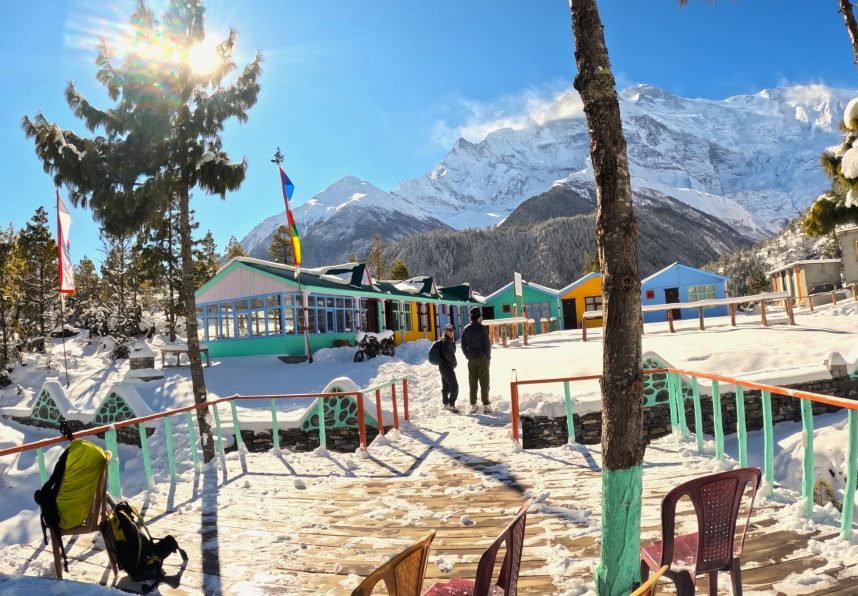
Around 3–4 hours into the hike, you reach a small seasonal teahouse at approximately 4,200 m. If it’s open (confirmed in Manang the night before), stop here for tea, warm noodles, and a mandatory rest. Above here, the landscape turns rocky, windswept, and treeless.
Teahouse to Lower Ice Lake 4,200 m → ~4,500 m
A series of long switchbacks leads through boulder fields and old herder huts. Watch for Himalayan blue sheep in this section. The trail can be icy or snow-covered depending on the season. Use trekking poles here for careful footing on rough terrain for balance. Lower Ice Lake appears with shocking suddenness over the final ridge.
Lower Ice Lake to Upper Ice Lake (Kicho Tal) ~4,500 m → 4,620 m
Follow the trail left around the lower lake to reach Upper Ice Lake (Kicho Tal) in roughly 10 more minutes. A small stone stupa and wind shelter mark the upper lake. Walk to the far end for the most complete panoramic view: Annapurna II, III, IV, Gangapurna, Tilicho Peak, and the Chulu range all at once. Spend 45–90 minutes here.
Descent → Manang 4,620 m → 3,519 m
Retrace your route back through Lower Ice Lake, the teahouse, and the yak pastures. From Lower Ice Lake, Manang-based trekkers can take the direct ridge zigzag shortcut. Allow 2.5–3.5 hours for descent. Return to Manang for rest and a hot shower. Also, you can participate in the Acute Mountain Sickness (AMS) talk at the Himalayan Rescue Association clinic at 3 pm.
Ice Lake Manang Weather: When to Go and What to Expect
At 4,620 meters, the Ice Lake Manang temperature can change dramatically within hours. Even on clear summer mornings that begin warmly in Manang at 3,519 m, conditions at the lake can involve strong winds, sub-zero wind chill, and sudden cloud-in. Planning around the best season is critical for safety and for views.
Autumn(September – October – November): Popular Trekking Season
Post-monsoon skies are crystal clear. Stable weather, excellent visibility to all peaks. October is peak trekking month with cool, crisp conditions perfect for the altitude.
Spring(March – April – May): Best Season
Warming temperatures with Rhododendron blooms in the lower region. Occasional afternoon cloud but generally stable mornings. Some snow may remain on the upper trail into April.
Monsoon(June – July – August): Travel with Weather Precautions
The Manang Valley is a rain-shadow area, so the monsoon is less likely to affect it. But the main challenge is reaching here. Due to heavy rainfall, muddy trails, and the chances of floods, landslides, and road accidents remain high, so for safety, monsoon is not considered a good season.
Winter(December – January – February): Challenging Winter Conditions
Manang receives heavy snowfall during winter, and temperatures often drop well below freezing. The trail to Ice Lake can be blocked by snow, and the lake itself remains deeply frozen. Extreme cold, snow-covered trails, and difficult access make this season suitable only for experienced trekkers with proper winter gear.
Bottom line: For a comfortable hiking experience, target late September through early November or late March through late April. No matter which month you choose, hike before 7:00 AM for good visibility and an early safe return to the teahouse.
Wildlife, Ecology, and What You’ll See on the Trail
When heading for the Manang Ice Lake, you will pass through three distinct ecological zones in a single day. The trail crosses the upper Himalayan scrub and semi-arid Trans-Himalayan landscape near Braga, alpine meadows, and finally the high-altitude glacial zone around Kicho Tal.
Each zone supports its own suite of wildlife and botanical character.
- Himalayan Blue Sheep (Bharal)
- Himalayan Griffon Vulture
- Yak (domestic)
- Lammergeier (Bearded Vulture)
- Snow Leopard (rare)
- Himalayan Snowcock
- Alpine wildflowers (spring)
- Juniper & high scrub
Kicho Tal Ice Lake as the Ultimate Acclimatization Hike for Thorong La
The most frequently asked question by the Annapurna Circuit hikers is what to do during the Manang Rest Day. To follow the acclimatization theory: “climb high, sleep low”, you can hike to Kicho Lake and back to Manang teahouse. This helps you to learn how your body responds to high altitude and oxygen-carrying capability. Trekkers who finish the Ice Lake hike before pressing on to Yak Kharka, High Camp, and Thorong La Pass consistently report fewer AMS symptoms on the pass than those who miss it.
While it helps to prepare for the high altitude Thorong La Pass, we should not forget this trip is particularly tough owing to its long duration and physically demanding. This trek is only for those in good shape and who are experienced trekkers.
Permits, Gear, and What to Bring
Required permits to visit Manang Ice Lake
Before heading out for the Manang Ice Lake, all the travellers must obtain the permit. You can obtain the permit either in Kathmandu or Pokhara, depending on where you start your journey. You will need:
- Annapurna Conservation Area Permit (ACAP): Cost NPR 3,000 for foreign citizens.
You can obtain ACAP from the Nepal Tourism Board office on your own or with the help of a tour or trekking agency. You need to show the permit and register at the checkpost before entering the conservation area.
Essential gear list
You need to pack the clothing according to the season you choose for your visit. Here are the common comprehensive packlists you can follow:
- Down jacket or warm insulated layer
- Windproof and waterproof shell jacket
- Trekking poles (strongly recommended)
- Water filter bottle (2 L minimum)
- Gloves, hat, thermal base layer
- Packed lunch + energy snacks
- High-SPF sunscreen (UV is intense)
- Sunglasses (UV 400+ rated)
- Headlamp (in case of late return)
- Offline map (Maps.me or Gaia GPS)
- Basic first aid, including blister care
- Diamox (consult doctor; carry as precaution)
Continue reading: Packing list for Trekking in Nepal
Everything Trekkers Ask About Ice Lake Near Manang
Is Ice Lake Manang worth it?
- Overwhelmingly yes. The views from Kicho Tal are considered by many experienced guides to be the finest single viewpoint in the entire Manang region. Visitors can enjoy breathtaking views of Annapurna II (7,937 m), Annapurna III (7,555 m), Annapurna IV (7,525 m), Gangapurna (7,455 m), Tilicho Peak (7,134 m), Pisang Peak (6,091 m) and numerous other snow-capped Himalayan peaks. This acclimatization hike before Thorong La Pass also helps trekkers adapt to the thin air, reducing the risk of altitude sickness.
How hard is the Ice Lake hike from Manang?
- The Ice Lake trek is rated moderate to challenging. The trail is not difficult, but the real challenge is rapid elevation gain(1,100 m) in a single day. Also, the overall hike, which takes around 7-9 hours, is physically demanding. The main risk that travellers should be aware of on this hike is altitude sickness.
Is there any teahouse or lodge at Ice Lake?
- There is no overnight accommodation at Ice Lake. There is a small temporary teahouse near the Lake, but its opening depends on the season and weather conditions. Therefore, always ask at your guesthouse in Manang the evening before. For your convenience, carry packed lunches, energy bars, and enough water in a filter bottle. Accommodation back to Manang or Braga.
Manang Ice Lake vs Tilicho Lake, which should I do?
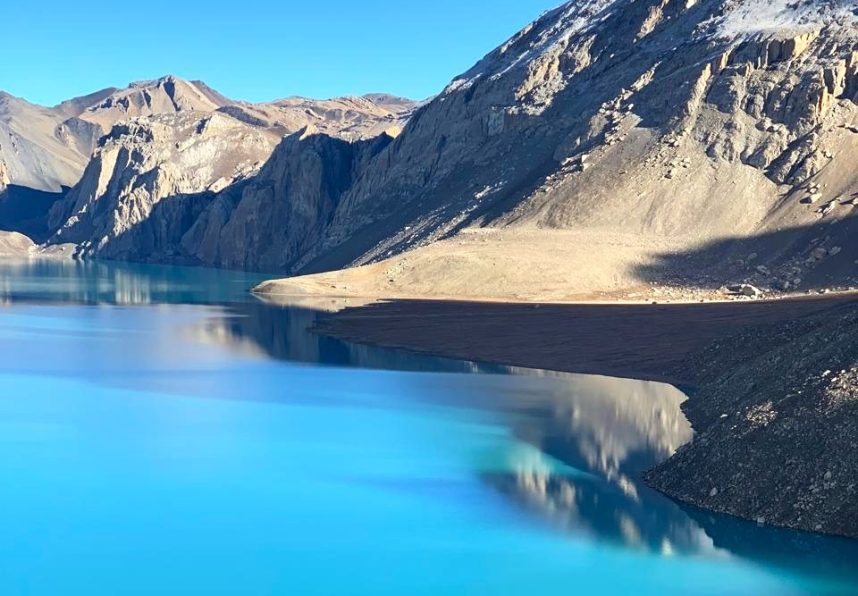
- If you only want to visit Lake, then we recommend Tilicho Lake. If you are on a trek for the Annapurna Circuit or the Manang trek, then visit Ice Lake.
Do I need a guide for the Manang Ice Lake trek?
- A guide is not mandatory by law, but strongly recommended for beginner trekkers and those who are trekking for the first time in Nepal. If you are worried about high-altitude, concern of altitude sickness, or not confident in your physical fitness, then hire a guide with you for your safety. Hiring a guide will cost an average of USD 25-30 per day.
Why is it called Ice Lake? Is it always frozen?
- Ice Lake gets its name because the Lake remains frozen most of the time due to its high altitude location. At an altitude of 4,620 meters, temperatures often stay below freezing, causing the Lake to freeze and become covered with ice and snow. However, the Lake is not frozen year-round. When the ice melts, the Lake displays its beautiful blue-green color, reflecting the surrounding Himalayan peaks. In winter, the Lake freezes completely.
Is Ice Lake Manang higher than Everest Base Camp?
- Everest Base Camp sits at 5,364 m, which is higher than Ice Lake at 4,620 m.
How do I get to Manang to start the Ice Lake trek?
- From Kathmandu, you need to drive toward Besisahar and then start your trek toward Manang, passing through Chame, Pisang, and Humde. Alternatively, jeep transport is available from Besisahar or Chame to Manang for those with limited time.
What temperature should I expect at Ice Lake Manang?
- At Ice Lake (4,620 m), daytime temperatures generally range from 0°C to 8°C in spring, 0°C to 10°C in autumn, and remain below freezing in winter. Always carry a down jacket, gloves, and a windproof shell.
Worth reading: Manang or Mustang: Which Destination Is Best in 2026/2027?
Final Word: Is the Manang Ice Lake Hike Worth Every Step?
Kicho Tal or Manang Ice Lake is one of the hidden gems located in Manang inside the Annapurna Conservation Area. Due to its high altitude (4,620 m) and physically demanding ascent, Ice Lake remains one of the least-explored destinations in the Manang region. However, its untouched beauty and stunning Himalayan scenery make the effort well worthwhile. Start hiking early with good preparation and make wonderful memories in the heart of the Himalayas.
If you are planning to do the Annapurna Circuit trek with the Ice Lake hike, then make sure to contact us through
- Email: info@highrouteadventure.com
- Phone/WhatsApp: +977-9851058664
Other Blogs
-
Flash Flood Sweeps Away Dozens of Homes in Gorkha, Nepal
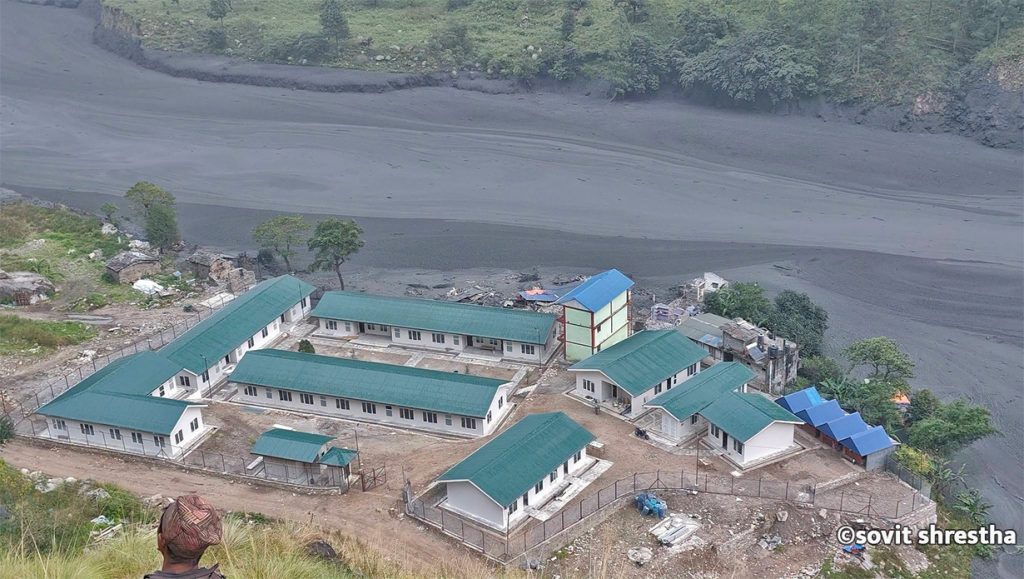
KATHMANDU, Nepal — A sudden and severe flash flood tore through the Budhi Gandaki River basin in Gorkha district on Sunday morning, washing away approximately 35 houses and triggering widespread destruction in the mountainous Manaslu and Tsum Valley regions. According to local authorities and disaster management officials, no human casualties have been reported thus far, though…
-
Swayambhunath Temple, Kathmandu
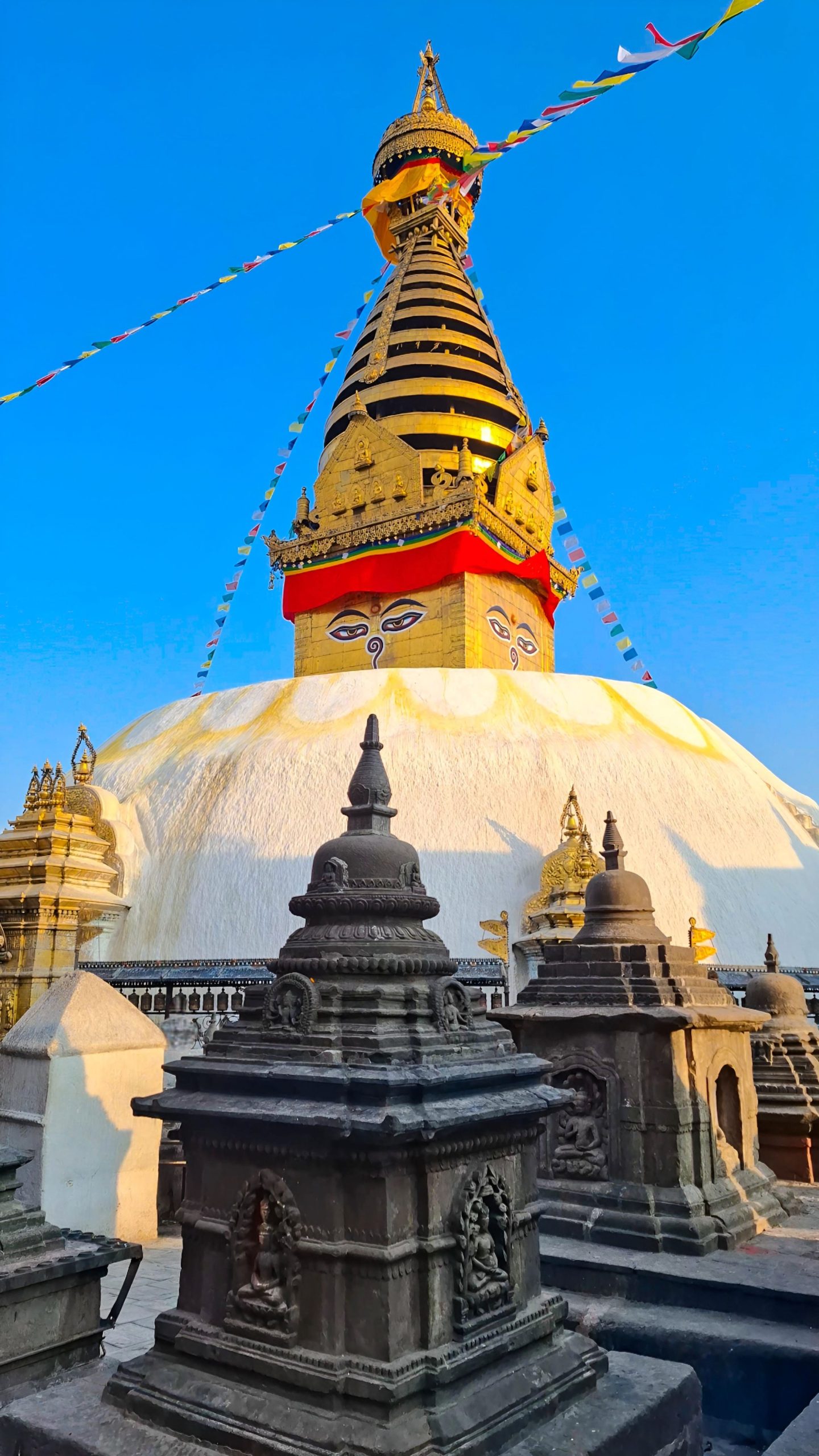
Imagine standing above the chaos of Kathmandu. Honking horns fade below you. A gleaming white dome rises ahead. Two enormous painted eyes gaze calmly in every direction. Prayer flags flutter in the Himalayan breeze. This is Swayambhunath, one of the most extraordinary places in Nepal. Visitors know it as the “Monkey Temple” because hundreds of…
-

North Goa vs South Goa: Which Is Better for Your Holiday?
Amongst the places that are highly popular in terms of beaches, weather, culture, and ambiance in India is Goa, which is known to possess some of the most beautiful beaches in India. The idea of Goa being famous for its beaches, which can be used by tourists for entertainment in North Goa while South Goa…