How many people died on Mount Everest
Table of Contents
Introduction: Adventure, Dangers, and Climbing Risks
Mount Everest has been the pride of Nepal and a symbol of real adventure, where human endurance is put to the ultimate test. On the internet, you might have seen the climbers posting from the summit, raising the flags and taking photos for the world to see. Also, you might have seen the traffic on Mount Everest as people reach their dream destination. On the other hand, mountains hide dangers such as the deadly Khumbu Icefall, storms, avalanches, and low oxygen levels that can push the human body beyond its limits. This makes us ask an important question: how many people have died trying to climb Mount Everest?
Climbing Everest is your choice, but coming back alive is your responsibility.
In this post, we will reveal to you the number of fatalities that took place, the main cause of death on Everest and how the risks have changed over time. We will also look at what these numbers reveal about how climbers prepare, make decisions, and face ethical challenges as they try to reach the summit.
Understanding these facts isn’t just about numbers—it shows the determination, courage, and hard work of the people who attempt to conquer Everest.
Related article: The 2 PM Rule on Everest – What Every Expedition Should Follow
Mount Everest: Total Deaths, Successful Summits & Climbing Risk
Total Fatalities (to date):
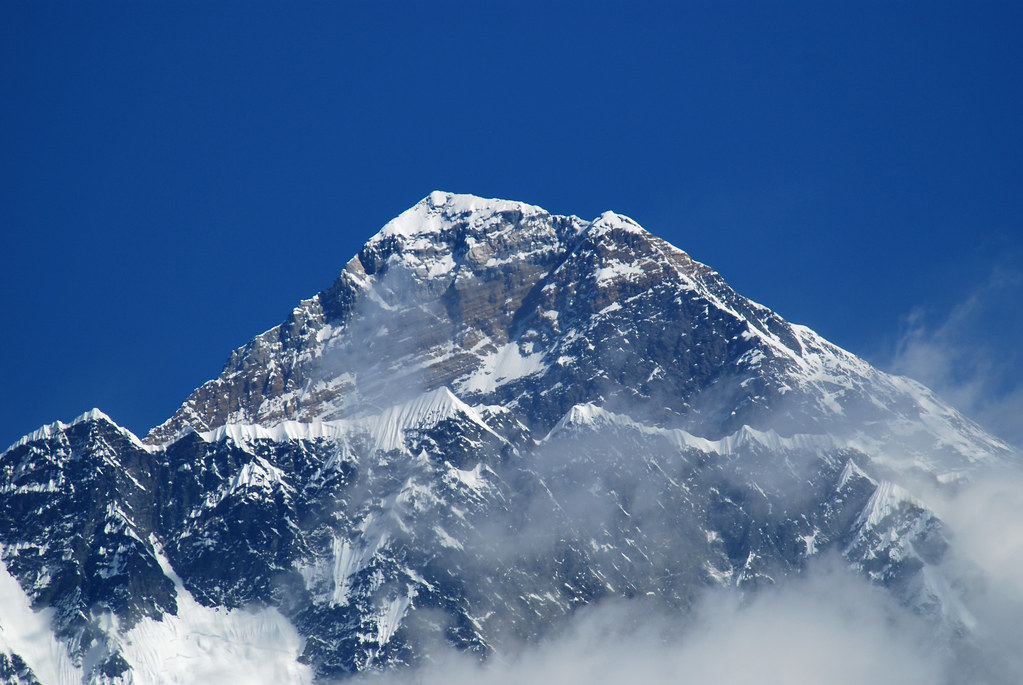
The first successful ascent of Mount Everest was made by Sir Edmund Hillary of New Zealand and Tenzing Norgay, a Nepali Sherpa, on May 29, 1953. After this organized climbing till now, there has been a record of 339 people who have died on Mt Everest( both Nepal and Tibet routes). The number includes both climbers, a hired Sherpa guide and other staff.
The Climbing Ratio (Death Rate):
By December 2025, more than 13,700 successful ascents of Mount Everest have been recorded. The death rate is around 1%, which means 1 out of 100 climbers who head to the Mt Everest summit has died. Although the date rate is low compared to other mountains such as Annapurna I (8,091m), K2 (8,611m) and Nanga Parbat (8,126m), climbing Everest is still dangerous. With modern tools and advanced climbing features, climbers still need to respect the mountain’s dangers and prepare carefully before heading for the summit.
A Key Comparison:
Looking at the bigger picture:
- 13,737 successful summits have been made,
- Yet 339 lives have been lost on the mountain.
Over time, the success of climbing Mt Everest has increased significantly, amid the risks that still exist today.
Check also: How much it cost to Climb Mt EverestMount Everest Fatalities
The “Death Zone”: Why Everest is So Lethal
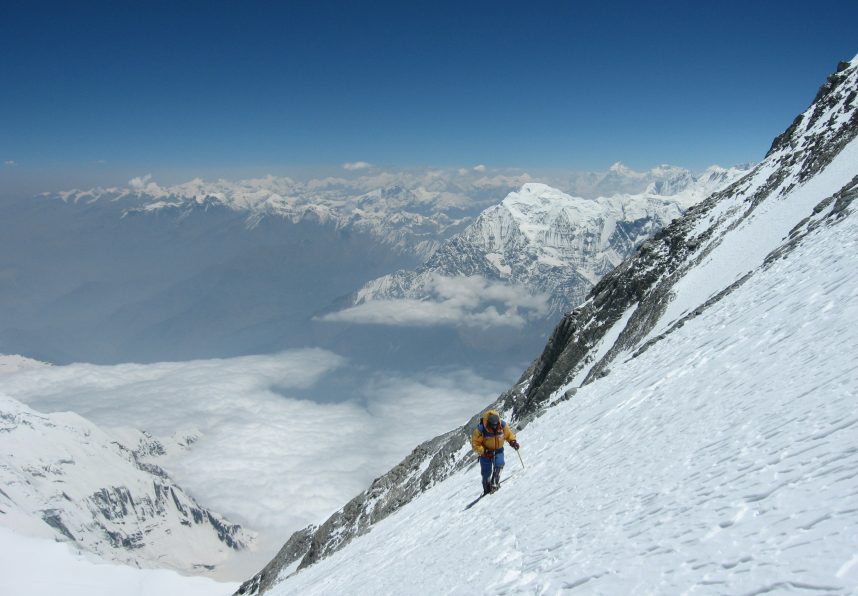
The maximum number of climbers who have died on Everest is in the Death Zone. The Everest death zone is the area above 8,000 meters (26,247 ft). In this death zone, the oxygen level is about one-third (30–35%) of that at sea level.
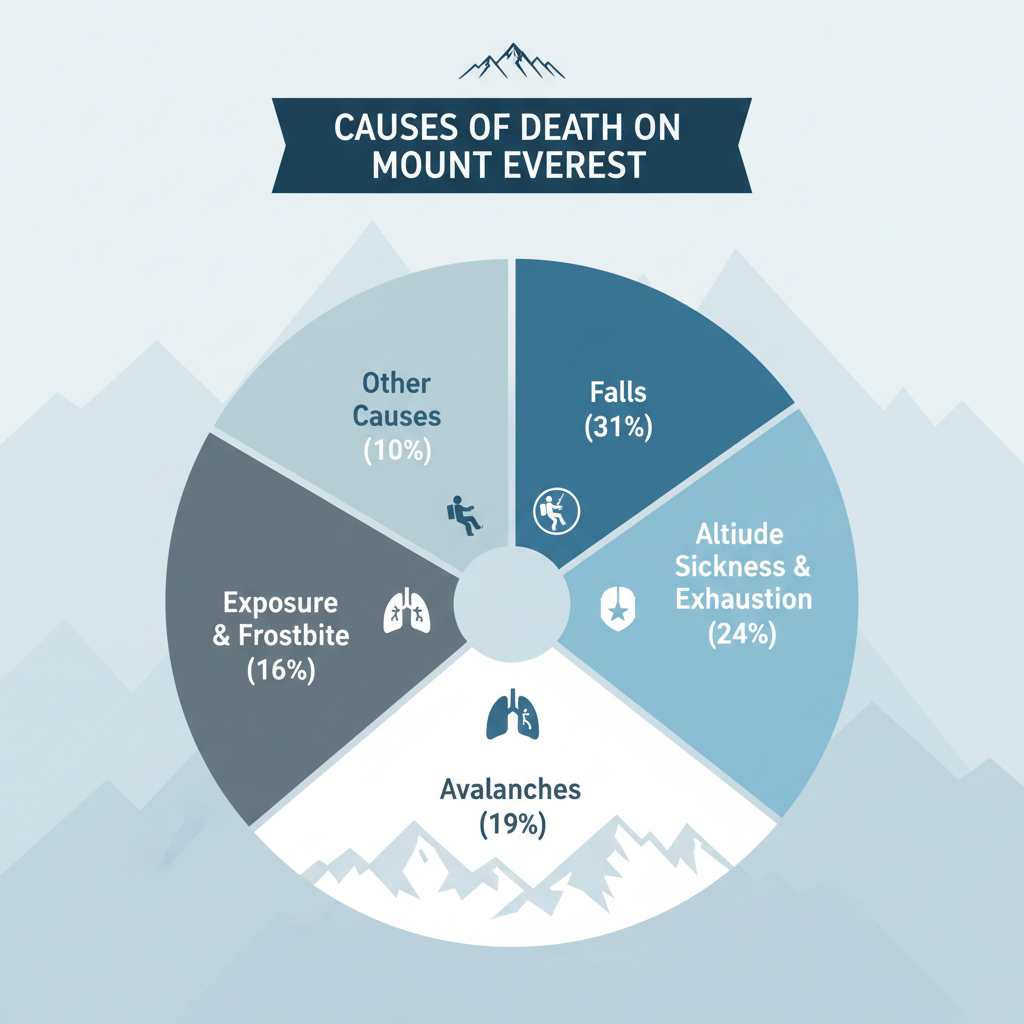
Let’s see what the main cause of death in the Everest Death Zone is:
- Falls: (Often the leading cause), including icefall collapses, crevasse falls, and falls on steep sections like the Hillary Step or Lhotse Face.
- Altitude Sickness (AMS) & Exhaustion: Covering HAPE (High-Altitude Pulmonary Edema) and HACE (High-Altitude Cerebral Edema).
- Avalanches: Highlighting major disaster years (e.g., 2014, 2015).
- Exposure & Frostbite: Leading to hypothermia and fatal organ failure.
- Other Causes: Heart attacks, rockfall, and underlying health conditions.
Trends and Turning Points: Is Everest Getting Safer or More Dangerous?
The Commercial Era:
After the first ascent of Mt Everest, the guided expedition, with the assistance of the climbing agency, made it more accessible for climbers from around the world who want to reach the summit. The agency will provide you with a professional Sherpa climbing guide, expert assistance, and supportive staff, which has reduced the risk of accidents during the climb.
The “Traffic Jam” Effect:
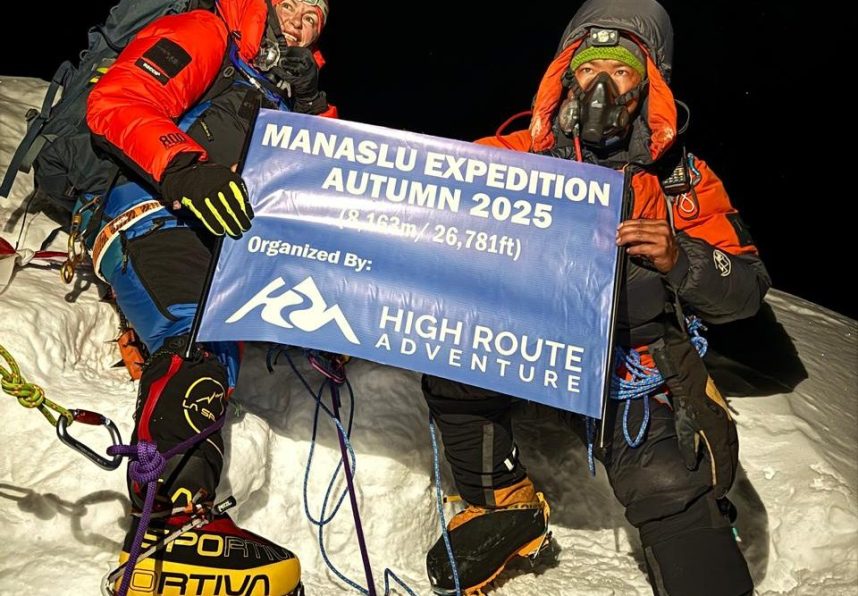
On May 22, 2019, the traffic Jam on the Everest went viral, showing climbers lining up in a long queue at the “Hillary Step” near the summit. The more time you spend in the Death Zone, the chances of fatalities increase due to more use of supplemental oxygen and the risk of altitude sickness and exhaustion.
Technology & Forecasting:
Advances in climbing gear, weather forecasting, and communication technology have improved safety and helped prevent deaths. Modern GPS, satellite phones, and accurate weather predictions allow climbers to make smarter decisions and avoid deadly storms.
The “Blue Ice” Paradox:
People often wonder why there is a dead body on Everest. Why does nobody bring them down from grim landmarks and handover their body to their family? Bodies are left in high altitudes because after death, a human body becomes heavier and more fragile, making it hard to move on steep ice, snow, and rock. In addition, helicopters cannot safely operate above 8,000 meters in the Death Zone due to thin air and extreme weather. On top of that, the cost of recovering a body is extremely high, often requiring specialized teams and equipment. For these reasons, many bodies remain on the mountain, sometimes becoming grim landmarks that other climbers use to navigate.
The Deadliest Years: Lessons from Tragedy
Some years on Mount Everest stand out for their deadly events, reminding climbers of the mountain’s extreme risks:
1996 – The Famous Storm:
A sudden storm claimed 8 lives, an event later chronicled in the book Into Thin Air. It highlighted how quickly unpredictable weather can turn deadly on Everest.
2014 – Khumbu Icefall Avalanche:
An avalanche in the Khumbu Icefall killed 16 Nepali guides, showing the dangers faced not just by climbers but also by Sherpas supporting expeditions.
2015 – Gorkha Earthquake Avalanche:
The Gorkha earthquake triggered an avalanche at Base Camp, resulting in 19 deaths and massive destruction, demonstrating how natural disasters compound Everest’s hazards.
2019 – The Traffic Jam Year:
Overcrowding near the summit contributed to 11 fatalities, sparking debates about climbing regulations and the risks of too many climbers on the mountain at once.

Mitigation and Safety: What’s Being Done?
To ensure the safety of Everest climbers, the Nepal Mountaineering Association has made it mandatory to hire a licensed climbing guide and to conduct expeditions only through a registered climbing agency in Nepal. It is necessary to obtain the Everest Climbing permit, and permits will be issued to a limited number to avoid crowds and reduce the dangerous “traffic jams” that have occurred on the mountain in the past.
Also, as per the regulations in place, you need to ensure efficiency, undergo medical checks, and obtain management bonds to ensure climber safety and minimise deaths.
Here is what you can do from your side to improve safety and reduce fatalities:
- Personal Preparedness: The non-negotiable need for physical training, acclimatization, and knowing when to turn back.
- Hire an experienced Sherpa: Recognize their incredible mountaineering skills and hire them during the expedition.
- Choose the best operator: Choose the best company for the Everest Expedition. Their guidance, experience and support really matter for the successful summit of Everest.
- Insurance: It is mandatory to have insurance that covers risks, including helicopter rescue and emergency services.
Emergency inclusion: Respecting the Mountain
Reaching the world’s highest point, Mount Everest, is a dream for many, but it comes with serious risks and should not be taken lightly. Although the risk percentage is decreasing, the number has increased due to popularity.
The death of climbers is not just a story; it is a pure statistic that happened on Everest. The mountain demands ultimate respect. Before heading to Everest, we should learn about fatalities, the dangers of the Death Zone, and lessons from past tragedies.
With pure determination, skill and preparation, Everest is one of the best places to visit if you are an adventure lover. Also, it is our responsibility to honor the people who end their lives on Everest, who dream of reaching the summit.
Read more about: Everest Climbing Rules Update: Proof of Previous 7,000m+ Summits Required
Suggested Resources & Further Reading
- Himalayan Database – Explore Everest’s climbing records and fatalities.
- Key Books – Into Thin Air, The Climb, Dark Summit.
- Documentaries & News Archives – For in-depth stories on Everest tragedies and adventures.
Frequently Asked Questions(FAQs)
How many people have died on Mount Everest?
- As of February 2026, around 339 people have died on Mt Everest.
How many people have died climbing Mount Everest in the last decade?
- “In the past decade (around 2015–2025), roughly 77 to 80 climbers have lost their lives on Mount Everest, with 2023 being one of the deadliest seasons, accounting for 17 fatalities.
Why are there dead bodies on Mount Everest?
- It will be difficult to recover the dead body from the death zone due to high altitude, logistical challenges, cost, safety challenges, and high recovery fees.
Are there specific landmarks made by dead bodies on Mount Everest?
- Yes, the visible landmarks such as “Green Boots” and “Sleeping Beauty” (Francys Arsentiev) are popular.
-
Flash Flood Sweeps Away Dozens of Homes in Gorkha, Nepal
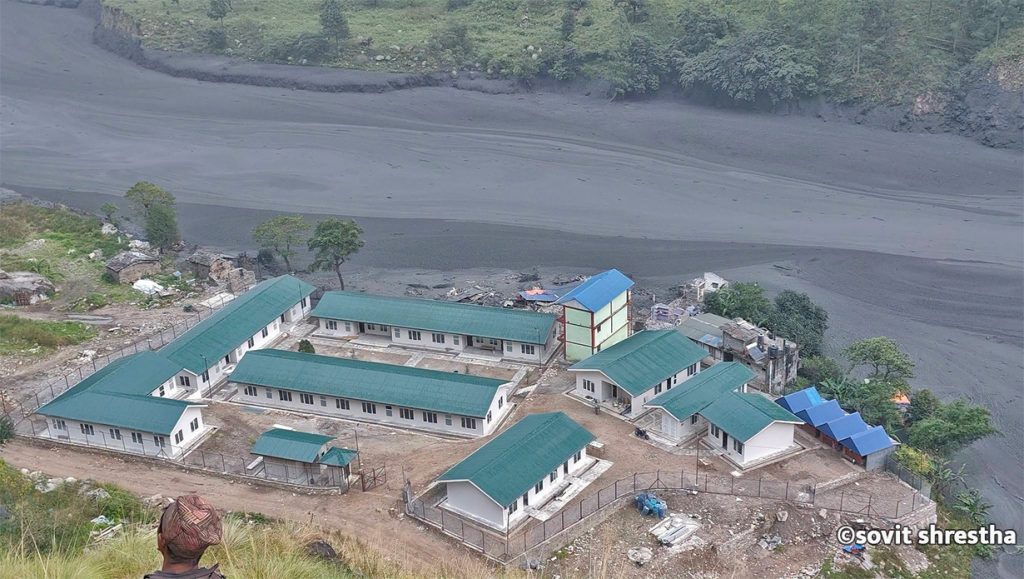
KATHMANDU, Nepal — A sudden and severe flash flood tore through the Budhi Gandaki River basin in Gorkha district on Sunday morning, washing away approximately 35 houses and triggering widespread destruction in the mountainous Manaslu and Tsum Valley regions. According to local authorities and disaster management officials, no human casualties have been reported thus far, though…
-
Swayambhunath Temple, Kathmandu
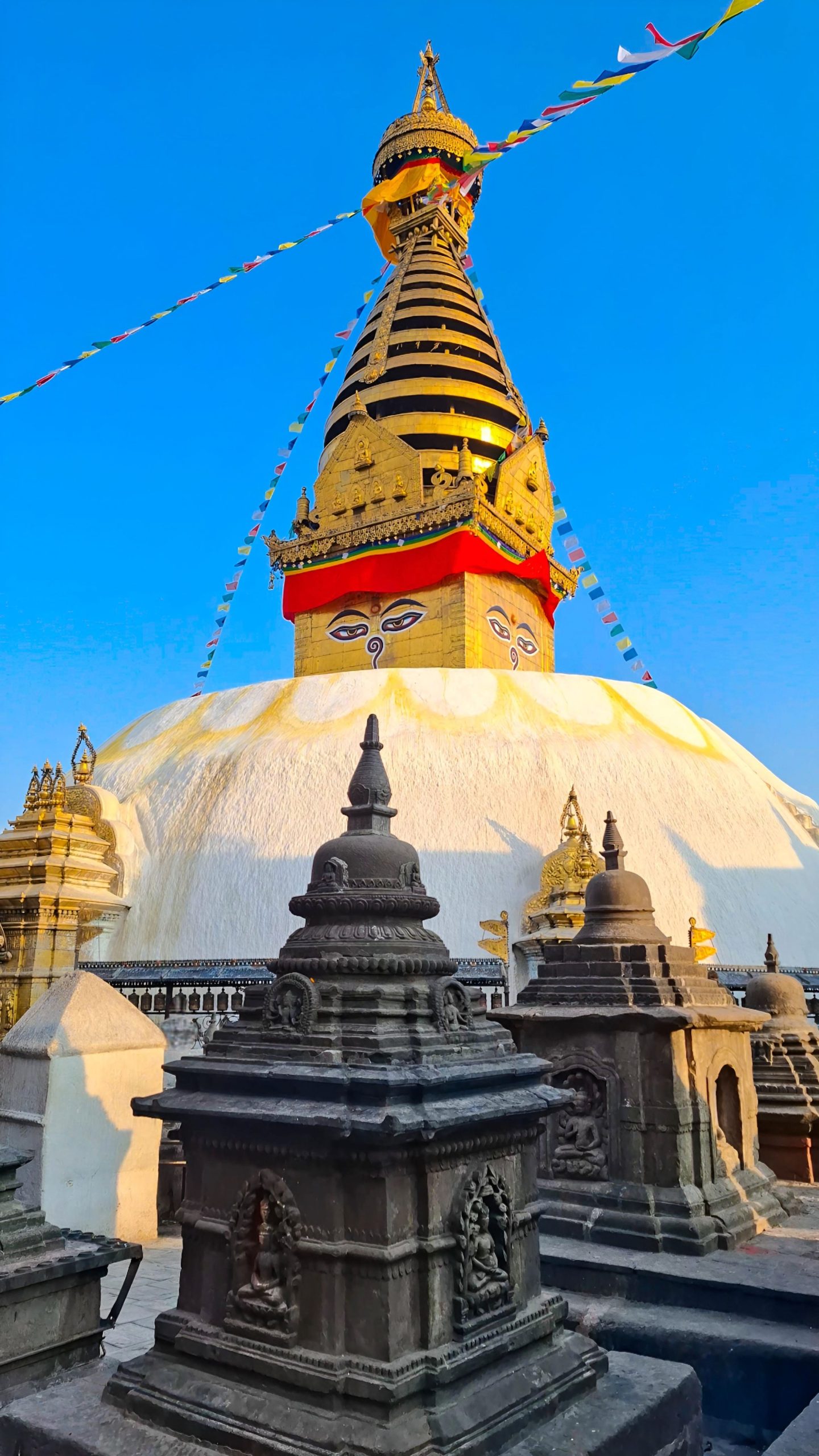
Imagine standing above the chaos of Kathmandu. Honking horns fade below you. A gleaming white dome rises ahead. Two enormous painted eyes gaze calmly in every direction. Prayer flags flutter in the Himalayan breeze. This is Swayambhunath, one of the most extraordinary places in Nepal. Visitors know it as the “Monkey Temple” because hundreds of…
-

North Goa vs South Goa: Which Is Better for Your Holiday?
Amongst the places that are highly popular in terms of beaches, weather, culture, and ambiance in India is Goa, which is known to possess some of the most beautiful beaches in India. The idea of Goa being famous for its beaches, which can be used by tourists for entertainment in North Goa while South Goa…