
How Long Does It Take to Climb Mount Everest?
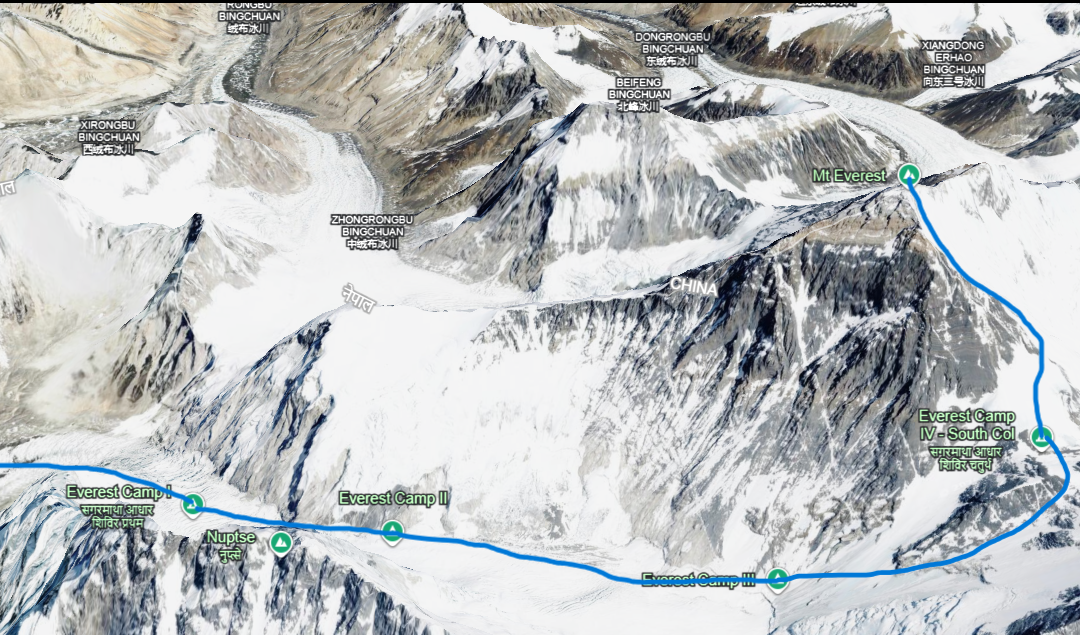
It takes 60–70 days to climb Mount Everest for most climbers because they need time to acclimatize to the extreme altitude, complete acclimatization rotations between camps, and wait for a safe weather window before the final summit push. However, elite mountaineers and climbers who have pre-acclimatized using hypoxic tents or recently climbed other high-altitude Himalayan peaks can complete just 1–2 days. Additionally, Sherpa people, due to their natural abilities and extensive mountaineering experience, often take less time than the average climber.
So the time that it takes to climb Mount Everest and down depends upon several factors like acclimatization level, physical fitness, previous high-altitude experience, weather conditions, route logistics, and the use of supplemental oxygen and helicopter support.
Whether you’re a serious mountaineer doing your research or captivated by the question: how long does it take to climb Mount Everest? This guide covers everything. Here we will answer other common Everest questions like route, fastest ascend, location, and other essential facts every climber should know.
Table of Contents
Quick Answer: How Many Days Does It Take to Climb Everest?
Here’s the summary before we dive deep:
| Phase | Duration |
| Trek from Lukla to Base Camp | 10–14 days |
| Acclimatization rotations | 25–35 days |
| Summit push and descent | 5–10 days |
| Return trek to Lukla | 5–7 days |
| Total expedition | 60–70 days |
Phase 1: Arriving in Kathmandu and Preparing (Days 1–3)
Every Everest Expedition journey starts with a flight to Kathmandu Tribhuvan International Airport(TIA). After that, climbers spend around 1-2 days sorting logistics: obtaining permits, meeting their expedition team, checking their climbing gear and receiving a final briefing.
Climbing Everest solo is not permitted, so you need to hire a licensed Guide with you. Climbers need to process the expedition with the assistance of a registered agency. Your agency handles the permit process, arranges guides, porters, and logistic support.
Also, as per the new Everest climbing rules, it is mandatory to have completed one trekking peak above 7,000m in Nepal, and then only you are eligible for the Everest permit.
Due to the huge demand for the Everest summit from climbers around the world during peak season and the limited permit rule, you must secure the permit with the agency at least 4-6 weeks in advance.
Everest Climbing Permit Fee 2026
| Season | Foreign Climber Fee | Nepali Climber Fee |
| Spring (March–May) | $15,000 USD | NPR 1,50,000 |
| Autumn (Sept–Nov) | $7,500 USD | NPR 75,500 |
| Winter / Monsoon | $3,750 USD | NPR 37,750 |
Note: The total cost for the Mount Everest Expedition costs around USD 60,000 to $100,000 or more, depending upon service, expedition company, duration and package types. Read more: Everest Climbing Cost2026
Then from Kathmandu, climbers fly to Tenzing-Hillary Airport in Lukla – one of the most thrilling and dangerous airports in the world. From Lukla, you will start your trek.
Phase 2: Trekking to Everest Base Camp (Days 4–17)
Lukla is the main entrance to the Khumbu Region. Inside Khumbu region there are officially 10 to 12 major trekking peaks like Island Peak (Imja Tse), Mera Peak, and Lobuche East. It is also home to three 8,000-meter Giants: Mount Everest(8,848.86 m), Lhotse(8,516 m), and Cho Oyu(8,188m). Technical peaks such as Ama Dablam(6,812m), Baruntse(7,129 m), and Pumori(7,161m) also lie in this region.
The journey from Lukla to Everest Base Camp(EBC) at 5,364 meters (17,598 feet) including Kala Patthar hike takes around 10-12 days. On the route you will pass through the most beautiful landscape, Sherpa village, suspension bridges, and diverse mountain terrain.
The Route Through the Khumbu Valley
- Day 1: Fly Kathmandu → Lukla, trek to Phakding (2,610m)
- Days 2–3: Trek to Namche Bazaar (3,440m) — the “gateway to Everest”
- Days 4–5: Acclimatization rest in Namche; day hike to higher elevations
- Days 6–7: Trek to Tengboche (3,867m), home of the famous monastery
- Days 8–9: Continue to Dingboche (4,410m) and Lobuche (4,940m)
- Days 10–12: Trek to Gorak Shep (5,140m) and on to Base Camp (5,364m)
The Everest Base Camp trek route is scenic, and it offers the world’s best trekking experience. Trekking to EBC slowly allows you to adjust to high altitude and reduce the risk of acute mountain sickness (AMS), high-altitude pulmonary edema (HAPE), or high-altitude cerebral edema (HACE).
After reaching the Everest Base Camp, they practise essential skills such as using ladders and ropes to cross the Khumbu Icefall.

Phase 3: Acclimatization and Rotations at Base Camp (Weeks 3–5)
Rotation and acclimatization are an essential part of the successful attempt of the Everest Expedition. Here is the rotation strategy most climbers follow:
First Rotation: Climbers ascend from Everest Base Camp toward Camp 1, passing through the dangerous Khumbu Icefall by crossing a ladder fixed by the “Icefall doctor”. Then, from Camp I, passing through the Western Cwm(often called the “Valley of Silence”), a gradual, U-shaped glacial valley flanked by Everest, Nuptse, and Lhotse, you will reach Camp II. Then, after spending around 1 or 2 nights, you will return to Everest Base Camp for recovery and rest.
Second Rotation: Climbers ascend from Base Camp to Camp II, passing through Camp I, and spend the night. Then push further to Camp III to be exposed to extreme weather and high altitude. Then return to the Base camp again for recovery and rest.
Third Rotation: Some climbers do the third rotation to maximize their acclimatization by staying longer in Camp III. This rotation is usually done if they need additional adaptation after previous rotations, if weather conditions delay the summit plan, or if they are attempting to climb Mount Everest without supplemental oxygen.
Why Acclimatization Takes So Long
The real reason why it takes so much time to climb Mount Everest is due to long acclimatization days. On the mountain Everest summit, the oxygen level is roughly one-third compared to the sea level. Due to low levels of oxygen, the human body cannot function properly, resulting in changes in breathing patterns, increased heart rate, and reduced physical performance. The acclimatization cycle follows the “climb high, sleep low” rule to recover strength and adjust your body to high altitude.
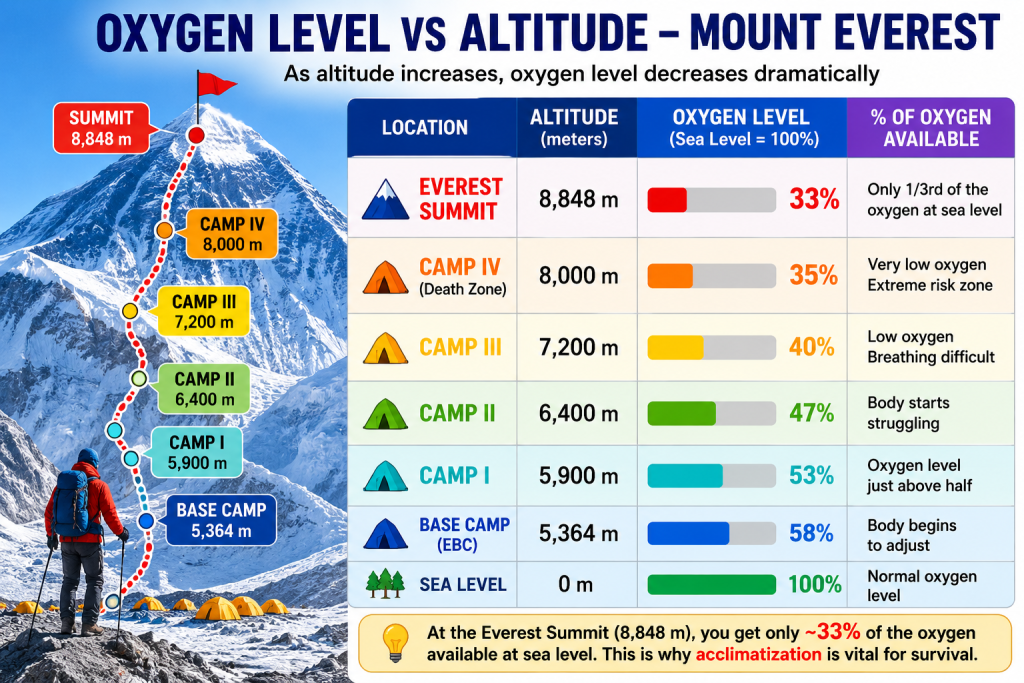
The acclimatization period cannot be rushed or bypassed, and it is often the stage that most climbers underestimate.
About Everest Four High Camps
During the Everest summit, the expedition team setup four high camps on the route:
Camp I (6,065m / 19,900 ft): Camp I is located directly above the famous and dangerous Khumbu Icefall. Crossing the Icefall is the chaotic part as the ice block(serac) keeps moving constantly without warning. The Icefall Doctor examines and then fixes the ladder and rope before the expedition opens for the climbers.
Camp II (6,500m / 21,325 ft): Camp II is located in the upper part of the Western Cwm, at the base of the Lhotse Face. It sits on the relatively flat glacial basin and serves as the main acclimatization and logistics hub for climbers on the South Col route. Climbers spend significant rest time here during acclimatization rotations.
Camp III (7,200m / 23,600 ft): Camp III is established directly on the Lhotse Face. This section is steep, exposed, and significantly more technical, with fixed ropes required for ascent and descent. The supplemental oxygen is mostly used from Camp III when heading toward Camp IV.
Camp IV (7,920m / 26,000 ft): Camp IV is the final camp before the summit, and it sits just at the very threshold of “Death Zone”. Above Camp IV due to low level of oxygen level:
- The human body can survive only for a very short time(hours, not days).
- Survival depends heavily on supplemental oxygen, acclimatization, weather, and physical condition
- Without oxygen, climbers are at extreme risk of hypoxia, cerebral/pulmonary edema, and loss of consciousness
- The body begins to deteriorate regardless of the time spent there.
Phase 4: The Summit Push (5–10 Days)\
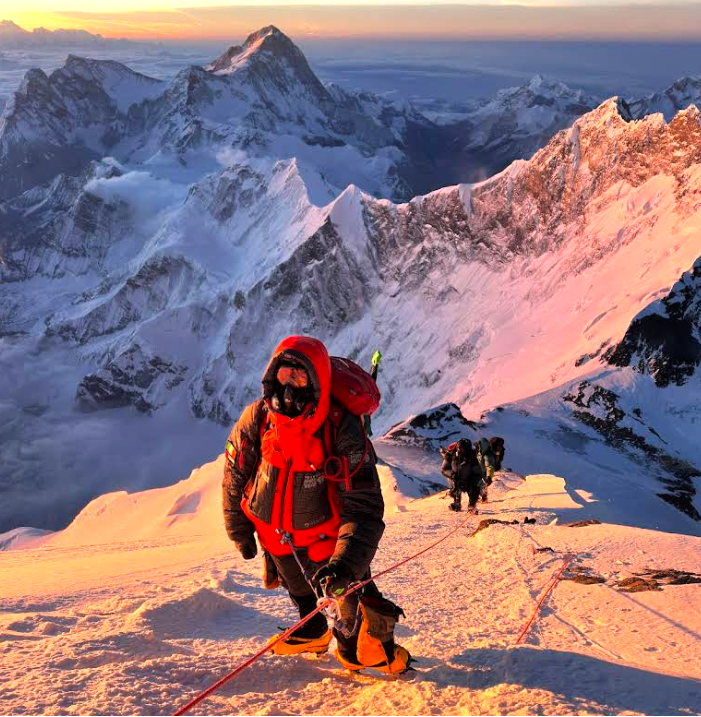
The Everest Expedition season begins from March, and most summits are done in May when wind conditions are relatively calm. Expedition is done in September and October, but less favourable due to higher winds and more residual.
Day-by-Day Summit Timeline
Day 1: Base Camp → Camp 2
Day 2: Camp 2 → Camp 3
Day 3: Camp 3 → Camp 4 (South Col)
Day 4: Night start → Summit → return to Camp 4 (or descend lower)
The summit push usually starts from 10 PM or around midnight, and the journey lasts for 10-18 hours. From Camp IV to the summit ascent takes around 8 to 12 hours. The time spent on top of Everest is around 15- 20 minutes. After the remarkable achievement, you will descend Camp IV, which takes around 3 to 6 hours.
Note: The Everest summit push starts at night to follow the “2 PM rule”. Climbers aim to reach the summit and return before 2 PM because the weather usually worsens in the afternoon.
Day 5–7: Descent from Camp 4 all the way to Base Camp
What Makes the Everest Summit Push So Hard and Dangerous
Several factors make the Everest summit push hard and dangerous:
- Death Zone: When climbers enter the Death Zone, they carry a limited oxygen bottle( 2-3 per climber). If you spend more time here and if your oxygen supply runs out, survival becomes extremely difficult due to severe oxygen deprivation. Without oxygen, most humans lose consciousness and die within hours. Even equipped with oxygen, the risk of frostbite, exhaustion, and altitude illness is severe.
- Extreme Weather: Everest temperatures usually range from -20°C to -30°C (-4°F to -22°F) during the peak climbing season, and wind frequently exceeds 100 km/h (62 mph). Whiteouts, avalanches, sudden snowstorms and exposed ridges make the summit extremely dangerous.
- Treacherous Terrain: Walking through Khumbu Ice, the draining Western Cwm, the steep Lhotse Face, and the perilous Death Zone near the summit, every step requires extreme caution, strength, and endurance.
- Bottlenecks and Traffic Jams: During the peak season, the huge number of climbers heading for the summit gathers on narrow paths like the Hillary Step, causing delays. At high altitudes, limited to staying in the death zone, the delays make the summit push more risky and stressful. Failing to descend before dark or before oxygen runs out has killed many climbers.
- Limited Evacuation: Along with the physical and mental battle, rescue on Everest is difficult due to the extreme altitude, harsh weather, and remote location. Helicopter rescue is done only up to Camp II. If someone dies in the Death zone the body will remain there forever because recovery is too dangerous and expensive.
Phase 5: Return to Lukla and Kathmandu (Days ~65–70)
From Camp, climbers will cautiously descend to base camp and make their way back to Lukla airport. The return journey is roughly around 5-7 days. Climbers can shorten the itinerary by taking a helicopter as well from Gorak Shep to Lukla. Then, taking a Lukla flight, you will arrive at Kathmandu.
After years of training to survive and perform at extreme altitude, climbers often face emotional and physical challenges when transitioning back to normal life after the expedition.

Best Time to Climb Everest
There are two seasons that are favourable for climbers to attempt the summing: the spring season (April–May) and the autumn (September–October). The spring season sees the maximum number of climbers and sets different records every year. Climbers choose spring due to favourable weather, great visibility, and better snow and ice conditions for climbing. Very few choose autumn due to monsoon snow deposits and unpredictable weather.
Suppose we talk about the best month for climbing Everst than it is during May, with the most summit records. In 2026, there was a record of 1,008 climbers successfully reaching the Everest summit.
How Long Does It Take to Climb Everest — Without the Acclimatization?
Advancements in modern science and technology have transformed the Everest Expedition as well. On May 21, 2025, four former British servicemen achieved a historic Mount Everest ascent in under five days by staying in hypoxic tents and inhaling xenon gas.
Even though the controversy surrounding xenon gas remains medically unproven, we should not overlook the importance of tourism in Nepal.
Fastest Ascent to the Everest Summit
| Category | Record Holder | Nationality | Time | Year |
| Fastest Ascent from South Base Camp (with supplemental oxygen) | Lhakpa Gelu Sherpa | Nepal | 10 hours 56 minutes 46 seconds | 2003 |
| Fastest Ascent via Southeast Ridge (with supplemental oxygen) | Pemba Dorje Sherpa | Nepal | 8 hours 10 minutes* | 2004 |
| Fastest Ascent without Supplemental Oxygen (North Side) | Hans Kammerlander | Italy | 16 hours 45 minutes | 1996 |
| Fastest Female Ascent | Phunjo Jhangmu Lama | Nepal | 14 hours 31 minutes | 2024 |
| Fastest Female Ascent (Previous Record) | Ada Tsang Yin-hung | Hong Kong | 25 hours 50 minutes | 2021 |
Note: These speed ascent records were achieved after proper acclimatization.
Lhakpa Gelu Sherpa holds the official Guinness World Record for the fastest ascent from Base Camp to the summit: 10 hours, 56 minutes, and 46 seconds, achieved on May 26, 2003.
IN 2026, Tyler Andrew from USA – long-distance runner broke the record of fastest ascent of Mount Everest with supplemental oxygen from Base Camp to the summit in 9 hours and 55 minutes.
Factors That Can Extend (or Shorten) the Timeline
Weather:
The single biggest variable. Storms, high winds, and jet stream activity can pin climbers at Base Camp for days to weeks beyond their planned window. A season with poor weather can mean no summit for anyone.
Altitude Sickness:
If a climber develops AMS, HAPE, or HACE, they must descend immediately. Some climbers recover and reattempt; others are forced to abandon the expedition entirely.
Experience Level:
Highly experienced mountaineers with strong high-altitude backgrounds may require fewer acclimatization days. First-timers on Everest typically need more time at each camp and should not rush any phase.
Route Choice:
The South Col route (Nepal side) and the North Col route (Tibet side) have slightly different timelines and technical demands. The South Col is more commonly climbed and is considered slightly safer due to rescue access.
Queue Times on Summit Day:
In peak season, hundreds of climbers may be attempting the summit simultaneously. Waiting in line at technical sections like the Hillary Step can add hours to summit day and increase the risk of running out of oxygen.
How Long Does It Take to Climb Everest vs. Other 8,000m Peaks?
| Mountain | Typical Expedition Duration |
| Mount Everest (8,848m) | 60–70 days |
| K2 (8,611m) | 60–80 days |
| Manaslu (8,163m) | 40–50 days |
| Cho Oyu (8,188m) | 35–45 days |
| Aconcagua (6,961m) | 18–22 days |
| Denali (6,190m) | 17–21 days |
Everest’s timeline is among the longest of any high-altitude mountaineering objective in the world, primarily because of the extreme altitude and the acclimatization demands it places on the human body.
Pre-Expedition Training: The Time Before the Time
Before any of the above begins, serious Mount Everest training begins. Candidates usually spend 6 months to 2+ years in structured preparation, which includes:
- Cardiovascular base building: Long hikes, running, cycling to develop aerobic engine
- Mountaineering skills: Rock climbing, ice climbing, crevasse rescue, rope work
- High-altitude experience: Climbers are typically expected to have summited at least one 6,000m or 7,000m peak before attempting Everest
- Load-carrying fitness: Simulating the demands of carrying heavy packs at altitude
- Mental preparation: Visualization, stress management, and building comfort with discomfort
Most guiding companies require climbers to demonstrate prior high-altitude experience before accepting them on an Everest expedition. The mountain is too unforgiving for genuine beginners.
Frequently Asked Questions
Can you climb Everest in a week?
- No. Even the fastest expedition formats take close to four days from sea level with months of hypoxic pre-acclimatization. A standard expedition requires 60–70 days on the ground in Nepal. The summit push alone from Camp 4 takes 10–20 hours.
How long does the summit day take?
- Most climbers leave Camp 4 around 10 pm to 12 am midnight and reach the summit by morning( ascend 8 to 12 hours, descend 3-6 hours).
How many people attempt Everest each year?
- In the 2026 spring season, the Department of Tourism issued a record number of permits for Everest expeditions, totaling 495 climbers from 56 countries. The number of people attempting the summit of Everest is rising significantly every year.
What percentage of climbers make it to the summit?
- In spring 2026, the success rate of Mount Everest was 80 to 85% due to favourable weather conditions and support from the Sherpa guide and the expedition team. On average, the success rate of Everst is between 60% to 70%.
How long does it take to descend Everest?
- From the summit, normally it takes 3- 6hours of walking to Camp 4. However, some elite climbers and Sherpa guides have descended from the summit to Base Camp in a single push. From Camp 4 to Lukla it takes around 4-5 days of trekking.
Who is the fastest man to reach Mount Everest?
- American athlete Tyler Andrews holds the record of the fattest man to reach Mount Everest With Supplemental Oxygen from Base Camp in just 9 hours and 55 minutes (May 2026). Lakpa Gelu Sherpa set the previous record of 10 hours and 56 minutes.
How much does it cost to climb Mount Everest?
- The cost to climb Mount Everest ranges from $30,000 to $100,000+ per person, depending on the expedition operator, level of support, guide experience, logistics, and use of supplemental oxygen. This price includes permits, Sherpa support, accommodation, meals, oxygen cylinders, and expedition logistics.
How much is Everest permit fees?
- In 2026, the cost of the Everest permit fee is USD 15,000 in spring (Mar–May), USD 7,500 in autumn (Sep–Nov), and USD 3,750 in winter/summer (Dec–Feb, Jun–Aug) per climber.
How many people have died climbing Mount Everest?
- Since record-keeping began, at least 346 people have died while attempting to climb Mount Everest.
What is the death zone of Mount Everest?
- In mountaineering, the death zone refers to altitudes above 8,000 meters on peaks like Mount Everest, where oxygen is too low for the human body to survive for long periods.
Final Thoughts
To reach the summit of Mount Everest, one needs years of training, commitment to fulfil physical, mental and financial resources. Above all, respecting the mountain is the main goal that every climber should understand for a safe summit without any incident.
There are many records on Mount Everest, and we have seen the summit of Everest in just 9 hours and 55 minutes. For normal climbers, it takes 60 to 70 days to complete the Everest Expedition. Even if you have climbed many times or are trying for the first time, if you underestimate acclimatization, weather waiting, the summit pushes, then the mountain punishes you.
Reaching the top of Everest is a dream for many, but very few turn that dream into reality. The mountain rewards patience, proper preparation, and respect, making them essential qualities for a safe and successful ascent.
-
Flash Flood Sweeps Away Dozens of Homes in Gorkha, Nepal
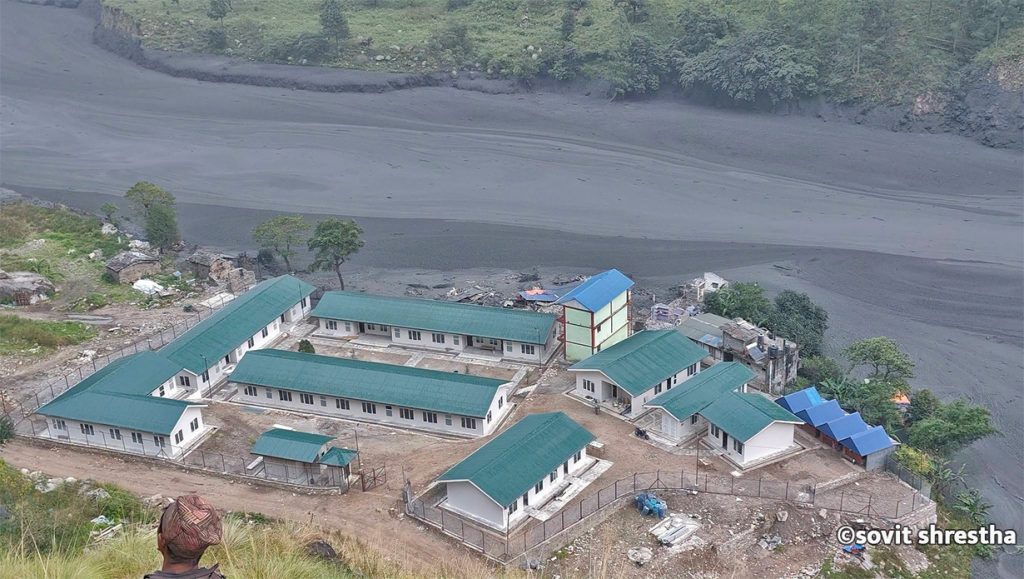
KATHMANDU, Nepal — A sudden and severe flash flood tore through the Budhi Gandaki River basin in Gorkha district on Sunday morning, washing away approximately 35 houses and triggering widespread destruction in the mountainous Manaslu and Tsum Valley regions. According to local authorities and disaster management officials, no human casualties have been reported thus far, though…
-
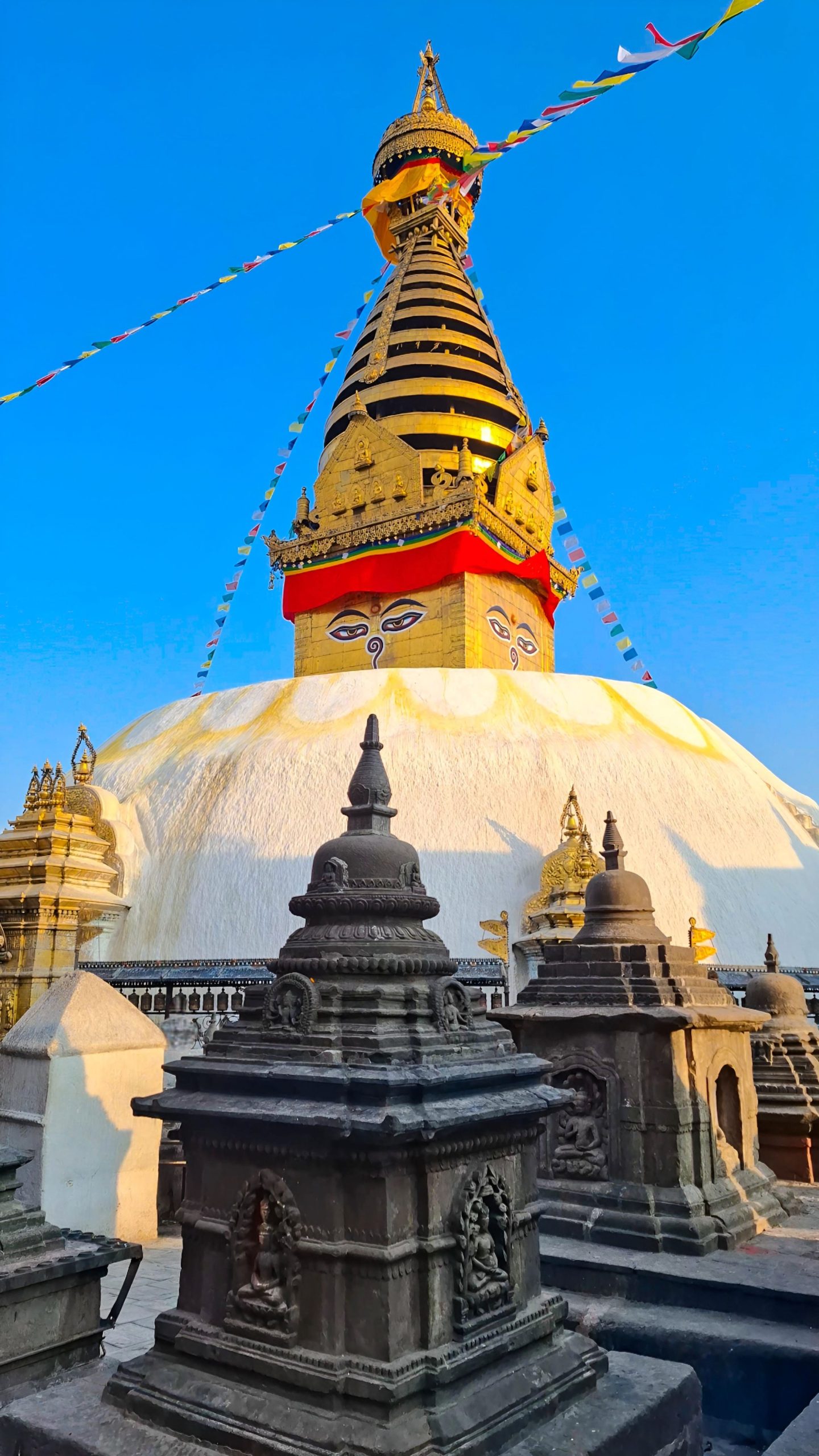
Swayambhunath Temple, Kathmandu
Imagine standing above the chaos of Kathmandu. Honking horns fade below you. A gleaming white dome rises ahead. Two enormous painted eyes gaze calmly in every direction. Prayer flags flutter in the Himalayan breeze. This is Swayambhunath, one of the most extraordinary places in Nepal. Visitors know it as the “Monkey Temple” because hundreds of…
-

North Goa vs South Goa: Which Is Better for Your Holiday?
Amongst the places that are highly popular in terms of beaches, weather, culture, and ambiance in India is Goa, which is known to possess some of the most beautiful beaches in India. The idea of Goa being famous for its beaches, which can be used by tourists for entertainment in North Goa while South Goa…