8 Highest Mountains in World Above 8000m
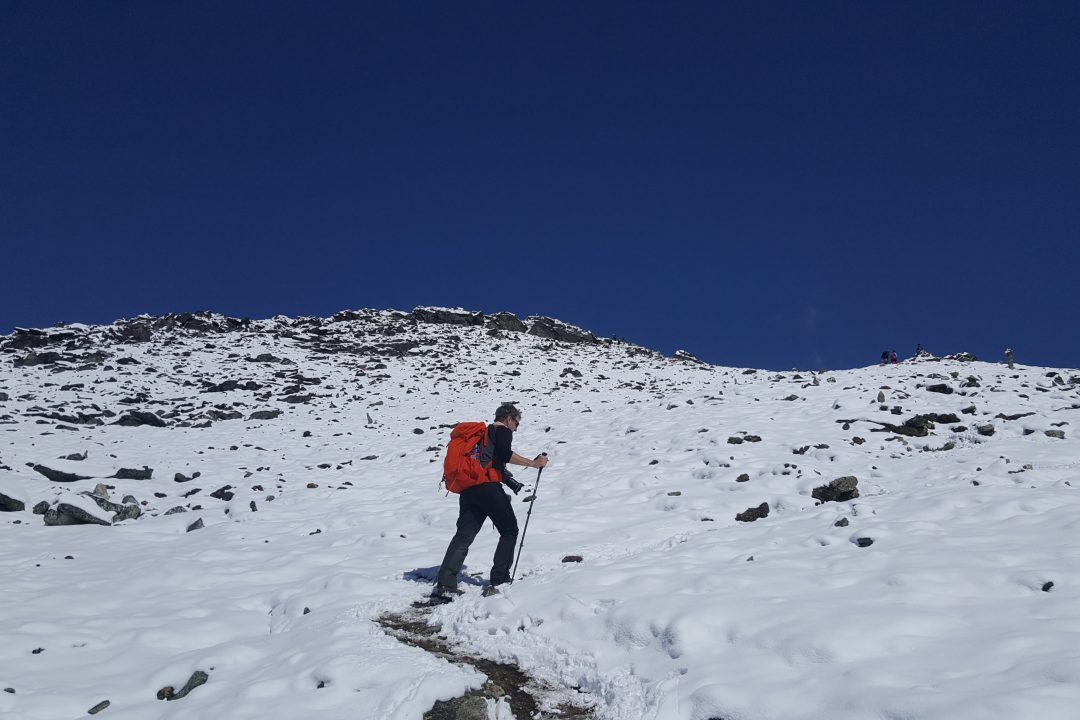
‘World’s tallest peaks located in the Nepal Himalaya’
Nepal is the roof of the world. Of the 14 officially recognised mountains above 8,000 meters on Earth, eight stand within Nepal’s borders — more than any other country. This extraordinary concentration of giants is the result of the collision between the Indian and Eurasian tectonic plates, which built the Himalayan range over 50 million years and continues to push Nepal’s mountains skyward today.
These eight peaks — known as “eight-thousanders” — are more than just geographical records. They are the ultimate test of human endurance, technique, and willpower. Combined, they have drawn thousands of mountaineers, trekkers, and adventurers from every corner of the globe, making Nepal one of the world’s most sought-after adventure destinations.
The eight 8,000-meter peaks wholly or partly within Nepal are:
| Rank (World) | Mountain | Height (m) | Height (ft) | Location |
| 1st | Mount Everest (Sagarmatha) | 8,848.86 m | 29,032 ft | Nepal–Tibet border |
| 3rd | Kanchenjunga | 8,586 m | 28,169 ft | Nepal–India border |
| 4th | Lhotse | 8,516 m | 27,940 ft | Nepal–Tibet border |
| 5th | Makalu | 8,485 m | 27,838 ft | Nepal–Tibet border |
| 6th | Cho Oyu | 8,188 m | 26,864 ft | Nepal–Tibet border |
| 7th | Dhaulagiri I | 8,167 m | 26,795 ft | Wholly in Nepal |
| 8th | Manaslu | 8,163 m | 26,781 ft | Wholly in Nepal |
| 10th | Annapurna I | 8,091 m | 26,545 ft | Wholly in Nepal |
Note: In 2025, Nepal’s Department of Tourism officially updated its peak profile, recognising 14 peaks above 8,000 meters when sub-summits of the Kanchenjunga range are counted separately. The classic list of eight, based on the International Mountaineering and Climbing Federation (UIAA) definition of independent mountains, remains the globally accepted standard.
Nepal’s Himalaya also hosts hundreds of peaks between 6,000 and 7,000 meters, making it a paradise not only for elite mountaineers but also for trekkers and beginner climbers seeking altitude adventure at every level.
Table of Contents
Mount Everest (Sagarmatha) — 8,848.86 m / 29,032 ft
World’s highest mountain | Nepal’s #1 peak | World rank: 1st
Overview
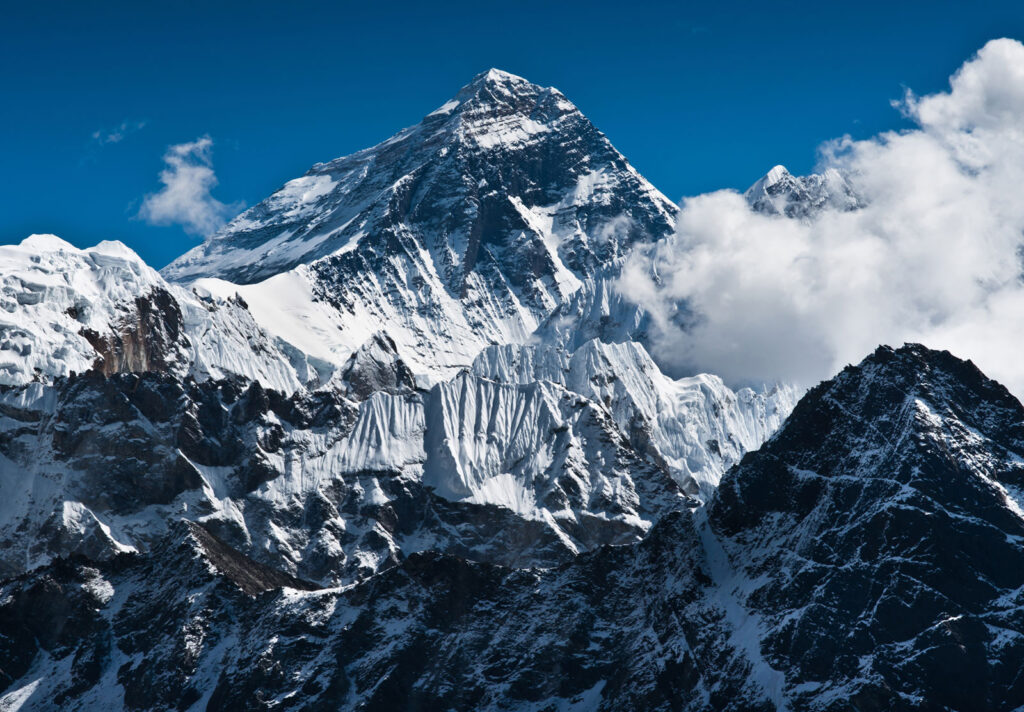
Mount Everest is the highest point on Earth, rising to an official height of 8,848.86 meters (29,032 feet) above sea level. This elevation was jointly declared by the governments of Nepal and China on December 8, 2020, replacing the previous figure of 8,848 m (29,028 ft) measured in 1954 and the 1999 GPS revision of 8,850 m.
Known in Nepal as Sagarmatha (“Goddess of the Sky”) and in Tibet as Chomolungma (“Holy Mother”), the mountain was named after Sir George Everest, the British Surveyor General of India, in 1865. In the early days of surveying it was simply called Peak XV.
Everest sits within the Mahalangur Himal sub-range, straddling the border between Nepal and Tibet (China), at coordinates 27.9881° N, 86.9250° E. Its South Face lies in Nepal’s Solu-Khumbu district inside Sagarmatha National Park, a UNESCO World Heritage Site covering 1,148 sq km.
First ascent: May 29, 1953 — Sir Edmund Hillary (New Zealand) and Tenzing Norgay Sherpa (Nepal), as part of the British Expedition led by Colonel John Hunt.
Key Facts
| Detail | Information |
| Official height | 8,848.86 m / 29,032 ft |
| World rank | 1st |
| Location | Nepal–Tibet (China) border, Solu-Khumbu |
| First ascent | May 29, 1953 (Hillary & Tenzing Norgay) |
| Climbing permit fee (Nepal side) | USD 11,000 per person (spring season) |
| Best climbing season | March–May (spring), Sept–Nov (autumn) |
| Difficulty | Extreme (technical, high avalanche and frostbite risk) |
| Overall success rate | ~29% of all attempts reach the summit |
Trekking & Places to Visit Around Everest
- Everest Base Camp Trek (EBC): The most iconic trek in the world — 14 days round trip from Lukla, reaching South Base Camp at 5,364 m. Views of Everest, Lhotse, Nuptse, and Ama Dablam throughout.
- Kala Patthar (5,644 m): A short climb above Gorak Shep offering the closest non-technical view of Everest’s summit pyramid.
- Gokyo Valley & Gokyo-Ri: A magnificent alternative with turquoise glacial lakes and panoramic views from Gokyo-Ri (5,357 m) across Everest, Cho Oyu, and Makalu.
- Everest Three High Passes Trek: Crossing Kongma La, Cho La, and Renjo La — a challenging 20-day circuit for experienced trekkers.
- Tengboche Monastery Trek: A 7-day return walk to the famous monastery set against a dramatic backdrop of Everest and Ama Dablam.
- Everest Base Camp via Cho La Pass + Gokyo: Combines both valleys in one 18-day route.
Kanchenjunga — 8,586 m / 28,169 ft
World’s 3rd highest mountain | Nepal’s 2nd highest peak | World rank: 3rd
Overview:
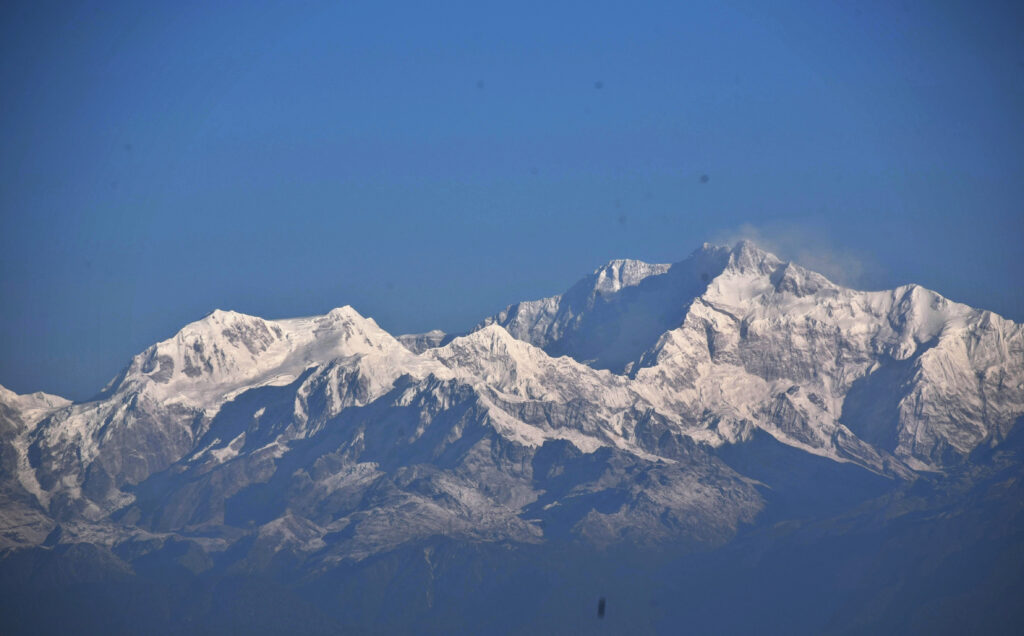
Mount Kanchenjunga is the third-highest mountain on Earth and Nepal’s second-tallest, rising to 8,586 meters (28,169 feet). It stands approximately 125 km (78 miles) east of Everest, on the border between Nepal’s Taplejung district and the Indian state of Sikkim, at coordinates 27.7025° N, 88.1475° E.
The name Kanchenjunga is an anglicisation of the Tibetan “Kangchenjunga” (often spelled Kanchendzonga), meaning “Five Treasures of Snow” — a reference to its five summits, which are said to represent the five repositories of God: gold, silver, precious stones, grain, and holy scriptures.
The mountain’s main summit and three of its five peaks fall within Nepal; the south-eastern face belongs to Sikkim, India.
First ascent: May 25, 1955 — George Band and Norman Hardie, with Charles Evans and Tony Streather reaching the summit one day later, supported by Sherpa climber Dawa Tenzing, as part of a British expedition. By tradition, the summit team stopped just short of the very top in respect for the local belief that the peak is sacred.
Key Fact
| Detail | Information |
| Height | 8,586 m / 28,169 ft |
| World rank | 3rd |
| Location | Nepal (Taplejung)–Sikkim (India) border |
| First ascent | May 25, 1955 (Band, Hardie, British Expedition) |
| Climbing permit fee | USD 8,000 per person |
| Best climbing season | April–May (spring), Oct–Nov (autumn) |
| Difficulty | Very high — remote, long approach, technical ridges |
| Fatality rate | ~22% (one of the higher rates among 8,000m peaks) |
Trekking & Places to Visit Around Kanchenjunga
- Kanchenjunga Circuit Trek (North and South Base Camps): A 22–25 day wilderness trek visiting both the North Base Camp (5,143 m) and South Base Camp (4,950 m). One of the most remote and rewarding routes in Nepal, through dense rhododendron forests, high passes, and glacier moraines.
- Walungchung-Gola and Lumba-Sumba La Pass: A challenging extension beyond the circuit into one of Nepal’s most isolated valleys.
- Taplejung cultural trek: A shorter cultural and scenic walk through local Limbu and Rai villages at the foot of the range.
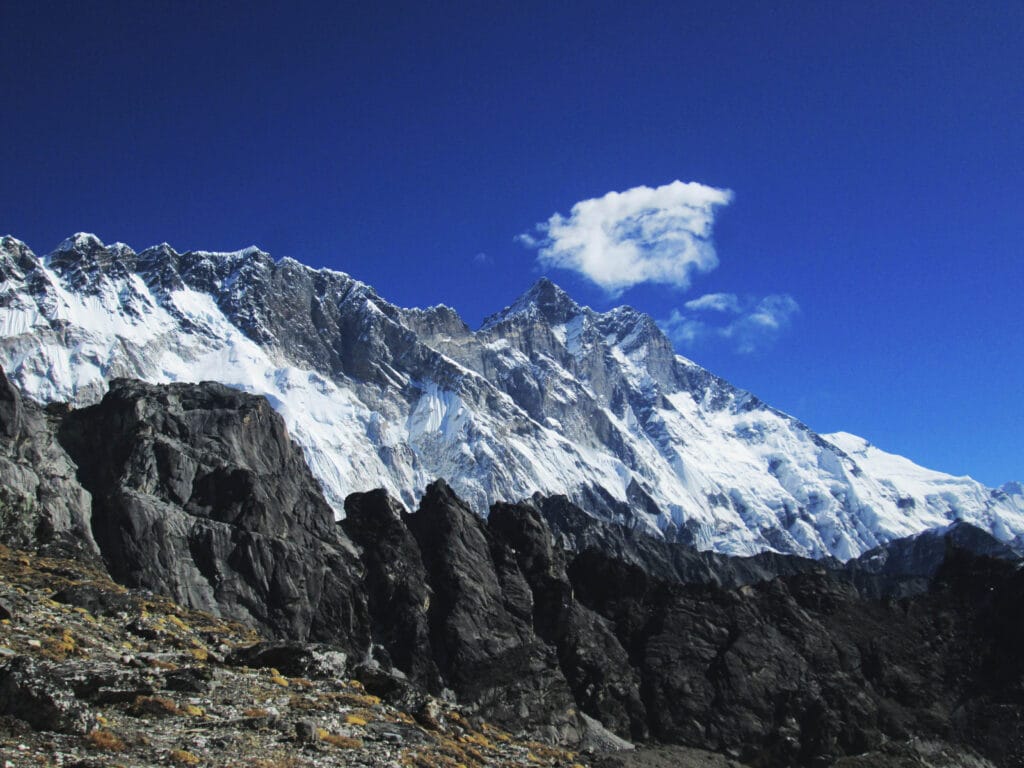
Lhotse — 8,516 m / 27,940 ft
World’s 4th highest mountain | Nepal’s 3rd highest peak | World rank: 4th
Overview:
Lhotse stands at 8,516 meters (27,940 feet), making it the fourth highest mountain in the world. It is the closest major neighbour of Mount Everest, separated from it by just the South Col at around 7,906 m. Its name in Tibetan and Sherpa means simply “South Peak” — a reference to its position directly south of Everest.
Lhotse sits at 27° 57′ 42″ N, 86° 56′ 00″ E within the high Khumbu valley of Nepal’s mid-eastern Himalaya, on the Nepal–Tibet border. The mountain includes several sub-peaks: Lhotse Middle (8,414 m) and Lhotse Shar (8,383 m), both formidable ascents in their own right.
First ascent: May 18, 1956 — Fritz Luchsinger and Ernst Reiss (Switzerland), as part of the Swiss Everest Expedition.
The climbing route for Lhotse shares the same approach as Everest — through the Khumbu Icefall and up the Western Cwm — diverging at Camp III (~7,200 m) to tackle the steep Lhotse Face directly. The South Face route is one of the most technically demanding walls in the Himalayas.
Key Fact
| Detail | Information |
| Height | 8,516 m / 27,940 ft |
| World rank | 4th |
| Location | Nepal–Tibet border, Khumbu |
| First ascent | May 18, 1956 (Luchsinger & Reiss, Swiss Expedition) |
| Climbing permit fee | USD 8,000 per person |
| Best climbing season | April–May (spring) |
| Difficulty | Extreme — the Lhotse Face is notoriously steep ice |
| Success rate | ~56% (better than Everest due to shared infrastructure) |
Trekking & Places to Visit Around Lhotse
- Everest & Lhotse Base Camp Trek: The standard EBC route also gives exceptional close-range views of Lhotse’s South Face from Chhukung Ri.
- Chhukung Valley: A beautiful side valley above Dingboche offering stunning views of Lhotse, Nuptse, and the Island Peak (Imja Tse).
- Island Peak (Imja Tse) Climbing: At 6,189 m, Island Peak is one of Nepal’s most popular trekking peaks and sits directly below Lhotse Shar — a perfect acclimatisation and adventure objective.
- Everest Three High Passes Trek: Covers the Chhukung and Imja areas in its circuit.
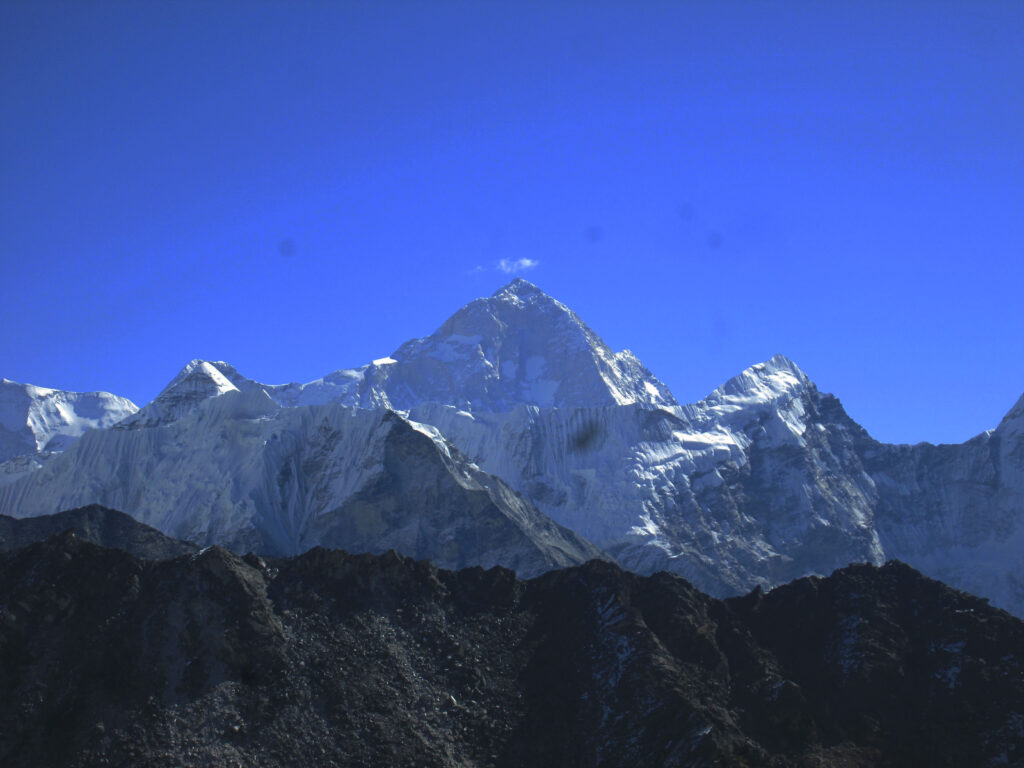
Makalu — 8,485 m / 27,838 ft
World’s 5th highest mountain | Nepal’s 4th highest peak | World rank: 5th
Overview:
Makalu rises to 8,485 meters (27,838 feet), ranking as the fifth highest mountain on Earth. It is one of the most technically challenging 8,000-meter peaks in the world — a stark, four-sided black pyramid of rock and ice that gives it its name: Makalu derives from the Sanskrit Maha Kala (“Great Black One”), a name for the Hindu deity Shiva.
Located within the Mahalangur Himalaya, southeast of Everest and west of Kanchenjunga, Makalu sits at 27° 53′ 13″ N, 87° 05′ 11″ E on the Nepal–Tibet border. It falls within Nepal’s Sankhuwasabha district in the Koshi Zone, protected by the Makalu-Barun National Park and Conservation Area, which covers 2,330 sq km of unique biodiversity from subtropical valleys to arctic summits.
First ascent: May 15, 1955 — Jean Couzy and Lionel Terray, with Guido Magnone, Jean Bouvier, Serge Coupé, Pierre Leroux, and André Vialatte summiting over the following days — all as part of the French Makalu Expedition led by Jean Franco.
Key Fact
| Detail | Information |
| Height | 8,485 m / 27,838 ft |
| World rank | 5th |
| Location | Nepal (Sankhuwasabha)–Tibet border |
| First ascent | May 15, 1955 (Couzy & Terray, French Expedition) |
| Climbing permit fee | USD 7,000 per person |
| Best climbing season | April–May (spring) |
| Difficulty | Extreme — one of the hardest 8,000m peaks technically |
| Success rate | ~38% — among the lowest of all eight-thousanders |
Trekking & Places to Visit Around Makalu
- Makalu Base Camp Trek: A 20–22 day round trip from Tumlingtar (fly from Kathmandu), through the Arun and Barun valleys — from warm subtropical jungle to glacial wilderness at 4,870 m base camp.
- Sherpani Col and West Col Traverse: An advanced high-altitude route crossing into the Everest region over two technical passes above 6,100 m.
- Salpa Pass Trek: Links the Makalu and Everest regions through ancient trade routes, rhododendron forests, and traditional Rai and Sherpa villages.
- Milke Danda Ridge: A scenic ridge walk through Nepal’s finest rhododendron forest, with wide Himalayan panoramas.
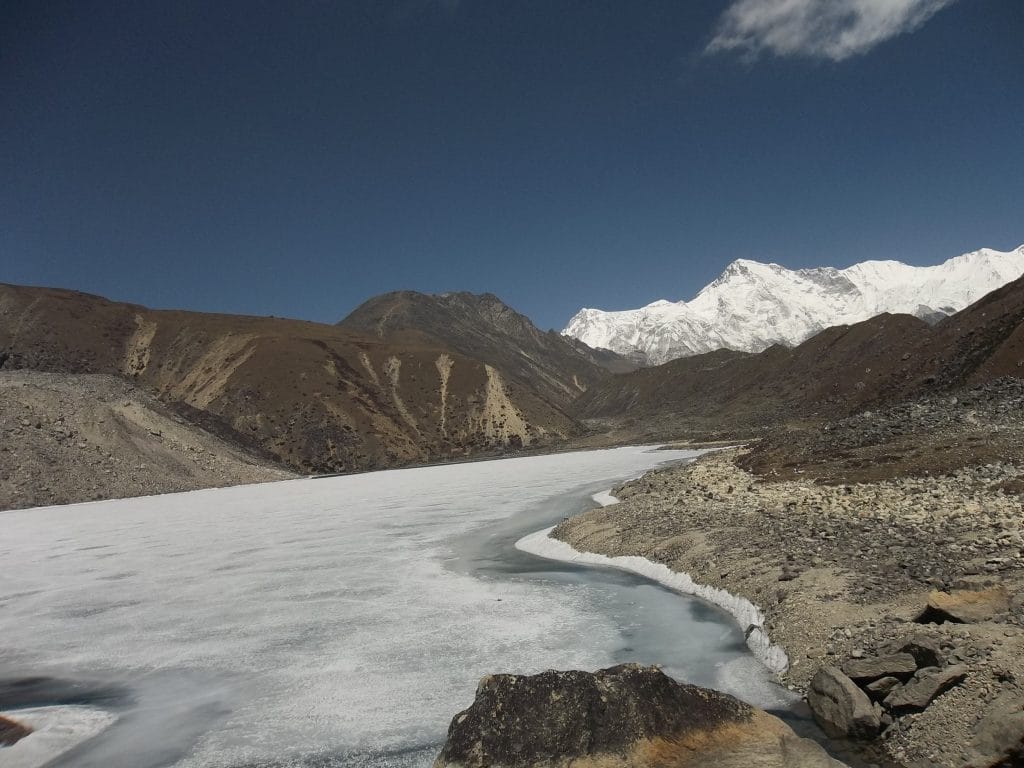
Cho Oyu — 8,188 m / 26,864 ft
World’s 6th highest mountain | Nepal’s 5th highest peak | World rank: 6th
Overview:
Cho Oyu stands at 8,188 meters (26,864 feet), the sixth highest mountain in the world. Its name in Tibetan means “Turquoise Goddess” — an apt description for the shimmering blue-grey massif that marks the westernmost major peak of the Khumbu sub-section of the Mahalangur Himalaya.
The mountain straddles the Nepal–Tibet border approximately 20 km west of Everest, at coordinates 28.0960° N, 86.6615° E, near the ancient Nangpa La trade pass that has connected Tibetan traders with Khumbu communities for centuries.
Because Cho Oyu’s normal route approaches from Tibet’s southeast, it is widely considered the most accessible 8,000-meter peak — which has made it a popular first choice for mountaineers aspiring to climb all 14 eight-thousanders.
First ascent: October 19, 1954 — Herbert Tichy (Austria), Sepp Jöchler (Austria), and Pasang Dawa Lama (Nepal), as part of the Austrian Himalayan Expedition.
Key Fact
| Detail | Information |
| Height | 8,188 m / 26,864 ft |
| World rank | 6th |
| Location | Nepal–Tibet border, west Khumbu |
| First ascent | October 19, 1954 (Tichy, Jöchler & Pasang Dawa Lama) |
| Climbing permit fee | USD 7,000 per person (Nepal side) |
| Best climbing season | September–October (post-monsoon) |
| Difficulty | Moderate by 8,000m standards — most “beginner-friendly” 8,000er |
| Success rate | ~52% — highest among all eight-thousanders |
Trekking & Places to Visit Around Cho Oyu
From Nepal (Khumbu side):
- Gokyo Valley Trek: The primary Nepal-side approach to Cho Oyu. Gokyo-Ri (5,357 m) offers a spectacular panorama including Cho Oyu reflected in the glacial Gokyo lakes.
- Gokyo 5th Lake (Ngozumpa): The trail to the fifth lake brings trekkers closest to Cho Oyu base camp on the Nepal side.
- Everest Base Camp via Cho La Pass + Gokyo: Passes through the Cho Oyu catchment area.
From Tibet:
- Drive from Kathmandu to Cho Oyu Base Camp: The Tibet-side base camp is accessible by road — a rare luxury among 8,000m peaks.
- Shishapangma and Everest North Base Camp Combo: Cho Oyu’s Tibet approach road passes close to both peaks, making multi-base camp itineraries possible.
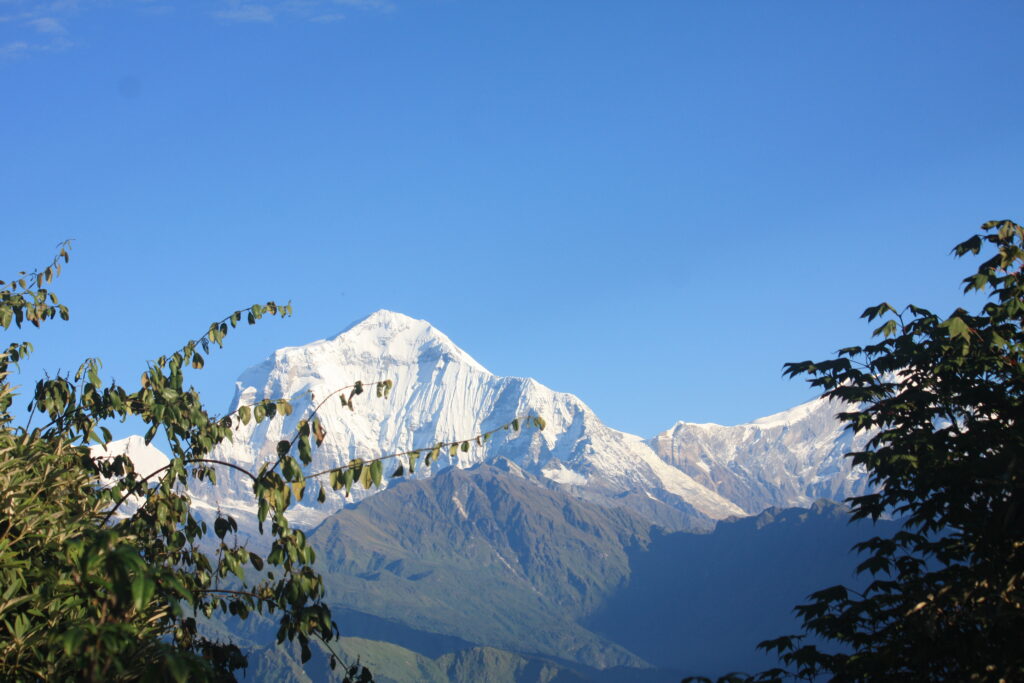
Dhaulagiri I — 8,167 m / 26,795 ft
World’s 7th highest mountain | Nepal’s 6th highest peak | World rank: 7th
Overview:
Dhaulagiri I rises to 8,167 meters (26,795 feet), the seventh highest mountain in the world, and one of the three 8,000-meter peaks located entirely within Nepal — touching no other country’s borders. The name Dhaulagiri comes from Sanskrit: Dhaula (“dazzling white”) and Giri (“mountain”) — the White Mountain.
The Dhaulagiri massif is a formidable range extending some 120 km west from the Kaligandaki River gorge to the Bheri River, encompassing multiple peaks: Dhaulagiri I, II, III, and IV, along with Gurja Himal and Manapathi. Its summit sits at 28° 41′ 28″ N, 83° 29′ 26″ E in Nepal’s Myagdi district.
Across the Kaligandaki gorge to the east, Dhaulagiri and Annapurna face each other across what is widely recognised as the world’s deepest river gorge — a vertical relief of more than 7,000 meters from riverbed to summit.
First ascent: May 13, 1960 — Kurt Diemberger (Austria), Peter Diener (Germany), Ernst Forrer (Switzerland), Albin Schelbert (Switzerland), and Sherpa guides Nawang Dorje and Nima Dorje, as part of the Swiss/Austrian/German expedition.
Key Facts
| Detail | Information |
| Height | 8,167 m / 26,795 ft |
| World rank | 7th |
| Location | Wholly within Nepal (Myagdi district) |
| First ascent | May 13, 1960 (Diemberger et al., Swiss/Austrian Expedition) |
| Climbing permit fee | USD 7,000 per person |
| Best climbing season | April–May (spring) |
| Difficulty | Very high — severe cold, complex glaciated terrain |
| Fatality rate | ~17% |
Trekking & Places to Visit Around Dhaulagiri
- Dhaulagiri Views from Poon Hill: On clear mornings, Dhaulagiri’s white mass is dramatically visible from Poon Hill (3,210 m) on the popular Ghorepani trek.
- Dhaulagiri Circuit Trek: A 20–23 day high-altitude circuit crossing Dhampus Pass (5,182 m) and French Pass (5,360 m) to reach Dhaulagiri base camp at 4,750 m. One of Nepal’s most demanding treks.
- Kaligandaki Gorge Trek: The classic route between Pokhara and the high desert of Mustang follows the river gorge between Dhaulagiri and Annapurna — a UNESCO-candidate landscape.
7. Manaslu – 8,163 meters / 26,781 feet
World’s 8th highest mountain | Nepal’s 7th highest peak | World rank: 8th
Overview:
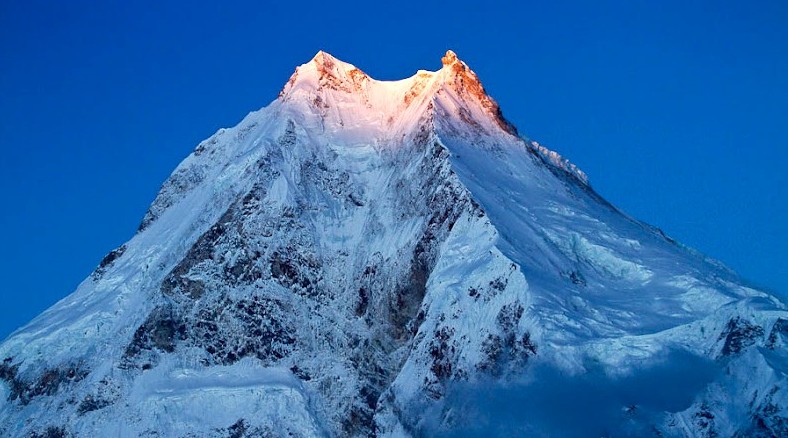
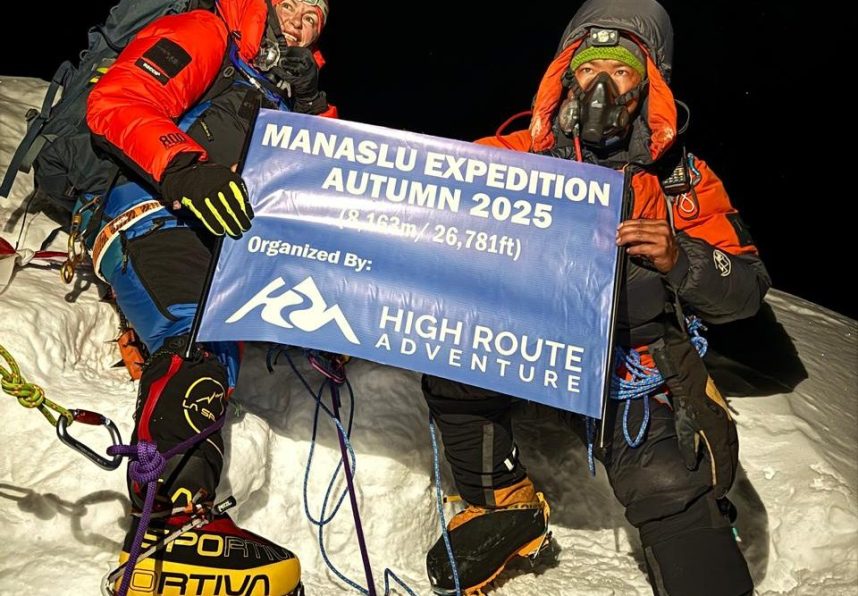
Manaslu stands at 8,163 meters (26,781 feet) — the eighth highest mountain on Earth and the second of Nepal’s three 8,000-meter peaks located entirely within the country’s borders. Its name comes from the Sanskrit Manasa (“soul” or “spirit”), giving the mountain the meaning of “Mountain of the Spirit” — a fitting name for a peak that dominates the skyline of the Gorkha district.
Manaslu sits at 28.5497° N, 84.5597° E within the Mansiri Himal range of North Mid-West Nepal, extending across Gorkha, Lamjung, and Manang districts. The surrounding Manaslu Conservation Area covers 1,663 sq km. Its close proximity to the Tibetan frontier means the upper mountain is a restricted zone requiring a special permit.
In the Tibetan-origin language of the local Nubri people, Manaslu is called Kutung — meaning “paradise.” It is clearly visible from Pokhara and along much of the Manaslu Circuit trek.
First ascent: May 9, 1956 — Toshio Imanishi and Sherpa Gyalzen Norbu, as part of the Japanese Alpine Club Expedition.
Key Facts
| Detail | Information |
| Height | 8,163 m / 26,781 ft |
| World rank | 8th |
| Location | Wholly within Nepal (Gorkha district) |
| First ascent | May 9, 1956 (Imanishi & Gyalzen Norbu, Japanese Expedition) |
| Climbing permit fee | USD 7,000 per person |
| Best climbing season | March–May (spring), Sept–Oct (autumn) |
| Difficulty | High — avalanche-prone, long summit day above 7,000 m |
| Success rate | ~50% |
Trekking & Places to Visit Around Manaslu
- Manaslu Circuit Trek: A stunning 14–18 day circuit around the Manaslu massif, crossing the high Larke La pass (5,160 m). Passes through ancient Tibetan-influenced villages, pine and rhododendron forests, and dramatic glacier viewpoints. Increasingly popular as an alternative to Annapurna Circuit.
- Tsum Valley Trek: A culturally extraordinary 3-week extension into a sacred hidden valley east of Manaslu, home to Tibetan Buddhist communities largely unchanged for centuries.
- Manaslu Base Camp Extension: From the circuit trail, a side trip to Manaslu base camp (4,800 m) offers a close-up of the mountain’s ice seracs and hanging glaciers.
Annapurna I — 8,091 m / 26,545 ft
World’s 10th highest mountain | Nepal’s 8th highest 8,000m peak | World rank: 10th
Overview:
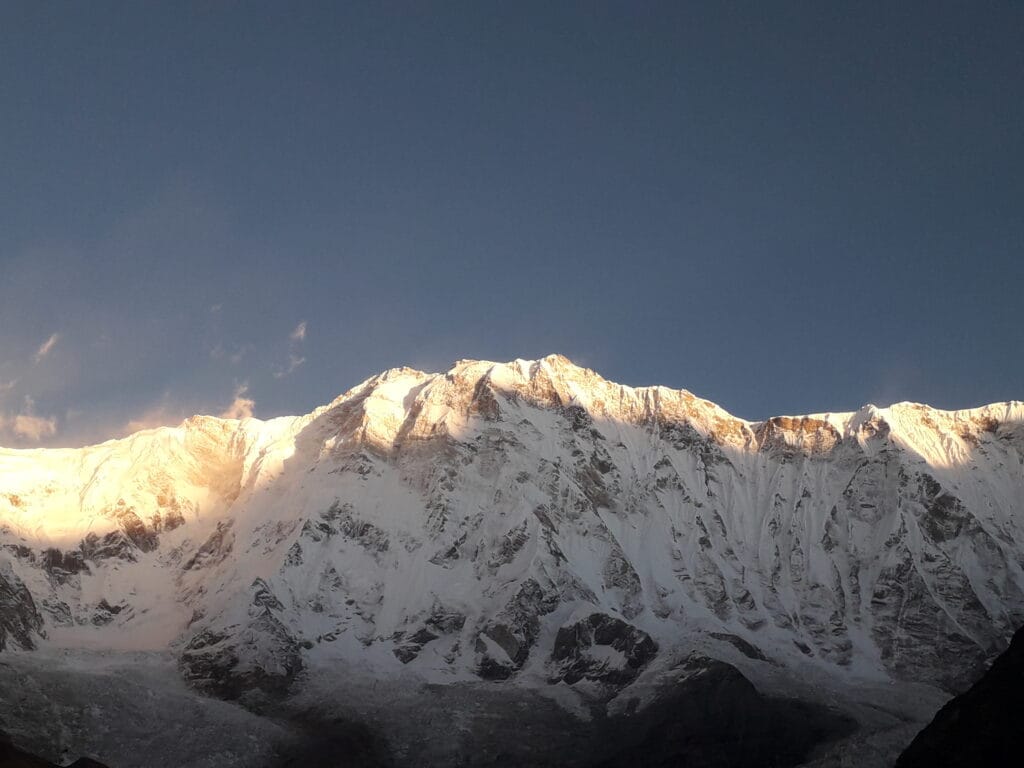
Annapurna I rises to 8,091 meters (26,545 feet), the tenth highest mountain in the world and the highest point of the vast Annapurna massif that dominates the skyline above Pokhara, Nepal’s lakeside city.
The name Annapurna comes from Sanskrit: Anna (“food/grain”) and Purna (“full/complete”) — together meaning “Goddess of the Harvests” or “Full of Food.” The glaciers of Annapurna feed the rivers that irrigate the agricultural heartland of central Nepal, giving literal weight to its divine name.
Annapurna holds a unique place in mountaineering history: on June 3, 1950, it became the first 8,000-meter mountain ever climbed — three years before Everest. The French expedition led by Maurice Herzog, with Louis Lachenal reaching the summit, marked the dawn of the modern era of high-altitude mountaineering. Annapurna I sits at 28° 35′ 46″ N, 83° 49′ 13″ E within the Gandaki district of Nepal.
The Annapurna massif includes multiple named peaks: Annapurna I, II (7,937 m), III (7,555 m), IV (7,525 m), Annapurna South (7,219 m), Hiunchuli (6,441 m), and the famous Machhapuchhre (Fishtail) — the sacred unclimbed peak at 6,993 m.
First ascent: June 3, 1950 — Maurice Herzog and Louis Lachenal (France), French Himalayan Expedition.
Danger note: Annapurna I holds the highest fatality rate of any 8,000-meter mountain — historically around 32%. Its steep, avalanche-swept faces and rapidly changing weather make it one of the most technically and psychologically demanding climbs on Earth. It is sometimes called the “Killer Mountain of Nepal” (a title also applied to K2 and Nanga Parbat). Only experienced mountaineers with prior 8,000m ascents should attempt it.
Key Facts
| Detail | Information |
| Height | 8,091 m / 26,545 ft |
| World rank | 10th |
| Location | Wholly within Nepal (Gandaki district) |
| First ascent | June 3, 1950 (Herzog & Lachenal, French Expedition) |
| Climbing permit fee | USD 7,000 per person |
| Best climbing season | April–May (spring) |
| Difficulty | Extreme — highest fatality rate of all 8,000m peaks |
| Fatality rate | ~32% historically (has improved in recent years with fixed ropes) |
Trekking & Places to Visit Around Annapurna
- Annapurna Circuit Trek: A classic 14–21 day circuit around the entire massif, crossing the high Thorong La pass (5,416 m) between the Marsyangdi and Kaligandaki valleys. One of the world’s great long-distance treks.
- Annapurna Base Camp (ABC) Trek: A 10–14 day trek into the dramatic Annapurna Sanctuary — a natural amphitheatre ringed by giant peaks, with base camp at 4,130 m directly beneath Annapurna I’s South Face.
- Ghorepani Poon Hill Trek: A 5–7 day introductory trek with magnificent sunrise views of Annapurna South, Hiunchuli, and Dhaulagiri from Poon Hill (3,210 m).
- Mardi Himal Trek: A quieter, newer route approaching the ridge between Machhapuchhre and Mardi Himal, with spectacular close-range views of the Annapurna massif.
- Khopra Ridge and Khair Lake Trek: A less-visited alternative with exceptional high-altitude ridge views and a sacred glacial lake at 4,600 m.
Frequently Asked Questions (FAQ)
How many mountains above 8,000 meters are in Nepal?
- By the classic UIAA definition of independent mountains, eight of the world’s 14 eight-thousanders are located wholly or partly in Nepal. In 2025, Nepal’s Department of Tourism updated its official peak profile to recognise 14 peaks above 8,000 meters when sub-summits are counted separately, though this awaits international mountaineering federation approval.
Which is the easiest 8,000-meter peak to climb in Nepal?
- Cho Oyu (8,188 m) is widely considered the most accessible 8,000-meter peak, with a relatively straightforward normal route approached from the Tibetan side. It has the highest success rate (~52%) of any eight-thousander and is often recommended as a first 8,000-meter objective.
Which 8,000-meter peak in Nepal has the highest death rate?
- Annapurna I has historically had the highest fatality rate of any 8,000-meter mountain — approximately 32% of summit attempts have ended in the climber’s death, though improvements in fixed rope systems and weather forecasting have improved safety in recent years.
Can beginners climb 8,000-meter peaks in Nepal?
- No. All 8,000-meter peaks require advanced mountaineering skills, extensive experience on technical ice and rock at altitude, and prior high-altitude acclimatisation on peaks above 6,000–7,000 m. Even Cho Oyu, the most accessible, demands crampons, ice axe, rope skills, and experience with altitude sickness management. Beginners can instead trek to base camps, or attempt trekking peaks such as Island Peak (6,189 m), Mera Peak (6,476 m), or Lobuche Peak (6,119 m).
What is the best time to trek near the 8,000-meter peaks in Nepal?
- The best seasons are March–May (spring) and September–November (autumn). Spring offers stable weather and clear skies with rhododendrons in bloom; autumn has the clearest visibility after the monsoon. Winter (Dec–Feb) is very cold and some trails are blocked by snow. The monsoon (June–August) makes most high routes extremely difficult.
Which 8,000-meter peak in Nepal was climbed first?
- Annapurna I was the first 8,000-meter peak ever climbed — summited on June 3, 1950 by French mountaineers Maurice Herzog and Louis Lachenal, three years before the first ascent of Everest.
Do I need a permit to trek near 8,000-meter peaks?
- Yes. All trekking in Nepal requires a TIMS card (Trekkers’ Information Management System) and entry permits for national parks or conservation areas. Some regions — including upper Manaslu, Kanchenjunga, and upper Mustang — also require a Restricted Area Permit. Climbing permits are separate and significantly more expensive, issued by the Nepal Mountaineering Association (NMA) or the Department of Tourism.
Which 8,000-meter peaks are entirely in Nepal (not on a border)?
- Three peaks lie entirely within Nepal’s borders: Dhaulagiri I, Manaslu, and Annapurna I. The others — Everest, Lhotse, Makalu, and Cho Oyu — sit on the Nepal–Tibet (China) border, while Kanchenjunga straddles Nepal and the Indian state of Sikkim.
Conclusion
Nepal’s eight 8,000-meter peaks are among the most remarkable natural features on Earth — and together they make Nepal the undisputed capital of high-altitude adventure. Whether you aspire to stand on a summit or simply to walk in the shadow of giants, each of these mountains offers an experience unlike anything else on the planet.
From the iconic trails to Everest Base Camp to the remote wilderness of the Kanchenjunga Circuit and the cultural immersion of the Manaslu Circuit, High Route Adventure is your expert guide to the entire Himalayan experience. Our team of experienced local guides has trekked and climbed these mountains for decades — we bring firsthand knowledge that no guidebook can match.
Ready to plan your Himalayan adventure? Contact us to build your itinerary around any of these extraordinary peaks.
-
Flash Flood Sweeps Away Dozens of Homes in Gorkha, Nepal
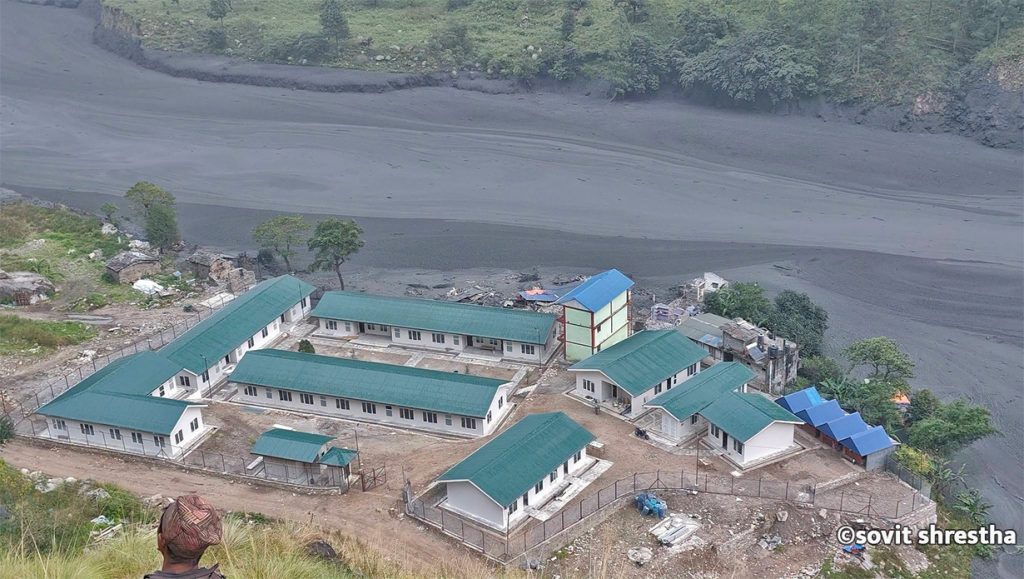
KATHMANDU, Nepal — A sudden and severe flash flood tore through the Budhi Gandaki River basin in Gorkha district on Sunday morning, washing away approximately 35 houses and triggering widespread destruction in the mountainous Manaslu and Tsum Valley regions. According to local authorities and disaster management officials, no human casualties have been reported thus far, though…
-
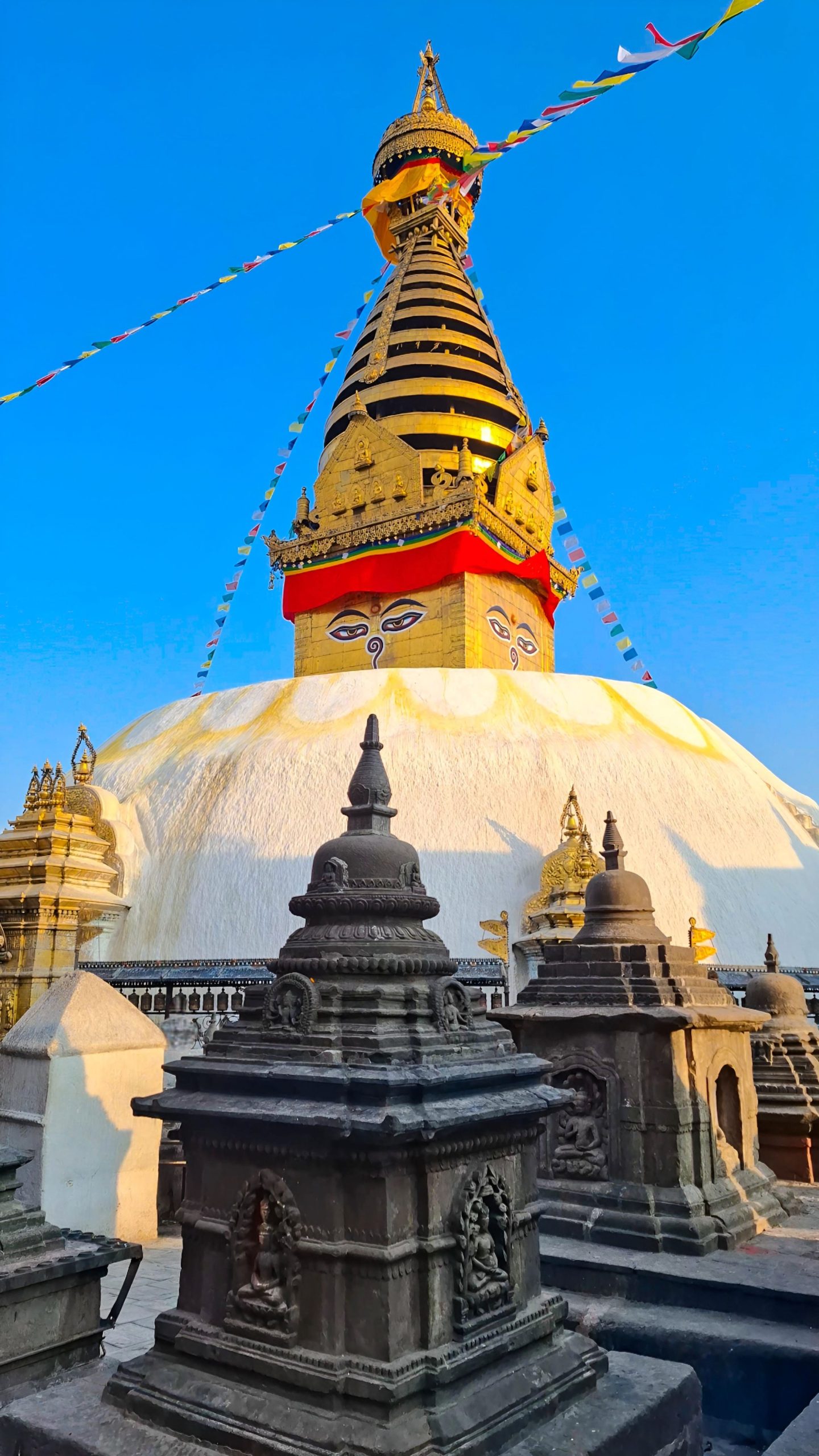
Swayambhunath Temple, Kathmandu
Imagine standing above the chaos of Kathmandu. Honking horns fade below you. A gleaming white dome rises ahead. Two enormous painted eyes gaze calmly in every direction. Prayer flags flutter in the Himalayan breeze. This is Swayambhunath, one of the most extraordinary places in Nepal. Visitors know it as the “Monkey Temple” because hundreds of…
-
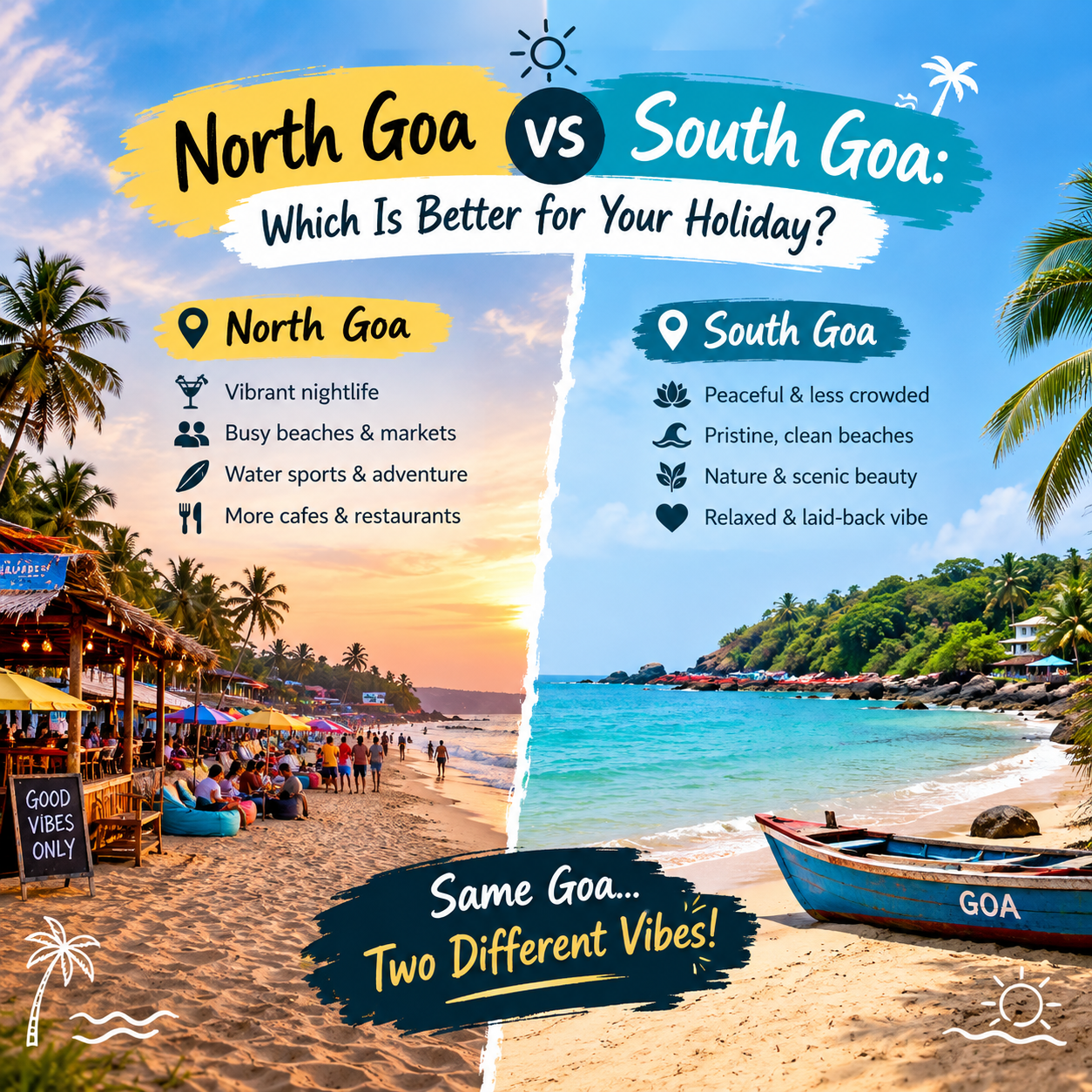
North Goa vs South Goa: Which Is Better for Your Holiday?
Amongst the places that are highly popular in terms of beaches, weather, culture, and ambiance in India is Goa, which is known to possess some of the most beautiful beaches in India. The idea of Goa being famous for its beaches, which can be used by tourists for entertainment in North Goa while South Goa…