Shey Phoksundo Permit: Cost, Requirements & Updated Fees
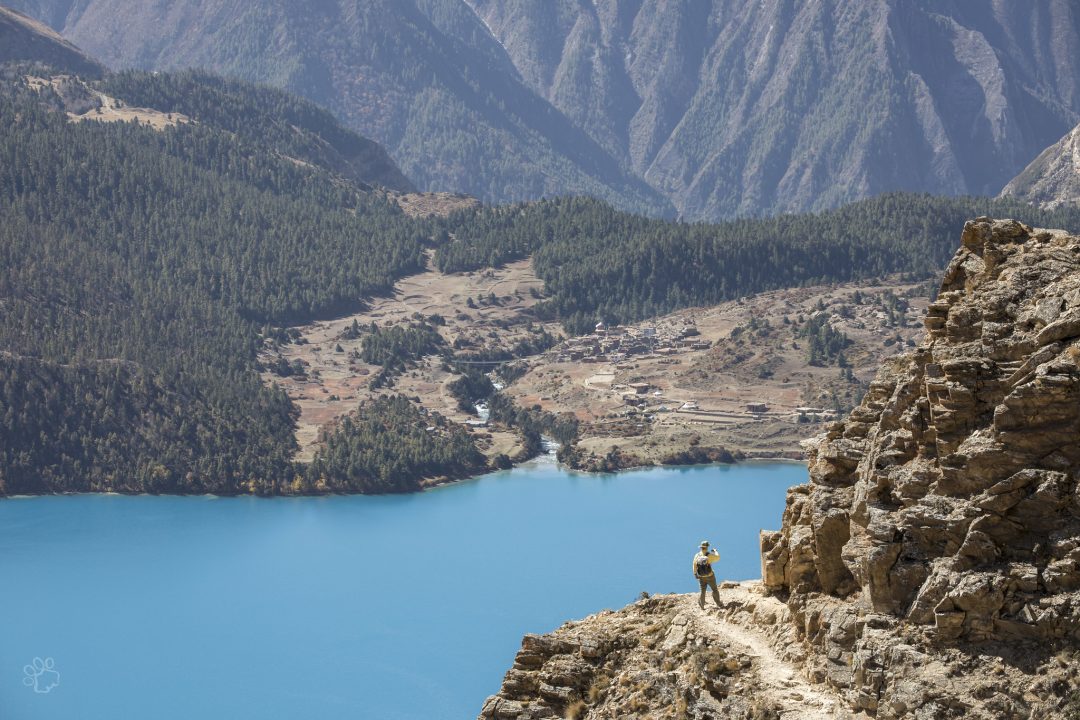
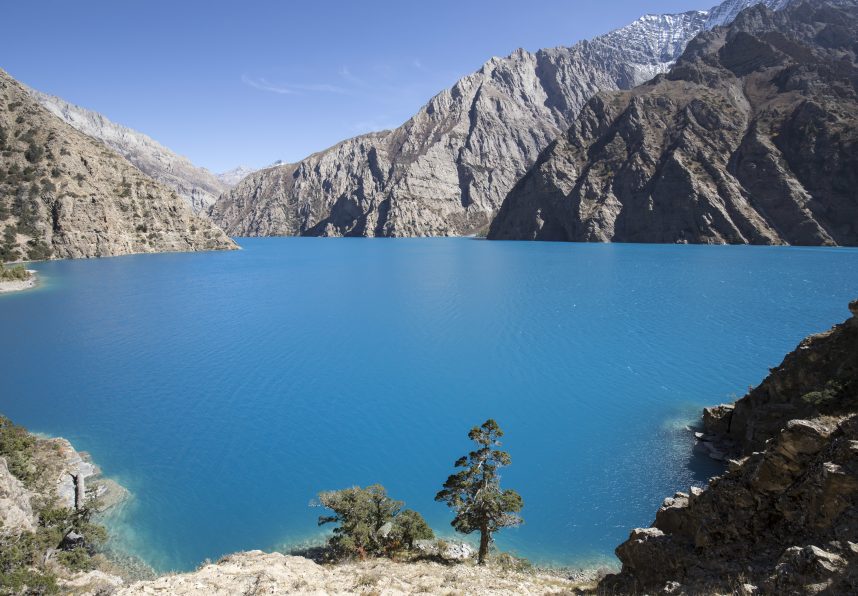
There are hundreds of lakes in Nepal, but when it comes to beauty, Shey Phoksundo Lake is probably considered the most beautiful lake in the country. Surrounded by the snow-dusted Kanjirowa Himal and Dhaulagiri massifs, ancient cliffs, and pine forests, this 30,000 and 40,000 years old Shey Phoksundo lake is a hidden gem of the Dolpo district.
Situated in Dolpo Region in northwestern Nepal, one of the most protected areas of Nepal, Shey Phoksundo sits inside a Shey Phoksundo National Park. It is one of the most remote, spiritually rich landscapes on Earth.
Reaching here is different from reaching Rara Lake or the high altitude Gokyo Lake of Nepal. To enter these tightly regulated restricted areas, all visitors must have permits with them. Shey Phoksundo permits are mandatory, and officials check them at various checkpoints throughout the trekking route.
Today, in this guide, you will find out the required permit for the Shey Phoksundo, how to get it, what it costs, how to apply, and the rules you must follow before you ever set foot on the trail.
Table of Contents
Understanding the Permit Structure: National Park vs. Restricted Area
Before you plan for the journey, you need to understand that the Shey Phoksundo trekking requires two distinct types of permits:
1. Shey Phoksundo National Park Entry Permit
All visitors who enter the Shey Phoksundo National Park must obtain the Shey Phoksundo National Park entry permit. No matter if you are entering just the lower Dolpo region for a shorter Lower Dolpo loop to the lake or pushing into the Upper Dolpo wilderness, this permit is a must. Established in 1984, Shey Phoksundo is Nepal’s largest national park, covering an extraordinary 3,555 sq km of Trans-Himalayan terrain. Its elevations range from 2,130m to 6,883m at the summit of Kanjiroba Himal, sheltering snow leopards, grey wolves, musk deer, blue sheep, and Himalayan black bears — wildlife rarely seen in Nepal’s busier trekking corridors.
2. Restricted Area Permit (RAP)
Dolpo shares its northern border with the Tibet Autonomous Region of China. Due to its sensitive border location, the Nepalese government has implemented a strict Dolpo permit. The Dolpo region is split into two distinct trekking zones:
Lower Dolpo (which includes the famous Phoksundo Lake and surrounding valleys): Requires a Lower Dolpo Restricted Area Entry Permit in addition to the National Park permit.
Upper Dolpo (extending beyond the lake toward Shey Gompa, Saldang, and the remote Tibetan borderlands): Requires RAP permit to enter and exit through Dolpo Region.
Note: Before taking a Dolo restricted permit, make sure to understand which route you are taking and what your itinerary covers. Know whether you are visiting Lower Dolpo or Upper Dolpo.
Shey Phoksundo Permit Costs: 2025 Updated Breakdown
All fees are subject to change by the Government of Nepal and should be verified with the Department of National Parks and Wildlife Conservation or a registered trekking agency before you travel. Payment is typically made in Nepali Rupees (NPR) or USD through your agency.
All permit fees are non-refundable and must be arranged in advance, typically through a registered trekking agency.
- Shey Phoksundo National Park Entry Permit
| Nationality | Cost |
| Foreign Nationals (Non-SAARC) | NPR 3,000 (~USD 25–30) per person |
| SAARC Nationals | NPR 1,500 (~USD 12.50) per person |
| Nepali Nationals | NPR 100 per person |
Note: The National Park fee includes 13% VAT. This permit covers the duration of your trek within the park.
- Dolpo Restricted Permit
Upper Dolpo is considerably more expensive because of its extreme remoteness, fragile ecosystem, and the government’s deliberate policy of limiting visitor numbers — Upper Dolpo receives only around 500–700 visitors annually, compared to 30,000+ on Everest Base Camp Trek routes.
Lower Dolpo Restricted Area Permit
| Rate | Cost |
| Per person per week | USD 20 |
| Per additional day (beyond 7 days) | USD 5 per day |
Upper Dolpo Restricted Area Permit
| Rate | Cost |
| Per person | USD 50 per day |
Note: After new rules from Nepal Government from 2026, for the restricted trekking region the Restricted permit cost USD 50 per day. Previously, trekkers were required to pay a minimum permit fee covering 10 days, regardless of the actual duration of their trek. Also, now trekkers can do a solo trek, but they must still hire a licensed guide with them.
Documents Required to Obtain Permits
Gather these documents before you start the process:
- Original Passport — Must be valid for at least 6 months beyond your intended departure from Nepal.
- Copies of Your Passport and Nepal Visa — Scanned or photocopied; you’ll need multiple sets.
- Passport-Sized Photographs — Bring at least 4–6 photos. Agencies may request more for restricted area applications.
- Travel Insurance Certificate — Proof of coverage that includes high-altitude trekking and emergency helicopter evacuation. This is often mandatory for restricted area permit applications.
- Planned Trekking Itinerary — A clear day-by-day schedule covering your route, entry and exit points, and number of trekking days.
- Licensed Guide Details — For restricted area permits, the name and government license number of your guide are a mandatory part of the application.
How to Apply: Step-by-Step Guide
Option A: Through a Registered Trekking Agency (Strongly Recommended)
For all the restricted permits, including lower Dolpo and Upper Dolo, you must apply through the registered tour or trek agency of Nepal. Individuals cannot obtain this permit on their own. So, find a reputable agency that handles:
- All permit paperwork
- Arrange a government-licensed guide (mandatory for restricted areas)
- Meets minimum group size requirements
- Advise you on up-to-date fee changes and seasonal regulations
Note: A reputable agency is registered with the Nepal Tourism Board (NTB) and the Trekking Agencies’ Association of Nepal (TAAN).
Option B: National Park Permit Only (Independent Trekkers)
If your itinerary is limited to areas that only require the National Park permit (without the Restricted Area Permit), you can obtain it independently at:
Nepal Tourism Board (NTB) — Kathmandu Bhrikutimandap, Kathmandu Operating hours: Sunday–Thursday, 10:00 AM – 5:00 PM
Department of National Parks and Wildlife Conservation (DNPWC) Babarmahal, Kathmandu
At the Park Gate — The National Park entry permit is also available at designated entry points such as Dunai in the Dolpa district. However, getting it in Kathmandu in advance saves time and reduces stress on the trail.
How Far in Advance Should You Apply?
To make your journey hassle-free, apply for the permits at least 2-3 days in advance of your trek begins.
Important Rules and Regulations Every Trekker Must Know
TIMS Card
If you already have a restricted permit in Nepal, you don’t need to obtain an additional Trekkers’ Information Management System (TIMS) Card.
Mandatory Licensed Guide
All the travellers must hire a licensed guide with them to enter the restricted areas of Nepal. So, for Shey Phosundo lake hiring a government-licensed guide is legally required. Your agency must provide documentation of the guide’s license as part of the permit application process.
- Guide hiring cost: USD 30-35 per day.
Minimum Group Size
Before 2026, there was a rule of a minimum group of 2 trekkers. Solo trekking is permitted under current regulations, but hiring a licensed guide is still mandatory.
Permit Validity
All the permits that you obtain for the Shey Phosundo Lake are one-time entry permits, and they are non-refundable. Do not change your trekking route without updating your permit, as officials check permits at various checkpoints along the trail.
Checkpoints Along the Trail
Your permits will be checked at multiple points along the Dolpo route. Key checkpoints include:
Juphal — The entry point airport for most Dolpo trekkers, where permits are commonly first verified.
Suligad — A major checkpoint on the approach to the national park.
Dunai — The district headquarters of Dolpa, another important control point.
National Park Gate — At the official boundary of Shey Phoksundo National Park.
Carry your original permits and your original passport at every checkpoint. Photocopies are not accepted as substitutes for the originals.
Pro Tips for Hassle-Free Permit Management
➨Use a waterproof document holder. The Dolpo trail is a remote location, and you need to cross the rivers, pass through rain, snow and harsh weather conditions. To protect your document, put it in a waterproof pouch and keep it with you at all times.
➨Carry multiple photocopies. Besides the original documents, keep a few extra copies as a backup in case the originals get lost, wet, or damaged during the trek.
➨Always carry your original passport. Sometimes at the checkpoint, they might ask you to show your passport. Keep your original passport in an easily accessible place to avoid delays during permit inspections.
➨Photograph all your documents. Store digital copies in cloud storage (Google Drive, iCloud) so you can access them even if everything physical is lost.
➨Check fees before you go. The government can revise permit costs in Nepal at any time. Always confirm current rates with the Nepal Tourism Board or your agency in the weeks before your departure.
➨Book flights early. Due to a smaller number of travellers, the flight from Nepalgunj to Juphal is on a limited schedule, and weather cancellations are frequent. Confirm flight and have at least 1-2 buffer days in your travel itinerary.
Frequently Asked Questions
Can I get the Shey Phoksundo National Park permit at the park entrance?
- Yes, the national park entry permit can be obtained at designated entry points, including Dunai. However, getting it in Kathmandu in advance is strongly recommended to avoid delays.
Can I trek to Phoksundo Lake without the Restricted Area Permit?
- No Restricted Area permit is required to visit Phoksundo Lake. However, the Phoksundo Lake permit varies depending on your route and itinerary. Restricted permits for the lower Dolpo region cost slightly less than those for the Upper Dolpo Region.
What happens if I trek without the correct permits?
- If you trek without the correct permits, officials will not allow you to enter the area. If you are caught trekking inside national parks or restricted regions without proper permits, you may face legal consequences and be required to pay heavy fines.
Is the Restricted Area Permit available online?
- Yes, a Restricted Area Permit can be processed online with the help of trekking agencies only.
What is the best time to trek to Shey Phoksundo?
- The most popular time to visit the Shey Phoksundo Lake is late spring (April–May) and autumn (September–November). During this time, the rainfall is low, clear sky, moderate temperature for trekking and the best view of Shey Phoksundo lake and surrounding mountain peaks.
Conclusion: The Paperwork Is Worth Every Step
The Restricted Area permit in Nepal is slightly more complex than a regular national park or other local permit. But with the right documents and the help of an authorized agency, you can obtain the permit. Situated at an altitude of 3,611.5 meters, the beauty of Phoksundo Lake is unmatchable. It is a must-visit destination if you love remote trekking, high altitude wilderness beauty, and an alpine freshwater lake.
Get all your permits and trek through a registered agency and follow the rules and practise sustainable tourism during your visit on this most extraordinary places left on Earth.
If you have any questions about permits or your planned itinerary, contact us by phone/Whatsapp(+977-9851058664).
-
Flash Flood Sweeps Away Dozens of Homes in Gorkha, Nepal
KATHMANDU, Nepal — A sudden and severe flash flood tore through the Budhi Gandaki River basin in Gorkha district on Sunday morning, washing away approximately 35 houses and triggering widespread destruction in the mountainous Manaslu and Tsum Valley regions. According to local authorities and disaster management officials, no human casualties have been reported thus far, though…
-
Swayambhunath Temple, Kathmandu
Imagine standing above the chaos of Kathmandu. Honking horns fade below you. A gleaming white dome rises ahead. Two enormous painted eyes gaze calmly in every direction. Prayer flags flutter in the Himalayan breeze. This is Swayambhunath, one of the most extraordinary places in Nepal. Visitors know it as the “Monkey Temple” because hundreds of…
-
North Goa vs South Goa: Which Is Better for Your Holiday?
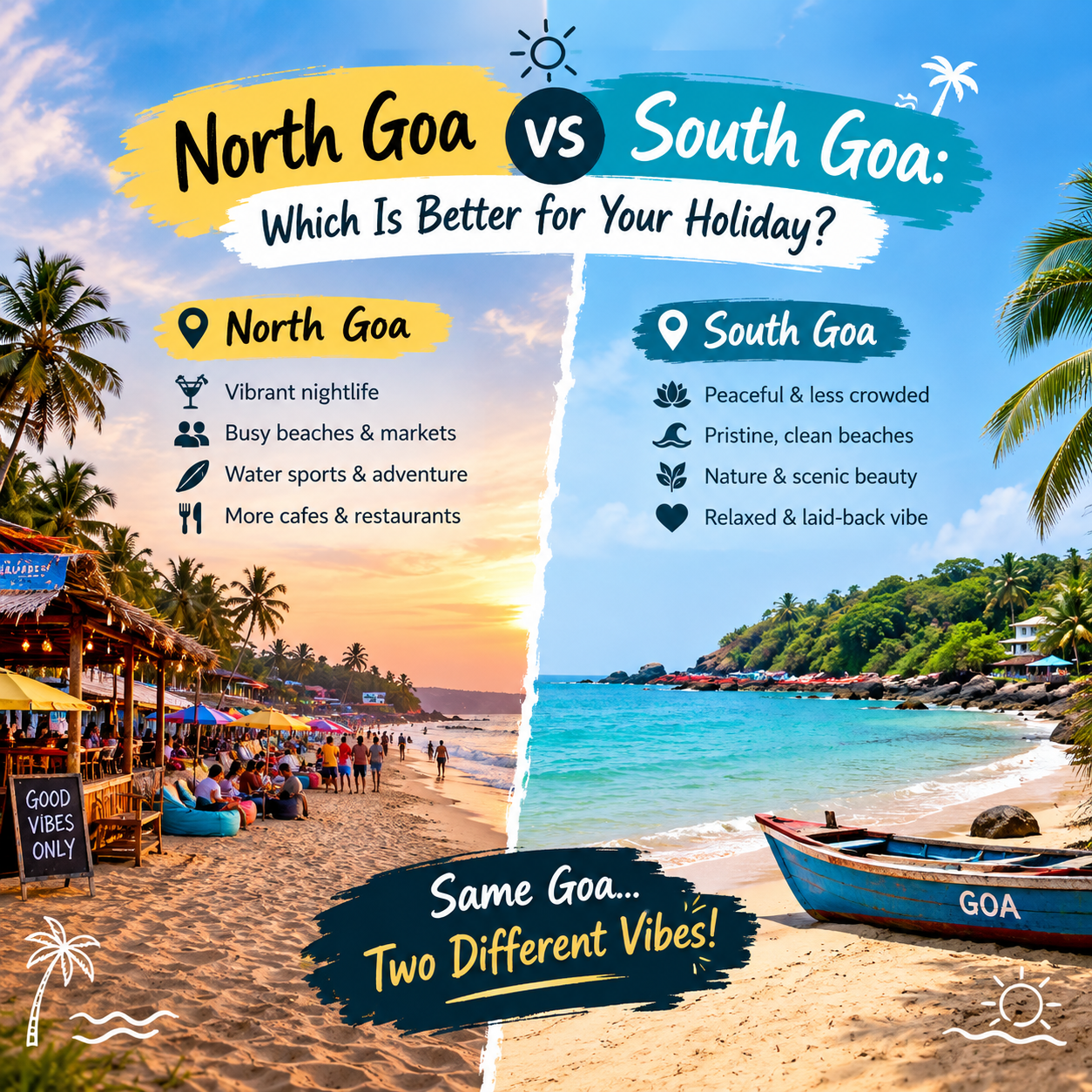
Amongst the places that are highly popular in terms of beaches, weather, culture, and ambiance in India is Goa, which is known to possess some of the most beautiful beaches in India. The idea of Goa being famous for its beaches, which can be used by tourists for entertainment in North Goa while South Goa…