-
Where is Ghorepani Poonhill Trek located?
It is located near Pokhara inside the Annapurna region of Myagdi District, Gandaki Province.
-
How many distances will we cover during the 3-day Ghorepani Poonhill Trek?
You will cover around 22 to 30 kilometers during the Days Ghorepani Poon Hill Trek from Pokhara.
-
Is it sufficient to complete the Ghorepani Poonhill Trek in 3 Days?
Yes, it is completely sufficient to complete the Gorepani Poonhill trek from Pokhara in 3 Days if you have limited time for trekking in Nepal.
-
Can you do the Poon Hill Trek without a guide?
Yes, it is possible to do the Ghorepani poon hill trek without a guide, also if you have trekking experience. For the first time, trekkers and beginner trekkers who want to have a hassle-free experience, we recommend that you hire a guide to accompany you.
-
Do I need a sleeping bag for the 3 Day Ghorepani Poon Hill trek?
No, the tea house will provide you with a warm blanket and bed, so we don’t recommend you carry a sleeping bag.
-
Do I need to obtain the permit?
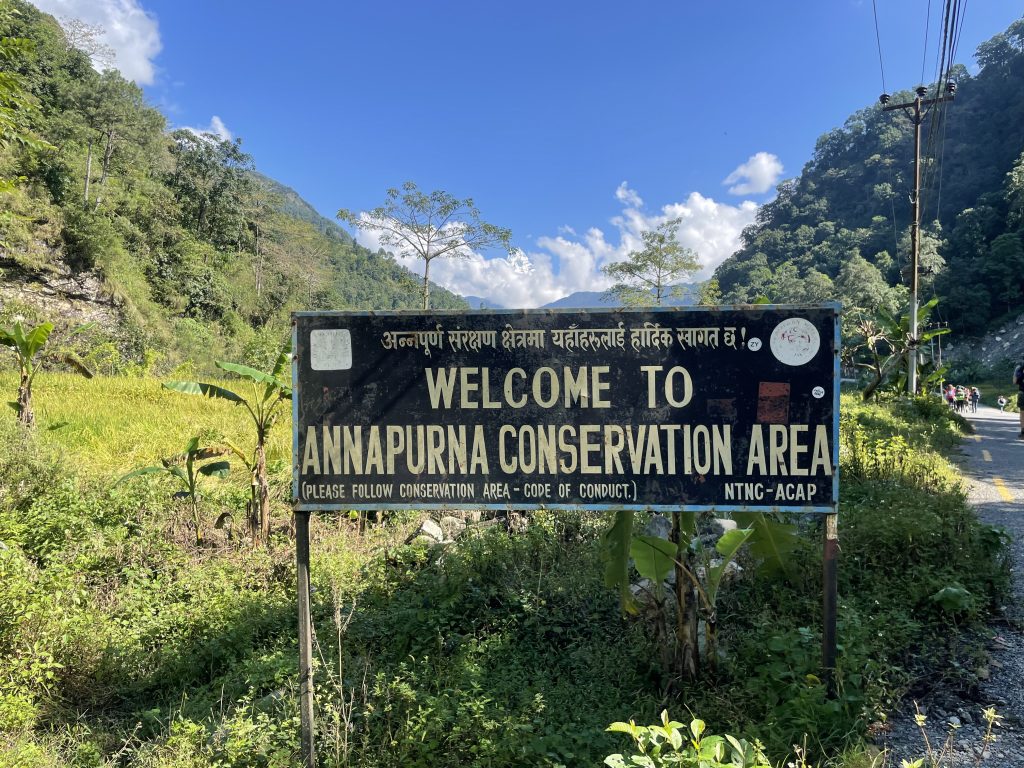
Yes, you need to obtain the ACAP Permit, which costs NPR 3,000 for foreign citizens.
-
Can I see Everest from Poon Hill?
Mount Everest is located farther east in the Khumbu region, so it is not possible to see Everest on this Ghorepani Poonhill trek.
-
Can we reach the Poonhill viewpoint from the drive?
No, you need to hike for around half an hour to 1 hour to reach the viewpoint due to the lack of an accessible road.
-
What is the difficulty level?
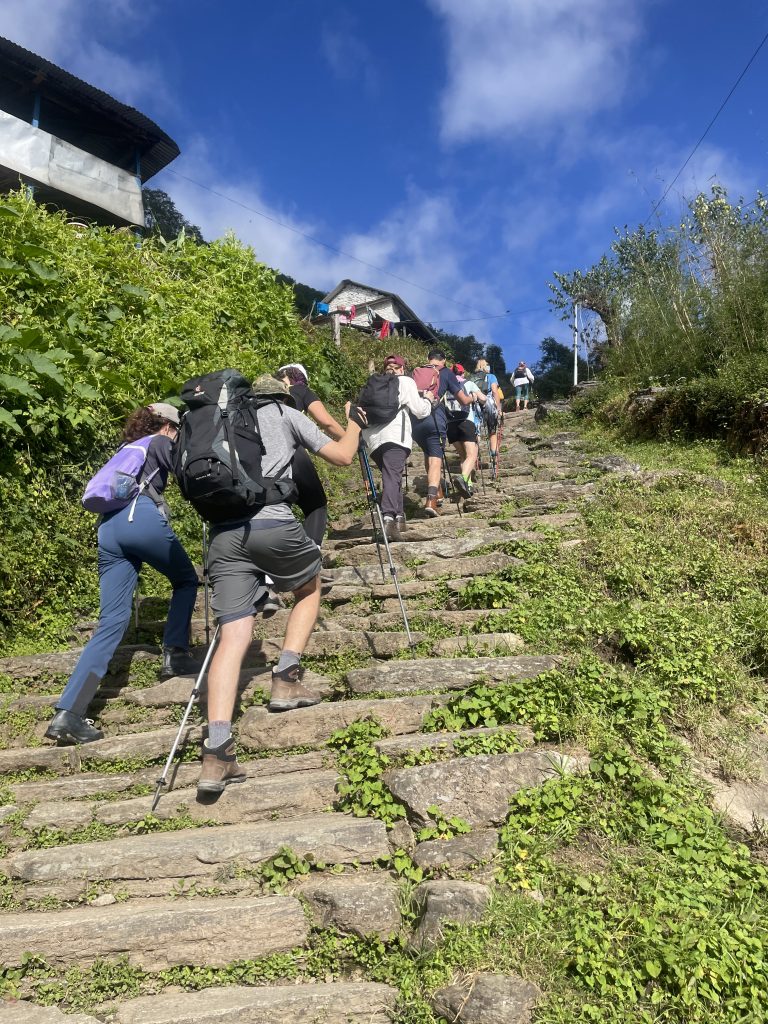
The most challenging part of this 3-Day Ghorepani Poonhill trek is the walk up the steep 33,000-step staircase. With moderate fitness, this trek can be easily manageable.
-
When is the best time to do the trek?
Autumn (late September‑early November), spring (late March‑early June) and winter(December–February), it is best to do the Ghorepani Poonhill trek, but during monsoon the trails can be slippery and wet.
-
What is the typical daily temperature range?
Early mornings at Poon Hill: 0‑10 °C (32‑50 °F). Daytime in the villages: 15‑22 °C (59‑72 °F) during peak season.
-
How much does the 3 Day Ghorepani Poonhill trek cost?
On average, it will cost you $150 - $400 per person, depending on the group size and the level of service you want during the trek.
-
What type of accommodation is available?
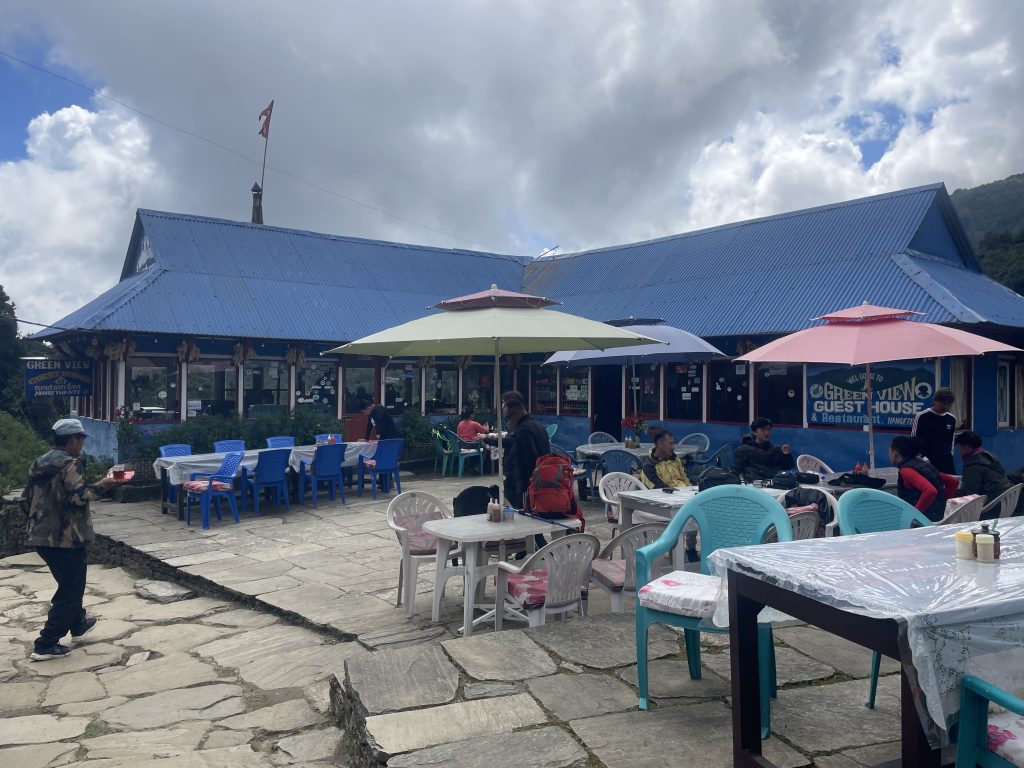
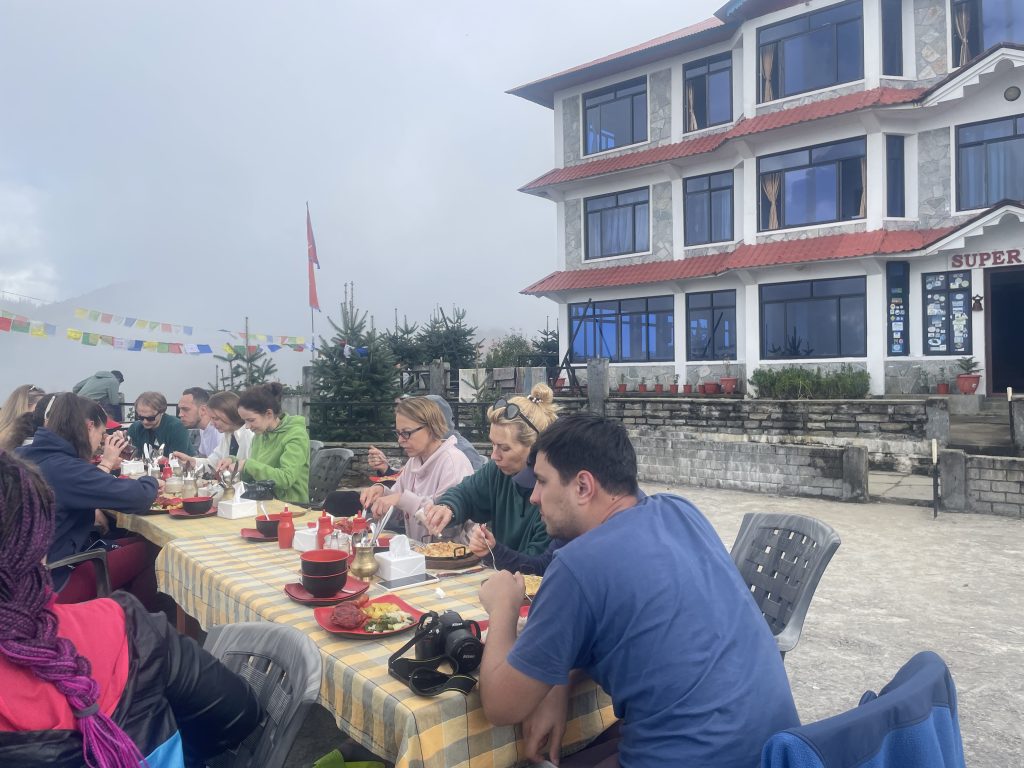
From basic tea houses to luxury hotels are available on the trekking trails. You can choose the accommodation according to your budget plan.
-
How do I get from Pokhara to the trailhead?
Depending upon your group size, you can either take a taxi or hire a private Jeep to reach the trailhead of the Ghorepani Poonhill Trek.
-
Can I do the Ghorepani Poonhill trek solo?
Yes, it is possible to do the Ghorepani Poonhill trek solo as well if you have trekking experience and good physical fitness.
-
Is the Ghorepani Poon Hill trekking trail well‑marked?
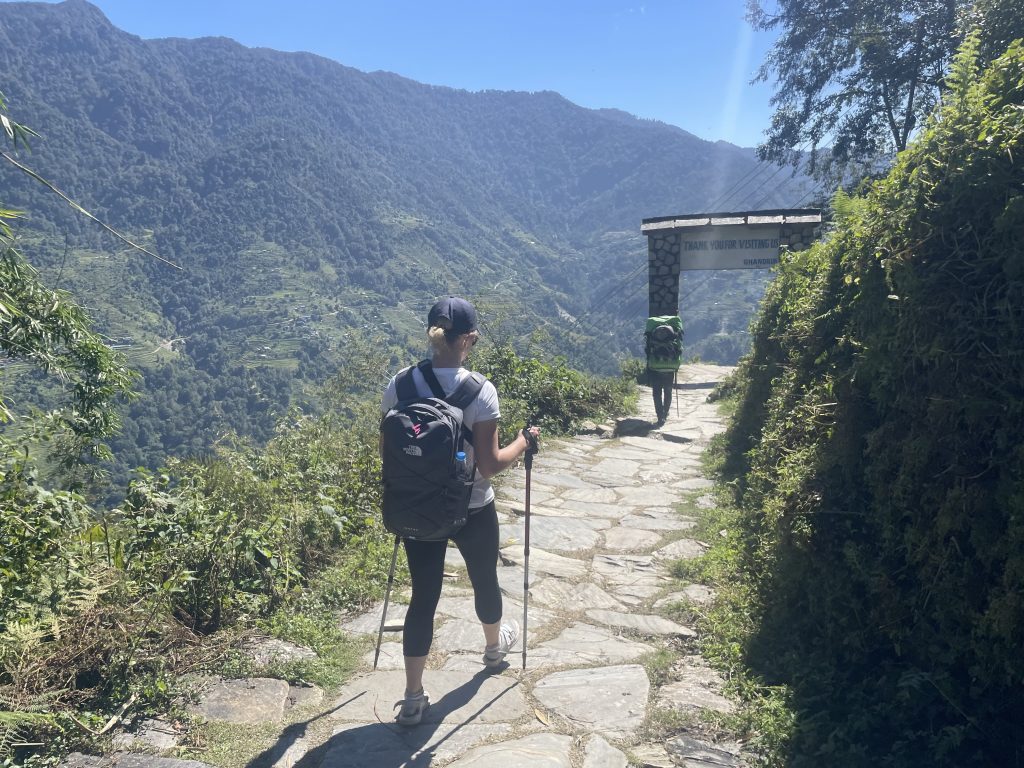
Yes, it is well marked with cairns and signboards in English and Nepali.
-
Can I bring my own snacks?
Yes, if you want to bring your own snacks, it is possible.
-
Is there wifi or mobile coverage on the trail?
Wifi is not available on the trekking trail, but you can find good mobile network coverage.
-
Can I take photographs at sunrise from Poon Hill?
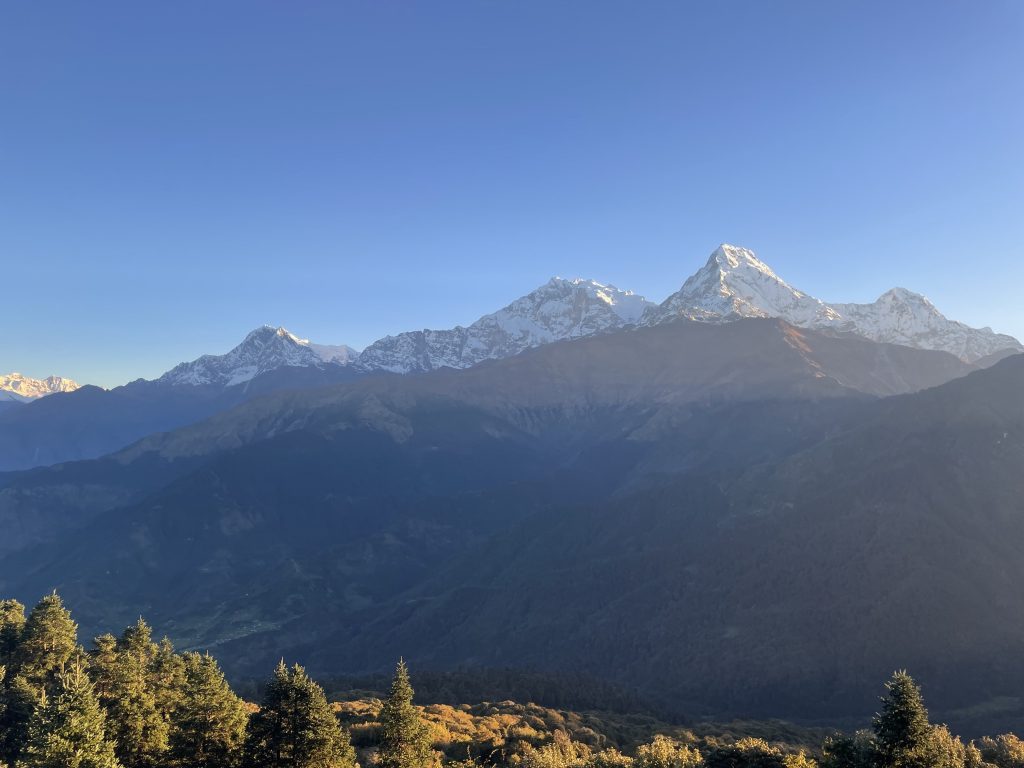
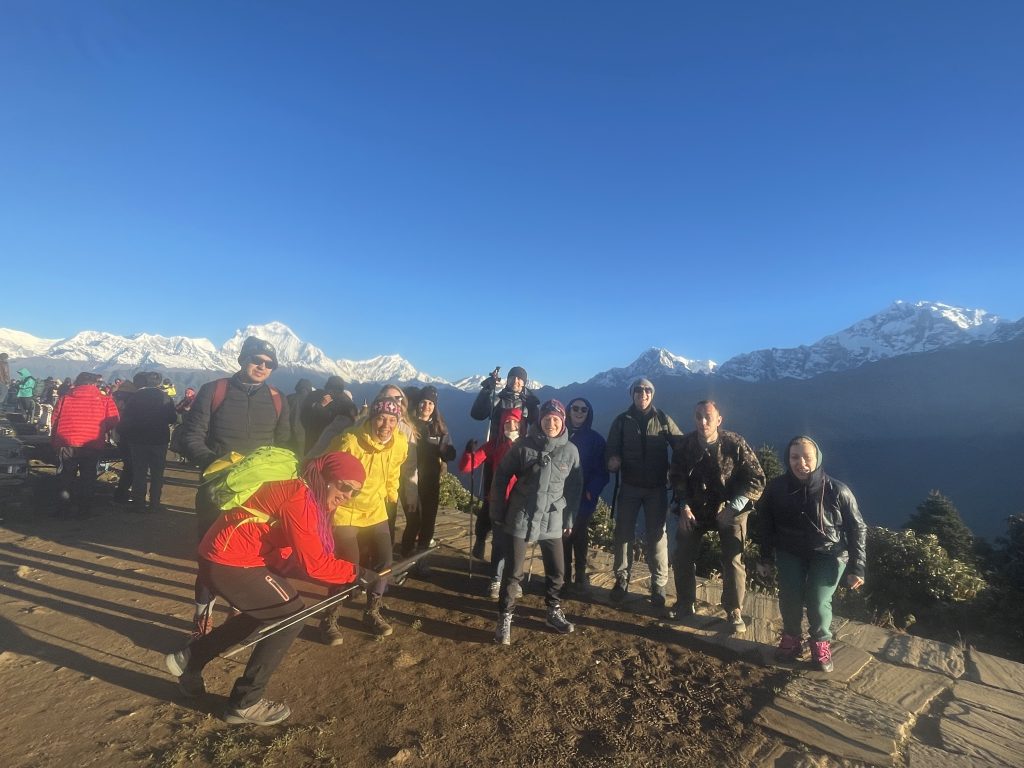
Absolutely. Sunrise offers panoramic views of Machapuchare (Fishtail), Annapurna South, Annapurna I, and Dhaulagiri. Bring a tripod for low‑light conditions.
-
Are there any cultural sites or festivals to see along the route?
The trek passes through Gurung villages (e.g., Ghorepani). If you trek in December/January, you may witness the Lhosar (Gurung New Year) celebrations with dances and local food.
-
Can I do the trek with children?
Yes, you can do the 3-day Ghorepani Poonhill trek with children. If your children are small, we recommend adding the days to your itinerary to have a more relaxed walk.
-
Can I buy bottled water during the trek?
Yes, you can buy 1-2 liter water bottles from the local shop or tea house. It will cost you around NPR 100 and NPR 150 per liter.
-
Is it possible to extend the trek to include other nearby villages?
Yes. Many trekkers add an extra day to Ghandruk, or Ghorepani. Extensions can be made by contacting the tour operator.