Potala Palace, Lhasa Tibet
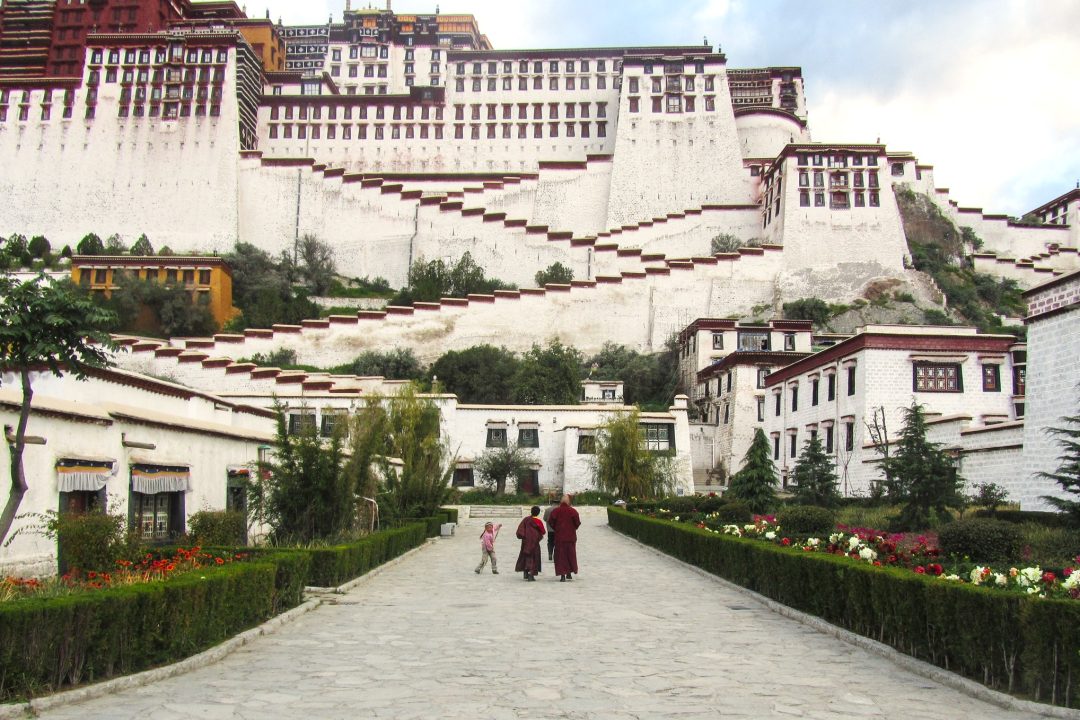
Table of Contents
Introduction
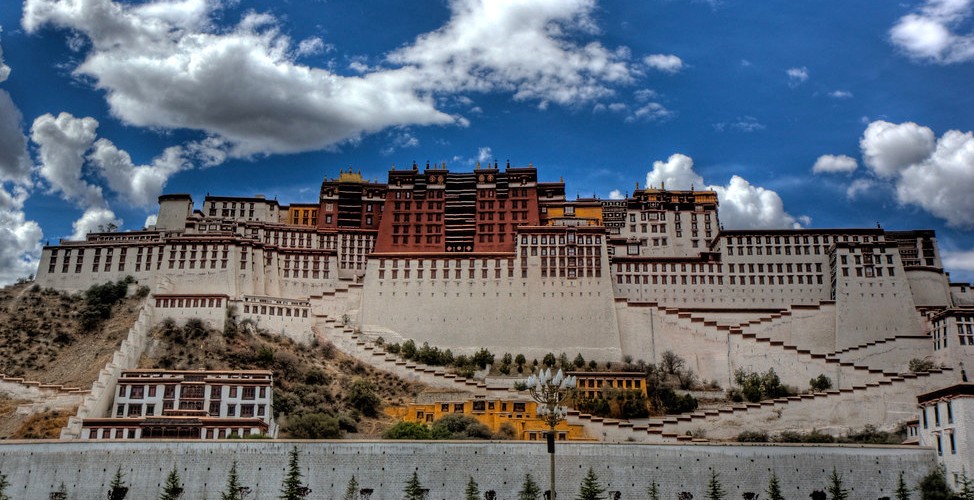
Potala Palace is a famous landmark in Lhasa, Tibet. It is located on 35 Beijing Middle Road, Chengguan District, Tibet Valley inside the Tibet Autonomous Region of China. It was listed as a UNESCO World Heritage Site in 1994. Prior to this, it served as the residence of the Dalai Lama. This masterpiece of architecture rises over 3,700 meters above sea level, dominating the Tibetan Valley.
The Potala Palace stands 13 stories tall and has over 1,000 rooms, making it the highest and largest Palace in the world. This place has served the Dalai Lamas as a winter residence since the 17th century.
Beyond its breathtaking physical appearance, it is also a spiritual and political heartbeat of Tibet. Walking through this hall of the Palace feels like a living museum of Tibetan Buddhism. The atmosphere is filled with the scent of burning juniper incense and the soft, rhythmic hum of butter lamps.
Inside the Palace, every chamber tells stories of devotion, filled with stunning stupas, intricate thangka paintings, and timeless statues. It’s not only a major tourist attraction but also a place where pilgrims perform Kora (ritual circumambulation) around the base, turning prayer wheels and murmuring mantras.
Today, in this blog, you will learn about the history of the Dalai Lamas, the Potala Palace tour, Lhasa Sightseeing, and visiting Potala Palace tips.

The History of Potala Palace
The visionary King Songtsen Gampo first built the Potala Palace in the 7th century. It is a remarkable symbol of Tibetan heritage. The original structure was destroyed by civil war and lightning strikes in the 9th century. Only two rooms from the original structure survived the war. That year marked a pivotal moment when Tibet lost its central kingdom, leading to a fragmentation that would change its history forever.
In 1645, the Fifth Dalai Lama began the reconstruction of the Potala Palace, now referred to as the White Palace. It served as his residence and the center of the Tibetan government. It was colored white to represent the peace in Tibet. The reconstruction took place from 1645 to 1648.
After the passing of the Fifth Dalai Lama, the Red Palace was constructed between 1690 and 1694. This area is dedicated entirely to prayer and religion and is painted red to symbolize religious power. It houses the stupa tombs of past Dalai Lamas.
Over the centuries, its role evolved from a defensive stronghold into the spiritual and political center of Tibet. From then until 1959, it served as the seat of the Tibetan government and the home of successive Dalai Lamas. Today, the Potala Palace stands as a UNESCO World Heritage Site and a powerful symbol of Tibetan history, culture, and Buddhism.
Map and Layout: Navigating the Palace
The Potala Palace is architecturally and symbolically divided into two distinct colors and sections:
The White Palace(Potrang Karpo):
This was the administrative center where the Dalai Lamas lived and conducted the day-to-day government affairs of Tibet.
- Purpose: Living quarters, offices, and government assembly halls.
- What to expect: Here you will find expansive courtyards and residential suites. The upper level of the white Palace is the Dalai Lama’s private meditation rooms and offices. From the top of this Palace, you can see an expansive view of Lhasa city.
The Red Palace(Potrang Marpo):
This Palace is the spiritual soul of Tibet. Here you can find all the religious items and Tibetan culture.
- Purpose: Spiritual practice, religious ceremonies, and the preservation of sacred relics.
- What to expect: Here you will find Buddhist stupas, a sacred prayer hall, murals and golden funerary stupas of past Dalai Lamas.
Visual Gallery (Images)
Visitor’s Guide: Planning Your Trip
Best Time to Visit:
The best time to visit Tibet for the Potala Palace tour is during the months from May to October, when the weather is pleasant. During the summer and early autumn months, the temperatures in Lhasa are incredibly pleasant. Daytime highs typically range from 15°C to 25°C (59°F to 77°F). You’ll be able to walk between the various chapels and halls without the biting cold of the winter months.
Whether you are capturing the Potala Palace at sunrise or viewing the golden rooftops against the backdrop of a deep blue sky, the air quality during these months is exceptional. While July and August can bring occasional light rainfall, these showers usually occur at night, leaving the daytime skies crisp, clear, and perfect for sightseeing.
Tibet is a deeply spiritual land. Travellers can witness and experience Tibet festivals and culture if your travel date matches the festival calendar. For instance, the Saga Dawa Festival (usually in May or June) attracts thousands of pilgrims. Visiting this month allows you to enjoy the vibrant colors, rhythmic chants, and traditional dances that bring Tibetan culture to life.
Permits & Logistics:
Travelling to Tibet is not as easy as other countries such as Nepal, India and Bhutan. Travellers first need to obtain the visa and mandatory Tibet travel permit(TTP). First, you need to find the best tour agency that operates the programme inside Tibet. Then they will arrange the permit, visa, food, accommodation and logistics for you. Travelling solo is not allowed as per government rules. It is compulsory to hire a licensed tour guide with you while travelling inside Tibet.
Note: The Chinese government is offering 30-day tourist visas until 2026 for several countries to encourage more tourism to China and Tibet. If your country is on this list, you can obtain a free visa upon arrival in China. However, please note that a permit is required to enter Tibet. Read more: Tibet Travel Information
Physical Requirements:
When you book the tour with a licensed tour agency, they often arrange the private transportation for you. You don’t need to walk much unless you choose the Potala Palace tour with Kailash Mansarovar Yatra. Visitors must be able to walk steep stairs, and a normal level of fitness is enough for a tour in Tibet. However, the main concern is altitude sickness(AMS).
Tibet is located at high altitude; therefore, it is often called the “roof of the world”. When you reach Lhasa, you will be at an altitude of around 3,656 meters (11,995 feet) above sea level. Visitors who are coming from lower regions should be particularly cautious about altitude sickness.
How to prevent AMS when you are visiting Lhasa, Tibet:
- Spend a few days in lower-altitude cities if possible
- Limit altitude gain
- Drink enough water daily
- Avoid alcohol and cigarettes
- Avoid sleeping pills
- Eat healthy and avoid heavy exercise.
How To Book a Tibet Tour Package:
Several agencies run Tibet Tour however, if you are planning to visit Tibet via Nepal, then you can book through the High Route Adventure tour agency. We are certified and run various tour programmes in Tibet, including Kailash Tour.
To book the tour with us, please get in touch with us at your convenience.
- Email: info@highrouteadventure.com
- Phone/WhatsApp: +977-9851058664
Note: To make your journey smooth and hassle-free, book the Tibet tour package at least 3 months in advance.
Visiting Potala Palace tips
- Dress Respectfully: Try to wear clothes that cover the shoulder and knees to show respect for this sacred site.
- Carry Your Passport and Documents: Carry all your documents with you as officials may ask anytime while travelling in Tibet.
- Understand the Kora: Tibetan people do Kora around the Potala Palace. So if you want to join them, walk clockwise and respect their tradition. You can pray and spin prayer wheels.
- Visit Early in the Day: For the peaceful, less crowded and better photography, try to visit the Palace early in the morning.
Things to Avoid When Visiting the Potala Palace
- Avoid discussing sensitive geopolitical topics, especially in public places or with strangers.
- Do not carry or display photographs, flags, or other materials related to the 14th Dalai Lama, as they are considered politically sensitive.
- Avoid initiating conversations about the 14th Dalai Lama or other politically sensitive subjects with locals, guides, or officials.
- Do not take photographs inside the Palace, as photography is strictly prohibited.
- Avoid speaking loudly or making excessive noise inside prayer halls and religious areas.
- Do not touch religious artifacts, statues, murals, or ancient manuscripts unless specifically permitted.
- Never climb over barriers or enter restricted areas within the Palace.
- Do not litter, smoke, or consume food and drinks inside the palace complex.
- Avoid pointing your feet toward religious statues or shrines when sitting or resting.
- Do not interrupt pilgrims performing prayers or walking the Kora (circumambulation route). Give them space and observe respectfully.
- Avoid blocking pathways while taking photos outside the Palace, especially where pilgrims are walking.
- Do not damage or write on the historic walls, stairways, or wooden structures. Help preserve this important cultural heritage site.
FAQ Section
Can I visit Potala Palace independently?
- No. For foreign citizens it is compulsory to join the guided group tour via an agency and must hire a licensed guide.
How many hours does it take to explore Potala Palace?
- Travellers must complete exploring the Potala Palace within one hour after you enter the palace hall, as per the policy to control crowds.
How many steps are there to reach the Palace?
- There are more than 300 steps required to reach the entrance of Potala Palace.
How Hard is the Climb at Potala Palace?
- The total number of steps to reach and return from Potala Palace is around 2000. Climbing stairs is not easy, but it’s manageable if done slowly.
How much is the ticket price?
- It depends on the season you visit.
- Peak season(May to October): 200 CNY (approx. $28 USD) per person for the full Route 1; USD 100 CNY for Route 2, but it skips several primary halls.
- Off -season: 100 CNY (approx. $14 USD) per person.
Final Say
Visiting Potala Palace in Tibet is more than sightseeing. It helps you to witness Tibet’s rich culture, traditions, history, and arts and lets you understand Buddhism. If you are visiting Tibet for a tour, you should not miss visiting this place. Visiting this iconic landmark is a lifetime opportunity.
If you have any questions regarding your trip to Tibet or any questions about visiting the Potala Palace, feel free to contact us.
-
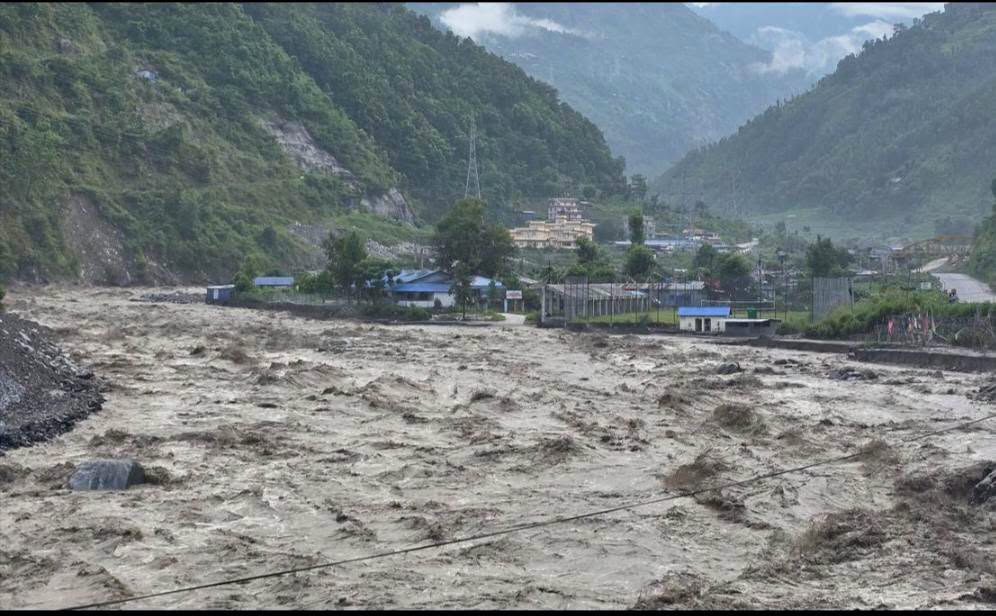
Catastrophic Flash Floods Strike Rasuwa around 9:00 AM on Wednesday, August 26
RASUWA: Early this morning, around 9:00 AM, flash floods originating from the Tibetan side affected parts of Rasuwa District, including Timmure, Rasuwagadhi, and Syabrubesi. The floods have caused significant damage, displaced residents, and disrupted traffic along important supply routes in the area. Latest Update of Rasuwa Bhotekosi flood – September 4, 2026 3 PM Latest…
-
Is the Annapurna Circuit Trek Beginners Friendly?
Introduction The Annapurna Circuit is a world-famous trail located in the Annapurna region within the Annapurna Conservation Area of Gandaki Province. It circles the Annapurna range and offers breathtaking views of the Annapurna, Dhaulagiri, and Manaslu mountain ranges. The highest point that you will reach on this trek is Thorong La Pass at 5,416 meters…
-
Thorong La Pass: Altitude, Location, Difficulty & Crossing Tips
I. Introduction There’s a moment on the Annapurna Circuit when trekkers feel a surge of excitement and exhaustion at the same time. The breathing becomes heavy here, and the wind starts to blow strongly. You can hear your own heavy breath, and when you look around, you see prayer flags snapping against a brutally blue…