
Tiger’s Nest Monastery (Paro Taktsang)
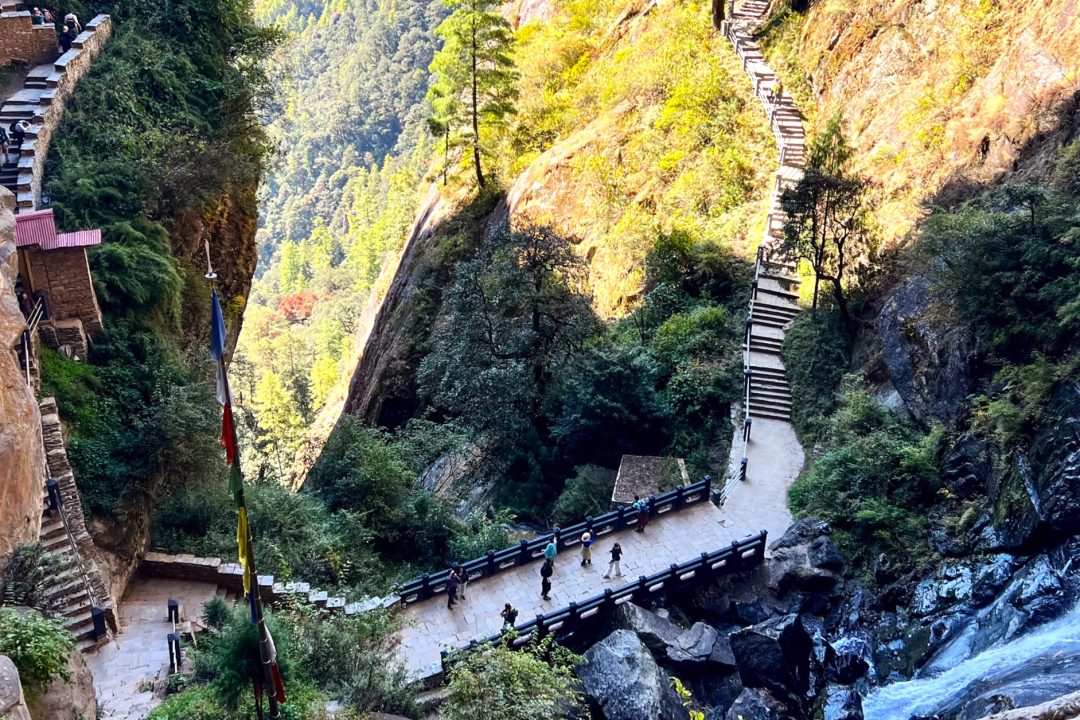
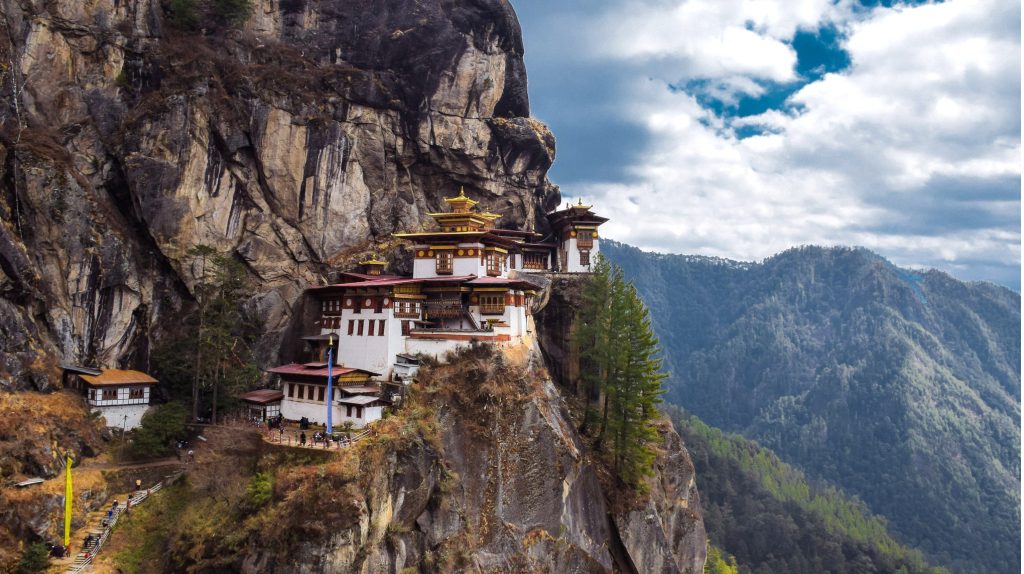
Clinging to granite above 900 metres of Paro Valley and seemingly defying gravity, Tiger’s Nest Monastery is Bhutan’s most recognizable landmark. It is the soul of the Bhutan Kingdom. Tiger’s Nest is a sacred Vajrayana Buddhist site that began construction in 1692 and was completed in 1694 by the 4th King of Bhutan, Gyalse Tenzin Rabgye. It is an iconic pilgrimage, cultural, mythological and one of the world’s most photographed monasteries.
Every year, over 75,000 international hikes to the Tiger’s Nest Monastery, making it Bhutan’s most iconic tourist attraction. The Tiger’s Nest height is 3,120 meters (10,240 feet) above sea level, offering breathtaking views of the Paro Valley. Beyond the dramatic setting and breathtaking scenery, it delivers something special that lingers long after you’ve returned home.
Whether you’re planning your first visit or researching Bhutan’s most iconic monastery, this comprehensive guide answers every question.
Table of Contents
Tiger’s Nest Monastery Facts
| Fact | Detail |
| Official Name | Paro Taktsang / Taktsang Palphug Monastery |
| Location | Upper Paro Valley, Paro District, Bhutan |
| Elevation | 3,120 m / 10,240 feet above sea level |
| Height Above Valley | 900 m / ~3,000 feet above the Paro Valley floor |
| Built | 1692 by Gyalsey Tenzin Rabgye |
| Trek Distance | ~6.4 km (4 miles) round trip |
| Elevation Gain | ~518 m / 1,700 feet |
| Steps | Approximately 700 stone steps |
| Entry Fee | 2,000 Nu (~USD 24) per adult |
| Opening Hours | 8:00 AM–1:00 PM; 2:00 PM–6:00 PM |

What is the story of the Tiger’s Nest monastery?
The Legend of Guru Rinpoche and the Tigress
Long before the monastery was constructed, this site had already lived its own history and is recognized as a sacred location. According to Buddhist legend, around the 8th century, Guru Rinpoche flew to this cliff on the back of a tigress, meditating in a cave here and helping to establish Vajrayana Buddhism in Bhutan. This tigress is believed to have been his consort, Yeshe Tsogyal, who transformed herself into a powerful animal to bring him to this sacred place. At that time, Buddhism had not yet taken firm root in the kingdom.
Entering this sacred landscape was thought to be stepping into a domain where the spiritual and physical worlds coexisted. Buddhist tradition holds that Guru Rinpoche meditated here for exactly three years, three months, three weeks, three days, and three hours. Through his spiritual power, he is believed to have subdued various spirits, transforming many of them into protective deities (Dharmapalas) and paving the way for the spread of Buddhism in Bhutan.
The Construction of the Monastery (1692)
Although the cave has been a sacred pilgrimage site since the 8th century, the construction of the monastery itself began much later. In the 17th century, Shabdrung Ngawang Namgyel, who unified Bhutan, proposed building a formal temple at Taktsang. He offered the site to Zhabdrung in 1645, which increased the location’s political and spiritual significance.
Construction officially commenced in 1692, led by Gyalsey Tenzin Rabgye, the fourth temporal ruler of Bhutan. The temple was dedicated to Guru Rinpoche in his Eight Manifestations and was completed in 1694. It is believed that the first temple at this site was built even earlier, around 1508, by the Nyingma Buddhist master Sonam Gyaltshen.
Over the centuries, the monastery has undergone several renovations, including additions made between 1861 and 1865, as well as in 1982–83 and 1992. A significant renovation took place from 1961 to 1965 under the guidance of the 34th Je Khenpo, Shedrup Yoezer.
The 1998 Fire: Bhutan’s Greatest Loss and Restoration
On April 19, 1998, disaster struck when a devastating fire broke out in the main building of the Tiger’s Nest Monastery. This tragic event was believed to have been caused by an electrical short circuit that ignited a butter lamp. The blaze ravaged the wooden structure, destroying priceless paintings, sacred artifacts, statues, and religious texts that had survived for centuries. Unfortunately, one monk lost his life in the fire.
The impact of this tragedy on Bhutan was profound, as the monastery is the nation’s most sacred site and a vital part of its cultural heritage, which was reduced to ashes. However, there was one remarkable survivor: the speaking bronze statue of Guru Sungjonma, which reportedly emerged from both the 1998 fire and an earlier fire in 1951 completely unscathed.
The reconstruction of the monastery became a national mission, spearheaded by the Fourth King of Bhutan, His Majesty Jigme Singye Wangchuck. The royal family and generous donors financed it from around the globe. Highly skilled traditional craftspeople worked meticulously for years to restore the monastery to its original form. The project, which cost an estimated 135 million Ngultrums (approximately USD 2 million), was completed in 2005.
Can you go inside a Tiger’s Nest?
Yes, getting inside the iconic Buddhist pilgrimage sites of Bhutan is one of the most memorable experiences. After climbing the final stair, when you reach the monastery gate, visitors must leave their cameras and mobile phones with the staff (photography is strictly prohibited inside). Before entering the monastery, all visitors must remove their shoes and headwear.
Inside Tiger’s Nest monastery, you will find:
- The sacred cave of Taktsang Senge Samdup, the very cave where Guru Rinpoche is believed to have meditated in the 8th century
- The central hall contains a statue of Guru Rinpoche in his most fierce and wrathful form, surrounded by protective deities.
- The Hall of a Thousand Buddhas, carved into the rock, features a large tiger statue.
- Richly decorated murals and thangka paintings depicting Buddhas, bodhisattvas, and historical figures
- Golden ceilings, golden idols, and flickering butter lamps that fill the air with incense
- A prayer wheel in the courtyard is rotated by monks beginning at 4 AM each morning.
Tiger Nest Monastery Entry Fee
To enter the Tiger Nest Monastery, all foreign citizens need to pay certain fees. For the locals, it’s completely free. Let’s see the monastery fee:
- Standard entry fee: 2,000 Bhutanese Ngultrum (Nu) per adult, approximately USD $24
- Children aged 6–18: 50% discount (approximately USD $12)
- Children aged 5 and under: Free entry
Note: All foreign citizens who want to travel to Bhutan must travel with the assistance of a licensed tour operator and hire a tour guide. Also, as per the Bhutan government law, they need to pay the Sustainable Development Fee (SDF) of USD $100 per person per night. So find the tour package that suits your budget, destination and let your tour operator handle everything for you.
Taktsang Gompa (Tiger’s Nest Temple) Hiking Trail
The starting point of the Tiger’s Nest hike is located approximately a 30-minute drive from Paro town. The hike takes you through the fragrant pine and rhododendron forests, past colorful prayer flags, small shrines, carved mani stones, and offering spots. The combination of natural beauty and spiritual atmosphere makes the hike inspiring and memorable.
Tiger Nest Bhutan Trek distance
- Start point: Parking area / trailhead at the base of the Paro Valley, approximately 10 km north of Paro town
- Total distance: 6.4 km (~4 miles) round trip
- Elevation gain: ~518 m / 1,700 feet
- Highest point: The monastery itself, at 3,120 m / 10,240 feet
- Total hiking time: 4 to 7 hours round trip, depending on fitness and pace
The Route
The journey of the hike begins from the Parking place. Here, you can find the ticket counter, restrooms, and small shops selling souvenir items, snacks and renting walking sticks. After getting ready from here, the stair walk begins that leads to the monastery. Walking for approximately 1-2 hours, you will reach the Taktsang Cafeteria Viewpoint. From this midpoint viewpoint, you’ll enjoy your first unobstructed, breathtaking view of the monastery across the gorge.
After leaving the Cafeteria, the path descends steeply into a deep canyon. You’ll cross a bridge draped in prayer flags, situated right next to a magnificent 60-meter sacred waterfall.
Once you cross the gorge, you will begin the demanding final climb. The trail consists of steep, often damp stone steps that cling to the exposed cliff face.
The last leg of the journey takes you past the temple of Urgyan Tsemo. Finally, you’ll cross a wooden bridge above the waterfall and climb the last 120+ steps straight to the main gates of the monastery complex.
Horse/Pony Option
- If you are not confident about walking, then you can even hire a horse or mule to take you halfway to the Cafeteria. From Cafeteria the hike must be completed on foot. During the rainy season, an accident happened when riding a pony. The guide here recommends not using a pony during the rainy season for your safety.
- Horseback riding cost: approximately 600 to 1,500 INR (USD 10 – 25).
How difficult is Tiger’s Nest trek?
The hike to Tiger’s Nest is generally rated as moderate in grease in terms of difficulty level. Here’s what it means in reality:
The case for “manageable”: The trail is well-maintained and well-marked, and doesn’t require any technical climbing skills. There are frequent rest benches and shaded canopies along the route. People of all ages, including those who are in their 70s and 80s, complete it successfully by pacing themselves according to their fitness.
The case for “challenging”: The Tiger’s Nest altitude is significant. Starting at around 2,600 meters and climbing to over 3,100 meters means thinner air that affects breathing, especially for those arriving from low-altitude places. The trail is relentlessly uphill for the first half, with steep and uneven stone steps in many sections. If you have any respiratory problems, heart problems or limited mobility, you should be careful and seek prior medical advice.
Key tips for success:
- Spend one day in Bhutan, particularly in Paro, as an acclimatization day before starting the hike. Begin your hike early in the morning to avoid trail crowds and the afternoon heat. Use trekking poles or walking sticks for added support. Make sure to rest sufficiently during the ascent and stay hydrated by drinking plenty of water. Bring snacks to keep your energy up.
- Make sure to wear comfortable hiking shoes.
- Take your time as you walk; the monastery will still be there when you arrive.
Tiger’s Nest Monastery Weather
Understanding the weather at Tiger’s Nest is essential for planning a successful and enjoyable visit.
Spring (March – May): Strongly Recommended
This is one of the peak seasons for visiting. Temperatures are mild and pleasant, the skies are generally clear, and the forests along the trail burst into color with blooming rhododendrons and wildflowers. The air is fresh, the views are expansive, and the conditions are ideal for photography. Daytime temperatures range from about 15°C to 20°C (59°F – 68°F).
Autumn (September – November): Highly Recommended
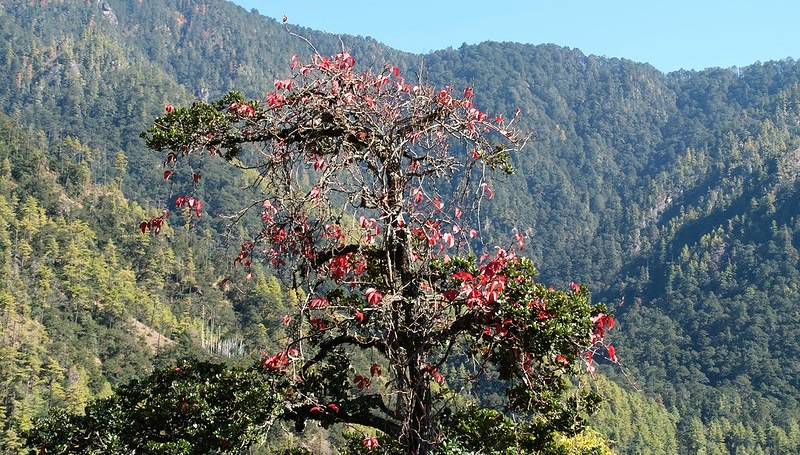
Autumn rivals spring as the best time to visit. Post-monsoon air is exceptionally clear, offering some of the best mountain visibility of the year. The sky is vivid blue, temperatures are comfortable, and the landscape takes on warm golden and russet tones. October and November are particularly stunning.
Summer / Monsoon (June – August): Possible but Challenging
This is the monsoon season. Rain is common, and the trail can become muddy, slippery and leech-infested and heavy fog can completely hide the monastery. Landslides are a genuine risk on some sections. Visitors during this season encounter far fewer crowds, and the vegetation is intensely green, but the conditions require extra caution and appropriate gear.
Winter (December – February): Cold but Magical
Winter brings crisp, clean air and the possibility of snow. And a snow-dusted Tiger’s Nest is extraordinarily beautiful. However, temperatures can drop to as low as -9°C (16°F), morning ice makes the stone steps slippery and potentially dangerous, and the cold can be intense at altitude. Layering is essential. Those who don’t mind the chill are rewarded with near-empty trails and meditative solitude.
Daily Tiger Nest Monastery Temperature Range (General)
- Morning (at trailhead): 5°C – 15°C depending on season
- Mid-trail and monastery: 3°C – 10°C cooler than the valley
- Average pleasant season daytime: 15°C – 20°C
- Winter minimum: as low as -9°C
Best time of day to hike: Early morning, starting between 6:00 AM and 8:00 AM. The light is beautiful, the air is cool, and you’ll beat the large tour groups that typically begin arriving from 9:00 AM – 10:00 AM onward.
Tiger’s Nest Monastery stay
It is not possible to remain overnight at the Tiger’s Nest Monastery itself – it is a functioning religious site with resident monks, and overnight visits by tourists are not permitted.
However, Paro town and the surrounding valley offer a range of excellent accommodation options at different price points, all within a short drive of the trailhead.
Luxury Options
Several world-class lodge brands operate in or near Paro, including Amankora Paro and Uma Paro by Como Hotels, both set in traditional Bhutanese architecture amid pine forests. These properties offer exceptional service, great views and are located right at the trailhead to Tiger’s Nest.
Mid-Range Options
Paro has a growing number of comfortable, well-run hotels and guesthouses with excellent standards of hospitality. Many provide traditional Bhutanese design, hot stone bath amenities (a fantastic recovery after the walk), and guided local experiences.
Budget-Friendly Options
Family-run guesthouses and farmhouses in the Paro Valley offer authentic Bhutanese hospitality at more accessible price points. These are particularly popular with visitors who want a more personal, culturally immersive experience.
Suggested approach: Spend a minimum of two nights in Paro. Use the first day to acclimatize (visit Paro Dzong, Kyichu Lhakhang, or the National Museum), and dedicate the second day to the Tiger’s Nest hike. It’s always good to have a backup day for the weather.
Tiger’s Nest Monastery: Safety, Accidents & Precautions
Tiger’s Nest is generally a safe destination, but it’s important to be aware of real risks.
Fire (1998)
The most significant incident in the monastery’s modern history was the April 1998 fire that destroyed large portions of the structure, killing one monk. Caused by an electrical fault and a butter lamp, it led to a complete reconstruction completed in 2005. Safety improvements have been made since.
Altitude Sickness
At 3,120 meters, altitude-related illness is a genuine risk, particularly for visitors arriving directly from sea-level cities. Symptoms include headache, nausea, dizziness, and fatigue. Medical airlifts for serious altitude sickness occur in Bhutan every year. The precautions are simple: acclimatize before hiking, ascend slowly, stay hydrated, and descend immediately if symptoms worsen.
Pony/Horse Accidents
Falls from horses and ponies on wet trail sections have occurred. Authorities and guides increasingly advise against riding animals on the trail, especially during or after rain.
Landslides
Heavy monsoon rains have caused landslide damage to sections of the trail in recent years. Always check trail conditions with your guide before setting out during or after heavy rainfall.
General Trail Safety
- Never attempt the hike alone. Hiring your licensed guide is both a legal requirement and a genuine safety asset
- Don’t push through signs of altitude sickness.
- The stone steps near the waterfall and monastery can be slippery. So take your time.
- Follow all instructions from the monastery staff regarding shoes, phones, and cameras.
One remarkable footnote: despite the challenging trail and high-altitude conditions, there is a long-standing belief among the Bhutanese that no visitor has ever been injured during worship time on the path.
Essential Visitor Information
- Dress code: Shoulders and knees must be covered to enter the monastery. Hats and headgear must be removed inside.
- Photography: No cameras or mobile phones permitted inside the monastery. Photography is freely allowed outside on the trail and at the midpoint cafeteria viewpoint.
- Guided tours: All foreign visitors to Bhutan must travel with a licensed guide. Your guide will accompany you on the hike and lead or facilitate your monastery tour.
- What to bring: Hiking shoes, layered clothing, 1.5 – 2 liters of water, light snacks, sunscreen, sunglasses, a walking stick or trekking pole (recommended), and altitude medication if advised by your doctor.
- Famous visitors: The monastery has drawn royalty and celebrities from around the world, including Prince Charles (who famously stopped to paint a watercolor of it in 1998), Prince William and Kate Middleton (2016), Japanese Princess Mako, and martial artist and actor Jet Li, who meditated here in 2017.
Why Tiger’s Nest Monastery Is Worth Every Step
There are places in the world that look impressive in photographs and feel ordinary in person. Tiger’s Nest is not one of them. If anything, photographs fail to capture it. Standing on the trail and watching this impossible structure is a rare travel experience. This place exceeds expectations.
It is a living center of spiritual practice and symbolizes a nation’s identity. Pilgrims who climb here barefoot and monks who live here continue a centuries-old tradition through daily prayers and rituals. The butter lamps that flicker in the dark cave where a saint once meditated create a peaceful and spiritual experience.
You arrive with expectations. You leave with perspective.
Frequently Asked Questions
What is the Tiger’s Nest elevation?
Can I do Paro Tiger’s Nest Trek without a guide?
What is the Tiger’s Nest hike difficulty?
Is Tiger’s Nest suitable for children?
What is the Tiger’s Nest hike distance?
How long does the hike take?
Can I visit Tiger’s Nest in winter?
Are there toilets on the trail?
What currency should I carry?
How many steps are there in a tiger nest?
More Trekking & Travel Articles
-
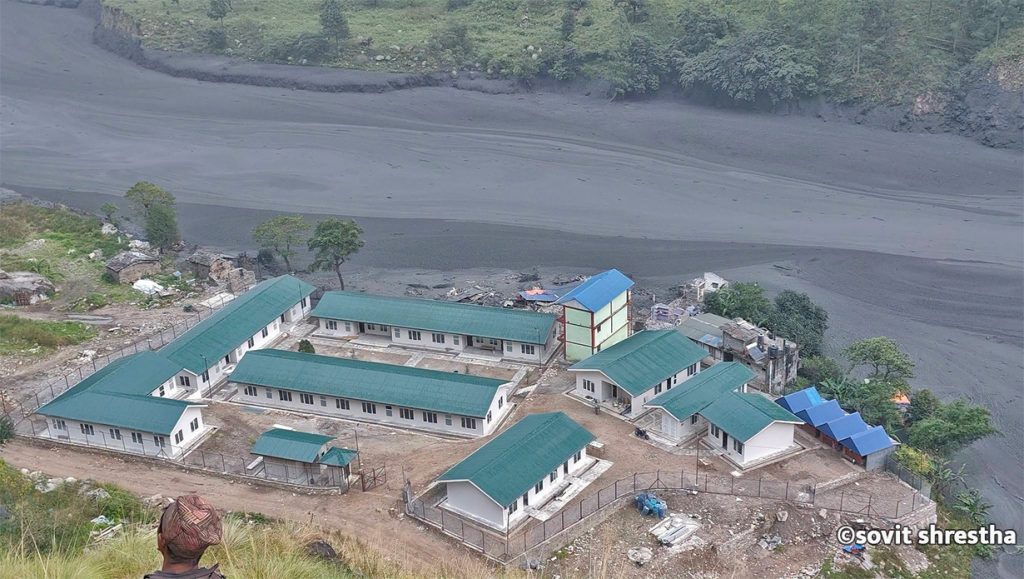
Flash Flood Sweeps Away Dozens of Homes in Gorkha, Nepal
KATHMANDU, Nepal — A sudden and severe flash flood tore through the Budhi Gandaki River basin in Gorkha district on Sunday morning, washing away approximately 35 houses and triggering widespread destruction in the mountainous Manaslu and Tsum Valley regions. According to local authorities and disaster management officials, no human casualties have been reported thus far, though…
-
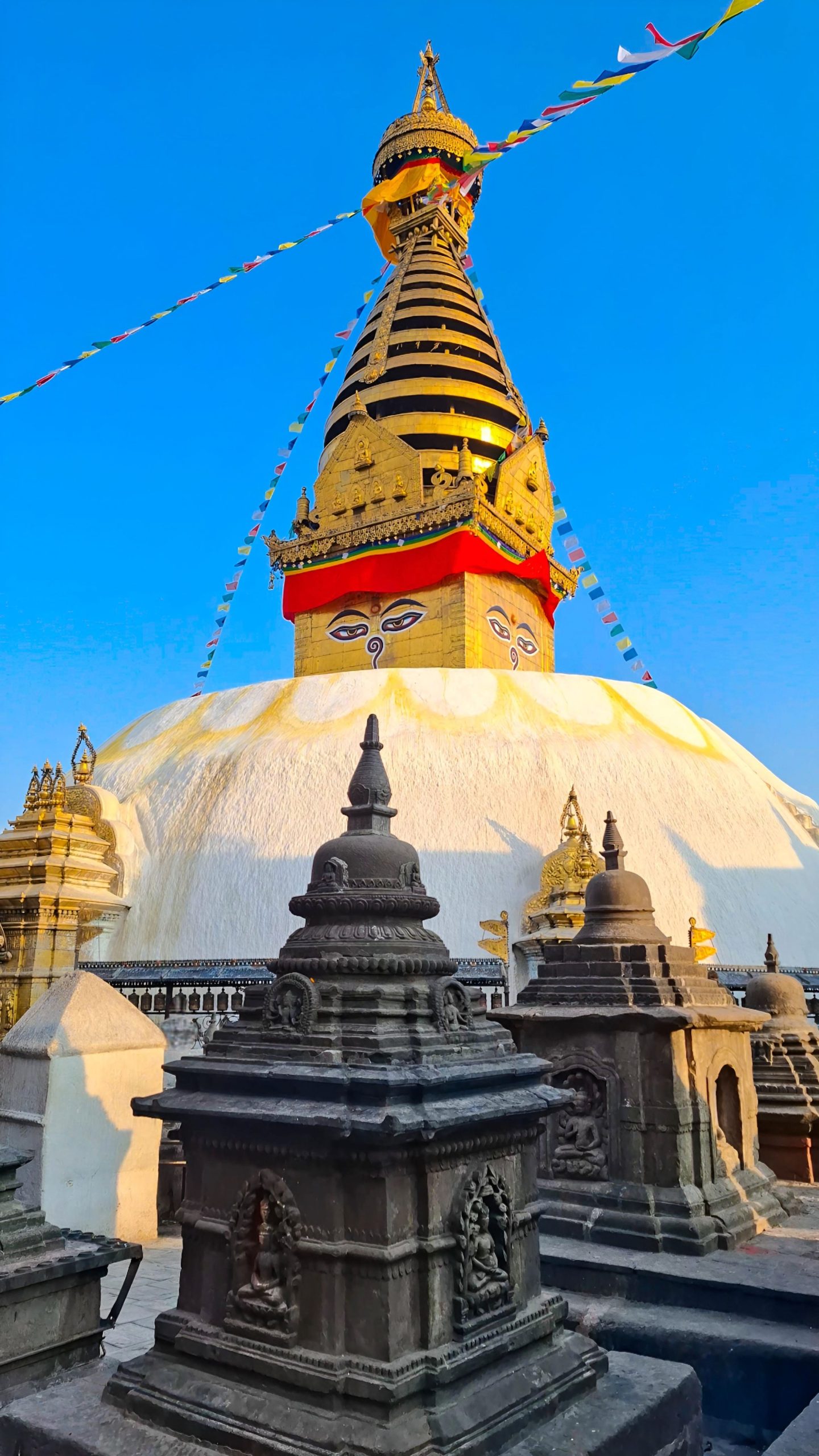
Swayambhunath Temple, Kathmandu
Imagine standing above the chaos of Kathmandu. Honking horns fade below you. A gleaming white dome rises ahead. Two enormous painted eyes gaze calmly in every direction. Prayer flags flutter in the Himalayan breeze. This is Swayambhunath, one of the most extraordinary places in Nepal. Visitors know it as the “Monkey Temple” because hundreds of…
-

North Goa vs South Goa: Which Is Better for Your Holiday?
Amongst the places that are highly popular in terms of beaches, weather, culture, and ambiance in India is Goa, which is known to possess some of the most beautiful beaches in India. The idea of Goa being famous for its beaches, which can be used by tourists for entertainment in North Goa while South Goa…