
Top 10 Most Beautiful National Park in Nepal
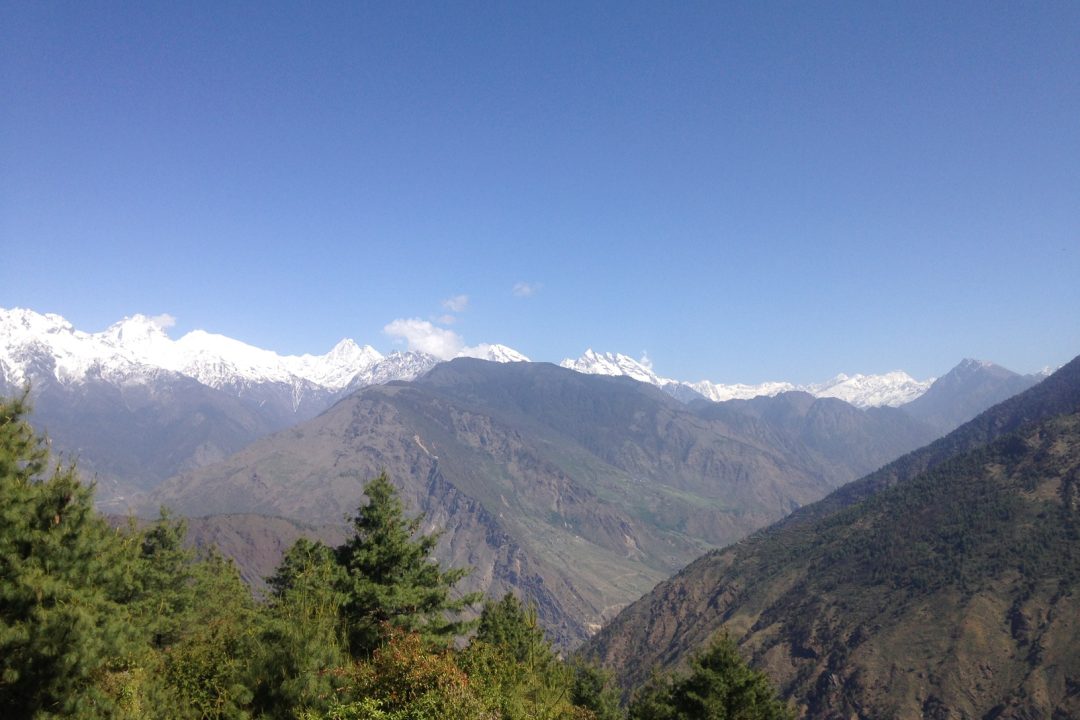
Nepal is a stunning country, home to diverse landscapes, rich wildlife, and breathtaking national parks that stretch from the lowland Terai to the high Himalayas. Despite covering just 0.1% of the world’s land, Nepal boasts 12 national parks, 6 conservation areas, and numerous protected sites that preserve its unique flora and fauna. From rare birds and majestic mammals to vibrant butterflies and freshwater fish, these parks offer nature lovers and adventurers unforgettable experiences.
In this guide, we’ll explore the top 8 most beautiful national parks in Nepal that you shouldn’t miss.
Table of Contents
Chitwan National Park
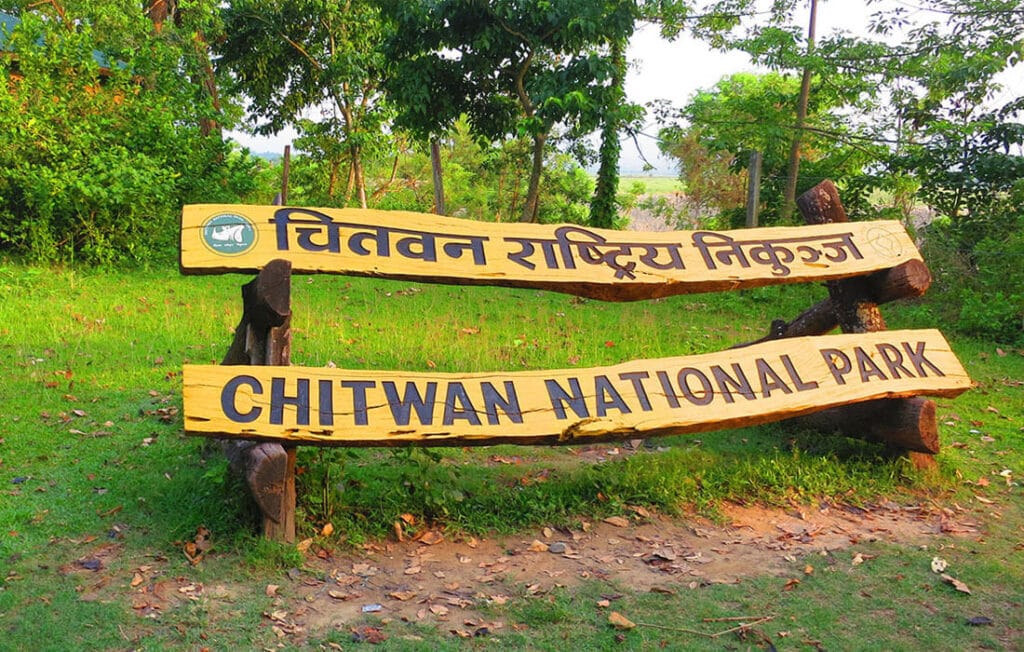
Chitwan National Park, established in 1973, is Nepal’s first national park and a UNESCO World Heritage Site since 1984. Originally created to protect the endangered one-horned rhinoceros, the park has since become a biodiversity hotspot, home to a wide variety of flora and fauna. Covering a total area of 952.63 sq. km, it includes tropical and subtropical forests, grasslands, and wetlands, making it one of the most ecologically diverse areas in Nepal.
Location
Chitwan National Park is located in the southern Terai region of Nepal, spanning the districts of Chitwan, Nawalpur, Parsa, and Makwanpur. The Rapti and Narayani rivers flow through the park, providing essential water sources for wildlife. The park is accessible from major cities like Kathmandu and Pokhara, making it a popular destination for both local and international tourists.
Climate
The park experiences a sub-tropical monsoon climate, with three distinct seasons:
- Winter (December–February): Mild temperatures ranging from 10–25°C, ideal for wildlife viewing.
- Summer (March–May): Hot and humid, with temperatures rising to 40°C.
- Monsoon (June–September): Heavy rainfall, which rejuvenates grasslands and forests but may make trails slippery.
The best time to visit is October–March, when the weather is cooler and wildlife is more active.
Wildlife and Vegetation
Chitwan National Park is renowned for its rich biodiversity:
Mammals: The park is home to 68 species, including endangered species such as the Bengal tiger, one-horned rhinoceros, swamp deer, wild elephants, and sloth bears. Other notable mammals include leopards, jackals, and hog deer.
Birds: Over 544 species of birds can be observed, including the crested serpent eagle, lesser adjutant stork, and Asian openbill stork.
Reptiles and Amphibians: Crocodiles, pythons, monitor lizards, and various frog species thrive in the park’s wetlands.
Vegetation: Chitwan features tropical and subtropical forests with Sal trees, grasslands, riverine forests, and swampy wetlands, creating diverse habitats for wildlife.
Local People in the Buffer Zone
The park’s buffer zone spans approximately 750 sq. km, with local communities residing in villages along its periphery. Most people are involved in agriculture, animal husbandry, and eco-tourism, including guiding jungle safaris and operating homestays. Ethnic groups like Tharu, Brahmin, and Chhetri live in these areas, offering cultural experiences and insights into traditional Terai lifestyles.
Things to Do in Chitwan National Park
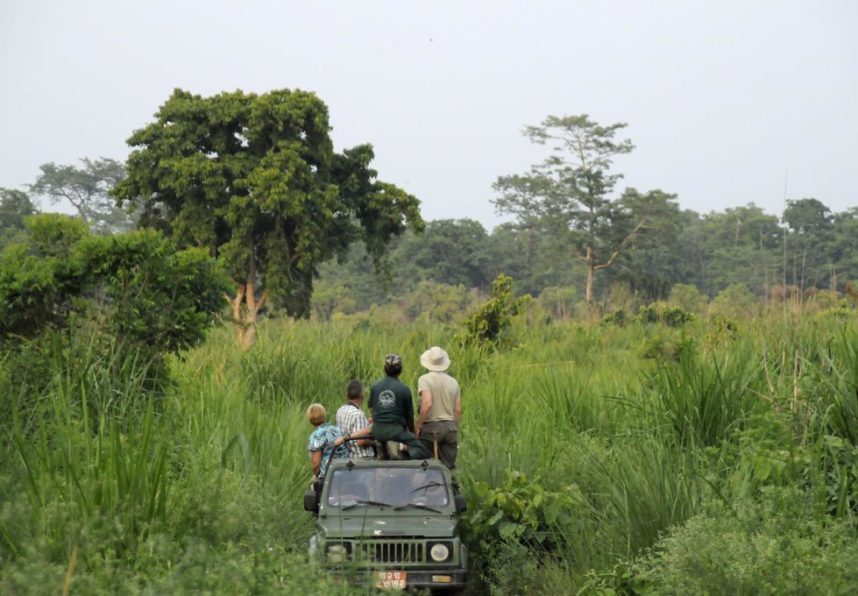
Chitwan National Park is a top destination for wildlife enthusiasts, nature lovers, and adventure seekers. Popular activities include:
- Jungle safaris (by jeep, elephant, or canoe)
- Birdwatching and wildlife photography
- Canoeing and boating along the Rapti and Narayani rivers
- Trekking and nature walks in the buffer zone
- Cultural experiences with Tharu communities
Places to Visit
Key attractions within and near the park include:
- Sauraha: The main tourist hub for jungle activities
- Rapti River: Ideal for canoeing and spotting crocodiles
- Bishazari Tal: A wetland area rich in birdlife
- Tharu Village: Explore traditional Tharu culture and lifestyle
- Kumroj Community Forest: A great spot for birdwatching and trekking
Sagarmatha National Park
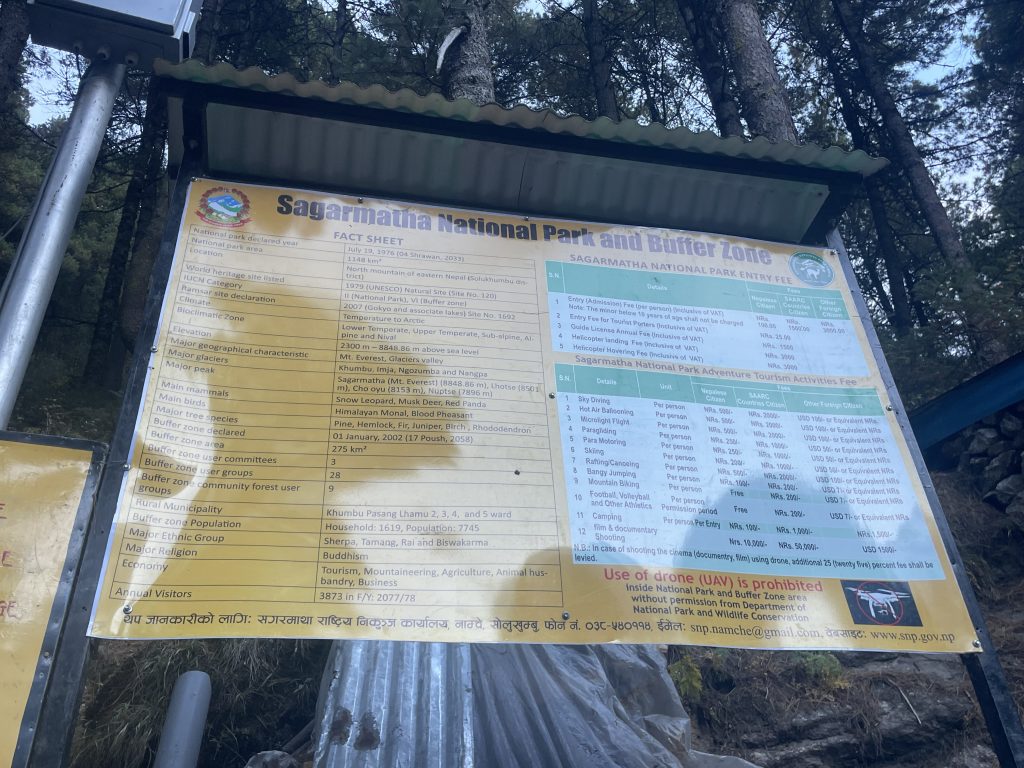
Sagarmatha National Park, established in 1976 and declared a UNESCO World Heritage Site in 1979, is one of Nepal’s most iconic protected areas. The park was created to preserve the unique Himalayan ecosystem, including Mount Everest (Sagarmatha), the highest peak in the world, and its surrounding landscapes. Covering an area of 1,148 sq. km, the park features high-altitude ecosystems, glaciers, alpine forests, and deep valleys, making it a paradise for trekkers, mountaineers, and nature enthusiasts.
Location:
Sagarmatha National Park is located in eastern Nepal, spanning the Solukhumbu district in the Khumbu region. The park stretches from the Dudh Koshi River in the west to the Tengboche and Khumbu valleys in the east, and borders the Makalu Barun National Park to the east and Tibet’s Qomolangma National Nature Preserve to the north. The park headquarters is situated at Salleri.
Climate:
The park’s climate varies greatly due to its dramatic elevation differences (2,845 m to 8,848 m):
- Summer (June–September): Warm at lower elevations with monsoon rainfall, while higher regions experience snow.
- Winter (December–February): Extremely cold at high altitudes, with heavy snowfall and icy conditions.
- Spring (March–May) & Autumn (September–November): Clear skies, moderate temperatures at lower altitudes, and ideal conditions for trekking and mountaineering.
Visitors are advised to plan their trips in pre-monsoon (March–May) or post-monsoon (September–November) seasons for the best visibility and safer trekking.
Wildlife and Vegetation:
Sagarmatha National Park hosts a remarkable variety of flora and fauna despite its high-altitude environment:
Mammals: Includes snow leopards, Himalayan tahr, musk deer, Himalayan black bears, red pandas, and Himalayan wolves.
Birds: Over 200 species, including the Himalayan monal (Nepal’s national bird), snowcock, lammergeier, and blood pheasant.
Reptiles and Amphibians: Limited due to altitude, but some species of frogs and lizards are found in lower valleys.
Vegetation: The park’s vegetation zones range from temperate forests of fir, juniper, rhododendron, and birch to alpine meadows, with sparse mosses and lichens at the highest elevations.
Local People in the Buffer Zone
The park’s buffer zone covers about 275 sq. km, inhabited mainly by the Sherpa community, who have lived in the region for centuries. Locals depend on tourism, trekking services, trade, and farming, offering visitors authentic cultural experiences, including traditional Sherpa hospitality, monasteries, and festivals.
Things to Do in Sagarmatha National Park
Sagarmatha National Park is a must-visit destination for adventure and nature lovers. Popular activities include:
- Trekking along the Everest Base Camp and Gokyo Lake trails
- Mountaineering expeditions to peaks like Everest, Lhotse, and Ama Dablam
- Birdwatching and wildlife spotting
- Camping in alpine valleys and scenic meadows
- Exploring Sherpa culture, monasteries, and traditional villages
Places to Visit in Sagarmatha National Park
Key highlights within the park include:
- Everest Base Camp: The ultimate destination for trekkers.
- Kala Patthar: Famous for panoramic views of Everest.
- Tengboche Monastery: A spiritual and cultural hub in the Khumbu region.
- Gokyo Lakes: Stunning glacial lakes surrounded by high peaks.
- Namche Bazaar: The main trading and cultural center of the Khumbu region.

Rara National Park

Rara National Park is one of Nepal’s most popular trekking destinations and the country’s smallest national park. It was declared a protected area in 1976, and in 2006, a 198 sq. km area around it was designated as a buffer zone. The park’s main attraction is Rara Lake, located at an altitude of 2,990 meters. Covering 10.8 sq. km with a depth of 167 meters, it is the largest lake in Nepal. In 2007, Rara Lake was recognized as a Ramsar site. The lake is fed by streams from nearby peaks, including Malika Kand (3,444 m), Ruma Kand (3,731 m), and Chuchemara (4,039 m), with waters eventually flowing into the Karnali River and Nijar Khola.
Location:
Rara National Park is situated in far northwestern Nepal, spanning the Mugu and Jumla districts. Mugu covers almost 90% of the park, while Jumla occupies the remaining 10%.
Climate:
The climate in Rara National Park varies with the seasons:
- Summer (April–June): Warm and pleasant, ideal for trekking.
- Monsoon (June–September): Rainy season makes trekking challenging.
- Winter (December–March): Cold with possible blockages at high passes.
The best time to visit is September–November and April–May, when the weather is clear and comfortable.
Wildlife:
Rara National Park is home to 21 mammal species, including Himalayan Tahr, yellow-throated marten, wild dog, red panda, Himalayan black bear, jackal, musk deer, and various monkeys. Bird enthusiasts can spot 272 species of birds, such as snowcocks, coots, pheasants, mallards, red-crested pochards, gulls, and grebes.
Settlements:
Originally, two villages—Rara and Chhapru—were located inside the park. After the park’s establishment, the residents were resettled in Banke District. Today, the park has no permanent settlements, and local people in surrounding areas primarily depend on agriculture.
Things to Do in Rara National Park
- Trekking and hiking through scenic trails
- Camping near Rara Lake
- Jungle safari and wildlife spotting
- Birdwatching
- Boating on Rara Lake
- Exploring local culture and traditions
Shivapuri National Park

Shivapuri National Park was established in 1976, previously known as Shivapuri Wildlife Reserve. Covering a total area of 159 sq. km—with 144 sq. km as the national park and an additional 15 sq. km as Nagarjun Wildlife Reserve—it plays a crucial role as a water source for the Kathmandu Valley, supplying hundreds of thousands of cubic liters of water daily.
Location:
Shivapuri Nagarjun National Park is located in the northern part of Kathmandu Valley, making it the only national park directly connected to Nepal’s capital. It spans four districts: Kathmandu, Sindhupalchowk, Nuwakot, and Dhading.
Climate:
The park is situated in the mid-hills, with a climate ranging from subtropical to temperate. Summer temperatures can reach 30°C, while winter temperatures may drop as low as 2°C, providing comfortable conditions for outdoor activities in most months.
Wildlife and Vegetation:
Shivapuri National Park is rich in flora and fauna, with over 2,122 plant species and four main forest types. Common vegetation includes Castanopsis indica, Alnus nepalensis, Pinus roxburghii, Schima wallichii, Quercus semicarpifolia, Rhododendron, and Quercus lanuginosa.
The park is also home to 15 mammal species, including threatened species such as clouded leopards, pangolins, Assamese monkeys, and leopard cats. Birdwatchers can spot 318 species of birds, along with 106 species of moths. Other notable wildlife includes Himalayan black bears, gorals, jungle cats, wild boars, sambar deer, and common leopards.
Local People in the Buffer Zone:
The park’s buffer zone covers 118.61 sq. km and is home to approximately 14,558 households with a population of 9,766. Most residents follow Hinduism and Buddhism, offering visitors a chance to experience local cultural diversity.
Things to Do in Shivapuri National Park
Shivapuri National Park is popular among cyclists, hikers, and nature lovers. Activities include:
- Short treks and hiking trails
- Cycling through scenic routes
- Birdwatching and wildlife spotting
- Jungle walks and nature photography
Places to Visit
The park also hosts several religious and cultural sites, along with rivers and sacred peaks. Key attractions include:
- Jamacho
- Tarkeshwor
- Bagwar
- Bishnudwar
- Buddha Gupha
- Manichur Mahadev
- Kageshwori
- Sundarimai
- Baudeshwor
- Pachali Bhairav
- Nagi Gumba
Shey- Phoksundo National Park
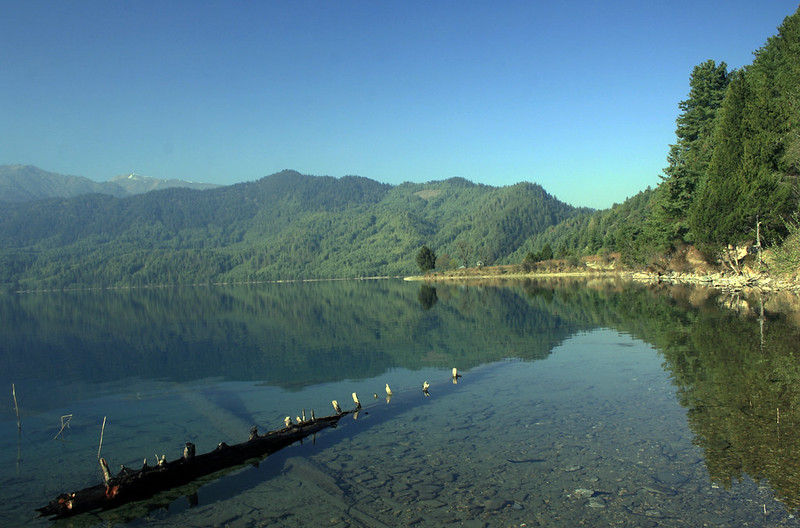
Shey-Phoksundo National Park was established in 1984 and later expanded in 1998 to include 1,349 sq. km as a buffer zone, covering private lands and forests. The park’s primary goal is to preserve wildlife, vegetation, and the fragile Himalayan ecosystem. Local communities and park management collaborate to protect natural and cultural resources while promoting sustainable tourism.
Location:
Shey-Phoksundo National Park is located in northwestern Nepal, in the Trans-Himalayan region. Covering 355 sq. km, it is Nepal’s largest national park. The park spans Mugu and Dolpa districts, with its headquarters in Palam, Dolpa and other administrative sites at Chhepka, Kaigaun, and Rigmo.
Climate:
The park’s climate varies widely due to its position along the Himalayan Crest.
- Monsoon (July–September): Heavy rainfall across much of the park.
- High elevations (above 2,500 m): Frequent snowfall and cold temperatures.
- Above 3,000 m: The landscape often remains frozen, offering stunning alpine scenery.
The Dhaulagiri and Kanjiroba ranges protect the area from landslides and soil erosion, maintaining the fragile ecosystem.
Wildlife and Vegetation:
Shey-Phoksundo National Park is home to remarkable biodiversity:
- Birds: 200 species, including crimson-eared rosefinch, wood snipe, and Tibetan partridge.
- Mammals: Goral, leopard, jackal, Himalayan black bear, blue sheep.
- Reptiles: 6 species
- Butterflies: 32 species, including the high-flying Paralasa nepalacia.
Vegetation includes caragana shrubs, juniper, rhododendron, silver fir, and white Himalayan flora, creating serene alpine landscapes.
Local People at the Buffer Zone
The park’s buffer zone houses over 12,000 people across 2,374 households. Villages in this area are among the highest settlements in the world. Locals primarily practice Bon and ancient Buddhist traditions, offering a unique cultural experience for visitors.
Things to Do and Places to Visit in Shey- Phoksundo National Park
Shey-Phoksundo National Park is rich in religious and natural sites:
- Shey Gompa: A prominent monastery in the region.
- Shey-Phoksundo Lake: The second-largest and deepest lake in Nepal, recognized as a Ramsar site in 2007.
- Historical Monasteries: Thasung Monastery (900 years old) and others built around the 11th century.
Travel notes: Individual trekkers need special permits to enter inner Dolpo areas. However, group trekkers can access deeper regions, while solo travelers are typically allowed up to Rigmo or Phoksundo Lake.
Bardia National Park
Bardia National Park, located in the southwestern Terai region, was originally established as the Royal Hunting Reserve in 1969. In 1976, it was officially declared a protected area under the National Parks and Wildlife Reserve Act (1973) to safeguard wildlife and vegetation. The park’s territory was later expanded in 1982, and in 1988, it was upgraded and renamed Royal Bardia National Park. Today, following the end of Nepal’s monarchy, it is known simply as Bardia National Park.
Location:
Bardia National Park spans 968 sq. km, making it one of the largest national parks in the Terai. The park features a mix of cultivated land, forests, villages, and the Mahendra Highway in the east, while the Karnali River and its tributaries flow along the south. To the north, the park reaches the crest of the Siwalik Range, creating a diverse ecosystem that supports a wide variety of wildlife.
Climate:
The park experiences three distinct seasons:
- October–March: Moderately dry with warm days and cold nights.
- April–May: Hot, with temperatures reaching up to 45°C, ideal for spotting wildlife near water sources.
- June–September: Monsoon season, bringing heavy rains to the subtropical landscape.
Wildlife and Vegetation:
Bardia National Park is a biodiversity hotspot, home to:
- Animals: 642 species including Bengal tigers, one-horned rhinos, blackbuck, swamp deer, wild elephants, and Gangetic dolphins.
- Birds: 407 resident and migratory species.
- Plants: 839 varieties, covering 70% of the park in grasslands, savannahs, and riverine forests.
- Fish: 125 species inhabiting rivers and wetlands.
The park offers excellent opportunities for wildlife photography and jungle safaris, with rare species visible in their natural habitat.
Things to Do in Bardia National Park
- Jungle safaris and guided jungle walks
- Cycling through scenic trails
- Birdwatching and wildlife spotting
- Dolphin watching in the Karnali River
- Boating and canoe rides
- Tiger tracking with expert guides
- Staying in local homestays and experiencing Tharu cultural shows
Makalu Barun National Park
Makalu Barun National Park, established in 1992, aims to conserve forests, wildlife, and vegetation. Previously listed as a conservation area, it is now fully managed by the Department of National Parks and Wildlife Conservation. The park is considered an eastern extension of Sagarmatha National Park and spans 1,500 sq. km with an additional 830 sq. km buffer zone. Ranging in altitude from 435 m to 8,463 m, the park includes tropical forests at lower elevations and snow-capped Himalayan peaks at higher altitudes, creating an extraordinary diversity of landscapes.
The park is home to Mount Makalu (8,463 m), the fifth-highest mountain in the world, as well as Mera Peak (6,654 m), Baruntse (7,129 m), and Chamlang (7,319 m), making it a paradise for trekkers and mountaineers.
Location:
Makalu Barun National Park lies in eastern Nepal, bordering Tibet’s Qomolangma National Nature Preserve to the north. It connects with Sagarmatha National Park in the west, Kanchenjunga Conservation Area in the east, and Saune Ridge to the south. The park spans Solukhumbu and Sankhuwasabha districts.
Climate:
The park experiences highly variable climate due to its dramatic elevation differences:
- Summer (March–May): Warm at lower elevations.
- Winter (October–February): Moderate in lower areas, freezing at higher altitudes.
- Monsoon (June–September): Most rainfall occurs, with pre-monsoon showers in April–May.
Wildlife and Vegetation:
Makalu Barun National Park is a biodiversity hotspot, hosting:
- Flora: 47 orchid species, 25 rhododendron species, 15 oak varieties, 19 bamboos, and 86 fodder trees across 27 forest types.
- Fauna: 88 mammal species, 433 bird species, 43 reptiles, 16 amphibians, 78 fish, and 315 butterfly species.
The park’s ecosystems range from dense subtropical forests to alpine meadows, supporting rare and endangered wildlife.
Local People at the Buffer Zone
The buffer zone includes 4 rural municipalities with nearly 38,977 residents across 94 communities, primarily Sherpas, Bhotes, and Rais. Locals rely on tourism, farming, and labor, running tea shops, hotels, and lodges within and around the park.
Things to Do in Makalu Barun National Park
Makalu Barun National Park is a trekker’s paradise, offering rugged and off-the-beaten paths:
- Trekking to Mera Base Camp and Makalu Base Camp
- Exploring Barun and Arun Valleys (the world’s deepest valley)
- Camping in scenic spots
- Birdwatching and snow leopard tracking
- Discovering Sherpa culture and visiting monasteries
Places to Visit in Makalu Barun National Park
- Makalu Base Camp
- Barun Valley
- Arun Valley
- Mera Base Camp
- Salpa Pokhari: Sacred lake popular among Hindus
- Other lakes: Panch Pokhari, Barun Pokhari, Dudh Pokhari, Teen Pokhari, Yekle Pokhari
Khaptad National Park
Khaptad National Park, established in 1984, is a protected area in Far-Western Nepal covering 225 sq. km, with elevations ranging from 1,400 m to 3,300 m. The park spans four districts: Achham, Bajhang, Bajura, and Doti. Its establishment was inspired by Khaptad Baba, a revered holy priest who migrated to the area in the 1940s for meditation. In 2006, an additional 216 sq. km was designated as a buffer zone to further conserve its natural and cultural heritage.
Khaptad National Park is also a religious and spiritual site for Hindus, with the Khaptad Baba Ashram near the park headquarters serving as a pilgrimage destination.
Location:
Located in Nepal’s far-western region, Khaptad National Park is a hidden gem for adventure and nature enthusiasts. From the park, visitors can enjoy panoramic views of the Api and Saipal Himalayan ranges, while exploring remote landscapes untouched by mass tourism.
Climate:
The park experiences a cool temperate climate:
- Summer (June–September): 0–20°C
- Winter (December–February): Below 20°C with colder nights at higher altitudes
- Autumn (October–November) & Spring (March–May): Mild and comfortable for trekking and exploration
Wildlife and Vegetation:
Khaptad National Park is home to 567 species of flora and fauna, including hemlock, oak, pine, and rhododendron. Its landscapes feature lush green hills, meadows, and forests. Notable wildlife includes:
- Birds: 270 species, including Impeyan pheasant, flycatchers, bulbuls, cuckoos, eagles, peregrine falcons, white-rumped vultures, and partridges.
- Mammals: 23 species
- Medicinal Herbs: 224 species, adding to the park’s ecological and cultural significance
Things to Do and Places to Visit in Khaptad National Park
- Trekking and camping in scenic hills
- Birdwatching and wildlife photography
- Meditation and spiritual retreats
- Visiting religious sites like Khaptad Baba Ashram and Triveni Temple
Gauri Shankar Conservation Area
Gauri Shankar Conservation Area, established in 2010, was created to protect the habitats of endangered wildlife and preserve diverse vegetation. Covering 2,179 sq. km, it shares borders with Sagarmatha National Park and Langtang National Park, forming a crucial conservation corridor in Nepal’s Himalayas.
The area is managed by the National Trust for Nature Conservation (NTNC), offering trekkers and nature enthusiasts a chance to explore off-the-beaten trails and experience pristine landscapes, glacial lakes, and majestic peaks like Mount Gauri Shankar (7,134 m). The park also features historical and religious sites, including temples, monasteries, and sacred lakes such as Tsho Rolpa Lake, allowing visitors to connect with both nature and culture.
Location:
Gauri Shankar Conservation Area is located in northeastern central Nepal, with its headquarters in Charikot, approximately 131 km from Kathmandu. It spans 22 Village Development Committees across Dolakha, Sindhupalchowk, and Ramechhap districts, each offering unique natural beauty and cultural significance.
Climate:
The conservation area covers a wide range of climatic zones: sub-tropical, temperate, sub-alpine, alpine, and nival. Altitudes vary from 968 m to 7,181 m, creating diverse ecosystems that support both high-altitude wildlife and lower elevation forests.
Wildlife and Vegetation:
Gauri Shankar Conservation Area is home to 235 bird species and 34 mammal species, including endangered Himalayan black bears, Himalayan tahr, and snow leopards. Vegetation includes 16 major plant varieties, supporting rich biodiversity across forests, glaciers, and alpine meadows.
Local People at Buffer Zone
The buffer zone population relies on tourism, farming, quarrying, and pastoralism for their livelihoods. Multiple ethnic groups reside here, including Sherpa, Tamang, Magar, Gurung, Chhetri, Brahman, Thami, Dalit, Newar, Surel, and Sunuwar, offering visitors a glimpse into Nepal’s cultural diversity.
Things to Do in Gauri Shankar Conservation Area
Gauri Shankar Conservation Area offers a mix of adventure, trekking, and cultural experiences:
- Trekking and peak climbing (Ramdung Peak 6,273 m, Chekigo Peak 6,257 m, Yalung Ri 5,630 m, Pharchamo Peak 6,273 m)
- Canoeing and white-water rafting
- Mountaineering and hiking
- Bungee jumping and canyon swing
- Exploring lakes, monasteries, and temples
Dhorpatan Hunting Reserve
Dhorpatan Hunting Reserve, established in 1987, is the only hunting reserve in Nepal where licensed hunting is permitted under the supervision of the Department of National Parks and Wildlife Conservation. Covering 1,325 sq. km, it lies at an altitude of 2,850 m to 5,500 m and touches the districts of Rukum, Myagdi, and Baglung. The reserve also covers parts of the Dhaulagiri Himal, offering panoramic views of Mt. Dhaulagiri, Mt. Manaslu, and Mt. Annapurna.
Designed to conserve wildlife and maintain ecological balance, the reserve also provides facilities for hunting enthusiasts, making it a unique destination for adventure lovers, trekkers, and mountaineers.
Flora and Fauna
The reserve boasts a rich diversity of vegetation and wildlife:
- Flora: Rhododendron, fir, juniper, hemlock, birch, and pine, with over 50% pasture land and vegetation zones ranging from alpine and sub-alpine to high temperate.
- Wildlife: Home to species like bluesheep and Himalayan tahr, which are legally hunted in designated blocks.
Climate and Best Time to Visit
Dhorpatan Hunting Reserve experiences cold and snowy winters, with strong winds at higher altitudes. The best visiting months for trekking and outdoor activities are March, April, October, and November, when weather conditions are favorable.
Hunting Blocks and Permitted Animals
The reserve is divided into seven hunting blocks for management and regulation:
Southern Hunting Blocks:
- Falguna: Bluesheep and Himalayan Tahr
- Barse: Bluesheep
- Gutsang: Bluesheep and Himalayan Tahr
- Surtibang: Himalayan Tahr
Northern Hunting Blocks:
- Seng: Bluesheep and Himalayan Tahr
- Dogadi: Bluesheep and Himalayan Tahr
- Sundaha: Bluesheep and Himalayan Tahr
Things to Do and Places to Visit in Dhorpatan Hunting Reserve
- Dhorpatan Hunting Reserve offers a blend of adventure, culture, and nature:
- Immersing in an environment-friendly zone with untouched natural beauty
- Trekking through remote trails with scenic hill landscapes
- Observing the local culture and interacting with hill tribes and Tibetan refugees
- Wildlife spotting and photography
- Exploring panoramic views of the Dhaulagiri and Annapurna ranges
Frequently Asked Questions(FAQs)
1. What is the best time to visit Nepal’s national parks?
The best time generally depends on the region:
- Himalayan parks like Shey-Phoksundo, Makalu Barun, and Dhorpatan: March–May and September–November for trekking and clear weather.
- Terai parks like Bardia: October–March for wildlife safaris and dry conditions.
- Mid-hill parks like Shivapuri and Gauri Shankar: March–May and September–November for comfortable temperatures and greenery.
2. Are permits required to enter these parks?
Yes. Most parks, including Shey-Phoksundo, Makalu Barun, and Shivapuri, require entry permits issued by the Department of National Parks and Wildlife Conservation. Some remote areas, like inner Dolpo, require special group permits.
3. What activities can visitors do in these parks?
Visitors can enjoy a mix of adventure, nature, and culture:
- Trekking, camping, and hiking in alpine and mid-hill trails
- Jungle safaris, wildlife spotting, and birdwatching
- Mountaineering and peak climbing in Makalu Barun and Gauri Shankar
- Cultural visits to monasteries, temples, and sacred lakes
- Boating, canoeing, and water-based activities in Rara Lake and Tsho Rolpa Lake
4. Are there accommodations in and around the parks?
Yes. Options include:
- Lodges and tea houses along trekking trails
- Homestays with local communities in Terai and mid-hill areas
- Camping in designated zones like Rara Lake or Makalu Base Camp
- Hotels in nearby towns for short visits to Shivapuri and Gauri Shankar
5. Can tourists see endangered wildlife in these parks?
Absolutely. These protected areas are home to rare and endangered species, such as:
- Bengal tigers, one-horned rhinos, and Gangetic dolphins in Bardia National Park
- Snow leopards, Himalayan black bears, and Himalayan tahr in high Himalayan parks like Makalu Barun and Dhorpatan
- Red pandas, clouded leopards, and pangolins in Shivapuri and Shey-Phoksundo
Final Say
Nepal’s national parks and conservation areas offer a unique blend of adventure, biodiversity, and culture. From trekking along pristine alpine trails to spotting rare wildlife in the Terai, every park provides unforgettable experiences for nature lovers and explorers.
If you’re planning to visit any of these top 8 national parks in Nepal, HighRoute Adventure can help you organize your trip with professional guides, permits, and customized itineraries.
Contact HighRoute Adventure for bookings and inquiries:
📧 Email: info@highrouteadventure.com
📱 Phone/WhatsApp: +977-9851058664
-
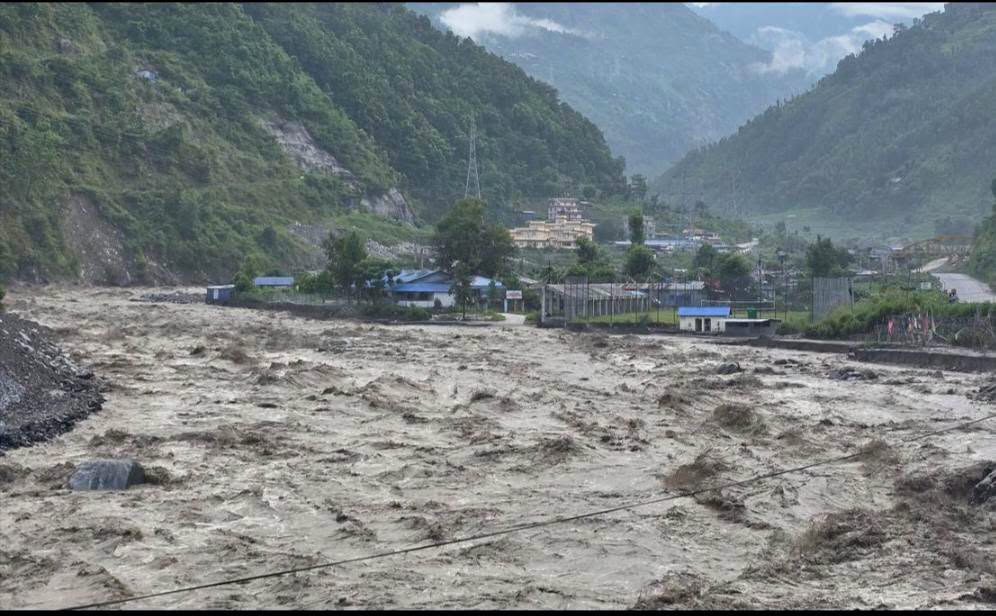
Catastrophic Flash Floods Strike Rasuwa around 9:00 AM on Wednesday, August 26
RASUWA: Early this morning, around 9:00 AM, flash floods originating from the Tibetan side affected parts of Rasuwa District, including Timmure, Rasuwagadhi, and Syabrubesi. The floods have caused significant damage, displaced residents, and disrupted traffic along important supply routes in the area. Latest Update of Rasuwa Bhotekosi flood – September 4, 2026 3 PM Latest…
-
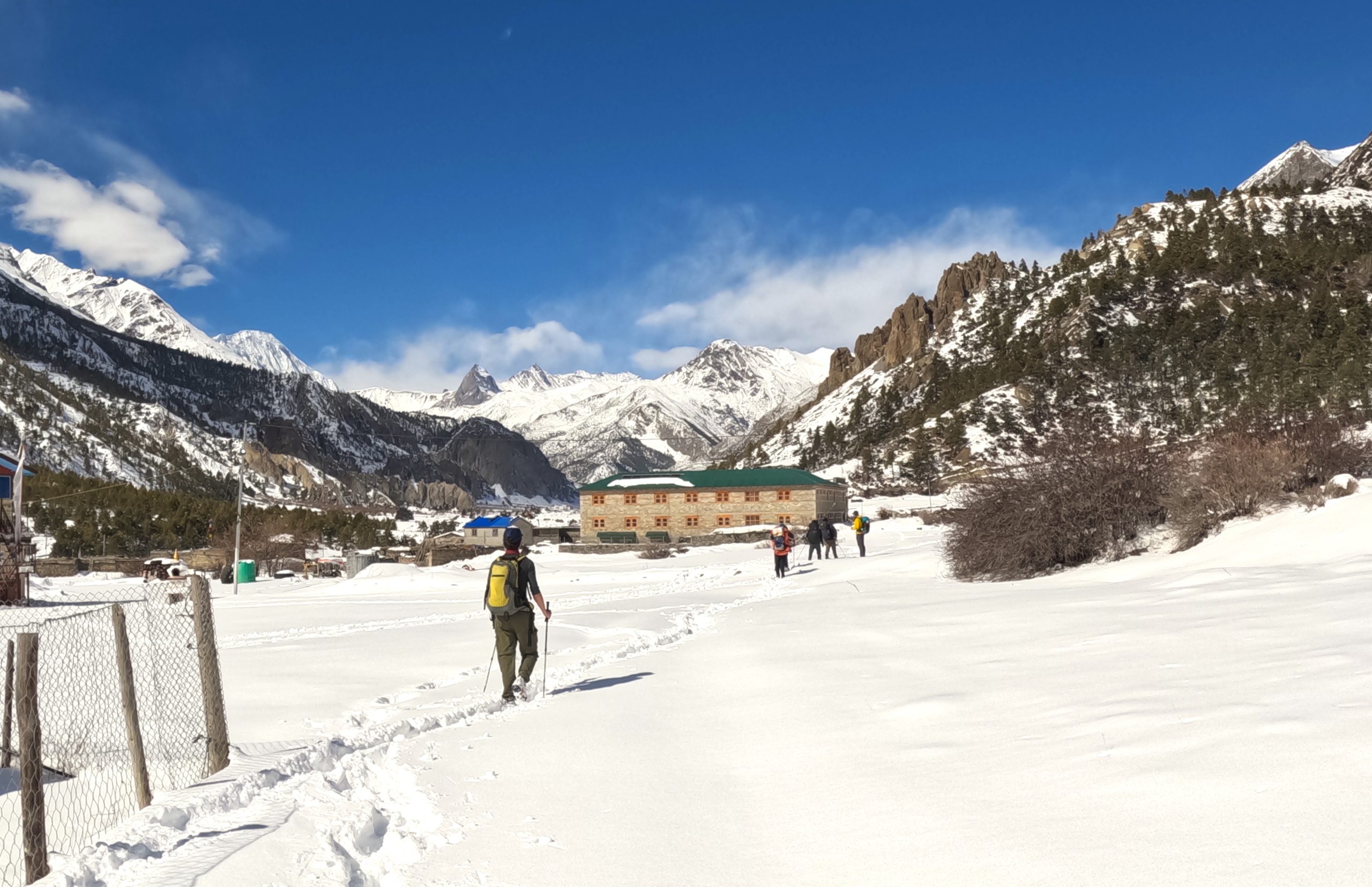
Is the Annapurna Circuit Trek Beginners Friendly?
Introduction The Annapurna Circuit is a world-famous trail located in the Annapurna region within the Annapurna Conservation Area of Gandaki Province. It circles the Annapurna range and offers breathtaking views of the Annapurna, Dhaulagiri, and Manaslu mountain ranges. The highest point that you will reach on this trek is Thorong La Pass at 5,416 meters…
-
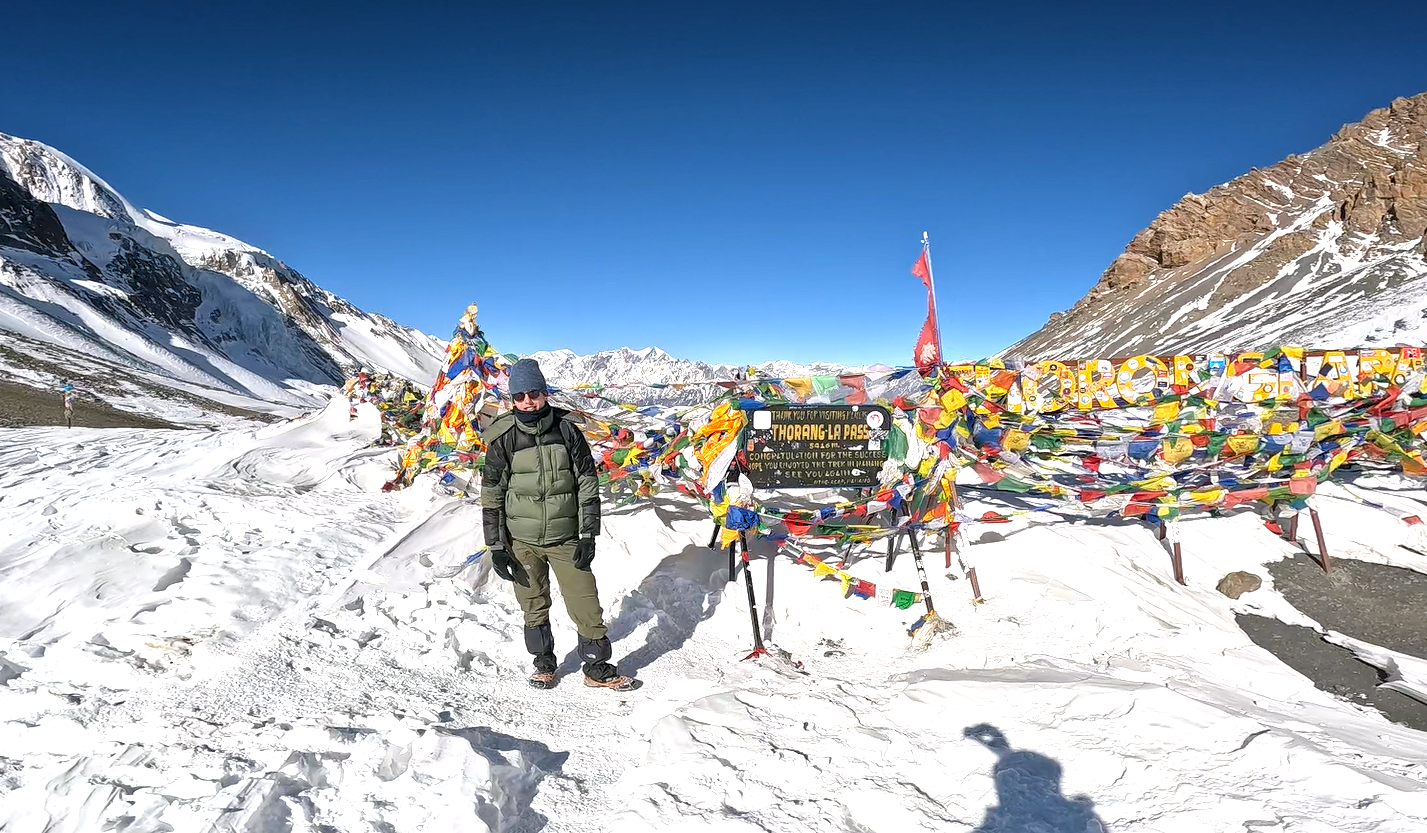
Thorong La Pass: Altitude, Location, Difficulty & Crossing Tips
I. Introduction There’s a moment on the Annapurna Circuit when trekkers feel a surge of excitement and exhaustion at the same time. The breathing becomes heavy here, and the wind starts to blow strongly. You can hear your own heavy breath, and when you look around, you see prayer flags snapping against a brutally blue…