
Muktinath Temple Nepal: Height, Location, History, Photos and More
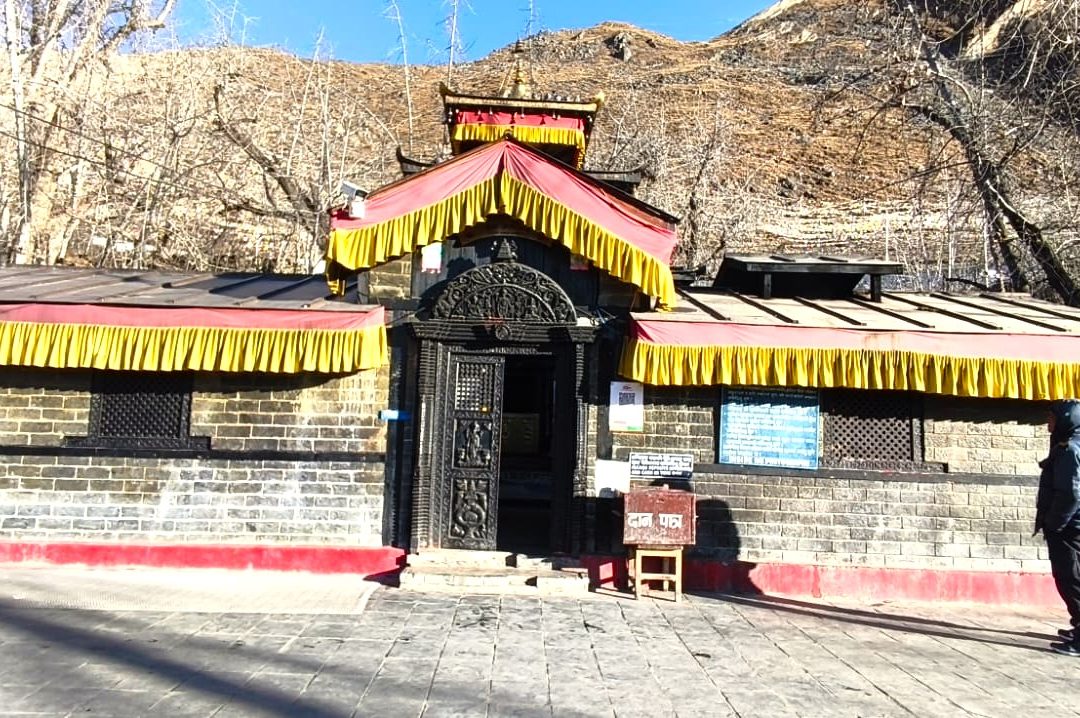
Muktinath Temple is “Place of Liberation” or Mukti Kshetra, a sacred threshold where two of the world’s great religions converge and the boundary between the mortal and the eternal feels gloriously thin.
| 3,710m above sea level |
| 108 Sacred water spouts |
| 106th Of 108 Divya Desams |
| 2,000+ Years of pilgrimage history |
Table of Contents
The Sacred Temple That Calls to Every Soul
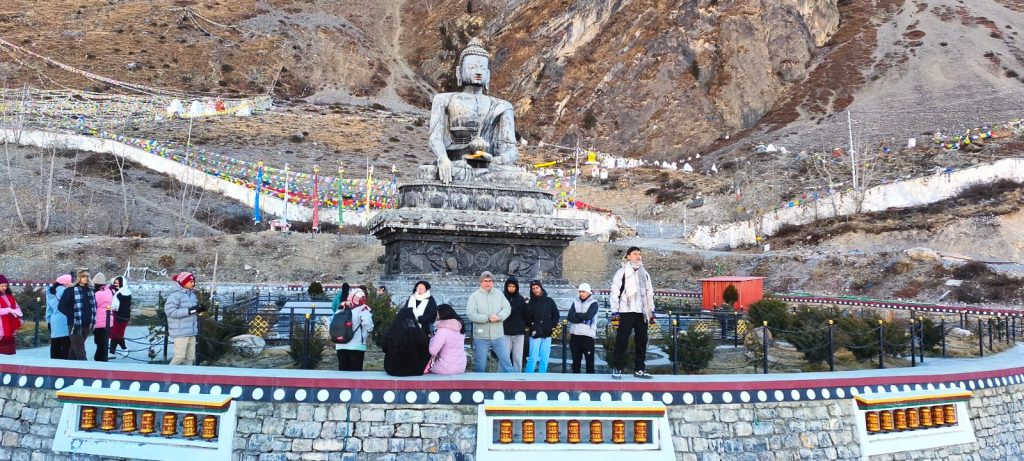
Muktinath Temple, also known as Mukti Kshetra or the “Place of Liberation,” is one of the four sacred Char Dham pilgrimage sites of Nepal. The Char Dham of Nepal includes Pashupat Kshetra, Ruru Kshetra, Mukti Kshetra, and Baraha Kshetra — all deeply important spiritual destinations for Hindu devotees.
Among these holy sites, Muktinath Temple holds a special place because it is believed to grant moksha, or liberation from the cycle of birth and rebirth. Located at the head of the Kali Gandaki Gorge — the deepest canyon on Earth — in the rain-shadow desert of Upper Mustang, Muktinath Temple sits at an elevation of 3,762 m (12,343 ft). It is the world’s highest altitude temple and every year, around 400,000 to over 800,000 pilgrims, including foreign tourist visits here.
Muktinath Temple is a sacred site for both the Hindu and Buddhist religions. Hindus worship Lord Vishnu here as Shri Mukti Narayana, while Tibetan Buddhists call the site “Chumig Gyatsa,” meaning “Place of a Hundred Waters.” No other site on Earth holds this dual sacred status with such authenticity and grace.
Many trekkers visit these sacred sites for the spiritual and cultural highlight, as it is part of the Annapurna Circuit trek, and it lies just below the famous Thorong La Pass(5,416 meters/17,769 feet).
“To stand at Muktinath is to feel, in your bones, that the earth itself is holy — that the mountains, the wind, and the water all carry the weight of ancient prayers.”
You can sense strong faith and divine energy everywhere, as pilgrims come with deep devotion, seeking blessings and spiritual peace at Muktinath Temple. Even in the cold freezing temperature, you can witness pilgrims taking a holy bath in the 108-sprout water.
The peaceful environment, surrounded by the Annapurna and Dhaulagiri ranges, makes the temple even more sacred, beautiful, and powerful.
The Divine Story of Muktinath
To understand the significance of the Muktinath temple, you need first to understand the importance of the holy 108 water spouts, the statue of Lord Vishnu inside the temple, its connection with Buddhism, and the Hindu mythology related to the Shakti Peeth.”
Spiritual Significance: One of the 108 Divya Desams
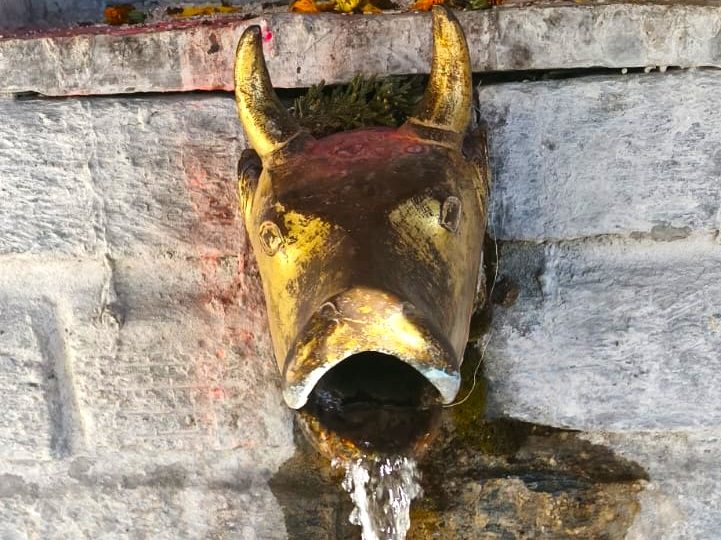
According to Hindu astrology, the number 108 is considered highly sacred because it symbolizes the completeness of the universe and the cosmic cycle. It is believed to represent the 12 zodiac signs (Rashi) multiplied by the 9 planets (Graha), as well as the 27 lunar mansions (Nakshatras) multiplied by their 4 quarters (Padas).
All these water spouts are kept in a semi-circle around the Muktinath temple, and the source of water is the Kaligandaki River. It is believed that taking a bath in this water spouts cleanses past sins and leads to salvation (moksha).
In Buddhism, the 108 water spouts represent the “Chumig Gyatsa,” which symbolize the cleansing of 108 defilements of the mind.
The Presiding Deity: Lord Mukti-Narayana
Inside the main shrine of the Muktinath temple, there is a statue of god Vishnu, in his form as Mukti-Narayana — the Narayana who grants liberation. It is one of the most sacred Vaishnava pilgrimage sites in Hinduism and holds a unique distinction as the only Divya Desam located outside India. Pilgrims travel long distances and high altitudes to visit Muktinath Temple, believing that the darshan of Lord Vishnu as Mukti-Narayana can wash away sins and bring moksha, freedom from the cycle of rebirth.
Buddhist Connection: Chumig Gyatsa — The Hundred Waters
Muktinath is an equally sacred site to the Buddhist pilgrimage. They called this site Chumig Gyatsa – A “hundred water” in Tibetan. It is recognized as one of the 24 important tantric sacred sites mentioned in Buddhist scriptures. The Tibetan name honours the miraculous presence of water flowing in this high, arid Himalayan desert. For followers of Vajrayana Buddhism, the site is linked to the legendary guru Padmasambhava, who is said to have meditated here.
The Story of Sati: A Shakti Peetha of the Goddess
Mythology also links Muktinath Temple with the story of the sorrow and divine journey of Goddess Sati. When Lord Shiva carried the body of Goddess Sati in grief, Lord Vishnu helped release it so Shiva could find peace. It is believed that wherever parts of Sati’s body fell, sacred Shakti Peeth sites were formed. One belief says her forehead fell at Muktinath Temple, making it a holy place filled with divine feminine energy. Because of this, the site is considered sacred in three ways — for Vishnu, for Buddhism, and for the Goddess.
What Makes Muktinath So Special?
The Concept of “Mukti”:
Encircling the 108 water spouts, which are shaped like the heads of cows, where icy mountain water flows, requires courage. The 108 108 is deeply auspicious: it corresponds to the 108 Upanishads, 108 Divya Desams, and the 108 beads of a Hindu mala. Despite the cold, freezing water, walk under each water spout and bathe in the icy water. This powerful ritual, done with strong faith and courage, is believed to wash away sins and help the devotee move close to the mukti- liberation.
The Eternal Flame: Jwala Mai — The Undying Fire
Within the temple complex of Muktinath Temple, there is a sacred flame known as Jwala Mai, which is believed to have been burning continuously. Naturally fed by the methane gas, visitors can witness the flame burning continuously without going out. To pilgrims, it is no geological curiosity; it is Jwala Mai, the Mother of Flame, a visible miracle of the divine.
Saligram: A holy stone
The Kali Gandaki River flows in the valley below Muktinath Temple. This river is famous for Shaligram stones, which are naturally found in large numbers. Shaligrams are considered very sacred in Hindu tradition. When examined, they often show spiral patterns that are believed to represent the Sudarshan Chakra of Lord Vishnu. Pilgrims often take this to their home for worship as a symbol of Lord Vishnu.
How To Reach Muktinath
Muktinath Temple is located in the Mustang District of Gandaki Province, in north-central Nepal. It is protected by the Annapurna Conservation Area Project (ACAP) permit as it falls under the Trans-Himalayan region of Nepal.
Muktinath Temple lies in the Lower Mustang region of Nepal, an area that borders Tibet. Historically, Mustang was part of the ancient Kingdom of Lo, which was deeply influenced by Tibetan culture and traditions.
The Route: From Pokhara to Muktinath Temple
The common starting point where your journey to the Muktinath temple starts is from Pokhara, the city of lakes and Tourism Capital of Nepal. From Pokhara, travellers have two choices:
- Overland Route: From Pokhara, you will drive to Beni first, which is approximately 75–110 km away. The drive duration from Pokhara to Beni is around 2.5 to 4 hours. From Beni, you will drive through the Jomsom road passing through Ghasa, Kalopani, Syang, Kagbeni, and reach near the Muktinath temple.
- By Flight: In this route, you will take a morning flight from Pokhara International Airport to Jomsom and then take a road trip to the Muktinath temple.
- By Helicopter: Some tour operators run direct heli tours from Pokhara Airport to the Muktinath temple. The flight duration will be around 2 to 3 hours, including darshan time.
The Route: From Kathmandu to Muktinath Temple
Travellers who want to start their tour to Muktinath Temple from Kathmandu can travel to Pokhara either by flight or by road. The road journey from Kathmandu to Pokhara covers around 200 km and takes approximately 8–9 hours, depending on traffic and road conditions. If you take a flight, you can reach Pokhara in about 25–30 minutes. From Pokhara, you can continue the journey to Muktinath by road or flight to Jomsom + Jeep.
Altitude Acclimatization Pro-Tip: Muktinath, which sits at an altitude of 3,710 meters (12,172 ft), can cause altitude sickness for unprepared visitors. So make sure to keep a rest day in Jomsom (2,720m) or Kagbeni (2,810m) before reaching Muktinath.
The Pilgrimage Experience
The journey to the Muktinath temple is the most adventurous and dramatic part of the pilgrimage. Passing through the gorgeous Kali Gandagi river and entering the Mustang region, you can enjoy the stunning landscapes – deep valleys, rocky cliffs, dry mountain deserts, and breathtaking views of the snow-covered Himalayas.
Ranipauwa (Muktinath village) is the closest stop for vehicles to the Muktinath temple. From here, you need to walk for around 15-30 minutes. The final ascent to the temple involves approximately 114 to 300 steps. Walking at an altitude of 3,710 meters, even for a short distance, can feel quite challenging.
Once you reach the temple on clear days, you can see the breathtaking views of Dhaulagiri I (8,167 m), Annapurna I (8,091 m), and Nilgiri North (7,061 m). Mukti Kunda and Saraswati Kunda lie just in front of the temple. The pagoda-style temple with its gold-plated pinnacle (gajur) and serene atmosphere creates a deeply peaceful and spiritual experience.
Essential Travel Tips
Best Time to Visit Muktinath Temple
Due to its high altitude and location surrounded by the desert and the high Himalayas, the weather here remains cold most of the time. So if you are planning to visit this revered site, it is important to prepare for the cold climate. The months from March to June and September to November are considered the best time to visit, as the weather is still cold but more manageable. The weather remains stable most of the time, and you can enjoy the clear views of the beautiful landscape and the distant view of mountain peaks. Also, the chance of rainfall remains low in this month.
Winter( Dec- Jan) and Monsoon(Jun – Aug) are off-seasons for the Muktinath tour in Nepal. The weather becomes harsh in winter due to freezing temperatures and heavy snowfall, making it difficult to take holy baths for devotees. During the monsoon season, poor visibility, heavy rainfall, and the risk of floods and landslides can cause road blockages, so travelling is generally not considered safe.
Note: At high altitude, the weather changes rapidly, so we recommend checking the weather forecast before travelling.
Required Permit to Visit Muktinath Temple
Yes, all travellers heading to the Muktinath temple must obtain an ACAP permit. It is located inside the Annapurna Conservation Area (ACAP), so the permit is mandatory for all. You can obtain this ACAP permit either from Kathmandu, Pokhara, or online via the official NTNC e-permit portal.
- ACAP permit cost: NPR 3,000 ( for foreigners)
- ACAP permit cost: NPR 100( locals)
What to Pack?
Before you begin your journey to the Muktinath temple, pack essential clothing to stay warm. Here is the list of clothing items that you must carry with you:
- Warm down jacket
- Thermal inner layers (top and bottom)
- Woolen sweaters or fleece jackets
- Waterproof windproof jacket
- Warm trekking/hiking pants
- Woolen gloves
- Warm hat or beanie
- Thick woolen socks (multiple pairs)
- Comfortable hiking shoes with a good grip
- Scarf or neck warmer
Culture and Etiquette
When visiting the Muktinath temple, it is important to show respect to this sacred site and follow the local rules and regulations.
Things to do Dress modestlyRemove shoes before entering main shrineRespect ritualsRespect religious beliefsstay hydrated Dress modestlyRemove shoes before entering main shrineRespect ritualsRespect religious beliefsstay hydrated | Things to avoid |
Final Say
Muktinath is a spiritual place for pilgrims as well as a popular tourist place to visit during the Annapurna Circuit trek. Visiting here, you will find peace, beautiful mountain scenery, faith in god and religious activities performed by the devotees.
If you are visiting Nepal, Muktinath is a must-visit place as it offers a blend of spirituality, nature, and culture, leaving every visitor with a sense of peace and inspiration. If you have already visited, you can share the story with us. If you are planning, High Route Adventure also runs the Muktinath tour programme both by helicopter and road trip. For more information, please get in touch with us directly via WhatsApp or email.
“Om Namo Bhagavate Vasudevaya”
-
Flash Flood Sweeps Away Dozens of Homes in Gorkha, Nepal
KATHMANDU, Nepal — A sudden and severe flash flood tore through the Budhi Gandaki River basin in Gorkha district on Sunday morning, washing away approximately 35 houses and triggering widespread destruction in the mountainous Manaslu and Tsum Valley regions. According to local authorities and disaster management officials, no human casualties have been reported thus far, though…
-
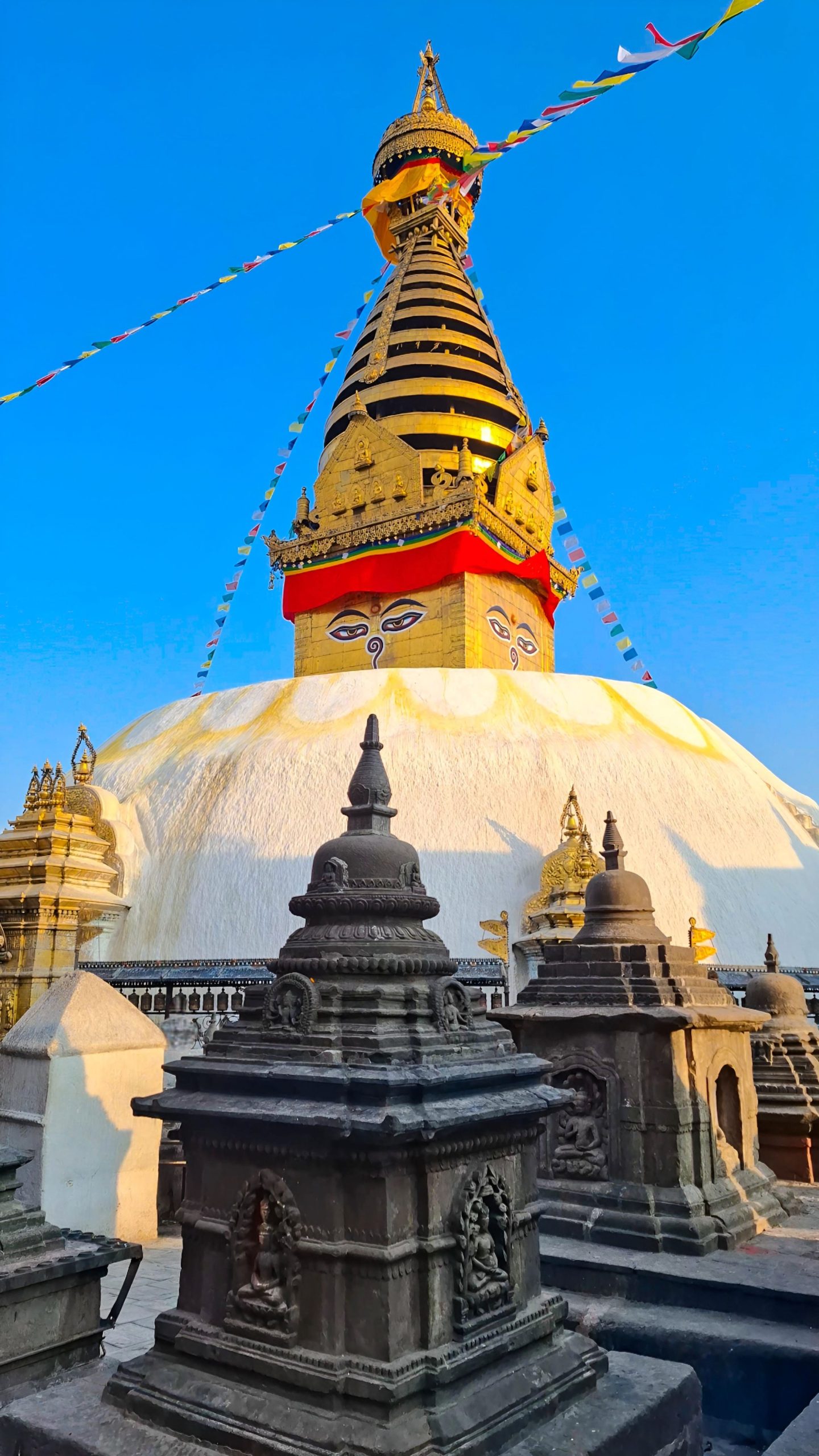
Swayambhunath Temple, Kathmandu
Imagine standing above the chaos of Kathmandu. Honking horns fade below you. A gleaming white dome rises ahead. Two enormous painted eyes gaze calmly in every direction. Prayer flags flutter in the Himalayan breeze. This is Swayambhunath, one of the most extraordinary places in Nepal. Visitors know it as the “Monkey Temple” because hundreds of…
-

North Goa vs South Goa: Which Is Better for Your Holiday?
Amongst the places that are highly popular in terms of beaches, weather, culture, and ambiance in India is Goa, which is known to possess some of the most beautiful beaches in India. The idea of Goa being famous for its beaches, which can be used by tourists for entertainment in North Goa while South Goa…