
Larkya La Pass Weather and Temperature
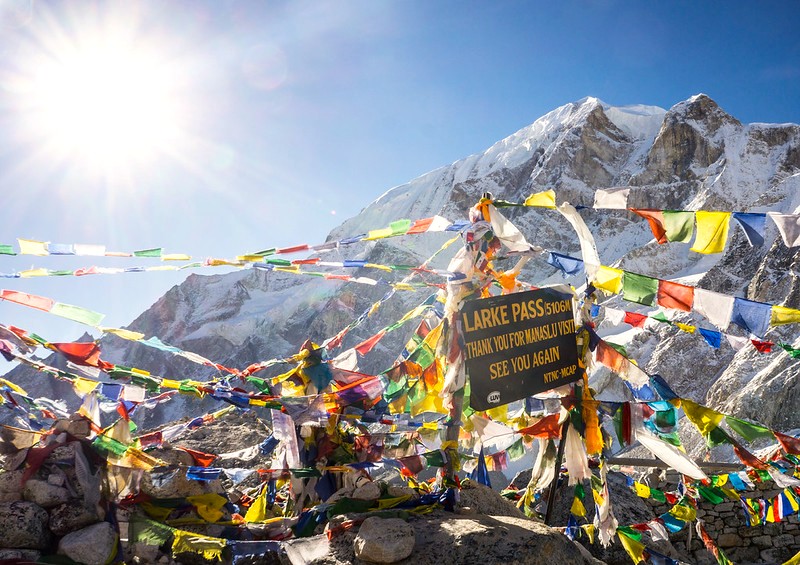
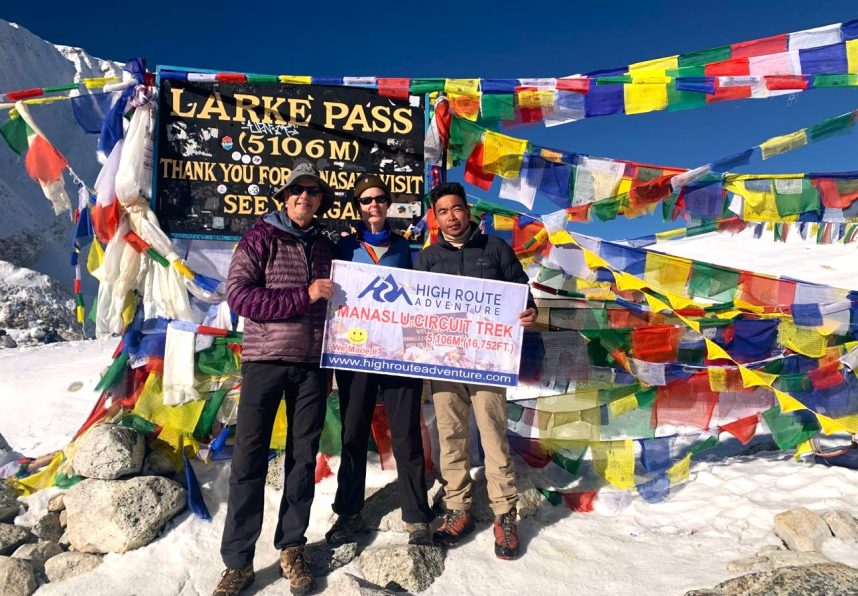
If there is one thing that will make or break you during the Manaslu Circuit trek is Larkya La Pass. This high mountain pass is situated at an altitude of 5,106 meters (16,752 feet) above sea level. The Larkya La Pass hike starts from Dharamshala (4,460m). It takes 3 to 4 hours to hike across an 8 km steep, often icy trail to reach the top of Larkya La Pass. It is the highest point on the Manaslu Circuit trek. The Larkya La Pass weather is often unpredictable and remains cold, with freezing temperatures, strong winds, and occasional snowfall.
Because of this reason, crossing the Larkya La Pass is considered the hardest part in the entire Manaslu Circuit trek. To cross this high-altitude mountain pass safely, understanding the weather pattern is very important. This helps you to plan a safe, successful crossing without adding unnecessary risks.
In this guide, you will learn what to expect at Larkya La Pass, Nepal, season by season and month by month. Additionally, you will know what essential things to carry with you.
Table of Contents
Quick-reference fact table for Larkya La Pass
| Fact | Details |
| Elevation | ~5,106–5,160 m (16,752–16,930 ft) |
| Location | Manaslu region, Gorkha District, Nepal, near the Tibet border |
| Route Position | Between Dharamsala (Larke Phedi) and Bimthang |
| Part of | Manaslu Circuit Trek |
| Trek Duration | 12–18 days (round trip from Kathmandu) |
| Day Reached | Typically Day 10–12 of the trek |
| Crossing Time | 8–12 hours (Dharamsala → Larkya La Pass → Bimthang) |
| Recommended Start Time | Around 3:00–4:00 a.m. to avoid strong winds and afternoon clouds |
| Difficulty | Moderate to strenuous; more challenging than Thorong La Pass |
| Best Seasons | Spring (March–May) and Autumn (September–November) |
| Best Months | April and October |
| Daytime Temperature | Approximately 0°C to 8°C during the best trekking seasons |
| Night Temperature | Can drop to -15°C to -25°C, especially in winter |
| Winter Conditions | Heavy snowfall; the pass may be blocked, with temperatures below -20°C |
| Monsoon Conditions | Rain, muddy trails, leeches, and poor visibility; not recommended |
| Permits Required | Manaslu Restricted Area Permit (RAP), Manaslu Conservation Area Permit (MCAP), and Annapurna Conservation Area Permit (ACAP) |
| Guide Requirement | Yes. A licensed guide is legally mandatory for the Manaslu Restricted Area. |
| Top Views | Himlung Himal, Cheo Himal, Kang Guru, Annapurna II, Manaslu, and surrounding Himalayan peaks |
| Teahouses | No teahouses between Dharamsala and Bimthang; carry sufficient water and snacks |
| Main Risks | Altitude sickness (AMS, HAPE, HACE), sudden weather changes, snow, and strong winds |
Larkya La Pass Weather by Season
Spring (March–May):
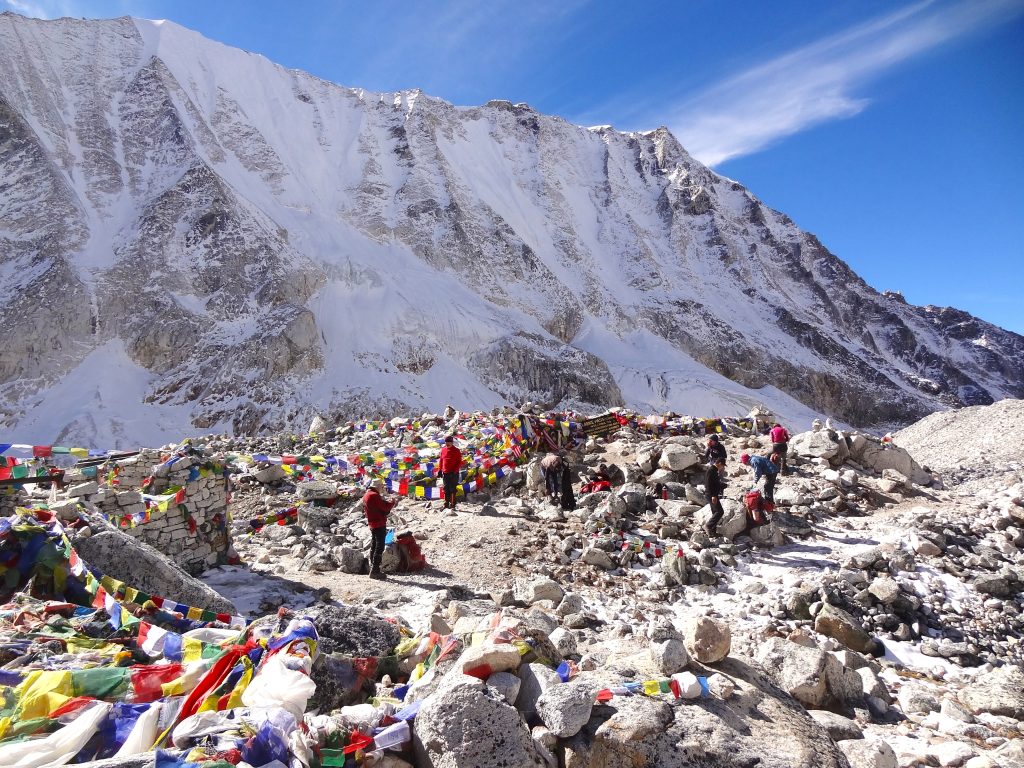
Spring is considered the best time for the Larkya La Pass trek. At lower elevation, the trekking trails remain colourful with vibrant rhododendron forest. The daylight hours are longer, which gives us maximum time to reach the everyday trek destination safely. Near the Pass the temperature during the day remains around 8°C. But at night and early morning, the temperature drops below freezing.
Early in March, due to leftover snow ice makes the trail slippery and difficult to cross. So it will be wise to carry crampons with you. By April and May, the temperature gradually starts to warm, but afternoon clouds and occasional rain showers are common in lower elevations. Occasional snowfall is common at Larkya La Pass.
Autumn (September–November):
Larkya La Pass weather remains best in autumn due to dry trails, crisp air and breathtaking mountain views. Daytime temperatures range from -4° C to 8° C, dropping to -8° C to -15° C at night. During this time, the days are shorter compared to spring, so Larkya La Pass hiking should start early in the morning. Days are shorter than spring, so start early in the morning to avoid the windy afternoon. Also Nepal’s biggest festivals, Dashain and Tihar, coincides in this season offering a chance to experience the country’s rich culture and traditons during your trek.
Winter (December–February)
Winter is the most challenging period to cross the Larkya La Pass. During this time, the day temperature ranges from -12° C to -16° C, dropping to below -20° C at night. Heavy snowfall can bury the trail that leads to the Pass. The risk around the avalanche remains high if the snow deposit is high.
Due to extremely harsh weather, the teahouse owners generally move to lower regions. For this reason, very limited teahouses are open. Winter crossing is not recommended for beginner trekkers, and even experienced trekkers should be well-equipped. It’s not the season for the high-altitude Himalayan trek.
Monsoon (June–August)
Crossing the Pass during the monsoon is not tough, but reaching the starting point of the Manaslu trek is risky. In the lower region, the heavy rainfall resulted in floods, landslides, and roadblocks. At higher altitude, the mountain views are often blocked by dark clouds. The trekking trails remain muddy and slippery. If you don’t mind getting wet and love lush green landscapes, you can hit the trail.
Larkya La Pass Weather Month by Month
- December – February: Extremely cold, temperature drops below -20°C. On clear weather days at the Pass, you can enjoy stunning mountain views. Risk of the trail being blocked due to snowfall.
- March: Days are warm but nights remain cold. Leftover snow lingers near the Pass.
- April: One of the best months for crossing the Pass in a manageable way. The trails remain busy during this time.
- May: Visibility can be blocked by afternoon clouds and chances of occasional snowfall.
- June-August: Difficult to reach the Pass from lower elevation due to heavy daily rain, slippery trails, poor visibility, and higher landslide risk.
- September: A good shoulder month, though slightly less settled than peak autumn
- October: Often called the single best month – stable weather, clear skies, manageable snow at the Pass
- November: Excellent visibility and dry trails, but colder and with shorter daylight hours, especially late in the month
Why Larkya La Pass Weather Is So Unpredictable
Larkya La Pass elevation is 5,106 meters (16,752 feet), which means the air pressure is half that of sea level—the temperature swings between day and night. At high altitude, they have their own weather. The strong wind, cold temperatures, sudden snowfall, and poor visibility can arrive at any time. That’s why the itinerary is built in such a way that crossing passes start at dawn and reach the top in the early morning.
What This Means for Your Trek
If you are looking for the safest and best month, then aim to visit Manaslu in April, September or October. Most of the time during this month, the weather conditions remain stable, and visibility remains high. Trekking in September, March and May is also best, but weather conditions are slightly unpredictable.
No matter which season you choose, remember the weather at high altitude can turn quickly. It’s better to have 1-2 buffer days in the itinerary for weather-related issues. Carry essential gear and clothing items that cover all weather conditions.
Always follow the guide instructions and check the weather forecast before and during crossing the mountain pass.
Packing for Larkya La Pass Weather
When you hire a porter with you, they normally carry 20kg and 1 porter is divided among two trekkers. Make sure your main luggage weighs no more than 10kg. Carry the day backpack with you and put only essentials with you, like a water bottle, snacks, light clothes, sunscreen, sunglasses, a rain jacket, documents and an electronic device.
Here is the comprehensive packing list for the
- Insulated down jacket
- Waterproof jacket and rain pants
- Moisture-wicking base layers
- Fleece or insulated mid-layer
- Warm trekking pants
- Waterproof trekking boots with good grip
- Warm wool trekking socks (2–3 pairs)
- Insulated waterproof gloves
- Warm beanie or wool hat
- UV-protection sunglasses (Category 3 or 4)
- Buff or neck gaiter
- Sunscreen (SPF 50+) and lip balm
- Reusable water bottles or hydration bladder (2–3 liters)
- Insulated water bottle cover (recommended in winter and early spring)
- Energy snacks (nuts, chocolate, or energy bars)
- Personal first-aid kit and any prescribed altitude medication
- Headlamp with spare batteries
- Trekking poles
- Microspikes or crampons (recommended in early spring and winter)
- Waterproof backpack cover
- Power bank and charging cables
To hike the mountain pass in the remote Manaslu Region of Nepal is not an easy task, but it’s absolutely managed when well planned and prepared.
Frequently Asked Questions(FAQ)
How long does it take to complete the Manaslu Circuit trek?
- A standard Manaslu Circuit trek can be completed in around 14 – 16 days; however, if you combine it with Tsum Valley, it takes around 18-21 days to complete.
How much does it cost to do the Manaslu Circuit trek?
- Budget around 895 for a group tour, and for the standard trek, it costs around 1,000 -1200 per person.
What is the altitude of Larkya La Pass?
- The Larkya La Pass altitude is 5,106 meters (16,752 feet) above sea level.
Is Manaslu Pass harder than Everest 3 passes?
Everest Three Passes is more difficult than the Manaslu Pass because it involves crossing 3 high passes: Kongma La (5,535m), Cho La (5,420m), and Renjo La (5,360m). Due to longer walking hours and remote location, people often think that the Manaslu Pass is quite tougher compared to the Everest Pass. But actually, crossing the three passes above 5,000 m in a single trip is extremely challenging and physically demanding.
Which is the highest altitude mountain pass of Nepal?
Amphu Lapcha Pass, which sits at an altitude of 5,845 m (19,177 feet), is Nepal’s highest-altitude mountain pass.
Can normal people cross the Larkya La Pass?
To cross the Larkya La Pass, it takes around 8-9 hours (ascent and descent), so to cross it you need to have good stamina and strong legs. As long as you are fit for walking for a long duration, you can cross this Pass.
Are there teahouses around Larkya La Pass?
There are no teahouses at Larkya La Pass itself. The last teahouse before the Pass is at Dharamsala (also known as Larkya Phedi), which serves as the starting point for the pass crossing. After crossing Larkya La Pass, the next available teahouses are in Bhimtang on the other side.
Final Say
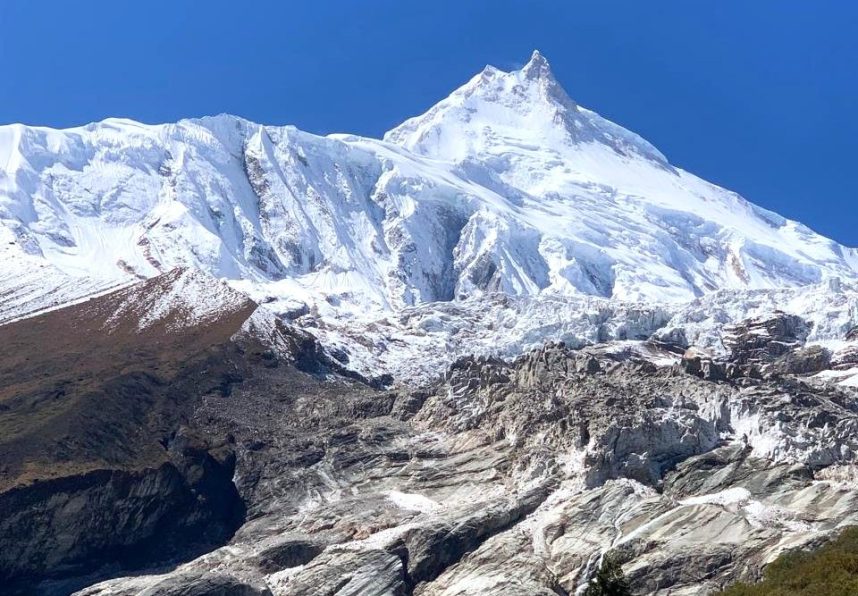
During the peak season spring and autumn), the chances of crossing the Larkya La Pass are above 95%. Most failed crossings occur due to altitude-related issues. Apart from the weather, trekkers also need to focus on proper acclimatization and altitude sickness(AMS) related issues. Every year around 10,000 people visit this stunning destination in the Manaslu Region. To reach here, trekkers need to get a special permit and hire a guide. Also, trekking should be done through a registered trekking agency like High Route Adventure.
-
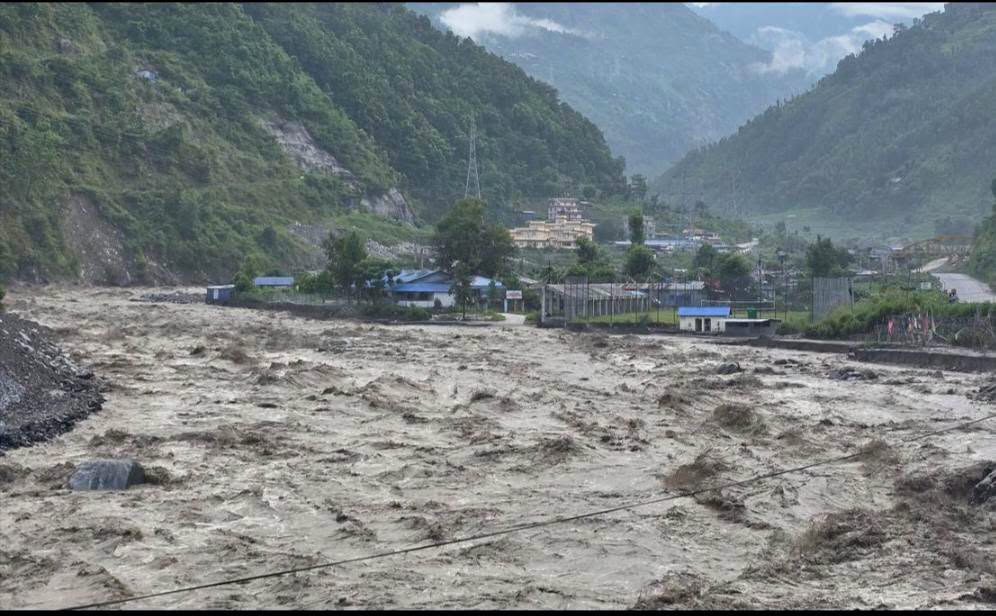
Catastrophic Flash Floods Strike Rasuwa around 9:00 AM on Wednesday, August 26
RASUWA: Early this morning, around 9:00 AM, flash floods originating from the Tibetan side affected parts of Rasuwa District, including Timmure, Rasuwagadhi, and Syabrubesi. The floods have caused significant damage, displaced residents, and disrupted traffic along important supply routes in the area. Latest Update of Rasuwa Bhotekosi flood – September 4, 2026 3 PM Latest…
-
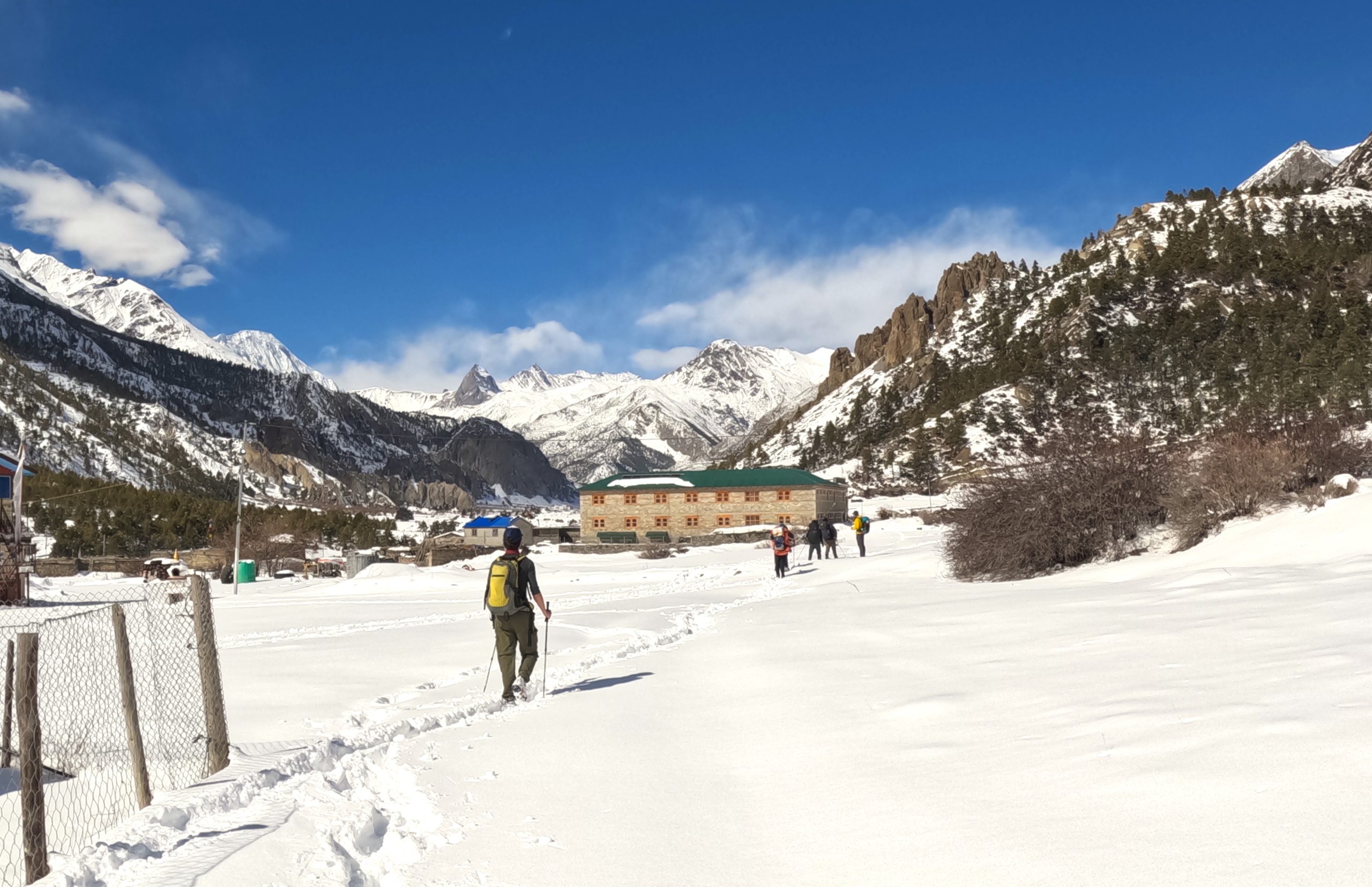
Is the Annapurna Circuit Trek Beginners Friendly?
Introduction The Annapurna Circuit is a world-famous trail located in the Annapurna region within the Annapurna Conservation Area of Gandaki Province. It circles the Annapurna range and offers breathtaking views of the Annapurna, Dhaulagiri, and Manaslu mountain ranges. The highest point that you will reach on this trek is Thorong La Pass at 5,416 meters…
-
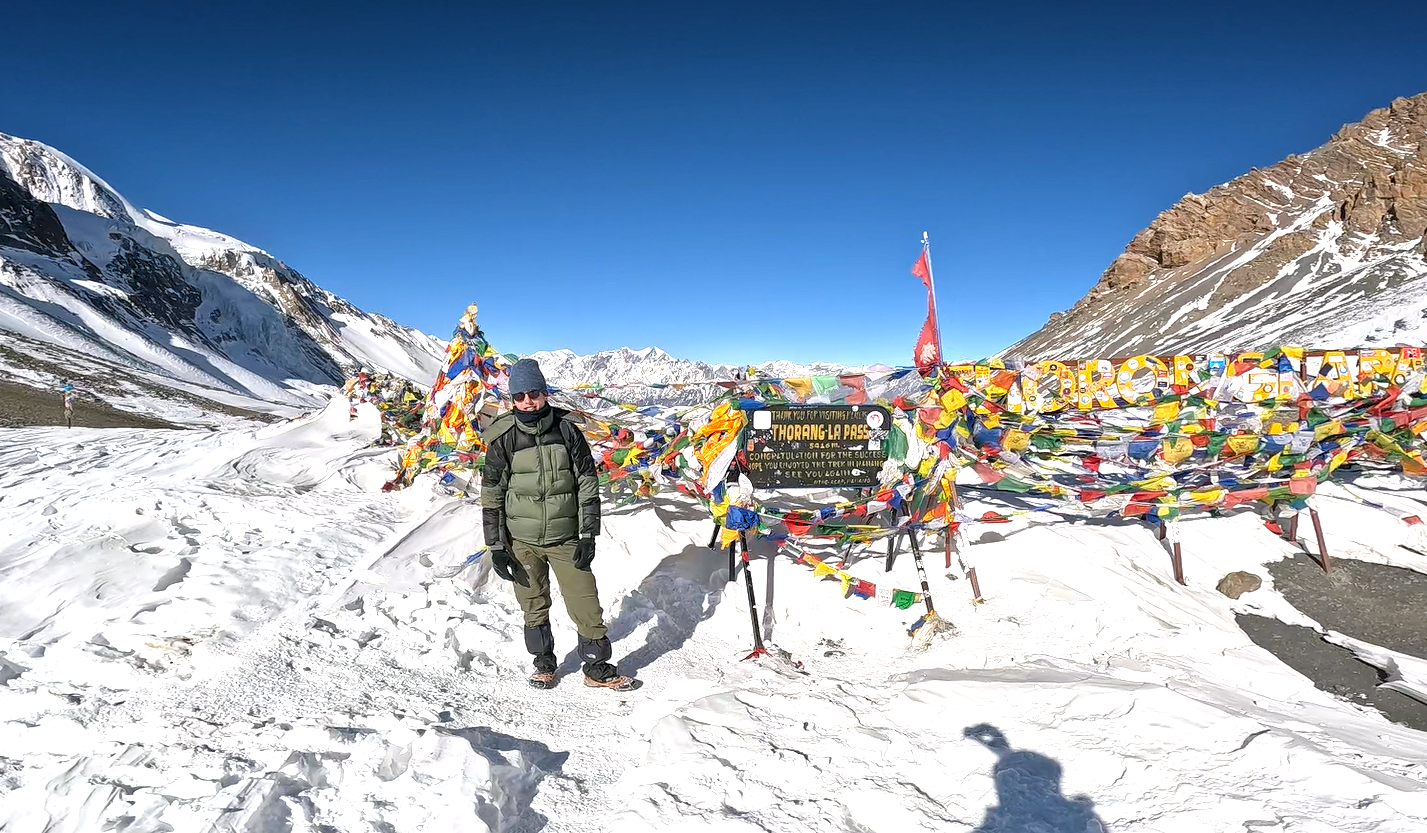
Thorong La Pass: Altitude, Location, Difficulty & Crossing Tips
I. Introduction There’s a moment on the Annapurna Circuit when trekkers feel a surge of excitement and exhaustion at the same time. The breathing becomes heavy here, and the wind starts to blow strongly. You can hear your own heavy breath, and when you look around, you see prayer flags snapping against a brutally blue…