The Saturday Market of Namche Bazaar
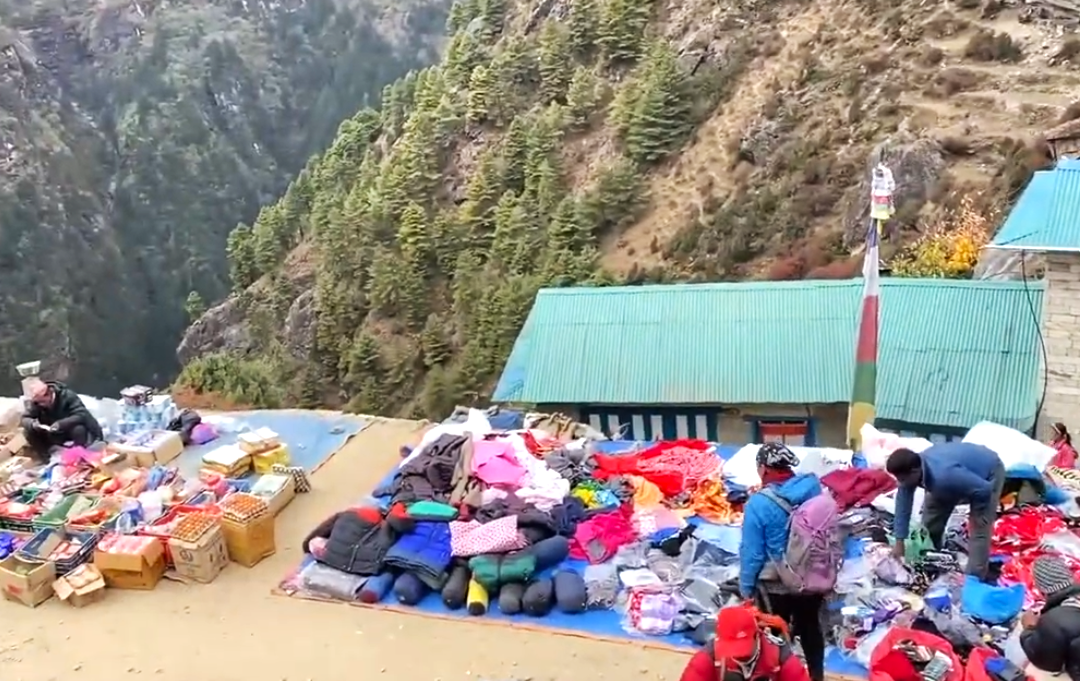
Where the ancient salt routes of Tibet meet the trekking boots of the modern world, the Saturday Market comes alive every week at 3,440 metres above sea level. Locals gather together to sell everything from fresh vegetables and household goods to traditional handicrafts, warm clothing, and trekking equipment. By the time the market square fills with colour and noise, Namche turns from a quiet place into a joyful commerce. This is the Saturday Haat — a market that has functioned on this same spot, on this same day of the week, for centuries. It is the beating heart of the Khumbu, and for first-time trekkers, it is the single most revealing window into the culture, resilience, and warmth of the Sherpa world.
“To understand Everest, you must first understand Namche — and to understand Namche, you must see it on a Saturday morning.”
Table of Contents
The World Wakes Up on a Saturday
Before sunrise over the ridgeline above Kongde Ri and before the first cups of yak butter tea are poured in the teahouses, Namche village is already awake and buzzing with activity. As the main trading and business hub of the Everest region, the village is known as Namche Bazaar. “Bazaar” is a Nepali word that translates to “market” in English.
| Market Hours Starts: ~8:00 am (traders arrive from 6 am onwards) Peak: 8:30–10:30 am Wind-down: 11:00 am–noon Gone by: Early afternoon. Traders need daylight to walk home. |
History about Namche Bazaar
Long before Edmund Hillary and Tenzing Norgay made the Khumbu famous for climbing, Namche was a high-altitude trade corridor. Tibetan merchants crossed the Nangpa La — a 5,716-metre pass connecting the Tibetan plateau to the Khumbu valley — carrying rock salt, wool, yak butter, and dried meat southward. In exchange, Sherpa traders sent back rice, millet, cotton cloth, and iron tools from Nepal’s lower elevations.
Namche’s distinctive horseshoe geography — a natural bowl sheltered from avalanche and wind — made it the ideal gathering point for these caravans. By the late 17th century, it had emerged as a formal taxation and administrative checkpoint, where Nepalese state officials collected duties on goods moving between the two kingdoms. The weekly market, known locally as a haat bazaar, grew from these periodic caravan fairs into a structured, communal institution.
The Tibet border closed in 1959, severing the ancient salt route. But the Saturday market did not disappear. Instead, it adapted — absorbing the new reality of trekking tourism that arrived in the late 1960s and gradually reinventing itself as both a local lifeline and a cultural spectacle. Today, Tibetan traders still appear (some crossing passes carrying Chinese electronics and fabrics), while lowland porters haul fresh vegetables up from the Terai. The barter has mostly given way to Nepali rupees, but the spirit — the gathering, the exchange, the community — remains entirely intact. Read more: Namche Bazaar: Altitude, Attraction, Weather, Lodge

What You’ll Find in SholuKhumbu Hat Bazar(Saturday Market)
Locals
- Seasonal vegetables
- Grains & lentils
- Organic Yak cheese & butter
- Churpi
- Household goods using local resource
- Salt & spices
- Rope & tools
- Variety of fruits
- Local Eggs
- Herbal Oil
- Herbal medicine
- Live Goats for Meat
- Variety of seed for farming
- Fresh buffalo meat
- Fresh pork
- Fresh chicken
Locals and teahouse owners of the Khumbu region visit the Saturday market to stock up on goods like a bag of onions, a bolt of fabric, and a set of batteries.
For the Trekkers
- Tibetan prayer wheels
- Wool sweaters & hats
- Singing bowls
- “Brand name” gear
- Thangka paintings
- Prayer flags
- Trekking equipment and gear
For trekkers, the Saturday market of Namche Bazaar is like finding treasure. At a reasonable price, they can buy souvenirs, traditional handicrafts, warm clothing, trekking gear, and a variety of local products.
Foot Stall
- Steamed momos
- Thukpa noodle soup
- Yak cheese fresh from pasture
- Chang (barley beer)
- Butter tea (po cha)
Due to the crowds in the Namche Bazaar on Saturday Market, many local vendors set up food stalls to serve shoppers, traders, and trekkers. Don’t forget to taste the organic local Sherpa dish while you are in Namche.
The Human Element: People of the Khumbu
The market is not like the fancy stalls that you will find in the city areas. They put them on the ground, spread and sell them in a simple way. Carrying their goods in bamboo baskets, which they have collected from Tibet, China and other parts, they walk for several hours before sunrise to sell those things.
It’s not only the market where the news is exchanged like social media, but they also discuss political matters in Kathmandu. It is also a place where engagements are announced and condolences offered.
“The market is where the Khumbu thinks out loud. Every bargain struck is also a conversation, every transaction a small act of community.”
Tips for Trekkers
- Arrive early: Trading begins early in the morning from 8 am and the market starts to disappear around 11 am-12 pm. The traders need to reach their home in daylight hours, so Saturday opens for only a few hours. For the fresh produce and to enjoy vivid energy, we recommend that you visit in the first hours.
- Ask before photographing: The market is also the best place to take photos and video, but it is also a workplace. Always ask for permission before pointing a lens at traders, especially older women and those who are mid-transaction.
- Haggle respectfully: Bargaining is expected, but they don’t sell at a huge margin, so when they say no means no. Ask gently, negotiate gently, accept a reasonable price with grace.
- Cash is king: Local traders don’t carry ATMs, use foreign currency and online banking. So carry cash with you while visiting the Saturday market of Namche. If you need to exchange the currency or need cash, visit the nearby money exchange and ATM.
- Plan your itinerary around it: If you are planning to visit the Everest Base Camp or any other trek inside Khumbu, the acclimatisation day(strongly recommended) falls perfectly on a Saturday. This way, you can know for yourself what the Saturday markets of Namche look like.
What NOT to Buy
A quick note on sustainable souvenir shopping in the Khumbu:
- Avoid: Any items made with wildlife products(feathers, skins, shells, coral) can cause serious trouble at airports or immigration, so make sure not to buy these things. Eg, leopard or yak horn products.
- Also, avoid: Artifacts and items that are over 100 years old cannot be exported from Nepal with a formal procedure according to Nepali law.
- Buy instead: hand-knitted woolens, locally-carved stone pieces, prayer flags made in the region, and fresh food. These support local livelihoods directly, with zero ethical ambiguity.
Getting There
To reach Namche Bazar first, you need to take a flight to Lukla Airport either from Kathmandu or Manthali Airport. Then, from Lukla, you need to trek for two days to reach Namche village. Every trekker stops here for rest and acclimatisation, so don’t push yourself without staying here because altitude sickness does not forgive impatience. Instead of the flight, you can also reach by the alternative route of Jiri or Phaplu.
Frequently Asked Questions(FAQs)
What time Saturday Market of Namche Bazar Opens?
- Saturday market of Namche opens typically around 8 am.
Where is the Saturday Market located?
It takes place in Namche Bazaar, the main trading hub of the Everest (Khumbu) region in Nepal, at an altitude of about 3,440 meters.
What can I buy at the Namche Saturday Market?
- You can find fresh vegetables, grains, yak cheese, butter, clothing, trekking gear, handicrafts, herbs, and even livestock like goats.
Final Say
Every year, thousands of trekkers visit Namche Bazar before heading to Everest Base Camp, Gokyo, Three Passes and even major expeditions such as Everest, Ama Dablam, and Lhotse. But very few know about the Saturday market. We hope this blog helps you discover this unique and vibrant part of Namche’s culture, adding a deeper local experience to your journey.
-
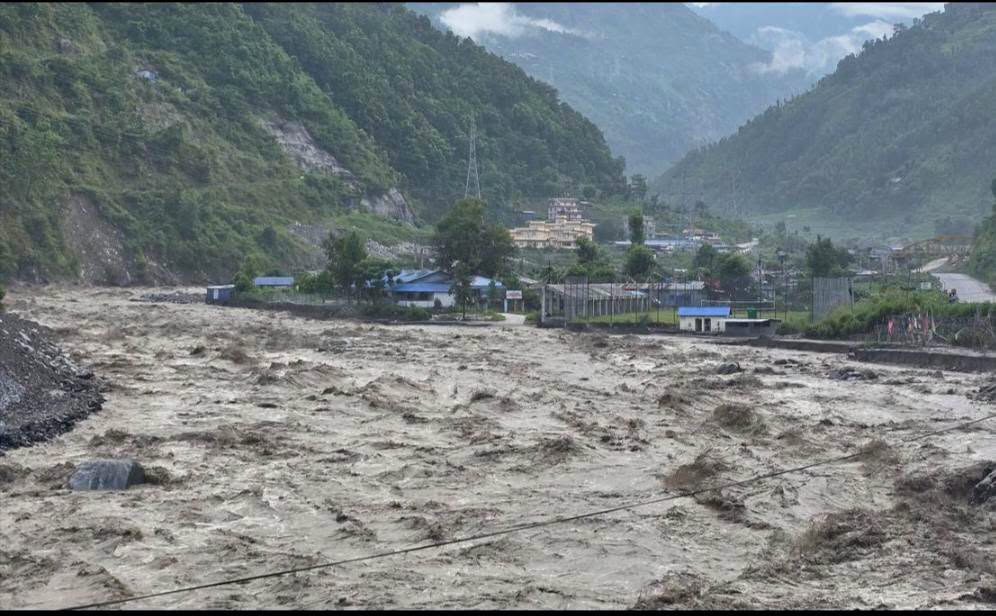
Catastrophic Flash Floods Strike Rasuwa around 9:00 AM on Wednesday, August 26
RASUWA: Early this morning, around 9:00 AM, flash floods originating from the Tibetan side affected parts of Rasuwa District, including Timmure, Rasuwagadhi, and Syabrubesi. The floods have caused significant damage, displaced residents, and disrupted traffic along important supply routes in the area. The death toll from the devastating Bhote Koshi flood reached 1,390 as of…
-
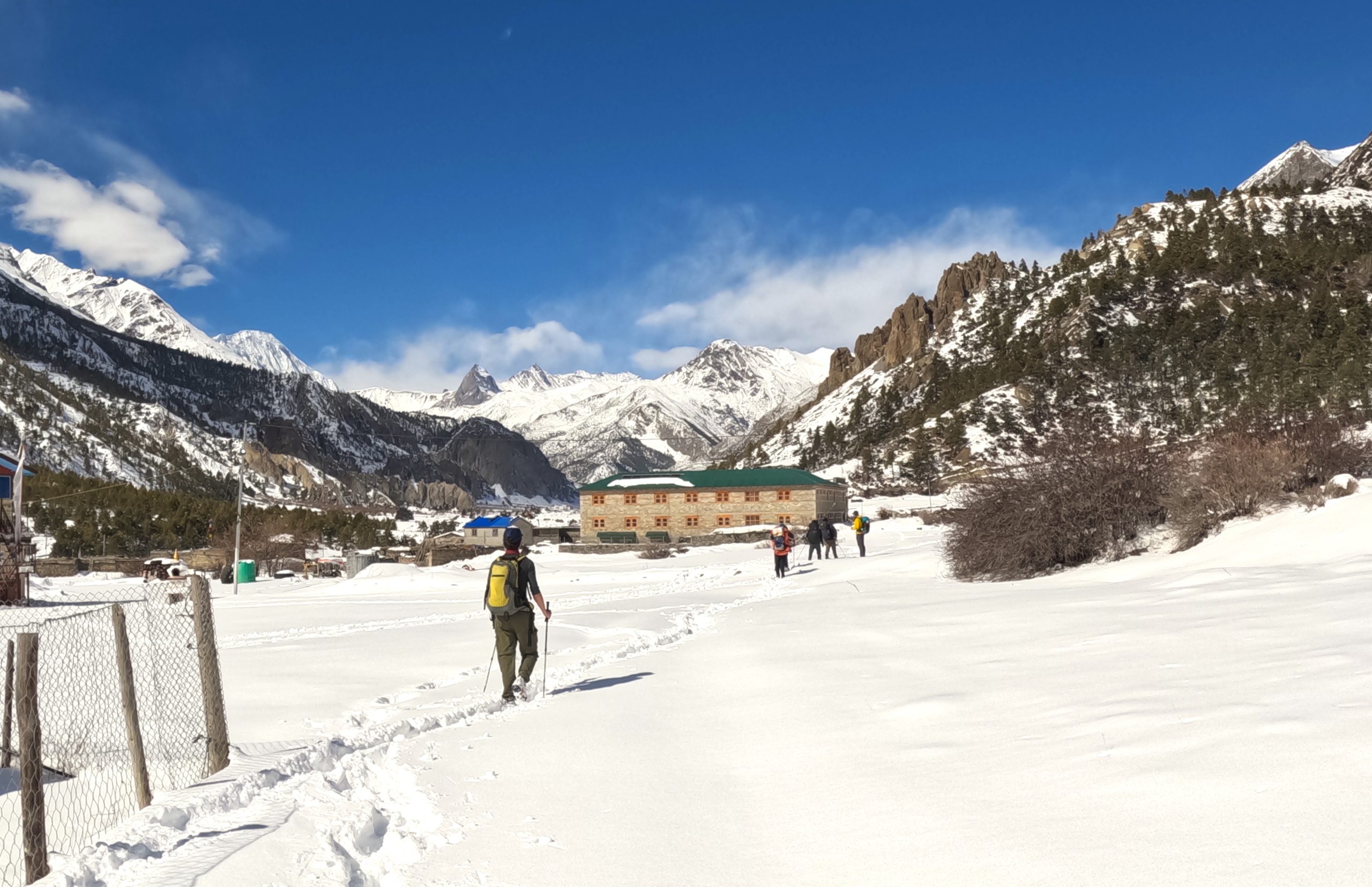
Is the Annapurna Circuit Trek Beginners Friendly?
Introduction The Annapurna Circuit is a world-famous trail located in the Annapurna region within the Annapurna Conservation Area of Gandaki Province. It circles the Annapurna range and offers breathtaking views of the Annapurna, Dhaulagiri, and Manaslu mountain ranges. The highest point that you will reach on this trek is Thorong La Pass at 5,416 meters…
-
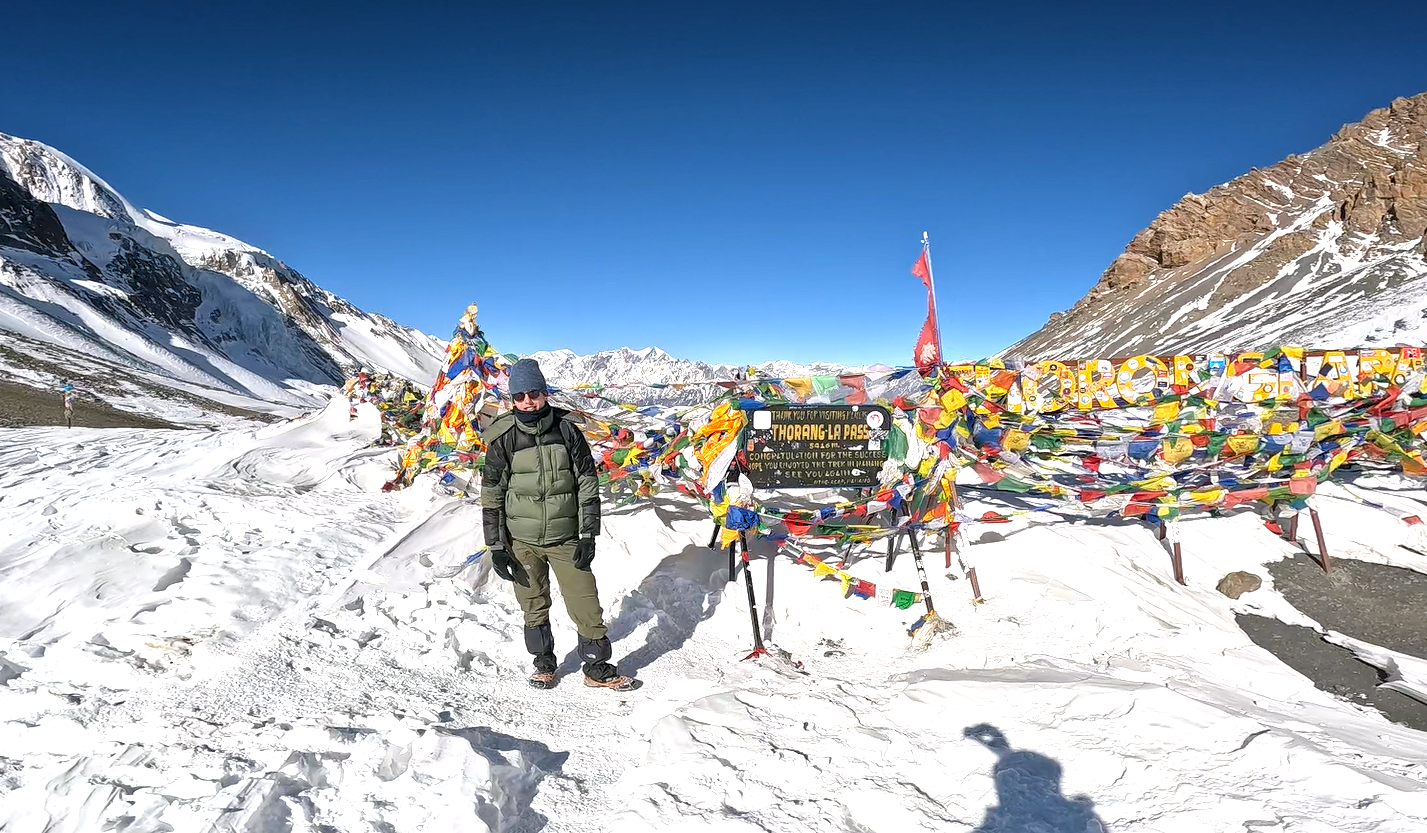
Thorong La Pass: Altitude, Location, Difficulty & Crossing Tips
I. Introduction There’s a moment on the Annapurna Circuit when trekkers feel a surge of excitement and exhaustion at the same time. The breathing becomes heavy here, and the wind starts to blow strongly. You can hear your own heavy breath, and when you look around, you see prayer flags snapping against a brutally blue…