Restricted Area Trekking in Nepal

Table of Contents
2026 Update: Solo Trekking Rules in Restricted Areas
Exciting news for adventure seekers! As of March 2026, Nepal has eased some trekking rules for solo travelers. However, Restricted Area Trekking in Nepal still maintains strict regulations to preserve local culture and fragile mountain ecosystems. Most restricted regions, including Upper Mustang and Dolpo, require trekkers to:
- Hire a licensed guide
- Obtain permits through registered trekking agencies
While solo trekking may now be allowed in certain non-restricted areas, anyone planning to trek in restricted regions must follow these rules carefully. Always confirm the latest regulations with a licensed trekking agency before starting your journey to ensure a safe and hassle-free adventure.
Source: https://kathmandupost.com/national/2026/03/22/immigration-eases-rules-for-solo-trekkers-in-restricted-areasIntroduction
Although Nepal may be small in size, the wide variety of topography within a short distance makes it one of the best destinations for trekking in the world. Among hundreds of trekking routes, Restricted Area Trekking in Nepal stands out as a unique and exclusive experience for travelers seeking something beyond the ordinary.
Unlike popular trails, these restricted regions offer untouched natural beauty, isolated villages, and peaceful trekking routes. Restricted Area Trekking in Nepal is perfect for those who want to explore the mysterious and less-traveled parts of the Himalayas. Pack your bags and get ready to discover the raw and unspoiled beauty of Nepal.
What is Restricted Area Trekking in Nepal?
Restricted Area Trekking in Nepal refers to trekking in specific regions where special permits are required. The government has designated these areas to:
- Preserve local culture and traditions
- Protect fragile mountain ecosystems
- Control tourism in remote border regions
Most of these areas lie close to Tibet and remain culturally and geographically isolated.
Why Choose Restricted Area Trekking in Nepal?
Untouched Natural Beauty
One of the biggest reasons to choose restricted trekking is the chance to explore landscapes that remain largely untouched by modern development. From the dry, desert-like terrain of Upper Mustang to remote high mountain passes and hidden valleys, these regions offer raw and unspoiled natural beauty. Unlike popular trekking routes, you won’t find crowded trails or commercial infrastructure, allowing you to truly connect with nature in its purest form.
Authentic Village Life
Restricted trekking areas provide a rare opportunity to experience authentic village life in Nepal. As you pass through remote settlements, you’ll witness traditional lifestyles that have remained unchanged for generations. The locals rely on farming, livestock, and ancient customs, giving you a deeper understanding of rural Himalayan life. This cultural immersion adds meaningful value to your journey beyond just trekking.
Rich Culture & Heritage
These regions are rich in cultural heritage, heavily influenced by Tibetan Buddhism and ancient traditions. Places like Upper Mustang are home to centuries-old monasteries, prayer flags, and unique rituals that are still actively practiced. Trekking through these areas feels like stepping back in time, where culture and spirituality are deeply woven into everyday life.
Less Crowded Trails
If you prefer solitude and peace, restricted area trekking is the perfect choice. Unlike busy routes like Everest or Annapurna, these trails are far less crowded, offering a quiet and serene trekking experience. You can enjoy uninterrupted mountain views, peaceful walking days, and a deeper connection with the surroundings without the distractions of mass tourism.
Adventure & Challenge
Restricted trekking routes are ideal for those seeking adventure and a physical challenge. These treks often involve long walking days, high-altitude passes, and remote terrains that require endurance and preparation. The sense of achievement you gain after completing such demanding journeys makes the experience even more rewarding, both physically and mentally.
Important Rules for Restricted Area Trekking in Nepal
- Do not leave the designated trekking route
- A licensed guide is mandatory
- Minimum 2 trekkers required
- Permits issued only via registered agencies
- Always carry permits during the trek
Best Time for Restricted Area Trekking in Nepal
- Spring (March–May): Clear skies, blooming rhododendrons
- Autumn (September–November): Best weather and visibility
Pro Tips for Trekkers
- Prepare for high altitude and long trekking days
- Carry enough cash (remote areas have no ATMs)
- Pack proper gear for changing weather
- Get travel insurance
Key Restricted Trekking Areas of Nepal
Here are the list of Key restricted trekking areas of Nepal.
Upper Mustang:
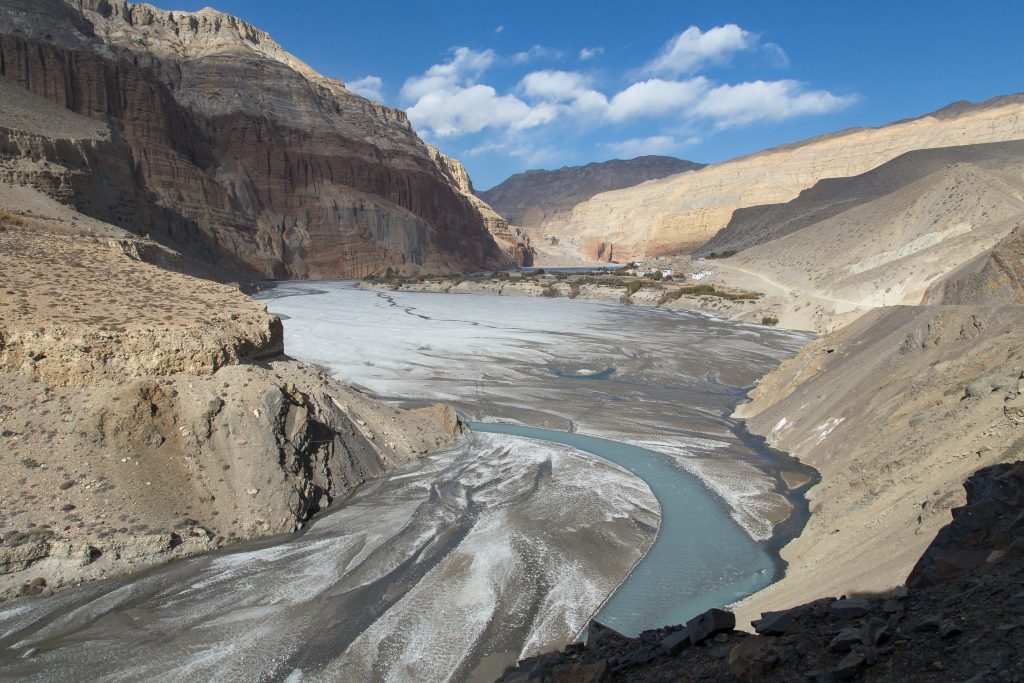
- Location: Rain-shadow of the Himalaya, near Tibet
- Highlights: Desert landscapes, caves, monasteries, walled city of Lo Manthang
- Culture: Strong Tibetan Buddhist influence
- Difficulty: Moderate
- Best for: Culture + unique landscapes (not typical green Nepal)
- Special: Restricted area permit required + guide required
- Estimated Trip Cost:$1,800 – $3,000 per person (10–14 days)
- (Includes permit, guide, accommodation, food, and transport)

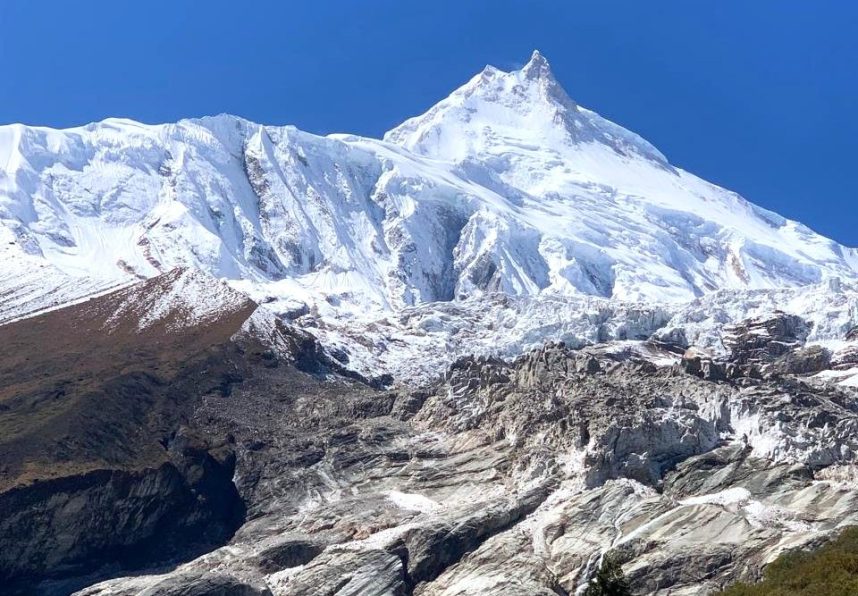
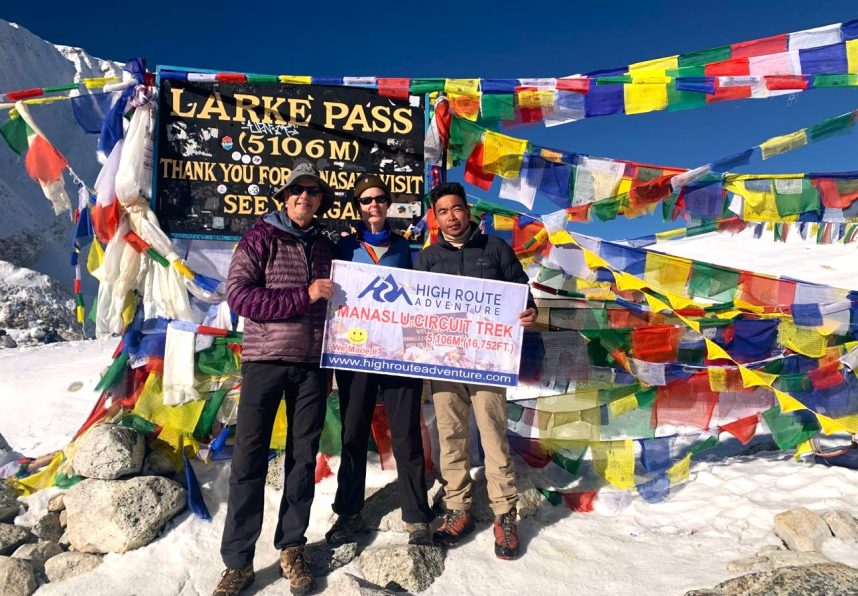
Manaslu Circuit & Tsum Valley:
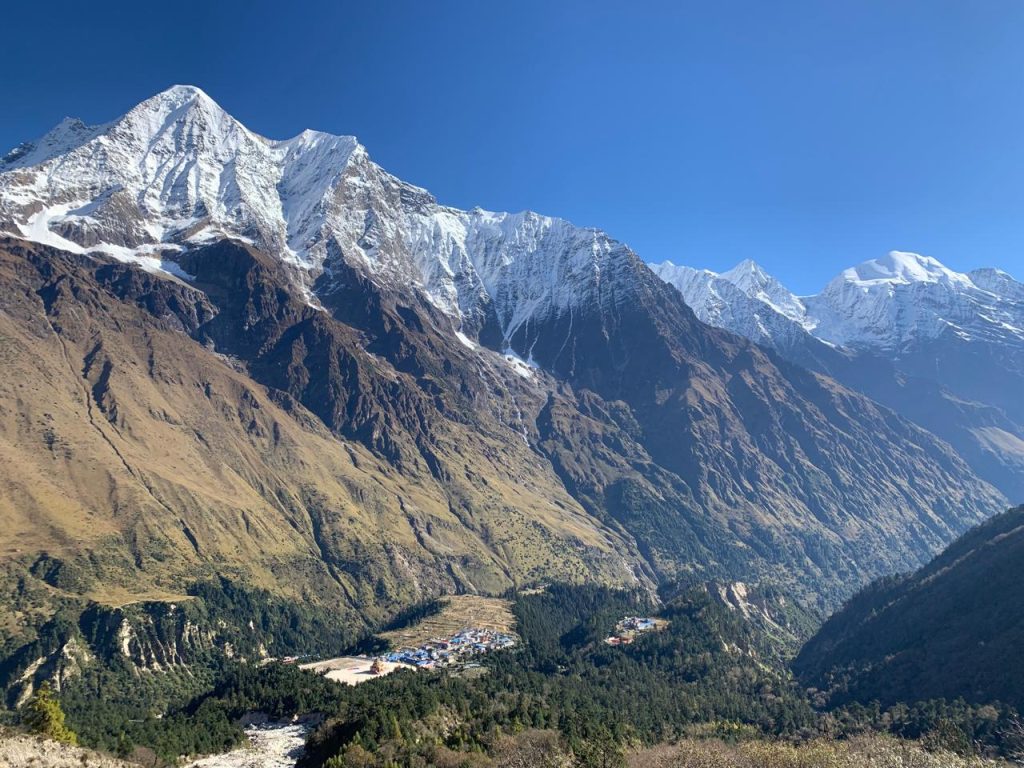
- Around Mount Manaslu
- Highlights: Larkya La Pass, glaciers, remote villages
- Tsum Valley: Hidden valley with deep spiritual heritage
- Difficulty: Moderate to challenging
- Best for: Classic trek feel + fewer crowds than Everest/Annapurna
- Special: Restricted area + guide required
- Estimated Trip Cost: $1,200 – $2,200 per person (14–20 days)
Nar Phu Valley:
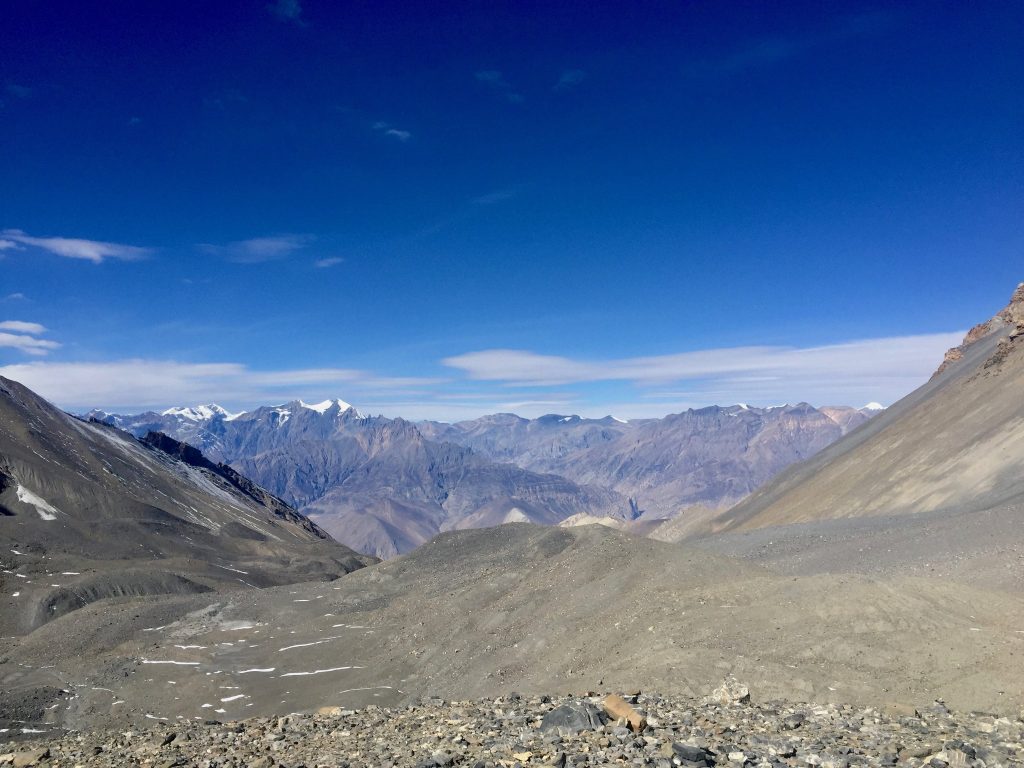
- Near Annapurna Region
- Highlights: Isolated villages (Nar & Phu), dramatic cliffs, ancient monasteries
- Difficulty: Challenging
- Best for: Raw, untouched Himalayan experience
- Combine with: Annapurna Circuit
- Special: Restricted permit needed + guide required
- Estimated Trip Cost: $1,300 – $2,300 per person (12–18 days)

Kanchenjunga Region:
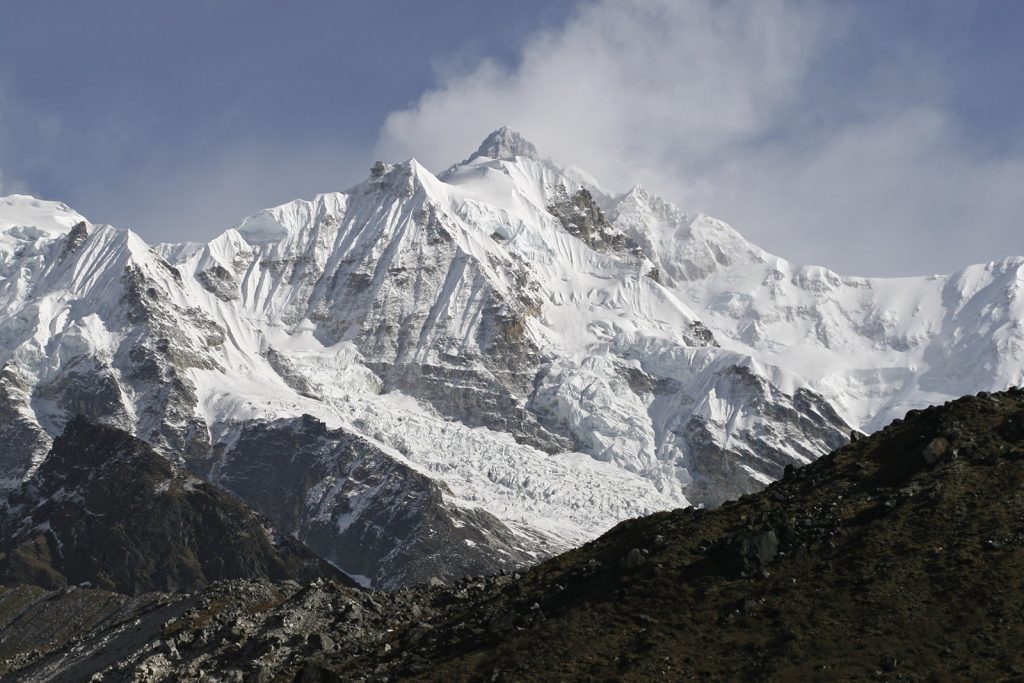
- Around Mount Kanchenjunga
- Highlights: Massive mountain views, biodiversity, very remote trails
- Difficulty: Challenging to strenuous
- Best for: True wilderness + long expeditions
- Special: One of the least trekked major regions
- Estimated Trip Cost: $1,800 – $3,500 per person (18–25 days)

Humla & Limi Valley:
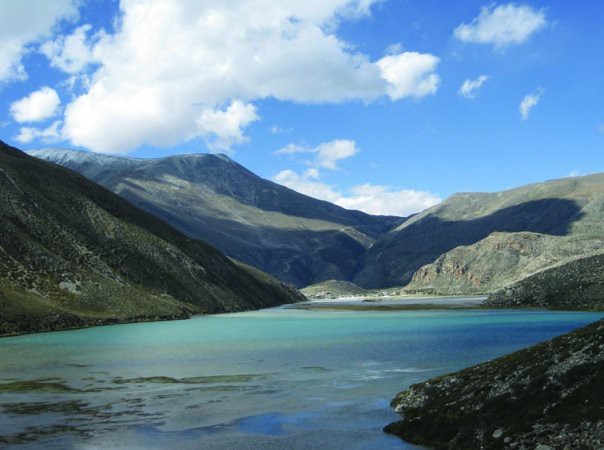
- One of Nepal’s most remote regions (far northwest)
- Highlights: Ancient trade routes, Tibetan culture, high-altitude valleys
- Access: Usually requires flights (Simikot)
- Difficulty: Challenging + logistically complex
- Best for: Extreme remoteness + cultural immersion
- Special: Very few trekkers go here
- Estimated Trip Cost: $2,000 – $4,000 per person (15–20 days)
Upper & Lower Dolpo:
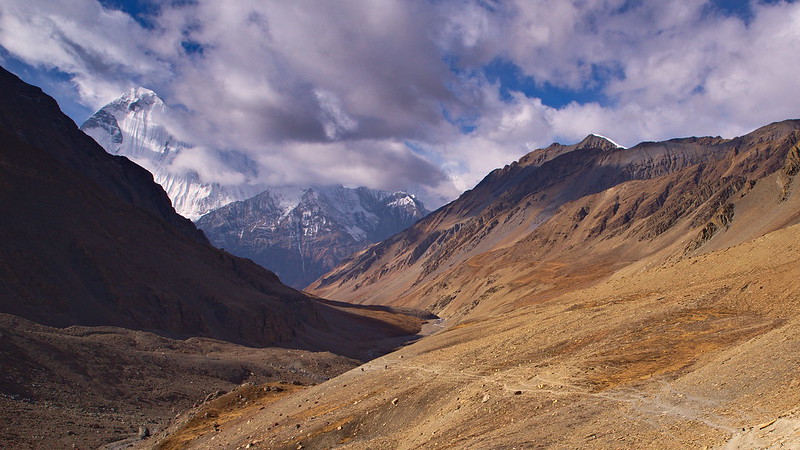
- Famous from Himalaya (Caravan)
- Highlights: Shey Phoksundo Lake, Bon religion, rugged terrain
- Upper Dolpo: Very remote, expensive, restricted
- Lower Dolpo: Slightly more accessible
- Difficulty: Challenging
- Best for: Mystical landscapes + solitude
- Estimated Trip Cost:
- Upper Dolpo: $3,500 – $6,000 per person (20–25 days)
- Lower Dolpo: $1,800 – $3,000 per person (15–18 days)
Gorkha Manaslu Area:

- Historic homeland of Prithvi Narayan Shah
- Highlights: Villages, hills, early Manaslu trekking routes
- Difficulty: Easy to moderate (lower elevations)
- Best for: Cultural trekking + history without extreme altitude
- Estimated Trip Cost: $700 – $1,500 per person (7–12 days)
Permit Price for the Restricted Areas of Nepal
The Department of Immigration provides special area trekking permits. Your authorized trekking agency will prepare the permit on your behalf.
Certain rules need to be followed after getting the special trekking permits. As they are for a certain region, trekking in other areas that don’t fall under the area specified by the permit is considered a violation of the law. Trekkers should carry the trekking permit at all times, and he/she is required to show it to police or immigration employees when needed. Travelers are also not allowed to indulge in any activity that negatively affects the nature or culture of these places.
The cost depends upon the area of the trek. Most of the costs are calculated in USD but are also payable in Nepali rupees. Some of the most popular restricted area trekking routes and their permit cost are included below:
All permit and pricing information verified with Nepal Immigration 2026 update
| Region | Restricted Area Permit Price in USD | Additional Permits (typical) |
| Upper Mustang | USD 50 Per Day | ACAP ≈ $30 |
| Manaslu Circuit | Sep–Nov: $100 (7 days) + $15 / day Dec–Aug: $75 (7 days) + $10 / day | MCAP ≈ $30 + ACAP ≈ $30 |
| Tsum Valley (add‑on) | Sep–Nov: $40 / week + $7 / day Dec–Aug: $30 / week + $7 / day | Included with Manaslu permits |
| Nar Phu Valley | Sep–Nov: $100 (7 days) + $15 / day Dec–Aug: $75 (7 days) + $15 / day | ACAP ≈ $30 |
| Kanchenjunga Region | $20 / week (first 4 weeks) + $25 / week thereafter | KCAP ≈ $30 |
| Humla & Limi Valley | $50 / week + $10 / day extra | None usually |
| Upper Dolpo | $500 (10 days) + $50 / day extra | Shey‑Phoksundo NP ≈ $30 |
| Lower Dolpo | $20 / week + $5 / day extra | Shey‑Phoksundo NP ≈ $30 |
| Gorkha‑Manaslu Area | September – November USD 100 per person / week USD 15 per person / day (beyond 1 week) December – August USD 75 per person / week USD 10 per person / day (beyond 1 week) | MCAP ≈ $30 |
Total Estimated Cost = Base RAP + typical conservation/entry fees (ACAP, MCAP, KCAP, Shey‑Phoksundo NP). Daily/weekly surcharges are added if you stay beyond the standard 7‑10 day window.
Compare All Restricted Treks in Nepal – Duration, Cost & Permits
| Trek (Region) | Typical Duration | Difficulty | Estimated Total Cost (USD) | Permit Fees (per person) |
|---|---|---|---|---|
| Upper Mustang | 10–14 days | Moderate | $1,800–$3,000 | $50 / day + ACAP $30 |
| Manaslu & Tsum | 14–20 days | Moderate–Hard | $1,200–$2,200 | $75–$100 / week + MCAP $30 |
| Nar Phu | 12–18 days | Challenging | $1,300–$2,300 | $75–$100 / week + ACAP $30 |
| Kanchenjunga | 18–25 days | Strenuous | $1,800–$3,500 | $20–$45 / week + KCAP $30 |
| Humla & Limi | 15–20 days | Challenging | $2,000–$4,000 | $50 / week |
| Upper Dolpo | 20–25 days | Hard | $3,500–$6,000 | $500 (permit) + $50 / day + Shey‑Phoksundo NP $30 |
| Lower Dolpo | 15–18 days | Moderate | $1,800–$3,000 | $20 / week + Shey‑Phoksundo NP $30 |
| Gorkha–Manaslu | 7–12 days | Easy–Moderate | $700–$1,500 | $75–$100 / week + MCAP $30 |
Difficulty is a relative guide based on altitude gain, terrain technicality, and daily mileage. “Moderate” assumes a reasonably fit trekker with some high‑altitude experience; “Hard” and “Strenuous” demand solid acclimatization strategies and often longer summit‑type days.
Frequently Asked Questions (FAQ)
What is Restricted Area Trekking in Nepal?
It is trekking in protected regions that require special permits and a licensed guide.
Do I need a guide?
Yes, guides are compulsory for all restricted areas.
Can I trek solo?
No, solo trekking is not allowed in restricted regions.
Which is the cheapest restricted trek?
Kanchenjunga and Lower Dolpo are among the more affordable options.
Which is the most expensive trek?
Upper Mustang and Upper Dolpo due to high permit costs.
Is restricted trekking safe?
Yes, if done with proper preparation, guide, and permits.
How to get a restricted area trekking permit in Nepal?
You must apply through a licensed trekking agency. The agency arranges the permit from the Department of Immigration on your behalf.
Can foreigners trek the Upper Mustang without a guide?
No. A licensed guide is mandatory for all restricted areas, including Upper Mustang.
What is the best season for restricted area trekking?
Spring (March–May) and Autumn (September–November) offer clear skies, stable weather, and the best visibility.
How much does a Dolpo trek cost in 2026?
Estimated costs: Upper Dolpo $3,500–$6,000, Lower Dolpo $1,800–$3,000 per person, including permits, guide, accommodation, and food.
Which restricted trek is easiest for beginners?
Gorkha–Manaslu Area is the easiest, with lower altitudes and moderate trekking days.
How remote are Humla and Limi Valley treks?
Extremely remote; access usually requires a flight to Simikot, and facilities are limited.
Do restricted treks require travel insurance?
Yes, travel insurance covering high-altitude trekking is highly recommended and sometimes required.
Can I combine Nar Phu with Annapurna Circuit?
Yes, Nar Phu Valley is often combined with the Annapurna Circuit for a longer, more adventurous trek.
Conclusion
Restricted Area Trekking in Nepal offers a rare chance to explore untouched landscapes, preserved cultures, and peaceful trails far from crowded trekking routes. Each region—from Upper Mustang to Dolpo—has its own story, beauty, and adventure.
If you are looking for a unique Himalayan experience filled with culture, nature, and solitude, Restricted Area Trekking in Nepal is the perfect choice. With proper planning, permits, and guidance, you can discover some of the most hidden and beautiful places in the world.
Ready to explore Nepal’s hidden gems? Contact High Route Adventure today to secure permits and plan your restricted area adventure safely.
Posted on