Royal Chitwan National Park Nepal
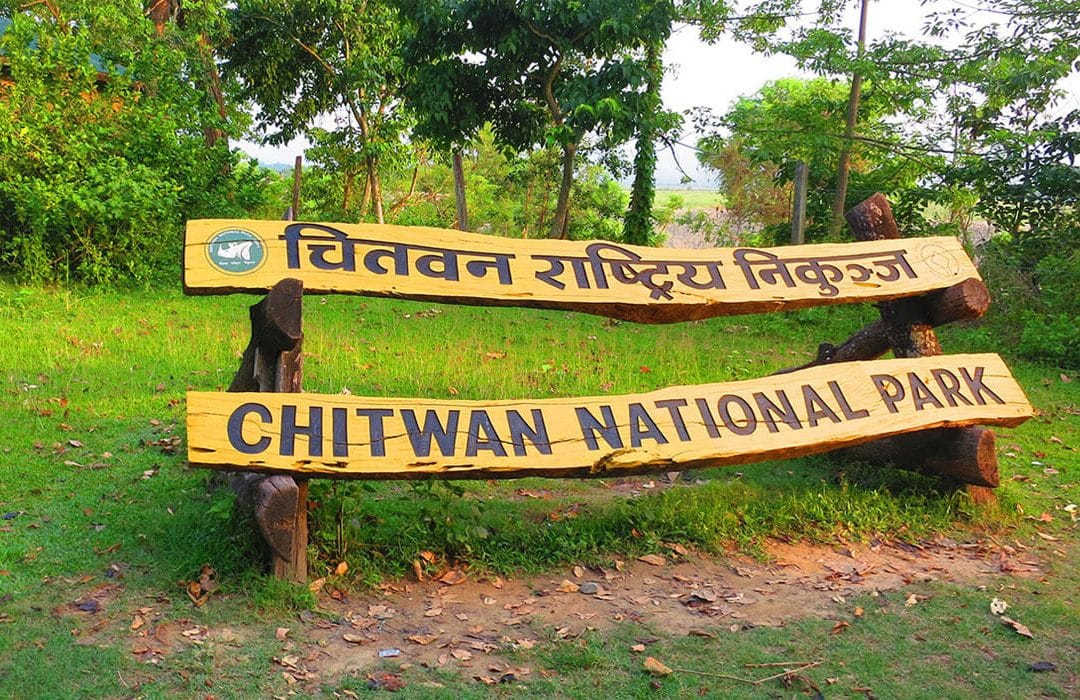
Quick Fact: Established in 1973, Royal Chitwan National Park was Nepal’s first national park and earned UNESCO World Heritage status in 1984.
Table of Contents
Overview
Nestled in the southern Terai of Nepal, about 150 km (≈ 95 miles) from Kathmandu, the Chitwan National Park sprawls over 932 sq km of riverine forests, grasslands, and wetlands. Its proximity to the capital makes it the most accessible—and arguably the most iconic—wildlife sanctuary in the Himalayas.
The Royal Chitwan National Park was established in 1973 in order to protect wildlife, vegetation, and many natural habitats from poachers. The park is quite peaceful and very beautiful with lush vegetation, as you will get a view of the river which runs through the park.
What Makes Royal Chitwan a Must‑Visit?

| Feature | Why It’s Special |
|---|---|
| Iconic Species | Home to the endangered Greater One‑Horned Rhinoceros, the elusive Bengal Tiger, Asian Elephants, and over 500 bird species (including the Bengal Florican). |
| Diverse Habitats | From forests, grasslands, wetlands, and floodplains, each home to many species of wildlife. |
| Cultural Mosaic | The Tharu people, who have lived near the park for generations, share their colorful traditions, dances, and handicrafts, adding life and culture to the wilderness. |
| Adventure Playground | Jungle safaris, canoe trips, elephant-back rides, and morning jungle walks let you experience the park from every angle. |
| Conservation Success Stories | Thanks to rigorous anti‑poaching programs, rhino numbers have risen from a perilous 20 in the 1970s to over 700 today. |
How to Experience Chitwan National Park Like a Pro
| Safari Type | Highlights | Ideal For |
|---|---|---|
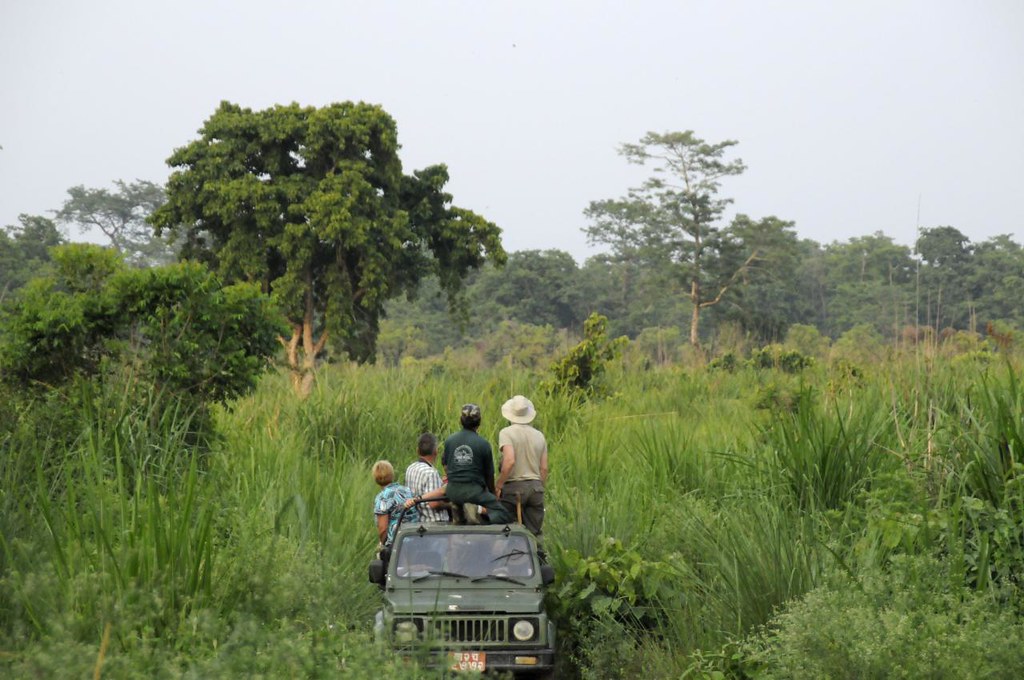
| Jeep Safari | Fast‑paced, covers the whole park in a day; excellent for spotting big cats and rhinos. | First‑timers, limited time |
| Elephant‑Back Safari | Glide through the forest at a leisurely pace; the elephant’s height offers a unique perspective. | Families, photographers |
| Canoe/Boat Ride on the Rapti River | Glide silently through marshes; you’ll see otters, crocodiles, and waterbirds up close. | Bird‑watchers, nature lovers |
| Guided Walking Trek (Tharu Village Walk) | Small‑group hikes led by local Tharu guides; learn about medicinal plants and traditional uses of forest resources. | Eco‑enthusiasts, cultural explorers |
| Night Safari | Spot nocturnal critters—owls, civets, and the occasional prowling tiger. | Adventure seekers, night‑photographers |
Where to Stay in Chitwan During Your National Park Visit
Chitwan offers a variety of accommodations to suit every type of traveler. From budget lodges and cozy guesthouses to mid-range resorts and luxury jungle lodges, you can find the perfect stay close to the park. Most hotels provide easy access to safari tours, cultural experiences, and local dining.
Popular areas to stay:
- Sauraha: The main hub for jungle safaris, restaurants, and shops.
- Meghauli: Quiet and close to luxury safari lodges.
- Bharatpur: More city-style hotels, ideal for travelers looking for convenience.
Recommended types of accommodation:
- Budget stays: Guesthouses and small lodges for backpackers and families.
- Mid-range resorts: Comfortable rooms with access to safari tours.
- Luxury lodges: Premium jungle lodges offering elephant rides, guided safaris, and immersive nature experiences.
Getting to Chitwan National Park
By Air:
Fly from Kathmandu to Bharatpur Airport (approx. 30 minutes). From the airport, it’s a short 20-minute taxi ride to the park entrances.
By Road:
You can travel by tourist bus (approx. 6–8 hours) or private jeep from Kathmandu, Pokhara, or Lumbini. Enjoy scenic drives through the plains as the landscape changes from mountains to lush wetlands.
Best Time to Visit Chitwan National Park
The best time to explore Chitwan National Park is from October to March when the weather is dry, cool, and comfortable for jungle safaris.
- Winter (December–February): Cool and crisp mornings, great for wildlife spotting.
- Autumn (October–November): Clear skies and pleasant temperatures, perfect for photography.
- Spring (March–April): Blooming flowers and active wildlife, though slightly warmer.
- Monsoon season (June–September): Brings heavy rain and high temperatures, often above 40°C, making safaris difficult and less recommended.”
Packing Checklist (Travel Light, Travel Right)
- Clothing: Light, breathable layers + a warm jacket for early mornings; long sleeves & trousers for mosquito protection.
- Footwear: Sturdy trekking shoes + waterproof sandals for river crossings.
- Gear: Binoculars, camera with zoom lens, extra memory cards, headlamp (for night safaris), reusable water bottle.
- Health: Insect repellent (DEET or natural alternatives), basic first‑aid kit, any prescribed medication.
- Eco‑Essentials: Biodegradable soap, reusable bags, and a compact solar charger (to reduce reliance on disposable batteries).
Entrance Fees For Chitwan National Park
Visitors are required to pay mandatory entrance fees to enter Chitwan National Park. Additional charges for activities like jeep safaris and elephant rides are displayed at the ticket counter. Visitors can obtain their entry permit at Sauraha on the eastern side or Meghauli Village on the western side. Nearby, the Tharu Cultural Museum and Research Center in Bachhauli, Sauraha—just a 15–20 minute walk from the main Sauraha area—offers insights into the traditions and culture of the Tharu community.
| Visitor Type | Fee (NPR) |
| Nepali | NPR 150 Per Person |
| SAARC nationals | NPR 1,000 Per Person |
| Foreigners | NPR 2,000 Per Person |
| Child Discount | Below 10 Years Free |
Important Guidelines for Visitors
- When entering Chitwan National Park, it’s important to respect the forest and its wildlife:
- Keep Noise to a Minimum: Loud sounds can disturb animals and may provoke them. Speak softly and avoid unnecessary noise.
- Carry Your Trash: Always take your wrappers, bottles, and other waste with you. Do not leave any garbage behind.
- Respect Wildlife: Maintain a safe distance from animals and avoid feeding them.
- Stay on Designated Paths: Stick to marked trails to protect both yourself and the environment.
- Follow Guide Instructions: Listen to your safari guide carefully for a safe and enjoyable experience.
- By following these simple rules, you help protect the wildlife and preserve the natural beauty of the park while ensuring your own safety.
Frequently Asked Questions
Q: Is it safe to ride elephants?
A: When booked through reputable, ethically‑managed lodges, elephant rides are supervised by trained mahouts and follow strict animal‑welfare guidelines. For a more low‑impact option, choose jeep or walking safaris.
Q: Can I see a tiger?
A: Tigers in Chitwan National Park are elusive, but the dense forest and experienced guides increase your chances of spotting them. For the best opportunity, take a full-day safari with a jeep tour in the western buffer zone.
Q: Do I need a visa for Nepal?
A: Most nationalities can obtain a 15‑day tourist visa on arrival at Tribhuvan International Airport (Kathmandu). Check the latest regulations before you travel.
Q: Is English spoken?
A: Yes—tour guides, lodge staff, and most Tharu community members speak fluent English, especially in the tourism sector.
Check also: Kathmandu Pokhara Chitwan Tour PackageFinal Thoughts: Why Royal Chitwan Should Be On Your Bucket List
Royal Chitwan National Park isn’t just a “wildlife destination”; it’s a living classroom where conservation, culture, and adventure intersect. Whether you’re a seasoned photographer hunting the perfect tiger portrait, a family looking for an unforgettable safari, or a traveler yearning for authentic community interaction, Chitwan delivers a multi‑sensory experience that stays with you long after you leave the jungle’s edge.
By choosing Chitwan, you’re not only ticking a box on your travel list—you’re actively supporting a global conservation success story and helping the Tharu people preserve their heritage for generations to come.
Posted on