Top 5 Best Treks in Nepal in January
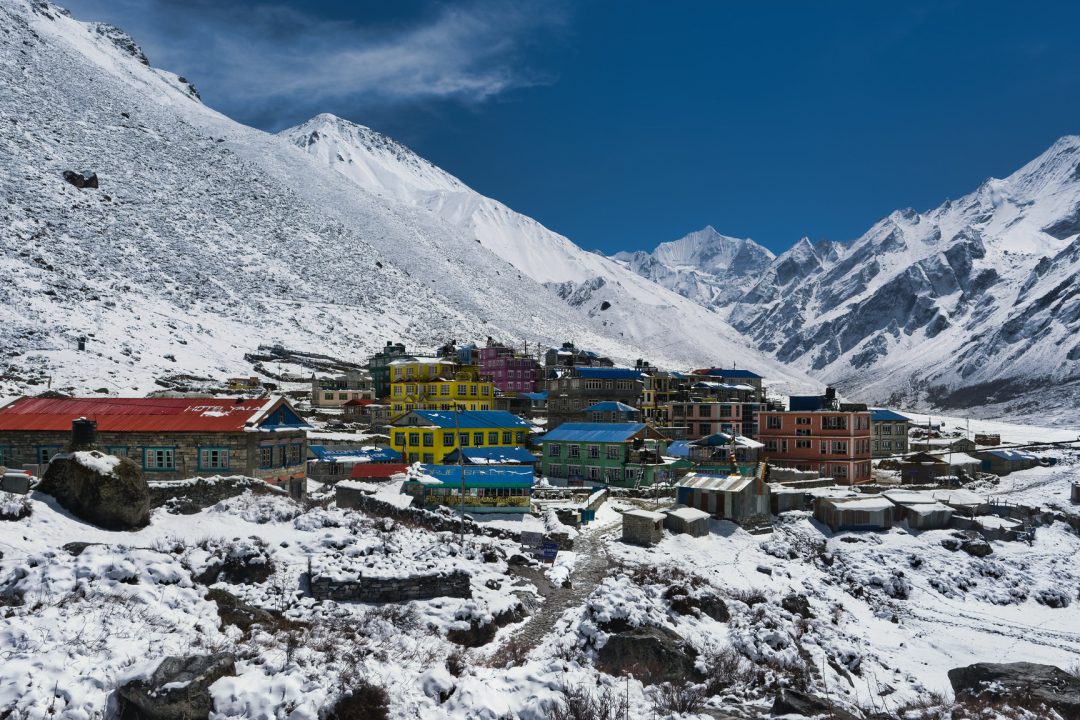
Nepal is a worldwide marvel for the delightful Himalayas, making it a top destination for trekking enthusiasts. This nation is famous for Mt. Everest, the highest peak in the world, but Everest is just one part of the Himalayan trekking adventures Nepal offers. Other popular trekking regions include Annapurna, Langtang, and Manaslu.
Nepal’s breathtaking mountains make trekking in Nepal an unforgettable experience. Travelers from around the globe visit Nepal to enjoy the thrilling adventure of Himalayan trekking. January is one of the best months for trekking in Nepal, as it is a dry season with clear skies and pleasant daytime weather.
January marks the start of winter, so temperatures in the mountains drop in the evenings. However, trekking in Nepal in January is not as harsh as many think. It is comfortable and one of the most favored times for trekkers. Popular treks in Nepal such as the Everest Base Camp Trek, the Annapurna Base Camp Trek, and the Langtang Valley Trek are all possible in January. Let’s explore the top 5 best treks in Nepal in January that every adventure lover can enjoy.
Table of Contents
1. Everest Base Camp Trek:
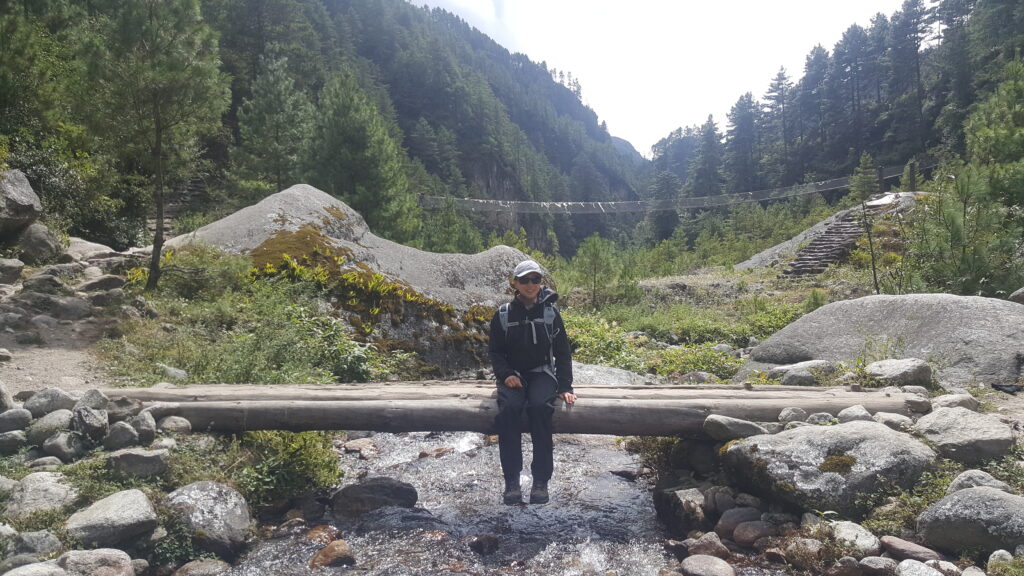
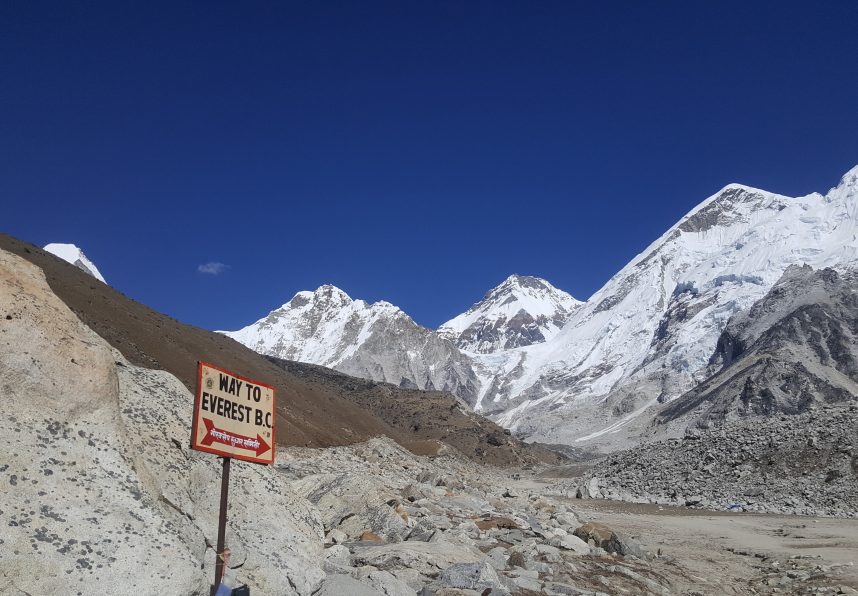
The first on our list of the top 5 best treks in Nepal in January is the legendary Everest Base Camp (EBC) Trek. Known as the “Roof of the World,” Mt. Everest is a bucket-list destination for adventure lovers. Everest Base Camp, situated at 5,364 meters, is a challenging yet rewarding trek.
Your journey begins with an exhilarating flight to Lukla (2,652m), setting the stage for an unforgettable Himalayan adventure. Along the way, you will pass through the vibrant Namche Bazaar, the trading hub of the Khumbu region.
Trekking in Everest Base Camp in January offers clear, breathtaking views of the surrounding peaks. Average temperatures in the Everest region can range from -14°C, but the weather may fluctuate between -20°C and 15°C, with mornings and nights being especially cold. Proper winter trekking gear, including warm clothing and insulated boots, is essential.
January is considered an off-season for trekking to EBC, which means fewer crowds and a more peaceful experience. You’ll enjoy the majesty of Everest in tranquility, with minimal issues finding accommodation in teahouses along the route. Snowfall is possible, so having reliable trekking equipment is crucial. The dry winter season also brings clear skies and excellent visibility, but be prepared for cold, unpredictable mountain weather.
2. Annapurna Base Camp Trek:

The Annapurna region is one of Nepal’s most famous trekking destinations, renowned for some of the world’s best trekking trails. Every year, this region attracts nearly two-thirds of international tourists visiting Nepal.
Home to the majestic Annapurna Himalayas, the area offers stunning landscapes, diverse geography, rich flora and fauna, and unique weather patterns. Trekking here also offers a glimpse into the vibrant local cultures of the Gurung, Magar, Thakali, Tibetan, and Manangi communities.
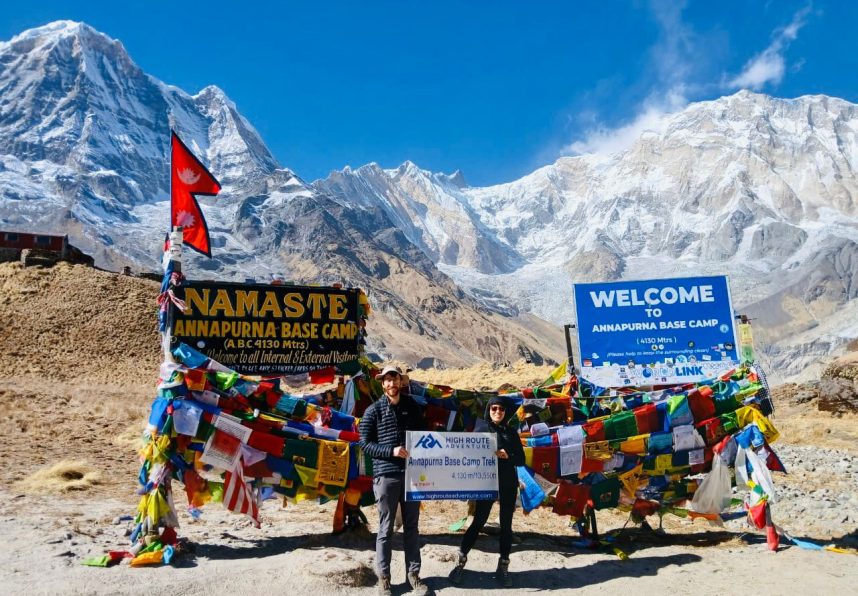
Much of this natural and cultural beauty lies within the Annapurna Conservation Area, one of Nepal’s largest protected regions. Trekking to Annapurna Base Camp (ABC) in January is an excellent choice for adventure seekers.
Pre-winter weather brings clear skies and unobstructed views of the surrounding peaks. January is the off-season for ABC trekking, so there are fewer crowds and a more peaceful experience. The region lies in the rain shadow, so rainfall is minimal, and temperatures at the base camp can drop to around -5°C.
Trek preparation is essential.
Lower areas around 2,300 meters can experience winter storms, so reliable trekking gear and warm clothing are a must. Start early each day to make the most of the limited daylight in January, and plan your itinerary to reach tea houses well before nightfall. A durable, comfortable backpack and proper winter trekking equipment will ensure a safe and enjoyable adventure.
3. Ghorepani Poon Hill Trek:

The Ghorepani Poon Hill Trek, which is often paired with the Annapurna Base Camp Trek, begins with a picturesque drive to Pokhara, the main gateway to the Annapurna region. From the city, trekkers get their first stunning views of the Himalayan peaks towering above the lakes and cityscape. Along the trail, you’ll pass through quaint villages, providing an authentic experience of Gurung and Magar cultures, while the majestic mountains remain in view throughout the journey.
This trek is suitable for trekking all year round, and January is no exception. Despite the cold mornings and evenings, the trek remains manageable thanks to its lower elevations. Daytime temperatures can drop to around 0°C, but the warm tea houses along the route offer comfortable resting points.
With its easy accessibility, moderate difficulty level, and incredible viewpoints, the Annapurna Poon Hill Trek ranks among the top 5 best treks in Nepal in January. It is an ideal choice for those looking for a serene trekking experience with stunning landscapes, without facing extreme cold or high-altitude challenges.

4. Langtang Valley Trek:
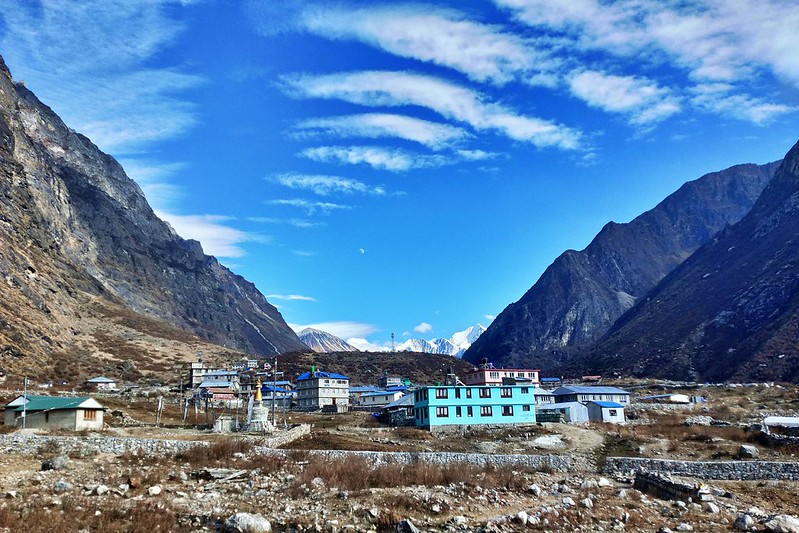
The Langtang Valley Trek is an excellent choice for trekking in Nepal during January. The daytime weather is generally clear, providing spectacular views of Langtang Lirung and the surrounding Himalayan peaks. At higher elevations, temperatures are colder than in Kathmandu, so proper winter trekking gear is essential.
Langtang is famous for its glaciers, and in January, trekkers can witness stunning icefalls, frozen waterfalls, and snow-covered mountains. January is considered an off-season for this trek, which means fewer crowds and easier access to lodges and teahouses. Despite being out of season, the scenery, including Langtang Lirung and the icy landscapes, remains breathtaking and memorable.

5. Everest Short Trek:

The Everest Short Trek begins with a scenic flight to the charming town of Lukla, from where the hilly trail takes you along the Dudh Koshi River. The trek passes through several vibrant villages, including Phakding, Chumoa, Monjo, and Jorsale, the latter marking the entrance to Sagarmatha National Park.
Continuing onward, trekkers reach Namche Bazaar, a bustling Sherpa town with panoramic views of iconic peaks such as Ama Dablam (6,812m) and Kusum Kanguru (6,367m). The journey then continues to Tengboche, home to the renowned Dawa Choling Monastery, offering both spiritual and scenic highlights along the route.
In January, Namche Bazaar experiences cold but manageable weather. Daily high temperatures range between 43°F and 49°F (6–9°C), while lows fall between 14°F and 22°F (-10 to -6°C). Despite the chilly conditions, January is an excellent time for trekking, with fewer crowds, peaceful trails, and clear mountain views. With proper winter gear and a well-planned itinerary, the Everest Short Trek offers a safe and memorable adventure even in the coldest months.
This trek is perfect for those seeking a quick Himalayan adventure. It is one of the top 5 best treks in Nepal in January, combining stunning scenery, cultural experiences, and manageable trekking challenges.

January Weather Condition in Nepal?
January is the coldest month in Nepal, especially in the capital, Kathmandu, where the average temperature hovers around 15°C. The weather is generally fresh, dry, and sunny, with very little rainfall, making it an ideal time for trekking in Nepal.
In the Himalayan region, temperatures fluctuate dramatically between day and night. While daytime temperatures can reach 25°C, nighttime temperatures can drop to -20°C, especially at higher altitudes. For instance, in Lukla, the maximum temperature in January is around 2°C, the minimum drops to -6°C, and the average is -2°C. Trekking gear suitable for cold conditions is essential.
January is also the driest month of the year, with average rainfall of 21mm in Kathmandu and about 30mm in Pokhara and nearby areas. Morning fog and dew are common, slightly reducing visibility early in the day. However, once the sun rises, the skies clear, revealing crisp views of mountains, landscapes, and lush vegetation under a deep blue sky.
One of the biggest advantages of trekking in January is fewer crowds. As it is the off-season in most trekking regions, travelers enjoy a peaceful, serene environment, with no competition for accommodation or meals at the tea houses. For trekkers seeking calm, quiet, and stunning winter landscapes, January is an excellent month for trekking in Nepal.
Here we have the winter temperatures for different areas for trekking in Nepal during January,
January Temperature in Popular Trekking Destinations of Nepal
| Location | January Temperature |
| Kathmandu | 40–62°F (4–17°C) |
| Pokhara | 45–66°F (7–19°C) |
| Namche Bazaar | 18–43°F (-8–6°C) |
| Jomsom | 32–53°F (0–12°C) |
| Langtang Valley | 21.2°F (-6°C) |
Frequently Asked Questions(FAQs)
Why is January a good time for trekking in Nepal?
January is ideal due to clear skies, crisp air, and minimal rainfall, offering stunning visibility of snow-capped peaks. The cold temperatures, while chilly, create a serene atmosphere for hiking. Fewer crowds also enhance the experience, allowing trekkers to enjoy nature in peace.
Is the Annapurna Base Camp (ABC) trek feasible in January?
Yes, the ABC trek is feasible in January, with snow-covered trails and fewer hikers. However, trekkers should prepare for cold mornings and pack warm clothing. The trail remains well-maintained, and teahouses provide warm meals.
What are the highlights of the Annapurna Base Camp trek in January?
Highlights include panoramic views of the Annapurna range, snow-draped forests, and the peaceful aura of the Himalayan winter. The stark beauty of Modi Khola Valley and vibrant monasteries add cultural richness to the journey.
What gear is essential for trekking in January?
Essential gear includes thermal layers, a down jacket, gloves, a beanie, a thermos for hot drinks, and a reliable pair of insulated hiking boots. A reusable water bottle and lip balm to combat dry air are also recommended.
How long does the Annapurna Base Camp trek take?
The trek typically takes 10–12 days and covers approximately 85 km. It starts in Pokhara and ascends through lush forests, traditional villages, and rhododendron groves to ABC at 4,130 meters.
Are permits required for the Annapurna Base Camp trek?
Yes, Annapurna Conservation Area Permit (NPR-3,000) are mandatory. High Route Adventure will manage the permit for you if you book the package with us.
What is the difficulty level of the Manaslu Circuit trek in January?
The Manaslu Circuit (14–18 days) is moderate to strenuous, but some higher passes may have snow. Proper preparation, including acclimatization days, is crucial to avoid frostbite and altitude sickness.
How to prevent altitude sickness during the Everest Base Camp (EBC) trek in January?
Climb slowly to allow acclimatization, stay hydrated, and spend a full day at Namche Bazaar (3,440m) to adjust. Avoid alcohol and stay warm to reduce the risk of hypothermia in sub-zero temperatures.
Are there teahouses along the Langtang Valley trek route?
There are enough tea house in the Langtang Valley Trek. Also there is homestays option in lower region.
Why is Langtang Valley popular in winter?
Langtang (5–10 days) can be best option to do trekking in January, offering cultural immersion with Tamang communities, serene snow-capped villages, and stunning views of Langtang and Ganesh Himal. It’s less crowded and ideal for beginners.
Is it necessary to hire a guide for trekking in January?
A guide is recommended for first-timers or high-altitude treks like EBC. They ensure safety, help with permits, and provide cultural insights. However, experienced solo trekkers on well-marked trails can manage without one.
What are the must-try local dishes during the trek?
Popular meals include thukpa (noodle soup), dal bhat (lentil and rice), and momos (dumplings). Warm beverages like butter tea and hot chocolate are especially comforting in the cold.
What are the risks of trekking in January?
Cold temperatures, snow in higher regions, and occasional avalanches near steep slopes, such as Larkya La (5,160m) on Manaslu, pose risks. However, staying on main trails and checking weather updates minimizes danger.
How to acclimatize for high-altitude treks in January?
Take rest days at intermediate altitudes (e.g., Namche Bazaar for EBC). Avoid summiting passes too quickly, and drink plenty of fluids to combat dry winter air and altitude effects.
Can first-time trekkers do these routes in January?
Beginners can attempt shorter treks like Langtang (8–10 days) or Rolwaling with gradual elevation gain. Longer routes like EBC or Manaslu require prior experience due to duration and altitude.
What is the best way to get to the starting point of these treks?
For ABC, fly to Pokhara ($120–$150) or drive for 7-8 hours from Kathmandu. EBC trekkers start from Lukla, reachable by a 30-minute lukla flight from Kathmandu. For other treks you can use the road transportation.
How to handle cold weather while trekking?
Layer clothing (thermal base, insulating mid-layer, waterproof outer shell), carry a thermos with tea, and move continuously to keep warm. Avoid cotton, as it retains moisture and causes chills.
What are the environmental considerations in January?
Respect the environment by carrying out all your trash, using eco-friendly or biodegradable soap, and minimizing single-use plastics. Stay on designated trekking paths to prevent soil erosion and reduce the impact of microplastics on nature.
Are there any cultural festivals in January?
Tamu Lhosar (Gurung) is celebrated in January in regions like Annapurna, with dances, prayers, and feasts. Trekkers can witness these vibrant events and gain cultural insights.
What are the altitude levels for each trek?
- Annapurna Base Camp Trek(ABC): 4,130m
- Everest Base Camp Trek(EBC): 5,364m
- Langtang Valley Trek: 3,480m (Tibetan monastery)
- Manaslu Circuit Trek: 5,367m (Larkya La Pass)
What kind of wildlife can be seen in January?
Snow leopards are elusive, but marmots, Himalayan pheasants, and musk deer may appear. Birdwatching opportunities include Himalayan griffons and lammergeiers soaring in clear skies.
How to prepare physically for a January trek?
Build endurance with weekly 30–60-minute hikes, strength train leg muscles, and practice carrying a 10–15 kg backpack. Cardio exercises like cycling or swimming improve stamina for higher altitudes.
Is there a risk of avalanches in January?
Avalanches are possible on high passes like Larkya La, especially after snowfall. Trekkers should follow the guide’s advice to avoid risky trails and check local snow reports.
What are the costs involved in trekking in January?
Budgets vary, but expect $1,500–$3,000 for guided packages, including permits, food, accommodation, and return transport. Solo trekkers can spend $700–$1,500 depending on gear and services.
How to choose between the top treks based on interests?
Scenic lovers choose ABC or EBC for mountain views; cultural enthusiasts prefer Langtang or Rolwaling. Adventure seekers may opt for the physically demanding Manaslu Circuit.
What transportation options are available after the trek?
Trekkers can use domestic flight, helicpoter, road transporation( local bus, tourist bus, Private Jeep, Hiace etc). Drives on scenic routes are an option, but take longer due to hilly terrain.
Are there medical facilities along the routes?
Basic clinics are available in major villages. Carry high-altitude sickness medication (e.g., Diamox) and have a contingency plan for emergencies.
How to handle hygiene and sanitation during the trek?
Use biodegradable soap, sanitize hands regularly, and carry a small towel. Toilet roll is essential in teahouses, and water purification tablets/tablets ensure safe drinking water.
What is the weather like in the lower elevations in January?
Lower regions (500–1,500m) have cool temperatures (5–15°C) with occasional fog. Days are pleasant, but nights can be freezing, requiring thermal layers for sleep in teahouses.
How does the January climate affect trail conditions?
Higher passes (e.g., Thorong La, Larkya La) may be snow-covered, requiring trekking poles or crampons. Lower trails remain mostly clear, but some rivers might be frozen, requiring caution.