
Mahashivaratri 2026: Date, Rituals, Stories, and Spiritual Meaning
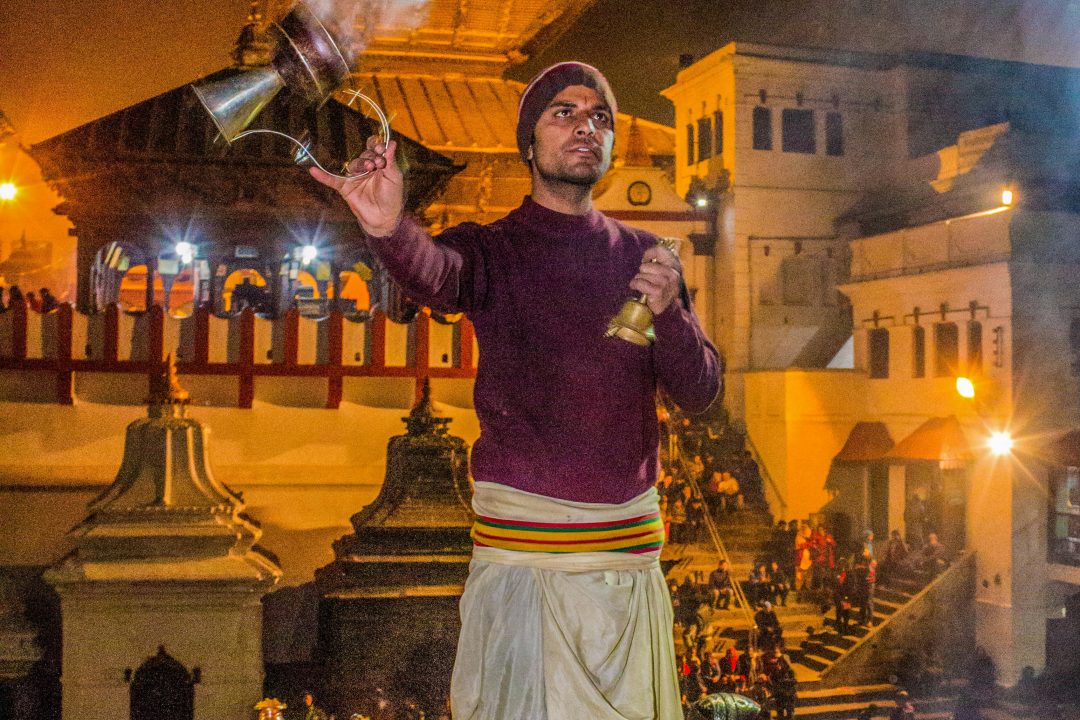
“As the moon wanes in the month of Phalguna, millions prepare for a night of immense spiritual power—a night dedicated to the cosmic dancer, the supreme ascetic, Lord Shiva.”
Table of Contents
Introduction: The Night of the Divine
The Mahashivaratri, also known as the Great Night of Shiva, is among the most significant and holy festivals in the Hindu religion. Hindu people of the world observe it with a lot of faith. This is a special night dedicated to Lord Shiva, who is the symbol of destruction and rebirth, meditative state and balance of the universe. This is a period in which believers feel that spiritual energy is very intense and prayers are more in touch with the divine.
Mahashivaratri is an occasion of inner development, discipline and self-reflection. The majority of the population is fasting, keeping awake during the night, and concentrating on prayers and meditation. It is said that by worshiping Lord Shiva during this night, the worshipper enjoys peace, blessing and spiritual freedom (moksha).
Here we discuss the core of Mahashivaratri by defining its meaning, typical rituals and practices, famous legends associated with Lord Shiva, as well as simple measures that people can participate in this divine festival.
When and What is Mahashivaratri?
- Nepali Date: 2082 Falgun 3, Sunday
- English Date: February 15, 2026
Tithi: Chaturdashi (14th lunar day) during Krishna Paksha (waning phase of the moon) in the Hindu month of Phalguna
Mahashivaratri, meaning “The Great Night of Shiva,” is observed every year on the 14th lunar day during the waning moon in the Hindu month of Phalguna. In 2026, it falls on February 15.
This is a religious evening devoted to Lord Shiva, who is one of the core deities in Hinduism. It is the victory of light over darkness, knowledge over ignorance, and Godly power over earthly boundaries. Believers worldwide also fast, go through special rituals, and remain awake in prayer to find Lord Shiva favourable to grow spiritually and inner-change.
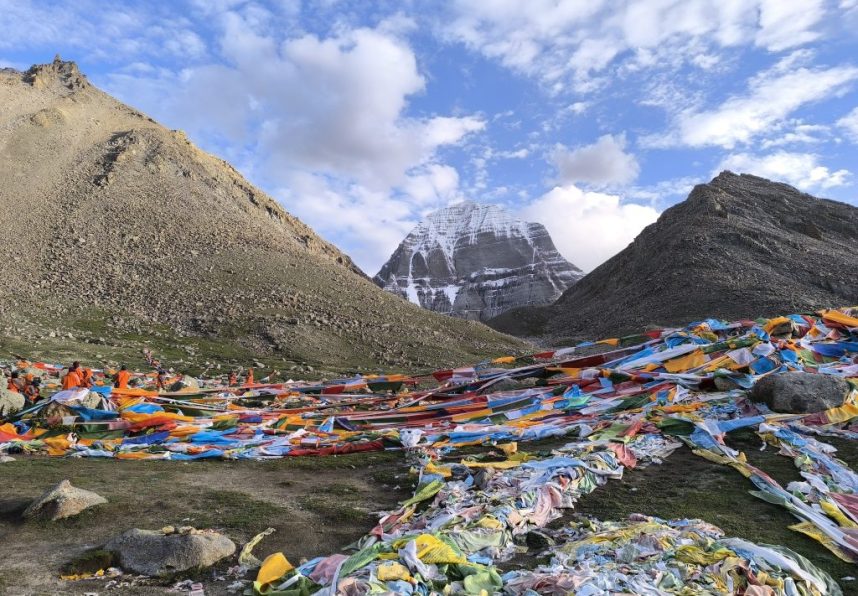
The Myths and Legends Behind Mahashivaratri
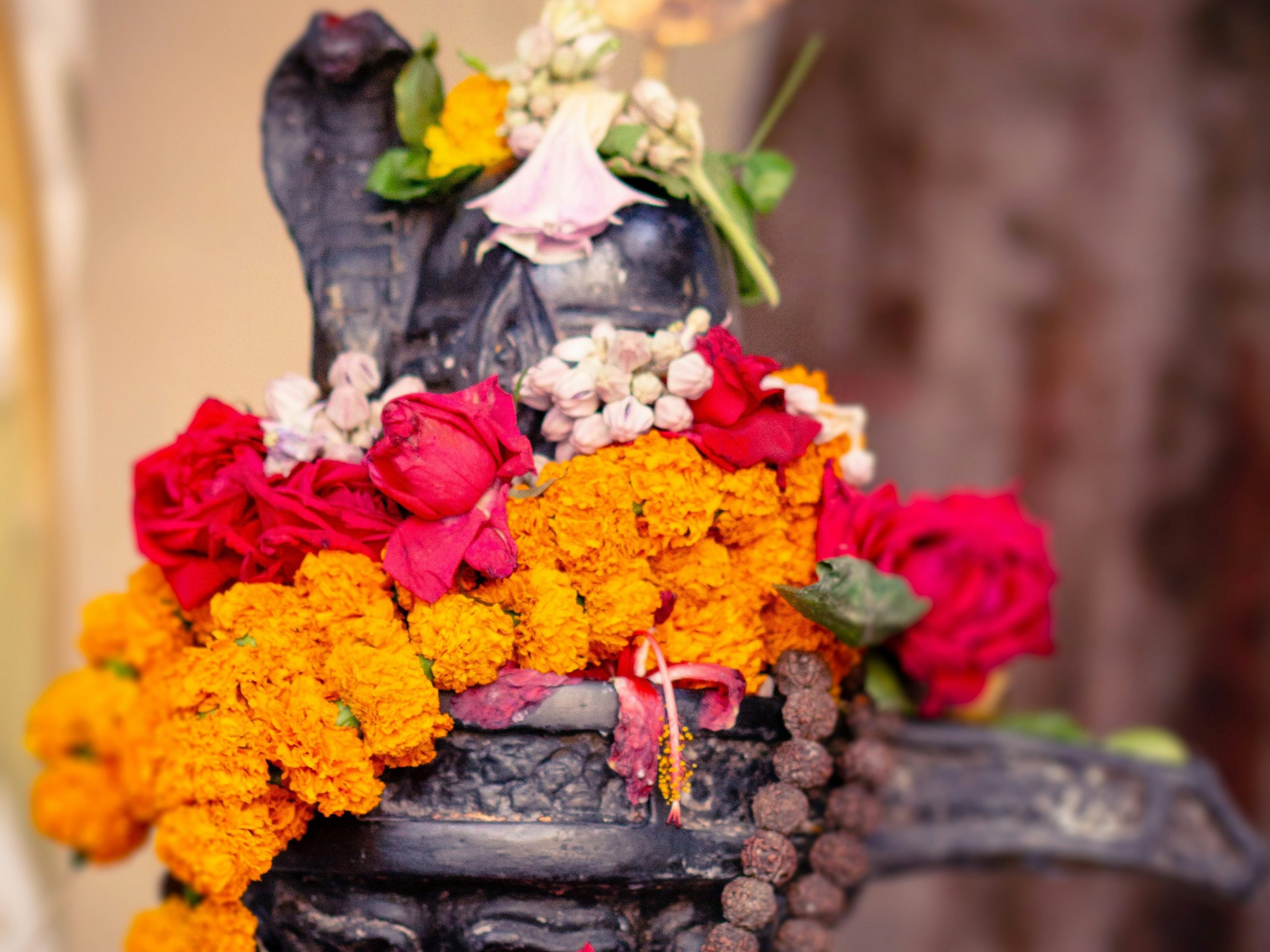
The Mahashivaratri is entrenched in old legends that describe the value of this holy night. The festival has been enriched with cultural significance by these legends. It has helped the devotees cognize the role that Lord Shiva played as the protector, the destroyer of evil and the representation of supreme awareness.
The Samudra Manthan (The Churning of the Ocean)
The story of Samudra Manthan, the churning of the Ocean of Milk by the gods (Devas) and the demons (Asuras) to get Amrita, the nectar of immortality, features one of the most important legends of Mahashivaratri.
In this event, a lethal poison called Halahala emerged from the ocean. This poison was very strong to the extent that it would destroy the universe. In order to save everyone on the earth, Lord Shiva drank the poison. He failed to swallow it, and instead, he kept it in his throat, which became blue. Owing to this, he is referred to as Neelkanath, the Blue-throated one.
This terrific sacrifice is commemorated on Mahashivaratri. Devotees remain throughout the night singing and expressing their thankfulness to Lord Shiva, who rescued the universe and safeguarded life.
The Divine Wedding of Shiva and Parvati
The Mahashivaratri is also the divine union of Lord Shiva and Goddess Parvati. Such a holy marriage symbolizes the proportion between the awareness ( Shiva ) and the power ( Shakti ), both of which hold the universe together.
This is the day of their heavenly wedding, according to belief. In most of the places, we find that homes and temples are adorned, devotional songs are sung, and rituals are done as in a traditional wedding. Such a cheerful aspect of Mahashivaratri helps people to keep in mind that the festival is not merely about discipline and fasting, but it is about the love of God, unity, and harmony.
The Appearance of the Shiva Linga
Another significant myth is that there was a time when Lord Brahma and Lord Vishnu quarrelled about who was the supreme deity. In order to reveal to them the reality, Lord Shiva manifested as a column of infinity light called the Jyotirlinga, which is beyond time and space.
Even Brahma and Vishnu could not locate the end or the beginning of this light. Lastly, Shiva showed that he is the ultimate reality; he exists outside of any form, but is everywhere. The emergence of this endless column of light is considered to have occurred on Mahashivaratri, and therefore, it is a spiritual awakening, enlightenment and divine revelation night.
How to Celebrate Mahashivaratri: Rituals and Observances
Mahashivaratri is not merely a festival, it is an inner journey. Devotees are united to the transforming energy of the universe by adhering to rituals and making genuine prayers. The following is how you can make this holy night significant and commemorate it.
The Vrat (Fasting)
On Mahashivaratri, fasting begins at sunrise and continues till the morning after sunrise (Parana time). This will aid in cleansing the body and mind, which will now be easier to concentrate on meditation and be one with Lord Shiva.
There are two common types of fasts:
- Nirjala Vrat: Complete abstinence from food and water.
- Phalahar Vrat: Consumption of fruits, milk, nuts, and non-grain foods (often called vrat-friendly or upvas foods).
Fasting is more than just abstaining from food—it helps develop self-control, humility, and greater awareness.
The Jagaran (Night-Long Vigil)
Staying awake all night—Jagaran—is central to Mahashivaratri. It is the symbol of the victory of consciousness over inertia and darkness.
During the night, devotees engage in:
- Reciting Shiva mantras, especially “Om Namah Shivaya.”
- Singing bhajans and devotional hymns
- Reading sacred texts like the Shiva Purana or Rudram Chamakam
- Practicing meditation and prayer
Each of the four pahars (watch periods) of the night is dedicated to a different form of worship, creating a rhythm of devotion through the hours.
One of the greatest rituals of Mahashivaratri is the Abhishekam. It implies washing of the Shiva Linga, which is a symbolic image of divine energy, with holy substances and each of them has a profound spiritual significance.
Traditional Offerings & Their Symbolism:
| Item | Spiritual Significance |
| Milk | Purity and spiritual cleansing |
| Yogurt | Prosperity and positive growth |
| Honey | Sweetness in speech and kindness |
| Ghee (clarified butter) | Victory over challenges and ego |
| Water | Inner purification and clarity |
| Bel Leaves (Bilva Patra) | Extremely sacred; said to be dear to Shiva – representing the three eyes of Shiva and the removal of sins |
Process: Begin by cleansing the Shiva Linga with water. Then, pour each offering one by one, chanting “Om Namah Shivaya” after each. Conclude by offering Bel leaves and lighting a diya (lamp) as a sign of enlightenment.
Chanting and Temple Visits
The Om Namah Shivaya, which translates as I bow to lord Shiva is believed to be very powerful on this night. Devout chanting of it will calm down the mind, open up inner consciousness, and bring the grace of Shiva.
On Mahashivaratri, temples devoted to Lord Shiva are alive. Thousands of worshippers in the holy Pashupatinath Temple in Kathmandu, to the ancient Halesi Mahadev in eastern Nepal, adore Venerable Lord Shiva. The pilgrims pray, take part in community Abbishekams, and have a powerful feeling of harmony and calmness.
Beyond the Rituals: The Spiritual Significance
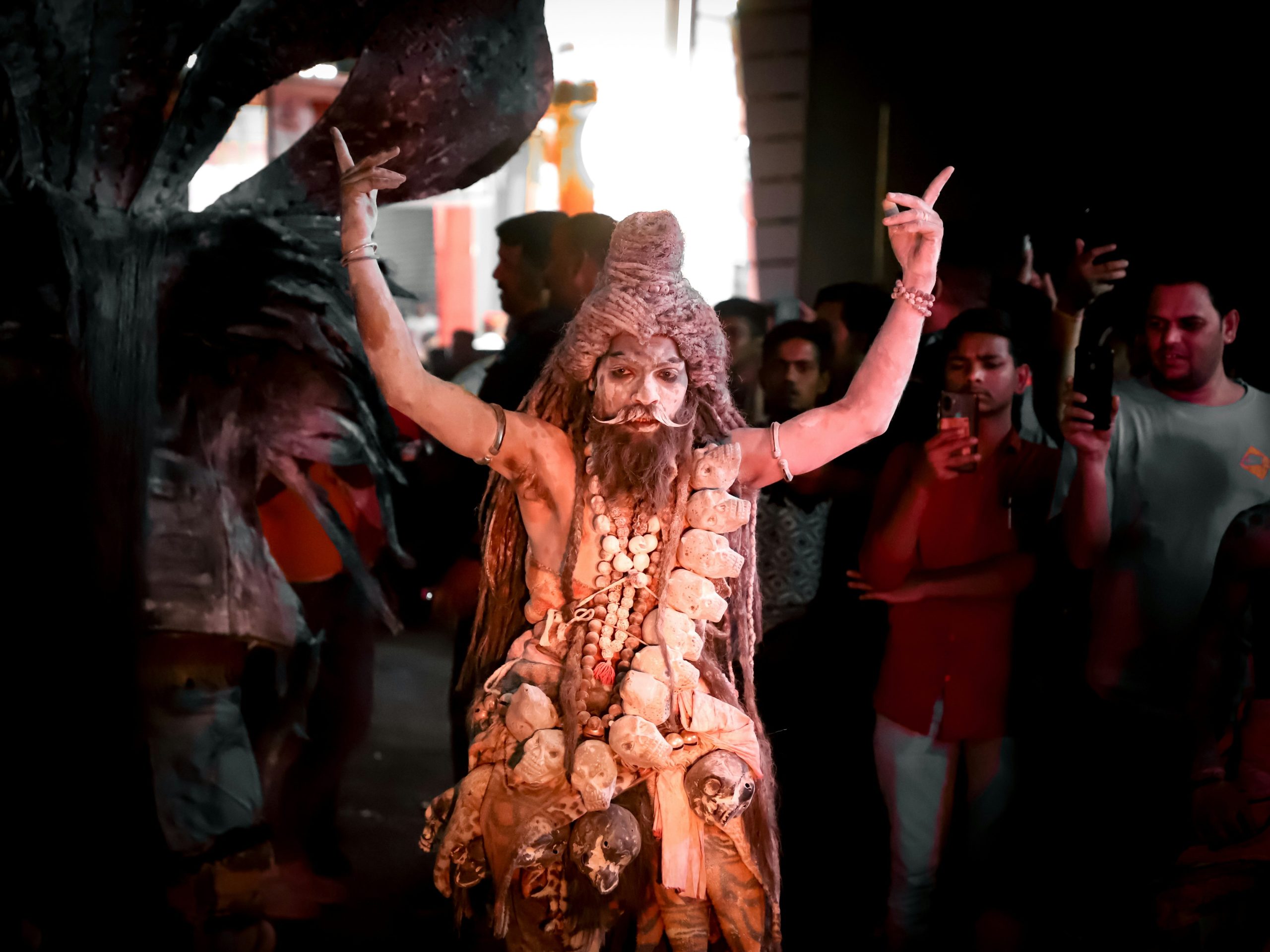
While rituals are vital, Mahashivaratri’s true essence lies in inner transformation.
This is a potent night since it is said to have increased spiritual energy- good in introspection, self-discipline and breaking of chains of ego, attachment, and illusion (maya). It is a time to:
- Reflect on your actions and thoughts
- Let go of inner negativity—anger, greed, jealousy
- Embrace silence, meditation, and mindfulness
- Seek forgiveness and renew your commitment to truth and compassion
Lord Shiva as Mahadev and as the Adiyogi (first yogi) symbolizes the highest possible in any human being: to transcend the material world and to discover the unity of the soul with the infinite.
Heading: Fasting-Friendly Foods for Mahashivaratri
In case you are fasting, Phalahar, feed your body using sattvic (pure) foods helpful in promoting energy and concentration. The following is a list of vrat-safe:
- Fruits, Nuts, and Seeds: Bananas, apples, dates, almonds, walnuts
- Dairy: Milk, yogurt, lassi (without added onion/garlic)
- Vrat Grains: Sabudana (tapioca pearls), Kuttu (buckwheat flour), Singhara (water chestnut flour)
- Vegetables: Potatoes, sweet potatoes, pumpkin (cooked without onion, garlic, or regular spices)
- Simple Dishes: Sabudana khichdi, kuttu puri, fruit salads, lemon water
Avoid grains like wheat and rice, as well as onion and garlic, which are considered tamasic (dulling to the mind).
Mahashivaratri Celebrations Across Nepal
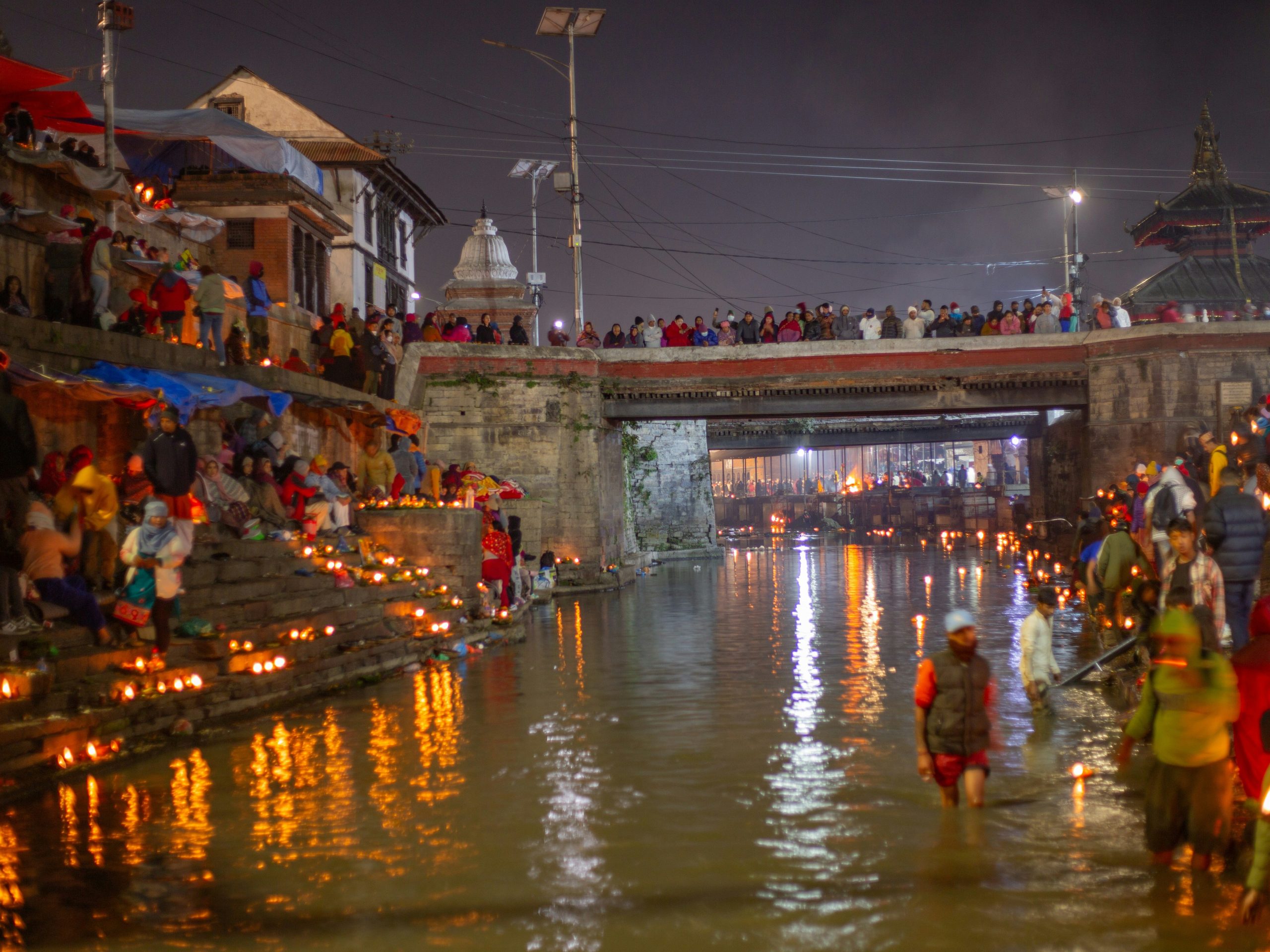
Mahashivaratri in Nepal is deeply spiritual and culturally rich, centered around Lord Shiva’s most sacred sites.
- Pashupatinath Temple, Kathmandu
- Gokarneshwor Mahadev Temple, Kathmandu
- Halesi Mahadev, Khotang
- Devghat Dham, Chitwan–Tanahun
- Kirateshwar Mahadev, Pashupatinagar
Mahashivaratri Celebrations Across India
Mahashivaratri is celebrated with regional flair across India, showcasing the cultural richness of Shiva devotion.
- Kashi Vishwanath Temple, Varanasi
- Mandi Shivratri Fair, Himachal Pradesh
- Mahakaleshwar Temple, Ujjain
- Somnath Temple, Gujarat
- Baidyanath Dham, Jharkhand
Conclusion: Embrace the Divine Energy
Turn this sacred night into a turning point, an opportunity to clean your mind, become more spiritual and enter into the presence of the eternal Lord Shiva.
Om Namah Shivaya!!!
Frequently Asked Questions
When is Mahashivaratri This Year?
This Year Mahashivaratri Fall on 15 Sunday, February 15, 2026
When is Mahashivaratri Nepali Date?
Nepali Date: 2082 Falgun 3, Sunday
Can we drink water during the Mahashivaratri fast?
Yes, for most people, drinking water is permitted. The most strict devotees observe a Nirjala Vrat (without water), but that is a personal choice.
What is the best time to perform the Shiva Linga Puja on Mahashivaratri?
A: The night is divided into four prahars (watches), and performing the puja during each prahar is considered highly auspicious. The first prahar (after sunset) is a popular time to begin the main Abhishekam.
Where is the best place to celebrate Mahashivaratri in Nepal?
We recommend that you visit the Pashupatinath temple to celebrate and witness this holy festival if you are in Kathmandu, Nepal.