
Pashupatinath Temple, Nepal, Kathmandu
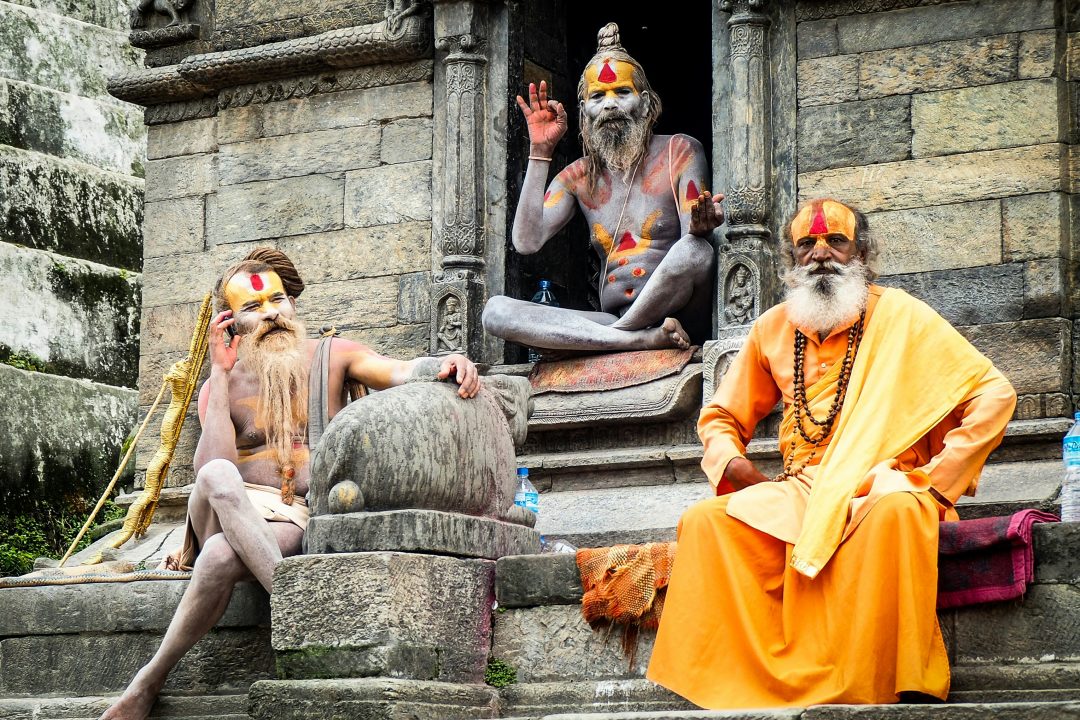
Table of Contents
Introduction
Pashupatinath Temple is one of the oldest and most holiest temples located in Kathmandu along the sacred banks of the Bagmati River. Dedicated to Lord Shiva, Pashupatinath Mandir holds immense religious and cultural significance. It was listed as a UNESCO Heritage Site in 1979. More than just a temple, it is a living symbol of centuries of devotion for the Hindu religion.
Kathmandu, often known as the land of Tantra, has been a spiritual center for centuries, and Pashupatinath stands as its most revered shrine. Every day, thousands of visitors visit this holy destination, and the number rises significantly—up to 800,000 to 1.5 million—during festivals and important events.
A Glimpse into History of Pashupatinath Temple
According to an ancient legend, Lord Shiva turned into a deer and roamed through the forests along the Bagmati River to get away from his duties in the world. When the gods found him and tried to bring him back, one of his horns broke off right there.
People think that this holy moment triggered a self-manifested (naturally created) Shiva linga to appear, making the site a strong place to worship. People still remember the forest where this event happened as Mrigasthali. It is now the Mrigasthali Deer Park, where deer still roam, keeping the old narrative alive.
Pashupatinath Temple Mythology & Religious Significance
Pashupatinath—the “Lord of All Living Beings.” The name Pashupati, derived from Sanskrit (Pashu meaning “creature” or “animal,” and Pati meaning “lord” or “protector”), signifies Shiva’s role as the compassionate guardian of all life.
Pashupatinath is one of the Pancha Kashi, among the five most sacred Shiva pilgrimage destinations in Hinduism. It is very important to Hindus. The Pancha Kashi are significant places where pilgrims, rituals, and spiritual reflection can help people achieve moksha, or freedom.
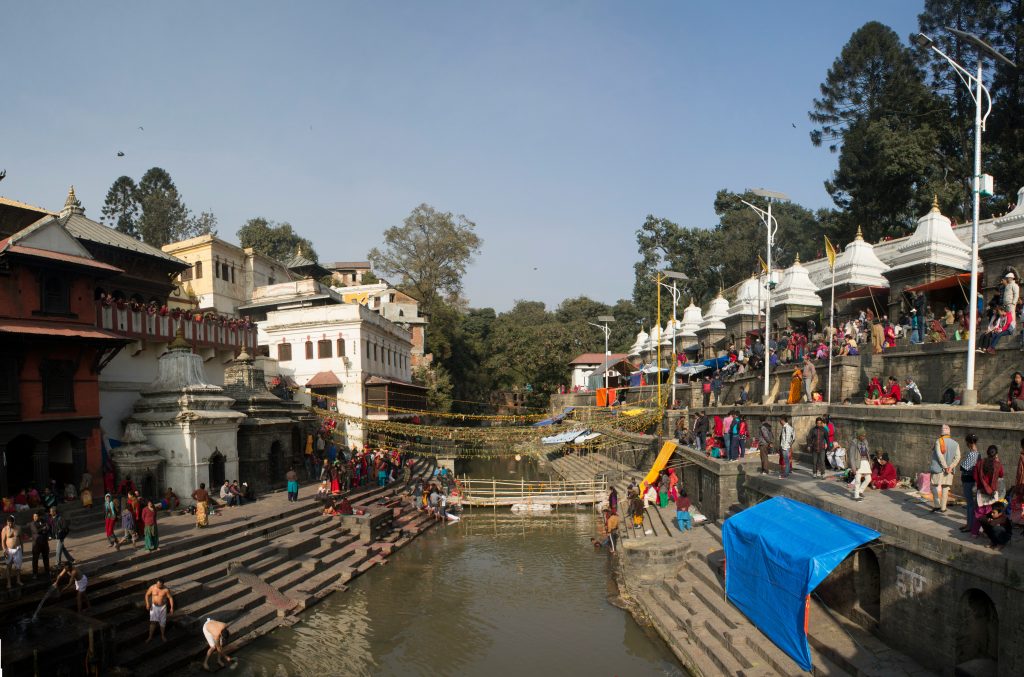
The temple’s holy status is even more heightened because it is the principal place where Hindus cremate their dead family members. The Pashupatinath complex is on the riverbank and has special ghats (cremation platforms) where fire rituals (antyeshti) are done with Vedic accuracy. Many people think that people who are burned here, especially in front of Pashupatinath, are freed from the cycle of life and death (samsara).
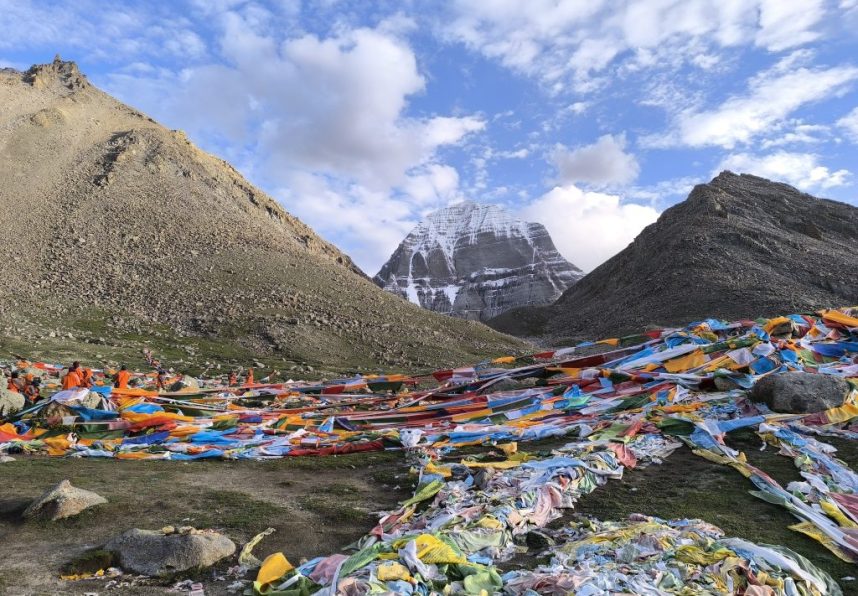
Pashupatinath Temple Architectural Marvels
Temple Layout – The main sanctum (Garbhagriha) and the golden spire (Shikhara)
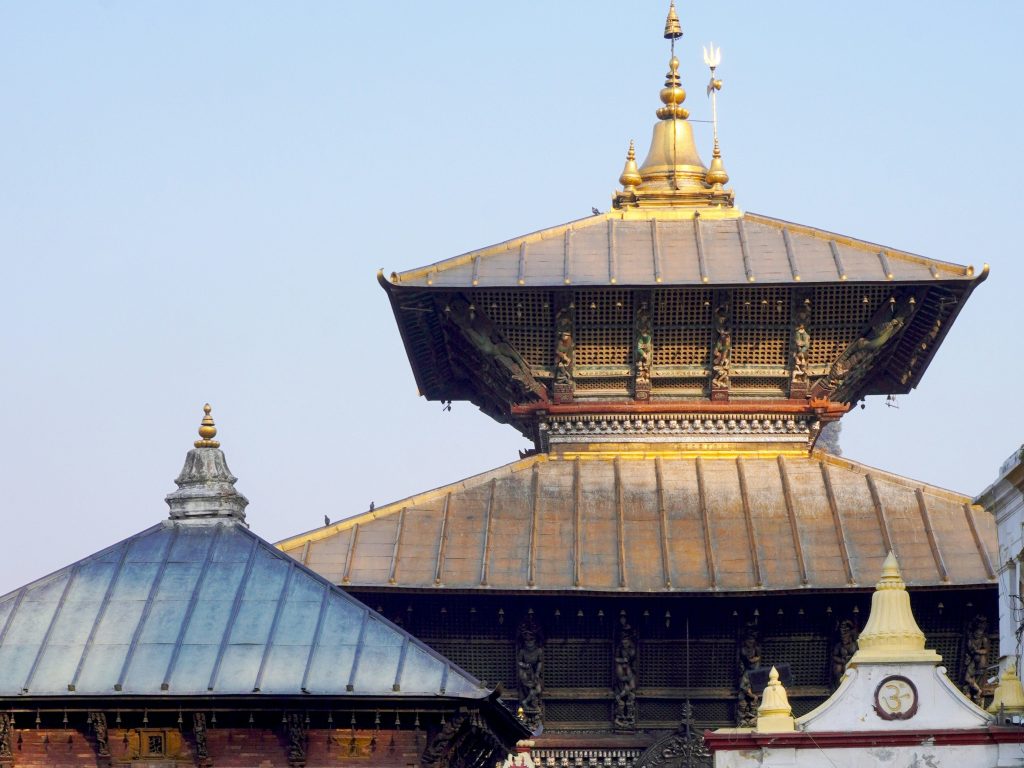
Materials & Craftsmanship – Pagoda‑style wooden pillars, stone carvings, and the iconic bronze “Nandi” bull
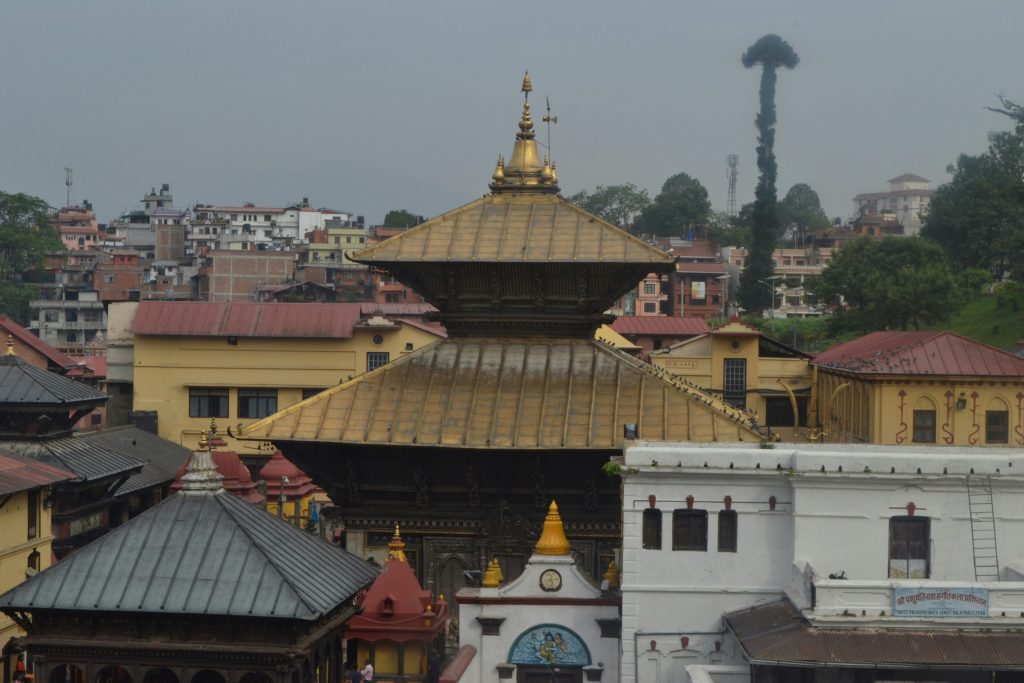
The Ghats & Riverbank – Bagmati River’s sacred banks, the “Bagh Ghat” and “Hiranya Ghat.”
Pashupatinath Mandir Key Rituals & Daily Practices
Pashupatinath Aarti Ceremonies – Sunrise & Sunset
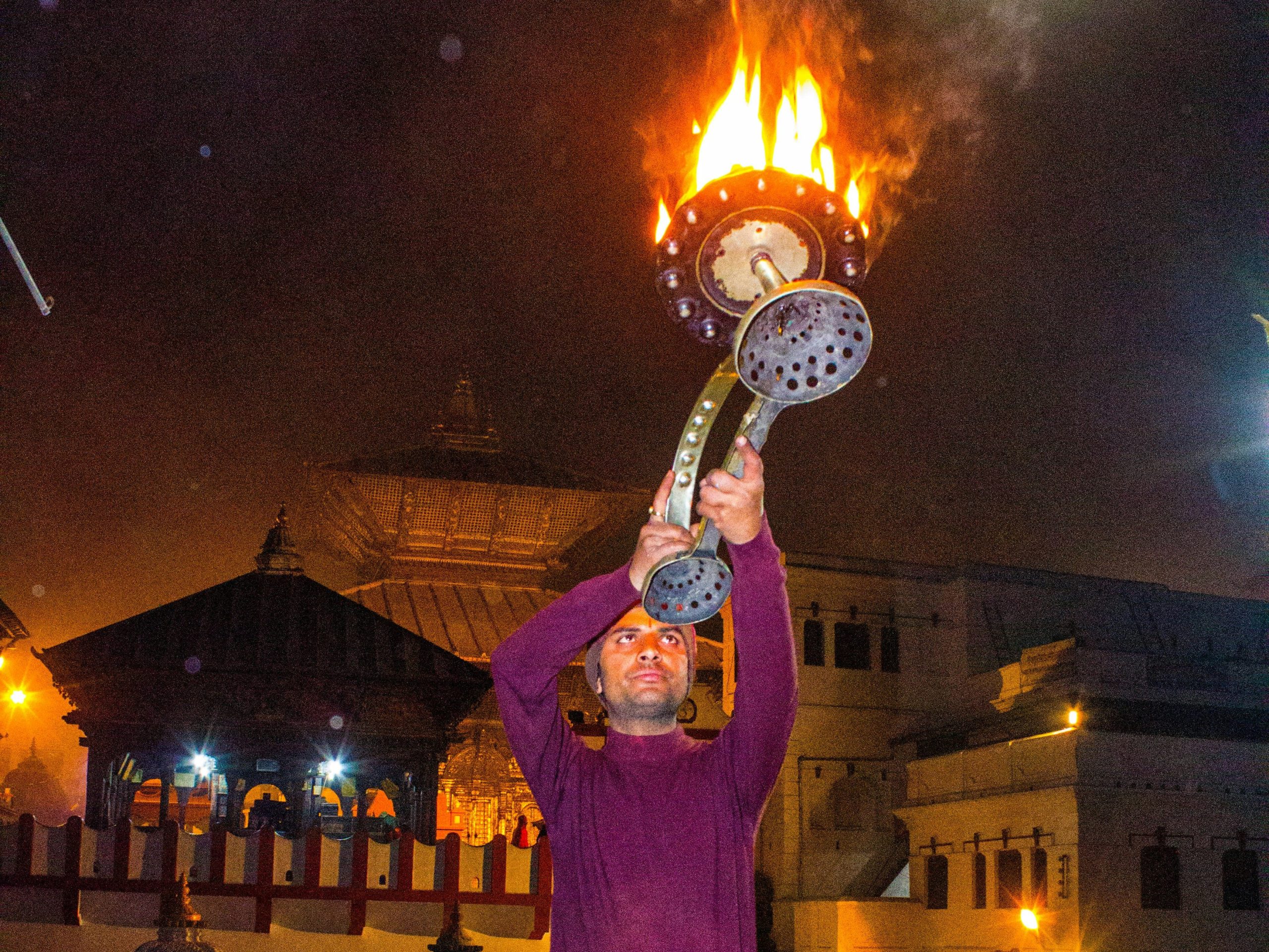
- Morning Aarti Timing: 5:45 am – 6:15 am (approx. 30 minutes before sunrise)
- Evening Aarti Timing: 6:30 pm – 7:00 pm (approx. 30 minutes after sunset)
What to Expect:
- The Aarti is a bright offering of light, incense, and music that welcomes the day and says goodbye to it.
- The priest (Purohit) lights a brass Aarti lamp and leads the congregation in singing traditional bhajans during the “Prabhat” and “Sandhya” Aarti.
- People are asked to wave their own incense sticks and sing along with “Om Jai Jagdish Hare” or other regional hymns to create a sense of devotion among everyone.
Why It Matters
These two ceremonies let us connect with the natural changes that happen between day and night and remind us that knowledge and goodness are stronger than ignorance. The Pashupatinath Aarti program is open to people of all nationalities and takes place on the banks of the Bagmati River.
Visitor Guidelines:
- Dress modestly (no sleeveless tops, shorts, or flip‑flops).
- Chanting and singing are allowed, but do not make unnecessary noise during arati time.
- You can take pictures and videos during the Arati, but make sure to respect other pilgrims’ privacy.
Festivals that Light Up the Pashupatinath Temple
Maha Shivratri: Night‑long vigils, “Kanwar Yatra”, and fire‑walking
People celebrate Maha Shivaratri to honor Lord Shiva. They remember essential events in his life, such as his marriage to Parvati, the night he did his cosmic dance (Tandav), and the time he drank poison (Halahala) to save the world. These events are seen as signs of good overcoming evil, overcoming darkness, and achieving spiritual awakening and inner peace. People who worship Shiva fast, meditate, and pray to him, thinking of the night as a time for spiritual growth, devotion, and experiencing the divine.
Teej – Women’s fasting & special prayers
Hindu women celebrate Teej festival at Pashupatinath Temple to worship the heavenly marriage of Lord Shiva and Goddess Parvati. This union represents marital bliss, devotion, and the strength of womanhood. Women fast and say specific prayers in the temple to ask for blessings for a long, happy, and successful marriage.
Bala Chaturdashi
This celebration happens every year, usually in late November or early December, and is based on the lunar calendar. It commences on Marga Krishna Trayodashi, which is the 13th day of the waning moon. On the 14th day, Margashirsha Krishna Chaturdashi, the primary rituals take place. These include spreading Satbij (seven grains) and offering more lamps for the peace of departed souls. The event happened throughout the night.
Pashupatinath Temple Cremation Ghats – A Sacred Passage
Ghats are riverfront steps used for worship and ceremonies. When Hindu people pass away, they are taken to the ghat. Pashupatinath Temple also has ghats.
For hundreds of years, these Ghats have been a holy spot where souls leave the physical world, following rites that are full of tradition and devotion. You might also see Hindu cremation ceremonies taking place at the Ghat while you are there. These are essential aspects of their spiritual practice.
Practical Travel Guide While Visiting Pashupatinath Temple
Getting There – Flights to Kathmandu, local transport (taxis, buses, rickshaws)
If you want to visit the Pashupatinath Temple from another country, you can take a flight to Kathmandu and visit this place. The Pashupatinath Mandir is just 10m (2.7 km) from the Tribhuvan International Airport(TIA).
Best Visiting Hours & Peak Seasons
Pashupatinath Temple is open 24 hours, but the main shrine has specific visiting hours for devotees:
- Early Morning: 4:00 – 5:00 am
- Closed Midday: 12:00 – 5:00 pm
- Evening Aarti: Around 6:00 pm-7:00 pm
Visiting during the morning or evening Aarti is recommended for the most spiritual experience.
Entry Fees, Ticketing & Guided Tours
Entry Fees: As per the Rules of the Government of Nepal, all foreign visitors who want to visit the Pashupatinath Mandir must obtain the entrance pass by paying a small fee.
- Foreign Nationals: NPR 1,000 (per day, per entry).
- Nepalese Citizens: Free.
- Indian Nationals: Generally Free
- SAARC Nationals: NPR 1,000 (per day, per entry).
Ticketing: Foreigners can purchase the ticket from the main entrance gate of Pashupatinath Temple. They accept local cash only.
Guide Tours: You can have a guide tour with the High Route Adventure. We will arrange a full-day Pashupatinath Temple tour which includes transportation, meals and a tour guide.
Safety Tips
- Be prepared for large crowds, especially during festivals.
- Keep your belongings secure and stay close to your group.
- Be aware of pick-pocketing.
- Do not disturb devotees.
- If you are taking children with you, make sure to keep an eye on them.
- If you are physically challenged or elderly, take extra care.
Culinary Delights Around Pashupatinath Temple
Around the Pashupatinath Temple premises, you can find plenty of restaurants, cafés, and street food stalls. They sell pure vegetarian meals or sattvic (no onion/garlic) food.
The everyday foods you can expect are:
- Pancakes/Toast, Tea, Coffee, Juice
- Veg Dal Bhat Tarkari Set (lentil soup with rice)
- Aloo Sadeko (spiced potatoes)
- Veg Fried Rice/Noodles
- Chilli Paneer/Mushroom
- Soups(Tomato, Mushroom, or creamy Pumpkin soups)
- Snacks(Cheese balls, fries, crispy corn, or vegetable spring rolls)
Hotels Around Pashupatinath Mandir
If you want to stay near Pashupatinath Temple, you can find a variety of hotel options. You can choose accommodations according to your budget, ranging from standard hotels to luxury stays.
Hotels Close & Convenient (Walking Distance / Short Ride):
- Pashupati View Hotel – Budget‑friendly option with basic comforts, great for temple visitors.
- Pashupati Boutique Hotel – Comfortable mid‑range stay near Bijay Chowk.
- Hotel Crystal Pashupati – Popular choice with good reviews and modest rates.
- Kailash Kuti Inn – Cozy inn with good local vibes.
Mid‑Range & Classic Comfort:
- Best Western Plus Kathmandu Hotel – Well‑known international chain with excellent service and easy access to the temple area.
- Mercure Kathmandu Sukedhara Heights – Stylish mid‑range hotel with good facilities.
- Hotel Grand View – Comfortable B&B style option.
Premium & Luxury (Short Drive):
- Kathmandu Marriott Hotel: A high-end international hotel with excellent amenities (a little farther away, but generally a great place to stay).
- The Dwarika’s is a luxury heritage property in Kathmandu that is great for a unique stay.
- Radisson Hotel Kathmandu: A comfortable and well-rated international hotel with all the modern amenities.
Souvenirs & Handicrafts In Pashupatinath
There are lots of things to buy as souvenirs and handicrafts in Pashupatinath. Here are some of the popular items:
- Miniature Shiva statues
- Brass Nandi figurines
- Hand‑woven Dhaka fabrics
- Prayer beads (mala)
Note: You can find the souvenir and handicraft shops just on the ring side of the main Gate of Pashupatinath Temple.
Cultural Impact & Modern Challenges
Pashupatinath Temple is still an important spiritual and cultural centre that keeps alive customs, architecture, and community life that have been around for hundreds of years. But it has to deal with modern problems like too many people during festivals, pollution of the environment, and the need to protect and preserve old buildings while making sure that tourists respect the site’s holy rites and its holiness.

Nearby Attractions Around Pashupatinath Temple & Day‑Trip Ideas
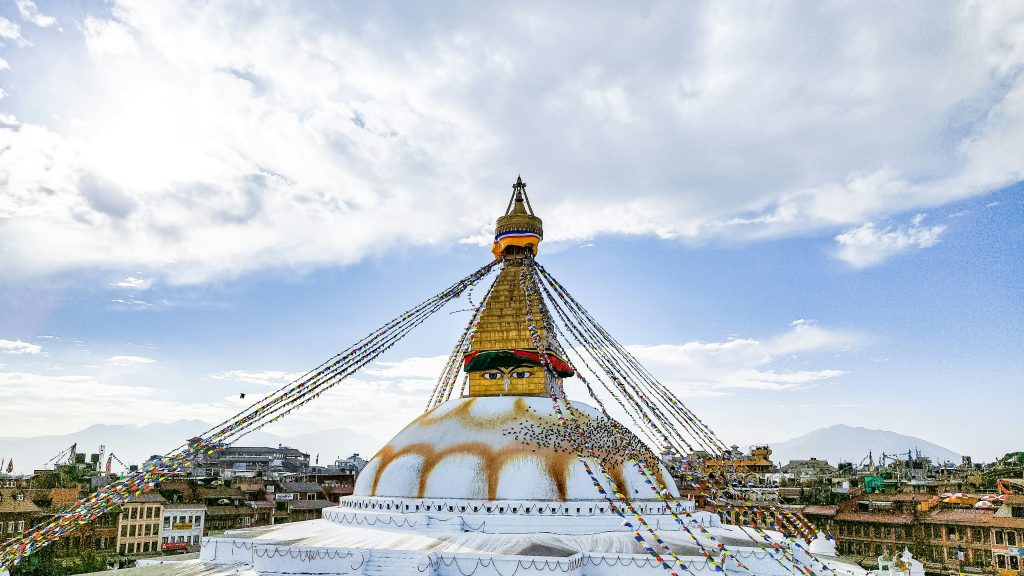
Boudhanath Stupa (World Heritage)
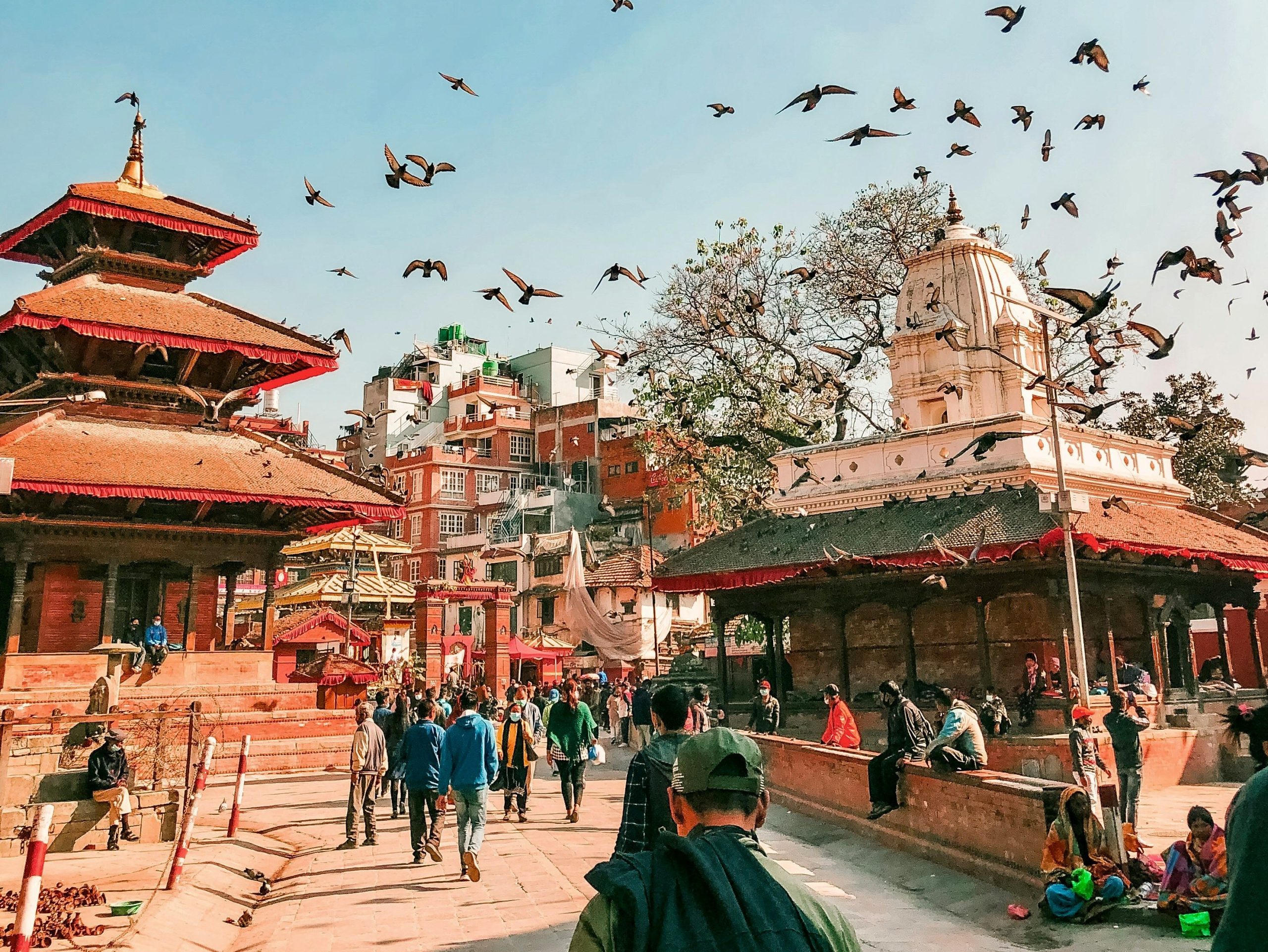
Kathmandu Durbar Square
Garden of Dreams
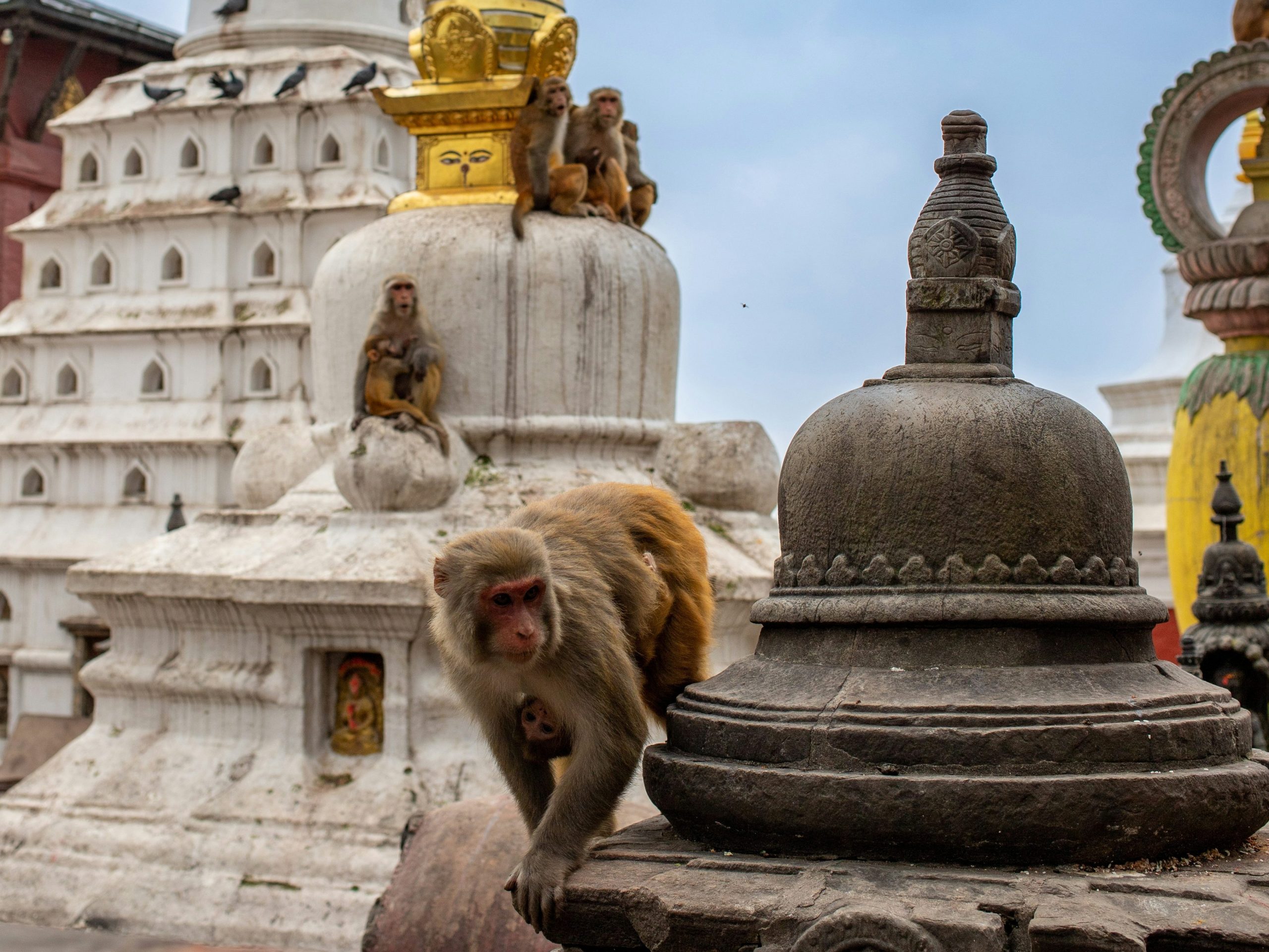
Swayambhunath (Monkey Temple)
Conclusion – Why Pashupatinath Temple Remains Timeless
Pashupatinath Temple is one of the best places that you should visit while you are in Kathmandu, Nepal. Visiting here, you will experience centuries of devotion, rich cultural heritage, and spiritual traditions. The most important lesson that you will get here is the life cycle of life, reflected in the rituals, ghats, and daily practices that have continued for generations.
FAQ Section
- Can non‑Hindus enter the main sanctum at Pashupatinath Temple?
No, only Hindus are allowed to enter the main sanctum. While entering, make sure to follow the queues, respect the rules, and observe proper decorum inside the temple.
- Is photography allowed at Pashupatinath Temple??
Visitors cannot take pictures inside the main sanctum, but photography is allowed in the temple premises, courtyards, and surrounding areas.
- How long should a visit take?
If you are visiting to perform the rituals, it might take 3-4 hours. If you’re visiting to witness the Evening arati programme, it will last around 1 hour. If you want to explore the whole temple, it will take a day as it has various things to see and visit.
- What’s the best time to attend Maha Shivratri?
You can expect a considerable number of local and international tourists during the Maha Shivaratri. If you want to enter the Main temple, make sure to arrive early in the morning, like 3–4 am. To explore only we suggest you visit in the midday before evening.
- Are there toilet facilities around the Pashupatinath Temple?
Yes, there are toilet facilities around the Pashupatinath temple.
Posted on